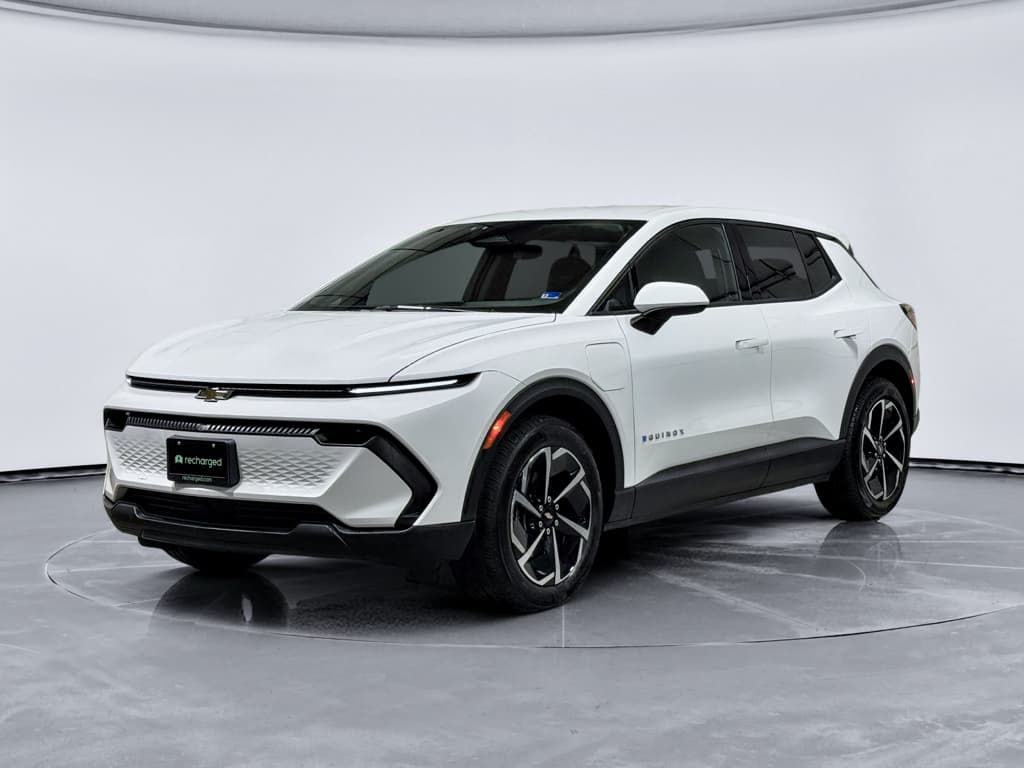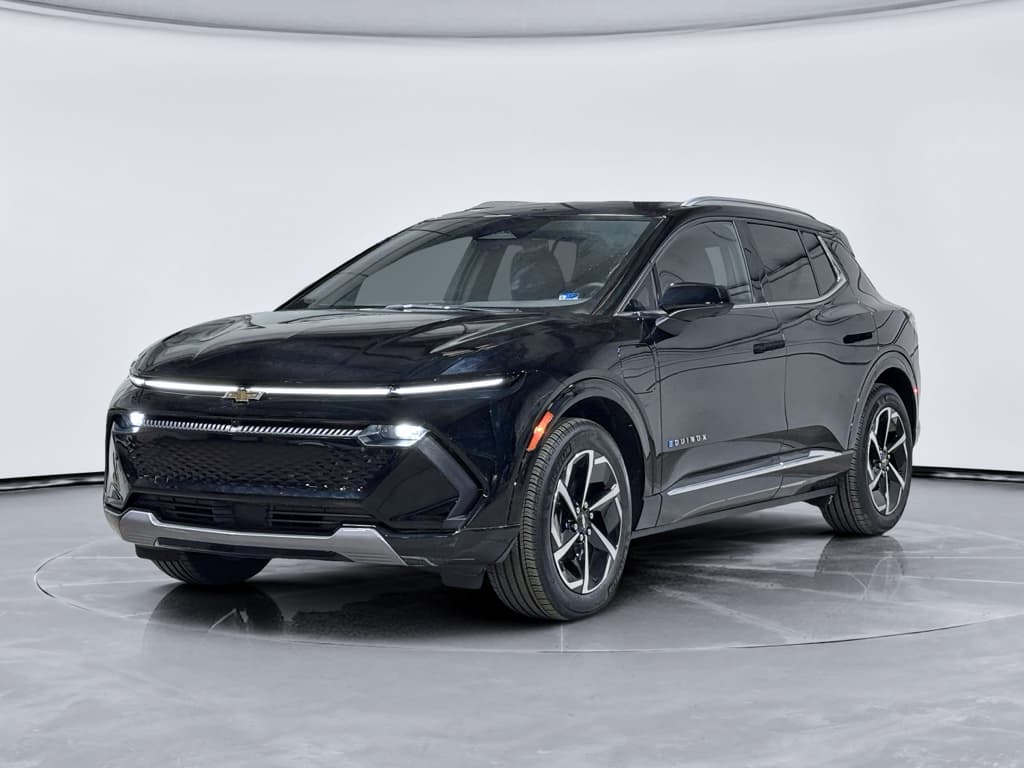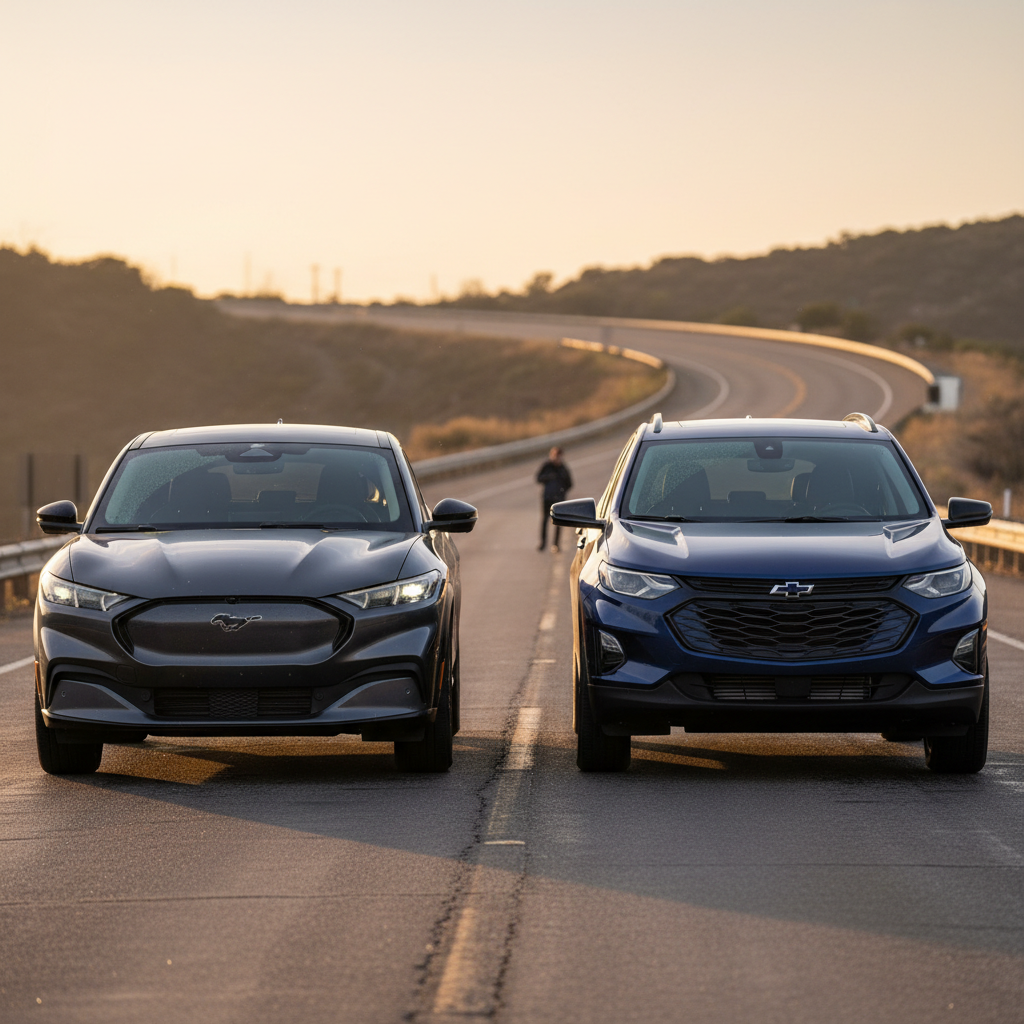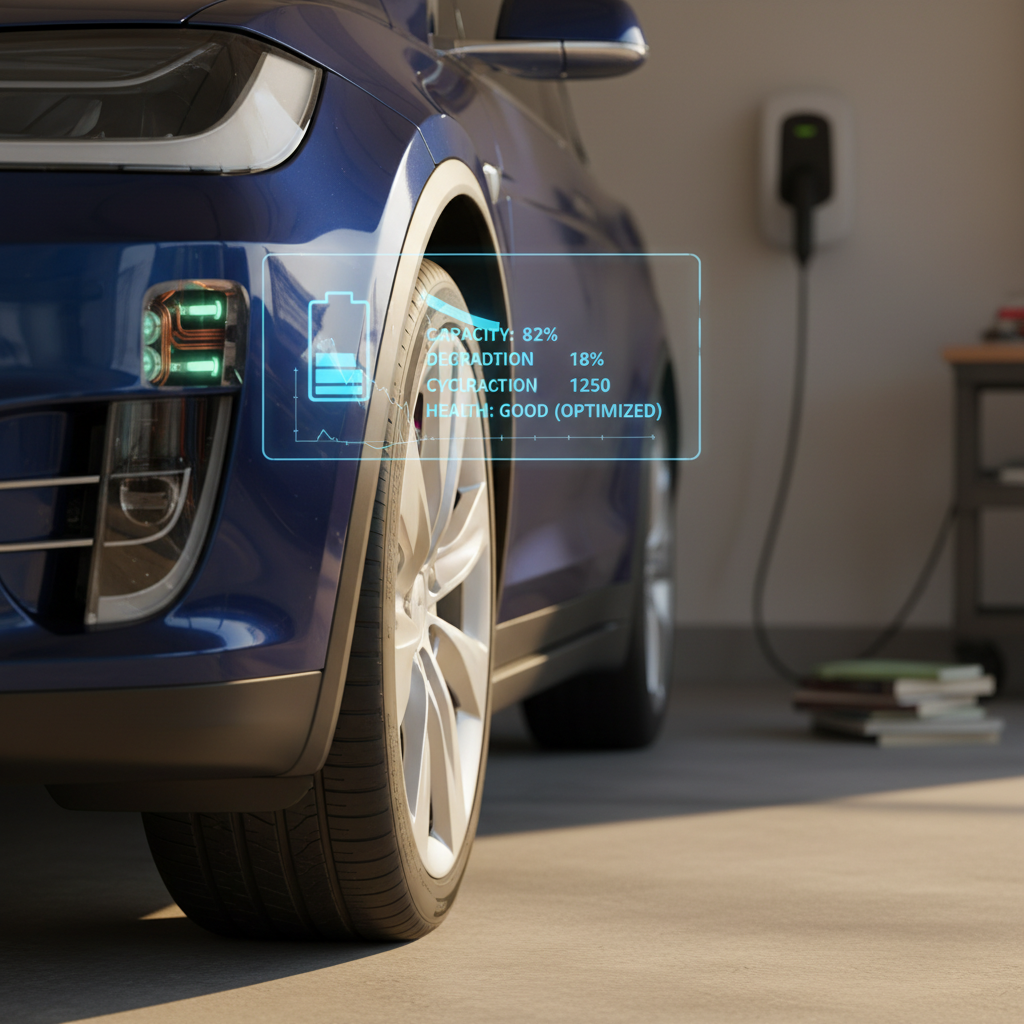
If you’re cross‑shopping the **Chevrolet Equinox EV** against a traditional **gas‑powered Equinox**, the question in the back of your mind is simple: *how much money will I actually save*? Between rising gas prices, higher electricity rates, and the EV’s sticker price, the math can feel murky. Let’s clear it up with plain‑English numbers and real‑world assumptions.
What this guide does (and doesn’t) do
Why compare the Equinox EV vs gas Equinox on cost?
The Chevrolet Equinox has long been a bread‑and‑butter compact SUV for families and commuters. With the **Equinox EV**, Chevy is betting you’ll pay more up front and make it back in lower running costs. That’s the EV promise, but it only matters if the savings show up in your real life, not just in a brochure.
- Compact SUV size means many shoppers genuinely could choose either version.
- Both the EV and gas Equinox target mainstream buyers, not luxury early‑adopters.
- Your choice affects **every mile you drive**, fuel, maintenance, and resale, for years.
Sticker price doesn’t tell the whole story
Key specs that drive Equinox EV vs gas cost differences
Chevrolet Equinox EV vs gas Equinox: the cost‑driving specs
Approximate U.S. figures for common trims as of 2025–2026. Always check the window sticker for exact specs and pricing.
| Spec | Equinox EV (FWD, typical) | Gas Equinox (FWD, typical) |
|---|---|---|
| Powertrain | Battery‑electric, single motor FWD | 1.5L turbo gas, automatic |
| EPA/combined efficiency | ~29 kWh per 100 miles (3.4 mi/kWh) | ~27 mpg combined |
| Energy type | Electricity (kWh) | Regular gasoline |
| Usable battery / tank | ~80–85 kWh pack | ~15.6 gal fuel tank |
| Typical range (one charge/tank) | ~280–320 miles | ~400+ miles |
| Oil changes, exhaust, spark plugs | None | Yes, on a schedule |
| Brake wear | Lower (regen braking) | Higher (friction brakes do most of the work) |
Efficiency and fuel type are the biggest drivers of ongoing cost differences between the Equinox EV and gas Equinox.
Where the big savings hide
Electricity vs gasoline: what each Equinox really costs per mile
Let’s start with what most shoppers care about first: **how much does it cost to drive a mile** in each Equinox? We’ll build the math step by step so you can plug in your own numbers.
Baseline energy cost assumptions (United States, early 2026)
Step 1: Gas Equinox cost per mile
With a gas Equinox at **27 mpg combined** and gas at **$3.75 per gallon**, you can work out fuel cost per mile like this:
- Fuel cost per mile = Gas price ÷ MPG
- = $3.75 ÷ 27
- ≈ **$0.14 per mile** (14 cents)
Quick sanity check
Step 2: Equinox EV cost per mile
For the Equinox EV, the math uses **kWh per 100 miles** instead of gallons per mile. We’ll use 29 kWh/100 miles and 18¢/kWh as a middle‑of‑the‑road case:
- Electricity cost per mile = (kWh per 100 miles × electricity rate) ÷ 100
- = (29 × $0.18) ÷ 100
- = $5.22 ÷ 100
- ≈ **$0.052 per mile** (about 5.2 cents)
EV vs gas: per‑mile fuel cost snapshot
5‑year cost comparison: Chevrolet Equinox EV vs gas Equinox
Per‑mile numbers are helpful, but most owners think in **years**, not miles. Let’s run a 5‑year comparison for a typical driver doing 12,000 miles per year. We’ll keep it simple and focus on fuel and basic maintenance, then layer in purchase price and incentives.
Example: 5‑year fuel + basic maintenance costs at 12,000 miles/year
These are illustrative numbers using national averages, not quotes. Use them as a directional guide.
| Item (5 years) | Equinox EV | Gas Equinox |
|---|---|---|
| Total miles driven | 60,000 | 60,000 |
| Fuel/energy cost per mile | $0.052 | $0.14 |
| Total fuel/energy cost | ≈ $3,120 | ≈ $8,400 |
| Oil changes | $0 | ≈ $600–$800 |
| Other routine ICE items (belts, plugs, etc.) | $0 | ≈ $500–$800 |
| Brake service (pads/rotors) | Lower (regen slows wear) | Higher (more friction braking) |
| Estimated routine maintenance (non‑tires) | ≈ $800–$1,200 | ≈ $1,800–$2,500 |
| 5‑year fuel + maint. total (midpoint) | ≈ **$4,000–$4,400** | ≈ **$10,200–$10,900** |
Even before you factor in potential tax credits or used‑EV discounts, the Equinox EV’s lower running costs start to show up clearly over 5 years.
5‑year running‑cost savings, in plain terms
What about purchase price and incentives?
Here’s where it gets tricky: **MSRPs change constantly**, discounts vary by region, and EV incentives come and go. As of the mid‑2020s, many buyers see the Equinox EV’s sticker price come in **a few thousand dollars higher** than a similarly equipped gas Equinox before incentives. Federal and state EV credits, dealer discounts, and automaker financing offers can shrink, or erase, that gap.
Shopping used? That up‑front gap often shrinks
Stretching to 10 years: when the Equinox EV really pulls ahead
Five years goes by quickly; a lot of families keep a compact SUV for **8–10 years**. Over that time span, the Equinox EV’s lower operating cost has more room to do its work.
Scenario A: 10 years, 10,000 miles/year
Conservative driving, lower annual mileage.
- Total miles: 100,000
- Gas Equinox fuel cost: 100,000 × $0.14 ≈ $14,000
- Equinox EV electricity cost: 100,000 × $0.052 ≈ $5,200
- Fuel savings alone: ≈ $8,800
Scenario B: 10 years, 15,000 miles/year
Long commute or frequent road trips.
- Total miles: 150,000
- Gas Equinox fuel cost: 150,000 × $0.14 ≈ $21,000
- Equinox EV electricity cost: 150,000 × $0.052 ≈ $7,800
- Fuel savings alone: ≈ $13,200
What about battery life over 10 years?
Maintenance, repairs, insurance, and other ownership costs
Fuel isn’t the only cost of owning an SUV. The Equinox EV and gas Equinox differ in how they treat you at the shop, and how insurers treat you on your premium.
Where the Equinox EV saves you money (and where it might not)
Beyond fuel: the other line items in your budget.
Routine maintenance
The Equinox EV skips oil changes, transmission fluid, spark plugs, and exhaust work. You’ll still rotate tires, change cabin filters, and service coolant on a longer schedule, but **routine service visits are less frequent and generally cheaper** than a comparable gas Equinox.
Repairs over time
ICE components like turbos, exhaust systems, and multi‑gear transmissions simply don’t exist on the Equinox EV. That removes some of the **scariest big‑ticket repair risks**. On the flip side, out‑of‑warranty EV‑specific parts (chargers, inverters, battery modules) can be pricey, so a good warranty and history matter.
Insurance & registration
Some insurers charge a bit more for newer EVs because of higher repair costs; others give discounts for safety and lower annual mileage. Registration and inspection rules also vary by state. Expect these line items to be **roughly comparable** between the two Equinox versions in many regions.
Don’t forget tires
Why a used Chevrolet Equinox EV can supercharge your savings
New‑car math is one thing. But in the **used market**, early EV depreciation opens the door to some very attractive total cost of ownership. When you can pay close to gas‑SUV money up front and still enjoy EV running costs, the equation tilts sharply toward the Equinox EV.
Advantages of buying a used Equinox EV from a cost perspective
1. Lower purchase price vs new EV
Early depreciation often knocks thousands off a 1–3‑year‑old Equinox EV compared with new. If the price gap to a similar‑year gas Equinox is small, the EV’s fuel and maintenance savings feel like pure upside.
2. Proven battery health (if you demand it)
Battery condition is the biggest wild card in a used EV purchase. That’s why Recharged includes a <strong>Recharged Score Report</strong> with every vehicle, battery diagnostics, pack health, and range estimates, so you understand what you’re buying.
3. Known real‑world efficiency
By the time an Equinox EV hits the used market, owners have posted plenty of real‑world efficiency numbers. You’re not guessing; you can look at lifetime mi/kWh and adjust your fuel‑savings expectations based on actual history.
4. Flexible financing and trade‑in options
With EV‑friendly financing, trade‑in offers, and even consignment options, Recharged can help you move out of a gas SUV and into an Equinox EV without juggling multiple dealers or private‑party listings.
How Recharged fits into the picture
Ready to find your next EV?
Browse Vehicles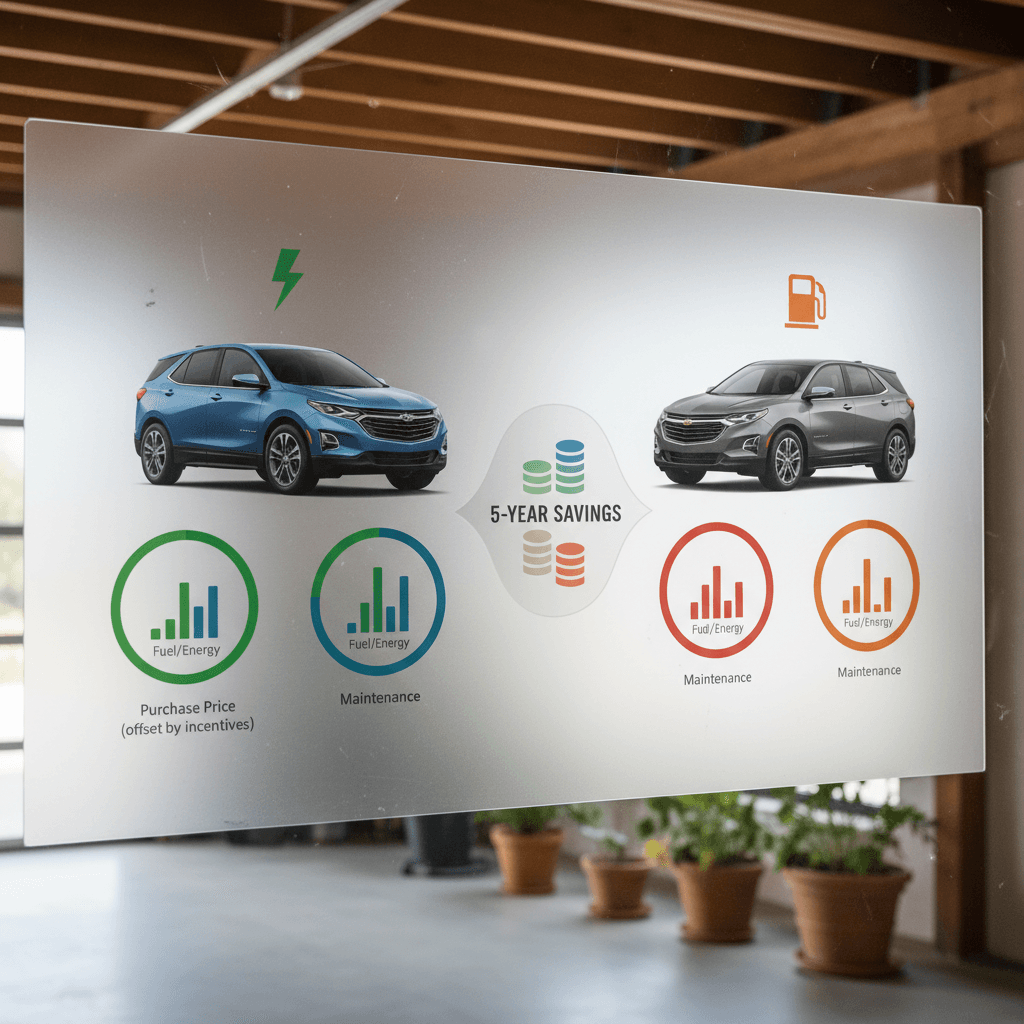
Who should choose the Equinox EV vs the gas Equinox?
Equinox EV: Best for cost-conscious daily drivers
- Higher annual mileage (12,000+ miles/year) where fuel savings stack up quickly.
- Access to home or reliable workplace charging, ideally on a time‑of‑use or EV‑friendly rate plan.
- Mostly local and regional driving; long‑range road trips are doable but require some planning.
- Willingness to pay a bit more up front (or buy used) in exchange for lower monthly running costs.
Gas Equinox: Best for irregular driving patterns
- Very low annual mileage (under ~7,500 miles/year) where fuel savings are modest.
- No convenient place to charge at home or work, and limited public charging nearby.
- Frequent long road trips through regions with sparse fast‑charging coverage.
- Absolute lowest purchase price today is the top priority, even if fuel costs are higher later.
Ask yourself these three questions
How to run your own Equinox EV vs gas cost math
National averages are fine for a napkin sketch, but your local gas and electricity prices may be very different. Here’s a quick way to plug in your own numbers without a spreadsheet degree.
DIY calculator: your local Equinox EV vs gas cost comparison
1. Grab your actual fuel and power prices
Look at a recent gas receipt for price per gallon, and your utility bill for average cents per kWh. If you’re on a time‑of‑use plan, note your **off‑peak rate**, since that’s when you’ll likely charge.
2. Use real efficiency numbers where possible
Window‑sticker numbers are a starting point. If you already own an Equinox EV or gas Equinox, check your trip computer for average mi/kWh or mpg over a few months and use that instead.
3. Calculate fuel cost per mile for each SUV
For gas: divide price per gallon by your mpg. For EV: multiply kWh/100 miles by your rate per kWh, then divide by 100. Write both numbers down, this is the heart of your savings story.
4. Multiply by your annual mileage
Take your best estimate of yearly miles, commute, errands, weekend trips, and multiply by each cost‑per‑mile figure. That gives you an **annual fuel/energy cost** for both versions.
5. Add realistic maintenance estimates
Add in oil changes, ICE‑specific services, and an allowance for brakes on the gas Equinox. For the EV, include tire rotation and basic inspections. A trusted shop or dealer can give you local estimates.
6. Think in 5‑ and 10‑year chunks
Once you’ve got annual totals, multiply by 5 and 10. Compare the difference to any up‑front price gap between the EV and gas models. That’s your personal break‑even picture.
Chevrolet Equinox EV vs gas Equinox: FAQ
Frequently asked questions about Equinox EV vs gas Equinox cost savings
Bottom line: is the Chevrolet Equinox EV worth it?
When you strip away the marketing and run the numbers, the **Chevrolet Equinox EV** usually delivers **meaningful, repeatable savings** over a comparable gas Equinox, especially for drivers who rack up miles and can charge at home. You’re trading gas‑station stops and oil changes for kilowatt‑hours that quietly refill your SUV overnight.
If your life is built around long highway hauls through charging deserts, or if you drive very little each year, a gas Equinox may still be the simpler, cheaper choice. But for the typical suburban or urban driver planning to keep an SUV for 5–10 years, the Equinox EV’s **lower fuel, maintenance, and potential used‑EV pricing** make a compelling case.
Curious what the math looks like for your driveway, not the national average? That’s where Recharged comes in. Explore **used Equinox EV listings with Recharged Score battery reports**, trade in your current vehicle, and get EV‑savvy guidance from specialists who live this stuff every day, so you can choose the Equinox that truly costs less for the way you drive.