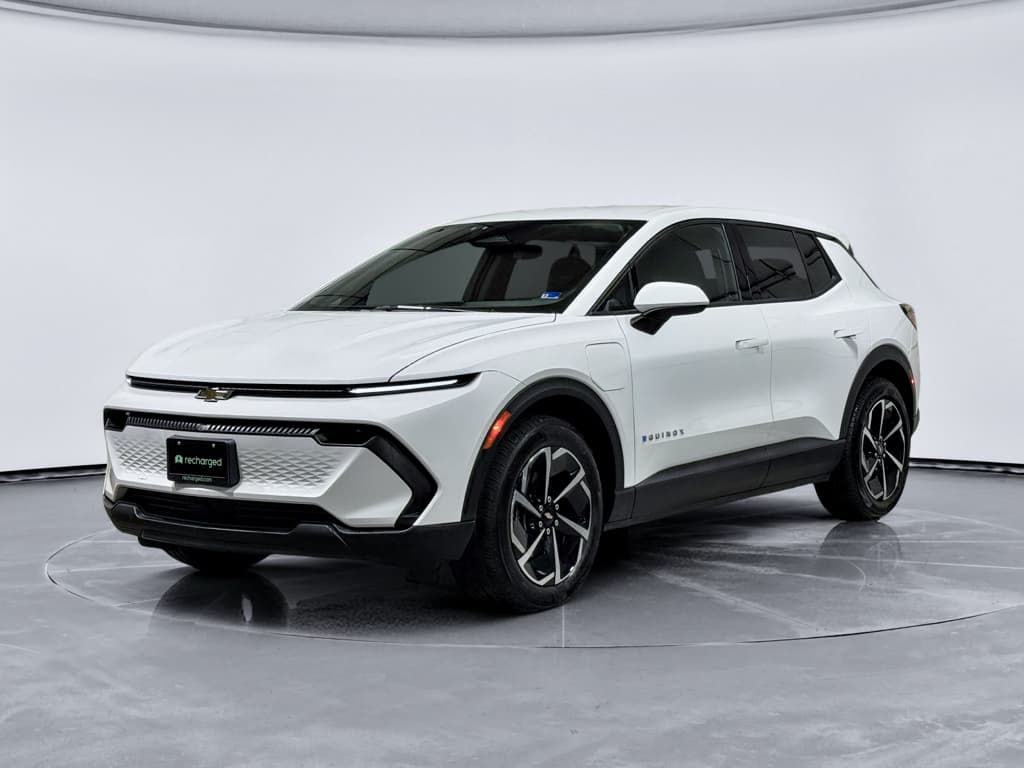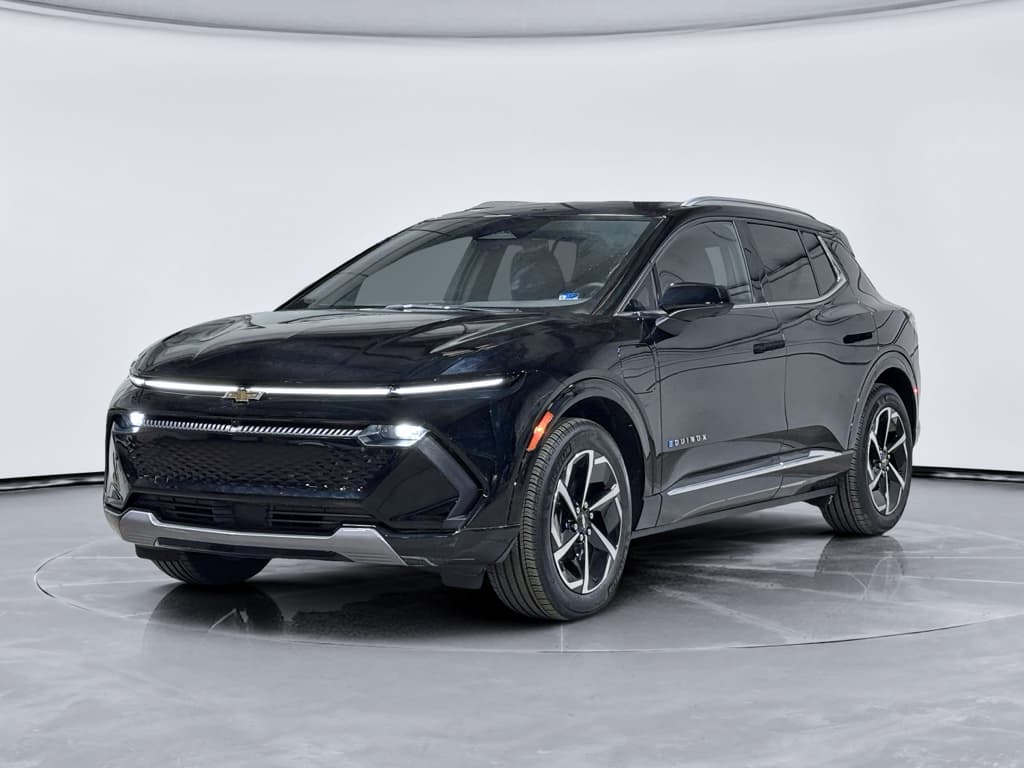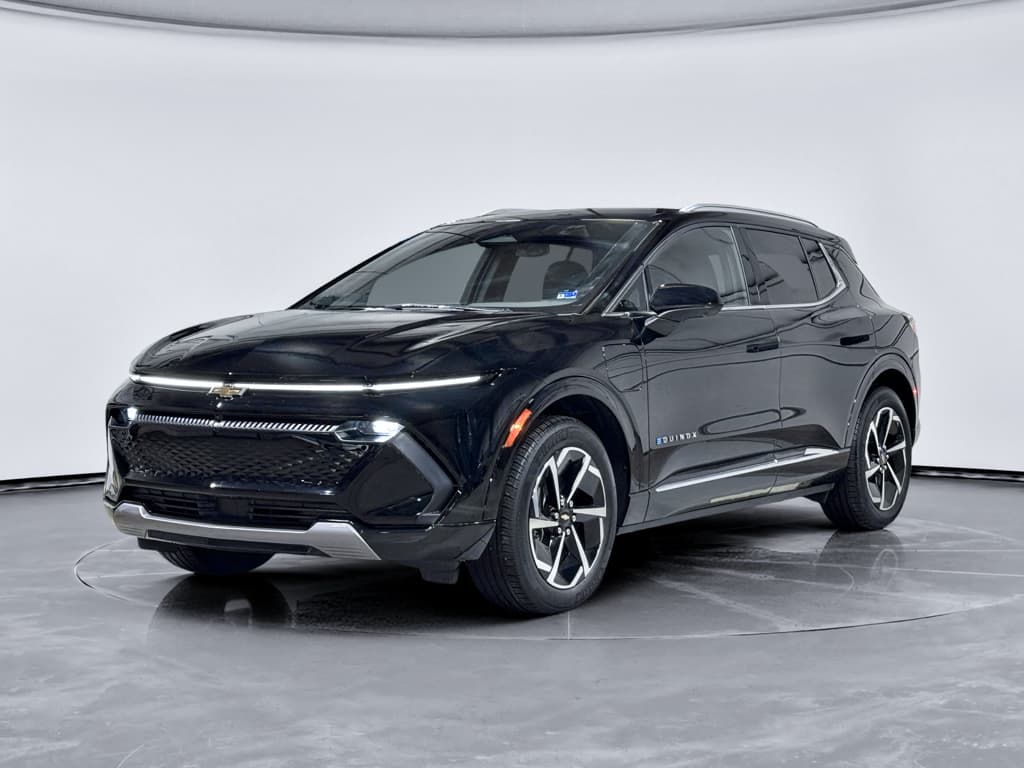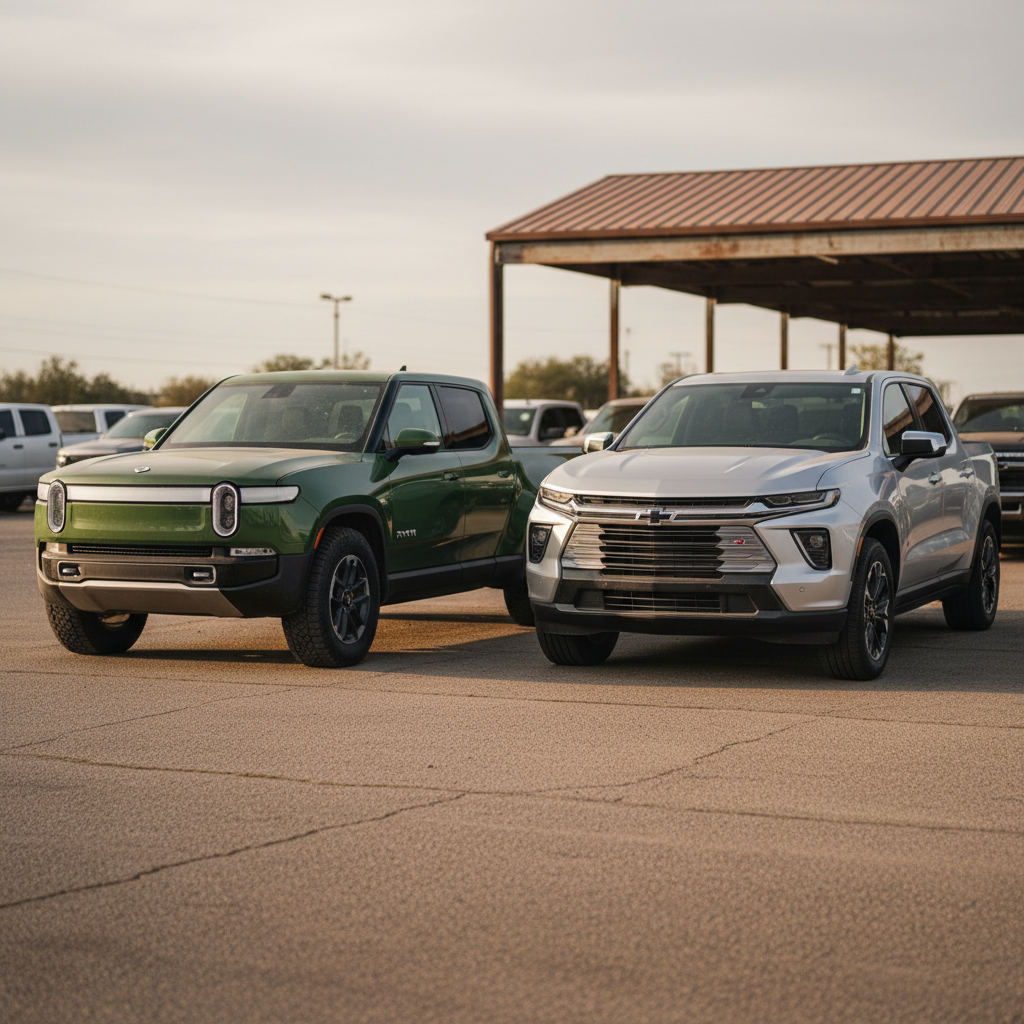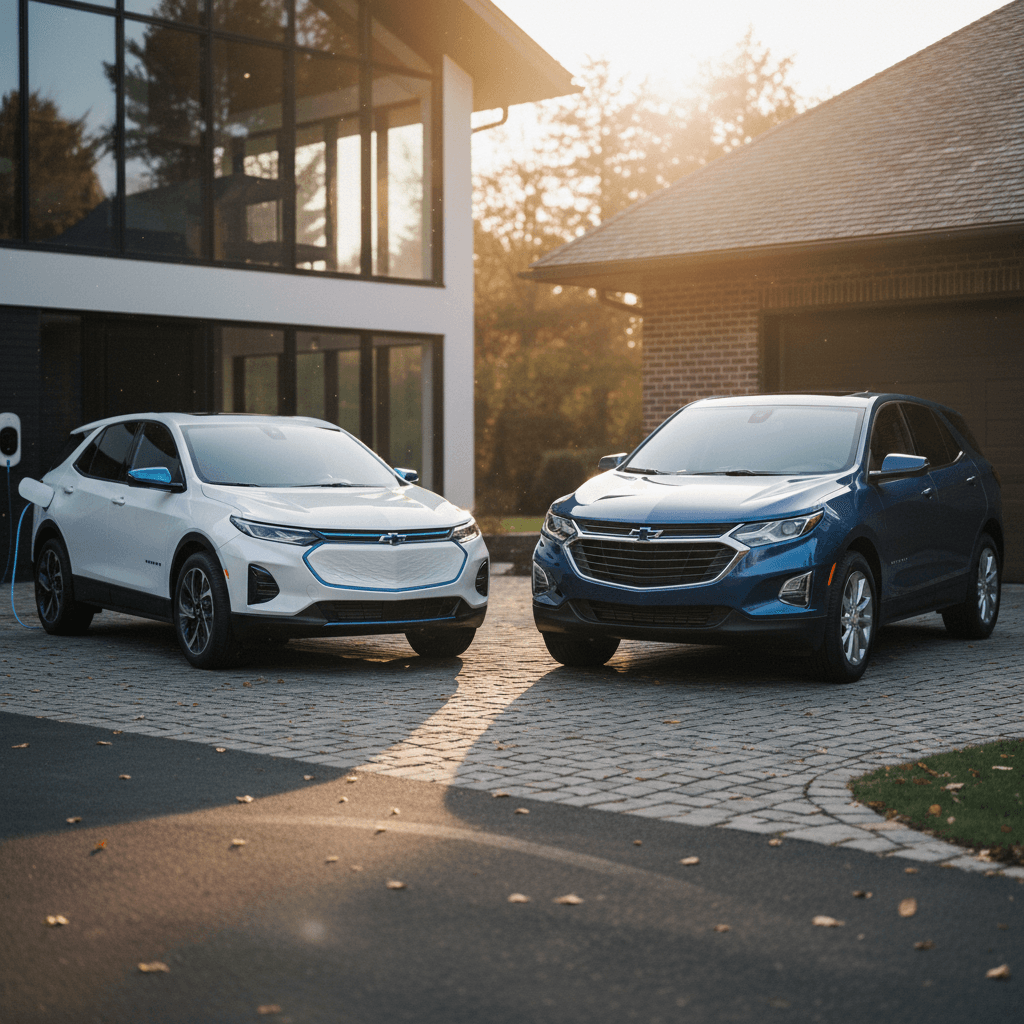
You’re not alone if you’re torn between the new Chevrolet Equinox EV and the familiar gasoline Chevrolet Equinox. On paper they look like the same compact SUV, but in practice they behave very differently and fit very different buyers. This guide walks you through Equinox EV vs. Equinox, price, range, performance, charging, fuel economy, and ownership costs, so you can decide which one actually fits your life.
Same name, very different SUVs
Equinox EV vs. Equinox: who is each SUV for?
Who the Equinox EV fits best
- Daily commuting up to ~60–80 miles per day
- Access to home or workplace charging
- Drivers in areas with strong public charging networks
- Households that value smooth, quiet driving
- Buyers who can use EV tax credits and lower running costs
Who the gasoline Equinox fits best
- Drivers who can’t easily install home charging (renters, condo dwellers)
- Frequent long road trips in rural areas with limited charging
- Shoppers focused on lowest upfront price and familiar tech
- Owners who mostly fuel at company-paid or low-cost gas
- Those who want a simple, proven setup with any mechanic able to service it
Start with your parking situation
Pricing, incentives, and what you actually pay
MSRP snapshot: Equinox EV vs. gasoline Equinox (U.S.)
Approximate starting prices as of early 2026. Always check current local pricing and incentives.
| Model | Typical starting MSRP | Drivetrain | Notable value points |
|---|---|---|---|
| Chevrolet Equinox EV LT FWD (2025) | ~$34,995 | Single‑motor FWD | Long range (up to 319 miles) and modern tech for the money |
| Chevrolet Equinox EV higher trims | Low–mid $40,000s+ | FWD or eAWD | More power, dual‑motor eAWD, larger wheels, added features |
| Chevrolet Equinox gas FWD (2024) | ~$27,995 | 1.5L turbo, FWD | Lower sticker price and widely available |
| Chevrolet Equinox gas AWD (2024) | Low $30,000s | 1.5L turbo, AWD | All‑weather traction at minimal extra cost |
Equinox EV costs more up front, but incentives and fuel savings can narrow the gap significantly over time.
Don’t forget federal and state EV incentives
Upfront vs. long‑term costs at a glance
Range vs. fuel economy: how far can you really go?
Range and efficiency: electric vs. gasoline Equinox
Think in total trip time and convenience, not just raw miles.
Chevrolet Equinox EV range
- EPA‑estimated up to ~319 miles on FWD models
- Slightly less on eAWD versions
- Real‑world range varies with speed, temperature, and load
- Best for daily driving and regional trips with planned charging stops
Chevrolet Equinox gas fuel economy
- EPA combined around 26–28 mpg, depending on FWD vs. AWD
- Approximate range of 400+ miles per tank
- Refueling takes just a few minutes at any gas station
- Ideal for long, spontaneous trips where charging is scarce
EV winter range reality check
Performance, driving feel, and refinement
Behind the wheel of the Equinox EV
- Instant torque from the electric motor makes city driving feel punchy and responsive.
- Single‑motor FWD models focus on efficiency; dual‑motor eAWD adds stronger acceleration and all‑weather confidence.
- The Ultium battery pack mounted low in the chassis gives the EV a planted, stable feel in corners.
- Near‑silent operation in town makes the cabin feel more upscale than its price suggests.
- One‑pedal driving modes and strong regenerative braking can make stop‑and‑go traffic less tiring.
Behind the wheel of the gasoline Equinox
- A 1.5‑liter turbocharged four‑cylinder and 6‑speed automatic deliver adequate, familiar power.
- Engine and transmission behavior are predictable; anyone used to a modern crossover will feel at home.
- More engine noise and vibration under acceleration compared with the EV.
- Traditional automatic “kickdown” when you want power, versus instant response in the EV.
- Ride and handling are tuned for comfort, but body motions and noise feel more old‑school than the EV’s.
Where the Equinox EV really shines
Space, practicality, and towing
Interior space and practicality
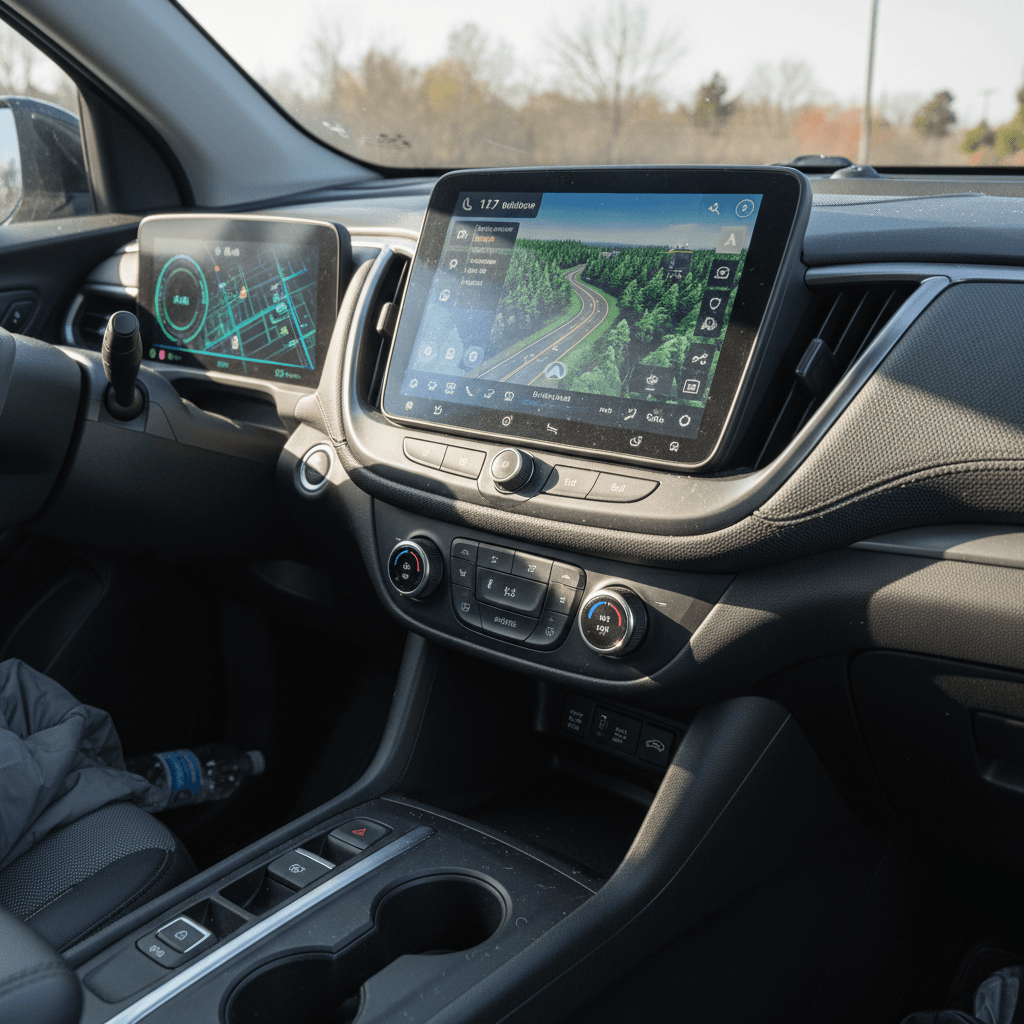
Both versions of the Equinox are compact crossovers with two rows and seating for five, but packaging is a bit different.
| Measure | Equinox EV (approx.) | Gasoline Equinox (approx.) | What it means for you |
|---|---|---|---|
| Rear cargo volume (behind 2nd row) | Just over 26 cu ft | About 30 cu ft | Gas model can swallow a bit more luggage or bulky strollers behind the seats. |
| Max cargo volume (rear seats folded) | Just over 57 cu ft | About 63.9 cu ft | Gas Equinox offers the edge for big Costco runs or small‑item moves. |
| Passenger capacity | 5 | 5 | Both are true five‑passenger crossovers; no third row. |
| Towing capacity | Up to ~1,500 lbs (properly equipped) | Up to ~1,500 lbs (properly equipped) | Either can handle a small utility trailer or pair of jet skis, but not heavy campers. |
The gasoline Equinox still wins for maximum cargo volume, while the Equinox EV is competitive but slightly tighter behind the rear seats.
Think in terms of your weekly cargo reality
Charging the Equinox EV vs. refueling the Equinox
How living with each Equinox really feels day‑to‑day
Gas wins for speed of refueling; the EV wins for convenience, if you can plug in at home.
Charging an Equinox EV
- Level 1 (120V): Standard household outlet; adds only a few miles of range per hour. Fine for very short commutes.
- Level 2 (240V): Home or workplace charger; typically adds 20–35 miles of range per hour, enough to refill a big chunk of the battery overnight.
- DC fast charging: On‑the‑road charging at public stations can bring the battery from low state of charge to around 80% in under an hour under ideal conditions.
- GM is enabling access to Tesla Superchargers via a NACS adapter and the myChevrolet app, expanding DC fast‑charge options over time.
Refueling a gasoline Equinox
- Five minutes at any gas station nationwide to go from near‑empty to full.
- No need to plan routes around charging stops.
- Perfect for regions where public charging is still sparse or unreliable.
- On the flip side, you’re exposed to volatile gasoline prices and more frequent maintenance visits.
Charging network reality check
Can your home support an Equinox EV? Quick checklist
1. Dedicated off‑street parking
You’ll get the most out of an Equinox EV if you can park in a driveway or garage where you control the outlet or wallbox.
2. 240‑volt outlet or panel capacity
Most owners either install a <strong>Level 2 wall charger</strong> or have an electrician add a 240‑volt outlet (similar to an electric‑dryer plug). If your electrical panel is maxed out, upgrades may be necessary.
3. Permission if you rent
Landlords and HOAs often require approval for charging installations. Check your lease and local rules before you assume you can add a charger.
4. Utility EV rate plans
Many utilities offer discounted overnight EV charging rates. It’s worth a phone call, cheap off‑peak power can dramatically cut your effective fuel cost.
5. Nearby public charging backup
Even with home charging, having a few reliable public DC fast chargers in your region is helpful for road trips or unexpected detours.
5‑year ownership costs and resale value
Where the Equinox EV saves you money
- Energy costs: On a per‑mile basis, home charging is typically much cheaper than gasoline. Over 12,000–15,000 miles per year, that difference adds up.
- Maintenance: No oil changes, fewer moving parts, and less wear on brakes thanks to regenerative braking.
- Incentives: Federal tax credits and state/local perks can reduce net cost or add benefits like HOV access.
- Urban use: Stop‑and‑go driving that punishes gas mileage is where EV efficiency shines.
Where the gasoline Equinox still has an edge
- Upfront price: Particularly if you don’t qualify for full EV incentives, the gas Equinox will likely be cheaper to drive off the lot.
- Resale comfort: Many buyers and dealers still understand gasoline crossovers more intuitively, which can support used values in some markets.
- Uncertain EV depreciation: EV resale values are improving, but they can be sensitive to rapid tech changes, incentives, and regional attitudes.
- Service network familiarity: Every shop understands a traditional engine and transmission; not every shop is yet EV‑savvy.
Total cost of ownership is what really matters
Which Chevrolet Equinox should you buy?
Choose your path: who should pick which Equinox?
Daily commuter with home charging
Drive 30–80 miles most weekdays.
Have a driveway or garage where a Level 2 charger can be installed.
Take a few regional trips per year, usually on major highways.
Want a quiet, modern driving experience and lower running costs.
<strong>Recommendation:</strong> Prioritize the <strong>Equinox EV</strong>. It’s built for exactly this use case.
Apartment dweller or street parker
Park on the street or in a shared garage with no guaranteed outlet.
Local public chargers exist but are often busy or inconvenient.
Can’t count on plugging in every night.
Value predictability and flexibility over novelty.
<strong>Recommendation:</strong> Stick with the <strong>gasoline Equinox</strong> for now unless your building adds reliable charging.
Frequent road‑tripper
Regularly drive 300–600‑mile days, often through rural areas.
Don’t want to plan routes tightly around public chargers.
Prefer 5‑minute refueling stops over longer charging breaks.
Sometimes tow a small trailer or load heavy cargo.
<strong>Recommendation:</strong> The <strong>gasoline Equinox</strong> is still the safer bet unless you know fast charging is excellent on your routes.
Tech‑forward early adopter
Love new technology, over‑the‑air updates, and modern UX.
Have flexible schedules that make charging stops easy to absorb.
Live in an area with lots of CCS/NACS DC fast chargers.
Plan to keep the vehicle 3–5 years and then re‑evaluate EV options.
<strong>Recommendation:</strong> The <strong>Equinox EV</strong> will feel more future‑proof and satisfying to drive day‑to‑day.
My short answer
Buying used: how Recharged can simplify the choice
You may not be shopping new at all. As more Equinox EVs and other compact electric SUVs hit the road, the used market will become the sweet spot for value. That’s where a platform like Recharged is built to help.
Why consider a used Equinox EV or other electric SUV through Recharged?
Transparent battery health matters more with EVs than with any gas crossover.
Verified battery health
Fair, data‑backed pricing
EV‑specialist support
Ready to find your next EV?
Browse VehiclesIf you decide the gasoline Equinox still fits better today, keep an eye on the used EV market. As infrastructure grows and your living situation changes, a pre‑owned electric SUV from a marketplace that actually measures battery health can be a smart, lower‑risk way to make the jump to electric.
Chevrolet Equinox EV vs. Equinox: FAQ
Frequently asked questions
The Chevrolet Equinox EV and the gasoline Equinox share a badge but serve different missions. For most drivers with reliable charging and a typical suburban commute, the Equinox EV delivers a better everyday driving experience and the potential for lower total ownership costs. If your reality is street parking, rural travel, or constant long‑distance road trips, the gasoline Equinox’s simplicity and refueling speed are still hard to beat. Take an honest look at where you park, how you drive, and how long you plan to keep your next SUV, then let those answers, not just the latest headlines, point you to the Equinox that truly fits your life.