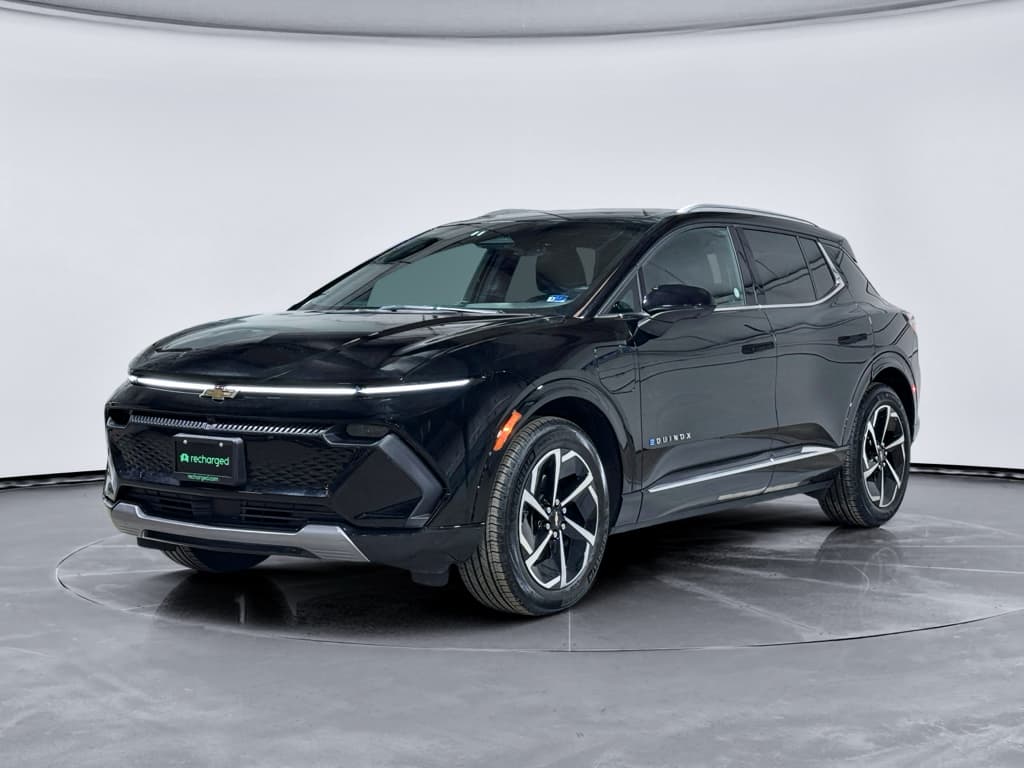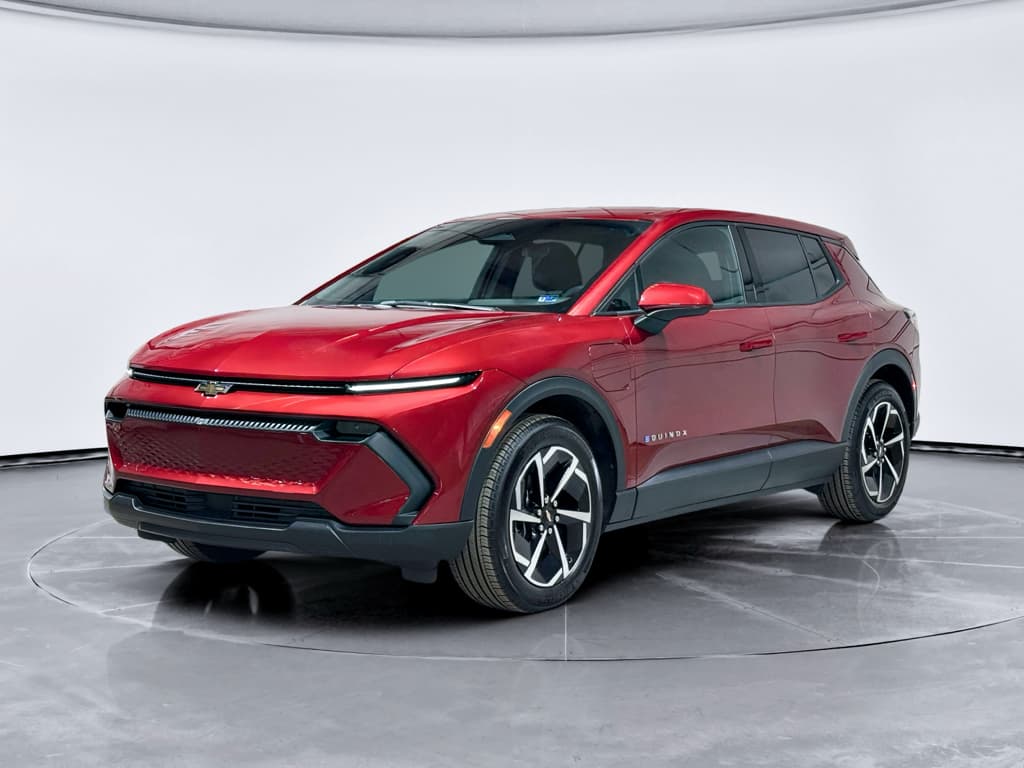
If you’re eyeing GM’s compact electric SUV, one of the first ownership questions you’ll have is obvious: what will Chevrolet Equinox EV insurance cost in 2026? With repair prices rising and insurers still figuring out EV risk, getting a realistic number matters as much as range or MSRP.
Quick takeaway
Chevrolet Equinox EV insurance in 2026: Big picture
Insurers price the Chevrolet Equinox EV like what it is: a brand‑new compact electric SUV built on GM’s Ultium platform, with lots of sensors, lots of screens, and a battery pack that costs more than a used hatchback. That combination can push comprehensive and collision premiums higher than many owners expect, particularly in the first few model years.
Where Equinox EV insurance fits in 2026
Not official Chevy or insurer data
How much is Chevrolet Equinox EV insurance in 2026?
Because the Equinox EV is still early in its life cycle by 2026 and pricing varies wildly by ZIP code, no one can give you a single universal number. But you can think in realistic ranges for a new 2026 Chevrolet Equinox EV with full coverage (liability, collision, and comprehensive):
Estimated 2026 Chevrolet Equinox EV annual insurance ranges (U.S.)
Directional ranges for full‑coverage policies on a new Equinox EV. Actual quotes will vary by driver, state, trim, and insurer appetite for EVs.
| Driver profile | Rough annual range | Typical monthly |
|---|---|---|
| Clean‑record suburban driver, 35–50, good credit | $1,600–$2,500 | $130–$210 |
| Younger driver (under 25) or city zip code | $2,400–$3,600+ | $200–$300+ |
| Rural driver with modest commute and multi‑policy bundle | $1,400–$2,100 | $115–$175 |
Use these bands as a sanity check against your quotes, not as a guaranteed price sheet.
Those ranges place Chevrolet Equinox EV insurance cost in 2026 roughly in line with other compact electric crossovers like the Hyundai Kona Electric or Volkswagen ID.4, and often a little lower than pricier performance‑leaning EVs.
Reality check your quotes
Why Equinox EV insurance can be higher than a gas Equinox
You’d think: same size, same badge, same family‑hauler mission, shouldn’t the electric Equinox cost about the same to insure as the gasoline version? In 2026, not quite. A few pressures keep EV SUV insurance a bit higher:
- Higher repair bills: EVs pack sensors in bumpers, tailgates, and mirrors. A minor parking‑lot tap can mean a multi‑thousand‑dollar parts bill, especially on a brand‑new model like the Equinox EV.
- Battery and high‑voltage components: Damage anywhere near the pack, floorpan, or underbody can trigger expensive inspections or replacements, even after minor collisions.
- Limited historical data: Insurers love spreadsheets full of claims history. The Equinox EV is new, so carriers price in more uncertainty, and uncertainty is not cheap.
- New‑car values: Early‑run Equinox EVs carry higher sticker prices than older gas Equinoxes on the used market. Insuring a more valuable vehicle usually means a higher comprehensive/collision premium.
The good news: as more Equinox EVs hit the road and repair networks get comfortable with Ultium platforms, some of that risk‑pricing should normalize. That’s where buying used or nearly new starts to look smart, particularly through a marketplace that verifies battery and vehicle health up front.
8 factors that shape your Equinox EV insurance cost
Insurers may talk about “vehicle symbol codes” and “loss ratios,” but for you, Chevrolet Equinox EV insurance cost in 2026 is mostly about a familiar set of levers. Here are the big ones and how they play with this specific EV:
Key levers that move your Equinox EV rate
1. Where you live and park
Dense urban areas with higher theft and crash frequencies will push Equinox EV premiums up; quiet suburbs or rural ZIP codes usually see lower rates, especially if you park in a locked garage with home charging.
2. Your driving history
A clean record is still the single biggest discount. Tickets, at‑fault crashes, and DUIs will magnify any EV‑specific pricing and make an Equinox EV policy feel expensive fast.
3. Annual mileage and commute
Telematics and mileage‑based programs reward shorter commutes and gentle driving. If you mostly charge at home and use the Equinox EV for predictable commuting, you may land below the high end of the typical ranges.
4. Trim, wheel choice, and options
Higher‑end trims with bigger wheels, more tech, or dual‑motor powertrains cost more to repair or replace. That can nudge collision and comprehensive rates upward compared with a modestly optioned Equinox EV.
5. Coverage limits and deductibles
Higher liability limits protect you better but increase premiums. Raising your comprehensive and collision deductibles from $500 to $1,000 can meaningfully cut monthly cost, as long as you’re prepared to pay more out of pocket after a claim.
6. Credit‑based insurance scores (where allowed)
In many U.S. states, insurers still use credit‑based scoring. Strong credit can soften the extra cost of insuring a brand‑new EV like the Equinox, while weak credit can do the opposite.
7. Age and experience
A 22‑year‑old in a brand‑new Equinox EV is two strikes in the eyes of an underwriter: high‑value new vehicle and limited driving history. Mature drivers with long, clean records typically fare much better.
8. Insurer familiarity with EVs
Some carriers have leaned into EVs and price them competitively; others are still skittish after expensive high‑profile battery‑vehicle write‑offs. Quoting with three to five EV‑friendly insurers can reveal a surprisingly wide spread.
Choosing coverage for your Chevy Equinox EV
Under the skin, insuring an Equinox EV works like almost any modern crossover: the same core coverages, just with EV‑specific repair realities in the background. You’re not buying some exotic motorsport policy; you’re buying smart protection for an everyday family hauler that happens to plug in.
Core Equinox EV coverages, decoded
Think in layers: legal minimums, then what protects your actual wallet.
Liability coverage
What it does: Pays for injuries and property damage you cause to others.
Why it matters for EVs: EV torque can make low‑speed mishaps surprisingly expensive; carrying only state minimums is rarely wise.
Collision coverage
What it does: Fixes or replaces your Equinox EV if you hit another object or roll over.
EV angle: New‑model bodywork and sensors aren’t cheap. If you couldn’t easily replace the car in cash, collision is usually non‑negotiable.
Comprehensive coverage
What it does: Handles non‑collision losses: theft, fire, hail, falling trees, animal impacts.
EV angle: Garage‑kept Equinox EVs sometimes earn small discounts. In hail‑prone or stormy regions, comprehensive is especially valuable.
Uninsured/underinsured motorist
What it does: Steps in if someone with poor coverage crashes into you.
EV angle: Helps protect you from a total loss scenario when the other driver’s limits don’t begin to cover your battery‑SUV.
Medical payments/PIP
What it does: Pays medical costs for you and your passengers regardless of fault, depending on state rules.
EV angle: Same logic as any family SUV, don’t skimp if you regularly carry people you care about.
Optional EV add‑ons
What to ask about: OEM‑parts endorsements, new‑car replacement, roadside towing for EVs, and coverage for home charging equipment.
EV angle: Some carriers now bundle specific protections for battery‑electric vehicles; worth a quote comparison.
Watch your replacement parts language
9 ways to lower your Chevrolet Equinox EV insurance cost
Sticker shock is real: you build a sensibly priced Equinox EV, then discover the premium is anything but. The upside of modern insurance is there are levers everywhere. Here are practical moves that can actually change the math in 2026:
- Shop more than one carrier. Some insurers are hungry for EV customers; others are quietly discouraging them with sky‑high quotes. Start with at least three to five, and include companies that explicitly market to EV or green‑vehicle owners.
- Bundle home and auto. If you own a home (or even rent), combining policies can shave double‑digit percentages off your Equinox EV premium. This is one of the most reliable discounts available.
- Raise your deductible, carefully. Moving from a $500 to a $1,000 deductible on collision/comprehensive can drop your bill noticeably. Just make sure you have that extra $500 sitting in an emergency fund.
- Use telematics or usage‑based programs. Many carriers will lower rates for drivers who prove, via an app or plug‑in device, that they’re not cannonballing through rush hour. Smooth EV torque makes it easier to drive efficiently and score well.
- Opt for a more modest trim. Big wheels, panoramic roofs, and max‑performance dual‑motor setups look great on Instagram and less great on your renewal notice. A mid‑spec Equinox EV is often the insurance sweet spot.
- Take advantage of EV and safety discounts. Ask specifically about discounts for advanced driver‑assist systems, anti‑theft tech, and electric vehicles. Insurers don’t always volunteer every discount unprompted.
- Clean up your record over time. If you’ve had tickets or small at‑fault accidents, calendar the dates they age off your record. Re‑quote your Equinox EV policy around those anniversaries, you may be pleasantly surprised.
- Limit young‑driver exposure. Adding a teen to a new Equinox EV can send premiums into low‑orbit. If possible, assign younger drivers to older, cheaper vehicles on your policy.
- Consider buying used instead of new. A carefully vetted used Equinox EV with verified battery health will usually cost less to insure than a brand‑new one with a higher replacement value. That’s where a platform like Recharged can help.
Insurance advantages of a used Chevrolet Equinox EV
EV newcomers often assume new is safer, financially and mechanically. But by 2026, the market for used electric SUVs is maturing fast, and that has insurance implications. A thoughtfully chosen used Equinox EV can be less of a gamble than a fresh‑off‑the‑carrier 2026 example, especially if you have good data on its battery and history.
Why a used Equinox EV can be cheaper to insure
- Lower vehicle value: Depreciation works in your favor; comprehensive and collision are tied directly to how much the insurer might have to pay out.
- More repair data: After a few model years, insurers and body shops better understand real‑world repair costs, which can stabilize pricing.
- Mature parts pipeline: Replacement panels, lights, and electronics tend to become more available and less expensive compared with launch year.
Where Recharged fits in
With a used EV, the big worry is hidden risk, especially around battery health. At Recharged, every vehicle comes with a Recharged Score Report that includes verified battery diagnostics, fair‑market pricing, and a transparent condition overview.
That doesn’t just help you feel better about the car; it can also help you set the right coverage level and deductible, because you have a clear, data‑backed view of what you’re insuring.

Sample 2026 Equinox EV insurance scenarios
To make all of this less abstract, let’s walk through a few simplified scenarios. These are not quotes, just illustrations of how Chevrolet Equinox EV insurance cost in 2026 might behave for different drivers.
Illustrative 2026 Chevrolet Equinox EV insurance scenarios
Three fictional drivers and how their Equinox EV insurance could reasonably differ.
| Driver | Profile snapshot | Approx. annual premium | Why it lands there |
|---|---|---|---|
| Alex – Commuter in the suburbs | 42, clean record, 12‑mile commute, owns home, parks in garage, mid‑trim Equinox EV | $1,700–$2,000 | Bundle discount, good credit, low mileage and safe ZIP balance out the EV’s new‑model repair costs. |
| Jordan – City apartment dweller | 29, one speeding ticket, street parking, higher‑crime metro area, top‑trim dual‑motor Equinox EV | $2,600–$3,300 | Younger age, prior ticket, street parking, and pricier trim compound typical urban risk. |
| Sam – Used‑EV buyer | 50, long clean history, buys a 2‑3‑year‑old Equinox EV with a Recharged Score, modest commute | $1,400–$1,800 | Lower vehicle value plus strong driving profile and verified condition help keep premiums in check. |
Numbers are directional estimates for comparison, not offers from any insurer.
How to use these examples
Chevrolet Equinox EV insurance FAQ (2026)
Frequently asked questions about Equinox EV insurance in 2026
Bottom line: Is Chevrolet Equinox EV insurance expensive?
In 2026, Chevrolet Equinox EV insurance cost generally sits a notch above what you’d pay for a similar gasoline compact SUV, but well below the eye‑watering premiums attached to some luxury EVs. The premium you actually pay will come down to familiar, controllable inputs: how and where you drive, the coverage you select, and how aggressively you shop insurers.
If you’re flexible on new versus used, a carefully vetted used Equinox EV with verified battery health can tilt the math even further in your favor. That’s exactly the gap Recharged aims to fill, pairing transparent battery diagnostics and fair‑market pricing with a streamlined, digital buying experience so your insurance decisions start from solid ground instead of guesswork.
Before you lock in a 2026 Equinox EV, gather a few real quotes, experiment with deductibles and bundles, and compare new versus used premiums. The SUV you choose will shape the next several years of payments, not just on your auto loan, but on your insurance bill too.