If you Google “Chevrolet Equinox EV biggest complaints”, you’ll see everything from horror stories about random emergency braking to owners who say their car is nearly perfect. Sorting signal from noise is hard, especially if you’re trying to decide whether an Equinox EV belongs in your driveway, or you’re eyeing a used one.
Quick take
Overview: What are the biggest Chevrolet Equinox EV complaints?
Because the Equinox EV is a first-wave Ultium crossover, every problem gets amplified. When you look across owner forums, consumer reviews, and early reliability data, the same clusters keep coming up:
- Slower-than-expected DC fast charging and confusing real‑world charging behavior
- Glitchy software and electronics, from infotainment freezes to odd warning messages
- Comfort complaints on longer drives, especially seat support and driving position
- Squeaks, rattles, and minor trim issues that undermine a “new EV” feel
- Scattered reports of safety‑system misbehavior and high‑voltage warnings
- Anxiety about long‑term battery health and overall Ultium reliability
The rest of this guide breaks these down one by one, then zooms in on what really matters if you’re considering a used Chevrolet Equinox EV, where Recharged lives day in and day out.
Chevy Equinox EV owner sentiment at a glance
Don’t read reviews like a roulette wheel
Charging complaints: Slow DC fast charging and infrastructure confusion
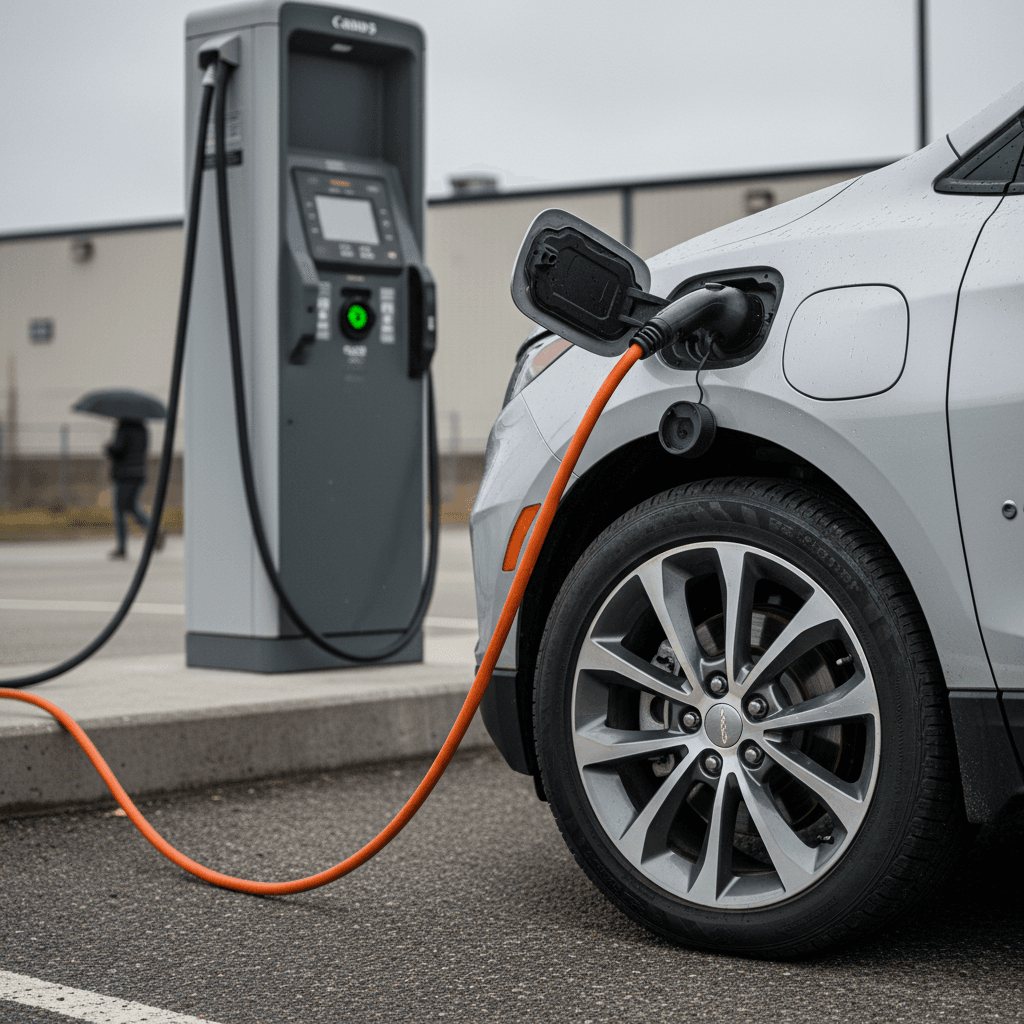
The single most common Chevrolet Equinox EV complaint you’ll run into is some version of: “Why is my fast charging so slow?” On paper, the Equinox EV supports roughly 150 kW DC fast charging and competitive Level 2 AC speeds. In practice, a lot of owners see numbers that feel underwhelming, especially on legacy non‑Tesla networks.
Real-world DC fast-charging behavior
In many real‑world charging tests, the Equinox EV briefly spikes near its rated peak and then settles into a lower plateau for most of the session. Because its Ultium pack runs at a lower nominal voltage than some rivals, it needs very high current from the station to actually hit those headline power numbers, and a lot of 150–350 kW pedestals simply can’t deliver that current consistently on every stall.
- Owners frequently report 30–80% fast‑charge sessions taking longer than they expected based on marketing claims or comparison charts.
- On some big‑name networks, the car never gets close to the theoretical peak, even at low state of charge.
- Tesla Superchargers, especially newer high‑amp stalls, tend to show better numbers once you have GM’s NACS adapter, but they’re still not always “as fast as the spec sheet.”
Optimize Equinox EV fast charging
AC charging, phantom usage, and energy “mysteries”
Not all charging complaints are about speed. Some owners notice the Equinox EV drawing power while plugged in even when the battery is already at the target state of charge. In colder climates the car will sometimes cycle the battery heater to keep the pack at an ideal temperature while connected, which shows up as a few extra dollars on a home electricity bill or confusing “energy used” numbers.
Cold-weather behavior isn’t always a defect
Infrastructure vs. vehicle: who’s actually at fault?
A lot of owners understandably blame the car when a charge session is slow, fails to start, or disconnects unexpectedly. But in 2025 and early 2026, the messy reality is that public charging infrastructure quality is wildly inconsistent. Stations with worn connectors, bad cables, derated power, or buggy software will make any EV look bad, not just the Equinox EV.
How Recharged handles charging complaints on used Equinox EVs
Ready to find your next EV?
Browse VehiclesSoftware and electronics glitches on the Equinox EV
If GM has an Achilles’ heel on its Ultium rollout, it’s software. Earlier Ultium models suffered from messy over‑the‑air update strategies, infotainment reboots, and odd warning messages. The Equinox EV benefits from that learning curve, but software and electrical gremlins still show up among the biggest complaints.
- Intermittent infotainment freezes or black screens that require a restart or brief power cycle
- Glitchy Bluetooth or smartphone integration, particularly right after updates
- Random driver‑assist or braking warnings that don’t match what the driver sees
- Occasional “Service high voltage system” or similar messages that may or may not be accompanied by real faults
The scary dash message vs. the real problem
There are documented cases where owners with repeated high‑voltage warnings have received full battery pack replacements or buybacks. That’s serious, but still relatively rare compared with day‑to‑day annoyances like laggy screens or glitchy apps. From a used‑car perspective, it’s critical to distinguish between a car that had a one‑time module replaced under warranty and one that’s been back to the dealer four times for the same issue.
Comfort and ergonomics: Seats, visibility, and cabin usability
Complaints about seat comfort and driving ergonomics don’t show up on recall lists, but they absolutely affect whether you like living with the car. The Equinox EV is marketed as a mainstream family crossover, yet some owners report:
- Front seats that feel fine around town but become uncomfortable on 2–3 hour drives, particularly for taller drivers or those with back issues
- A driving position that can feel slightly high and upright, even at the lowest seat setting
- Rearward visibility that some drivers find more compromised than their previous gasoline Equinox due to thicker pillars and EV‑style proportions
Test comfort the right way
Build quality, squeaks, rattles, and interior wear
Equinox EV owners don’t complain about catastrophic build issues en masse, but fit‑and‑finish nitpicks are common. Think of this as death by 1,000 cuts rather than one fatal flaw.
- Squeaks or rattles from the dash, door panels, or cargo area over rough pavement
- Wind noise around mirrors or door seals at highway speeds
- Trim pieces that don’t line up perfectly or feel hollow when tapped
- Soft‑touch interior materials that show wear quickly in high‑traffic areas like door pulls and armrests
Why EVs make small quality issues louder
Safety concerns, warning messages, and early recall activity
Like most modern EVs, the Equinox EV packs an aggressive suite of driver‑assist and active safety systems. That’s good when everything works correctly, but it’s also fertile ground for complaints when systems overreact or misbehave.
- Unwanted or overly sensitive automatic emergency braking in certain scenarios, especially in bad weather or dense traffic
- Lane‑keeping nudges that feel too intrusive or inconsistent between software versions
- False‑positive alerts for obstacles or collisions, particularly in complex urban environments
On top of that, any EV owner’s heart rate spikes when they see a “Service high voltage system” or similar warning. Sometimes this is just a sensor or software glitch that the dealer can address with an update or module swap. In other cases it can trigger more invasive repairs or, in edge cases, a full pack replacement.
Take safety warnings seriously
Battery health, Ultium platform reliability, and long-term worries
Underneath all the specific complaints, there’s a bigger, more existential question: Can you trust GM’s Ultium battery platform for the long haul? Early Ultium launches (on other models) saw software‑related recalls and even production pauses, which colors how people view the Equinox EV.
What we actually know so far
By mid‑2026, we’re still relatively early in the Equinox EV’s life cycle. That means we don’t yet have 8–10 years of degradation data, but we do have:
- A mix of generally positive owner reports on range retention in the first couple of years
- A handful of high‑profile cases where repeated high‑voltage warnings led to major repairs or battery replacements
- A continuing stream of software updates and TSBs as GM refines charging behavior, diagnostics, and thermal management
In other words, the battery chemistry itself doesn’t appear to be a disaster. Most concern is still centered on software, diagnostics, and how aggressively GM responds when there’s a potential high‑voltage issue.
How Recharged de-risks battery uncertainty
Which Equinox EV complaints actually matter if you’re buying used?
High‑priority red flags
- Repeated high‑voltage or battery system warnings with incomplete or unclear repair history.
- Documented buyback / lemon‑law cases or multiple unsuccessful attempts to fix the same core issue.
- Chronic charging failures that follow the car to different stations and networks, not just one bad charger.
- Driver‑assist or braking behavior that feels unpredictable even after software updates.
Lower‑stakes annoyances
- Slow DC charging at a small number of older stations, when the car charges normally elsewhere.
- Occasional infotainment hiccups that don’t affect drivability and are fixed by updates.
- Mild squeaks, rattles, or trim misalignments that don’t indicate structural issues.
- Seat comfort or visibility quirks that you’ve personally tested and can live with.
Shopping filter: patterns over perfection
Checklist: How to shop smart for a used Chevrolet Equinox EV
Used Equinox EV buyer’s checklist
1. Scan the dash and interrogate the history
On startup, look for any persistent warning lights, especially related to the battery, high‑voltage system, or brakes. Ask for service records and verify whether any high‑voltage issues were fixed once and stayed fixed.
2. Test DC and Level 2 charging
If you can, plug into a known‑good Level 2 and a reputable DC fast charger. You’re not chasing the exact peak kW number; you’re checking that sessions start reliably and deliver reasonable power without repeated fault interruptions.
3. Drive it like you’ll actually use it
Take a proper test drive with highway time. Pay attention to seat comfort, wind noise, and any rattles. Try lane‑keeping and adaptive cruise in light traffic to see if the driver‑assist behavior feels natural.
4. Check for water leaks and seal issues
Inspect the cargo area, underfloor storage, and footwells for signs of moisture, musty smells, or water staining, especially in climates with heavy rain or snow. Water and EV electronics are not a combo you want.
5. Verify software and campaign status
Confirm that recalls, TSBs, and software campaigns have been applied. A dealer can print a warranty history, and Recharged bakes this into our inspection process on vehicles we list.
6. Get a battery health report, not just a Carfax
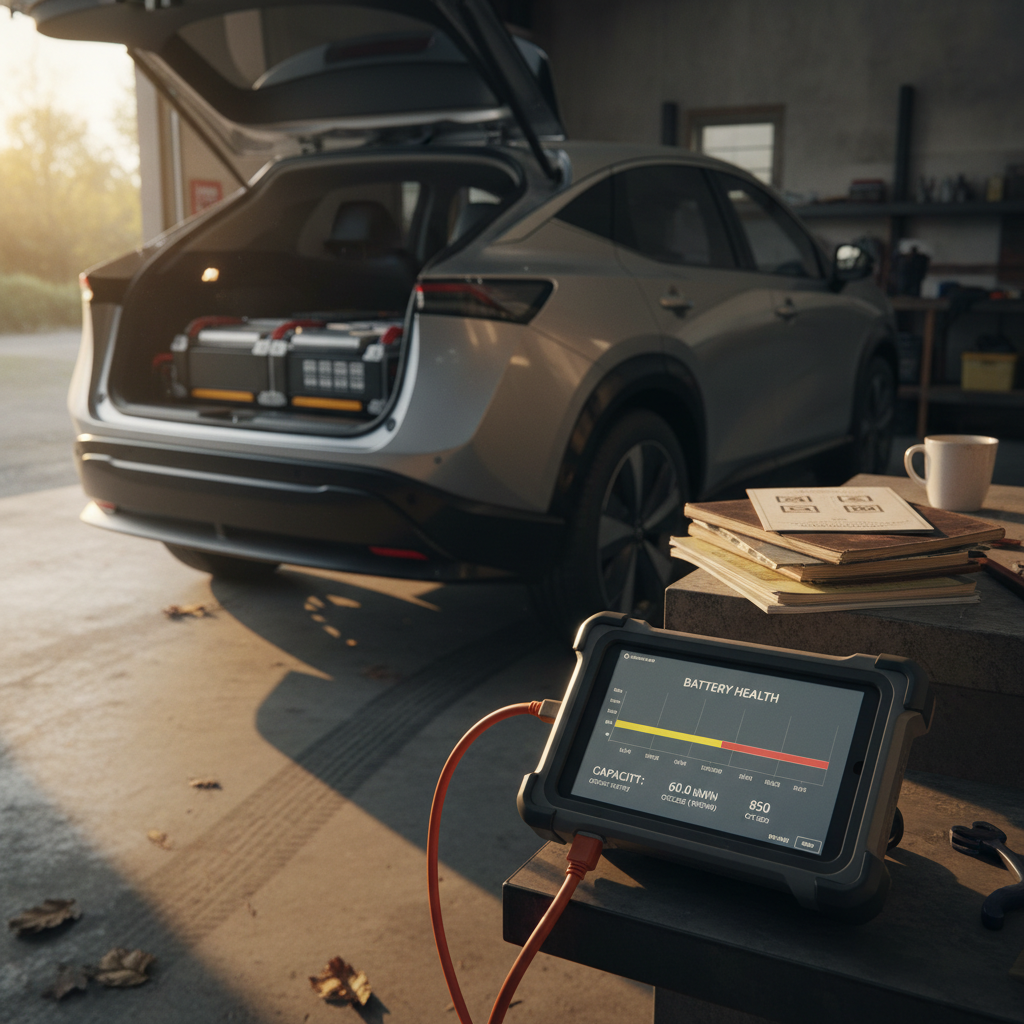
Ask for objective battery health data, capacity estimates, DC fast‑charge history, and any high‑voltage fault codes. Every Equinox EV sold through Recharged includes a Recharged Score so you’re not guessing about the pack’s condition.
FAQ: Common questions about Chevrolet Equinox EV complaints
Chevy Equinox EV complaints: your questions answered
Bottom line: Is the Equinox EV worth it despite the complaints?
Taken in isolation, some of the Chevrolet Equinox EV’s biggest complaints, slow fast charging on certain networks, occasional software weirdness, scattered high‑voltage warnings, sound scary. Put in context, they’re what you’d expect from a first‑wave mainstream Ultium crossover: imperfect but hardly a disaster.
If you value a practical footprint, competitive range, and the ability to tap into both legacy networks and Tesla Superchargers (with the right hardware), the Equinox EV is absolutely worth a look, as long as you’re selective. The key is to screen out the small number of problem children and zero in on cars with clean histories, up‑to‑date software, and verified battery health.
That’s exactly what Recharged is built for. Every used Equinox EV we sell comes with a Recharged Score battery and charging report, transparent pricing, and EV‑specialist support that can translate all this nuance into a simple yes/no decision for your situation. If you like what the Equinox EV offers on paper, the right example can be a smart, affordable electric crossover, complaints and all.