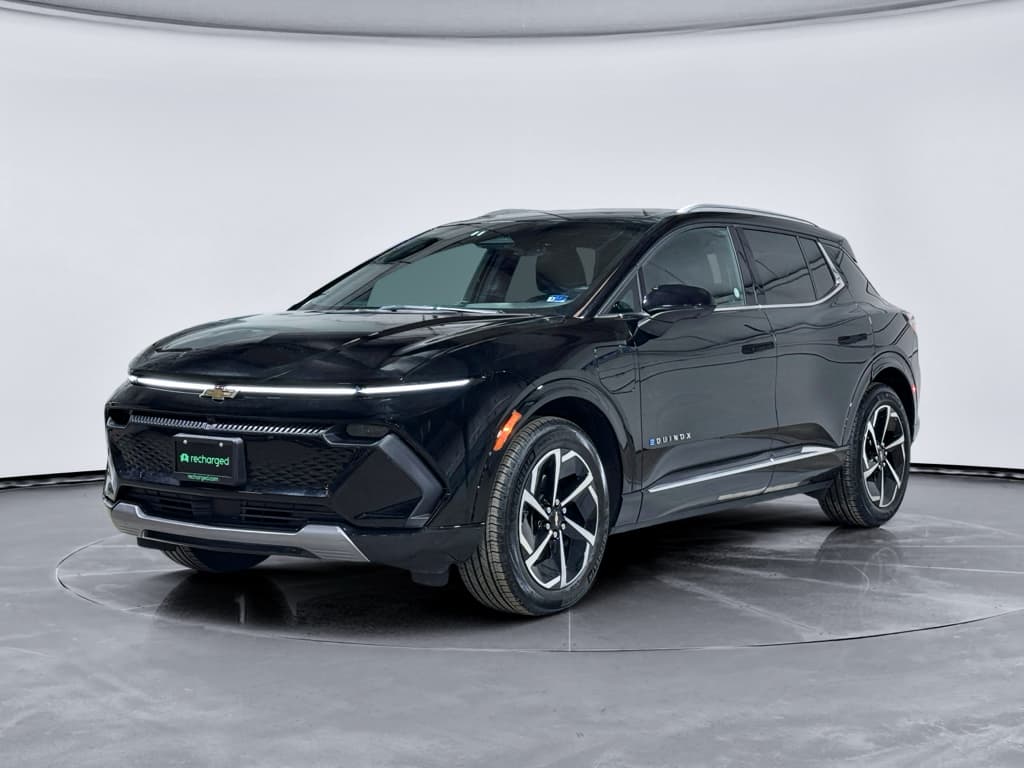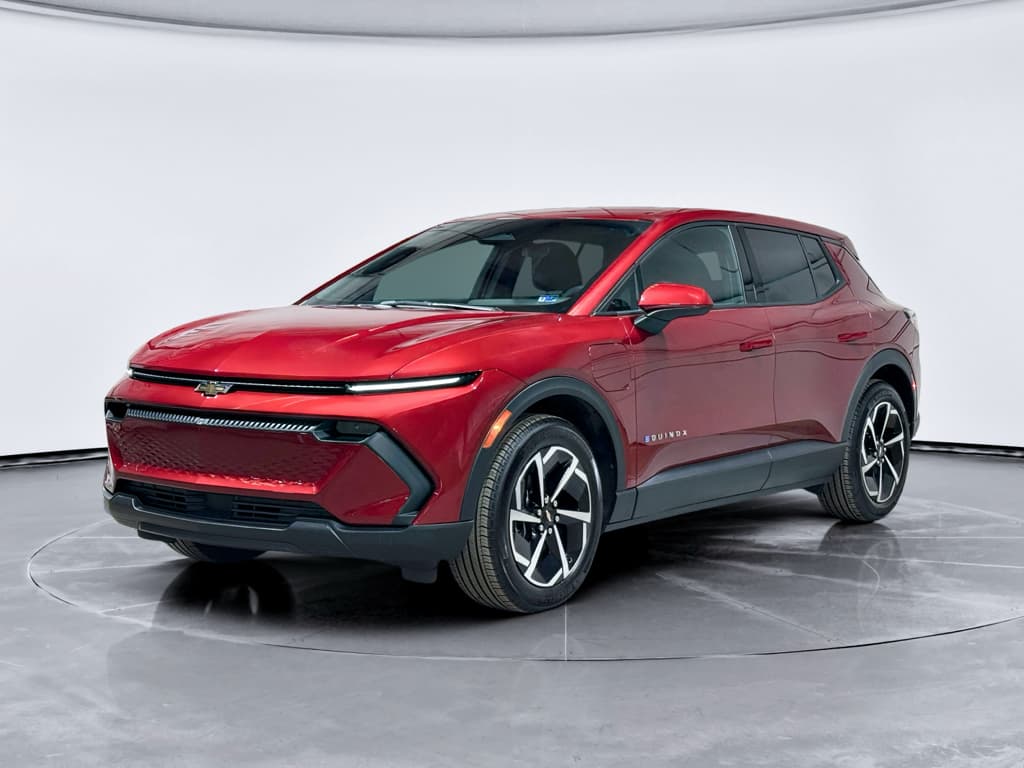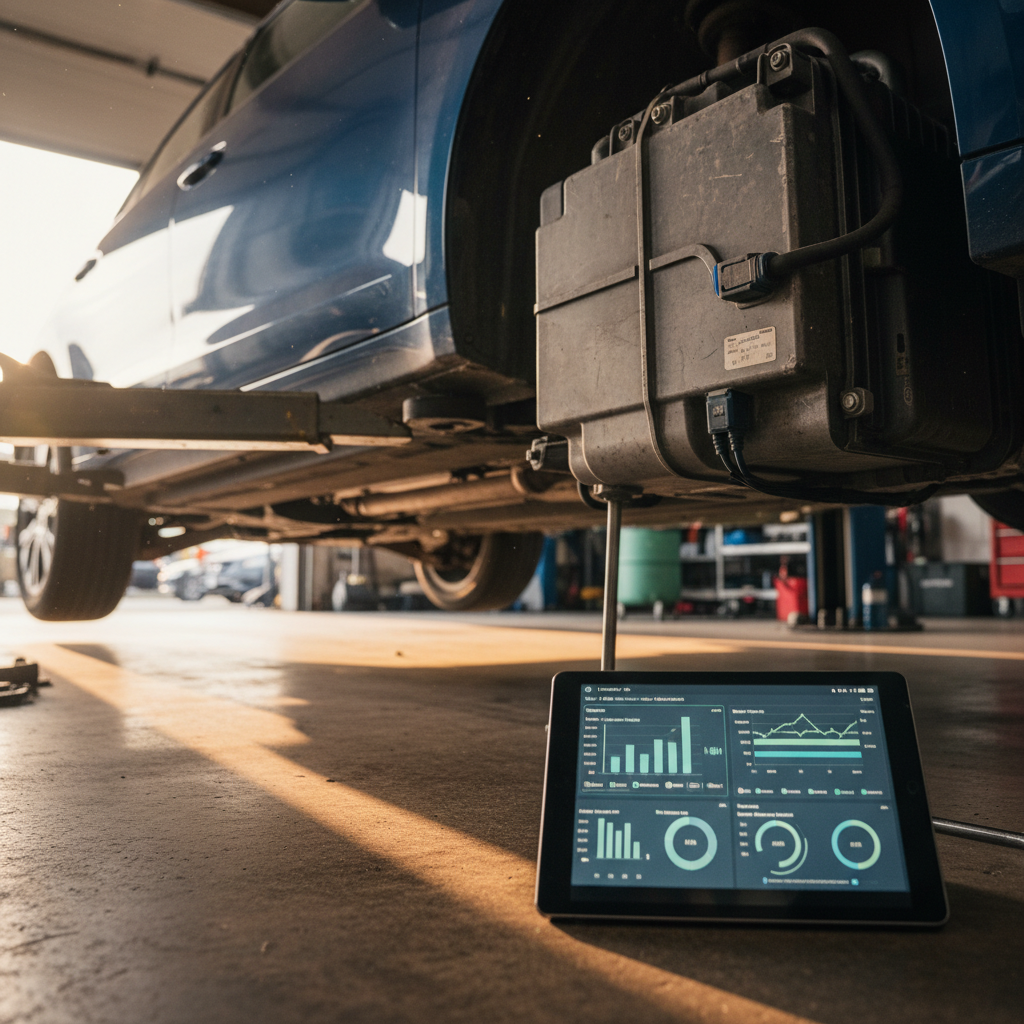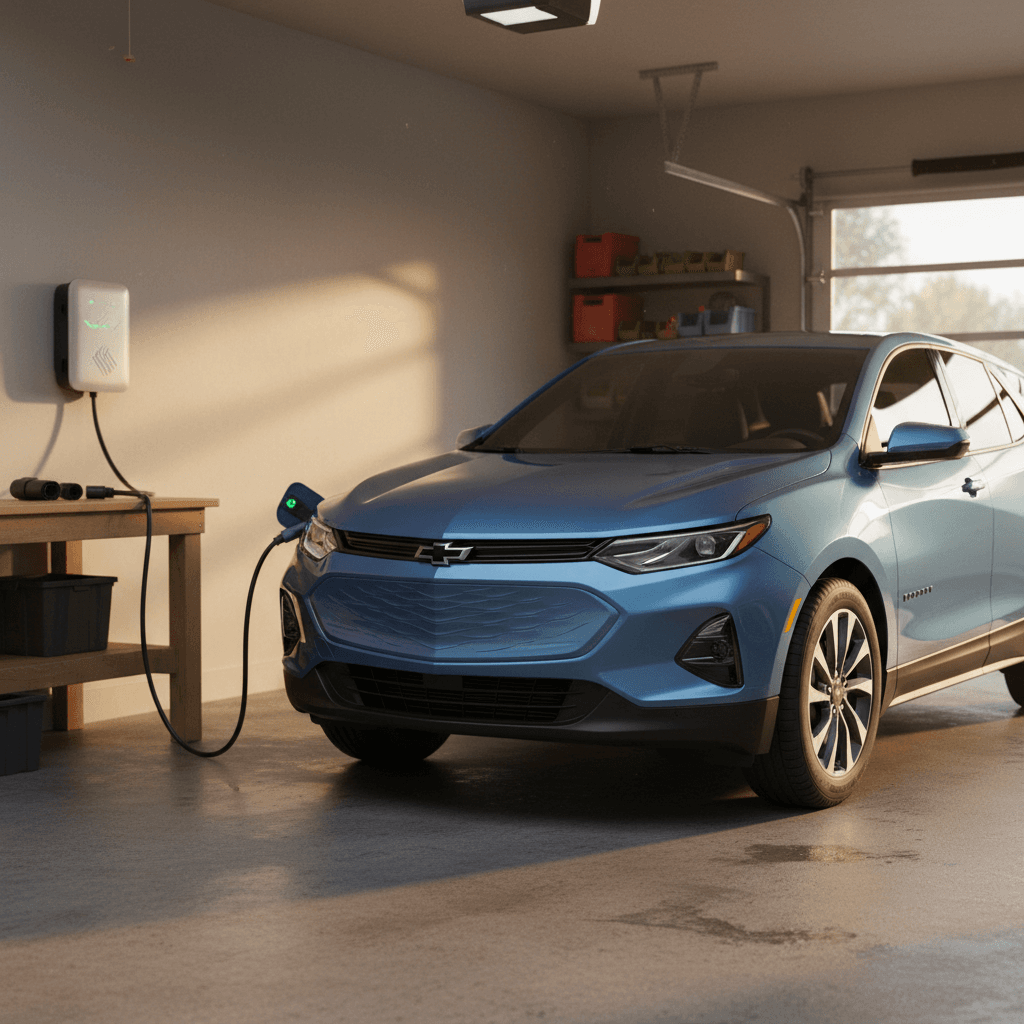
If you’ve just parked a new Chevrolet Equinox EV in your driveway, the next question hits fast: **what’s the best home charger for it?** With an 11.5 kW onboard AC charger (and an optional 19.2 kW module on some trims), the Equinox EV can take full advantage of a well‑chosen Level 2 unit, but only if you match the charger to your home’s wiring and your daily driving.
Why the right home charger matters
Chevrolet Equinox EV home charging basics
Every Chevrolet Equinox EV comes with an **11.5 kW onboard charger** for Level 2 AC charging. Some higher trims or option packages can bump that to an **optional 19.2 kW AC module**, mainly to support GM’s bidirectional and backup‑power ecosystem. In plain English, that means your Equinox EV is happiest on a 240‑volt Level 2 home charger rather than a slow 120‑volt outlet.
- Level 1 (120V): ~3–4 miles of range per hour. Okay for emergencies, frustrating for daily driving.
- Level 2 (240V, up to 40A): typically 7.7–9.6 kW, ~25–35 miles of range per hour for the Equinox EV.
- Level 2 (240V, 48A): up to 11.5 kW, roughly 30–36 miles of range per hour on an appropriately wired circuit.
- Very high power Level 2 (80A / 19.2 kW): only fully useful if your Equinox EV has the optional 19.2 kW onboard charger and your home can spare a 100A circuit.
Don’t overpay for kilowatts you can’t use
How much power can the Equinox EV actually use at home?
Chevy Equinox EV Level 2 charging specs
For most owners in the U.S., the **sweet spot is a 40A–48A Level 2 charger** on a 50A–60A breaker. That gives you enough power to refill a big chunk of the battery overnight without demanding an expensive electrical service upgrade. Many Equinox EV drivers report that a 9.6–11.5 kW home setup comfortably covers 40–70 miles of daily driving with room to spare.
Think in overnight hours, not minutes
What size home charger do you really need?
Matching a home charger to a Chevrolet Equinox EV is mostly about **amperage, panel capacity, and your daily routine**. Here’s a practical way to decide.
Right-size your Equinox EV home charger
1. Estimate your daily miles
If you drive 20–40 miles per day, even a 32A charger is plenty. Heavy commuters at 60–100 miles per day should lean toward 40A–48A to comfortably refill overnight.
2. Check your main service size
Look at your electrical panel label or ask an electrician whether you have 100A, 150A, or 200A service. Homes with 200A service generally have more headroom for a 60A EV circuit without upgrades.
3. Decide on plug-in vs. hardwired
Plug‑in chargers (NEMA 14‑50) are flexible and easy to replace but typically max out at 40A continuous. Hardwired units can go to 48A or higher and are better if you want maximum speed.
4. Match breaker, amps, and code
By code, the breaker must be sized at 125% of continuous current. A 40A charger needs a 50A breaker; a 48A charger needs a 60A breaker. Don’t guess, have an electrician confirm.
5. Consider future EVs
If you’re planning a second EV or a future upgrade, a 48A charger on a 60A circuit gives more flexibility than a 32A unit for a modest jump in cost.
6. Factor in GM’s ecosystem
If you’re eyeing GM Energy’s PowerShift or Ultium PowerUp hardware for vehicle‑to‑home backup power on a higher‑trim Equinox EV, make sure your home charger and wiring plan can support those options later.
Top home charger types for the Equinox EV
When people ask for the **“best home charger for the Chevrolet Equinox EV,”** they’re usually choosing between three practical setups: a solid 40A plug‑in unit, a 48A hardwired wallbox, or GM’s own ecosystem charger if they want future vehicle‑to‑home features.
Popular home charger paths for Equinox EV owners
Pick the style that fits your driveway, panel, and budget
40A plug‑in Level 2 (NEMA 14‑50)
Good for: Most suburban drivers with moderate daily miles.
- Delivers up to ~9.6 kW on a 50A circuit.
- Typically 25–32 miles of range per hour for the Equinox EV.
- Easier installation: add a NEMA 14‑50 outlet and hang the charger.
- Easy to replace or take with you if you move.
48A hardwired Level 2 wallbox
Good for: Drivers who want to fully use the 11.5 kW onboard charger.
- Delivers up to 11.5 kW on a 60A circuit.
- Roughly 30–36 miles of range per hour at home.
- Cleaner install and less cluttered cable routing.
- Often adds app controls, scheduling, and utility integrations.
GM Energy Ultium / PowerUp charger
Good for: Equinox EV owners planning future GM Energy vehicle‑to‑home (V2H) or backup power.
- Designed to pair with GM’s Ultium platform and V2H enablement kits.
- 11.5 kW or higher models integrate with GM’s energy management ecosystem.
- Best matched to higher‑trim Equinox EVs with the optional 19.2 kW module and V2H‑ready hardware.
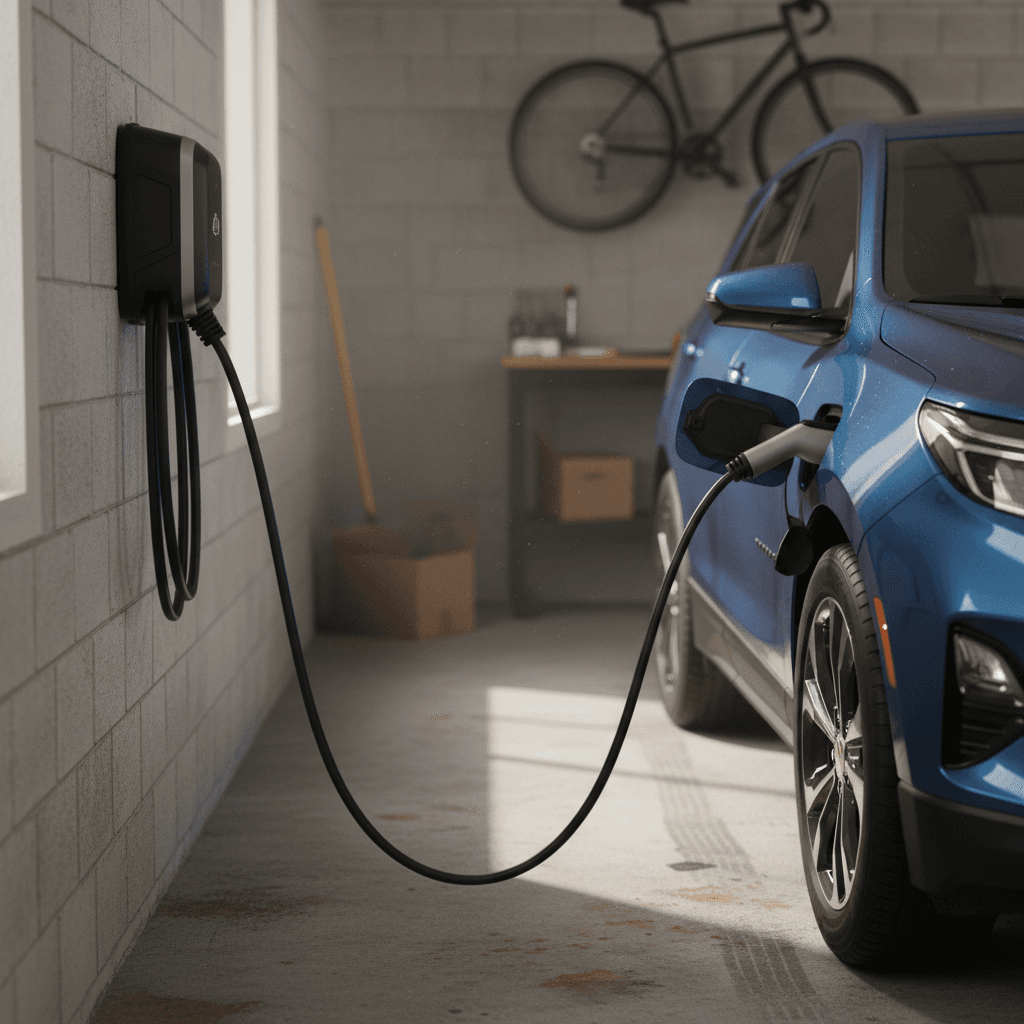
Charger comparison for Equinox EV owners
Let’s line those options up. Exact prices change constantly, so think in terms of **installation complexity, speed, and “future‑proofing.”**
Typical home charger options for the Chevrolet Equinox EV
Use this as a directional guide, always confirm exact specs and pricing before you buy.
| Charger type | Typical breaker size | Max EVSE amps | Approx. power | Est. miles of range per hour* | Installation notes |
|---|---|---|---|---|---|
| 32A plug‑in Level 2 | 40A | 32A | ≈7.7 kW | 20–25 mi/hr | Often works well on smaller panels; good starter option. |
| 40A plug‑in Level 2 (NEMA 14‑50) | 50A | 40A | ≈9.6 kW | 25–32 mi/hr | Common choice for renters or owners who may move soon. |
| 48A hardwired Level 2 | 60A | 48A | ≈11.5 kW | 30–36 mi/hr | Best match for Equinox EV’s standard 11.5 kW onboard charger. |
| High‑power Level 2 (80A / 19.2 kW) | 100A | 80A | ≈19.2 kW | Up to 50+ mi/hr if vehicle supports it | Only worthwhile if your Equinox EV has the optional 19.2 kW module and your panel can spare a 100A circuit. |
Amp ratings assume 240V service. Actual charging speed depends on your Equinox EV’s onboard charger and your home’s wiring.
Most owners land here
Must-have features in a home charger
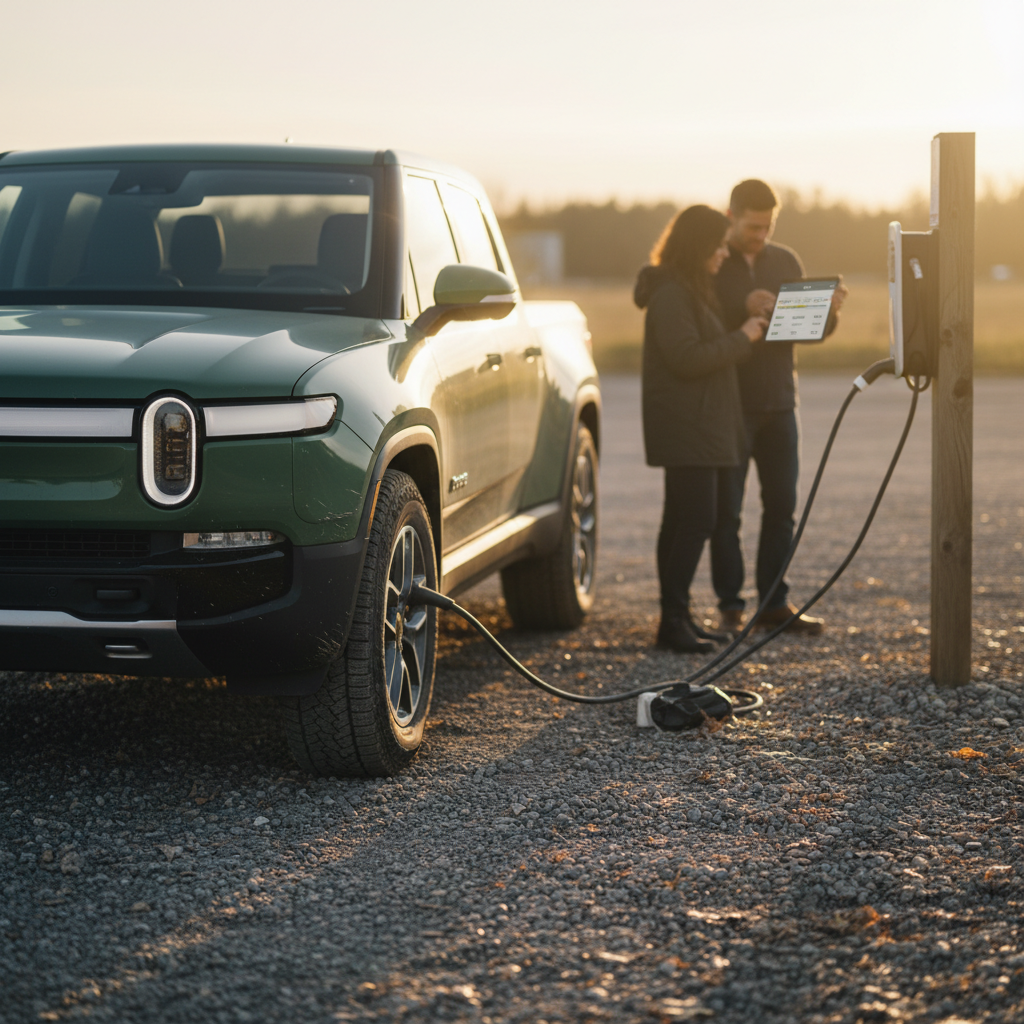
Once you’ve settled on the power level, focus on **features that make ownership easier**, and safer. Think beyond the box on the wall to the way you’ll actually live with it for years.
Key features to look for in an Equinox EV home charger
Not all wallboxes are created equal. These details matter over a decade of use.
Safety certifications
- Look for UL or ETL listings and adherence to NEC requirements.
- Weatherproof rating (NEMA 3R or better) if mounting outdoors.
- Built‑in ground‑fault protection and temperature monitoring.
Smart app & scheduling
- Start and stop charging from your phone.
- Schedule sessions to match off‑peak electricity rates.
- Track energy use to understand your real running costs.
Adjustable amperage
- Dial the charger down if your panel is tight on capacity.
- Helpful in older homes or when sharing a sub‑panel with other big loads.
- Makes it easier for an electrician to design a safe installation.
Cable length & management
- 25‑foot cables reach more parking spots and make daily use less fussy.
- Good holsters keep the connector clean and out of the way.
- Wall‑mounted cable guides prevent trip hazards in tight garages.
Connectivity & integrations
- Wi‑Fi or Ethernet for firmware updates and better reliability than Bluetooth‑only units.
- Some chargers integrate with utility demand‑response programs or home energy monitors.
- Look for open standards (like OCPP support) if you want to avoid vendor lock‑in.
Warranty & support
- At least a 3‑year warranty is a good sign; 5 years is even better.
- Check how easy it is to get human support and replacement parts.
- Be wary of no‑name units with thin documentation and vague support channels.
Installation and panel capacity checklist
A home charger for your Equinox EV is only as good as the wiring behind it. Before you fall in love with a shiny wallbox, make sure your home is ready to feed it properly.
Work with a licensed electrician
Level 2 chargers pull serious, continuous current. A licensed electrician should:
- Inspect your panel and note the existing main breaker size.
- Calculate total load (HVAC, electric range, dryer, etc.).
- Recommend a safe breaker and amp setting for the charger.
- Pull permits and schedule inspections if required by your city.
If your panel is already stretched, they may suggest load‑shedding devices or a service upgrade before adding a 60A EV circuit.
Decide where the charger will live
Before installation day, walk your electrician through how you actually park the Equinox EV:
- Right or left rear quarter panel access to the charge port.
- Garage bay vs. driveway parking.
- Need to reach more than one parking spot with the same cable.
- Outdoor mounting and conduit runs through finished walls.
A few extra feet of cable and a well‑placed charger can save you years of awkward backing‑in and three‑point turns.
Pre‑install checklist for your Equinox EV home charger
Confirm panel capacity and main service size
Know whether you have 100A, 150A, or 200A service, and what else is on the panel. Share this with your electrician before they quote the job.
Choose breaker and charger amp rating together
Let the electrician know if you’re targeting 32A, 40A, or 48A. They’ll confirm the needed breaker size and wire gauge under local code.
Plan for future loads
If you might add a second EV, heat pump, or induction range later, build that into the load calculation now so you don’t paint yourself into a corner.
Check Wi‑Fi coverage where the charger mounts
Smart chargers rely on a solid connection. You may need a mesh node or extender in the garage for reliable updates and app control.
Budget for permits and inspection
Many jurisdictions require a permit for a new 240V circuit. That’s a good thing, it keeps the work safe, documented, and easier to explain when you sell the home.
Charging costs and real-world speed
At home, the Chevrolet Equinox EV is a bit like a well‑behaved houseguest, it draws a lot of power, but mostly while you’re asleep. On a 40A–48A Level 2 charger, you can expect to add **roughly 30–36 miles of range per hour** when the car is able to take the full 11.5 kW from a properly wired circuit.
Home vs. public charging math
If your utility offers **time‑of‑use rates**, combine the Equinox EV’s built‑in scheduling with your charger’s app to push most charging into the cheapest hours. Set it once, and from then on the Equinox just quietly fills the battery while you sleep.
How home charging affects battery health and resale
The good news: the Equinox EV’s battery and charging software are engineered to handle daily Level 2 charging with plenty of margin. In practice, **home charging is easier on the pack than frequent DC fast charging**, especially in extreme temperatures.
- Aim for daily charging between roughly 20–80% for routine use; save 100% charges for road trips.
- Use scheduled charging so the car finishes close to your departure time instead of sitting at high state‑of‑charge all night.
- Avoid stacking high‑power DC fast charging sessions back‑to‑back when a Level 2 top‑up at home would do.
A quiet boost for resale value
Ready to find your next EV?
Browse VehiclesChevrolet Equinox EV home charger FAQ
Frequently asked questions about Equinox EV home charging
Key takeaways: best home charger for Equinox EV
You don’t need the biggest, most complicated box on the wall to make a Chevrolet Equinox EV work beautifully in daily life. For most owners, the best home setup is a **40A or 48A Level 2 charger** on a properly sized circuit, installed by a licensed electrician in a spot that makes plugging in effortless. That combination takes full advantage of the Equinox EV’s 11.5 kW onboard charger, keeps running costs low, and gives you a quiet confidence that every morning’s drive will start with the battery ready to go.
If you’re thinking ahead to resale or shopping for a used Equinox EV today, remember that **battery health and charging history matter**. That’s why Recharged backs every used EV with a detailed Recharged Score Report, fair market pricing, and EV‑savvy support from first click to delivery. Whether you’re planning your first home charger or your next electric upgrade, you don’t have to figure it out alone.