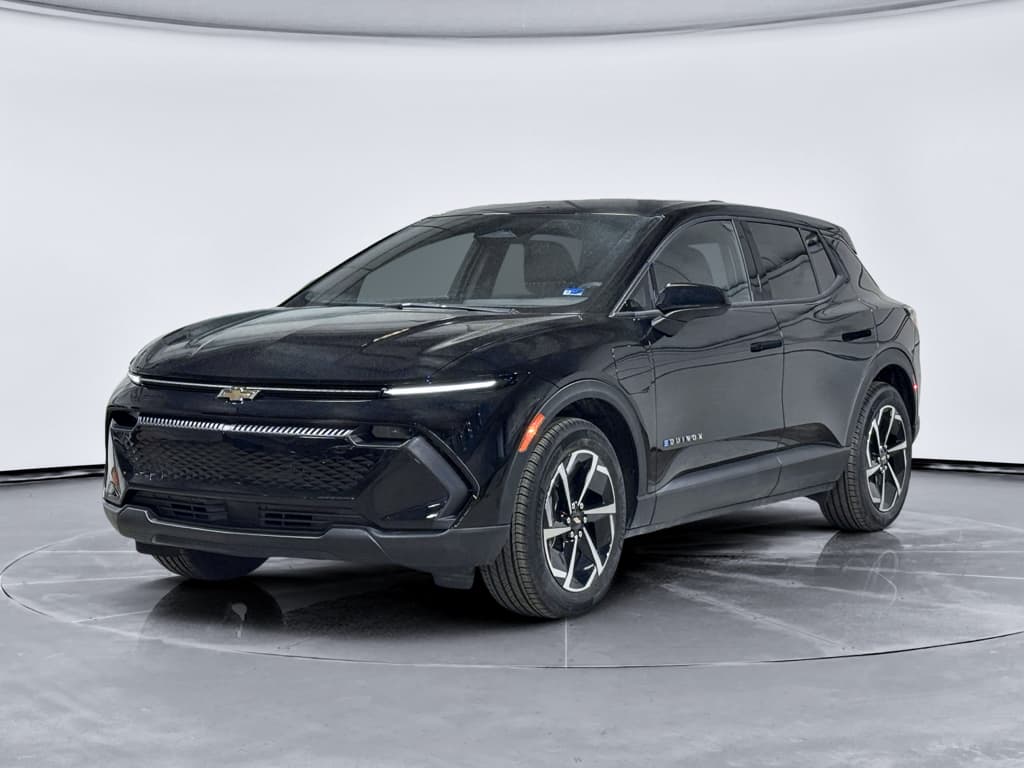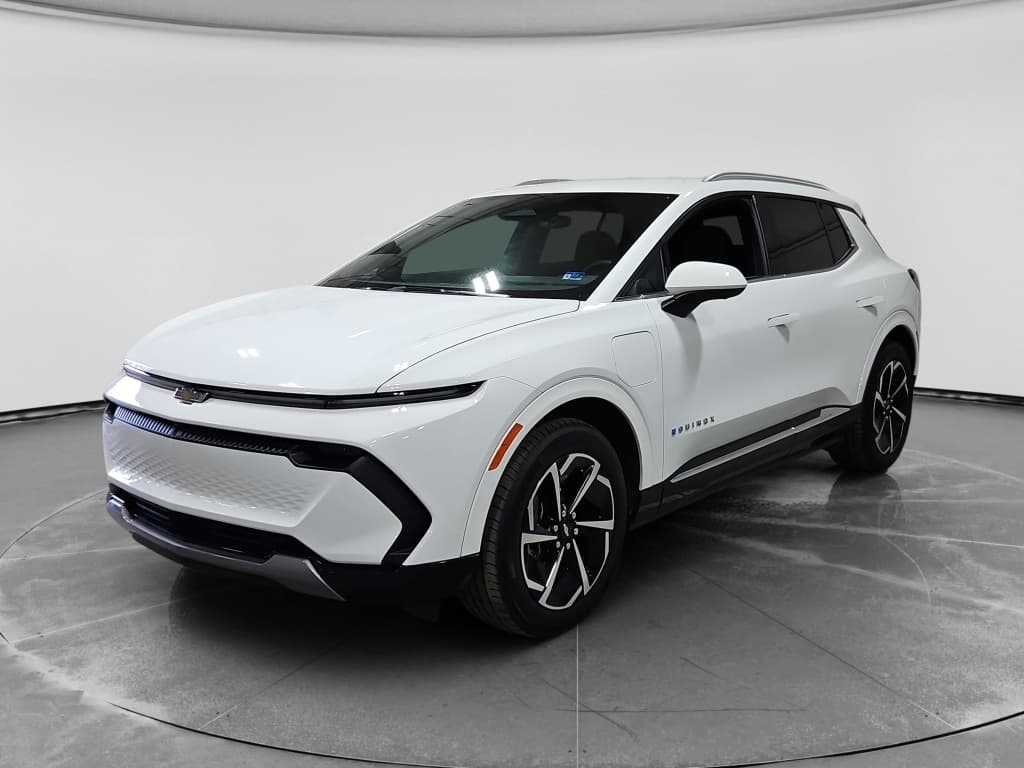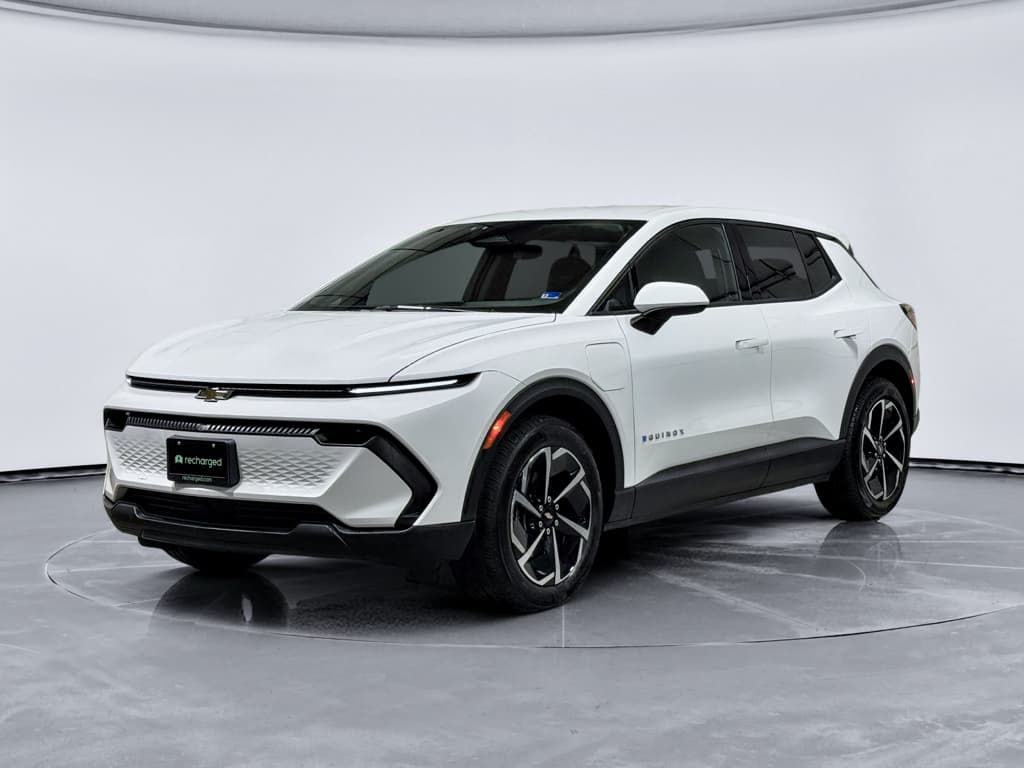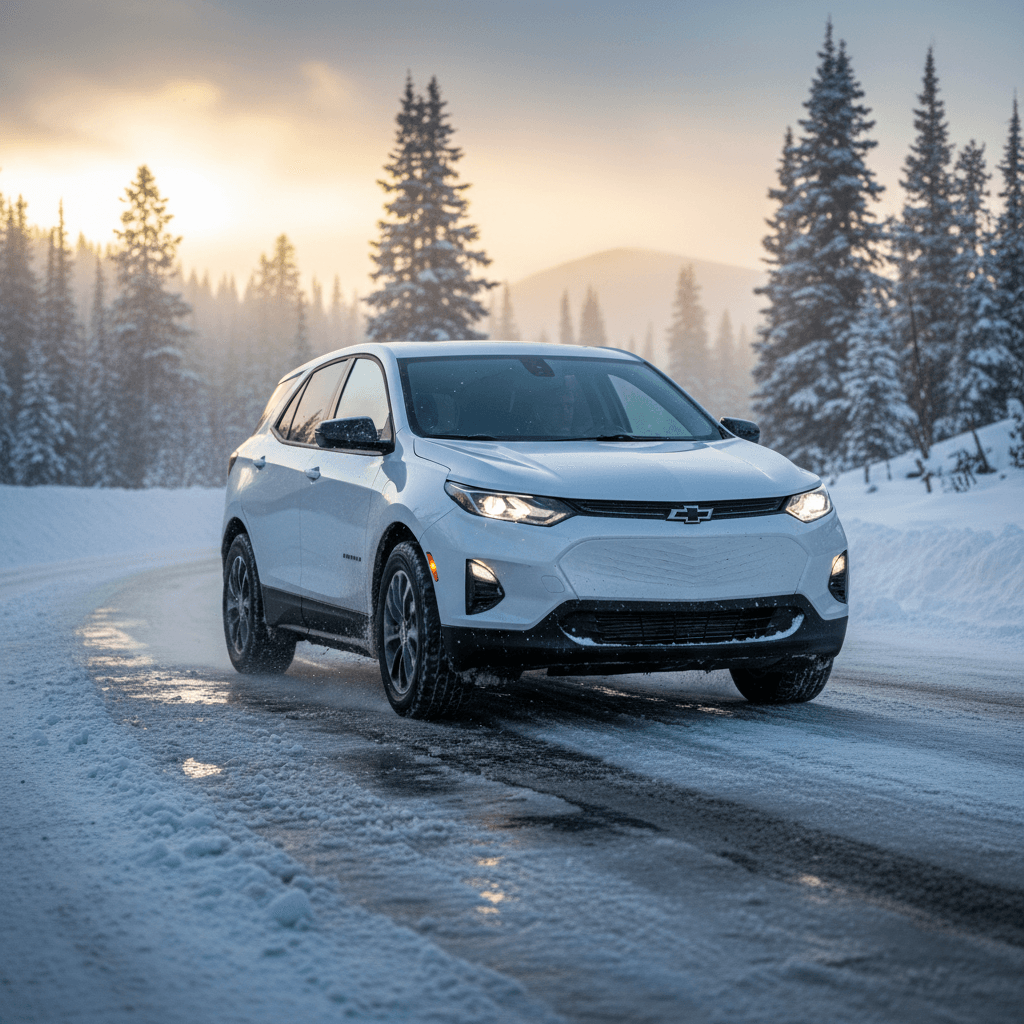
If you live where winters are long and icy, you’re right to ask whether the Chevrolet Equinox EV is best for snow and ice compared with other electric SUVs. On paper it offers available eAWD, a Snow/Ice drive mode, and a relatively efficient heat pump, but owners are also reporting noticeable cold-weather range loss and some quirks with cabin heat. This guide cuts through the marketing to explain how the Equinox EV really behaves in winter and how to set it up for safe, confident driving.
Quick take
Overview: Is the Chevrolet Equinox EV good in snow and ice?
Where the Equinox EV shines in winter
- Instant torque with fine control makes it easy to ease away on slick surfaces.
- Available eAWD dual-motor setup improves traction and stability, especially starting on hills or pulling out of side streets.
- Snow/Ice drive mode softens throttle response and adjusts traction control to reduce wheelspin.
- Low center of gravity from the battery pack improves stability compared with many gas SUVs.
Where it’s merely average (or worse)
- All-season OEM tires on many trims are rated poorly for snow and ice; they’re the weak link out of the box.
- Cold-weather range loss is real, independent data and owner reports point to roughly 25–30% or more loss below freezing, and sometimes worse in sub‑zero Fahrenheit.
- Heat-pump behavior can feel slow or inconsistent in very cold weather, and some owners have had HVAC hardware issues repaired under warranty.
- Ground clearance is crossover‑typical, not SUV‑rugged. It’s fine in plowed streets, less ideal in deep, unplowed snow.
So is the **Chevrolet Equinox EV “best” for snow and ice**? In stock form, it’s competitive with other compact EV crossovers but not a magic solution. The key is configuration: AWD plus true winter tires and good use of Snow/Ice mode put it near the top of the segment for real-world traction, while FWD on factory all‑seasons lands you squarely in “fine, but nothing special” territory.
Equinox EV winter strengths and limitations
Key winter performance factors for the Equinox EV
Think beyond just “AWD vs FWD”
Battery & thermal management
The Ultium pack and heat pump let the Equinox EV hold onto more range than some older EVs in the cold, but independent testing still shows a noticeable hit below freezing. Preconditioning before you drive is essential.
Stability & traction systems
Modern stability control, traction control, and ABS help keep things in line, and Snow/Ice mode remaps power delivery for slick surfaces. These systems are genuinely helpful, but still depend heavily on tire grip.
Chassis & ride height
Suspension tuning prioritizes comfort and efficiency. Ground clearance is typical compact‑SUV territory, enough for plowed streets and modest accumulation, but not for bashing through unplowed back roads all winter.
Winter capability isn’t one number
AWD vs FWD Equinox EV: Which is better for snow?
The Equinox EV comes in both front‑wheel drive (FWD) and electric all‑wheel drive (eAWD) versions. FWD models use a single front motor; eAWD adds a second motor on the rear axle and bumps power. From a winter‑driving standpoint, here’s how they stack up.
Equinox EV FWD vs eAWD for winter driving
How the two drivetrains compare when roads turn white.
| Feature | FWD Equinox EV | eAWD Equinox EV |
|---|---|---|
| Driven wheels | Front only | Front + rear (dual motor) |
| Launch traction on ice/snow | Good with snow tires, modest with OEM all‑seasons | Noticeably stronger, especially starting on hills |
| Stability in corners | Stable but can understeer if you over‑cook a snowy turn | More neutral feel; rear motor can help rotate the car slightly |
| Deep snow performance | Limited by front traction and ground clearance | Better ability to claw forward before you high‑center |
| Efficiency in winter | Slightly better range; fewer drivetrain losses | Slightly lower range due to dual motors |
| Best fit | Milder climates or mostly plowed city driving | Hilly regions, heavy‑snow climates, frequent ski trips |
AWD helps you go; tires and braking technique still determine how well you stop.
Don’t overvalue AWD
If you regularly deal with steep snowy driveways, unplowed side roads, or ski‑town traffic, the Equinox EV eAWD is worth prioritizing. If your winters are mostly well‑plowed suburban and city streets with occasional storms, a FWD car on great tires can be almost as capable at lower cost.
How Snow/Ice mode works on the Equinox EV
Chevrolet gives the Equinox EV a Snow/Ice drive mode that owners routinely describe as making the SUV one of the most sure‑footed non‑4WD vehicles they’ve driven in slick conditions. But it’s not magic; it’s a set of software adjustments layered on top of traction and stability control.
- Softer accelerator mapping: The same pedal movement produces less torque, which makes it easier to feed power in gently without breaking traction.
- More conservative traction control: The system clamps down on wheelspin sooner and more aggressively, especially at low speeds and on launch.
- ABS and stability tweaks: Brake and stability systems are tuned for low‑grip surfaces to reduce the chance of sudden slides.
- Mode resets on restart: Owners report that Snow/Ice mode turns off every time you cycle the ignition, so you need to re‑enable it at each start. Many add it to their top‑screen shortcuts to make this painless.
Important Snow/Ice mode habits
Tires and ground clearance: Where winter performance really comes from
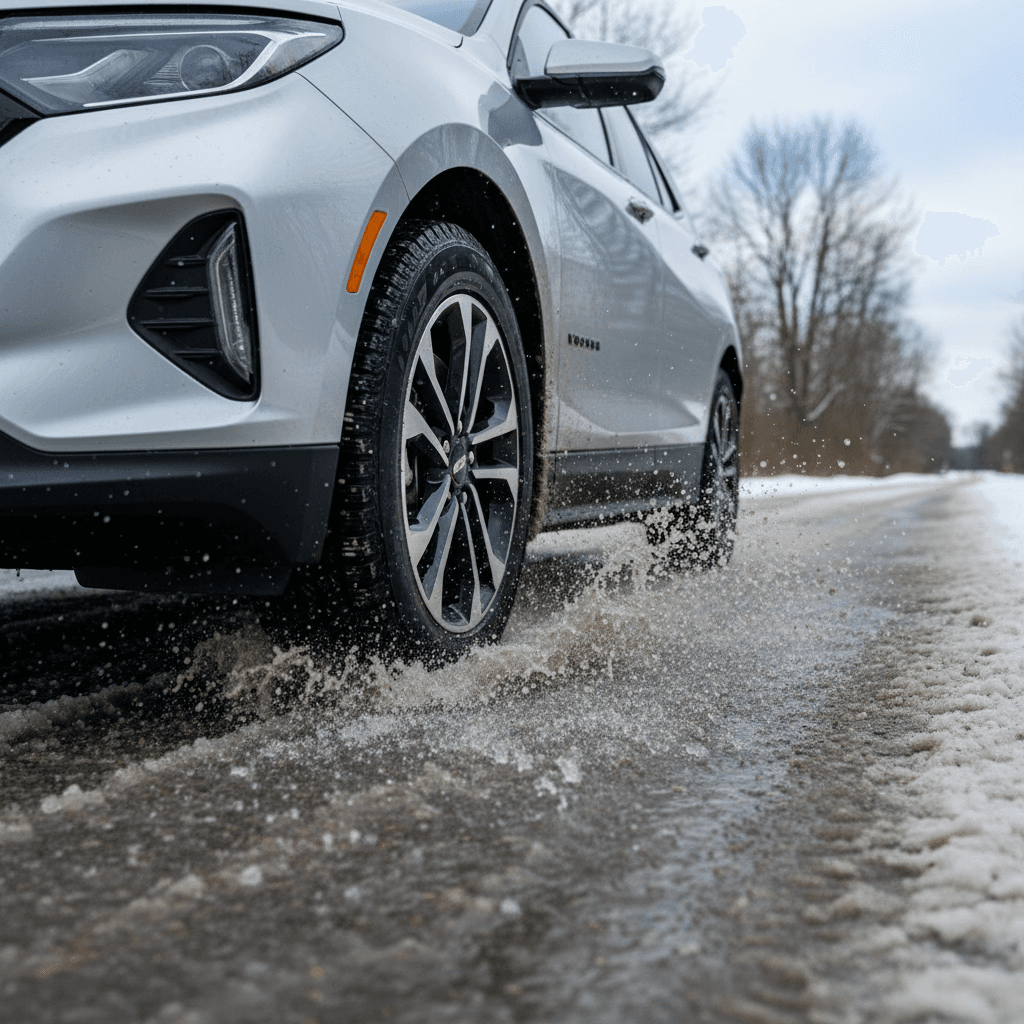
Every Equinox EV ships with all‑season tires. On paper that sounds fine, but many factory all‑seasons are tuned for low rolling resistance, not snow grip. Early owner feedback has been blunt: the OEM 21‑inch tires in particular are rated poorly for snow and ice, while FWD owners who switched to quality winter tires (like Michelin X‑Ice or CrossClimate 2) report a night‑and‑day improvement.
Two things that matter more than people realize
If you change nothing else, focus here first.
Tires: your real winter upgrade
- Dedicated winter tires use softer compounds and aggressive tread patterns to bite into ice and packed snow.
- On an Equinox EV, a narrower winter tire on a smaller wheel (e.g., 18–19 inches) can actually help cut through slush better than wide 21‑inch tires.
- Yes, range will drop a bit with grippier rubber, but in bad weather, traction is more important than a few percentage points of efficiency.
Ground clearance & snow depth
- The Equinox EV’s ground clearance is similar to the gas Equinox and other compact crossovers, enough for plowed roads and moderate accumulation.
- Deep ruts and unplowed country roads can still high‑center the vehicle, especially with heavy, wet snow.
- If your winter reality involves regular 8–12 inch dumps and barely‑plowed roads, you may want a taller, more rugged SUV or pickup rather than any compact EV crossover.
Simple rule of thumb
Cold-weather range loss in the Chevrolet Equinox EV
EVs all lose range in cold weather, and the Equinox EV is no exception. Independent telematics data and owner reports suggest that **below‑freezing temps can cut real‑world range by roughly 25–30%**, sometimes more when you combine high speeds, strong winds, and heavy heater use.
What winter range looks like in the real world
Why the Equinox EV can feel worse than the spec sheet
The practical takeaway: for winter trip planning, use a conservative range estimate. If your Equinox EV shows 280–300 miles on a mild day, budget closer to 190–230 miles between charges when it’s in the teens or single digits and you need the cabin to stay toasty. Tools built into the car, plus preconditioning while plugged in, help, but they don’t completely erase physics.
Essential winter setup checklist for your Equinox EV
Dial in your Equinox EV for snow and ice
1. Choose the right tires
If you see regular snow and ice, install dedicated winter tires on their own wheels. In milder climates, all‑weather tires with the three‑peak mountain snowflake (3PMSF) rating are a good compromise. Avoid relying on low‑rolling‑resistance OEM all‑seasons in harsh winters.
2. Prioritize eAWD if you live in the snow belt
Shopping new or used? In hilly, high‑snow regions, choose an Equinox EV with the eAWD dual‑motor system. It won’t replace winter tires, but it will help you get moving more confidently on slick starts and steep driveways.
3. Make Snow/Ice mode part of your startup routine
Add Snow/Ice mode to your main screen shortcuts so you can toggle it with one tap. Remember that it resets when you shut the vehicle off; confirm it’s active whenever roads are slick.
4. Use preconditioning while plugged in
On cold mornings, start cabin preconditioning 10–20 minutes before you leave while the Equinox EV is connected to your home charger. That warms the cabin and battery using grid power instead of draining your pack at the start of your drive.
5. Adjust HVAC for efficiency and comfort
Owners report that blasting the heat on “HI” can stress the system and sometimes results in lukewarm air. Instead, set a reasonable cabin temp (e.g., 70–72°F), use seat and steering‑wheel heaters, and turn on recirculation to keep warm air inside.
6. Keep your charge buffer bigger in winter
In summer you might comfortably run from 80% down to 10–15%. In winter, aim to leave more headroom, think of 70–75% down to 20–25% for regular driving, and don’t plan winter road trips right on the edge of your guess‑o‑meter range.
Watch for HVAC symptoms, especially in deep cold
Buying a used Equinox EV for winter driving
If you’re considering a used Chevrolet Equinox EV specifically for winter use, you have a few extra variables to think through: battery health, previous tire choices, and how the car’s software and hardware have been updated over its life.
Questions to ask the seller
- “How did you use it in winter?” Ask where the car lived (Upper Midwest vs. Sun Belt) and whether it was regularly parked outside in the cold.
- “Did you run winter tires?” A seller who invested in winter tires and wheels probably cared about traction and safety. You may be able to negotiate those into the sale.
- “Any HVAC or range issues in the cold?” Look for mention of heater repairs, HVAC recalls, or software updates that affected winter behavior.
How Recharged can help
Every used EV sold through Recharged includes a detailed Recharged Score Report with verified battery health and fair‑market pricing. For a winter‑focused shopper, that means you’ll know:
- How much usable capacity the battery still has (critical for winter range).
- Charging history and whether the car was fast‑charged heavily or mostly home‑charged.
- Any open recalls or known issues that might affect cold‑weather performance.
You can complete the entire purchase digitally, trade in your current vehicle, and have your Equinox EV delivered to your driveway, or visit our Experience Center in Richmond, VA if you prefer to see and feel a car in person before committing.
Look beyond the odometer
Chevrolet Equinox EV winter driving FAQ
Frequently asked questions about the Equinox EV in snow and ice
Bottom line: Is the Equinox EV the best for snow and ice?
If you’re wondering whether the Chevrolet Equinox EV is “best” for snow and ice, the honest answer is that it’s one of the more convincing compact EV crossovers for winter duty, as long as you set it up deliberately. eAWD, Snow/Ice mode, a low center of gravity and modern stability systems give it a strong foundation, but true winter tires and realistic expectations about cold‑weather range are what make the difference between “okay” and “impressively sure‑footed.”
If winter confidence is a top priority and you’re shopping used, consider working with Recharged. Every Equinox EV we sell includes a Recharged Score Report for verified battery health, transparent pricing, and expert EV‑specialist support, so you know exactly what kind of winter range and performance you’re buying before the first snowflake hits. Whether you complete everything online or visit our Richmond, VA Experience Center, you’ll have the data and guidance you need to decide if an Equinox EV is the right winter companion for you.