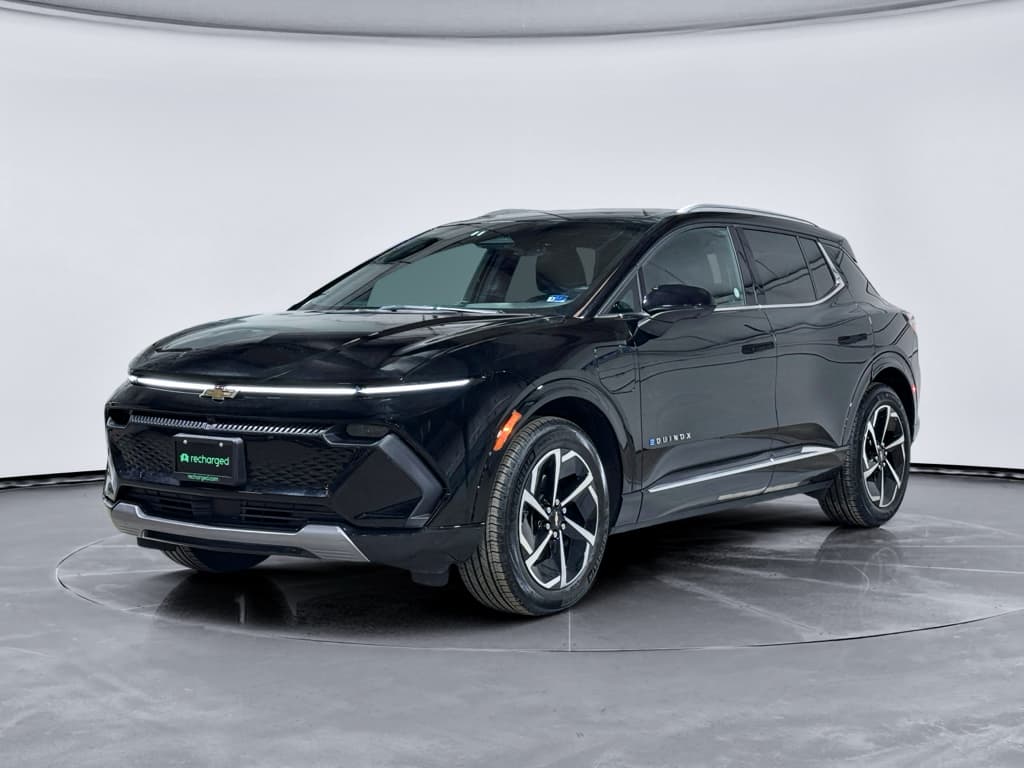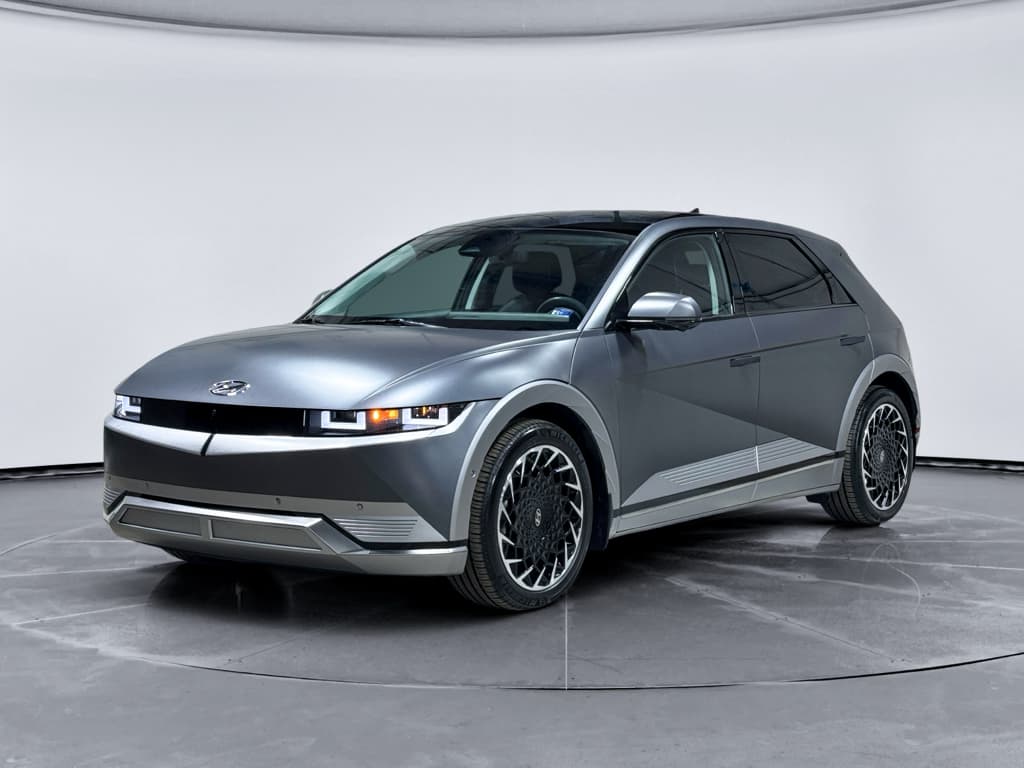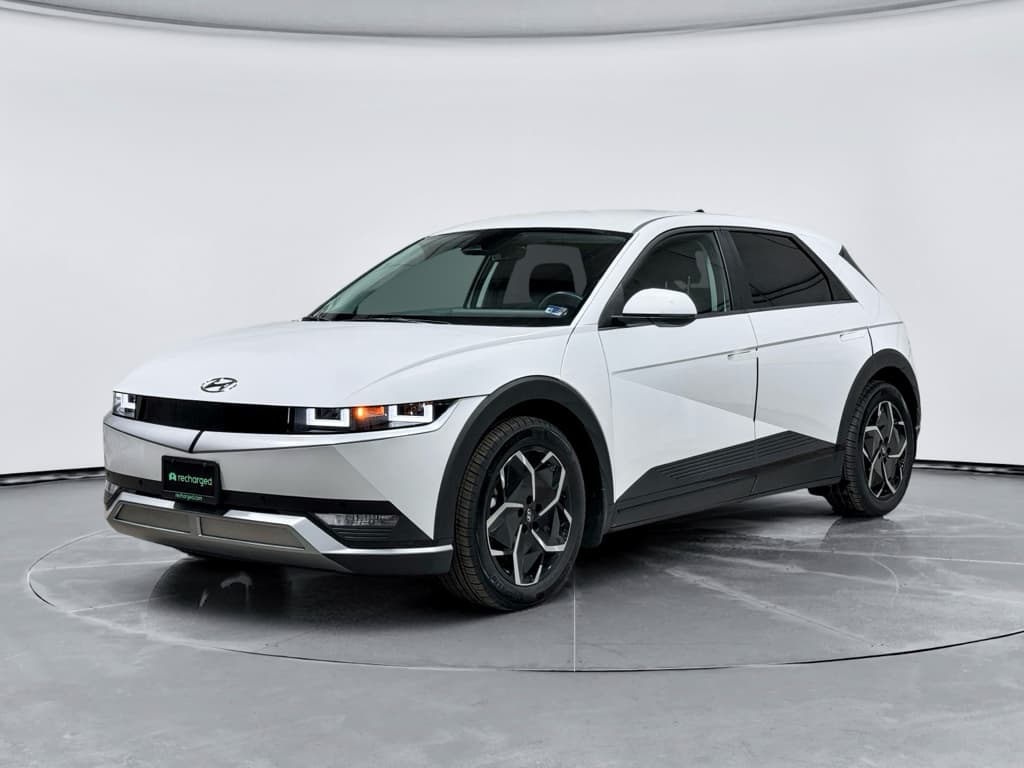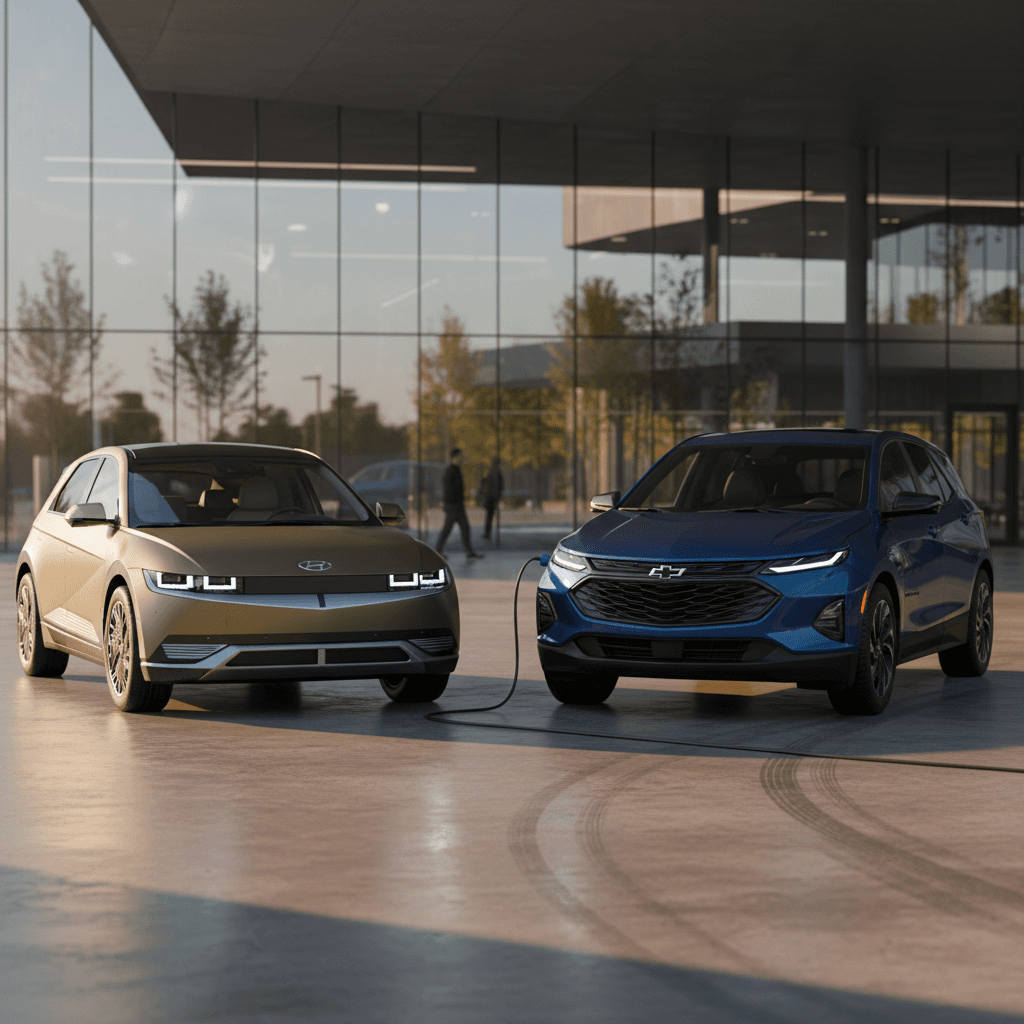
Trying to decide between the Hyundai Ioniq 5 and the Chevrolet Equinox EV? You’re not alone. These two compact electric SUVs target the same “practical family EV” sweet spot, but they take very different approaches to range, charging, tech, and value. This guide breaks down Hyundai Ioniq 5 vs Chevrolet Equinox EV in plain language so you can see which is better for your daily life, not just on a spec sheet.
Both are strong choices, just for different buyers
Ioniq 5 vs Equinox EV: quick overview
High-level takeaway: who is each EV best for?
Match the SUV to your driving style and charging reality
Hyundai Ioniq 5: best if you…
- Take frequent road trips and care about shorter DC fast‑charging stops.
- Value a long warranty and strong long‑term ownership peace of mind.
- Want cutting‑edge design, tech, and features like vehicle‑to‑load (V2L) power.
- Plan to use both public CCS and Tesla NACS fast‑charging (2025+ models).
Chevrolet Equinox EV: best if you…
- Primarily drive around town and want simple, predictable range.
- Prefer a more traditional SUV shape with easy ergonomics.
- Are shopping on a tighter budget and want lower transaction prices or leases.
- Already like GM tech such as available Super Cruise and Google Built‑In.
Bottom line up front
Key specs: Hyundai Ioniq 5 vs Chevy Equinox EV
Core specs comparison
Representative U.S. specs for recent model years as of 2025–2026. Always double‑check the exact trim you’re shopping.
| Spec | Hyundai Ioniq 5 | Chevrolet Equinox EV |
|---|---|---|
| Platform / size | Compact electric crossover (E‑GMP) | Compact electric crossover (Ultium) |
| Battery options | Standard & Long Range packs | Single larger pack for most 2025+ trims |
| EPA range (approx.) | ~245–318 miles depending on trim | ~270–330 miles depending on trim |
| Max DC fast‑charge power | Up to ~235–250 kW (800V architecture) | Up to ~150 kW |
| 10–80% fast‑charge time (best case) | Roughly 18–25 minutes at a strong DC fast charger | Roughly 35–45 minutes at a compatible DC fast charger |
| Max AC Level 2 charging | Up to 10.9–11 kW (trim/year dependent) | 11.5 kW standard |
| Drivetrain | RWD or AWD | FWD or AWD |
| 0–60 mph (quicker versions) | Low 5‑second range (non‑N) | High 5‑ to low 6‑second range (AWD) |
| Warranty (basic / powertrain) | ~5yr/60k basic, 10yr/100k powertrain (Hyundai) | ~3yr/36k basic, 5yr/60k powertrain (GM) |
| Charging port in North America | CCS on early models, NACS on 2025+ | NACS on newer builds; early units CCS with adapters / transition |
| Vehicle‑to‑load (V2L) | Yes, up to ~1.9 kW from the charge port | No factory V2L on most trims at launch |
Actual numbers vary by trim, wheel size, and model year, but this table captures the overall pattern between Ioniq 5 and Equinox EV.
Specs vary a lot by trim and year
Range and efficiency: who goes farther in the real world?
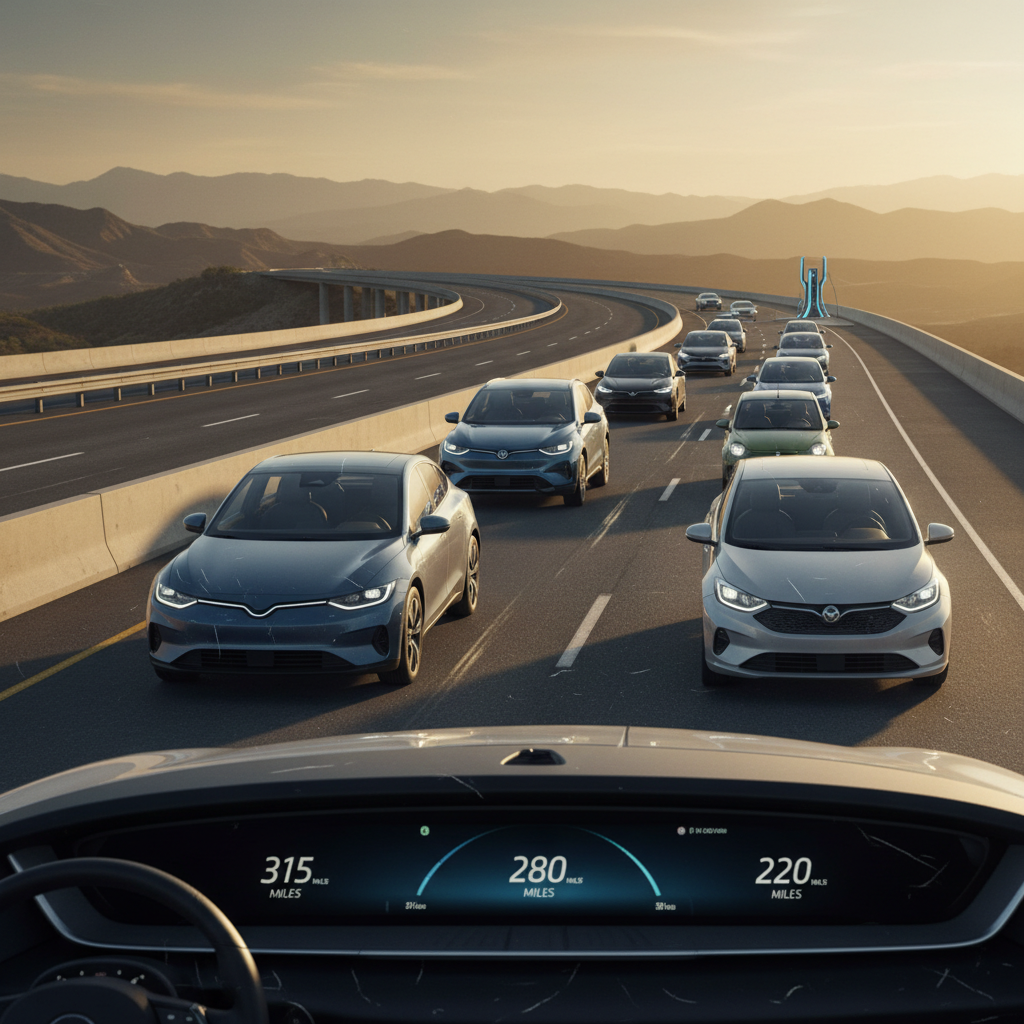
On paper, the Hyundai Ioniq 5 and Chevrolet Equinox EV trade punches on range. Recent long‑range Ioniq 5 trims can deliver EPA‑rated ranges north of 300 miles in rear‑wheel‑drive form, while well‑equipped Equinox EV trims land in the high‑200s to low‑300s. In practice, your driving style, climate, wheel size, and highway speeds matter more than brochure numbers.
Range realities for typical U.S. drivers
Ioniq 5: efficient but sensitive to conditions
The Ioniq 5 is impressively efficient for a boxy, retro‑styled SUV, especially in rear‑wheel‑drive trims with smaller wheels. Owners routinely beat EPA estimates in mixed driving, but highway range can dip faster if you’re running 75–80 mph, fully loaded, or driving in sub‑freezing temperatures.
Because the Ioniq 5 charges so quickly, slightly lower highway range is often offset by shorter charging stops on long trips.
Equinox EV: slightly more conservative, long‑legged feel
The Equinox EV trades a bit of outright charging speed for strong, predictable range. Its Ultium pack and tuning emphasize consistency and comfort, and owner anecdotes suggest it can feel slightly more relaxed at a constant highway cruise.
If your priority is fewer charging stops rather than the shortest possible stops, the Equinox EV can be very compelling, especially in AWD trims with the larger pack.
How to pick based on range
Charging speed and network access
Charging is where the Hyundai Ioniq 5 pulls ahead most clearly, especially if you care about road‑trip time rather than just destination charging at home.
Charging: fast sessions vs simple living
Both work well for home charging; road‑trip behavior is where they differ
Hyundai Ioniq 5 charging strengths
- Ultra‑fast DC charging thanks to 800V architecture, 10–80% in roughly 18–25 minutes when you find a strong charger.
- Very flat charging curve, which means it holds high power deeper into the charge than many rivals.
- Recent U.S. models add a native NACS port, unlocking broad Tesla Supercharger access without adapters.
- Supports typical 11 kW Level 2 home charging, refilling an empty pack overnight on a 240V circuit.
Chevy Equinox EV charging strengths
- 11.5 kW Level 2 onboard charger standard, excellent for home or workplace charging.
- Solid but not class‑leading DC fast charging (~150 kW peak), enough for realistic road trips if you plan your stops.
- Transitioning to NACS as GM rolls out updated hardware and software, improving Tesla network access over time.
- For many owners who rarely road‑trip, charging speed differences simply won’t show up in daily life.
Road‑tripper’s warning
Space, practicality, and comfort
Both SUVs are roomy enough for families, but they package that space differently. The Ioniq 5 has a long wheelbase and flat floor that create almost midsize‑SUV rear legroom, while the Equinox EV leans more toward a conventional compact SUV feel with a straightforward cargo area.

Hyundai Ioniq 5: lounge‑like interior
- Very long wheelbase creates excellent rear legroom and a spacious, airy feel.
- Sliding rear seats and available reclining functions enhance comfort on long drives.
- Clean, minimal dash with dual 12.3‑inch screens and a flat floor front to back.
- Some buyers love the retro‑futurist design; others find it a bit unconventional.
Chevrolet Equinox EV: familiar and family‑friendly
- More traditional SUV shape and seating position that many drivers adjust to instantly.
- Practical cargo area with a square opening, especially useful for strollers and bulk shopping.
- Cabin materials and design are straightforward rather than flashy, with emphasis on ease of use.
- Available panoramic glass roof and bright color choices can warm up the cabin feel.
Which feels better in person?
Performance and driving experience
Neither of these SUVs is slow, instant electric torque means even base models feel punchier than most gas crossovers. But their personalities differ. The Ioniq 5 skews more toward “fun EV” while the Equinox EV emphasizes comfort and predictability.
How they drive
Pick your balance of fun vs. calm
Acceleration
Ioniq 5 dual‑motor trims typically feel quicker off the line than comparable Equinox EV AWD versions, especially in Sport mode. There’s also the Ioniq 5 N halo model for true performance enthusiasts.
Ride & handling
The Ioniq 5 can feel a bit firmer, especially on big wheels, but remains comfortable. The Equinox EV is tuned more softly and tends to soak up rough pavement quietly.
Noise & refinement
Both are quiet compared to gas SUVs. The Ioniq 5’s boxy shape lets in a bit more wind noise at high speeds; the Equinox EV trades a bit of character for a calmer highway demeanor.
Driving feel verdict
Features, tech, and safety
Both models are well equipped with modern driver‑assist and infotainment tech, but they plug into different ecosystems. Hyundai leans on its own software layer and SmartSense safety suite, while Chevy rides on Google Built‑In and GM’s safety stack with the option to add Super Cruise on some trims.
Feature & tech highlights
High‑level snapshot; availability varies by trim and option package.
| Category | Hyundai Ioniq 5 | Chevrolet Equinox EV |
|---|---|---|
| Infotainment | Dual 12.3" screens, Hyundai software, OTA updates on newer models | Google Built‑In with native Maps, Assistant, and select apps |
| Driver assistance | Hyundai SmartSense with highway assist, lane centering, adaptive cruise | GM driver‑assist suite with available Super Cruise on select trims |
| Unique tricks | Vehicle‑to‑load (V2L) AC power from the charge port, augmented‑reality head‑up display on higher trims | Towing capability on some trims, GM’s deep integration with its dealer network and OnStar services |
| Interior ambiance | Retro‑futurist design, light colors, movable center console | Conventional SUV layout, intuitive controls, familiar Chevy look |
| Safety ratings | Strong crash‑test performance and robust active‑safety feature set | Comparable active‑safety suite; ratings continue to roll in as volumes grow |
Look at the specific trim level rather than assuming every feature appears on every Ioniq 5 or Equinox EV.
Check options before you assume
Pricing, incentives, and total cost of ownership
New‑car pricing for both models has been a moving target thanks to supply constraints, dealer markups, and shifting EV incentives. On the used market, however, some clear patterns have emerged by 2026.
Ownership factors that matter more than MSRP
Hyundai Ioniq 5: stronger warranty, rising used supply
The Ioniq 5 has been on sale longer than the Equinox EV, which means more used inventory in the market. Combined with Hyundai’s generous 10‑year / 100,000‑mile powertrain warranty, that makes the Ioniq 5 an especially interesting used buy.
Because it’s a known quantity, depreciation is more predictable, and shoppers can lean on real‑world data about battery health and reliability, exactly the kind of information captured in a Recharged Score report.
Chevrolet Equinox EV: value play and lease darling
The Equinox EV launched with aggressive pricing and strong lease programs in many regions, especially where federal incentives favored domestically built EVs. That has made it a popular lease choice, which will translate into used inventory over the next few years.
For buyers who want a relatively new EV with the latest NACS port and software, an off‑lease Equinox EV could become one of the most affordable long‑range options in the segment.
Use total cost, not sticker price
Hyundai Ioniq 5 vs Chevrolet Equinox EV: which should you buy?
Choose based on your real life, not the brochure
1. How often do you road‑trip?
If you regularly drive 250+ miles in a day or do multi‑state road trips, the Ioniq 5’s ultra‑fast charging and strong NACS/CCS flexibility make it the better fit. Occasional weekend trips? The Equinox EV’s slower fast charging is still fine if you plan your stops.
2. How long will you keep the car?
Planning to hold your EV for 7–10 years? Hyundai’s long warranty and established reliability record give the Ioniq 5 an edge. Shorter three‑year cycles or leases tilt the playing field back toward the Equinox EV, especially if GM keeps offering compelling lease deals.
3. Do you want an EV that feels special?
The Ioniq 5’s design, interior, and available high‑performance N variant make it feel more like a statement piece. The Equinox EV is intentionally normal, great if you just want a quiet, familiar SUV that happens to be electric.
4. What does your local charging landscape look like?
If you live in a region where CCS infrastructure is patchy but Tesla Superchargers are everywhere, a newer NACS‑equipped Ioniq 5 or Equinox EV will both benefit, but the Ioniq 5 still turns that access into shorter stops. In urban areas with lots of mixed networks, the difference shrinks.
5. How important is V2L and powering gear?
If you like the idea of running power tools, camping gear, or even a fridge from your EV, the Ioniq 5’s vehicle‑to‑load function is a genuine differentiator. The Equinox EV currently lacks a comparable built‑in feature on most trims.
My verdict
How Recharged can help you choose and buy used
Whether you end up leaning Ioniq 5 or Equinox EV, the used market is where you’ll often find the best mix of price and equipment. That’s where Recharged is built to help.
Why shop used Ioniq 5 or Equinox EV with Recharged?
Reduce the guesswork around battery health, value, and logistics
Verified battery health
Fair market pricing
Financing, trade‑in, and delivery
Ready to find your next EV?
Browse Vehicles