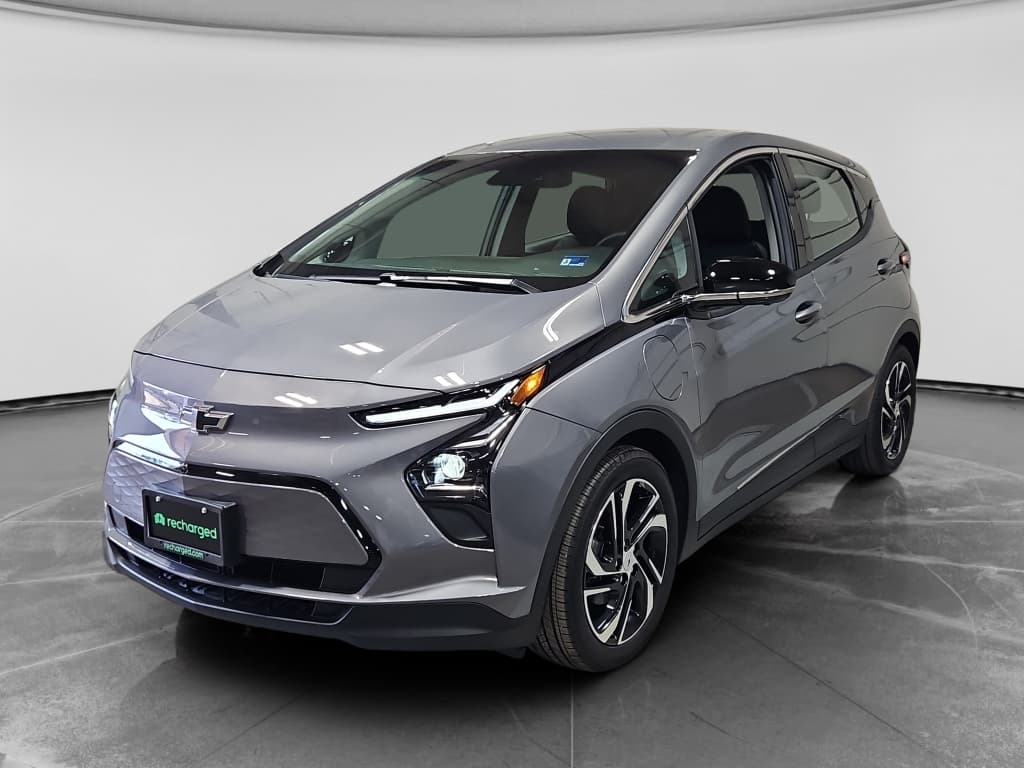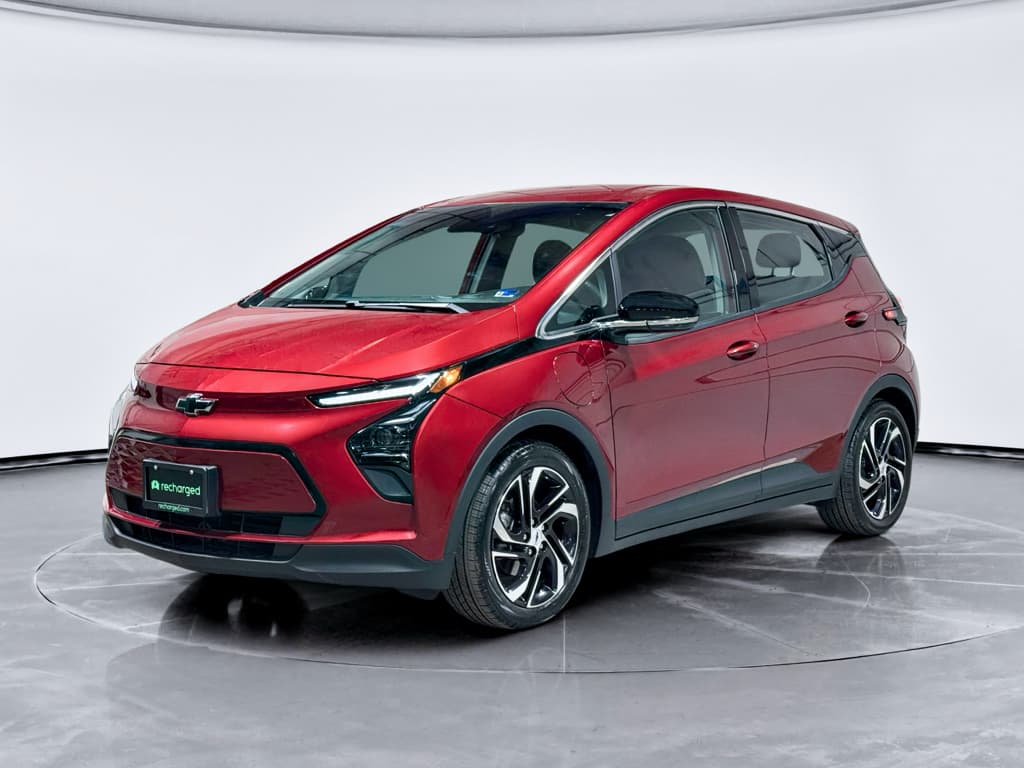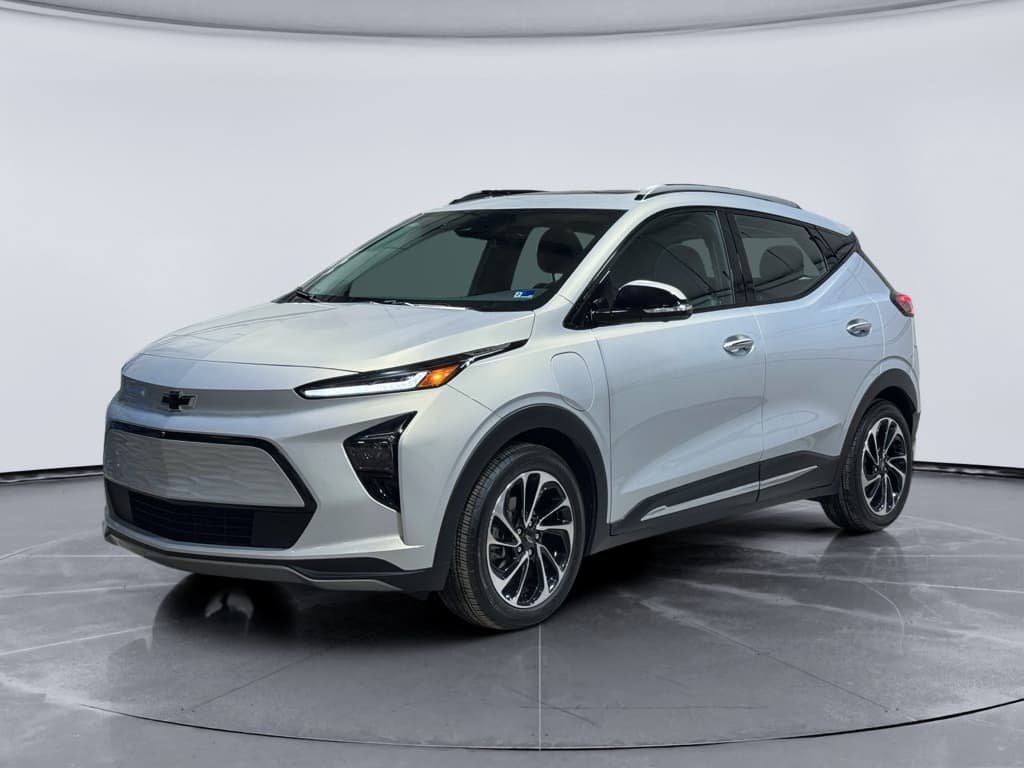
If you’re typing “Chevrolet Bolt near me” into your search bar, you’re not alone. The Bolt EV and Bolt EUV have become go‑to choices for drivers who want real‑world range, hatchback practicality, and used‑car prices that are still sane in 2025. This guide walks you through where to find a Chevrolet Bolt near you, how to judge battery health, what a fair price looks like, and how to buy with confidence, especially when you’re looking at used EVs online.
Quick context
Why searching “Chevrolet Bolt near me” makes sense in 2025
Chevy Bolt at a glance
The Bolt was designed as a practical everyday EV: upright seating, a roomy hatch, and enough range that you don’t have to baby it. Because it was priced aggressively new and eligible for tax credits, a lot of them were sold, and many of those cars are now cycling into the used market. That’s why searching locally works so well: there’s simply more supply than there was a few years ago.
Who the Bolt fits best
The Chevrolet Bolt used market in 2025
GM ended production of the first‑generation Bolt EV and Bolt EUV at the end of 2023 to convert its Michigan plant to Ultium‑based models, then announced a redesigned Bolt returning for 2027. In between those dates lies a sweet spot: 2020–2023 used Bolts with modern safety tech, long range, and, thanks to depreciation, prices that finally feel reasonable again.
Why used Bolts are attractive now
- Deep early depreciation means today’s buyers get a lot of EV for the money.
- Battery recall packs in many earlier cars mean essentially newer batteries under older VINs.
- Compact size and good range make the Bolt an easy second car or commuter.
What’s changed since launch
- More competition from other used EVs has pushed sellers to price Bolts more realistically.
- Public charging networks and adapters have matured, making road trips less stressful.
- Better battery‑health tools and reports (like the Recharged Score) make it easier to buy smart.
Watch local incentives
Where to find a Chevy Bolt near you
Best ways to shop for a Chevrolet Bolt near you
Combine online tools with local test drives for the best results
1. Dedicated EV marketplaces
EV‑focused sites like Recharged specialize in used electric vehicles. You’ll see battery‑specific details, charging specs, and real‑world range estimates that generic marketplaces ignore.
This is also where you’re more likely to find third‑party battery health reports, not just basic Carfax‑style history.
2. Local dealers and franchise lots
Many Chevrolet stores took Bolt EVs back as leases ended, and independent dealers buy them at auction. Searching “Chevrolet Bolt near me” in maps or dealer sites often surfaces cars you can test‑drive today.
Inventory can be hit‑or‑miss, but you may uncover low‑mileage trade‑ins from cautious first owners.
3. Nationwide search with delivery
Don’t stop at your ZIP code. Many platforms will ship a Bolt to your driveway, often for less than the price difference between markets. That means you can chase the right color, trim, and battery history without being locked into local supply.
Recharged, for example, offers nationwide delivery plus remote paperwork and EV‑specialist support.
Search smarter, not just closer
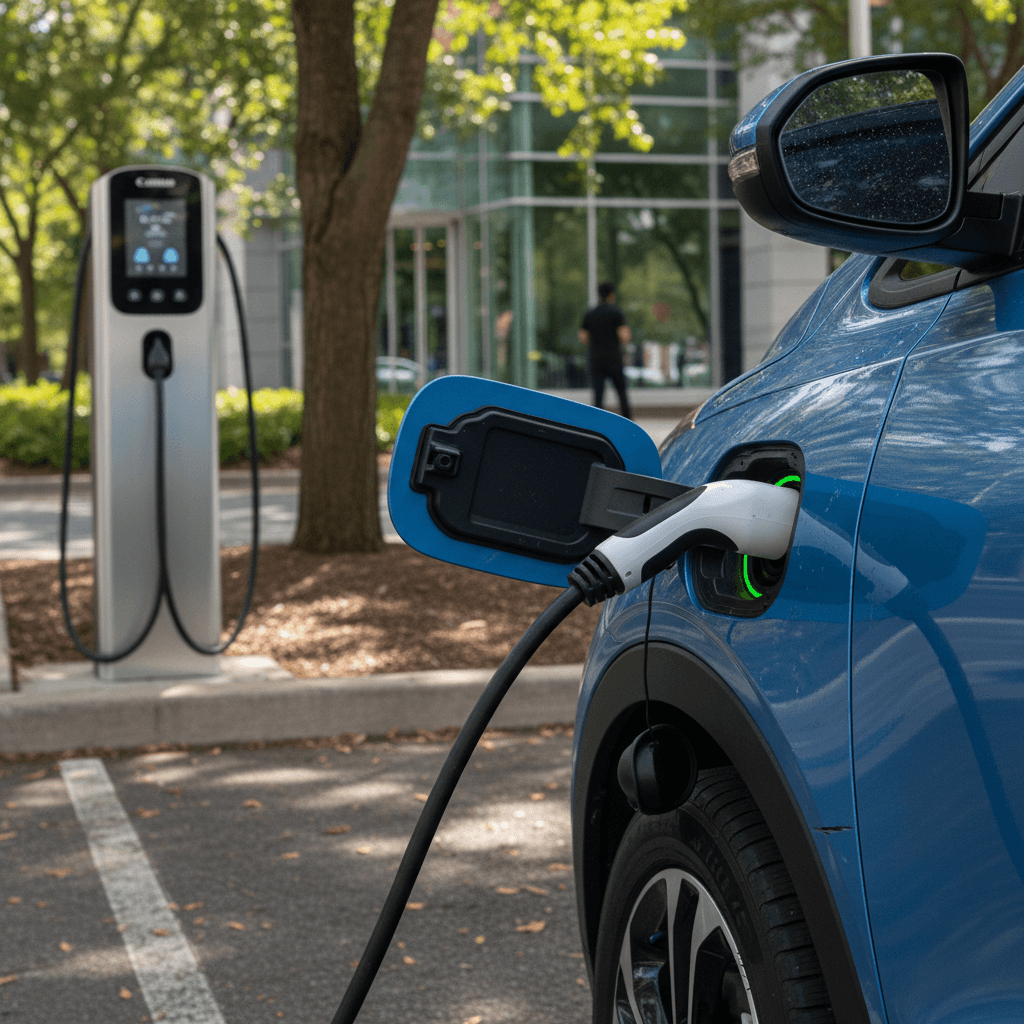
Bolt trims, model years, and battery basics
When you’re scanning listings for a Chevrolet Bolt near you, you’ll mostly see the Bolt EV hatchback (2017–2023) and the slightly larger Bolt EUV (2022–2023). Under the skin they share similar battery packs and drivetrains, but there are details worth knowing.
Chevy Bolt model cheat sheet
Key differences that matter when you’re comparing used listings.
| Model / Years | Body style & size | Approx. EPA range | Notable features |
|---|---|---|---|
| Bolt EV 2017–2019 | Compact hatchback | ~238 mi | Original design, earlier infotainment; many received new packs after battery recall. |
| Bolt EV 2020–2021 | Compact hatchback | ~259 mi | Updated battery chemistry with more range; still pre‑refresh interior. |
| Bolt EV 2022–2023 | Compact hatchback (refresh) | ~259 mi | New front/rear styling, improved interior, available safety tech at lower prices. |
| Bolt EUV 2022–2023 | Slightly longer crossover‑ish hatch | ~247 mi | More rear legroom, available Super Cruise on higher trims. Great for families. |
If range and price matter most, start with 2020–2023 Bolt EVs and 2022–2023 EUVs, then work backward only if the battery has been replaced under recall.
About the Bolt battery recall
How to check Chevrolet Bolt battery health
With a gas car you can forgive a tired engine and keep driving. With an EV, the battery pack is the car. When you’re hunting for a Chevrolet Bolt near you, battery health is the single most important variable, and the hardest to see in a standard listing.
Battery‑health checks before you fall in love with a listing
1. Ask for the battery warranty status
Request the in‑service date and confirm how many years and miles remain on the original 8‑year/100,000‑mile battery warranty. That tells you how much factory coverage you still have.
2. Look for recall documentation
Ask the seller for documentation showing whether the pack has been replaced under recall. A newer pack with lower mileage can be a major advantage for an older Bolt.
3. Check recent range estimates
Have the owner charge to 100% and share a photo of the projected range on the cluster. It’s not perfect science, but a car that still estimates close to EPA range in mild weather is a good sign.
4. Review charging history
Ideally, the Bolt has been charged mostly on Level 2 at home and only fast‑charged (DCFC) for trips. Heavy fast‑charging use isn’t automatically bad, but it’s worth factoring into price and expectations.
5. Use a third‑party battery report when possible
Specialists can pull deeper data from the car’s battery management system using OBD tools. On Recharged, this information is distilled into an easy‑to‑read <strong>Recharged Score battery health report</strong> for every vehicle.
6. Drive it from a high state of charge
On your test drive, start above 70% charge, drive a familiar loop, and watch how quickly the percentage and estimated miles drop. You’re looking for smooth, predictable behavior, not dramatic swings.
Red flags to take seriously
Pricing: what a used Chevrolet Bolt should cost
Used EV pricing moves fast, and it varies by region. But by late 2025, many buyers are pleasantly surprised at how affordable a Chevrolet Bolt near them has become compared with just a few years ago.
Typical used Chevy Bolt price ranges (late 2025, U.S. market)
Actual prices vary by mileage, condition, battery history, and local demand, but these ranges give you a ballpark.
| Model year & type | Typical mileage range | Ballpark asking prices | What you should expect |
|---|---|---|---|
| 2017–2018 Bolt EV (often with recall pack) | 60k–110k mi | $12,000–$17,000 | Older tech but great commuter value if the replacement battery is healthy. |
| 2019–2020 Bolt EV | 40k–80k mi | $15,000–$22,000 | Longer range and more modern feel; sweet spot for budget‑minded buyers. |
| 2021–2022 Bolt EV | 20k–60k mi | $18,000–$25,000 | Refresh overlaps; look for active warranty and strong battery health. |
| 2022–2023 Bolt EUV | 10k–50k mi | $20,000–$28,000 | More space and available Super Cruise; strong choice for families or road‑trippers. |
Always compare at least three similar Bolts, same year, similar mileage, and similar equipment, before deciding whether a price is fair.
Compare total cost, not just price
Test-drive and inspection checklist for a used Bolt
Once you’ve found a promising Chevrolet Bolt near you, it’s time to drive it like you plan to live with it. Bring a notepad, or use this checklist on your phone, and be picky. The right car should feel solid, quiet, and predictable.
What to check before you sign anything
1. Exterior and underbody
Look closely for accident repairs, mismatched paint, cracked plastic undertrays, or corrosion on suspension components in rust‑belt states.
2. Tires and brakes
Uneven tire wear can hint at alignment issues. On the road, listen for grinding or pulsation under braking. EVs are heavy; they’re hard on tires, and tires aren’t cheap.
3. Charging port and cables
Inspect the CCS charging port for damage or corrosion. Confirm that the included Level 1 or Level 2 cable works by plugging in, even briefly, during your visit.
4. Cabin electronics
Test every window, lock, camera, and the infotainment system. Pair your phone, try navigation, and check that driver‑assistance systems (like lane keep assist) behave as expected.
5. On‑road behavior
During the test drive, note any shuddering, clunks over bumps, or vibration under acceleration. A healthy Bolt feels planted and smooth, with strong, consistent regenerative braking.
6. Noise and rattles
Because EVs are quiet, interior rattles and wind noise stand out. Listen at highway speeds with the radio off. Persistent buzzes can drive you crazy over time.
Have a pre‑purchase inspection done if you’re unsure
Financing, trade‑in, and total cost of ownership
The great thing about a used Chevrolet Bolt is that most of the painful depreciation is behind you. The less fun part is navigating financing, your trade‑in, and charging equipment so that the total cost still makes sense.
Money matters: making your Bolt pencil out
Think beyond the sticker price before you commit
Financing a used Bolt
Some lenders treat older EVs cautiously, but many now offer solid rates on Bolts with clean histories. Getting pre‑qualified before you shop keeps you focused on cars that truly fit your budget.
Using your current car as a trade‑in
If you have a gas car to sell, compare instant offers, dealer trade‑ins, and consignment options. Recharged can buy your car outright or help sell it while you shop for an EV.
Charging & running costs
Factor in a home Level 2 charger (if you don’t have one), your electric rate, and maintenance savings. EVs like the Bolt skip oil changes, timing belts, and many wear items, which helps offset the cost of the car itself.
Owning a Bolt can feel cheaper than it looks
How Recharged helps you buy a Bolt with confidence
Shopping for a Chevrolet Bolt near you can feel daunting if you’re new to EVs. You’re juggling battery questions, charging hardware, and fast‑moving used‑car prices, all while sellers assure you everything is “perfect.” This is exactly the gap Recharged was built to fill.
What you get with every Recharged EV
- Recharged Score Report that shows verified battery health, charging history indicators, and fair‑market pricing.
- EV‑specialist support to answer practical questions about range, charging at home, and road‑trip planning.
- Digital‑first experience: browse, finance, sign, and arrange delivery without spending weekends on car lots.
Help with the rest of the puzzle
- Financing options tailored for used EVs, including the Bolt EV and EUV.
- Trade‑in or instant offer on your current vehicle, or consignment if you want to maximize value.
- Nationwide delivery plus an Experience Center in Richmond, VA if you prefer to see cars in person.
Local search, national options
Chevrolet Bolt buying FAQ
Frequently asked questions when shopping for a Chevrolet Bolt near you
Key takeaways when shopping for a Chevrolet Bolt near you
If you’re searching for a “Chevrolet Bolt near me” in 2025, you’re looking at one of the most quietly sensible EV buys on the market. The trick is to treat the battery like the engine, pay attention to documentation, and compare a few similar cars before jumping on the first deal that pops up.
Cast a slightly wider net than your immediate neighborhood, prioritize battery health, remaining warranty, and honest history, and remember that the cheapest asking price isn’t always the best value. And if you’d rather have experts in your corner, Recharged can help you find, inspect, finance, and even deliver the right Bolt, so the only thing you have to worry about is where your first electric road trip will take you.