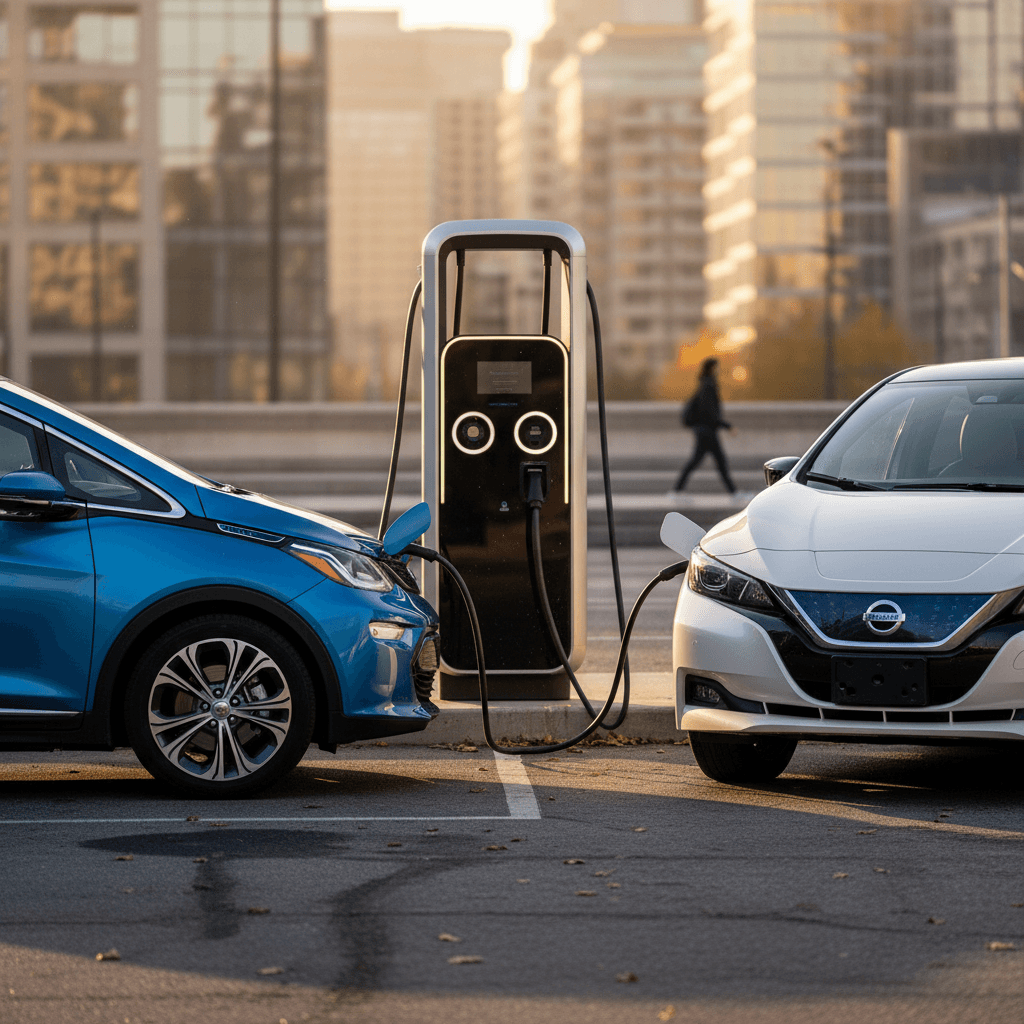
If you’re shopping for an affordable used EV, you will almost inevitably end up asking: Chevrolet Bolt EV vs Nissan Leaf – which is better? Both are proven, relatively simple electric hatchbacks with years of real‑world data behind them. But they don’t shine in the same areas, and the “right” answer depends heavily on how and where you drive.
Bottom line up front
Chevy Bolt EV vs Nissan Leaf: quick overview
How the Bolt EV and Leaf stack up at a glance
Focusing on common U.S. used models (roughly 2018–2024)
Chevrolet Bolt EV (65 kWh pack, 2020–2023)
- EPA range: about 259 miles
- Battery: ~65 kWh, liquid‑cooled
- DC fast charge: CCS, modest peak speeds
- Strengths: range, efficiency, modern UI
- Watch for: 2017–2022 battery recall history
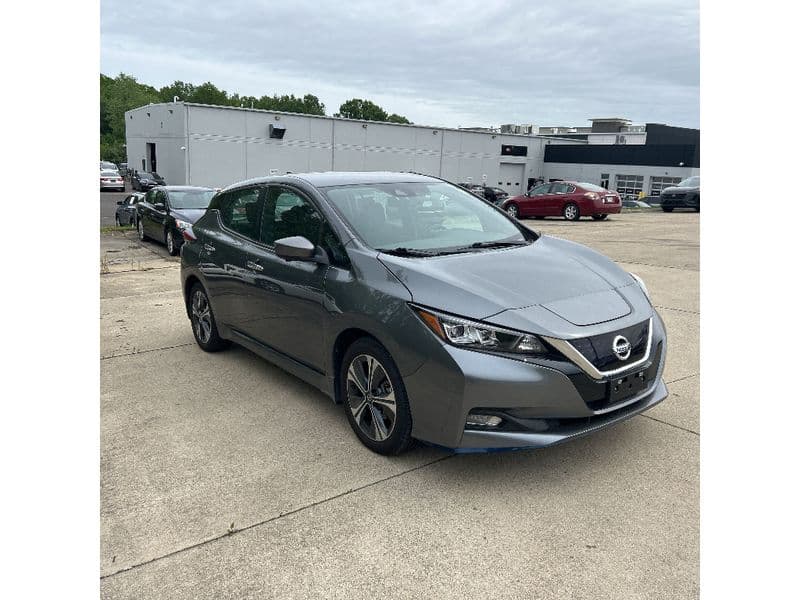
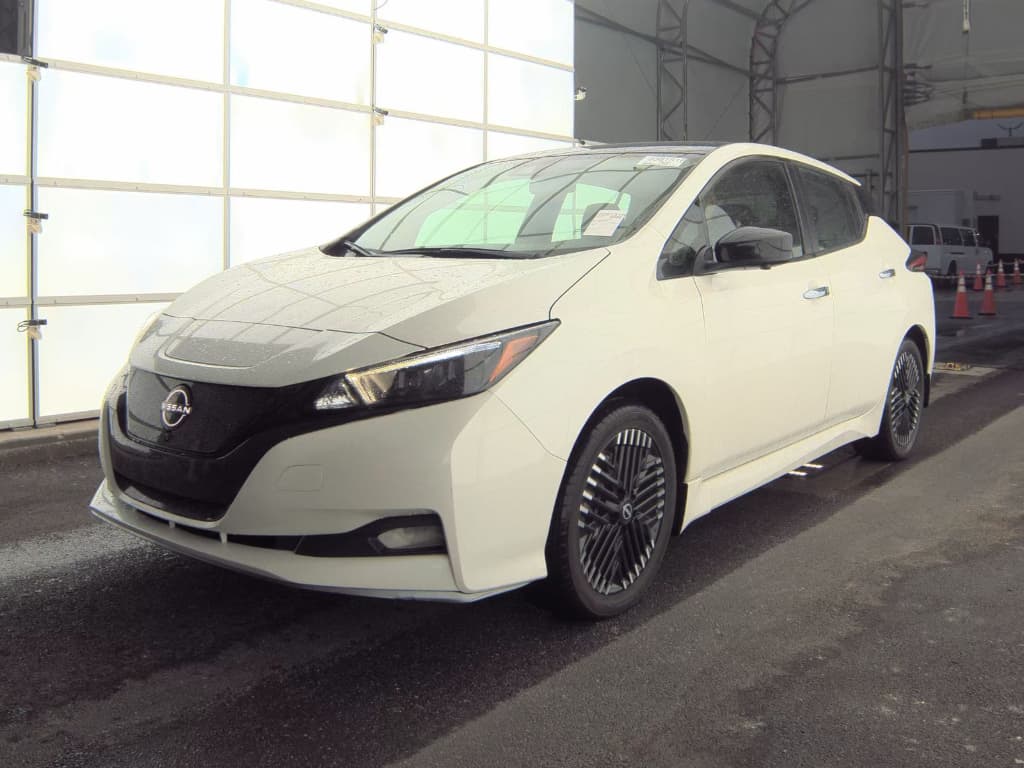
Nissan Leaf (40 & 60 kWh packs, 2018–2024)
- EPA range: roughly 149–212 miles depending on pack
- Battery: 40 or ~60 kWh, air‑cooled
- DC fast charge: CHAdeMO (fading standard)
- Strengths: comfort, cargo space, value
- Watch for: faster degradation in hot climates
Key numbers: Bolt EV vs Leaf
Key model years and versions to compare
To answer “Chevrolet Bolt EV vs Nissan Leaf, which is better?” you first need to know which versions you’re actually looking at. Both nameplates have multiple battery sizes and generations on the used market.
Core Bolt EV and Leaf versions you’ll see used
Focus on U.S.‑market cars that dominate the affordable used‑EV space.
| Model | Approx. years (US) | Battery (usable) | EPA range (approx.) | DC fast‑charge standard |
|---|---|---|---|---|
| Chevy Bolt EV (first gen, small pack) | 2017–2019 | ~60 kWh | 238 mi | CCS |
| Chevy Bolt EV (updated pack) | 2020–2023 | ~65 kWh | 259 mi | CCS |
| Chevy Bolt EUV (larger body) | 2022–2023 | ~65 kWh | 247 mi | CCS |
| Nissan Leaf 40 kWh | 2018–2024 | ~40 kWh | 149–151 mi | CHAdeMO |
| Nissan Leaf 60 kWh (Leaf Plus / SV Plus) | 2019–2024 | ~60 kWh | ~212 mi | CHAdeMO |
Exact specs vary by trim and year, but this table covers the mainstream configurations most shoppers cross‑shop today.
Check build year, not just model year
Range and battery: Bolt EV vs Leaf in real life
Range is where the Chevy Bolt EV usually wins. With roughly 65 kWh of usable battery and an EPA rating around 259 miles in later years, it comfortably out‑ranges most Leafs, even the bigger‑battery 60 kWh Leaf Plus. That extra 40–80 miles of rated range can be the difference between one stop or two on a weekend trip, or whether you need to stop at all.
Bolt EV range reality
- Later‑model Bolt EVs (2020–2023) are rated at about 259 miles EPA range.
- In mixed real‑world driving, many owners report 200–240 miles on a full charge depending on climate, speed, and load.
- The battery is liquid‑cooled, which tends to help with thermal management and long‑term consistency.
For commuters or one‑car households that need to cover distance without thinking about it, the Bolt’s range is a major selling point.
Leaf range reality
- 40 kWh Leafs typically deliver around 149–151 miles of EPA range, which can drop faster at 70–75 mph.
- 60 kWh (Leaf Plus / SV Plus) models stretch to roughly ~212 miles EPA, but still trail the Bolt EV.
- The battery is air‑cooled, so repeated fast‑charging or very hot climates can trim usable range over time.
If you mostly drive locally and can charge at home every night, Leaf range is usually adequate, especially with the 60 kWh pack.
Hot‑climate shoppers: pay extra attention to Leafs
Charging speed and connectors
Charging is where the two cars diverge not just in speed, but in long‑term ecosystem support. Both will work fine for home Level 2 charging, but their fast‑charging stories are different.
Home and public charging: what to expect
Both work well at home, but the Bolt has a healthier future with public fast‑charging in North America.
Level 2 home charging
- Both cars accept roughly 6–7 kW AC on most trims, pulling 30–32 amps on a 240‑V line.
- From empty to full at home is an overnight job in either car.
- You can use the same J1772 home EVSE for both.
For most owners, home charging is where 90%+ of energy actually comes from.
DC fast‑charging and connectors
- Bolt EV: Uses CCS. Peak DC rates are modest, but CCS networks (Electrify America, EVgo, etc.) are common and will gradually evolve toward NACS support.
- Nissan Leaf: Uses CHAdeMO, a standard that’s effectively being phased out in North America.
- New non‑Tesla infrastructure is overwhelmingly focused on CCS today and NACS going forward, not CHAdeMO.
If you rely heavily on road‑trip fast charging, the Bolt EV is the safer long‑term bet.
Think about your actual road‑trip pattern
Space, comfort and features
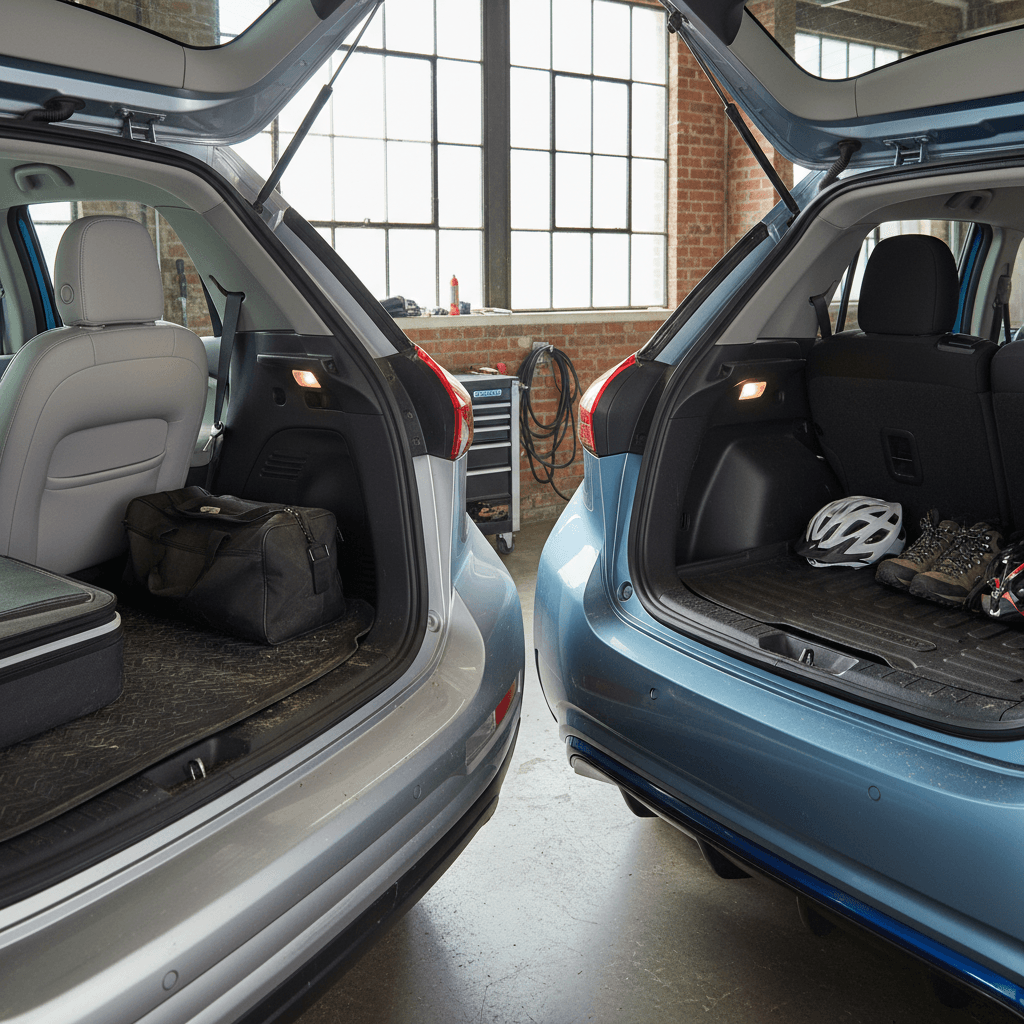
Where the Bolt EV leans hard into efficiency and range, the Nissan Leaf feels more like a traditional compact family car. It offers more usable cargo volume and a more relaxed driving position, while the Bolt feels taller and narrower inside.
Interior space and practicality
Approximate U.S.‑spec figures; exact numbers vary by model year and trim, but the relationships are consistent.
| Spec | Chevy Bolt EV | Nissan Leaf (40 kWh) | Nissan Leaf 60 kWh (SV Plus) |
|---|---|---|---|
| Passenger capacity | 5 | 5 | 5 |
| Cargo behind rear seats | ~17 cu ft | ~23–24 cu ft | ~23–24 cu ft |
| Rear legroom | Tight for adults | More adult‑friendly | More adult‑friendly |
| Seating feel | Upright, narrow seats | More traditional, cushier | Same basic cabin, more features on higher trims |
If you haul kids, dogs or bulky cargo, the Leaf’s larger hatch and cargo bay can be a real advantage.
Family‑duty winner
Driving experience and performance
Neither the Bolt EV nor the Nissan Leaf is a performance car, but both deliver the instant torque that makes EVs fun around town. The differences are more about feel than raw numbers.
- Acceleration: A Bolt EV will typically feel a bit quicker than a 40 kWh Leaf and roughly on par with the more powerful 60 kWh Leaf Plus in everyday driving.
- Handling: The Bolt’s shorter wheelbase and lower weight make it feel more tossable and city‑friendly, while the Leaf rides a bit softer and more relaxed.
- Noise and comfort: Later Leafs tend to have slightly better noise isolation and traditional seat shapes. Bolt seats in earlier years drew complaints from some owners for long‑distance comfort, though many find them acceptable once adjusted properly.
- Tech and UI: The Bolt’s infotainment and instrument cluster generally feel more modern and EV‑centric, with clear energy‑use data. Leafs vary more by trim and model year.
If you want a small EV that drives like a compact hatchback with great range, the Bolt is hard to beat. If you want something that feels more like a conventional compact car and you don’t push highway range, the Leaf still makes a strong case.
Reliability, battery health and recalls
On the reliability front, both cars have solid reputations overall, but they carry very different baggage. The Chevy Bolt EV is tied to a high‑profile battery recall; the Nissan Leaf is tied to long‑running concerns about battery degradation, especially on early air‑cooled packs.
Chevy Bolt EV: recall scar, but many new packs
- 2017–2022 Bolt EV/EUVs were subject to a major battery recall due to fire risk; many had full pack replacements under warranty.
- A Bolt with a replacement pack can actually be a quietly great used buy if the work was done properly and documented.
- GM’s high‑voltage battery warranties have typically run 8 years / 100,000 miles (verify for the specific VIN).
- Outside the battery episode, Bolts have generally low running‑gear complexity and modest maintenance needs.
When shopping, focus on recall completion status, proof of pack replacement (if applicable), and any lingering warning lights or reduced‑propulsion messages.
Nissan Leaf: simpler hardware, but watch degradation
- Leaf drivetrains are mechanically simple and generally robust; there’s no single recall event on the scale of the Bolt’s battery campaign.
- However, air‑cooled batteries, especially early 24/30 kWh packs and even some 40 kWh units, are known to lose capacity faster in hot climates or with heavy fast‑charging use.
- Later 40 and 60 kWh packs have improved chemistry, but used buyers should still pay close attention to remaining capacity.
- Nissan’s EV battery warranties have also typically run around 8 years / 100,000 miles with capacity retention clauses; check the specific car.
On a Leaf, your biggest long‑term risk is buying a car that has already given up too much battery capacity for your needs.
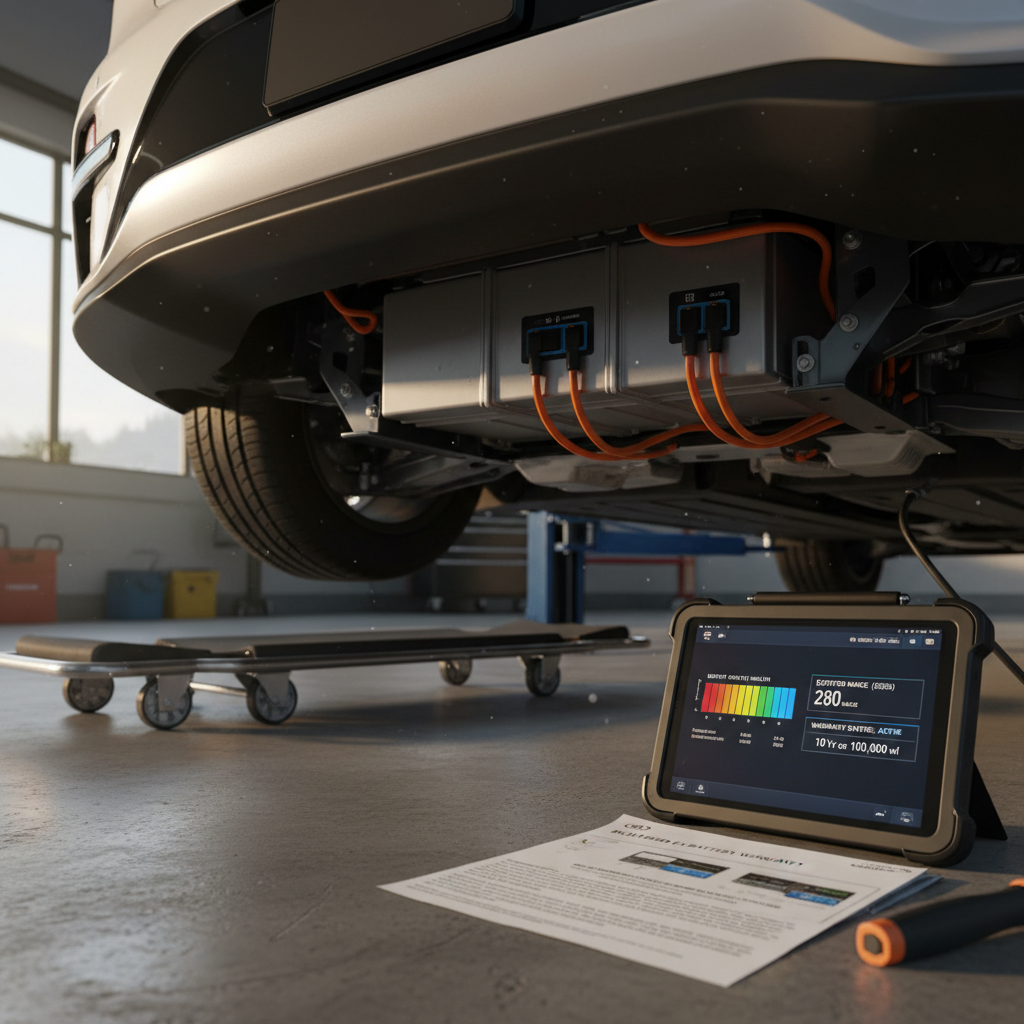
Never skip a battery‑health check on either car
Used pricing and total cost of ownership
The good news: both the Chevrolet Bolt EV and Nissan Leaf sit in the heart of the most affordable EV segment on the U.S. used market. The spread between them usually has more to do with battery size, mileage and local supply than brand loyalty.
- Used pricing (big picture): As of 2026, many 2018–2022 Leafs and Bolts trade somewhere in the low‑ to low‑20‑thousand‑dollar range, with high‑mileage or smaller‑battery cars dipping below that and very low‑mile, late‑model examples pushing higher.
- Depreciation: Early Leafs with tired batteries have already taken their big depreciation hit; prices can be attractive but range may be significantly lower than original. Bolts impacted by the recall sometimes show softer prices too, which can benefit informed buyers.
- Energy costs: Both are efficient; the Bolt’s extra range doesn’t cost much more per mile in electricity than a Leaf driven similarly.
- Maintenance: No oil changes, fewer moving parts than ICE cars. Expect tires, cabin filters, brake fluid, wipers, routine items, rather than major powertrain work in most cases.
Tax credits and state incentives can tilt the math
Which is better for you? Buyer scenarios
So, Chevrolet Bolt EV vs Nissan Leaf – which is better? The honest answer is, “it depends on your use case and the specific car in front of you.” Here’s how the decision usually breaks down for real shoppers.
Choose your scenario
1. Daily commuter with some highway, little fast‑charging
You drive 30–70 miles a day and mostly charge at home, with occasional highway runs. In this case, a <strong>Bolt EV is often ideal</strong>: plenty of cushion in bad weather, minimal charging stops, and liquid‑cooled packs that hold up well. A 60 kWh Leaf Plus can work too, but you’ll see less range for similar money.
2. City driver who rarely leaves town
If 95% of your life stays inside one metro area and you have home or reliable workplace charging, a <strong>40 kWh Leaf</strong> is usually all you need. You can trade ultimate range for a lower purchase price and a roomier cabin, just confirm the battery hasn’t already dropped too many capacity bars.
3. Budget‑focused buyer looking for the lowest entry price
Here, the “winner” is often whichever car has the <strong>healthier battery per dollar</strong>. That might be an earlier Leaf that’s already taken its depreciation hit, or a higher‑mileage Bolt with a recent recall pack replacement. Look beyond sticker price to remaining range and warranty coverage.
4. Road‑trip‑friendly, one‑car household
If you expect to road‑trip regularly and rely on public fast chargers, the Bolt EV is generally the <strong>safer long‑term choice</strong>. CCS is better supported than CHAdeMO, and future NACS adapters and infrastructure will likely favor Bolt‑type cars, not the Leaf.
5. Family hauler with kids or dogs
If your weekends involve strollers, sports gear or big Costco runs, the <strong>Nissan Leaf’s extra cargo space</strong> and gentler ride may win out. A 60 kWh Leaf Plus gives you both better range and better practicality, even if it can’t quite match the Bolt on highway legs.
6. Hot‑climate buyer
In Phoenix, Las Vegas, parts of Texas or the Deep South, a used <strong>Bolt EV with a verified, post‑recall pack</strong> is usually a safer long‑term battery bet than an older Leaf. If you do choose a Leaf, favor newer model years, lower mileage, and strong battery‑health documentation.
Simple rule of thumb
How Recharged can help you choose the right car
Comparisons on paper are useful, but the real decision on a used Chevrolet Bolt EV vs Nissan Leaf comes down to the exact car: its battery health, price, history and how it fits your life. That’s where Recharged is built to help.
Why shop used Leafs and Bolts with Recharged
Making EV ownership simple and transparent
Recharged Score battery report
Fair pricing and financing
Nationwide EV‑specialist support
Ready to find your next EV?
Browse VehiclesWhether the Chevrolet Bolt EV or Nissan Leaf is “better” ultimately depends on how far you drive, how often you fast‑charge, and how much space you need. With the right battery‑health data and pricing transparency, both can be smart, low‑cost entries into EV ownership. Focus on the individual car in front of you, and use tools like the Recharged Score Report, to make sure the range, battery and total cost of ownership line up with how you’ll actually drive.