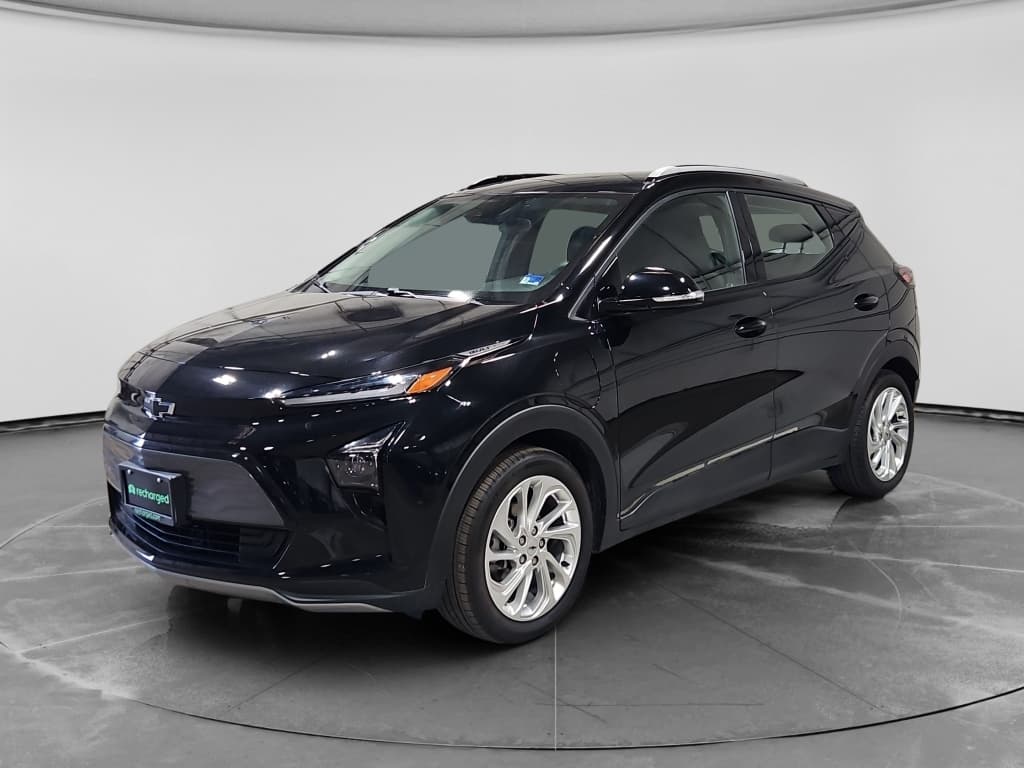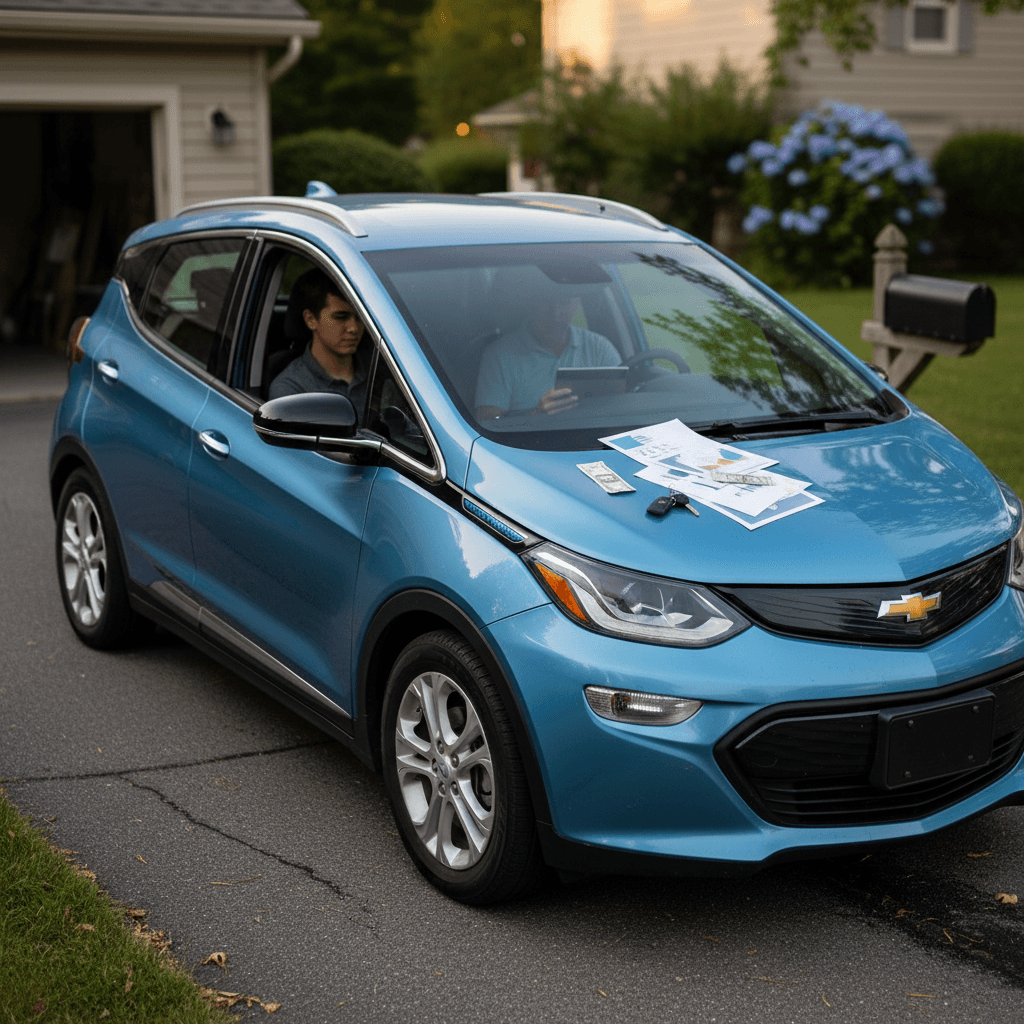
If you’re considering a Chevrolet Bolt EV, you’re probably already doing the mental math: electricity is cheap, maintenance is low, but what about insurance rates by age? For many drivers, especially younger ones, the monthly premium can make or break the deal. This guide breaks down how insurers typically price a Bolt EV for different age brackets in the U.S., why those numbers look the way they do, and how you can push them down, especially if you’re eyeing a used Bolt from Recharged.
About the numbers in this guide
Why Chevrolet Bolt EV insurance is a little different
The Bolt EV sits in an interesting insurance niche. On paper, it’s a small hatchback with modest power and strong safety scores, exactly the sort of car actuaries like. But it’s also a modern electric vehicle, which means pricier parts, specialized repair networks, and battery-related claims that can get expensive fast. Insurers price all of that into your premium, on top of the usual suspects: age, record, and where you live.
What insurers see when they look at a Bolt EV
The good, the bad, and the expensive-to-replace
Strong safety profile
The Bolt EV has solid crash-test results and standard active safety tech, which helps keep liability and medical claims in check.
High-value battery pack
Battery damage, even from a minor collision, can total a vehicle. That risk raises comprehensive and collision premiums.
Specialized EV repairs
Not every shop can repair EVs, and labor rates at certified facilities run higher, which insurers quietly price into your bill.
How EV insurance costs compare to gas cars
How age affects Chevrolet Bolt EV insurance rates
Insurers don’t know you, but they know people like you. Age is one of the bluntest tools they use to predict risk, and it shows up clearly in Chevrolet Bolt EV insurance rates by age. Teen drivers and early‑20‑somethings are expensive to cover. From your mid‑20s into your 50s, prices fall and stabilize. In your 60s and 70s, they begin to creep back up as actuaries factor in slower reaction times and higher injury costs.
Why EVs can be tougher on young-driver budgets
Estimated Chevrolet Bolt EV insurance rates by age
To give you a realistic frame of reference, here’s a rough look at typical Bolt EV insurance costs by age in the U.S. for full coverage. Assumptions: clean record, average credit, 12,000 miles per year, and a recent‑model Bolt EV in a mid‑priced state.
Chevrolet Bolt EV: illustrative annual insurance costs by age
Full-coverage estimates in the U.S. for a typical driver profile. Your individual quote may be higher or lower.
| Driver age | Estimated annual premium | Estimated monthly premium | Relative cost vs. mid‑30s |
|---|---|---|---|
| 18-year-old | $3,200–$3,800 | $265–$315 | +90–120% |
| 21-year-old | $2,600–$3,200 | $215–$265 | +60–90% |
| 25-year-old | $2,000–$2,400 | $165–$200 | +25–45% |
| 30–40 years old | $1,700–$2,100 | $140–$175 | Baseline |
| 45–55 years old | $1,500–$1,900 | $125–$160 | Slightly cheaper |
| 60–69 years old | $1,550–$2,000 | $130–$165 | Similar to 40s–50s |
| 70+ years old | $1,900–$2,500 | $160–$210 | +15–40% vs. mid‑50s |
Use this table to compare where your quote lands relative to a typical Chevrolet Bolt EV driver your age.
Comparing quotes the right way
Teens & drivers under 25: why Bolt EV insurance is steep
If you’re 16–24, the Bolt EV’s sensible image won’t fully rescue you from youthful rating tiers. Insurers are laser‑focused on claim frequency and severity, and statistically younger drivers, especially males, crash more, file more claims, and cost more per mile to insure, regardless of what they’re driving.
What pushes young-driver Bolt EV rates up
- Limited driving history: No track record means insurers assume higher risk.
- Distracted driving trends: Teens and early‑20s drivers are overrepresented in phone-related crashes.
- High repair severity: A low-speed crash that crunches a battery pack can turn into a big claim.
Where the Bolt EV actually helps
- Strong crash test scores: A safer cabin and good crash outcomes help control injury payouts.
- Advanced safety tech: Features like automatic emergency braking can reduce minor fender‑benders.
- Modest performance: This isn’t a muscle car; lower top speed and power help tone down risk.
Parent + teen on one policy?
Drivers 25–40: the Bolt EV insurance sweet spot
By your mid‑20s, most of the age penalty begins to fall away, if your driving record is clean. For many 25–40‑year‑old drivers, a Chevrolet Bolt EV ends up cheaper to insure than many crossovers and sportier compacts, thanks to its safety performance and lower injury risk. At this stage, your personal choices, coverage limits, deductibles, mileage, and whether you commute into dense urban traffic, matter more than birthday candles.
Why 25–40 is a good age band for Bolt EV insurance
This is where the car’s virtues finally shine through on your bill
Established history
Several years of insured driving with few or no claims gives underwriters confidence and trims your premium.
Flexible lifestyle
Driving fewer miles, working remote, or using public transit part‑time can qualify you for low‑mileage or usage‑based discounts.
Better coverage for less
At this age, you can often afford higher liability limits and still keep the total premium reasonable.
Drivers 40–65: stable, cheaper Bolt EV coverage
From roughly 40 through your early 60s, Bolt EV insurance rates tend to be as low and as stable as they’ll ever be, assuming you avoid major tickets and at‑fault crashes. You’ve usually built decades of history, your risk appetite has cooled, and the car’s inherent safety advantage keeps working in your favor.
Prime time for shopping around
Drivers over 65: when Bolt EV insurance creeps back up
Once you move into retirement age, your annual miles might drop, but claim severity often rises. Older drivers are more likely to be injured in crashes, even low‑speed ones, which increases medical and personal‑injury payouts. Insurers price that reality in, and you see it as a gentle upward slope on your renewal notice.
- Expect a gradual premium increase from the late‑60s onward, especially at 70+.
- Medical payments and personal injury protection become a bigger slice of the cost pie.
- Some insurers offer senior‑driver or low‑mileage discounts that can offset the age factor.
- Defensive‑driving courses can earn a meaningful discount in many states.
Be careful with coverage cuts in retirement
Other factors that change your Bolt EV insurance cost
Age is just one chapter in the story. Two 35‑year‑old Bolt EV drivers can see very different premiums if one lives in a dense city, racks up 18,000 miles a year, and has a recent at‑fault crash, while the other lives in a suburb, drives 8,000 miles, and hasn’t filed a claim in a decade.
Beyond age: 6 big levers that affect your Bolt EV rate
These often matter just as much as your birthday
Where you live & park
Urban ZIP codes with more theft, vandalism, and crashes cost more. Garaged vehicles in quieter suburbs usually pay less.
Driving record
Speeding tickets, DUIs, and at‑fault crashes can dwarf any age advantage. A perfectly clean record is money in the bank.
Annual mileage & commute
More miles means more exposure to risk. Low‑mileage or telematics programs can reward you if you drive less or more gently.
Coverage limits & deductibles
High liability limits and low deductibles cost more in premium but protect your assets better. Lowering limits saves money but increases financial risk.
Bundling & loyalty
Bundling home or renter’s coverage with auto can trim 10–20% off. Staying with one insurer can help, but not always, compare quotes.
Credit & insurance score
In many states, better credit correlates with lower premiums. Some states restrict or ban this factor, rules vary.
7 smart ways to lower Chevrolet Bolt EV insurance
You can’t change your age, but you have more leverage than you think over your Chevrolet Bolt EV insurance rates by age. Start with the basics, shop around, right‑size your coverage, and then lean into the ways EVs make savings easier, like lower miles and telematics.
Practical steps to shrink your Bolt EV premium
1. Compare at least 3 insurers
Pricing for EVs, especially compact ones like the Bolt, varies widely by carrier. Get quotes from at least three companies for the same coverage limits and deductibles before you commit.
2. Adjust deductibles thoughtfully
Raising your collision and comprehensive deductibles from $500 to $1,000 can trim your premium. Just make sure you have that extra cash set aside if something happens.
3. Ask about EV and low‑mileage discounts
Some insurers quietly reward EV ownership, telematics participation, or sub‑10,000‑mile annual usage. Your Bolt EV is a perfect candidate if you mostly commute locally.
4. Keep liability limits strong
Rather than slashing liability coverage, look for savings elsewhere. Medical and legal costs after a serious crash can easily exceed minimal state requirements.
5. Use telematics (if you actually drive gently)
Usage‑based programs that monitor speed, braking, and time of day can cut rates 10–30% for genuinely cautious drivers. If you drive aggressively or very late at night, skip it.
6. Clean up old tickets and claims
Insurers typically look back 3–5 years. Once a speeding ticket or minor claim ages out, re‑shop your policy, you may qualify for a cleaner‑record tier.
7. Re‑quote when you switch vehicles
If you move from a new gas crossover into a used Bolt EV, don’t let your insurer auto‑renew on old assumptions. A fresh quote can surface new discounts and EV‑friendly programs.
Use quotes as leverage
How a used Bolt EV changes the insurance math
Here’s where the story gets interesting for budget‑minded drivers: a used Chevrolet Bolt EV often costs less to insure than a brand‑new one. As the vehicle’s actual cash value drops, collision and comprehensive premiums usually follow. That’s one reason shoppers find the total cost of ownership compelling on a pre‑owned Bolt, especially compared with a new gas crossover.

Why used often wins on insurance
- Lower vehicle value: The insurer’s maximum payout is smaller, which can reduce comprehensive and collision portions of your bill.
- More predictable claim history: Popular used models like the Bolt EV give actuaries a richer dataset for pricing, often smoothing out early uncertainty premiums.
- Room in the budget: Lower monthly payment on the car itself can let you maintain strong coverage without straining cash flow.
Where Recharged fits in
Every used Bolt EV on Recharged comes with a Recharged Score Report that includes verified battery health and fair market pricing. When you know the pack is healthy and you’re not overpaying for the car:
- You can confidently set deductibles that match the car’s real‑world value.
- You’re less pressured to carry expensive add‑ons because you didn’t stretch on price.
- You have a clearer picture of total EV ownership costs from day one.
Pair financing and insurance smartly
Ready to find your next EV?
Browse VehiclesChevrolet Bolt EV insurance by age: FAQs
Frequently asked questions about Bolt EV insurance rates by age
The bottom line on Chevrolet Bolt EV insurance by age
Insurance is where the Bolt EV’s grown‑up personality and high‑tech complexity collide. Younger drivers pay a steep premium for limited experience, older drivers see modest increases tied to injury risk, and everyone in the middle enjoys a relative sweet spot. The key is to understand where you sit on that curve and to make smart moves, right‑sizing coverage, comparing carriers, and taking advantage of EV‑friendly discounts, to keep costs in check.
If you’re shopping for a Bolt EV, especially used, thinking about insurance rates by age up front is part of doing the math honestly. Recharged’s combination of verified battery health, transparent pricing, EV‑savvy support, and financing options makes it easier to see the full picture: purchase price, monthly payment, and the premium you’ll likely pay to protect it. Put all three together, and a well‑chosen Bolt EV can be one of the most financially rational daily drivers on the road.