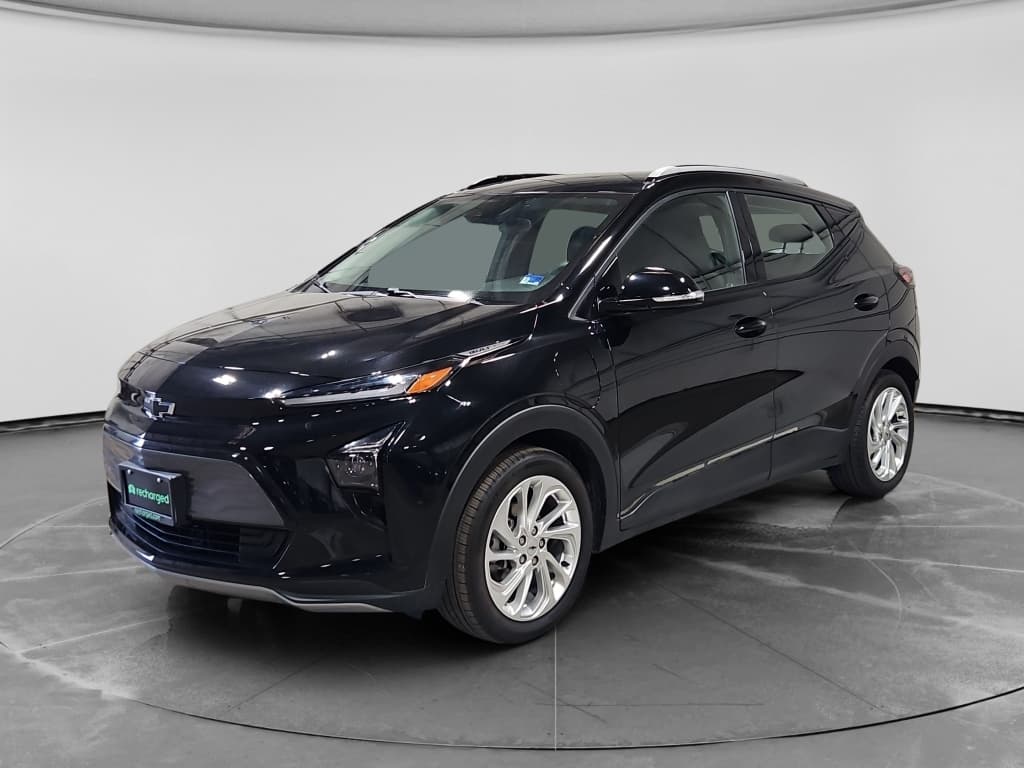
If you’re considering a Chevrolet Bolt EV, especially a used one, you’re probably trying to answer a simple question: how much does it cost per mile to drive? The good news is that the Bolt EV is one of the most efficient electric cars on the road, and when you plug in instead of filling up, your cost per mile usually drops dramatically compared with a gasoline car.
Key takeaway up front
Chevrolet Bolt EV cost per mile: the short answer
Chevy Bolt EV energy cost per mile at a glance
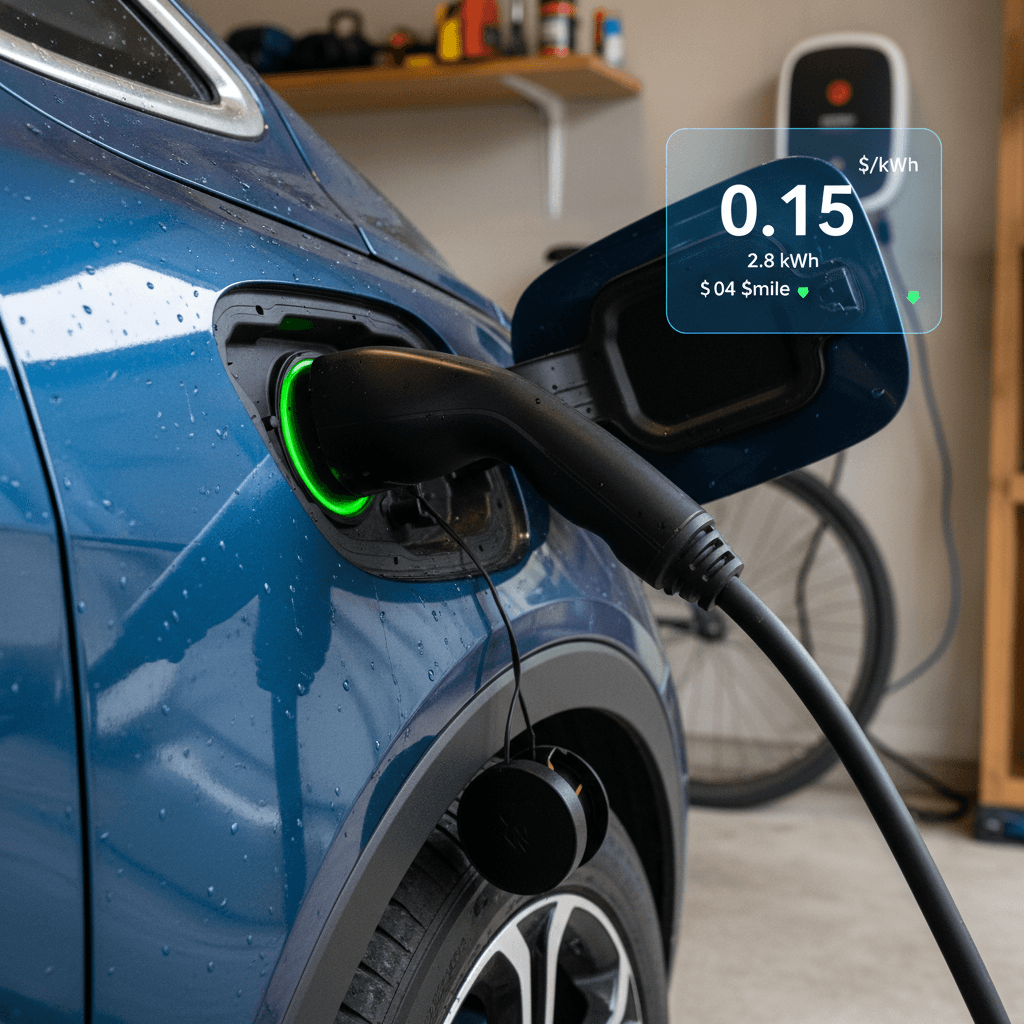
To put it plainly, most U.S. drivers will spend around 5 cents per mile on electricity when driving a Chevy Bolt EV if they primarily charge at home. In lower-cost electricity markets or with off-peak rates, that can drop closer to 3–4 cents per mile. By contrast, a 30‑mpg gasoline car at roughly $4.00 per gallon costs about 13 cents per mile in fuel alone.
Rule-of-thumb estimate
How we calculate Chevrolet Bolt EV cost per mile
Cost per mile for any EV is straightforward: you multiply the car’s energy use (kWh per mile) by your electricity price (dollars per kWh). For the Bolt EV, we can lean on EPA ratings and typical U.S. power prices to get realistic numbers.
- Start with efficiency. Recent Chevrolet Bolt EV models are rated around 29 kWh/100 miles, or about 0.29 kWh per mile under EPA testing.
- Use current electricity prices. Recent federal data shows U.S. average residential rates in the ballpark of 16–18¢ per kWh. A simple midpoint of 17¢ is reasonable for national averages.
- Do the math. Multiply 0.29 kWh/mile × $0.17/kWh ≈ $0.049 per mile, or just under 5 cents per mile in energy costs at home.
Quick cost-per-mile formula
Understanding kWh/100 miles
Gas cars use miles per gallon. EVs flip the script and use kilowatt-hours per 100 miles. A lower number means better efficiency. With the Bolt EV sitting around 29 kWh/100 mi, it’s one of the most efficient non‑Tesla EVs sold in North America.
City vs. highway reality
Just like mpg, your actual kWh/100 mi will move around with speed, temperature, and driving style. Many owners report 3.5–4.5 miles/kWh in mixed driving, which lines up well with the EPA’s roughly 3.4 mi/kWh baseline.
Real-world electricity cost examples for Bolt EV owners
Because electricity rates vary wildly by region and utility plan, it’s helpful to walk through a few concrete scenarios. Below are energy-only costs per mile for a Chevrolet Bolt EV using the 29 kWh/100‑mile figure.
Bolt EV electricity cost per mile in common scenarios
All examples assume 29 kWh/100 miles (0.29 kWh/mile) energy use. Taxes and fees can vary slightly by utility.
| Scenario | Electricity rate (¢/kWh) | Math | Energy cost per mile |
|---|---|---|---|
| National-average home charging | 17¢ | 0.29 × $0.17 | ≈ $0.049/mi (4.9¢) |
| Low-cost region or off-peak plan | 12¢ | 0.29 × $0.12 | ≈ $0.035/mi (3.5¢) |
| High-cost region (coasts, urban) | 25¢ | 0.29 × $0.25 | ≈ $0.073/mi (7.3¢) |
| Workplace charging discount | 10¢ | 0.29 × $0.10 | ≈ $0.029/mi (2.9¢) |
| Public DC fast charging at ~40¢/kWh | 40¢ | 0.29 × $0.40 | ≈ $0.116/mi (11.6¢) |
These scenarios are illustrative; check your local utility bill for exact rates.
Fast charging can double or triple energy cost
Chevy Bolt EV vs gasoline car: cost per mile comparison
To understand what these numbers mean in your budget, it helps to compare the Chevrolet Bolt EV’s energy cost per mile to a familiar gasoline benchmark. Let’s look at both fuel-efficient compacts and less efficient crossovers.
Bolt EV cost per mile vs common gas scenarios
Energy-only costs; maintenance and other ownership costs are extra savings on the EV side.
30‑mpg compact gas car
At 30 mpg and about $4.00/gal gasoline, your fuel cost per mile is:
$4.00 ÷ 30 ≈ 13.3¢/mi
Compare that to a Bolt EV at roughly 5¢/mi on home electricity, about 60–65% cheaper per mile just on energy.
22‑mpg small SUV/crossover
At 22 mpg, the same $4.00/gal gasoline gives:
$4.00 ÷ 22 ≈ 18.2¢/mi
Against a Bolt EV at 5¢/mi, you’re looking at roughly a 3.5× difference in energy cost per mile in favor of the EV.
Now translate that into annual driving. At 12,000 miles per year, a Bolt EV at 5¢/mi costs about $600 in electricity. A 30‑mpg gas car at 13.3¢/mi is about $1,600 in fuel. That’s roughly $1,000 per year in energy savings, before you factor in reduced maintenance like oil changes, spark plugs, and exhaust work.
Lifetime savings on a used Bolt EV
5 factors that change your Bolt EV cost per mile
While the math is straightforward on paper, your real-world cost per mile in a Bolt EV will drift up or down depending on how you use the car. Here are the biggest levers you can pull.
Major drivers of Bolt EV cost per mile
1. Your local electricity rate
The difference between 12¢ and 25¢ per kWh is enormous. At 12¢, the Bolt lands near 3.5¢/mi; at 25¢, you’re north of 7¢/mi. Check the “electricity supply” line on your bill and look for off‑peak or EV‑specific plans.
2. How often you DC fast charge
Fast chargers are convenient but costly. Regular home Level 2 charging keeps your average kWh price low. Treat DC fast charging like highway rest‑stop snacks, great in a pinch, expensive as a habit.
3. Climate and cabin use
Cold weather and heavy HVAC use increase kWh consumption. In winter, your efficiency might drop from ≈3.8 mi/kWh to closer to 3.0 mi/kWh, nudging cost per mile up by 20–30%. Remote preconditioning while plugged in can help.
4. Driving style and speed
The Bolt EV stays impressively efficient up to typical highway speeds, but driving at 75–80 mph or constantly flooring it will raise your kWh/100 mi. Smooth acceleration and using one‑pedal driving in “L” mode help keep efficiency high.
5. Tire choice and maintenance
Low‑rolling‑resistance tires and proper tire pressure can add a few tenths of a mile per kWh, which adds up over 10,000–15,000 miles. Aggressive all‑terrain or oversized tires will hurt efficiency and raise your cost per mile.
Don’t ignore electrical safety to chase cheap charging
Battery health, used Bolts, and your real cost per mile
If you’re shopping the used market, you might wonder whether an older Bolt EV with some battery wear will cost more per mile to drive. The short answer: battery health has only a modest effect on day‑to‑day cost per mile, but it matters a lot for convenience and resale value.
How degradation affects cost per mile
Even if a Bolt EV’s usable battery capacity drops 10–15% after years of use, its efficiency in kWh per mile usually stays similar. You’ll have less total range per charge, but each mile still takes roughly the same energy. That means your electricity cost per mile barely changes.
Where battery health really matters
Battery condition shows up more in how far you can go between charges and in long‑term value than in your utility bill. A healthier pack means more usable range, fewer charging stops, and stronger resale if you decide to sell or trade in later.
How Recharged helps used-Bolt buyers
If you’re comparing multiple used Bolts, look for documentation of the battery recall and replacement campaigns GM performed on earlier model years. Many pre‑2020 cars received newer packs, which can improve long‑term ownership confidence even if cost per mile remains low across the board.
Simple ways to lower your Bolt EV cost per mile
The Bolt EV starts from a very efficient baseline, but with a few smart moves you can squeeze your cost per mile down even further, especially if you’re putting plenty of annual miles on the odometer.
Practical strategies to cut your Bolt’s cost per mile
Most of these can be implemented in a weekend or with a quick call to your utility.
Optimize your charging plan
- Call your utility and ask about time‑of‑use (TOU) or EV‑specific rates.
- Shift most charging to overnight off‑peak windows.
- Use the Bolt’s built‑in charge scheduling to automate it.
Drive in the efficiency sweet spot
- Aim for 65–70 mph on the highway instead of 80.
- Use one‑pedal driving in “L” to recapture more energy.
- Avoid jackrabbit starts; the Bolt’s instant torque makes this tempting.
Tame winter range penalties
- Precondition the cabin while plugged in.
- Use seat and steering‑wheel heaters instead of blasting the HVAC.
- Keep the car garaged where possible to moderate temps.
One‑time setup checklist for a cheaper‑to‑run Bolt EV
Confirm your exact electricity rate
Pull up a recent utility bill and identify the <strong>all‑in cents per kWh</strong> you pay, including supply and delivery. Plug that into the simple cost‑per‑mile formula for a personalized number.
Install or verify Level 2 home charging
If you own your home, consider a <strong>proper Level 2 charger</strong> on a dedicated 240‑volt circuit. If you buy through Recharged, our team can talk through installation basics and refer you to local pros.
Enable charging schedules
Use the Bolt’s charging menu or your home EVSE’s app to schedule charging for off‑peak hours. Set it once and forget it, your cost per mile drops automatically.
Monitor efficiency in the trip computer
Reset a trip meter and keep an eye on your <strong>mi/kWh readout</strong>. Small changes in speed, route choice, and HVAC use will quickly show up in the numbers.
Is a used Chevrolet Bolt EV a good deal on running costs?
From an operating‑cost perspective, the answer is almost always yes. The Chevrolet Bolt EV combines high efficiency, a relatively modest battery size, and lower average electricity prices to deliver some of the lowest cost‑per‑mile figures in the market, especially on the used side where purchase prices have cooled.
Why cost per mile favors used Bolts
- Energy cost per mile is similar for a 3‑year‑old Bolt and a brand‑new one.
- EV drivetrains have fewer moving parts, which tends to reduce maintenance surprises.
- Depreciation has already taken a big bite, so your total cost of ownership per mile can be exceptionally low.
Where to be selective
- Prioritize cars with clear battery history and recall documentation.
- Check for previous DC fast‑charging–heavy usage if you plan frequent road trips.
- Review the Recharged Score report to see battery health and fair‑market pricing before you commit.
Leverage Recharged when shopping used
Ready to find your next EV?
Browse VehiclesChevy Bolt EV cost per mile: FAQ
Frequently asked questions about Chevrolet Bolt EV cost per mile
If you’re trying to make the numbers work, the Chevrolet Bolt EV is one of the clearest value plays in the electric market. With a typical cost per mile in the 3–6¢ range and strong efficiency even at highway speeds, it undercuts gasoline running costs by a wide margin. Pair that with a healthy battery, sensible charging habits, and a fair used‑car price, and you’ve got a compact EV that’s cheap to own, easy to live with, and well‑positioned for years of low‑cost commuting. When you’re ready to run the numbers on specific cars, Recharged’s used Bolt EV inventory and Recharged Score reports can give you the clarity you need to move from research to confident purchase.