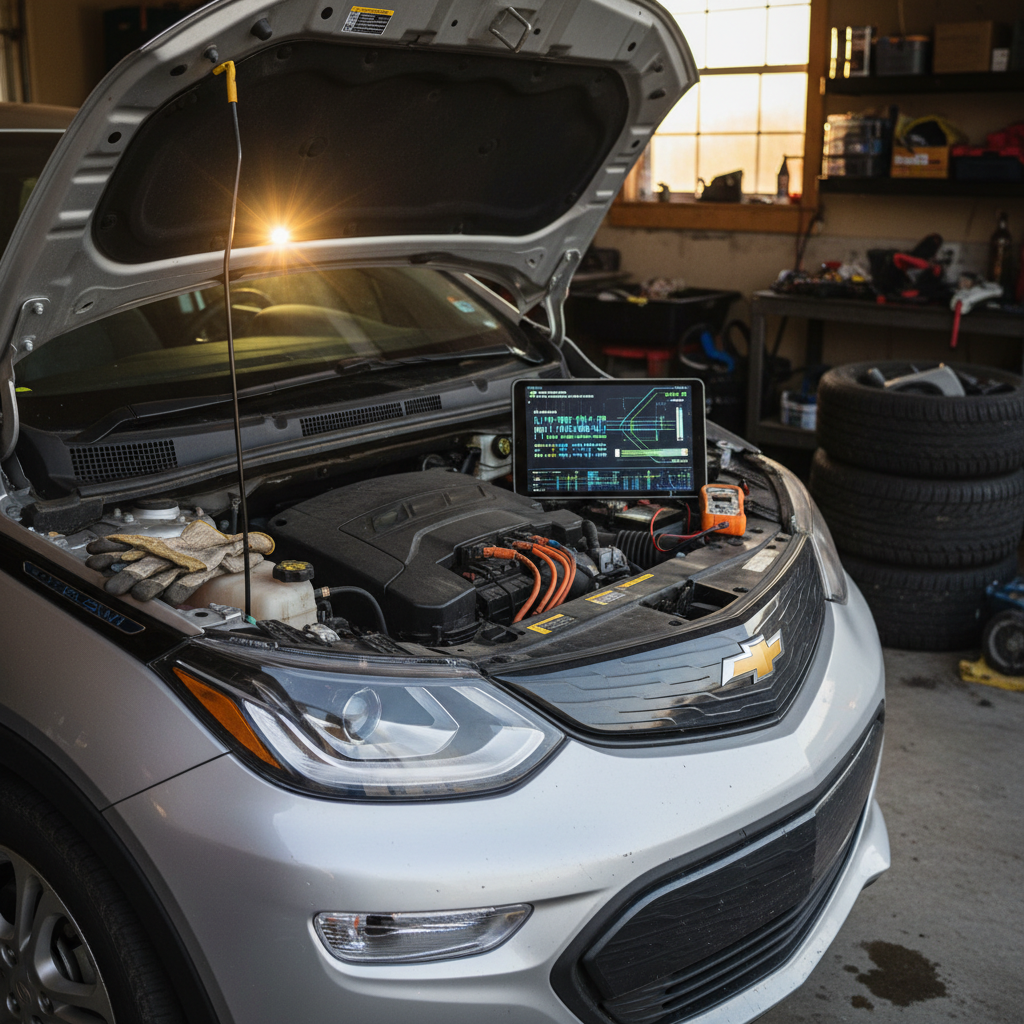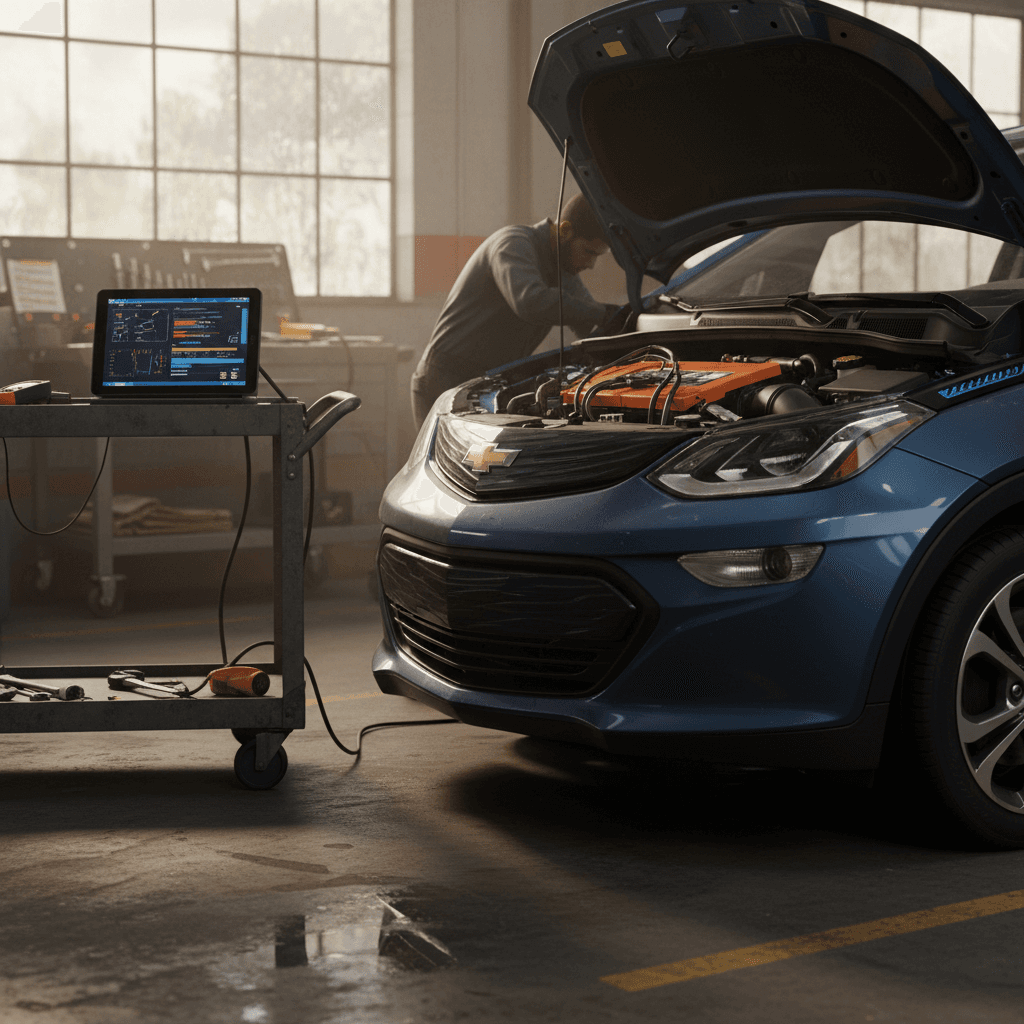
If you’re looking at a used Chevrolet Bolt EV or EUV in 2026, you’ve probably heard about battery recalls, range loss, and the occasional scary “Propulsion power is reduced” message. The good news is that most Bolt problems are well understood by now, and many have clear fixes. The key is knowing which issues matter, which don’t, and what to inspect before you buy.
Quick take
Overview: Chevy Bolt EV common problems in 2026
- Legacy high‑voltage battery recall and, on a smaller scale, subsequent diagnostic software campaigns
- “Propulsion power reduced” or “Service high‑voltage charging system” warnings that can limit power
- Slower‑than‑expected DC fast charging, especially in cold weather or after recall battery replacements
- Typical EV issues like significant winter range loss and sensitive range estimates
- Isolated drive unit noises (clunks or whine at low speed) and steering/alignment complaints
- Infotainment and instrument‑cluster glitches or random warning lights that clear on restart
- Everyday hardware issues, squeaks, rattles, hatch alignment, and interior trim wear
Not every Bolt will experience these problems, and some owners rack up well over 100,000 miles with only routine maintenance. But if you’re shopping used, or trying to understand your own car’s behavior, it's smart to walk through the major weak spots model year by model year.
Model years affected and what changed by 2026
Chevy Bolt EV/EUV problem snapshot by model year
How common problems cluster across Bolt EV and EUV model years as of 2026.
| Model year | Body style | Key issues to watch | 2026 used‑buyer outlook |
|---|---|---|---|
| 2017–2019 | Bolt EV | Original battery fire recall, early pack degradation variability, charging and software campaigns | Good value if battery replaced and software up to date; review charging behavior carefully. |
| 2020–2022 | Bolt EV & EUV | Expanded battery recall, advanced diagnostic software updates, some drive‑unit and warning‑light complaints | Stronger pick once recall handled; check for smooth power delivery and any “propulsion reduced” history. |
| 2023–2024 | Bolt EV & EUV | Last years of current generation; far fewer serious battery complaints so far, but some software/charging quirks persist | Among the safest bets; focus on normal EV wear (tires, brakes) and cold‑weather performance. |
| 2025+ (if shopping ahead) | No new units sold new in U.S.; talk centers on future redesigned Bolt | GM has announced a next‑generation Bolt on Ultium, expected around 2027; current used cars won’t share that hardware | Treat current Bolts as end‑of‑generation cars, good deals possible, but no major new fixes coming. |
Use this as a high‑level guide, then verify recall and service history on any specific VIN.
Recall status is non‑negotiable
Battery recall and high-voltage pack issues
The single biggest headline around Chevrolet Bolt EV common problems has been the high‑voltage battery recall related to potential fire risk. Between 2017 and 2022, essentially all Bolt EV and EUV models were pulled into some version of this campaign. In practical used‑car terms, you’re dealing with two things: whether the pack was replaced, and whether the car later received diagnostic software updates.
- Early recall phase: GM limited usable battery capacity and asked owners to avoid parking indoors or charging overnight until defective modules could be identified.
- Battery replacements: Many Bolts received entire new packs, often improving range and resetting the 8–10‑year EV powertrain warranty clock in certain states.
- Diagnostic software: Later campaigns installed advanced diagnostics to monitor for abnormal cell behavior and flag packs that still needed replacement.
- 2024–2025 campaigns: Some Bolts were recalled yet again when the diagnostic software may have been installed incorrectly, requiring dealer rework.
By 2026, the recall itself is old news, but the long shadow of that episode still shapes resale values and owner confidence. A Bolt whose battery has been replaced by GM and documented properly can actually be a better long‑term bet than a similar‑age EV that never had a major pack intervention, provided you’ve verified the work and driven the car enough to trust its behavior.
How Recharged handles Bolt battery history
Battery health and 2026 degradation expectations
Real‑world Bolt battery expectations in 2026
We don’t yet have 12‑year data on the earliest Bolts, but with nearly a decade in the field, some patterns are clear. Most owners who charge reasonably (avoid constant 100% DC fast charging and chronic extreme heat) see moderate, manageable degradation, even on cars that had their packs replaced under recall.
- Early‑life drop: Many packs show a small capacity dip in the first 15,000–25,000 miles as they “settle in,” then stabilize.
- Climate impact: Hot climates and frequent high‑power charging tend to accelerate wear; mild climates with mostly Level 2 home charging age packs more gently.
- Pack replacements: Post‑recall packs generally behave like new, but you should still confirm current range by a real‑world highway drive, not just the guess‑o‑meter.
Don’t obsess over one range readout
Charging issues: DC fast and home charging
On paper, the Bolt’s DC fast‑charging specs are modest by 2026 standards. In the real world, some owners run into behavior that feels even slower, especially in cold weather or right after recall battery work. The most common Chevy Bolt EV charging complaints fall into three buckets: slow DC fast charging, intermittent public‑station faults, and occasional onboard‑charger problems at home.
Most common Bolt EV charging complaints
What they look like and how to evaluate them on a used car
Slow DC fast charging
Owners often see:
- Initial charge rates in the low 20–30 kW range on a cold pack
- Charging that tapers aggressively above ~55–60% state of charge
- Longer road‑trip stops than newer EVs
Some of this is normal Bolt behavior, but extremely slow rates even on a warm battery can signal issues.
Public charger faults
Many “failed sessions” trace back to the station, not the car:
- Start/stop loops or timeout errors
- Car charges fine at other sites or on Level 2
Because public infrastructure is inconsistent, always test a used Bolt at multiple networks if possible.
Home charging quirks
Less common but worth checking:
- Onboard charger fault codes
- Car refusing to charge on certain EVSEs
- “Charge complete” too early
These can be caused by wiring, the wall unit, or the car itself. A good pre‑purchase inspection should sort that out.
Normal vs. problem fast‑charging behavior
Software glitches and warning messages
Like most modern EVs, the Bolt is software‑heavy. That means a significant share of Chevrolet Bolt EV common problems present first as messages on the dash, even when the underlying hardware is fine. The two owners hate most are “Propulsion power is reduced” and “Service high‑voltage charging system,” but you’ll also see intermittent warnings about drive assist, parking brake, or stability control that clear on their own.
- Temporary glitch: A cluster of warning lights that disappears after a restart and doesn’t come back for weeks is often just a software gremlin or a low‑voltage 12‑volt battery.
- Persistent messages: Repeated propulsion‑reduced warnings, or any message that immediately limits power and won’t clear, is something you want diagnosed before you buy.
- Infotainment bugs: Frozen center screens, Bluetooth issues, or CarPlay hiccups are common complaints but rarely safety‑critical. Many are improved with over‑the‑air or dealer updates.
Do not ignore propulsion‑reduced warnings
Drive unit noise and drivetrain quirks
The Bolt’s single‑speed drive unit is generally robust, but some owners report low‑speed clunks, clicks, or whining, especially on early years. Additionally, a small number of 2022+ cars have logged “Service transmission now, unable to shift soon” errors, usually tied to control modules or sensors rather than the gearset itself.
Noises to listen for
- Clunk or thud when taking off from a stop or transitioning in and out of regen
- Grinding or rumble at very low speeds in parking lots
- Loud, rising whine at highway speed that doesn’t match normal electric‑motor sound
Some whine is normal for EVs, but obvious mechanical harshness is not.
Other mechanical complaints
- Steering wheel shake or pull that points to alignment or tire issues
- Steering‑column clicks or pops on certain 2022+ EUV examples
- Occasional premature front‑tire wear on cars driven aggressively or kept at low tire pressures
Most of these are fixable with conventional service, but they should influence price on a used example.
What a healthy drivetrain feels like
Cold-weather performance and range drop
Cold‑weather range loss isn’t unique to the Bolt, but owners in northern states talk about it a lot. When temperatures drop into the 20s °F and below, you’re asking the battery to both propel the car and run an energy‑hungry electric heater while the cells themselves are less efficient. The result can be 30% or more loss in usable winter range, plus slower fast‑charging until the pack warms up.
- Cold‑soaked packs: If a Bolt sits outside unplugged in sub‑freezing weather, early DC fast‑charge rates in the teens or low 20s kW are expected until the pack warms through driving or active conditioning.
- Scary dash messages: Some owners see low‑temperature warnings or reduced‑power messages in extreme cold. Often, these clear once the battery reaches a healthier temperature range.
- Range planning: A Bolt that comfortably does 230 miles in mild weather may struggle to break 150–170 miles in a harsh Midwestern winter on the highway.
Cold‑weather Bolt survival tips
Interior, hardware, and fit-and-finish issues
Compared with the battery saga, the Bolt’s interior and hardware issues are minor, but they still affect day‑to‑day satisfaction and should factor into price. Most complaints fall into three categories: squeaks/rattles, hatch or panel alignment, and normal wear on seats and trim in cars that were used heavily as ride‑shares or delivery vehicles.
- Rattles and buzzes over rough pavement, often from the dash or hatch area
- Liftgate trim that doesn’t sit flush, or weatherstripping that squeaks
- Seat fabric wear or staining on earlier cloth interiors, especially on high‑mileage cars
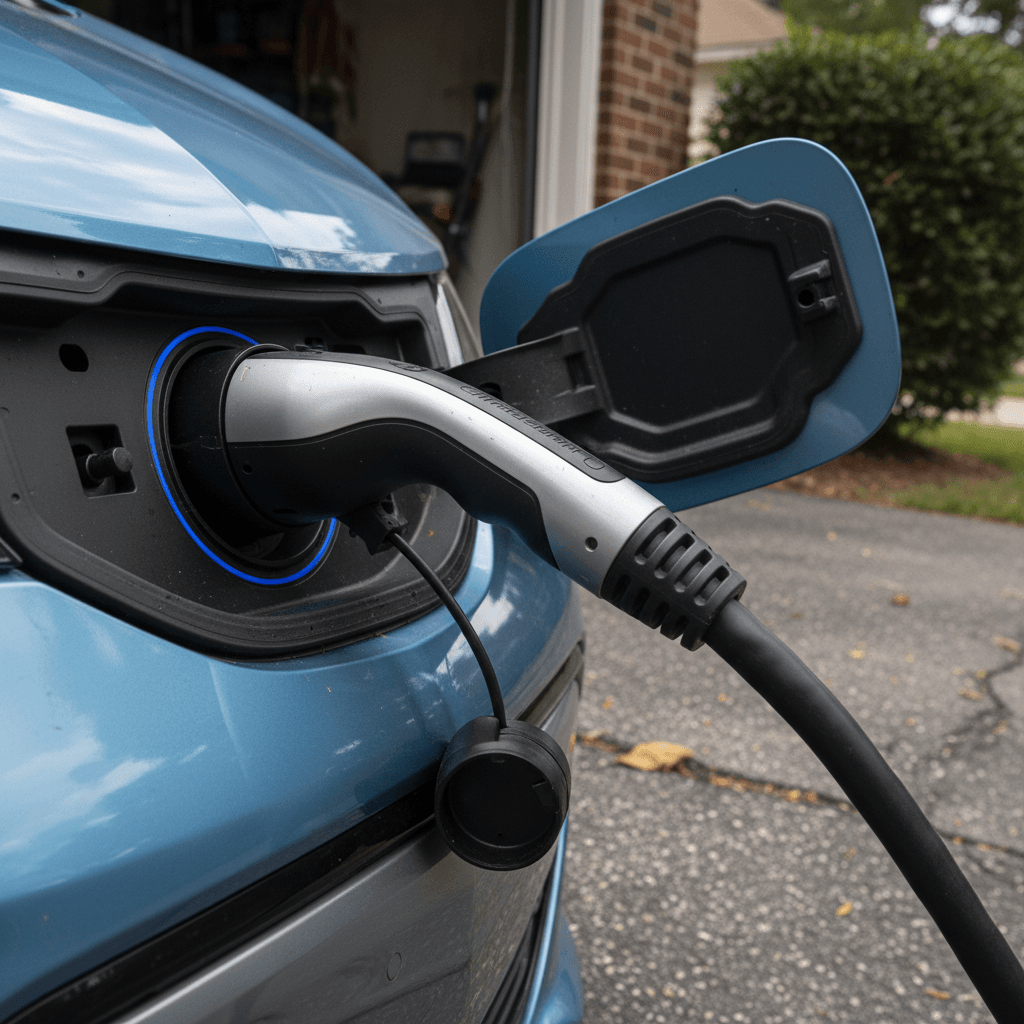
- Loose charge‑port door hinges or misaligned exterior trim pieces
Why this matters for value
How serious are these problems? 2026 reliability outlook
It’s fair to say the Chevrolet Bolt EV has lived two lives. In the first, headlines were dominated by battery‑fire recalls and parking‑outside warnings. In the second, where we are now in 2026, the story is more nuanced: most affected packs have been replaced or cleared by diagnostics, and many owners report quiet, trouble‑free commuting with minimal maintenance.
Areas of genuine concern
- Cars with uncertain recall history or incomplete software updates
- Persistent high‑voltage or propulsion‑reduced warnings
- Unusually slow or unreliable DC fast charging even on warm days
- Obvious drivetrain harshness or abnormal noises
Areas that are often overblown
- Normal winter range loss and conservative range estimates
- Occasional infotainment hiccups fixed by updates or a reboot
- Cosmetic rattles and minor trim misalignment
- Modest DC fast‑charge speeds compared with newer, more expensive EVs
The bottom line on 2026 Bolt reliability
Ready to find your next EV?
Browse VehiclesUsed Bolt EV shopping checklist
11 things to check before you buy a used Chevy Bolt EV/EUV
1. Verify recall and battery replacement history
Use the VIN with Chevrolet and review service records to confirm whether the high‑voltage battery was replaced, which software updates are installed, and whether any open recalls remain.
2. Confirm remaining battery warranty
Most Bolts carry an 8–10 year EV drive battery warranty from original in‑service date. A replaced pack may restart that clock in some states, valuable coverage if you’re buying in 2026.
3. Test real-world range
Fully charge the car, reset a trip meter, and drive 50–100 miles at your typical speeds. Compare energy use (mi/kWh) and remaining range to the EPA rating to get a realistic sense of battery health.
4. Fast-charge on at least one DC station
If possible, arrive with the battery at ~20–40% and plug into a known‑good DC fast charger. Observe peak kW, taper behavior, and any fault messages. Slow rates in cold weather are normal; persistent <20 kW on a warm pack is not.
5. Scan for warning messages
Before and during the test drive, look for persistent “Propulsion power is reduced,” “Service high‑voltage system,” or shifting‑related warnings. Make any offer contingent on resolving these with a dealer, not a guess.
6. Evaluate drive feel and noise
Listen for clunks at take‑off, unusual whine at highway speed, and steering vibration. A good Bolt should feel composed and quiet with linear, confident regen.
7. Inspect tires and alignment
Uneven tire wear, steering pull, or vibrations can indicate alignment problems or suspension wear, fixable, but they should factor into your offer.
8. Check interior wear and rattles
Look for excessive seat wear, broken trim, or intrusive squeaks over rough roads. These won’t strand you, but they say a lot about how the car was treated.
9. Confirm home-charging behavior
If you can, plug into a Level 2 charger and make sure the car starts charging promptly, doesn’t randomly stop, and reports reasonable charge times for its on‑board charger rating.
10. Review ownership history
Multiple short‑term owners or prior commercial use isn’t an automatic deal‑breaker, but you’ll want a sharper inspection and, ideally, pricing that reflects harder use.
11. Consider buying through a specialist
A marketplace like <strong>Recharged</strong> that focuses on EVs and runs battery health diagnostics, pricing analysis, and expert inspections can significantly reduce your risk compared with a generic dealer or private sale.
FAQ: Chevy Bolt EV common problems
Frequently asked questions about Chevrolet Bolt EV problems
The Chevrolet Bolt EV’s story is more complicated than a simple “good” or “bad.” Early battery recalls were serious and earned the car some lasting skepticism, but they also forced GM to replace a lot of packs and iron out software wrinkles. If you take the time to understand the common 2026 Bolt EV problems, verify recall and charging history, and lean on real battery diagnostics instead of guesswork, you can end up with an efficient, inexpensive EV that quietly does the job for years. And if you’d rather have experts do that homework for you, Recharged is built to help you find the right Bolt, backed by data, not promises.