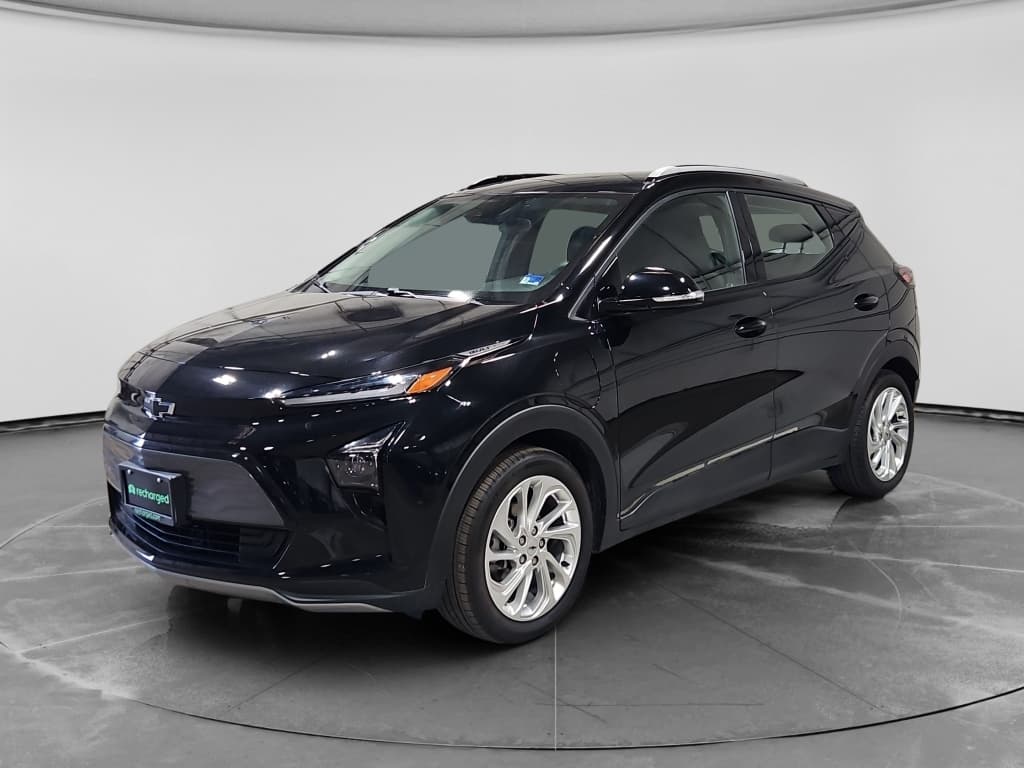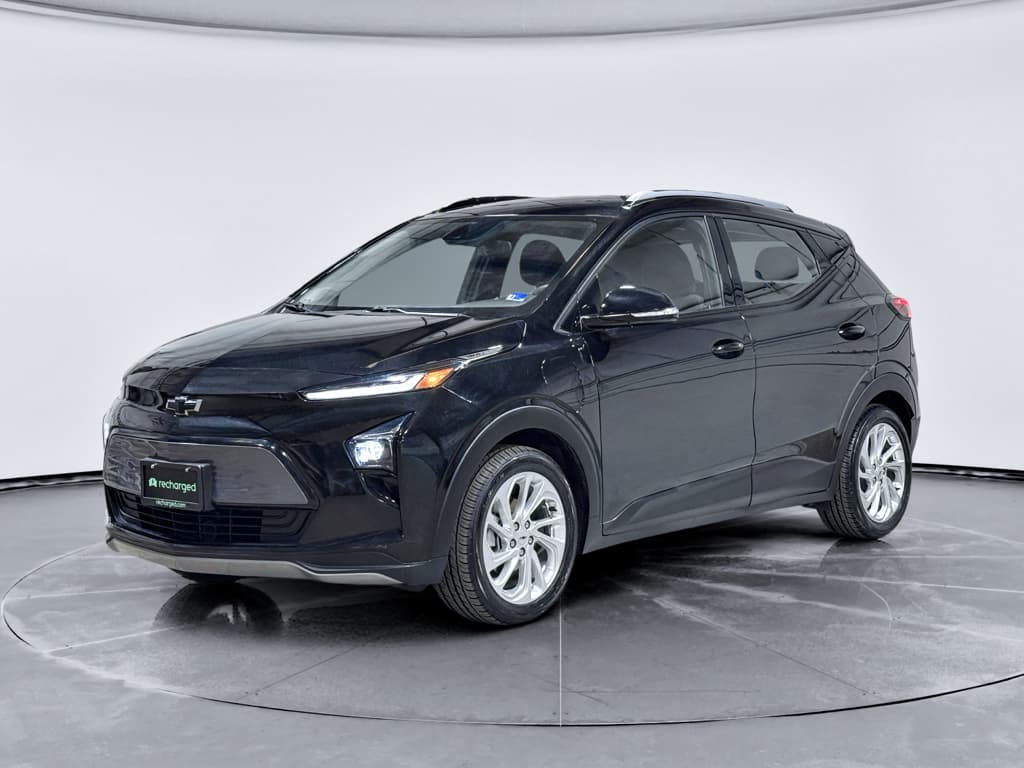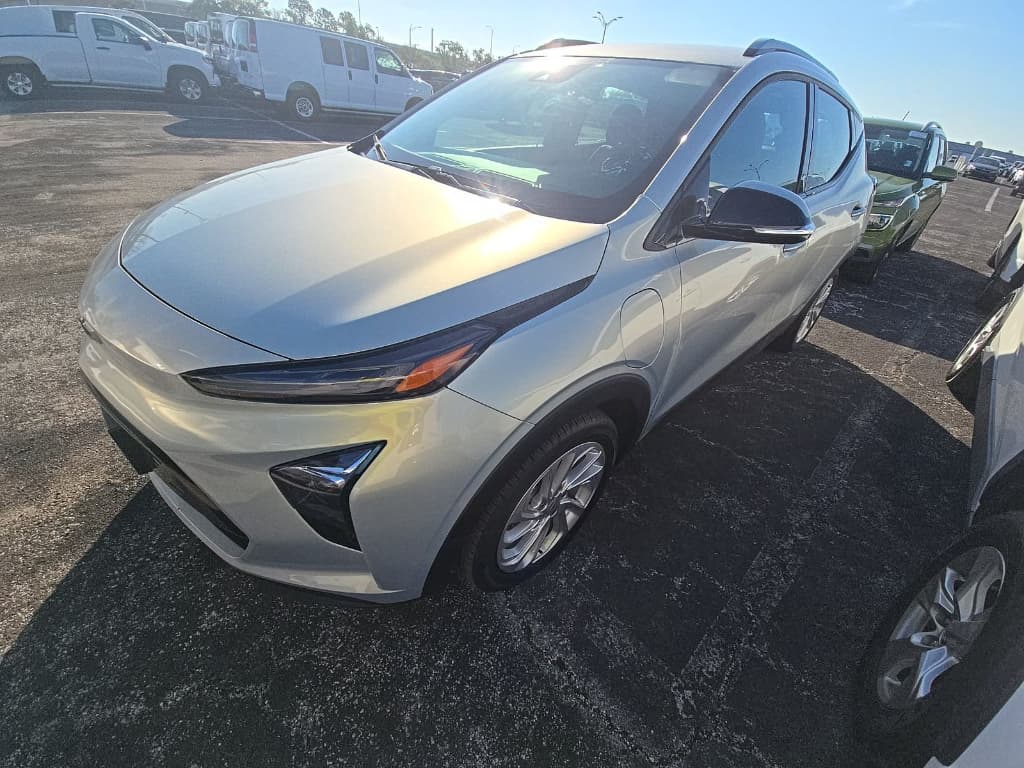
If you’re driving, or thinking about buying, a Chevrolet Bolt EV, you’re probably asking a very specific question: how long will the Bolt EV battery actually last, and how much range will you still have in 5, 10, or even 15 years? With headlines about recalls and battery fires, it’s hard to separate fear from facts.
Key takeaway up front
Chevy Bolt EV battery lifespan: the short version
- Battery size: About 60–66 kWh usable on most Bolt EVs and ~65 kWh usable on Bolt EUVs.
- EPA range when new: Around 238–259 miles for the Bolt EV and about 247 miles for the Bolt EUV, depending on model year.
- Warranty: 8 years/100,000 miles (longer in California-emissions states) against defects and excessive capacity loss.
- Real-world fleet data: A GM fleet report and independent analyses show Bolts comfortably logging 200,000+ miles with more than 80% battery capacity remaining when treated reasonably well.
- Typical owner experience: A small drop in range in the first couple of years, then a long, slow decline. Many owners see 5–10% loss over the first 5–6 years instead of a dramatic slide.
- Recalls matter: 2017–2022 cars were covered by a major battery recall; many now have new or remanufactured packs that effectively reset their battery age.
Warranty vs. lifespan
How the Chevrolet Bolt EV battery is built
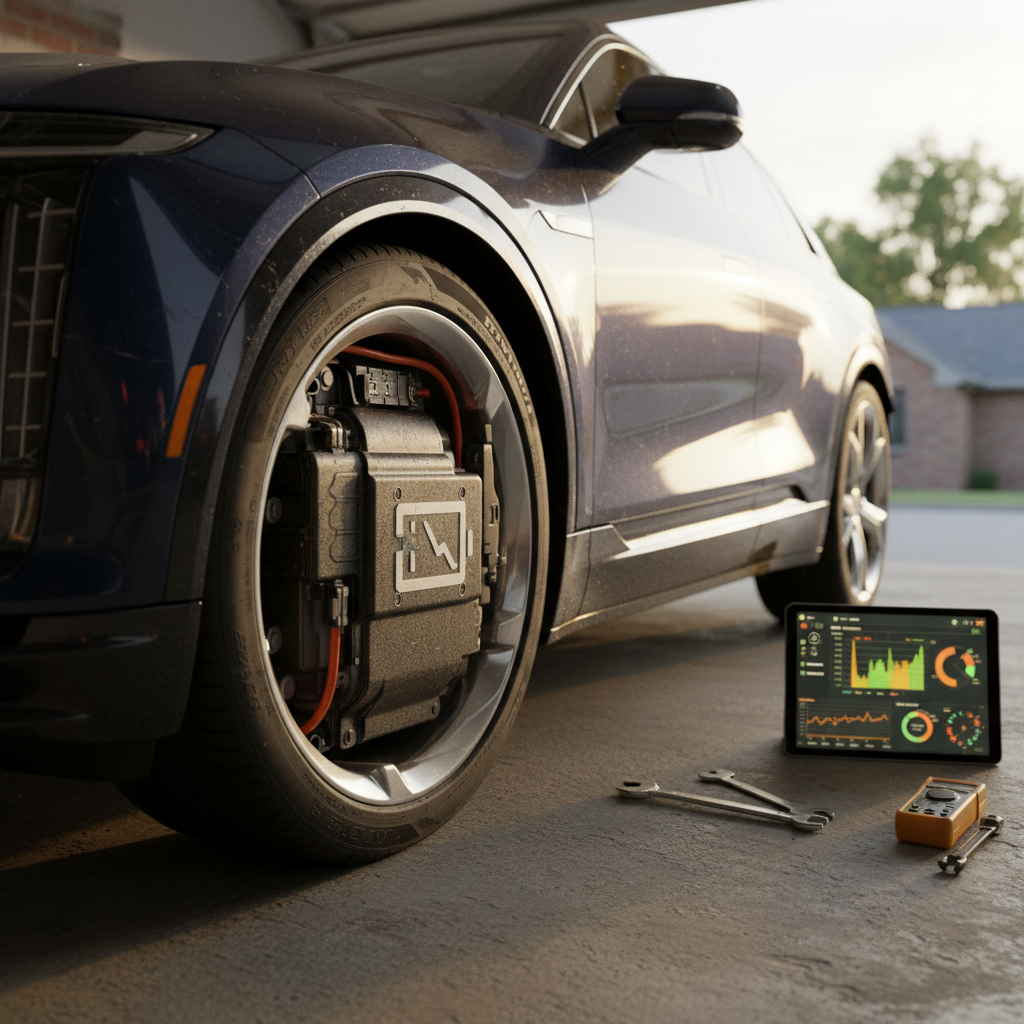
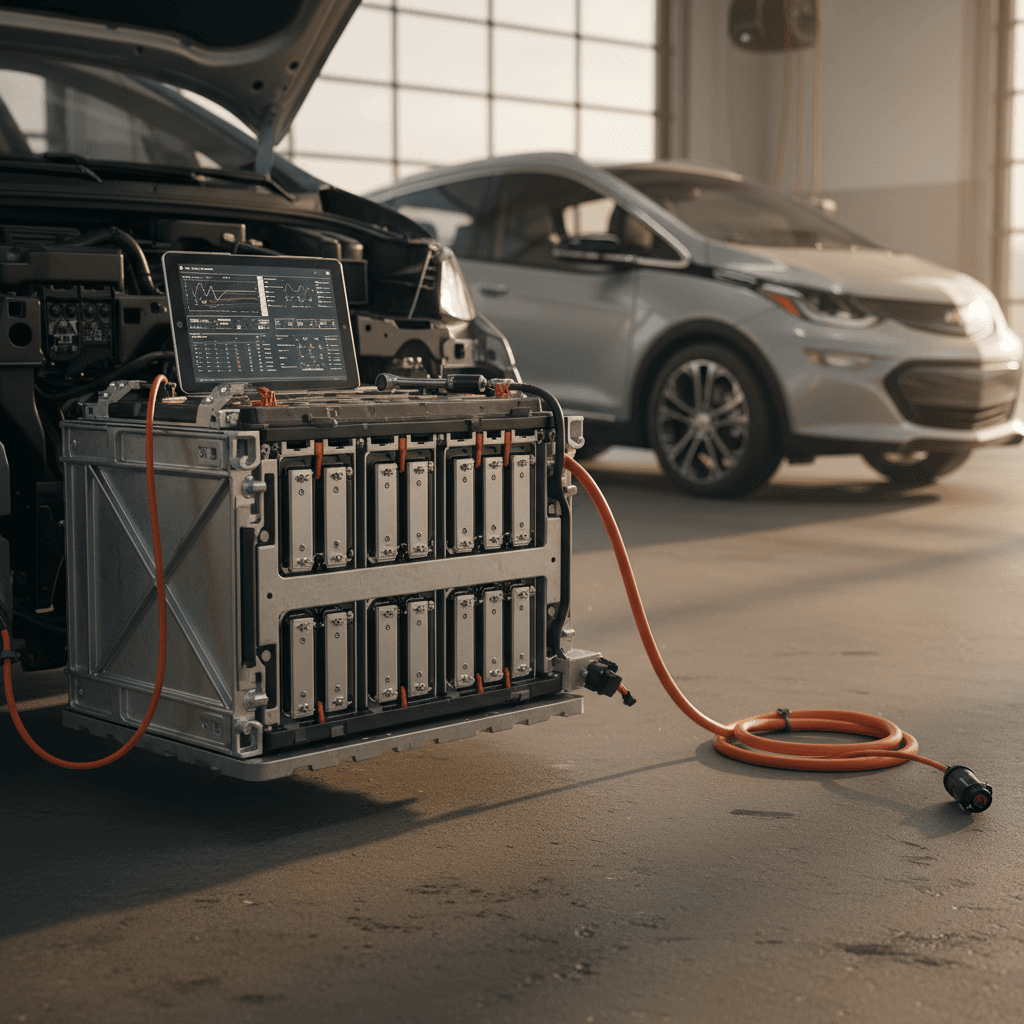
Understanding what’s under the floor helps you understand why the Chevrolet Bolt EV battery lifespan is generally solid despite the recall drama. Every Bolt EV and EUV uses a large, liquid‑cooled lithium‑ion pack mounted low in the chassis. It’s made up of hundreds of LG Energy Solution cells grouped into modules, managed by sophisticated battery management software that controls charging, discharging, and thermal behavior.
Bolt EV / EUV battery quick specs
The basics that shape lifespan and range
Pack capacity
Most Bolt EV and EUV models use a pack with roughly 65 kWh usable capacity, depending on year and calibration.
Liquid cooling
An active liquid cooling and heating system helps keep cell temperatures in the sweet spot, which significantly improves long-term health.
Power vs. longevity
The pack is tuned for efficiency and longevity, not the highest fast-charging rates, another plus for lifespan.
Compared with early air‑cooled EVs, this kind of thermal management is a big reason modern packs can survive well over a decade without falling off a cliff. That’s why we now see high‑mileage Bolts and other liquid‑cooled EVs running strong at 150,000–200,000 miles and beyond.
Real-world Chevrolet Bolt EV battery lifespan
What real-world data suggests about Bolt battery life
Put simply, the Bolt EV’s battery is not a disposable smartphone pack. If you drive a typical 10,000–12,000 miles per year, you’re likely to sell or trade the car for other reasons, features, space, taste, before the pack becomes truly range‑limited. High‑mileage drivers can realistically expect a well‑treated Bolt to cover 200,000 miles or more before capacity drops into the “this is getting inconvenient” zone.
What "end of life" really means
Typical Bolt EV battery degradation by years and miles
The Chevrolet Bolt EV battery doesn’t lose range in a straight line. Like most EVs, you tend to see a small drop early on, then a long, slow glide as the chemistry settles in. Think of it as a fast jog out of the driveway and then a steady highway cruise.
Bolt EV / EUV: Typical battery health over time (ballpark)
Approximate capacity retention assuming normal driving, mixed climate, and decent charging habits. Individual cars will vary.
| Age / mileage | Estimated capacity vs. new | What you’re likely to notice |
|---|---|---|
| Year 1 · 0–15k mi | 96–99% | Maybe a few miles less range; many owners can’t tell any difference. |
| Years 2–3 · 15–35k mi | 94–98% | A small but measurable drop, perhaps 5–10 miles off EPA range in mild weather. |
| Years 4–6 · 35–75k mi | 90–95% | Highway legs shrink a bit; you might add one extra quick stop on a long trip. |
| Years 7–10 · 75–120k mi | 80–90% | Around 30–50 miles off original range; still fine for daily use if your commute is modest. |
| Beyond 10 years · 120k+ mi | 70–85% | Depends heavily on climate and care. Around this point, some owners start planning for their next car or a warranty conversation, if still covered. |
These ranges are estimates, not guarantees. Abuse, extreme heat, or chronic fast charging can accelerate degradation; gentle use can slow it down.
And the recall?
Warranty, recalls, and what they mean for lifespan
Every Chevrolet Bolt EV and EUV sold in the U.S. carries a generous 8‑year/100,000‑mile battery warranty (and up to 10 years/150,000 miles in some California‑emissions states). That warranty covers defects and excessive capacity loss, usually defined as dropping below a certain percentage of the original capacity while under the mileage and time limits.
- 2017–2022 Bolt EV and 2022 Bolt EUV recall: GM ultimately recalled essentially all first‑generation Bolt packs built through 2022 after rare fires were traced to specific cell manufacturing defects.
- Fixes: Some owners received software limits and new inspection protocols; many had full battery replacements with updated LG cells designed to eliminate the defect.
- Effect on lifespan: A replacement pack installed in, say, 2022 or 2023 will typically behave like a much younger battery than the car’s model year suggests.
- Warranty on replacement packs: Replacement batteries usually come with their own warranty terms; check the service paperwork and GM documentation for your VIN.
Why the recall can be good news for used buyers
How to tell if your Bolt EV battery is getting tired
You don’t need lab equipment to get a feel for your Bolt EV battery’s health. A few weeks of paying attention, plus a little arithmetic, can tell you whether your pack looks normal for its age or if it’s slipping faster than it should.
Simple ways to spot an aging Bolt battery
1. Compare full‑charge range to EPA
On a mild‑weather day (60–75°F), fully charge and note the estimated range. A healthy 65 kWh pack should be in the ballpark of <strong>230–260 miles</strong> if your driving efficiency is around 3.5 mi/kWh. Much less can point to capacity loss or consistently inefficient driving.
2. Watch your efficiency (mi/kWh)
Reset a trip meter and drive normally. If you’re consistently at 3.0–3.5 mi/kWh but your full‑charge range is far below the EPA figure, the car might be working with a smaller usable battery than when it was new.
3. Track behavior over seasons
Cold weather can easily shave 20–30% off range without any permanent damage. If your winter range rebounds in the spring, that’s normal. If it doesn’t, you may be seeing true degradation.
4. Look for sudden drops, not slow drift
All batteries lose a bit of capacity each year, but a <strong>sharp, unexplained step‑down</strong> in range or a big mismatch between the gauge and real‑world distance is worth a dealer visit.
5. Scan the pack if you can
Some owners use OBD‑II dongles and third‑party apps to read the battery’s estimated capacity. If you’re not that person, a professional battery health report, like the <strong>Recharged Score</strong> that comes with every car from Recharged, can do the hard work for you.
7 ways to make your Bolt EV battery last longer
You can’t change chemistry, but you can change how hard you ask your Bolt EV’s battery to work. The same habits that help any EV pack age gracefully apply here, and they’re easier than you might think.
Battery‑friendly habits that actually matter
Focus on the big wins; don’t sweat the tiny stuff
Charge mostly on Level 2
Regular Level 2 charging at home or work is gentler than frequent DC fast charging. Save the big chargers for road trips or genuine need.
Avoid 0–100% every day
There’s no need to baby the Bolt, but living at the extremes (frequent 100% charges and deep 0–5% runs) adds stress. Living mostly in the 20–80% window is kind to the pack.
Mind the heat
Heat ages batteries. In hot climates, don’t leave the car at 100% in the sun for days. Park in the shade or a garage when you can.
Drive smoothly
Hard launches and high sustained speeds won’t instantly kill the pack, but smoother driving reduces heat and helps both range and longevity.
Use it regularly
Letting an EV sit for months at very low or very high state of charge isn’t ideal. A Bolt that’s driven and charged regularly usually ages better.
Keep software updated
GM occasionally refines battery management and charging behavior. Staying current on updates keeps the pack in step with the latest thinking.
Don’t obsess over every percent
Bolt EV vs. Bolt EUV: Any difference in battery life?
The Chevrolet Bolt EUV is essentially a slightly larger, more crossover‑shaped sibling to the Bolt EV. Underneath, the two share very similar battery hardware: roughly 65 kWh usable capacity, the same LG cell chemistry, and the same basic cooling system.
Bolt EV
- Launched earlier (2017 model year).
- EPA range typically a bit higher than EUV thanks to a lower, sleeker body.
- More long‑term data is available; real‑world degradation has been modest when cared for.
Bolt EUV
- Launched for 2022 model year with similar 65 kWh pack.
- Slightly lower EPA range (around 247 miles) due to weight and aero.
- Too new for 10‑year data, but early reports align closely with Bolt EV behavior.
In practical terms, there’s no strong evidence that a Bolt EUV battery will age dramatically differently from a Bolt EV battery. Climate, charging habits, and mileage matter far more than whether you picked the hatchback or the slightly taller EUV.
Buying a used Bolt EV or EUV? Battery checklist
If you’re shopping the used market, the battery is the story. The good news is that between warranty coverage, recalls, and the Bolt’s generally gentle chemistry, you can stack the deck in your favor with a few smart questions.
Used Chevrolet Bolt EV battery checklist
1. Ask about recall and replacement history
Get documentation. Has the car had its <strong>recall work</strong> completed? Did it receive a full pack replacement? A car with a newer pack is a major win.
2. Check remaining battery warranty
Look at the in‑service date on the original paperwork, not just the model year. That’s when the <strong>8‑year/100,000‑mile</strong> clock started.
3. Look at full‑charge range in mild weather
During a test drive, fully charge and note the displayed range and efficiency. Compare it to the original EPA rating, adjusted for your driving style.
4. Ask about charging habits
Frequent DC fast charging and lots of 100%/0% cycles are harder on the pack than nightly Level 2 charging and moderate states of charge. Occasional road‑trip fast charging is fine.
5. Consider climate history
A Bolt that spent its life in a mild‑climate garage will typically age more gracefully than one baked in desert sun or left outside in deep cold.
6. Get a professional battery health report
If you’d rather not decode scan tools and spreadsheets, look for a car that includes an <strong>independent battery health assessment</strong>. Every used EV sold by Recharged, including Chevrolet Bolt EV and EUV models, comes with a <strong>Recharged Score</strong> report that quantifies battery health, range, and fair pricing so you’re not guessing.
How Recharged can help
Ready to find your next EV?
Browse VehiclesChevy Bolt EV battery lifespan FAQ
Frequently asked questions about Bolt EV battery life
Bottom line: How long will a Chevrolet Bolt EV battery last?
If you strip away the drama of recalls and headlines, the answer to “Chevrolet Bolt EV battery lifespan how long?” is quietly reassuring. With normal care, most Bolt EV and EUV batteries look set to deliver well over a decade and roughly 200,000 miles of useful service before range becomes the limiting factor, and many will go beyond that.
Your own experience will depend on how and where you drive, how you charge, and whether your car has had its pack replaced. But the underlying system is sound, the warranty is generous, and there’s a growing pool of high‑mileage Bolts out there proving the case.
If you’re shopping used, you don’t have to guess. Look for solid documentation, real‑world range that matches expectations, and a trustworthy battery health report. That’s exactly why every used EV at Recharged comes with a Recharged Score: so you can fall in love with the car, not worry about what’s hiding in the battery pack.