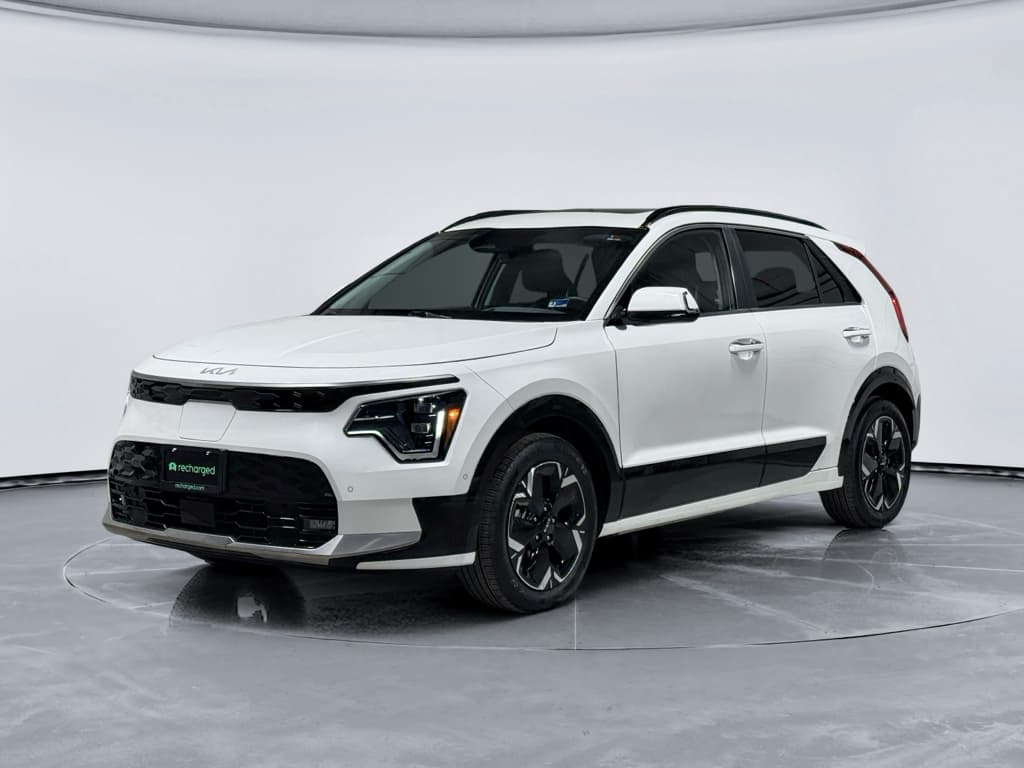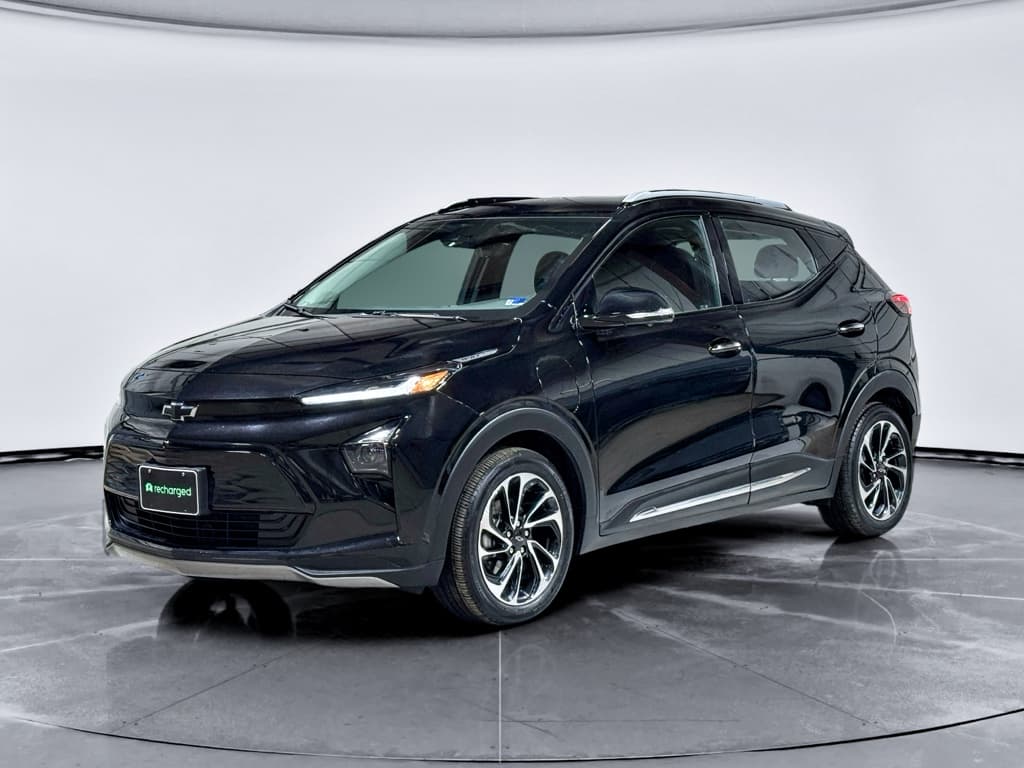
You could argue the Chevrolet Bolt EUV and Kia Niro EV are the spiritual successors to the Honda Civic and Toyota Corolla wagons of the 1990s: honest, efficient boxes built to quietly do everything. If you’re shopping used and wondering “Chevrolet Bolt EUV vs Kia Niro EV – which is better?”, you’re in exactly the right place.
Both are smart used-EV buys
Bolt EUV vs Niro EV: Quick Overview
How the Bolt EUV and Niro EV differ at a glance
Same mission, slightly different personalities
Chevrolet Bolt EUV: City-smart, budget hero
The Bolt EUV is the value play. It’s smaller outside and inside, with a 65 kWh battery and EPA range up to around 247 miles. It’s one of the most efficient EVs you can buy and usually the cheaper option on the used market.
- Great for commuters and first-time EV buyers
- Compact size, easy to park
- Available with GM’s excellent Super Cruise on some trims
Kia Niro EV: Grown-up, family-friendly
The Kia Niro EV plays the “small family SUV” role better. It’s a little longer and boxier with more usable rear seat and cargo space, and similar range, about 253 miles EPA in recent U.S. models.
- More cargo room and rear-seat comfort
- More modern interior in second generation (2023+)
- Often higher price but also stronger feature content
Think in use cases, not just specs
Key Specs: Chevrolet Bolt EUV vs Kia Niro EV
Core specs comparison: Bolt EUV vs Niro EV (U.S. market)
Approximate specs for recent U.S.-market models that dominate the used market (2022–2024). Always verify exact numbers for the model year and trim you’re shopping.
| Spec | Chevrolet Bolt EUV | Kia Niro EV |
|---|---|---|
| Battery capacity | ~65 kWh | ~64.8–68 kWh |
| EPA range (recent models) | Up to ~247 miles | Up to ~253 miles |
| Power | ~200 hp FWD | ~201 hp FWD |
| 0–60 mph (approx.) | ~7.0 sec | ~7.0 sec |
| DC fast-charge peak | ~55 kW | ~70–80 kW (peak) |
| Onboard AC charger | Up to 11 kW | Up to 11 kW (trim-dependent) |
| Length | ~169.5 in | ~174–174.5 in |
| Cargo behind rear seats | ~16.3 cu ft | ~22.8 cu ft (second gen) |
| Maximum cargo (seats folded) | ~56.9 cu ft | ~63.7 cu ft (second gen) |
Both EVs offer similar range and power; the Niro EV stretches its legs with more cargo space, the Bolt EUV counters with price and efficiency.

Range, Efficiency and Battery Health
Range and efficiency at a glance
In practical terms, range is basically a wash. The Bolt EUV’s 65 kWh pack and the Niro EV’s ~64.8–68 kWh pack both land you around the mid‑200‑mile mark on the EPA cycle. Some Niro trims show a few more miles on the window sticker, but weather, speed, and driving style will move the needle far more than the badge on the hatch.
Bolt EUV: Efficiency champ, recall scar tissue
The Bolt EUV is slightly more efficient, especially in city use, which means fewer kWh per mile and lower charging costs over time. Early Bolt EV/EUVs were affected by a battery recall, but most used examples on the market today have had packs replaced or reworked under GM’s warranty. That’s a hidden upside: a relatively new pack with a fresh warranty date on an older car.
When you buy through Recharged, you’ll see this clearly in the Recharged Score battery health report, so you’re not guessing about pack history or degradation.
Niro EV: Slightly more range, calm degradation curve
The Niro EV typically posts a slightly higher official range number, and owner reports suggest slow, predictable degradation when the car is mostly charged at home on Level 2. Kia’s long battery warranty (often 10 years/100,000 miles on original U.S. buyers) adds peace of mind, but coverage details can change when the car is sold used, so you’ll want to verify that for an individual VIN.
For most buyers, the day-to-day experience is simple: either car easily handles a 40–60‑mile commute plus errands without breaking a sweat.
Don’t shop range by brochure alone
Space, Comfort and Everyday Utility
This is where the Kia Niro EV quietly pulls ahead. On the outside, the size difference looks small. On the inside, especially behind the rear seats, it doesn’t feel small at all.
Interior space: where each EV shines
Think about people first, then cargo
Passenger room
Niro EV: Better rear headroom and legroom, more natural seating position for adults. Feels like a proper small SUV.
Bolt EUV: Adults can fit in the back, but the cabin is narrower and headroom is tighter. Fine for kids, carpool duty, and shorter trips.
Cargo and flexibility
Niro EV: Wins clearly here. More cubic feet both with seats up and folded, plus a squarer load area that’s easier for strollers, dog crates, or home‑improvement runs.
Bolt EUV: Surprisingly useful with the seats down, but the shorter body means you’re more often playing Tetris at Costco.
Comfort & materials
2nd‑gen Niro EV (2023+): Airier cabin, nicer materials, and a clean, techy layout. Seats are generally more supportive for long drives.
Bolt EUV: Improved seats versus early Bolts, but still on the narrow side. Cabin feels more like a tall hatchback than an SUV.
For families, the Niro EV is usually better
Driving Experience and Technology
Under the skin, these two are basically electric cousins: front‑wheel drive, around 200 horsepower, and a quiet, near‑instant shove off the line. The differences are more about flavor than raw numbers.
Behind the wheel
- Chevrolet Bolt EUV: Feels light and eager in the city. The steering is quick, the wheelbase is short, and it threads through tight parking lots with the ease of a subcompact hatchback. On the highway it’s stable enough, but crosswinds and expansion joints can remind you this is a relatively small, tall car.
- Kia Niro EV: More planted and grown‑up. The longer wheelbase and extra weight make it ride a bit more like a traditional compact SUV. It’s not sporty, but it is calm, exactly what you want in traffic and on long slogs.
Tech and driver assistance
- Infotainment: Both support Apple CarPlay and Android Auto, though Kia uses larger, more modern screens in newer Niro EVs. Chevy’s system is straightforward but feels older.
- Driver aids: Expect automatic emergency braking, lane keeping, and adaptive cruise in many trims of both. The Kia’s “Highway Driving Assist” and the Chevy’s available Super Cruise (on certain Bolt EUV trims) are standouts if you do lots of highway miles.
- One‑pedal driving: Both offer strong regenerative braking modes. Bolt’s one‑pedal feel is especially intuitive for first‑time EV drivers.
Both the Bolt EUV and Niro EV are better to drive than many gas crossovers, quieter, quicker in real traffic, and more relaxing. The drama is gone, which is exactly the point.
Charging Speed and Road-Trip Ability
Here’s the catch with both of these otherwise excellent EVs: neither is a DC‑fast‑charging star. They’ll absolutely road‑trip, but not with the easy, 250‑kW-gulping swagger of a Hyundai Ioniq 5 or Tesla Model Y.
Charging comparison: Bolt EUV vs Niro EV
Great for home charging, merely okay at highway stops
DC fast charging
- Bolt EUV: CCS fast charging peaks around 55 kW in ideal conditions. Realistically you’ll see ~40–50 kW, and the curve tapers after ~60–70%.
- Niro EV: Peaks around 70–80 kW on paper, often hovering in the 40–70 kW range in real life. Slightly quicker than the Bolt EUV, but not night‑and‑day.
- Translation: Think 30–45 minutes to go from a low state of charge to a comfortable 70–80% in either car.
Home and workplace charging
- Both cars offer up to ~11 kW AC charging with the right Level 2 setup, which means a full charge overnight on a typical 40–48‑amp home charger.
- Because they’re efficient, even a 32‑amp Level 2 unit will easily replenish your average weekday driving in a few hours.
- If you mostly charge at home, charging speed is a non‑issue in daily life.
If your life is all road trips, look elsewhere
One side note in 2026: the public charging landscape is shifting fast. Many new EVs are switching to the NACS (Tesla) connector, and more networks are opening up. The Bolt EUV and Niro EV use CCS in the U.S., so you’ll likely rely on legacy CCS networks plus any NACS stations that support adapters. It’s another reason to treat these as home‑base commuter and family cars that can road‑trip when needed, not dedicated cross‑country warriors.
Ownership Costs, Reliability and Warranty
For many buyers, this is where the Bolt EUV vs Niro EV decision really happens, not in the spec sheet, but in the monthly budget and long‑term peace of mind.
Upfront price and depreciation
Bolt EUV: Because GM discontinued the original BEV2‑based Bolt EUV after 2023, used examples have spent a few years on the depreciation elevator. That’s good news for you. In many U.S. markets, a clean, low‑mileage Bolt EUV costs thousands less than a similar‑age Niro EV.
Niro EV: Commands higher prices, especially the redesigned 2023+ models. The upside is a more modern interior, more space, and a bit stronger resale if you plan to sell in a few years.
Running costs, reliability and warranty
- Energy costs: Both are efficient; the Bolt’s slight MPGe edge will barely move your monthly bill compared with electricity rate changes.
- Maintenance: Similar EV story: tires, cabin filters, brake fluid. Less to do than on a gas SUV.
- Reliability: Aside from the Bolt battery recall (now largely addressed) and some early infotainment quirks on both, neither model has a reputation for chronic, wallet-draining failures.
- Warranty: Kia’s original battery and powertrain warranty is generous, but coverage depends on whether you’re the first owner and whether the car was sold as CPO. GM’s warranties are shorter on paper, but a replaced Bolt pack often carries a fresh 8‑year/100,000‑mile battery warranty from installation.
Use objective battery data when buying used
Which Should You Buy: Bolt EUV or Niro EV?
So, Chevrolet Bolt EUV vs Kia Niro EV, which is better? The honest answer is that each car wins in a different life.
Best for you: quick scenario guide
Match the EV to your actual life, not your fantasy garage
Choose the Chevrolet Bolt EUV if…
- You want the most affordable, most efficient small electric SUV you can find.
- You primarily drive solo or with one passenger and rarely max out the back seats.
- You live in a city or dense suburb where compact size and easy parking matter.
- You’re comfortable planning around modest DC fast‑charging speeds for the occasional road trip.
- You like the idea of getting a newer replacement battery pack under warranty on a used car.
Verdict: The Bolt EUV is the smart‑money commuter and urban runabout, small, efficient, easy to live with, and often an absolute bargain on the used market.
Choose the Kia Niro EV if…
- You regularly carry kids, adults, or pets and need real rear‑seat space.
- You want more cargo room and a cabin that feels like a modern compact SUV.
- You value slightly quicker DC fast charging and a bit more range headroom.
- You prefer Kia’s design, tech interface, and long original warranty.
- You’re willing to pay more upfront for the extra practicality.
Verdict: The Niro EV is the better small family EV and road‑trip partner, with room and refinement that make it feel like less of a compromise.
If you stripped the badges off, you’d probably say the same thing about both: calm, quiet, and unpretentious. The difference is whether you want yours leaning more toward efficient hatchback bargain (Bolt EUV) or honest little family crossover (Niro EV). Either way, buying used from a trusted source, and backing your choice with real battery diagnostics, is what turns a good EV into a great ownership experience.
Checklist: How to Choose Between Bolt EUV and Niro EV
7-step checklist to pick your small EV SUV
1. Be honest about your space needs
List the people, pets, and cargo you regularly carry. If rear‑seat adult comfort and cargo flexibility are important, lean toward the Niro EV. If it’s mostly you and a laptop bag, the Bolt EUV is plenty.
2. Map your daily and weekly miles
Look at how many miles you actually drive on a typical weekday and weekend. Both cars cover most commutes easily; if you regularly push 200+ miles in a day, consider the Niro’s slight range and DC‑fast advantage, or a higher‑charging‑speed EV entirely.
3. Decide how often you really road-trip
If you take one or two long trips a year, either car will work with planning. If you do long interstate runs monthly, you may want to shop for something that charges at 150 kW or better instead of splitting hairs between these two.
4. Compare used prices in your local market
Check current listings for both models with similar model years and mileage. In many U.S. markets the Bolt EUV is meaningfully cheaper; if the Niro EV commands a big premium, make sure you’ll truly use its extra space.
5. Verify battery health and recall status
For a Bolt EUV, confirm whether the battery recall work was completed and when; for a Niro EV, look for signs of frequent DC‑fast use. A <strong>Recharged Score report</strong> can quickly tell you whether the pack is aging gracefully.
6. Sit in both, back seat included
If possible, physically sit in the front and rear seats of both models. Bring whoever rides with you most. Comfort impressions often decide this matchup faster than any spreadsheet.
7. Run the total cost of ownership
Factor in purchase price, insurance quotes, local incentives for used EVs, and your electricity rates. Sometimes the Bolt EUV’s lower price tag frees up budget for a better home charger or a second set of wheels and snow tires.