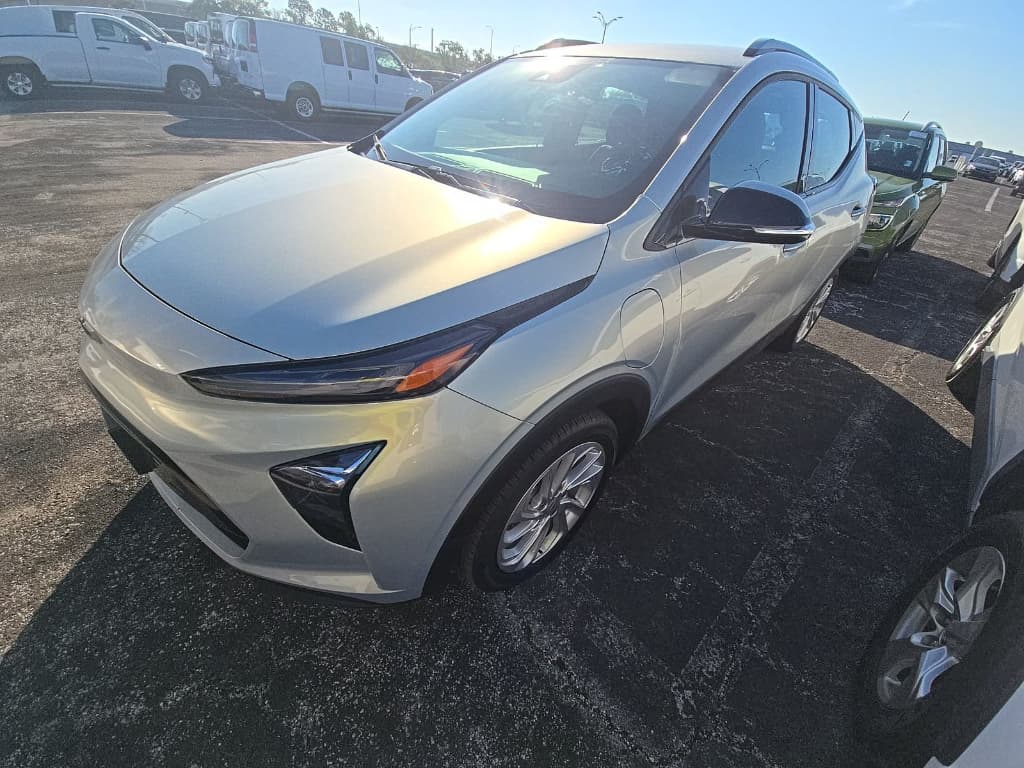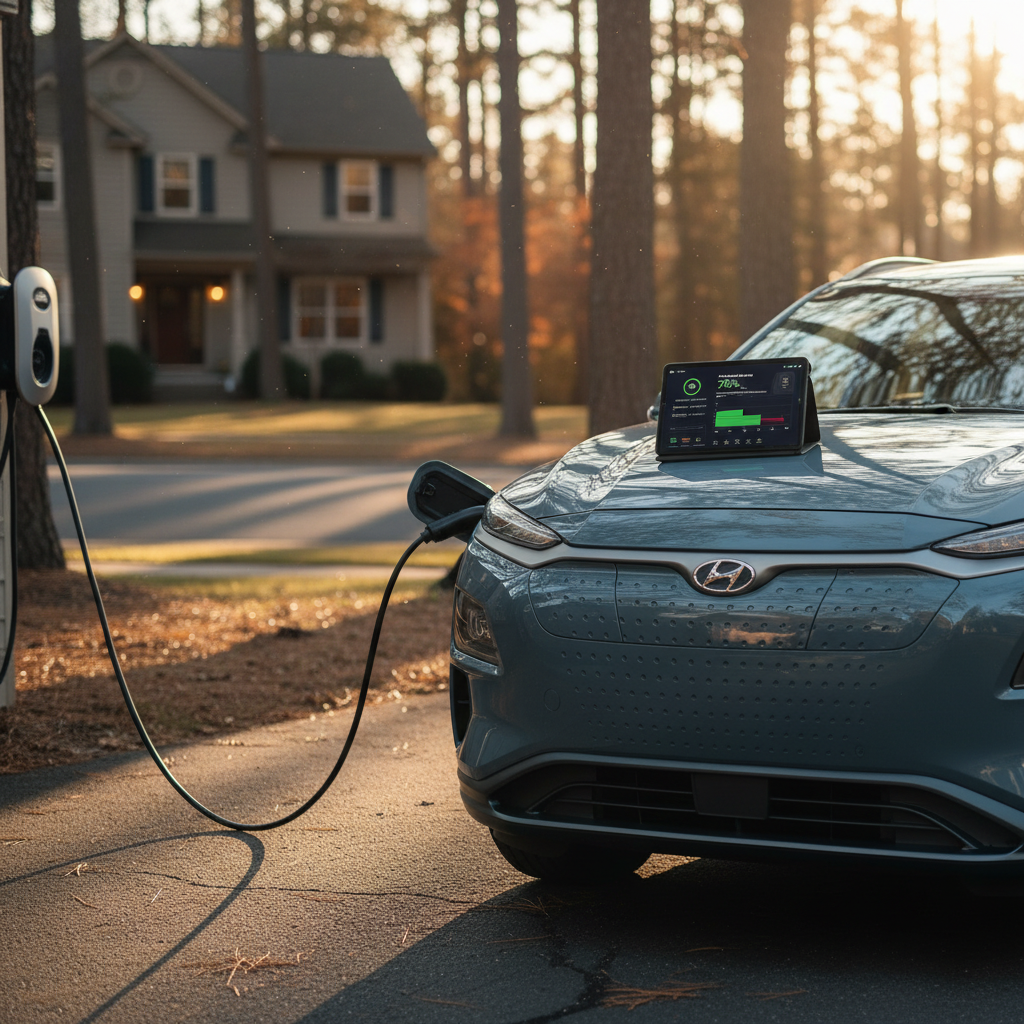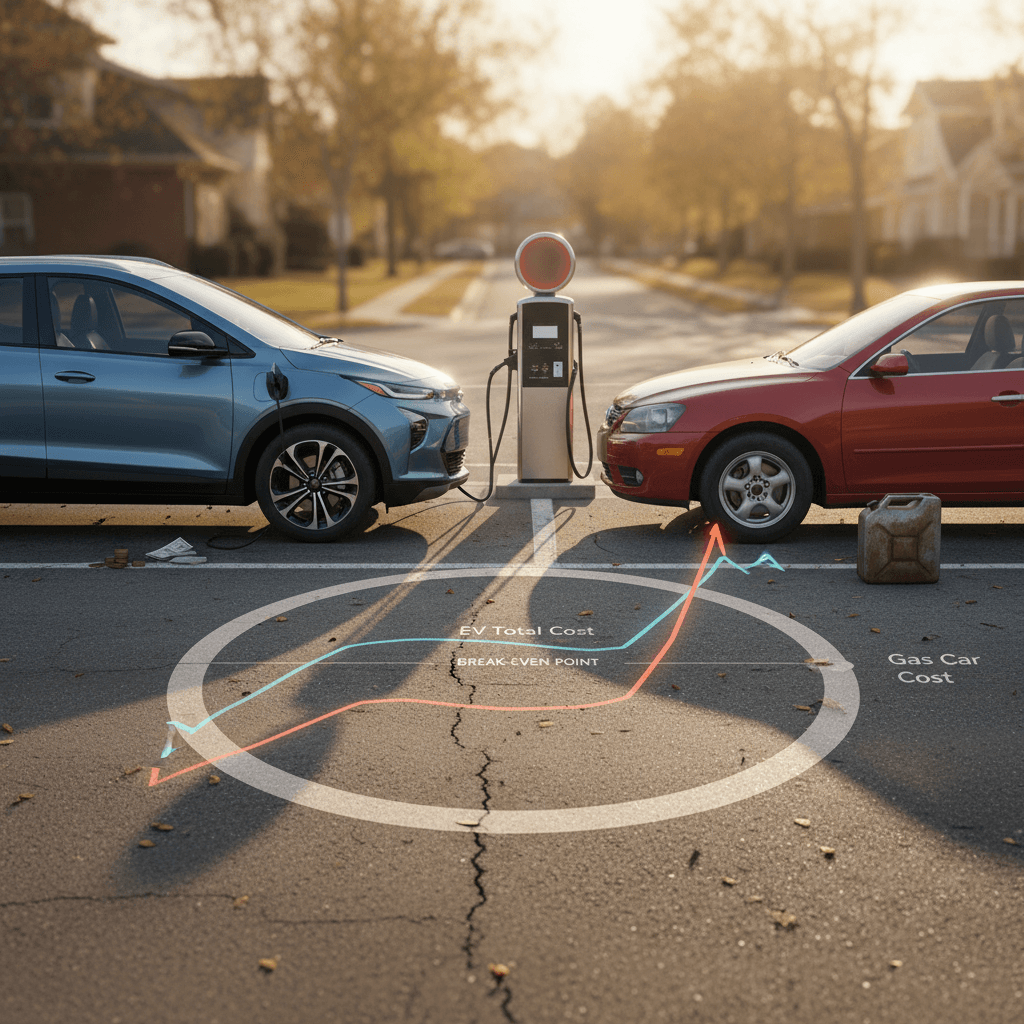
If you’re cross-shopping a Chevrolet Bolt EUV against a similar gas compact SUV, sticker price is only the first chapter. The real story is the total cost of ownership, what you pay over several years for fuel, maintenance, insurance, and depreciation. In this guide we walk through those numbers so you can see how a Bolt EUV stacks up against its gas equivalent in everyday, real-world use.
Quick Take
Why the Chevrolet Bolt EUV vs Gas Cost Question Matters
The Bolt EUV is a compact electric crossover roughly the size of a small gas SUV like a Chevrolet Trax, Hyundai Kona, or Subaru Crosstrek. Shoppers often wonder whether the higher-tech EV actually saves money after you factor in the purchase price, battery, and charging equipment. The short answer: in many realistic scenarios, a Bolt EUV’s lower fuel and maintenance costs outweigh its higher upfront price, but it depends heavily on how you drive and how you charge.
- Daily commuters trying to cut fuel costs
- Families upgrading from an older compact SUV or hatchback
- First-time EV shoppers wondering about battery longevity and resale value
- Used-car buyers comparing a pre-owned Bolt EUV to a similar gas crossover
Think in Total Cost, Not Monthly Gas Receipts
What We Compare, and Key Assumptions
To keep this comparison concrete, we’ll frame the Bolt EUV against a typical compact gas SUV. Every driver’s situation is different, but these assumptions give you a realistic, apples-to-apples starting point.
Our Baseline: Bolt EUV vs Gas Compact SUV
Realistic assumptions for a 5-year cost comparison
Chevrolet Bolt EUV (Used or New)
- Annual mileage: 12,000 miles
- Efficiency: ~3.0 miles per kWh
- Home electricity: $0.15 per kWh (U.S. average ballpark)
- Public DC fast charging: Used occasionally, at higher rates
Gas Compact Crossover (Trax/Kona/Crosstrek Class)
- Annual mileage: 12,000 miles
- Real-world fuel economy: ~30 mpg combined
- Gas price: $3.50 per gallon (national-average range assumption)
- Ownership horizon: 5 years / 60,000 miles
These Are Estimates, Not Exact Bills
Purchase Price, Incentives, and Financing
New Bolt EUV production wrapped up after the 2023 model year, which means most shoppers today are looking at remaining new inventory or used examples. That can actually be good news for total cost of ownership, because EVs often depreciate faster up front, letting you step into a relatively new Bolt EUV at a compelling price.
Illustrative Purchase Prices: Bolt EUV vs Gas SUV
Approximate purchase prices you might see in today’s market for late-model vehicles.
| Vehicle | Scenario | Approx. Price |
|---|---|---|
| Chevrolet Bolt EUV | Recent used (2–3 years old) | $20,000–$25,000 |
| Chevrolet Bolt EUV | Leftover new / low-mile demo | $25,000–$30,000 |
| Gas compact SUV (Trax/Kona/Crosstrek class) | Recent used (2–3 years old) | $18,000–$24,000 |
| Gas compact SUV | New, nicely equipped | $26,000–$32,000 |
Actual prices vary widely by trim, mileage, incentives, and local market conditions.
Incentives Can Tilt the Scales
Financing also affects your total outlay. Because EVs and gas cars now sit in similar price brackets, your monthly payment may be comparable. Where the Bolt EUV starts to pull ahead is everything you pay after you leave the dealership, fuel, maintenance, and potentially resale value if you buy at the right point in its depreciation curve.
Let the Payment Fit Your Life, Not the Other Way Around
Fuel Costs: Bolt EUV Electricity vs Gasoline
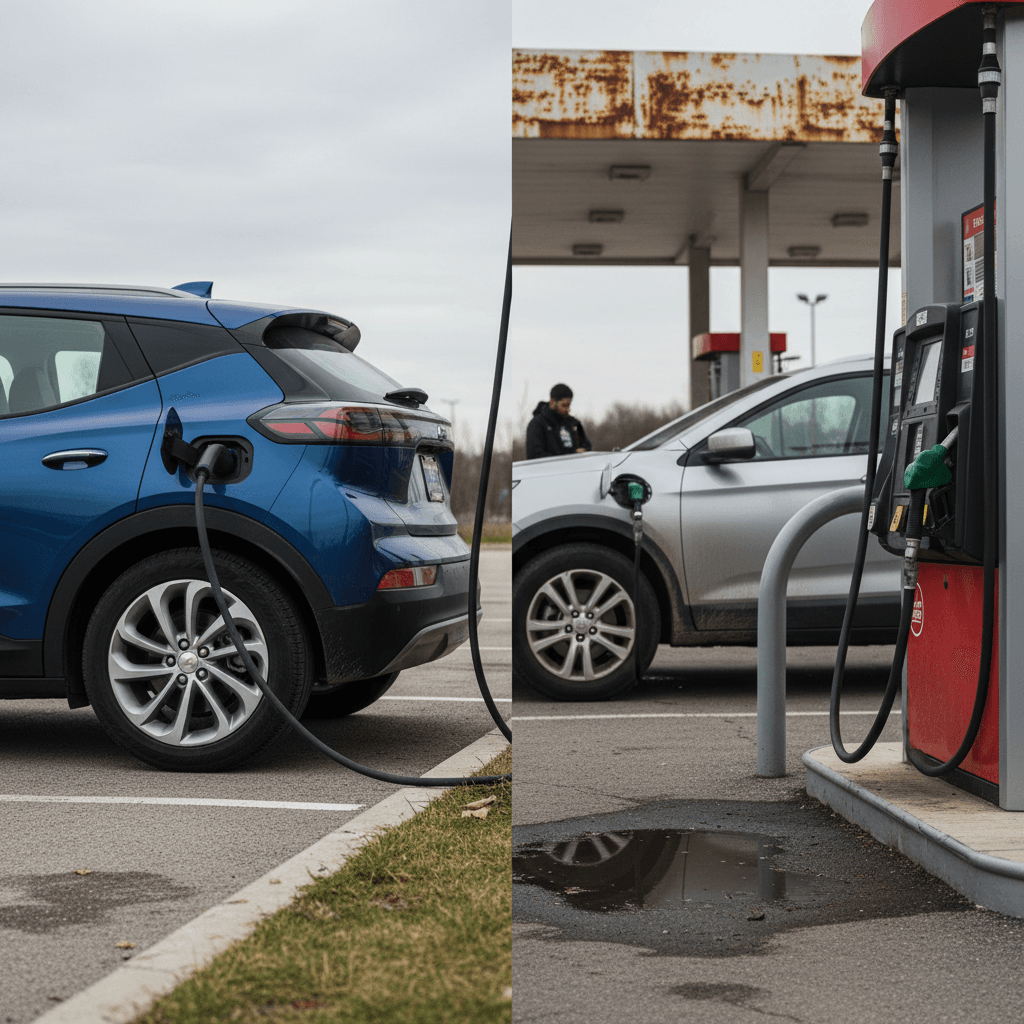
Fuel is where EVs usually shine. A compact gas SUV that averages 30 mpg at $3.50 per gallon costs about $0.12 per mile to fuel. A Bolt EUV running at 3.0 miles per kWh on home electricity at $0.15 per kWh costs about $0.05 per mile. That’s less than half the per‑mile fuel cost if you can charge mostly at home.
Illustrative Annual Fuel Costs at 12,000 Miles/Year
Heavy Fast-Charging Can Eat Into Savings
Stretch those numbers out over five years and 60,000 miles. Using the assumptions above, a gas SUV might burn roughly $7,000 in fuel; a Bolt EUV charged mostly at home might use around $3,000 in electricity. That’s a potential $4,000 in energy savings alone, before you factor in maintenance.
Maintenance, Repairs, and Tires
EVs like the Bolt EUV have far fewer moving parts than a gas car, no oil changes, no timing belts, no exhaust system, and far less strain on the brakes thanks to regenerative deceleration. Over several years, those differences show up as lower routine maintenance and fewer wear‑related repairs.
Routine Maintenance: Bolt EUV vs Gas Compact SUV
What you’re likely to see over 5 years and 60,000 miles
Chevrolet Bolt EUV
- No oil or transmission fluid changes
- Cabin air filter and brake fluid at intervals
- Brake pads often last much longer than in gas cars
- High-voltage battery typically requires no maintenance
Gas Compact SUV
- Regular oil and filter changes
- Transmission service depending on model
- More frequent brake pad and rotor replacement
- Additional components like exhaust and emissions systems
Don’t Forget Tires
Over five years, it’s reasonable to expect the Bolt EUV to save several hundred dollars, sometimes over a thousand, in routine maintenance compared with a gas compact SUV. Exact figures depend on the specific gas model, your driving style, and how closely you follow the maintenance schedule.
Insurance, Registration, and Fees
Insurance costs vary wildly by driver profile, location, and insurer. Some carriers charge a bit more for EVs because of higher body and electronics repair costs; others see them as lower‑risk because owners tend to drive fewer miles or more cautiously. In many markets, insurance differences between a Bolt EUV and a comparable gas SUV are modest, tens of dollars per month, not hundreds.
Where Costs May Go Up
- Insurance: Some carriers rate EVs slightly higher.
- EV-specific registration fees: A few states add extra EV fees to offset lost gas-tax revenue.
Where Costs May Go Down
- Emissions testing: Often not required for EVs.
- Local perks: Reduced tolls, HOV access, or discounted parking in some areas.
Get Quotes on Both Before You Decide
Depreciation and Resale Value
Depreciation, the value your vehicle loses over time, is the single biggest ownership cost most people never really see. EVs, including the Bolt EUV, tended to depreciate faster than gas vehicles in their early years as technology evolved quickly and incentives pushed new prices down. That’s challenging for first owners, but often a huge win for used EV buyers stepping in later.
- A new gas compact SUV might retain a slightly higher percentage of its value over 5 years.
- A used Bolt EUV that’s already taken its big first-owner depreciation hit can be a bargain, especially with strong battery health.
- As charging infrastructure and EV adoption grow, demand for efficient used EVs with good range is likely to increase, helping support resale values.
Battery Health Is the Swing Factor
Ready to find your next EV?
Browse VehiclesFive-Year Total Cost of Ownership: Bolt EUV vs Gas
Let’s pull the big pieces together. The table below uses the assumptions we’ve been discussing to show a simplified five‑year cost comparison. These aren’t promises or quotes, just directional numbers that mirror what many owners actually experience.
Illustrative 5-Year Ownership Costs (60,000 miles)
Approximate, rounded figures using national‑style averages for fuel and electricity.
| Cost Category | Bolt EUV (Used Purchase) | Gas Compact SUV (Used Purchase) |
|---|---|---|
| Purchase (net of incentives, est.) | $22,000 | $21,000 |
| Fuel / Energy | $3,000 | $7,000 |
| Maintenance & Repairs (routine) | $1,500 | $2,500 |
| Insurance & Fees (incremental EV/gas difference) | Roughly similar, varies by market | Roughly similar, varies by market |
| Estimated Value After 5 Years | $11,000 | $11,500 |
| Net Depreciation Cost | ≈ $11,000 | ≈ $9,500 |
| Approx. 5-Year Total Out-of-Pocket* | ≈ $15,500 (energy + maintenance + depreciation) | ≈ $19,000 (fuel + maintenance + depreciation) |
Your actual costs will vary by purchase price, incentives, driving style, and local energy prices.
How to Read This Table
Who Actually Saves the Most With a Bolt EUV?
Not everyone will see the same savings. The Bolt EUV’s total cost advantage over a gas equivalent grows or shrinks depending on how, and where, you use it.
Profiles That Benefit Most From a Bolt EUV
1. Home Chargers With Average or Lower Electricity Rates
If you can plug in at home overnight at a reasonable kWh rate, your energy costs per mile stay low and predictable.
2. Drivers Logging 12,000–15,000 Miles Per Year
The more you drive, the more chances you have to turn cheaper electricity into real dollars saved over gasoline.
3. Buyers Choosing a Well‑Priced Used Bolt EUV
Letting the first owner absorb the steepest depreciation can dramatically improve your total cost picture.
4. Commuters With Access to Workplace Charging
Subsidized or free workplace charging can cut your fueling costs to near-zero for weekday driving.
5. Owners in High-Gas-Price Regions
If local gas prices regularly outpace national averages, the EV’s fuel advantage becomes even more pronounced.
When a Gas SUV Might Still Pencil Out Better
Smart Tips for Shopping a Used Chevrolet Bolt EUV
If you’re leaning toward a Bolt EUV, especially on the used market, a little homework up front can protect your savings and your peace of mind.
Used Bolt EUV Checklist
Confirm Battery Health and Remaining Range
Look for objective battery diagnostics, not just an in-dash guess. A verified battery health report, like the Recharged Score, can reveal hidden degradation.
Review Charging History and Use
Frequent fast charging isn’t necessarily a deal-breaker, but understanding how the car was charged helps you judge long-term health.
Check Recall and Software Update Status
The Bolt family has had important battery‑related recalls and updates. Make sure any open campaigns have been completed.
Compare Total Cost vs a Gas Alternative
Don’t stop at the purchase price. Use realistic numbers for electricity, gas, and maintenance to compare 3–5 years of ownership.
Estimate Home Charging Setup Costs
If you need a Level 2 charger or a new 240‑volt circuit, get quotes before you buy so there are no surprises.
Lean on EV Specialists
Buying through an EV-focused marketplace like Recharged gives you access to advisors who live and breathe this math every day.
FAQ: Chevrolet Bolt EUV Total Cost vs a Gas Car
Frequently Asked Questions
Bottom Line: Is a Chevrolet Bolt EUV Cheaper Than a Gas Car?
When you zoom out beyond the window sticker, a Chevrolet Bolt EUV often costs less to own over several years than a comparable gas compact SUV. You’re trading gas bills and oil changes for lower‑cost electricity, simpler maintenance, and the satisfaction of driving electric. The math works best if you can charge at home, drive a typical or above‑average number of miles per year, and shop smart on the used market.
If you’re serious about running the numbers on a Bolt EUV vs a gas crossover, look for transparent data: verified battery health, realistic range, and market‑correct pricing. That’s exactly what a Recharged Score report is built to deliver, so you can buy with confidence, knowing you’ve done more than just compare pump prices to power bills.