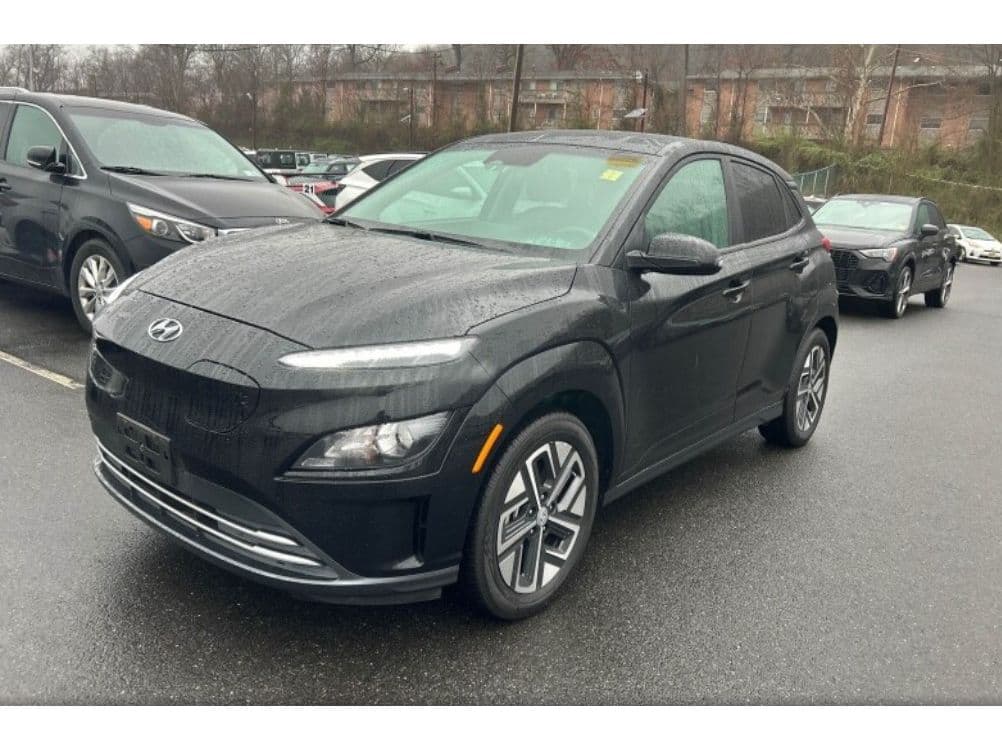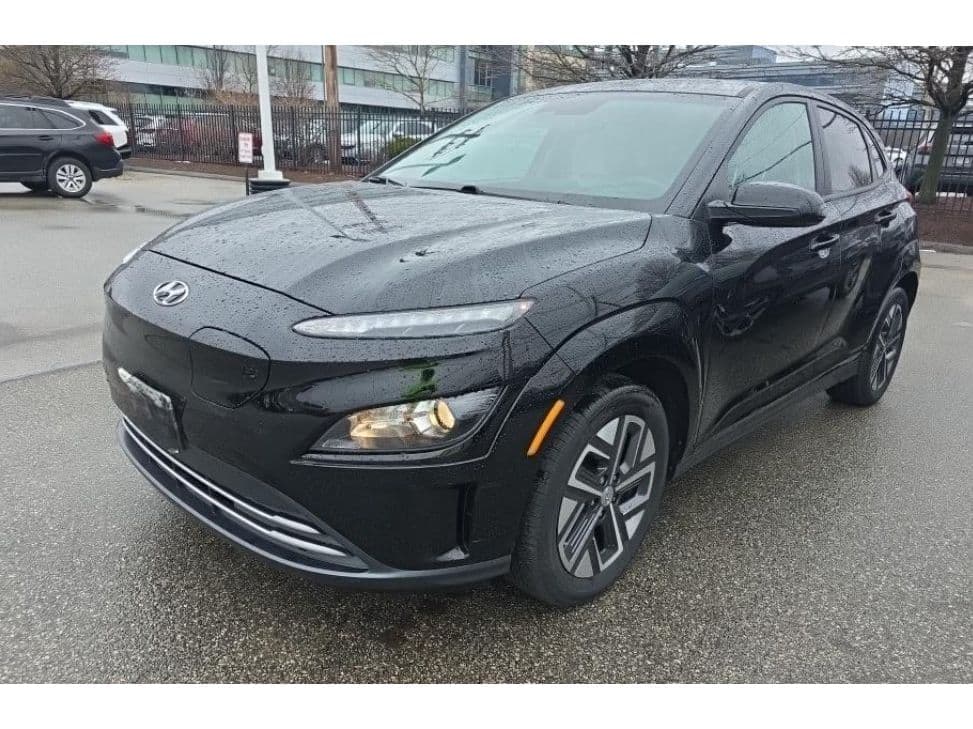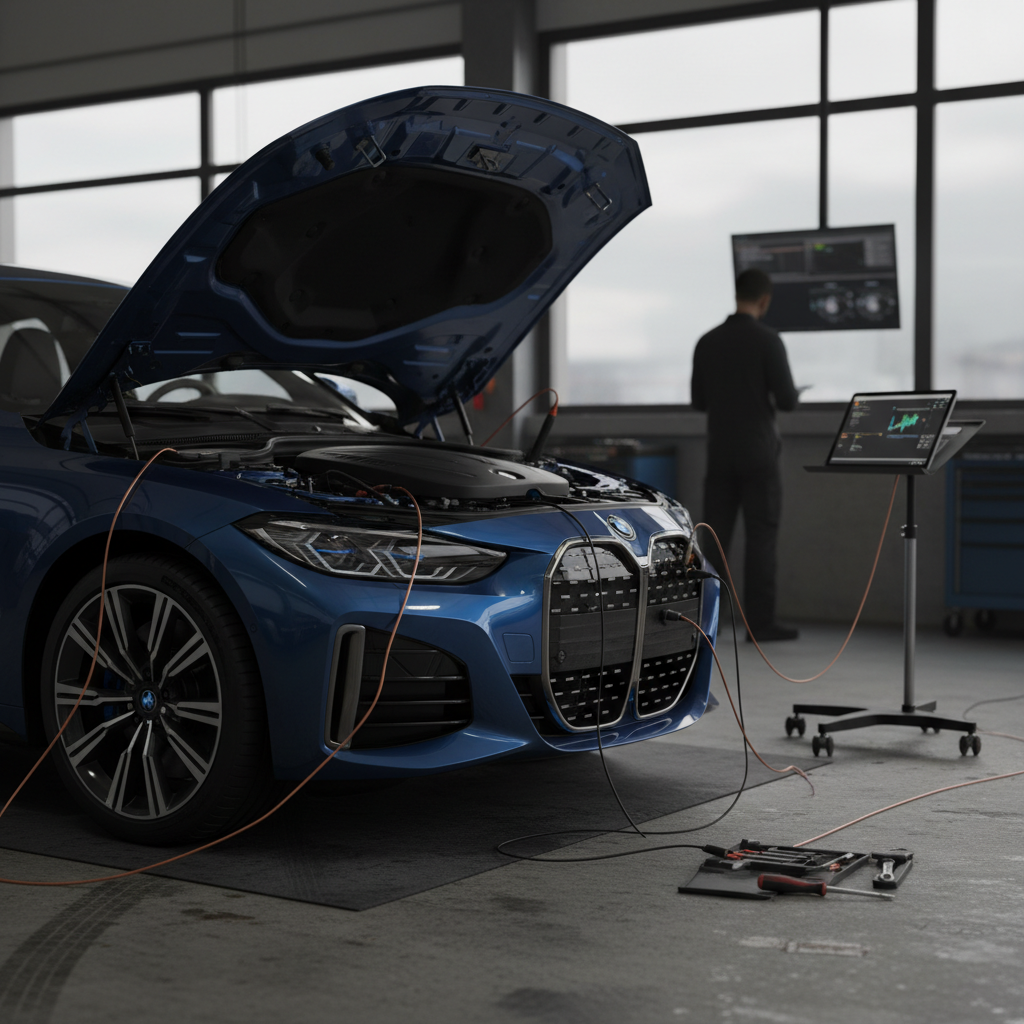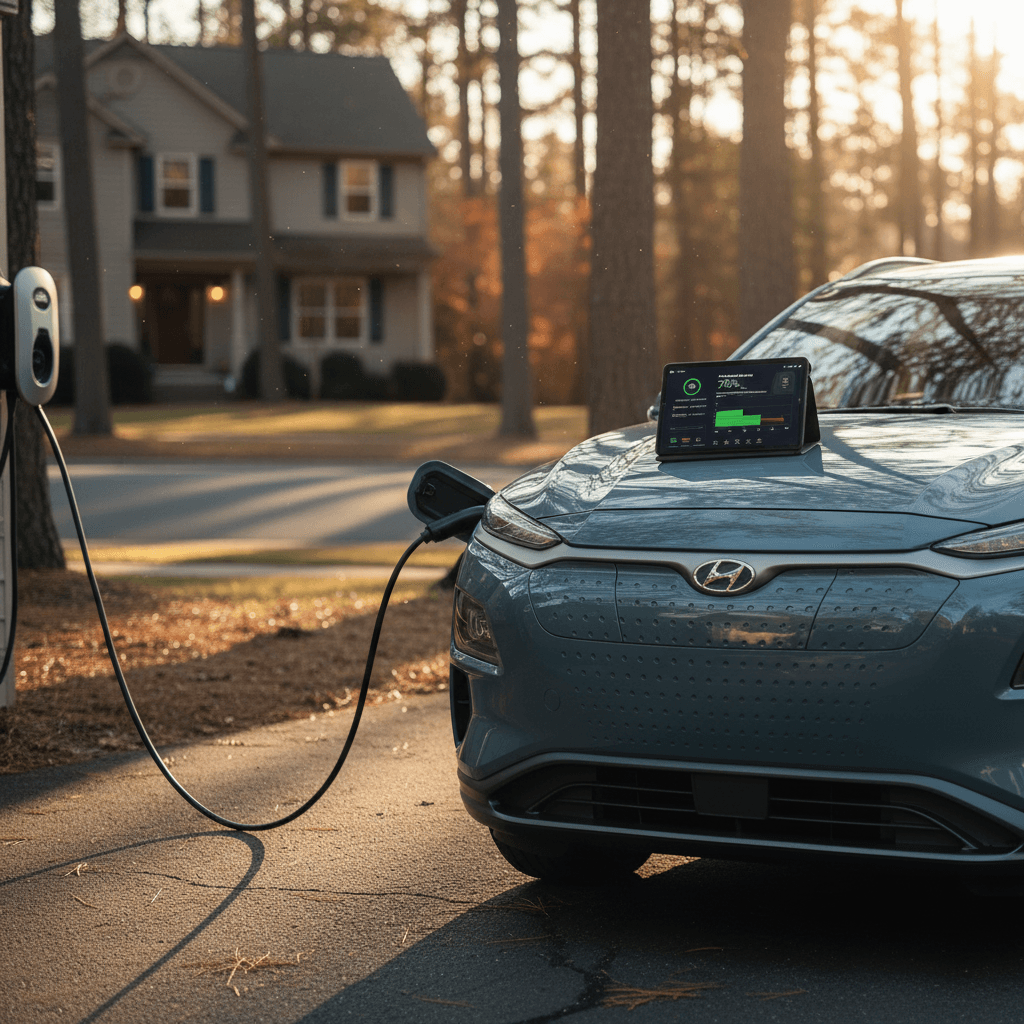
If you Google the 2023 Hyundai Kona Electric reliability rating, you’ll see a strange split personality. Some outlets paint it as one of the least reliable EVs on sale; owner-review sites show mostly happy drivers who’d buy theirs again. So which story is true if you’re considering a new-to-you 2023 Kona Electric?
Quick verdict
Overview: How reliable is the 2023 Kona Electric?
2023 Kona Electric reliability snapshot
If you zoom out, the 2023 Kona Electric lands in the “above-average but not bulletproof” bucket. Owner-review platforms like Kelley Blue Book show roughly a 3.9 out of 5 for reliability, with the majority of buyers saying they’d choose the car again. At the same time, predictive models and some headline-grabbing articles still treat the whole Kona EV line as radioactive because of older battery-fire recalls and motor issues on 2019–2020 cars.
Hyundai’s broader quality story is relevant too. The company consistently scores well in J.D. Power quality and dependability studies, and its EVs benefit from conservative engineering and long warranties. The Kona Electric inherited that DNA, but also some early-development scars that still echo in today’s reliability scores.
Mind the model year
Why reliability ratings for the 2023 Kona Electric disagree
Here’s where the confusion starts: different rating systems measure different things and slice time differently.
How major outlets see the 2023 Kona Electric
Same car, wildly different methodology
Consumer Reports & similar
Predicted reliability models have given the Kona line a below-average score, at one point around the low-40s out of 100 for the 2023 model year. Those models lean heavily on:
- Battery-fire recalls on 2019–2020 Kona EVs
- Powertrain and electronics complaints on early builds
- Hyundai brand-wide data
Owner-review platforms
Sites that rely on actual 2023 owners, KBB, SureCritic, various forums, tend to land in the 3–4 out of 5 range. That’s:
- Not Lexus-level bulletproof
- But not “worst EV on sale” either
- More complaints about tires and dealers than motors and batteries
Specialist EV reviewers
EV-focused outlets often separate early problem years from later ones and call the 2023 Kona Electric:
- Mechanically solid
- Range-competitive
- Held back by dealership support and dated charging tech
The punchline: when you read that the Kona Electric is “one of the least reliable EVs,” you’re usually looking at a blended score that punishes the whole nameplate for early problems it has mostly left behind. The 2023 car lives in the shadow of its 2019 self.
How to read the reliability rating
Owner reviews vs. lab scores: what real drivers report
Scroll through owner reviews for the 2023 Kona Electric and a pattern emerges. Most drivers talk about it the way you’d talk about a good coffee maker: you press the button, it works, it never makes the morning news. The complaints are real but localized, and they cluster around the same themes rather than widespread catastrophic failures.
- Many owners report trouble-free daily use for commuting and errands, with only routine maintenance and software updates.
- A vocal minority recount frustrating dealer experiences, especially when a warning light or charging issue requires an EV-trained tech.
- Early adopters of previous Kona EV years often weigh in on 2023 threads, which can make newer cars look worse than they are if you’re not watching model years closely.
- Quite a few reviews mention that the car is more reliable than expected but suffers from fast-wearing tires and a choppy ride, not from broken batteries.
"The 2023 Kona Electric is the EV equivalent of a good cast-iron pan. Not glamorous, but it does exactly what it says on the box and just keeps doing it."
Pay more attention to recent reviews
Common 2023 Kona Electric issues to know about
No EV is drama-free. The 2023 Kona Electric has a handful of recurring complaints, but they’re more “annoying” than “car-ending” in most cases. Here’s what shows up most often in owner reports and service bulletins.
Typical 2023 Kona Electric reliability complaints
How serious they are and what to ask about on a test drive
| Issue | How often it shows up | How serious it is | What to check |
|---|---|---|---|
| Fast tire wear | Common theme in owner reviews | Moderate cost issue | Inspect all four tires for even wear; many Kona Electrics chew through OEM rubber by 20–25k miles, especially if driven hard. |
| Lane-keeping & driver-assist quirks | Regular annoyance, not a failure | Low safety concern if disabled | Test the lane-keeping assist on a highway drive; some owners find it too aggressive or "ping-pongy" and simply turn it off. |
| Infotainment or digital dash glitches | Occasional | Low to moderate | Look for slow startups, frozen screens, or random reboots. Make sure all software updates and navigation firmware are current. |
| 12V battery issues | Reported across several Hyundai EVs | Moderate inconvenience | Ask if the 12V battery has been replaced. A weak one can strand the car even if the high-voltage pack is full. |
| Charge port / charging errors | Occasional in owner forums | Potentially serious but often fixable | Plug into Level 2 and, if possible, DC fast charge during your test drive. Watch for "Check electric vehicle system" warnings or failed charge sessions. |
| HVAC performance / heat pump in cold weather (where equipped) | Occasional | Comfort, not safety | Verify strong heating and cooling. In cold climates, ask about winter range and cabin warm-up time. |
Most problems are solvable; the key is knowing where to look.
Red-flag behaviors
Battery health, range, and Hyundai’s warranty safety net
For any EV, battery reliability is the whole ballgame. On that front, the 2023 Kona Electric looks reassuring. Hyundai’s earlier Kona EVs suffered a highly publicized battery-fire recall, but that campaign largely covered 2019–2020 model-year packs. Later cars, including 2023 U.S. models, benefited from updated cells and control software from the factory.
Real-world range stability
The 2023 Kona Electric’s rated range is roughly in the mid-250-mile ballpark, depending on trim and test cycle. Owner reports suggest that:
- Year 1–2 degradation is typically minor, especially if you don’t fast charge every day.
- The car can be quite efficient in city driving, often beating its rated miles per kWh.
- Cold weather knocks range down, just as it does with every EV in this class.
Hyundai’s EV warranty
In the U.S., Hyundai typically backs the Kona Electric with:
- 10-year/100,000-mile warranty on the high-voltage battery and electric-drive components.
- 5-year/60,000-mile basic limited warranty on the rest of the vehicle.
- Additional corrosion and roadside assistance coverage.
That long warranty has real financial value if you’re buying a 2–3‑year‑old car with plenty of term left.
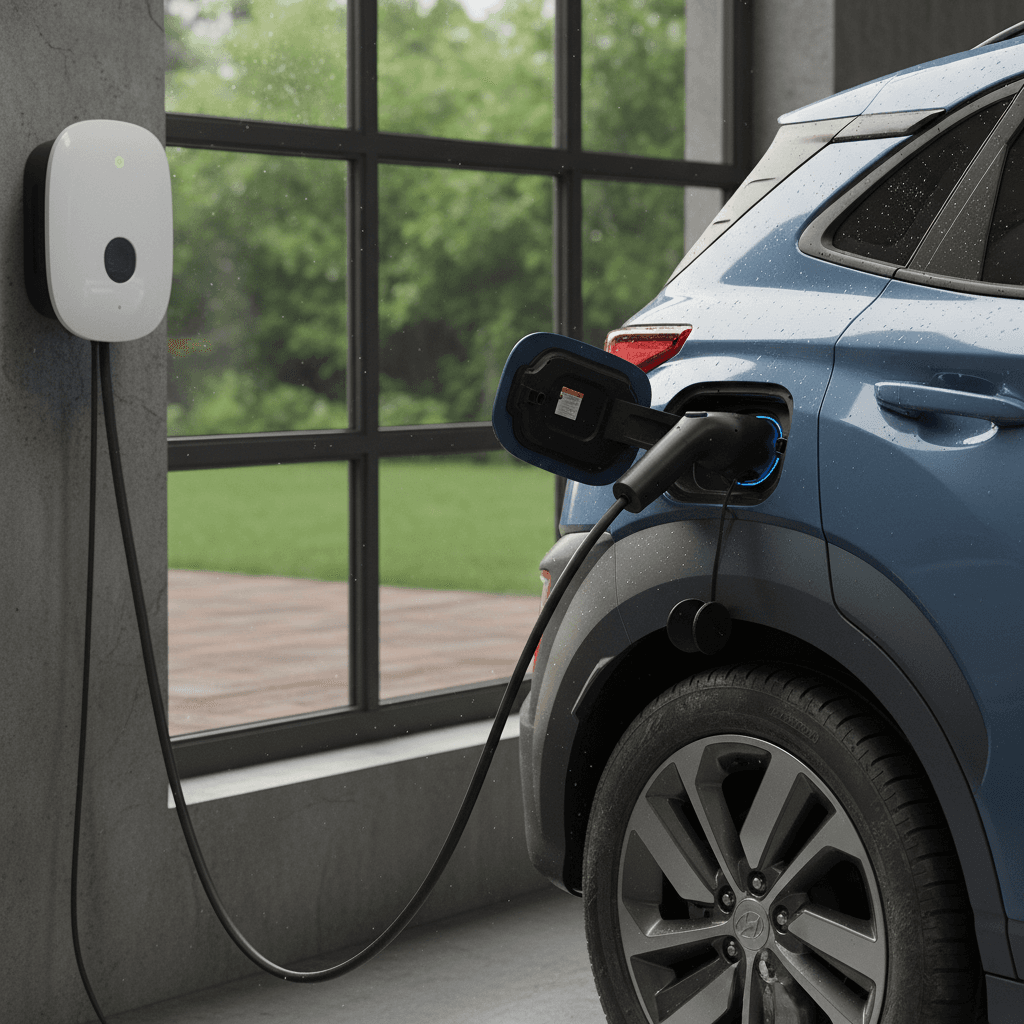
How to quickly sanity-check a Kona Electric battery
Recalls, software updates, and what’s changed since early Kona EVs
If you’re reliability shopping, it’s crucial to know that the really scary headlines, battery fires, parking-lot tow trucks, that sort of thing, were mostly tied to early-production Kona Electrics. Hyundai and its battery supplier reworked pack hardware and software, and many of those cars received full battery replacements under recall.
Recall and update checklist for a 2023 Kona Electric
1. Confirm recall completion by VIN
Run the VIN through the NHTSA site or a Hyundai dealer portal to confirm there are <strong>no open recalls</strong>, especially related to the high-voltage battery and power electronics.
2. Ask for dealer service history
Request a printout or PDF of dealer visits. You’re looking for <strong>software updates</strong> to the battery management system, inverter, and DC charging, plus any warranty repairs.
3. Verify charging updates
Later software versions can improve charging stability and reduce error codes. On a test drive, plug into at least one public Level 2 and, ideally, a DC fast charger to see how the car behaves.
4. Check for international campaigns
If you’re near the Canadian border or shopping an imported vehicle, verify that any <strong>market-specific safety campaigns</strong> were also addressed.
5. Inspect for dealer-installed add-ons
Look for poorly installed trackers, remote-start kits, or aftermarket alarms tied into the 12V system. Sloppy wiring can masquerade as “EV reliability” when it’s really accessory trouble.
Good news for 2023 shoppers
What it costs when something breaks
Reliability isn’t just about how often something fails; it’s about how painful and expensive it is when it does. On that front, the 2023 Kona Electric is a bit of a mixed bag.
Where the Kona Electric is cheap to own
- No engine oil, spark plugs, or exhaust system to service.
- Brake wear is usually low thanks to strong regenerative braking.
- Electric motors themselves are simple and, so far, fairly robust on 2022–2023 models.
- Hyundai’s long EV warranty can knock the sting out of big-ticket failures during coverage.
Where costs can spike
- Out-of-warranty DC fast-charging hardware, inverters, or onboard chargers can be expensive to replace.
- Dealer labor rates for EV diagnostics are high, especially if parts are backordered.
- Fast-wearing tires and alignment work can add up if you drive aggressively.
- If you’re unlucky enough to need a full battery pack outside warranty, you’re into five-figure territory, though that’s still rare on 2023 cars.
Leverage the remaining warranty
Shopping for a used 2023 Kona Electric: reliability checklist
If you’re hunting the used market, you’re walking into the middle of the story. The good news: a carefully chosen 2023 Kona Electric can be a very sensible, low-running-cost EV. Here’s how to find the right one and dodge the dice rolls.
Used 2023 Kona Electric reliability checklist
1. Start with battery health data
Ask for a <strong>battery health report</strong>, not just an estimated range screenshot. At Recharged, every Kona Electric comes with a Recharged Score that quantifies remaining battery capacity and flags abnormal degradation.
2. Examine tires and suspension
Uneven tire wear, especially on the inside edges, can point to <strong>alignment or suspension issues</strong>. Factor new tires into your budget if tread is thin or cupped.
3. Test all charging modes
At minimum, test Level 2 at home or a public station. Ideally, test a DC fast charge as well. You’re looking for stable charging with no warning lights or aborted sessions.
4. Stress-test electronics
Cycle the infotainment screen, digital instrument cluster, cameras, parking sensors, and driver-assistance features. Glitches now may worsen later and can be labor-intensive to diagnose.
5. Check for water intrusion
Inspect the cargo floor, charge port area, and under-door weather stripping for signs of <strong>water leaks</strong>. EVs don’t like moisture in high-voltage areas.
6. Review ownership history
Single-owner, private-use cars with complete service records are generally safer bets than ex-fleet vehicles that saw hard, high-mileage use in a short time.
Avoid sight-unseen gambles
How Recharged evaluates a 2023 Kona Electric before listing it
Because the 2023 Kona Electric lives in that gray zone between grim predictions and mostly-happy owners, the way you inspect a specific car matters more than any single score. At Recharged, the goal is to take that uncertainty off your plate.
Our reliability playbook for the 2023 Kona Electric
From battery health to fair pricing
Deep battery diagnostics
We don’t stop at a dashboard guess. Every Kona Electric gets a Recharged Score battery health test that measures usable capacity, charging behavior, and pack temperature trends, so you can compare cars apples to apples.
VIN, recall & service audit
We pull VIN history to confirm:
- All major recalls are closed
- Key software updates are installed
- There’s no record of repeated "check EV system" complaints.
Fair-market pricing
Because the Kona Electric’s reputation is muddled, prices can be all over the map. We benchmark each car’s condition, mileage, battery health and warranty status to set transparent, fair-market pricing, not just a guess based on gas Kona values.
On top of that, Recharged can help you with financing, trade-in or consignment of your current car, and nationwide delivery from our digital showroom or the Recharged Experience Center in Richmond, VA. The idea is simple: you should know more about a used EV’s reliability going in than the first owner ever did.
2023 Hyundai Kona Electric reliability FAQ
Frequently asked questions about 2023 Kona Electric reliability
The 2023 Hyundai Kona Electric has a PR problem more than a parts problem. Its reliability rating is weighed down by the sins of earlier model years, yet most 2023 owners are quietly racking up miles without drama. If you pair that reality with Hyundai’s long EV warranty and a rigorous pre-purchase inspection, especially of the battery and charging system, you can end up with a compact electric SUV that’s frugal, practical, and more dependable than the internet rumor mill would have you believe. And if you’d rather not decode all that data yourself, browsing Kona Electrics that already carry a Recharged Score report is a straightforward way to turn "Is this one of the bad ones?" into a confident yes-or-no answer.