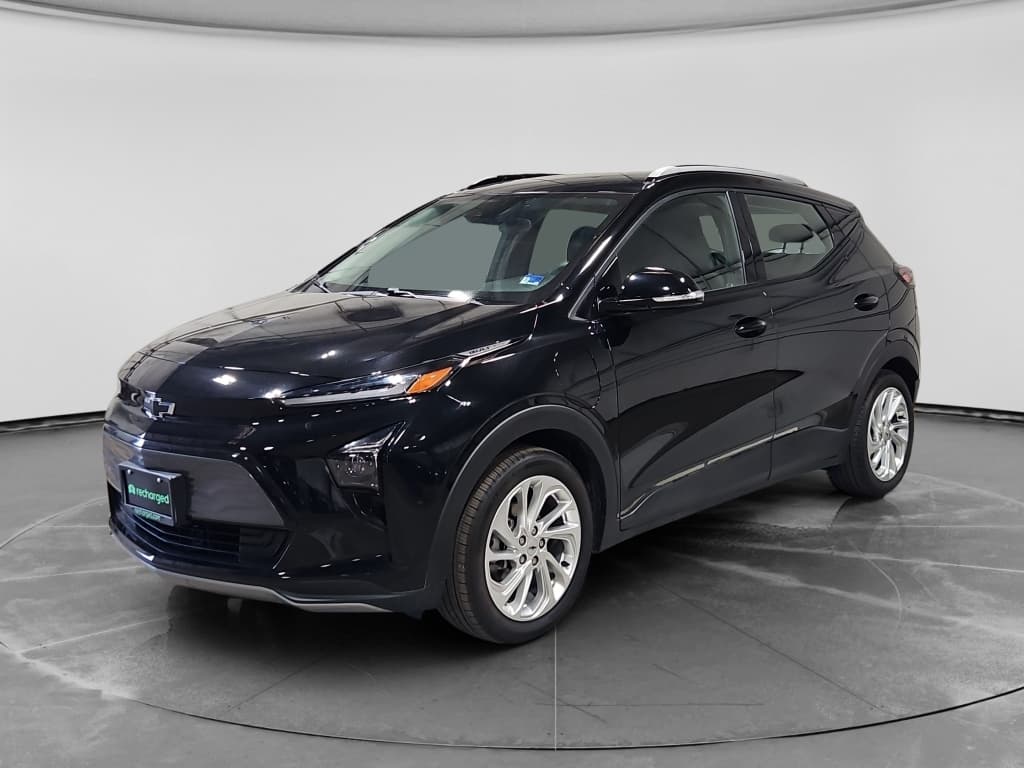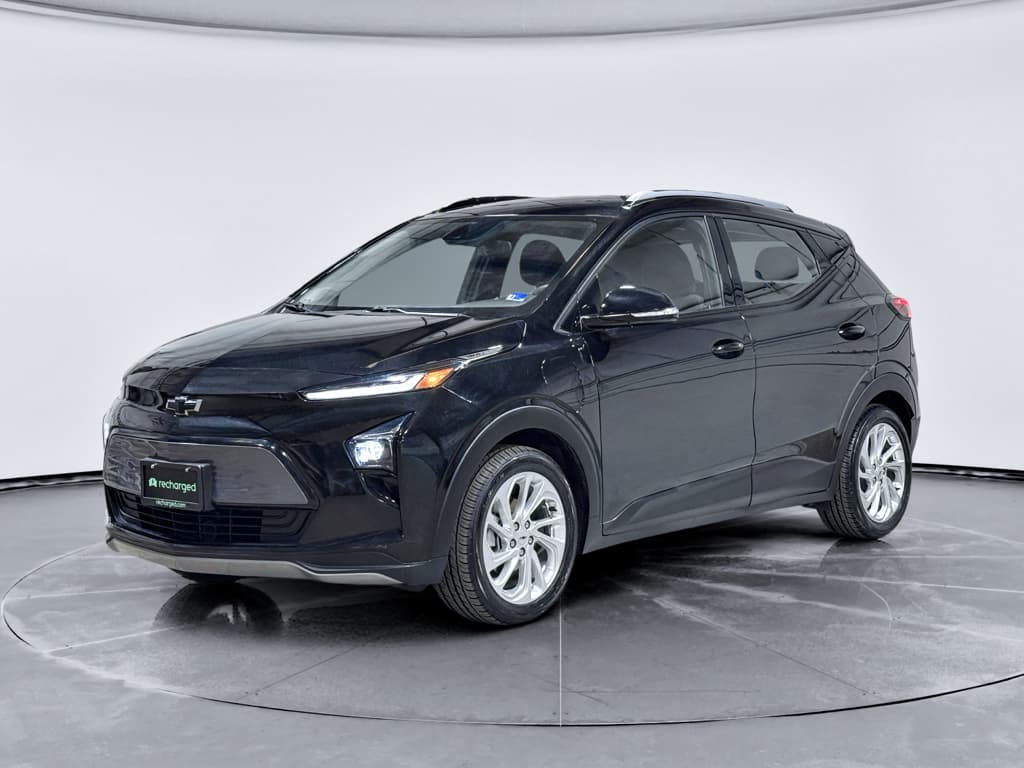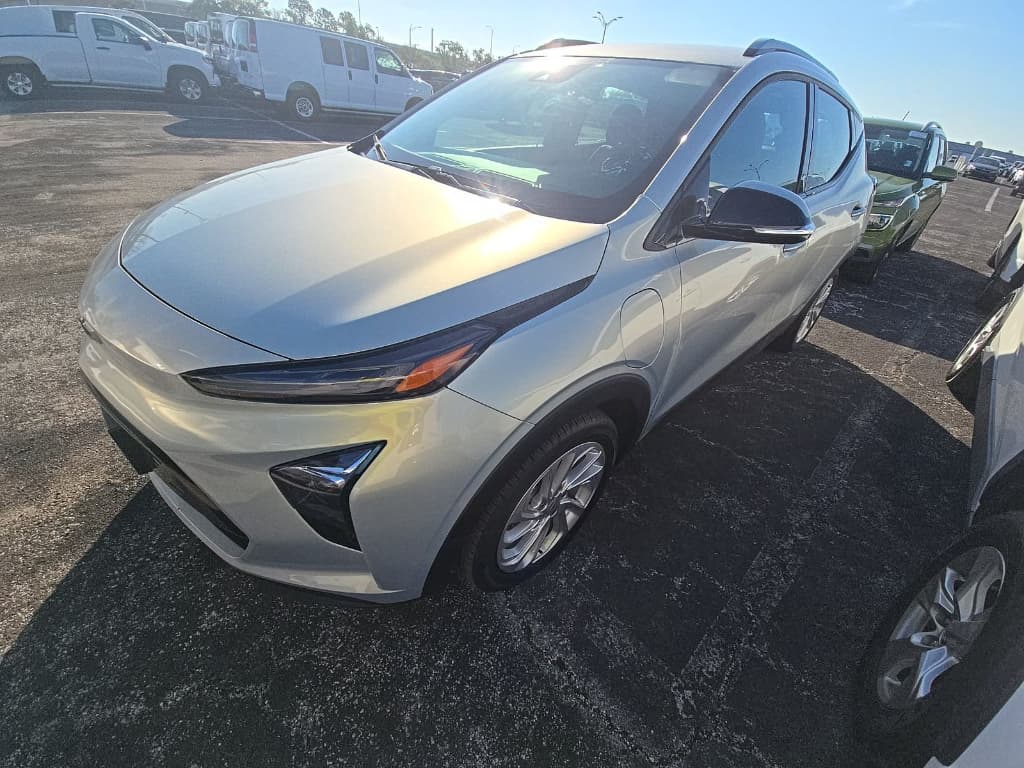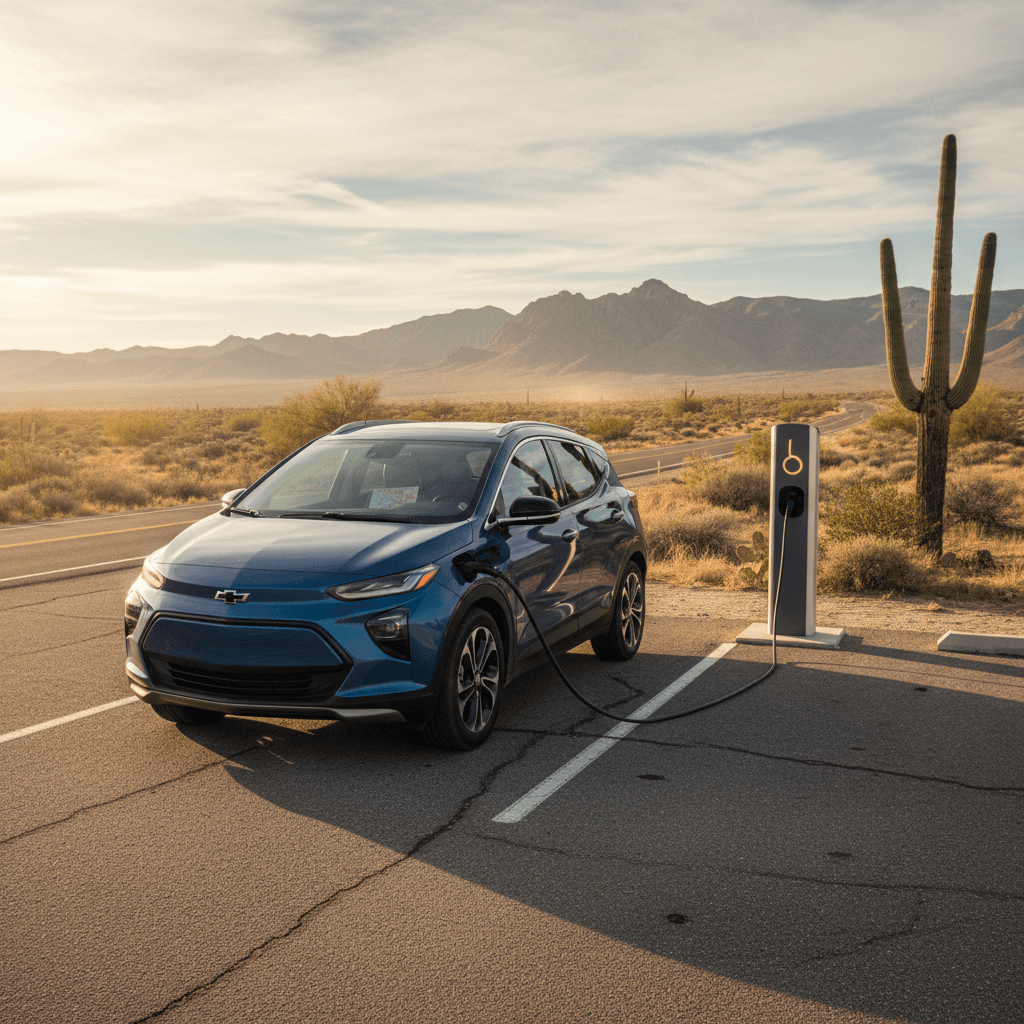
If you’re eyeing a **Chevrolet Bolt EUV** as an affordable electric road-trip companion, you’re asking the right questions. On paper, the Bolt EUV’s 247‑mile EPA range and DC fast charging look solid. In practice, a **Chevrolet Bolt EUV road trip review** is all about what happens between the spec sheet and the reality of 55 kW fast charging, winter weather, and sometimes-flaky CCS networks.
Who this review is for
Chevrolet Bolt EUV road trip overview
What the Bolt EUV does well
- Strong range value for the price: 247 miles EPA on a 65 kWh pack is still competitive.
- Efficient: real‑world road-trip consumption often sits around 3.0–3.5 mi/kWh with reasonable driving.
- Comfortably sized: more rear legroom than the Bolt EV, easy to park, good visibility.
- Standard DC fast charging on all trims (CCS), plus 11.5 kW Level 2 onboard charger for quick overnight top‑ups.
Where it falls behind newer EVs
- Slow DC fast charging: peak ~55 kW, with averages closer to low‑40s over a full 10–80% session.
- No native NACS/Tesla port: you’ll rely on CCS networks or a third‑party adapter as those mature.
- Limited cargo width and no frunk: fine for couples, tighter for a family of four with gear.
- Legacy platform: GM’s next‑gen Bolt (coming later this decade) will charge much faster and support NACS out of the box.
Chevy Bolt EUV: road trip numbers that matter
If you’re used to gas cars or newer 150–250 kW EVs, the Bolt EUV’s **fast‑charging curve** is the single biggest adjustment. You’ll be stopping a bit more often and for longer, but careful planning can keep those stops aligned with meals and rest breaks so the overall experience still works.
Key Chevy Bolt EUV specs that matter on a road trip
Chevrolet Bolt EUV road trip–relevant specs
Core specs for the 2022–2023 Bolt EUV that directly affect long‑distance usability.
| Spec | Bolt EUV Value | Why it matters on trips |
|---|---|---|
| Battery (usable approx.) | ≈65 kWh | Defines total energy; combined with efficiency it sets your realistic leg length. |
| EPA range | 247 miles | Baseline expectation in mild conditions; highway and weather will move this up or down. |
| Onboard AC charger | 11.5 kW Level 2 | Allows true overnight 0–100% at many hotels or destinations in 7–9 hours. |
| DC fast charge standard | Yes, CCS up to ~55 kW | Enables corridor travel, but at slower speeds than newer EVs. |
| Drive layout | FWD, 200 hp | Confident enough for interstate merges and mountain grades, even when loaded. |
| Efficiency | Roughly 3.0–3.5 mi/kWh highway | High efficiency means more miles from a modest pack compared with many larger SUVs. |
Specs vary slightly by trim, but the road-trip story is consistent across all Bolt EUV models.
Don’t obsess over 0–100%
Real-world Chevrolet Bolt EUV range on a road trip
The EPA says **247 miles** on a full charge for the Bolt EUV. That’s useful as a ceiling, but your **real‑world highway range** depends heavily on speed, temperature, terrain, and how much you load the car. The good news: the Bolt platform is among the more efficient EVs on sale, so you’re squeezing a lot of miles from each kilowatt‑hour.
Bolt EUV highway range scenarios
What you can realistically expect on a full charge in different conditions
Easy mode: 65–70 mph, mild weather
Conditions: ~70°F, light wind, relatively flat, 2 passengers, light luggage.
- Efficiency: ≈3.3–3.6 mi/kWh
- Estimated range: ~215–235 miles from 100% to near‑empty
- Comfortable planning: 170–190 miles between 10–80%
Realistic U.S. interstate: 70–75 mph
Conditions: Typical highway speeds, mix of grades, A/C on.
- Efficiency: ≈2.8–3.2 mi/kWh
- Estimated range: ~190–210 miles 0–100%
- Comfortable planning: 150–175 miles per leg
Hard mode: cold or very hot weather
Conditions: Below ~40°F with heater, or 95°F+ with strong A/C; headwinds or mountains.
- Efficiency: ≈2.2–2.7 mi/kWh (or less in deep winter)
- Estimated range: ~150–180 miles 0–100%
- Comfortable planning: 110–140 miles per leg
Watch winter trips carefully
On a well‑planned day in mild weather, it’s entirely reasonable to string together **500–700 miles** in a Bolt EUV. Your pace, though, will reflect those shorter legs and slightly longer charge stops than the latest big‑battery crossovers.
DC fast charging in a Bolt EUV: what it really feels like
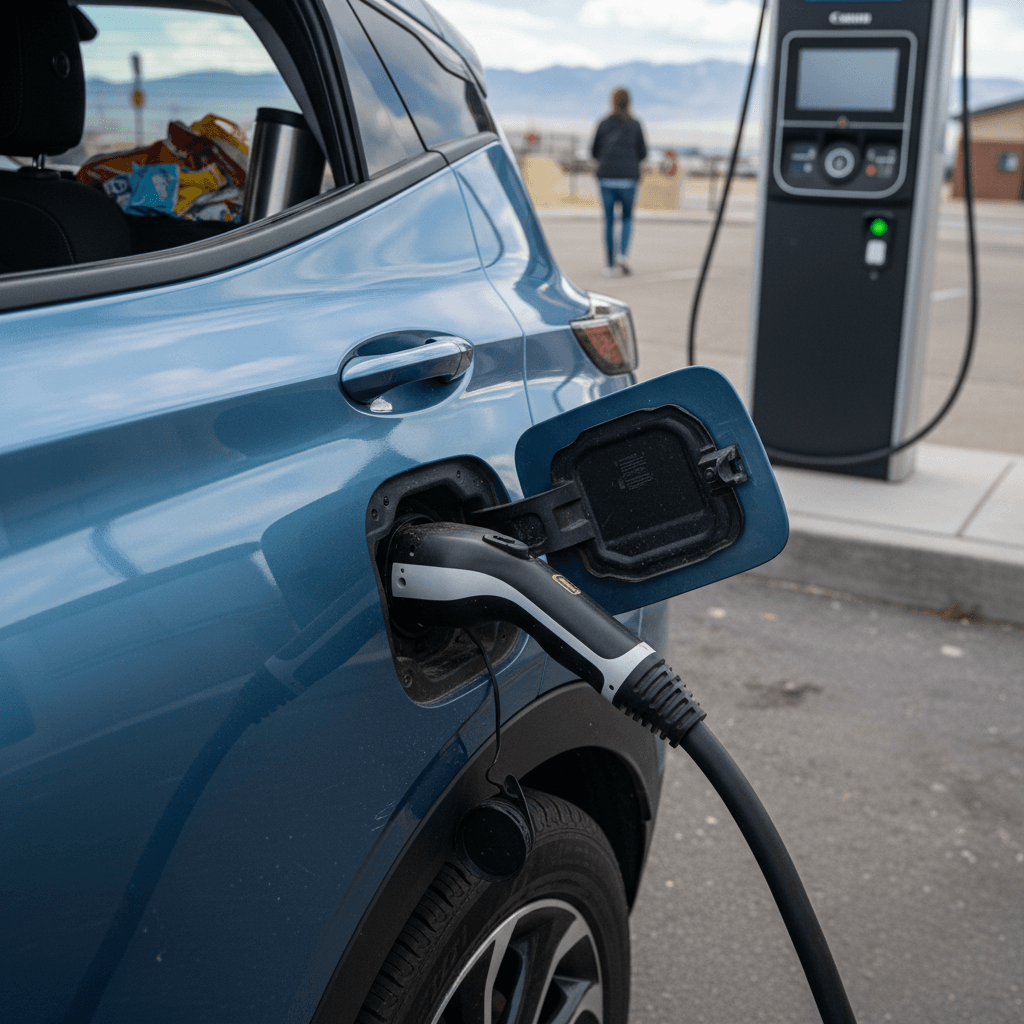
On paper, the Bolt EUV supports DC fast charging up to about **55 kW** on CCS. In practice, owners and independent tests consistently see peak rates in the 50–55 kW range around 20–40% state of charge, with averages in the low‑40s kW over a full 10–80% session when the battery and charger are both happy.
Typical Chevy Bolt EUV DC fast charging times
Approximate times on a healthy 62.5–150 kW CCS fast charger at moderate temperatures, starting with a warm battery.
| State-of-charge window | Time at DC fast charger | Approx. miles added |
|---|---|---|
| 10% → 50% | ≈25–30 minutes | ~120–140 miles in mild weather |
| 10% → 80% | ≈60–75 minutes | ~170–190 miles in mild weather |
| 20% → 80% | ≈50–60 minutes | ~140–170 miles in mild weather |
These are ballpark planning numbers, not guarantees, always allow extra margin for slow stations or bad weather.
Bolt EUV vs. newer fast‑charging EVs
- Peak speeds happen when the pack is relatively low (often 10–40% SOC).
- Charging power tapers noticeably as you pass ~55–60% SOC, and more after ~70%.
- Above ~80%, speeds drop enough that it’s usually smarter to unplug and drive.
- Cold batteries and shared stations can further limit you into the 20s or 30s kW until things warm up or the load eases.
Time your stops, not just your SOC
Highway comfort and driving experience
A road‑trip EV isn’t just a battery and a charge curve. The **Bolt EUV’s driving experience** is closer to a tall compact hatch than a big SUV, which is a plus for city maneuverability and efficiency, but worth understanding if you’re coming from a large crossover or minivan.
Comfort and usability on long drives
Where the Bolt EUV feels strong, and where it shows its price point
Ride, noise, and seats
- Ride quality: Firm but controlled. Rough pavement is noticeable, but not punishing.
- Noise: Cabin is quieter than many economy cars but not luxury‑grade; wind and tire noise show up above 70 mph.
- Seats: The 2022+ redesign improved comfort over early Bolt EVs, but larger drivers may still find them narrow on all‑day slogs.
Space, visibility, and tech
- Rear seat: Noticeably better legroom than the Bolt EV; two adults fit fine, three in a pinch.
- Cargo: Enough for a couple plus luggage; road‑trip families may need to pack strategically or use a cargo box.
- Tech: Crisp central touchscreen, wireless CarPlay/Android Auto, and available adaptive cruise and Super Cruise (on certain trims) reduce fatigue.
One‑pedal driving is a road‑trip asset
Route planning strategies that make the Bolt EUV shine
Because the Bolt EUV’s fast‑charging is on the slower side, **good planning turns it from a liability into a manageable quirk**. You’re optimizing for corridor coverage and station reliability at least as much as pure speed.
How to plan a smooth Bolt EUV road trip
1. Aim for 120–170 mile legs
Start with conservative legs between 10–15% and ~70–80% SOC, then adjust based on real‑time efficiency. Shorter legs are fine if that keeps you on higher‑quality chargers.
2. Prioritize reliable stations over raw kW
A rock‑solid 62.5 kW charger that actually delivers 40–50 kW is better than a flaky “350 kW” unit that repeatedly faults or derates to 20 kW.
3. Charge early in sparse corridors
In rural areas or at night, don’t blow past a good CCS site at 30% hoping for a better one 80 miles down the road. Top up where you know it works.
4. Use hotel Level 2 to reset
A 7–11 kW Level 2 at a hotel or rental can take you back to 80–100% overnight. That’s the cheapest, least stressful energy you’ll buy all trip.
5. Watch elevation and weather
Long climbs, headwinds, and winter temps all hit the Bolt’s small pack harder than a big‑battery SUV. If a leg looks marginal in the planner, add a buffer stop or slow down.
6. Keep SOC in the fast‑charging “sweet spot”
Try to arrive in the 10–25% range and depart before 80%. It feels conservative, but it actually shortens your total charging time over the day.
Use multiple planning tools
When the Chevrolet Bolt EUV isn’t the right road trip EV
For the right driver and budget, the Bolt EUV is a perfectly workable road‑trip car. But it’s not the universal answer. There are use cases where its **slow DC fast charging and modest pack size** become real constraints rather than interesting quirks.
- You routinely drive 600–800 miles in a single day and want to minimize total travel time, not just cost.
- You live in a CCS desert where reliable DC fast charging is sparse and far between.
- You tow, haul heavy loads, or need a lot of cargo volume for family road‑trip duty.
- You’re sensitive to longer charge stops or don’t want to do much advance planning.
Don’t buy a Bolt EUV assuming Tesla‑like charging
Buying a used Bolt EUV for road trips: what to look for
The upside to the Bolt EUV’s charging compromises is simple: **they’re cheap to buy relative to their range and equipment**. That makes them one of the best values in the used EV market if you understand what you’re getting. For road‑trip duty, though, you’ll want to make sure the specific car you’re considering is up to the task.
Road-trip checklist for a used Chevrolet Bolt EUV
Focus on battery health, charging behavior, and comfort before you sign
Battery health & range
- Check real‑world range at 100% in moderate weather; does it roughly align with expectations?
- Look for a battery health report like the Recharged Score that estimates remaining capacity.
- Confirm any recall battery replacements were done with proper documentation.
Charging hardware
- Test DC fast charging if possible: does it ramp into the 40–55 kW range when warm and low on SOC?
- Verify the CCS inlet and cable latch smoothly and show no damage.
- Ensure the included Level 1/2 charge cord is present and functional.
Comfort and practicality
- Do at least a 30–45 minute highway test drive to evaluate seat comfort and noise.
- Try your usual luggage or travel gear in the cargo area.
- Confirm driver‑assist features (adaptive cruise, lane‑keep, Super Cruise if equipped) work as advertised.
How Recharged can help
Ready to find your next EV?
Browse VehiclesFAQ: Chevrolet Bolt EUV road trips
Common questions about road‑tripping in a Chevy Bolt EUV
Bottom line: Chevrolet Bolt EUV road trip verdict
Viewed through the lens of a modern 150–250 kW EV, the **Chevrolet Bolt EUV** is clearly not a fast‑charging road warrior. What it is, however, is one of the best **value propositions** in the used EV market for drivers who are willing to plan a little and travel at a more human pace. Its combination of efficiency, usable range, compact size, and reasonable comfort make it fully capable of serious road‑trip duty, as long as you understand that 10–80% will usually take an hour, not 20 minutes.
If your ideal road trip is sprinting 800 miles a day with minimal stopping, you should probably shop for a larger, faster‑charging EV. But if your reality is **300–600 mile days**, a mix of interstate and secondary highways, and you like the idea of saving thousands of dollars up front in exchange for slightly longer breaks, the Bolt EUV deserves a serious look. And if you’re evaluating a used example, working with a retailer that provides **transparent battery health data and expert route‑planning help**, like Recharged, can turn those first big electric road trips from stressful experiments into something close to effortless.