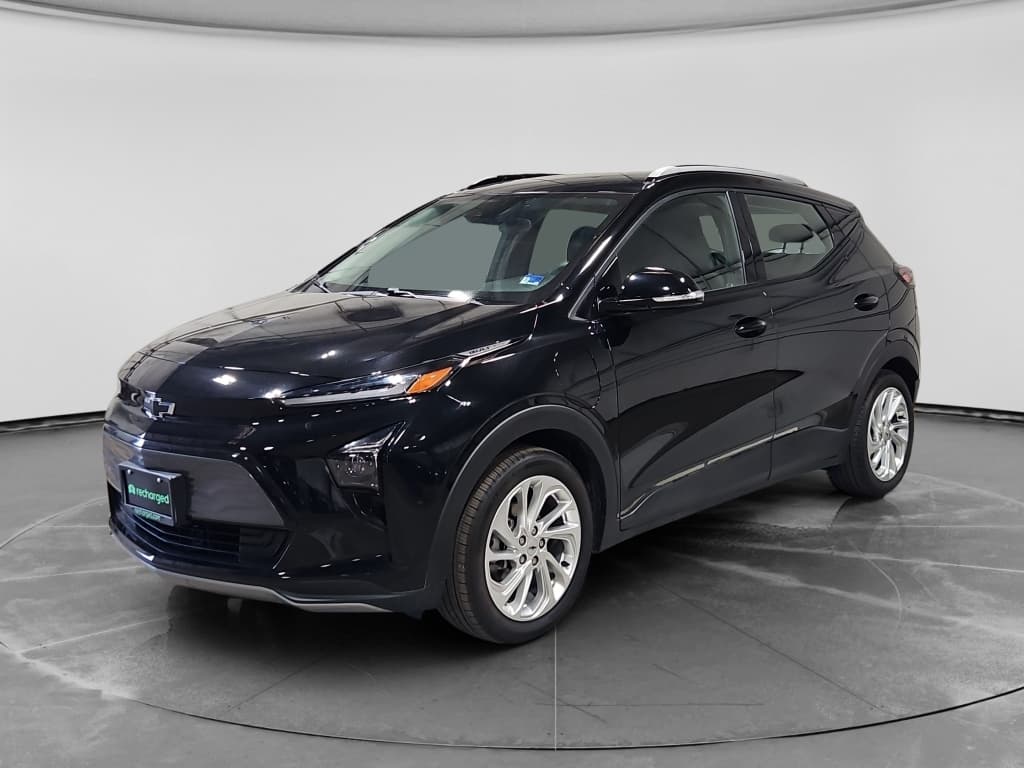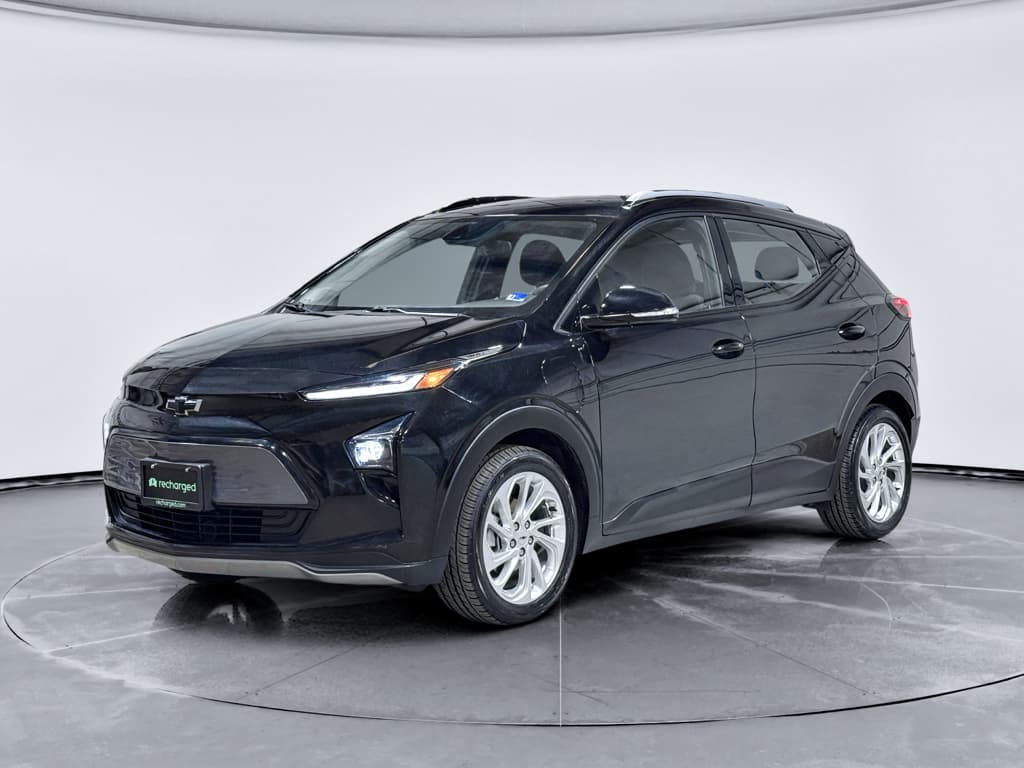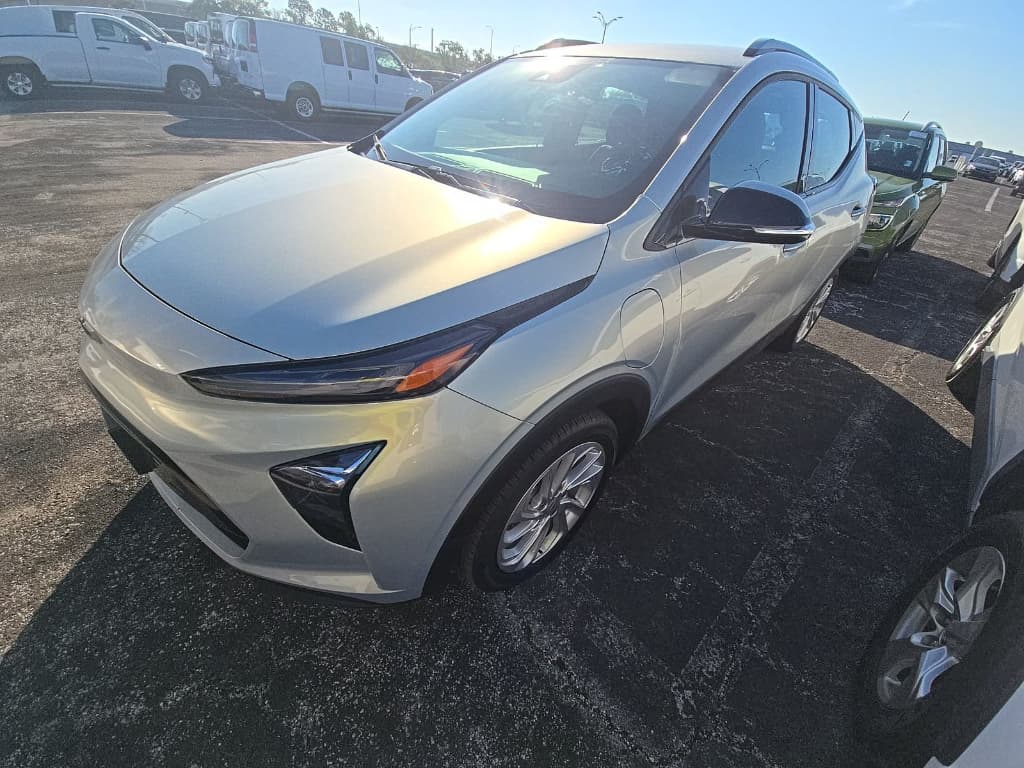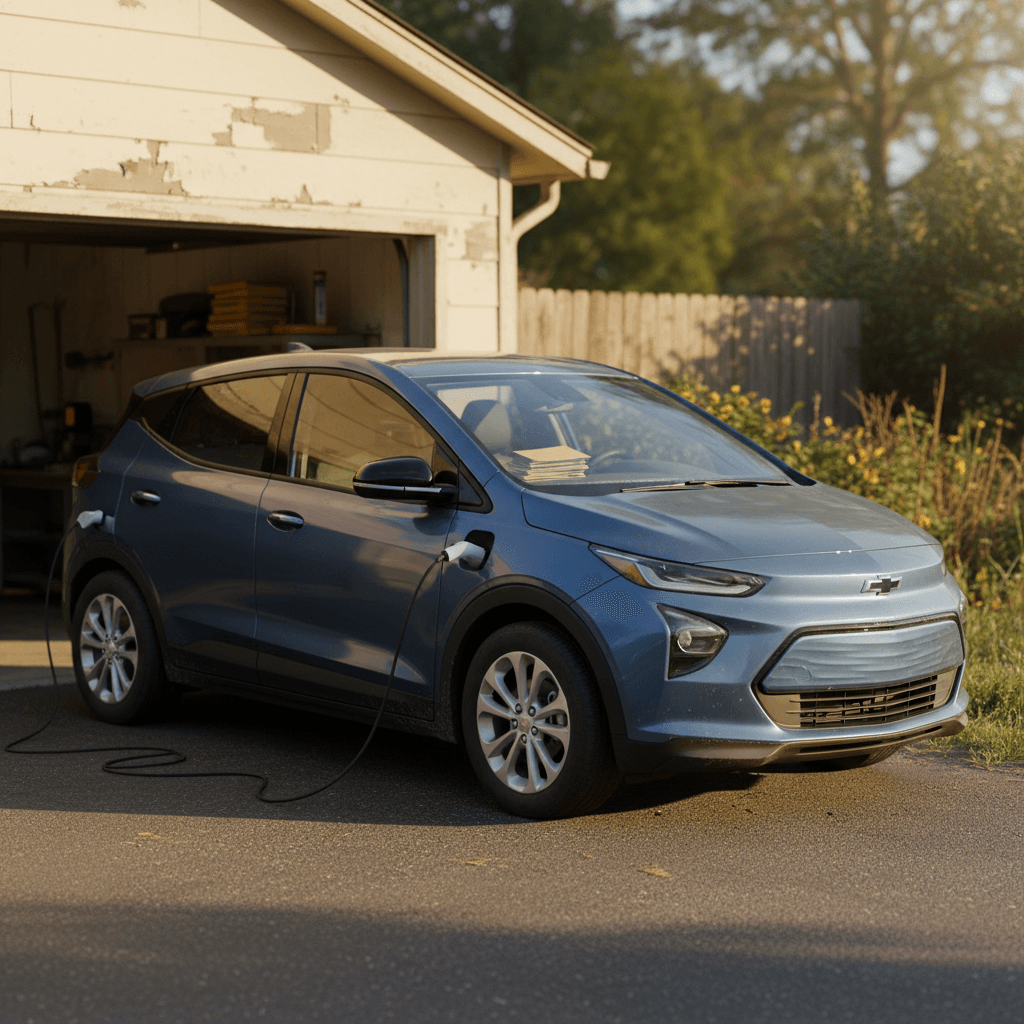
If you’re hunting for the **best cheap electric car in 2026**, the Chevrolet Bolt EUV keeps popping up, and for good reason. This long‑term review of the Chevrolet Bolt EUV looks past the window sticker and press photos to focus on what really matters years down the road: **battery life, real‑world range, charging pain points, reliability, safety, and total ownership cost**.
Who this long‑term Bolt EUV review is for
Chevy Bolt EUV basics, and what changed by 2026
The **Chevrolet Bolt EUV** is the slightly longer, more SUV‑ish sibling of the original Bolt EV. Built on GM’s BEV2 platform, the EUV launched for the 2022 model year with a 65 kWh battery, a single front motor, and an EPA‑rated **247–259 miles of range** depending on trim and wheel size. It stayed in production through 2023 and 2024, with some inventory and fleet‑focused 2025s before GM pivoted to an Ultium‑based successor.
- Front‑wheel drive only, ~200 hp and 266 lb‑ft of torque
- 65 kWh lithium‑ion battery pack (post‑recall chemistry)
- EPA range roughly 250 miles when new
- DC fast‑charging peak around 55 kW (slow by 2026 standards)
- Available Super Cruise hands‑free driving on certain trims
- Compact crossover footprint with a roomy rear seat compared with the Bolt EV
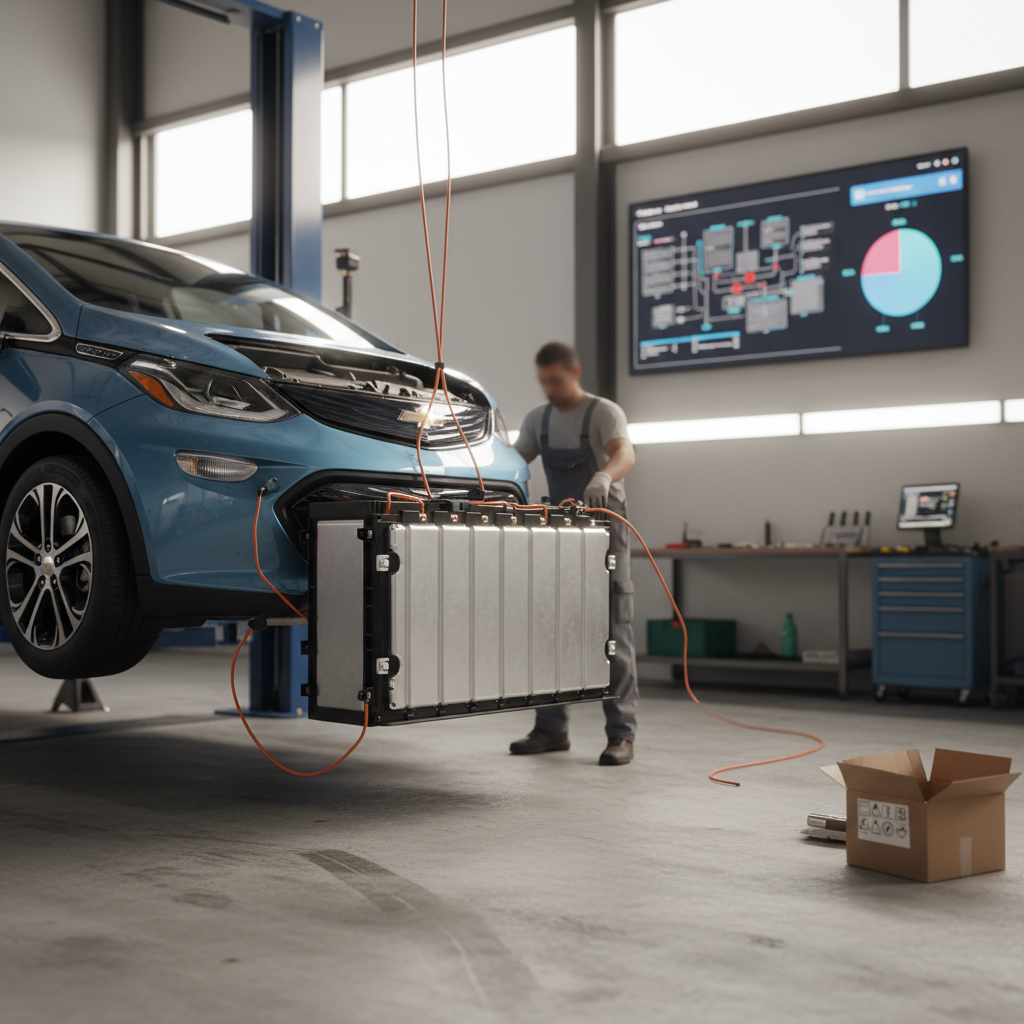
By **2026**, every BEV2‑based Bolt EUV you’ll see is a used vehicle. That’s not a red flag by itself, in fact it’s part of the appeal. Depreciation has done its work, and recall campaigns gave many cars **fresh or near‑fresh battery packs** under warranty, which matters a lot for long‑term owners.
Model years to focus on
Battery life & degradation in real-world use
Battery life is the whole ballgame for a long‑term EV. The good news: data from owners, forums, and internal Recharged diagnostics all point to the **Bolt EUV aging gracefully** when it’s been charged and driven reasonably.
Chevy Bolt EUV battery health snapshots
Real‑world data from high‑mileage Bolt EV/EUV owners commonly shows **roughly 5–8% capacity loss around 100,000–150,000 miles**, with plenty of cars reporting even less. The EUV shares its pack design and chemistry with the post‑recall Bolt EV, so its long‑term curve looks similar.
Don’t treat guess‑o‑meters as lab instruments
Where there are trouble spots, they tend to be **individual module failures** rather than gradual wear, usually covered under warranty. GM technical bulletins outline processes for full pack replacement or sectional repairs on 2022–2023 Bolt EUVs, and we still see those approved in 2025–2026. That’s inconvenient downtime if it happens to you, but it’s not the systemic, early‑death pattern some shoppers fear.
Real‑world range: commuting and road trips
On paper, the Bolt EUV lands around **250 miles of EPA range**. In long‑term mixed driving, that translates into something more like this:
Chevy Bolt EUV real‑world range expectations
Approximate usable range figures for a healthy, unmodified Bolt EUV with all‑season tires.
| Scenario | Typical Range (mi) | What That Looks Like |
|---|---|---|
| Mild weather city/suburban (3.5–4.0 mi/kWh) | 230–260 | 40–60 mph driving, light A/C or heat, mixed errands and commuting |
| Mixed commute, some highway (3.0–3.5 mi/kWh) | 200–230 | 65–70 mph highway plus in‑town segments |
| 75+ mph highway road trip (2.5–3.0 mi/kWh) | 170–210 | Fast‑lane running with cargo, climate control, family onboard |
| Cold winter highway (below freezing) | 140–180 | Cabin heat cranked up, wet or snowy roads, higher speeds |
Your numbers will vary with temperature, speed, terrain, passengers, and cargo.
For **daily commuters**, the Bolt EUV is an easy car to live with. A 40‑ to 60‑mile round trip is nothing; you plug in at home, wake up to a full battery, repeat. Even with some degradation, there’s ample cushion.
The honest road‑trip verdict
If you mostly drive within a **1–2 hour radius** and take the occasional weekend trip with patience built into your schedule, it works. If your life is all about 500‑mile days, there are better long‑range tools for the job.
Charging experience: home and DC fast
At home: where the Bolt EUV shines
The Bolt EUV is happiest on a **Level 2 home charger**. With a 32–40 amp unit on a 240V circuit, you can usually go from low state‑of‑charge to full overnight. That’s ideal for low‑stress battery use and keeps you away from crowded public chargers.
- Charging rate: roughly 25–30 miles of range per hour on Level 2
- Best practice: charge to around 80–90% for daily use, save 100% for trips
- Bonus: pre‑condition the cabin while plugged in to save range in winter
On the road: DC fast realities
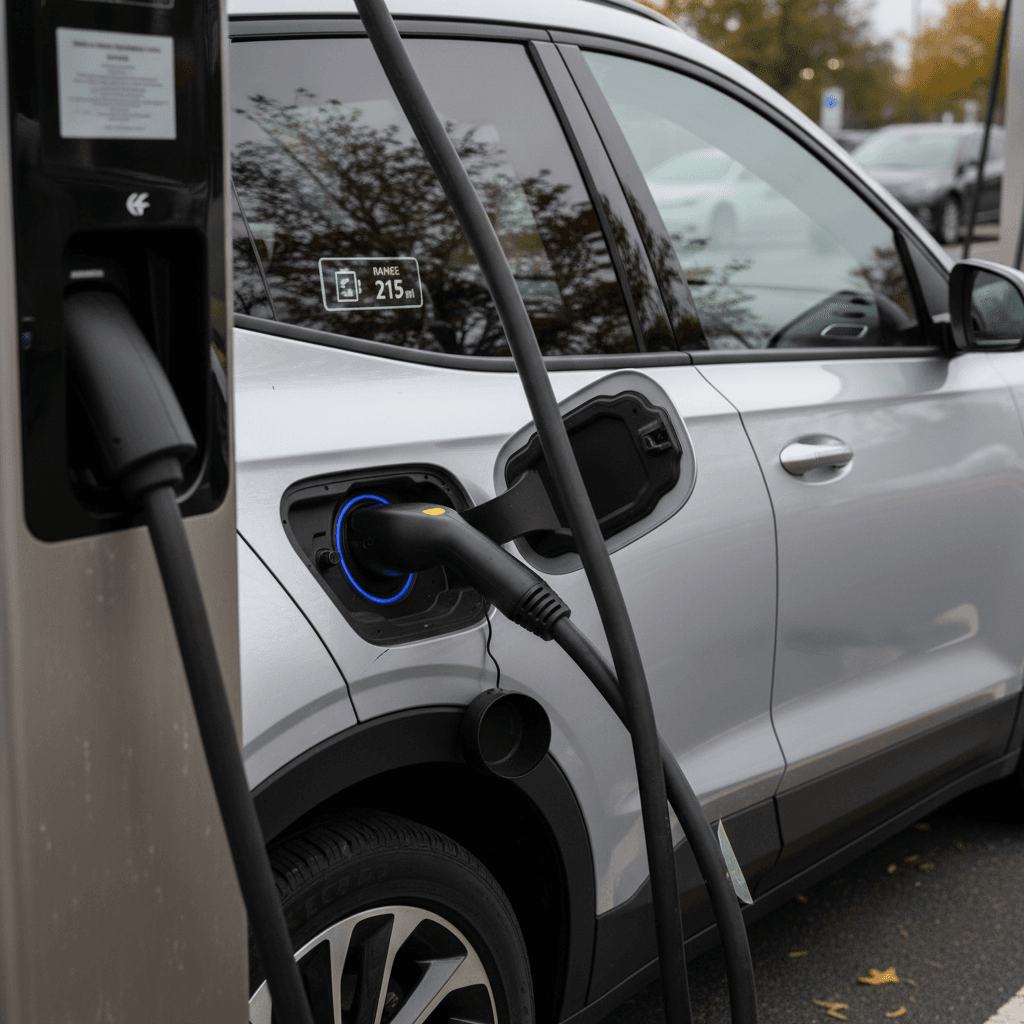
The Bolt EUV’s **DC fast‑charging peak of ~55 kW** was fine in 2021; in 2026 it feels slow. You’ll see the best speeds from low state of charge (10–20%) up to about 50–60%, and then the curve tapers.
- 0–80% stop: commonly ~45–60 minutes on a healthy charger
- Network choice matters: some public stations throttle or have compatibility quirks
- Heat management: back‑to‑back DC sessions in hot weather can slow things further
Plan your charging, not just your route
If you’re stepping into your first EV, that may sound daunting. In daily life, though, most Bolt EUV owners almost never use DC fast‑charging. Once you have a reliable Level 2 setup at home or work, you’ll treat public fast‑charging as an occasional convenience, not a constant necessity.
Reliability, recalls, and what actually breaks
The Bolt name carries **battery‑recall baggage**, but the EUV era has been calmer than the headlines suggest. The biggest battery recall waves hit earlier Bolt EV model years; many 2022+ EUVs shipped with updated packs from the start, and others received replacements under recall or warranty campaigns.
Long‑term Chevy Bolt EUV reliability: what we see
Patterns gathered from owner reports, service bulletins, and Recharged inspections.
Battery and high‑voltage system
Most long‑term EUV owners report **very modest degradation**. When problems occur, they’re usually isolated module faults triggering warning lights. GM’s response has been to repair or replace under warranty, though downtime can stretch into weeks at busy dealers.
Electronics & infotainment
Expect occasional **software gremlins**: CarPlay glitches, frozen screens, or misbehaving driver‑assist alerts. These are more annoying than catastrophic and often fixed with software updates or module resets.
Traditional wear items
Tires, brakes, and suspension wear have been normal in our experience. Regen braking means pads and rotors usually last **far longer** than in a gas car, good news for long‑term maintenance costs.
Watch for service bottlenecks, not just failures
Owner‑survey data has flagged **battery‑related repairs** as the main ding on Bolt EUV reliability scores, not chronic failures of motors, inverters, or driveline hardware. In other words: when things go wrong, they can be big and expensive, but they’re also relatively rare and typically covered during the warranty period.
Safety, crash ratings & driver assistance tech
From a safety perspective, the Bolt EUV punches above its price. NHTSA testing of the Bolt family shows **strong crash‑test performance** with a five‑star overall rating, and the platform has earned high marks from independent safety analyses. That matters a lot when you’re putting family members in a compact EV.
- Standard advanced airbags, strong occupant cell, and effective crumple zones
- Automatic emergency braking with pedestrian detection on most trims
- Lane‑keep assist and lane‑departure warning
- Available adaptive cruise control and surround‑view cameras
- Available **Super Cruise** hands‑free driving on mapped highways (Premier trims)
A genuinely safe budget EV
As always, check that the used car you’re considering actually has the features you care about. Some safety and driver‑assist items are bundled in packages or limited to upper trims like Premier or Redline.
Daily livability: space, comfort & tech
Spend a few years living with the Bolt EUV and its **strengths as a city and suburban tool** really come into focus. It’s easy to park, quick off the line, and quiet in traffic. The EUV’s slightly stretched wheelbase versus the Bolt EV gives rear passengers more legroom, and the tall hatchback profile makes loading cargo simple.
What long‑term owners like, and don’t
Everyday strengths and compromises that show up after years, not days.
Comfort & seating
GM responded to early complaints about the Bolt EV’s chairs. The EUV’s seats are **wider and better‑padded**, especially in higher trims with leather or leatherette and power adjustment. Long‑term, they’re some of the more comfortable seats in the price class.
Space & practicality
There’s enough room for a small family, though the cargo area is more **tall‑hatchback than true SUV**. The under‑floor storage bin is handy for cables and small items, and the split rear seat folds flat enough for IKEA runs.
Tech & UX
Wired **Apple CarPlay and Android Auto** make the interface feel familiar, even as native GM software ages. Over multiple years, owners mostly complain about cosmetic aging, shiny plastics, minor rattles, rather than tech obsolescence.
Noise, ride and long‑term feel
Ownership costs & used-market pricing in 2026
Here’s where the 2026 story gets interesting. With new‑EV prices drifting upward and many affordable models discontinued, the **used Bolt EUV has become one of the best value plays** in the market.
Typical 2026 U.S. used pricing for Chevy Bolt EUV
Very rough ballpark ranges; actual prices vary by region, mileage, trim, and condition.
| Model Year / Odometer | Typical Asking Range (USD) | What You Usually Get |
|---|---|---|
| 2022 · 25–40k miles | $17,000–$22,000 | Early EUVs, often off‑lease, mid‑trim cars with decent options |
| 2023 · 20–50k miles | $19,000–$24,000 | Popular sweet spot: updated features, still deep in warranty |
| 2024–2025 · under 25k miles | $23,000–$28,000 | Late‑run cars, often one‑owner with remaining bumper‑to‑bumper coverage |
| High‑mile 2022–2023 · 80–120k miles | $13,000–$18,000 | Great value if battery health checks out and maintenance is documented |
Always compare individual vehicles on condition, battery health, and history, not price alone.
Don’t forget tax credits and financing
Where the Bolt EUV really pays you back is in **running costs**. Electricity is usually cheaper per mile than gas, especially if you can time home charging for off‑peak hours. There’s no oil to change, and brake wear is low thanks to regenerative braking. Budget for tires, cabin filters, coolant service at long intervals, and the usual wear items, and not much else.
Is the Chevy Bolt EUV a good long-term used buy?
For the right driver, the answer is a strong **yes**. For the wrong one, it’s a frustrating maybe. Long‑term ownership comes down to matching the Bolt EUV’s character to your life.
You’re a great fit for a long‑term Bolt EUV if…
Your daily driving is predictable and under 100 miles
The Bolt EUV’s real‑world range and slow DC charging are non‑issues if your routine is a comfortable commute, errands, and school runs with home charging at night.
You can install or already have Level 2 charging
A reliable **240V Level 2 charger** at home or work turns the Bolt EUV into an effortless appliance. If you’ll rely solely on public Level 2 or DC fast‑charging, think very carefully.
You value efficiency and low running costs over flash
The Bolt EUV isn’t the newest or quickest EV in 2026, but it’s one of the most **economical to own**. Electricity costs, maintenance, and depreciation all stack in your favor if you buy smart.
You’re okay with compact‑car space
It wears crossover styling, but this is still **a compact hatchback at heart**. Great for singles, couples, or young families; cramped if you’re expecting RAV4 space.
You can live with slower road‑trip days
If you hit the highway a few times a year and don’t mind longer lunch stops, the Bolt EUV works. If you’re regularly doing 400‑mile days on tight schedules, look at faster‑charging EVs instead.
How Recharged evaluates a used Bolt EUV
Because so much of a Bolt EUV’s long‑term value is tied up in its battery and charging hardware, Recharged goes a lot deeper than a quick test drive and a visual once‑over.
Inside a Recharged Score for Chevy Bolt EUV
What we look at before we ever recommend one for long‑term ownership.
Battery‑health diagnostics
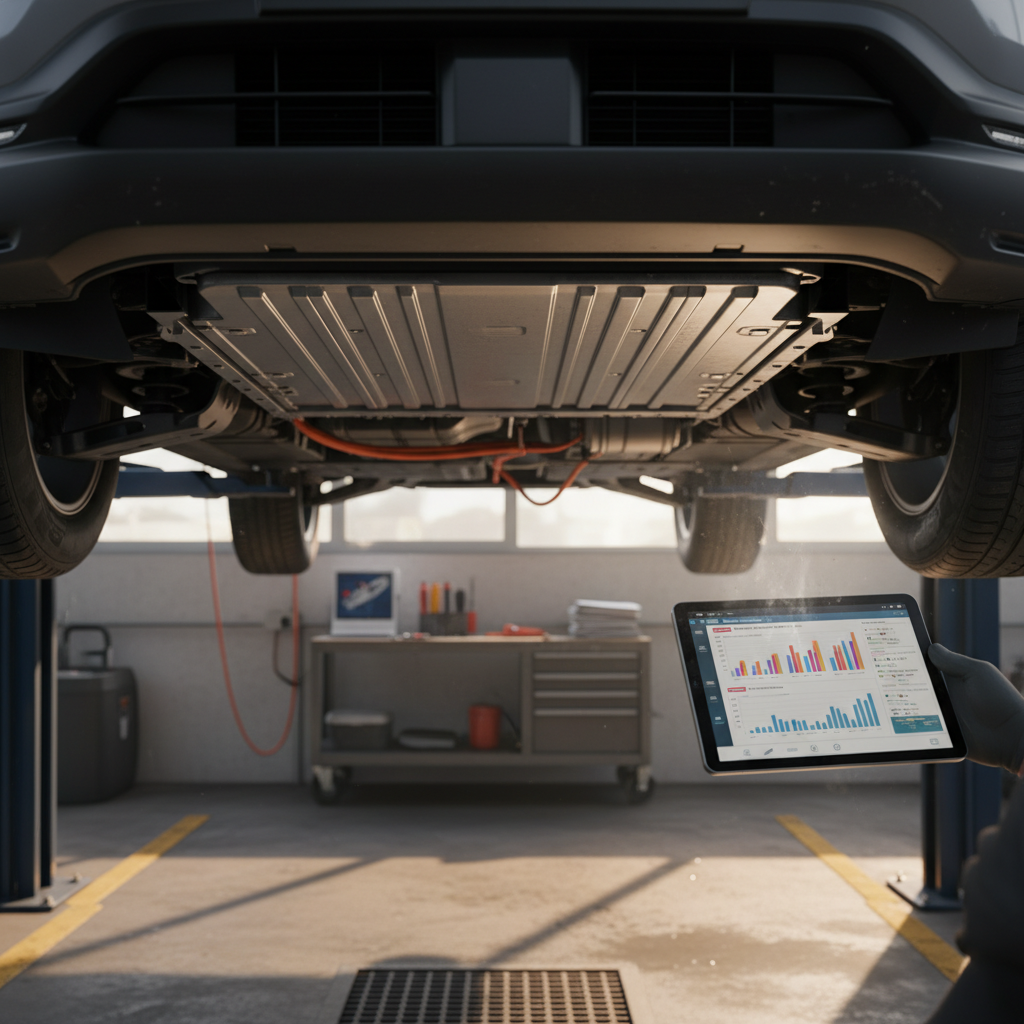
We pull data directly from the Bolt EUV’s pack and thermal‑management system to estimate **remaining capacity and stress history**, not just today’s range estimate. Cars with abnormal behavior or suspicious numbers don’t make the cut.
Recall, warranty & service history
We cross‑check **recall completion**, including prior battery campaigns, and verify whether the pack has been replaced or repaired. That feeds into the Recharged Score and our notes for shoppers.
Charging & driveline checks
Our EV specialists test Level 2 and DC fast‑charging behavior whenever possible, listen for drive‑unit noise, and scan for trouble codes. We’d rather catch the early signs of a problem than sell you a "mystery clunk."
Transparent pricing & support
Every Bolt EUV we list includes a **Recharged Score Report** with battery health, fair‑market pricing, and clear reconditioning notes. If you’re trading in or arranging financing, our team walks you through the numbers so there are no surprises.
Ready to find your next EV?
Browse VehiclesWhy this matters for long‑term owners
Chevy Bolt EUV long-term FAQ
Frequently asked questions about long‑term Bolt EUV ownership
Bottom line: long-term verdict on the Bolt EUV
Taken as a whole, the **Chevrolet Bolt EUV is one of the smartest long‑term EV buys on the used market in 2026**, provided you understand its limits. The battery and drivetrain have proven durable, real‑world range stays generous for commuting even after years of use, safety performance is strong, and ownership costs are low. In return, you live with compact‑car space and slow DC fast‑charging on road trips.
If that trade sounds right for your life, a carefully vetted Bolt EUV can deliver a decade of quiet, inexpensive electric driving. And if you’d rather not guess about battery health or pricing, a **Recharged Score Report** on each car we list makes the long‑term picture clear before you ever sign anything.