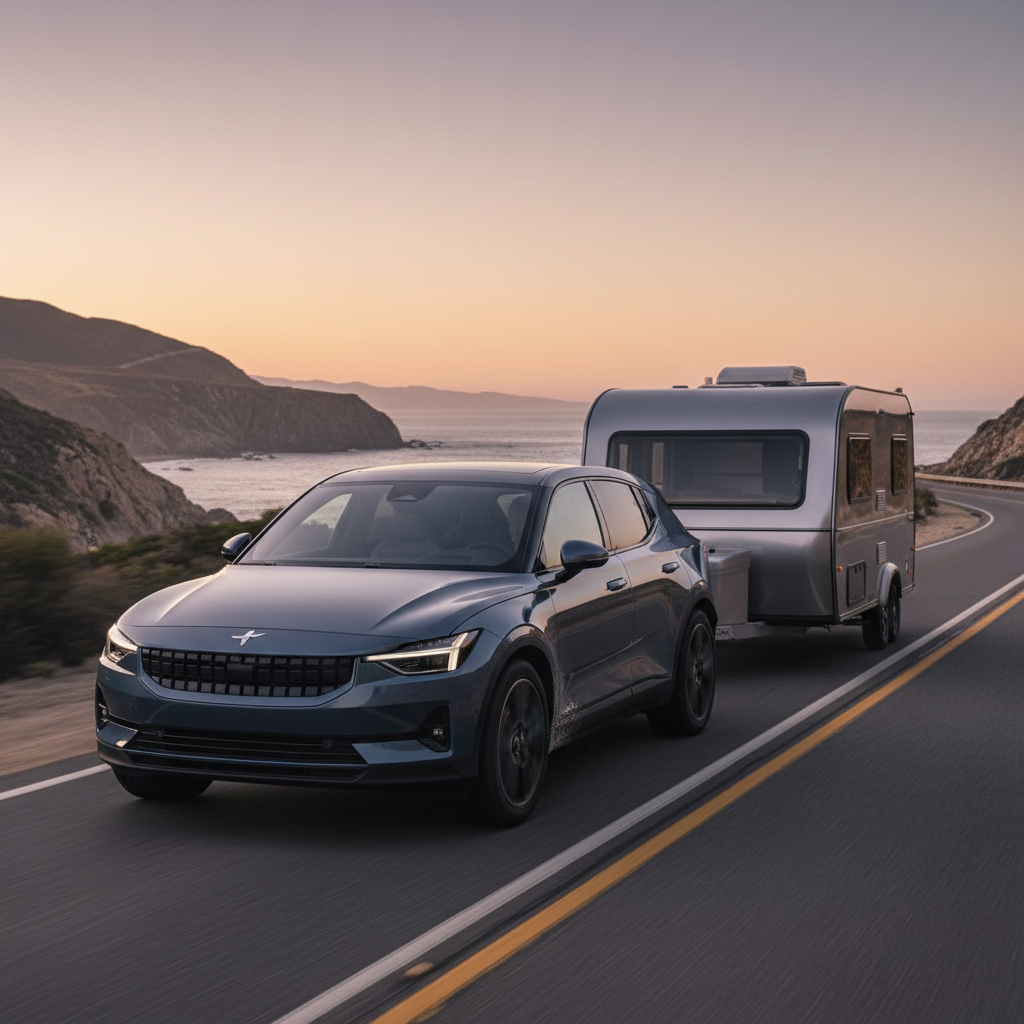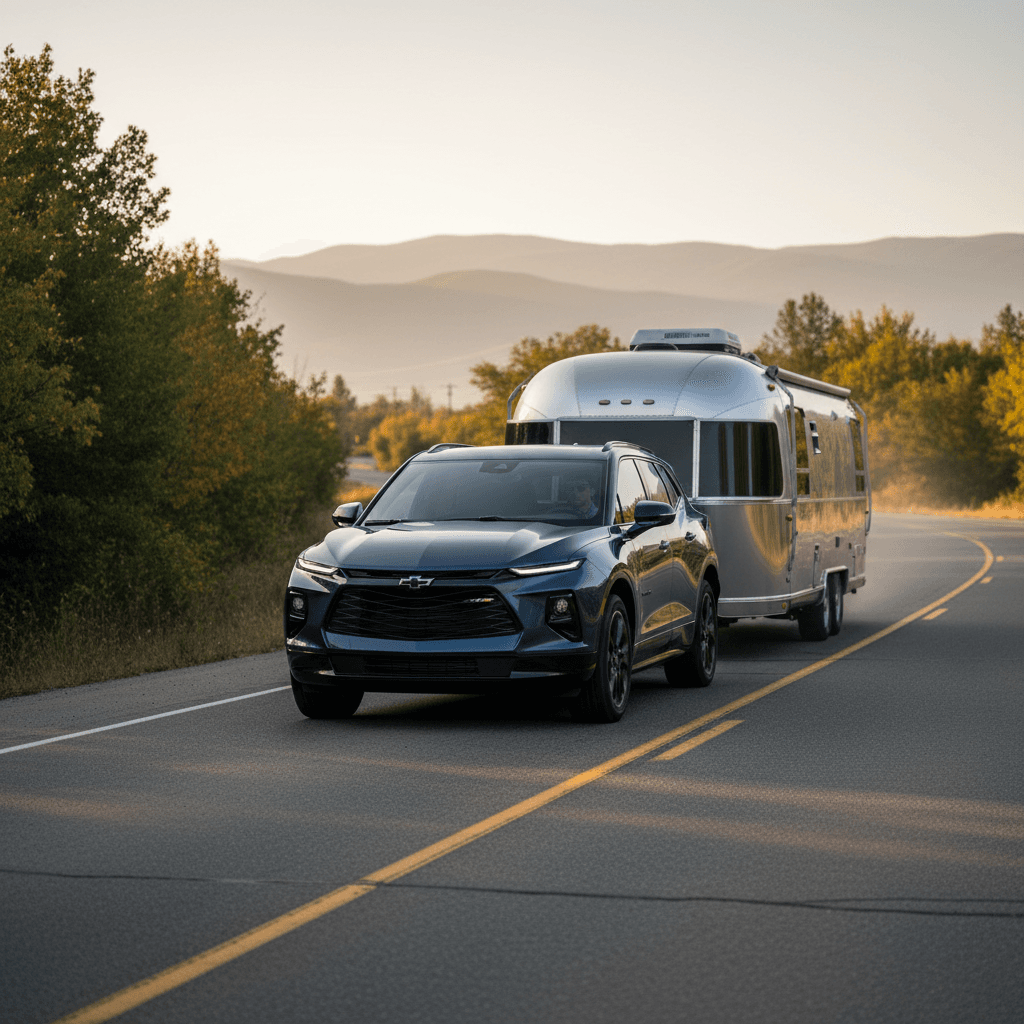
If you’re eyeing a Chevrolet Blazer EV and wondering, **“Can this thing actually tow a trailer?”**, the answer is yes, with some important limits. The Blazer EV is not a heavy-duty tow rig, but it is rated to tow smaller trailers when properly equipped, and it can make a very capable weekender or hobby hauler if you stay within its boundaries.
Quick answer
Can the Chevrolet Blazer EV actually tow a trailer?
Yes. Unlike some early EVs that were sold with “no towing” language in the owner’s manual, the **Chevrolet Blazer EV is engineered and rated for towing**. Chevy publishes tow ratings for the Blazer EV in its official trailering guide and in the owner’s manual, and dealers can order it with a factory hitch and wiring.
Where it differs from a gas Blazer is **how much** it can tow and how far it will go while towing. Electric SUVs deliver instant torque, so pulling a light trailer feels effortless, but every pound you add behind the bumper eats into range and demands a bit more planning around charging stops.
Rated vs. capable
Chevy Blazer EV tow ratings by trim and drivetrain
Tow ratings for the Blazer EV vary depending on model year, trim, and whether you have front‑, rear‑, or all‑wheel drive. Here’s how the factory numbers shake out for current U.S. models when properly equipped with the trailering hardware:
Chevrolet Blazer EV factory tow ratings (recent U.S. models)
Approximate maximum trailer weight ratings when properly equipped. Always confirm on your specific vehicle’s door jamb label and owner’s manual.
| Model / drivetrain | Approx. model years | Max tow rating | Notes | ||||||||||||||||
|---|---|---|---|---|---|---|---|---|---|---|---|---|---|---|---|---|---|---|---|
| Blazer EV RS RWD (single motor) | 2024–2025 | 3,500 lbs | Highest‑rated Blazer EV configuration; requires factory trailering equipment. | Blazer EV FWD (single motor) | 2025–2026 | 1,500 lbs | Typical rating for front‑drive Ultium SUVs. | Blazer EV AWD (dual motor, non‑PPV) | 2024–2026 | 1,500 lbs | Most mainstream LT/RS AWD trims in the U.S. | Blazer EV PPV (Police Pursuit Vehicle) | Fleet only | 3,500 lbs | Special service configuration, generally not retail‑sold. | Blazer EV SS (where offered) | 2024–2025 | Often 0–1,500 lbs | Some early info suggested no tow rating or limited use, verify on your specific vehicle. |
Blazer EV towing capacity depends heavily on drivetrain and equipment.
Where these numbers come from
If you’re shopping a **used Blazer EV**, don’t assume “they all tow 3,500 lbs.” In many U.S. trims, **1,500 lbs is the realistic ceiling**, and some export or performance versions may not be rated to tow at all. This is where reading the fine print pays off.
What kind of trailer can a Blazer EV safely tow?
Once you know your specific Blazer EV’s tow rating, you can start matching it to real‑world trailers. The goal is to look at **fully loaded trailer weight**, not just the empty number on a brochure.
Examples of trailers within Blazer EV limits
Assumes typical U.S. tow ratings listed above and sensible loading.
Utility & cargo trailers
- Single‑axle 5x8 or 5x10 utility trailer with yard equipment, building materials, or camping gear.
- Small enclosed cargo trailer with light contents, staying safely under 1,500–2,000 lbs loaded.
Water toys & powersports
- One or two jet skis on a small trailer.
- Light aluminum fishing boat with modest outboard.
- Dirt bikes or a small ATV on a lightweight trailer.
Small campers & lifestyle gear
- Teardrop or micro‑camper trailers that stay under 3,000–3,500 lbs loaded (RS RWD).
- Compact off‑grid utility trailers, bike racks, and cargo carriers.
What’s generally too much
- Aim to keep your **loaded trailer 10–20% under** your official rating to preserve performance and range.
- Remember that **tongue weight** (typically 10–15% of trailer weight) counts against the Blazer EV’s payload, along with passengers and cargo.
- Check that the trailer’s own **axles, tires, and brakes** are rated for your intended load.
How towing impacts Blazer EV range and charging
This is where EV towing feels different from a gas SUV. The Blazer EV has the torque to move a trailer easily, but **aerodynamic drag and weight will noticeably cut into your range**. Owners towing small campers and utility trailers commonly see their effective range drop by **30–50%**, depending on speed, weather, and terrain.
Realistic expectations when towing with a Blazer EV
For example, if your Blazer EV configuration normally returns **260 miles** of highway range, you might prudently plan for **120–160 miles between fast‑charge stops** when towing a small camper. Slow down a bit, keep your trailer profile low and narrow, and you’ll stretch that number.
Range‑saving tow habits
One upside: the Blazer EV’s **regenerative braking** works in your favor on rolling terrain, especially when paired with a trailer that has its own brakes. You’re turning some of that downhill energy back into battery charge instead of pure heat.
Hitches, factory towing package, and wiring
To tow legally and safely, you need more than just a strong SUV. The Blazer EV requires the right **hardware and wiring** to live up to its published tow rating.
Factory trailering equipment
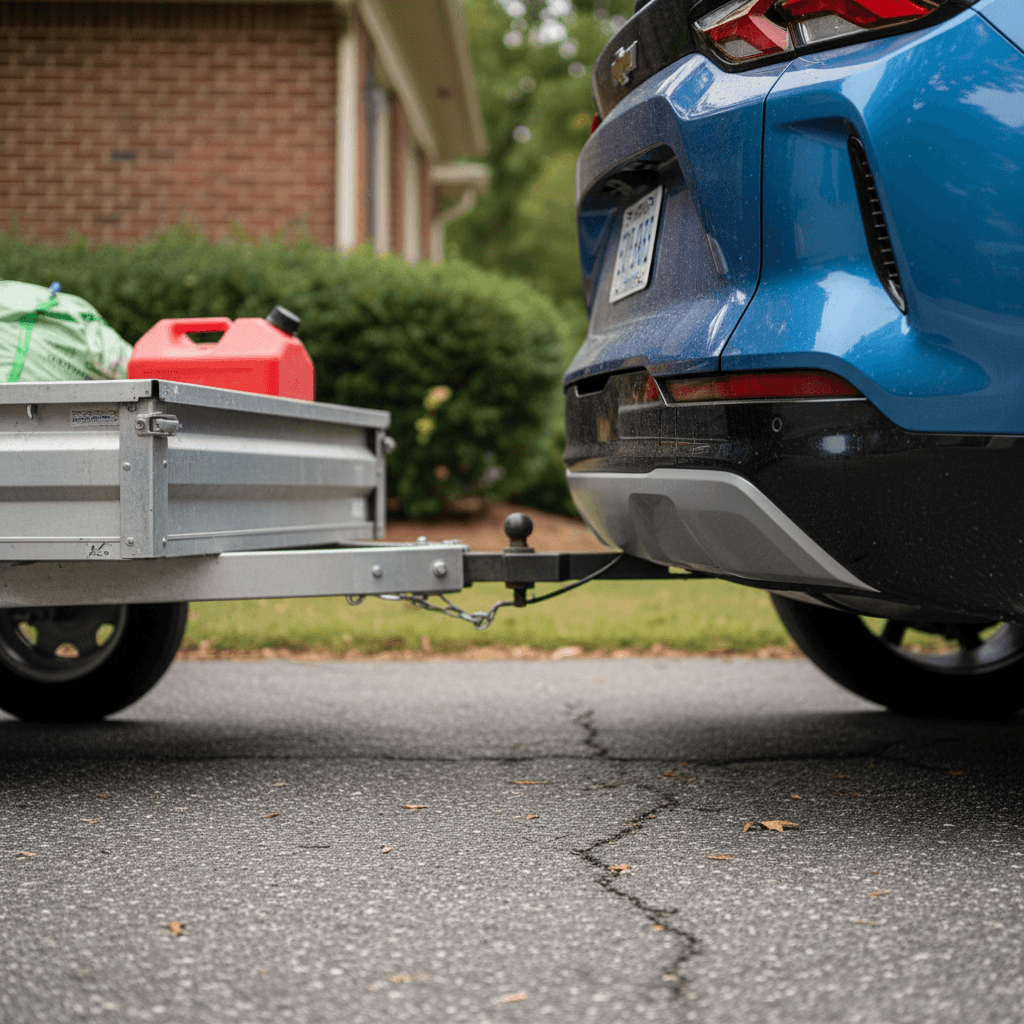
- Many Blazer EVs can be ordered with a **factory hitch receiver**, trim bezel, and wiring as part of a towing or convenience package.
- Factory setups are engineered to work with the EV’s structure, cooling, and driver‑assist systems.
- Your window sticker or build sheet will usually list a trailer hitch or trailering package if it was included from new.
Aftermarket options
- Hitch manufacturers and installers (including moving and RV chains) offer **bolt‑on hitches** for the Blazer EV.
- Some kits are marketed for bike racks or cargo carriers only; **you may need additional wiring** and confirmation that the hitch itself is rated for trailer use.
- Always verify that aftermarket parts preserve ground clearance and don’t interfere with battery cooling or underbody panels.
Before you tow: Blazer EV setup checklist
1. Confirm your specific tow rating
Open your owner’s manual and check the **trailering section** for your exact trim, year, and drivetrain. Cross‑check against the label on the driver’s door jamb for GVWR and GCWR limits.
2. Verify you have a rated hitch
Make sure the receiver, ball mount, and ball are each rated at or above the trailer weight you intend to pull. If your hitch was installed aftermarket, confirm that it’s approved for towing, not just for racks.
3. Add the correct wiring
The trailer must have working lights. Most small trailers use a **4‑pin flat connector**; campers often need a **7‑pin** plus an electric brake controller. Plan wiring accordingly.
4. Check tongue weight and balance
Aim for **10–15% of the trailer’s loaded weight** on the hitch. Too little tongue weight can cause sway; too much can overload the rear axle and hurt steering.
5. Inspect tires and brakes
Confirm proper tire pressures on both the Blazer EV and the trailer, inspect tread, and make sure trailer brakes (if equipped) are adjusted and tested before you hit highway speeds.
6. Test lights and connections
Plug in the wiring harness and test brake lights, running lights, and turn signals. Double‑check safety chains and the breakaway cable (for electric‑brake trailers).
Towing safely with a Blazer EV: key rules
From a driver’s seat perspective, towing with a Blazer EV feels a lot like towing with a well‑sorted midsize SUV: stable, quiet, and torque‑rich. But you need to respect its limits and the EV‑specific considerations.
- **Stay within ratings.** Never exceed the lower of your Blazer EV’s tow rating, the hitch’s rating, or the trailer’s own limits.
- **Mind your payload.** Passengers, cargo, and tongue weight all eat into total payload. If you’re carrying five people and their luggage, you may need a lighter trailer than the brochure suggests.
- **Use trailer mode when available.** Some Blazer EV trims offer Tow/Haul or trailer‑specific settings that adjust stability control, throttle response, and regenerative braking for towing.
- **Slow down and leave space.** Extra weight means longer stopping distances. Give yourself more following distance and be gentle with steering inputs to avoid sway.
- **Plan your charging.** Choose fast‑charge stops with easy trailer access or pull‑through parking where you don’t have to unhitch on every stop.
- **Watch temperatures.** On hot days and steep grades, pay attention to warnings about battery or powertrain temperature and take breaks if the vehicle asks for them.
Good news on stability
Blazer EV vs gas SUVs: is it the right tow vehicle for you?
How does the Blazer EV stack up against a gas Blazer or rival midsize SUVs when the conversation turns to towing? In round numbers, a gas Blazer or similar crossover often carries a **3,500–4,500 lb** tow rating, while the Blazer EV tops out around **3,500 lbs in specific RWD trims** and **1,500 lbs in many others**.
Where the Blazer EV shines
- Instant torque: Pulling away from lights or up on‑ramps with a modest trailer feels effortless.
- Quiet and smooth: Less noise and vibration than a gas engine under load.
- Low running costs: Electricity is typically cheaper per mile than gasoline, even when towing.
- One‑pedal feel: Strong regenerative braking can make descending grades more controlled.
Where a gas SUV still wins
- Higher tow ceilings: Many gas midsize SUVs tow 4,500 lbs or more.
- Range with a big trailer: Fuel stops are fast and ubiquitous; planning is simpler for long‑distance heavy towing.
- Refueling flexibility: If you regularly pull near the limit, gas models still offer more margin.
Think of the Blazer EV as a light‑duty tow partner
Shopping a used Blazer EV for towing duty
On the used market, not every Blazer EV you see will be equally well‑suited to towing. If towing is on your must‑have list, you’ll want to look beyond exterior color and interior trim and focus on tow‑related details.
Key towing questions when evaluating a used Blazer EV
What to ask before you sign on the dotted line.
Is it actually tow‑rated?
Confirm the exact trim and drivetrain and cross‑check with Chevy’s current trailering guide and the owner’s manual for that model year.
Does it have a hitch and wiring?
Factory hardware is a plus. If an aftermarket hitch is installed, ask for receipts and part numbers so you can verify ratings.
How’s the battery health?
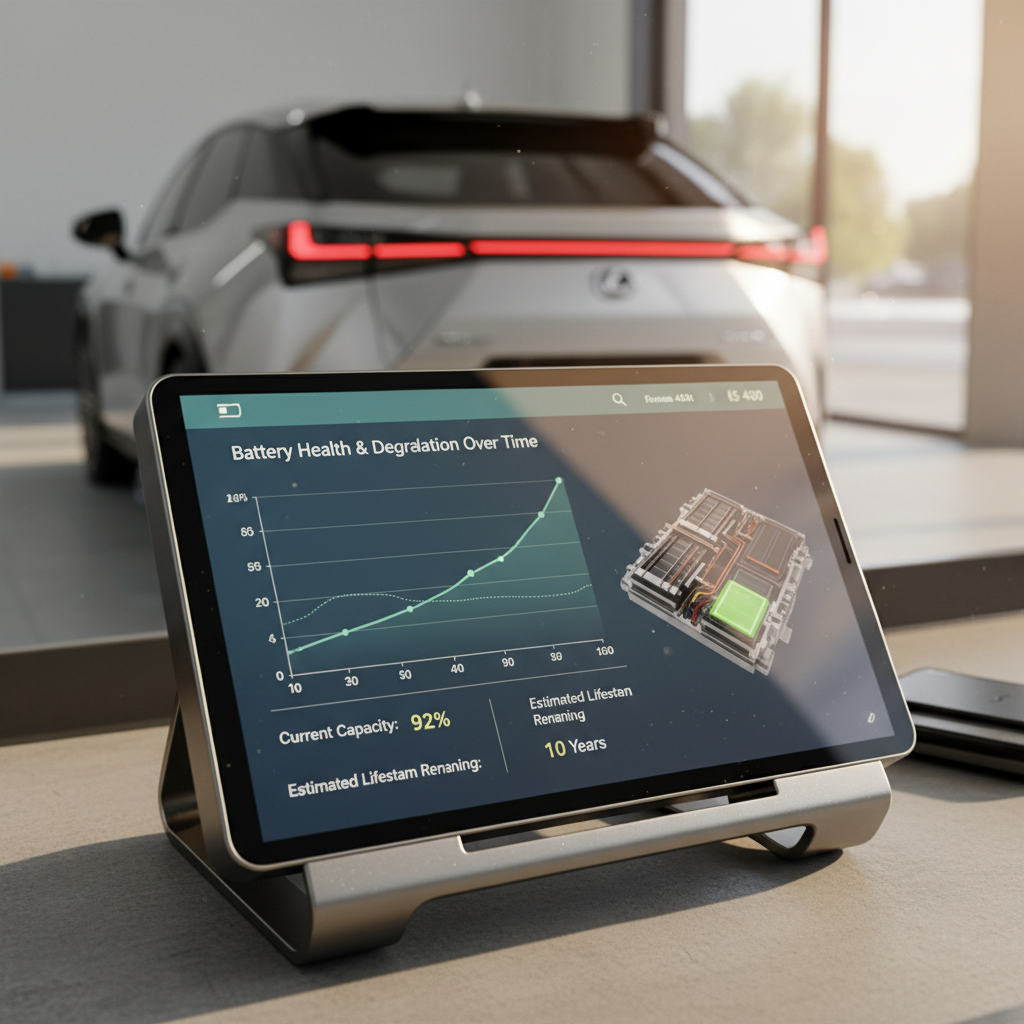
Towing is demanding. A Blazer EV with a strong, healthy battery will do a better job of managing range and repeated fast‑charge events on tow trips.
How Recharged can help
If you already own a gas SUV for heavy hauling, a Blazer EV can make an excellent **second vehicle** for daily driving, commuting, and light‑duty towing. On the flip side, if you want one vehicle to handle kids, commuting, and a modest travel trailer, choosing the right Blazer EV trim up front (or verifying it on a used example) becomes critical.
Chevy Blazer EV towing FAQ
Frequently asked questions about towing with a Blazer EV
Bottom line: should you tow a trailer with a Blazer EV?
If your idea of towing is **a small camper, a pair of jet skis, a utility trailer full of gear, or a few dirt bikes**, the Chevrolet Blazer EV can be a genuinely satisfying partner, as long as you respect its tow ratings and plan your charging stops with a bit more care than you would in a gas SUV.
Where the Blazer EV doesn’t shine is heavy, high‑profile trailers and long‑distance, max‑weight towing. If that’s your world, you’ll be happier with a body‑on‑frame truck or a larger SUV. But for families and enthusiasts who mainly need **light‑duty towing wrapped in a comfortable, all‑electric daily driver**, the Blazer EV hits a sweet spot.
If you’re considering a Blazer EV, or any used EV, as your next tow vehicle, platforms like Recharged can simplify the process. With verified battery health, transparent pricing, and EV‑savvy guidance, you can confidently choose a vehicle that matches both your daily drive and those weekends when a trailer comes along for the ride.