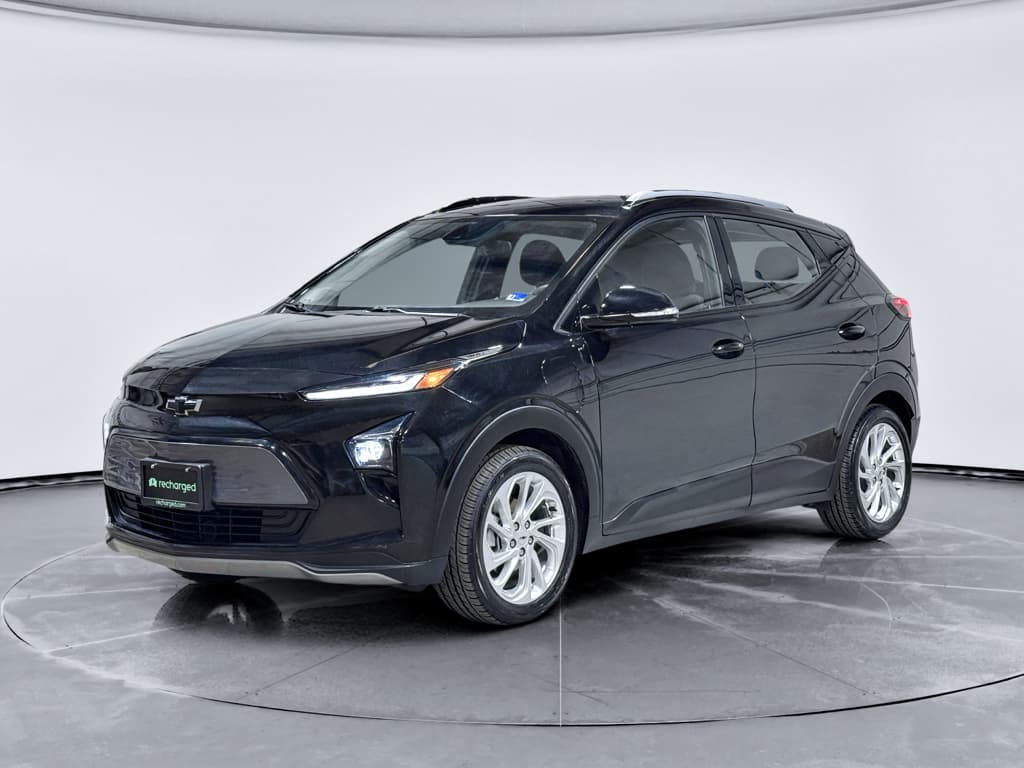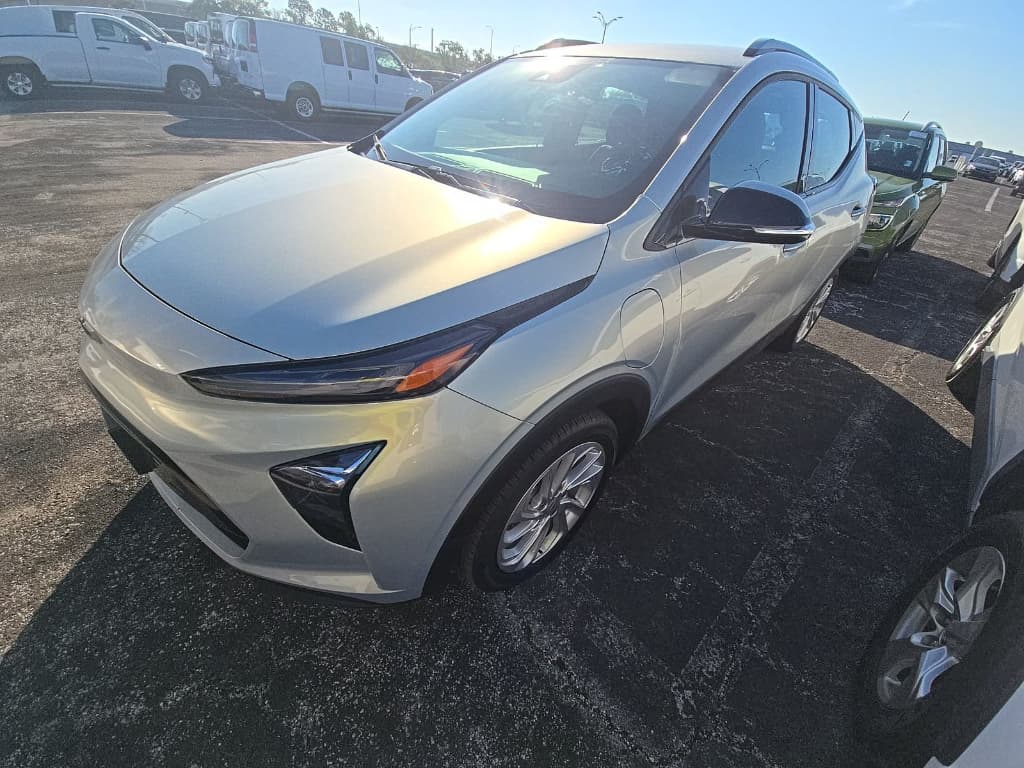
If you own or are eyeing a used Chevrolet Bolt EUV, depreciation in 2026 is front and center. The Bolt EUV has seen aggressive price cuts, battery recall headlines, and then a production stop, exactly the kind of story that can rattle resale values. But it has also become one of the best-value used electric crossovers on the market. This guide breaks down the Chevrolet Bolt EUV depreciation rate in 2026, what’s driving it, and how to use that to your advantage when you buy or sell.
Context: why 2026 matters for Bolt EUV values
Chevrolet Bolt EUV depreciation rate in 2026: quick overview
Chevrolet Bolt EUV value snapshot in early 2026 (typical cases)
Depreciation is never one-size-fits-all, but in 2026 you’ll often see a Chevrolet Bolt EUV lose around a third to nearly half of its original MSRP in the first three years. After that, the curve typically flattens, especially for vehicles with healthy batteries and clean histories. That’s painful if you bought new, yet a clear opportunity if you’re shopping used.
How fast is the Chevrolet Bolt EUV depreciating?
To understand the 2026 depreciation rate, it helps to separate the Bolt EUV’s life into phases: steep early losses, mid-life stability, and late-life variability driven mostly by battery condition and incentives.
Illustrative Chevrolet Bolt EUV depreciation curve
Approximate value retention patterns for a typical Bolt EUV relative to original MSRP. Actual numbers vary by trim, region, incentives, and mileage.
| Age of Bolt EUV | Typical mileage range | Approx. % of original MSRP | What this often looks like in 2026 |
|---|---|---|---|
| 1 year (2025 model in 2026) | 10,000–15,000 | 80–88% | Lightly used Bolt EUV still priced close to new, especially if new‑vehicle supply is tight. |
| 2 years (2024 in 2026) | 20,000–25,000 | 70–80% | Early depreciation plus impact of new EV competition; strong condition matters. |
| 3 years (2023 in 2026) | 30,000–40,000 | 55–65% | Sweet spot for value buyers; many ex‑lease vehicles enter the market. |
| 4–5 years (2022–2021 in 2026) | 40,000–60,000 | 45–55% | Depreciation slows; battery health and recall history become the main price drivers. |
These are directional, education‑only examples, not guaranteed price points.
Don’t treat these numbers as price guarantees
- Early‑life hit (years 0–3): This is where Bolt EUV owners who bought new see the steepest loss. Factory incentives, dealer discounts, and shifting federal credits can all compress new prices and pull used values down with them.
- Stabilization (years 3–7): Once the vehicle is out of its steepest phase, values generally decline more slowly, often single‑digit percentages per year, unless there’s a major negative event (like a new recall) or a big incentive change.
- Late‑life (7+ years): At this point, battery health, range, and maintenance history matter more than model-year bragging rights. A well‑cared‑for 7‑year‑old Bolt EUV with a strong battery can be worth more than a newer, high‑mileage example with a tired pack.
What drives Chevrolet Bolt EUV depreciation and resale value?
Key factors shaping Bolt EUV depreciation in 2026
Four levers that can push your value up or down
Original price & incentives
Because GM and dealers often discounted the Bolt EUV heavily and buyers stacked federal and state incentives, some new owners started from a lower effective price. That can make used prices look harsh on paper, even if the real dollars lost aren’t as dramatic.
Battery health & range
EV shoppers in 2026 are more educated. They look at usable range, degradation, and DC‑fast‑charge behavior, not just model year. A healthy pack can narrow the gap between a Bolt EUV and newer rivals, improving resale.
Charging experience
Access to DC fast charging, how quickly the car charges, and whether the owner has reliable home charging all influence demand. Areas with good public charging networks often support stronger used values.
Competition & policy
New rival EVs, evolving tax credits, and shifting gas prices put constant pressure on used EV pricing. When new EV lease deals get cheaper, used values can soften; when new supply tightens, well‑priced used Bolt EUVs become hot again.
Seller tip: document everything
Bolt EUV depreciation vs other popular used EVs
Used EV shoppers in 2026 are usually cross‑shopping the Bolt EUV against vehicles like the Chevy Bolt EV hatchback, Nissan Leaf, Hyundai Kona Electric, and smaller Tesla models. While exact numbers shift month by month, the Bolt EUV often lands in a sweet spot: more affordable than most Teslas, newer and more efficient than many early EVs, and with strong real‑world range for the money.
Bolt EUV strengths for value shoppers
- Modern range for the price: Its EPA range figures are competitive with many newer compact EV crossovers.
- Comfortable packaging: Extra rear legroom vs the Bolt EV helps broaden appeal to families and ride‑share drivers.
- Affordable insurance and running costs: Many owners report relatively low operating expenses compared with similar‑size gas crossovers.
Where other EVs may hold value better
- Brand pull: Tesla’s badge and Supercharger access can keep resale higher, even if upfront prices are steeper.
- Newer platforms: Some 800‑volt EVs with faster charging and longer ranges may hold a technology premium.
- Limited‑supply models: EVs that were built in smaller numbers or have cult followings can see stronger resale simply from scarcity.
Good news for buyers
How battery health changes the Bolt EUV depreciation story
For gas vehicles, mileage is king. For a used EV like the Bolt EUV, battery health and usable range can matter just as much as the odometer. Two 2022 Bolt EUVs with identical miles can sell for very different prices if one pack shows significant degradation and the other doesn’t.

Battery‑related checks that influence depreciation
Confirm recall and battery replacement status
Many Bolt and Bolt EUV packs were replaced or repaired during GM’s battery recall campaign. A vehicle with a verified new or remedied pack can command stronger value, and feel like a much newer EV from a buyer’s perspective.
Look for range estimates and charging behavior
During a test drive, pay attention to the displayed range vs state of charge and how the car responds on Level 2 and DC fast charging. Slow or inconsistent charging may spook buyers or justify a lower offer.
Use third‑party battery diagnostics when possible
Tools like the <strong>Recharged Score battery health report</strong> provide data‑driven insight into pack condition, helping buyers distinguish between a strong car that deserves a price premium and one that should be discounted.
Check remaining warranty coverage
The standard 8‑year/100,000‑mile battery warranty is a safety net. A Bolt EUV that’s still deep inside that window is usually easier to sell and may depreciate more gently than one that’s on the edge of warranty expiration.
Watch for range that feels too low for the age
Recalls, production changes, and how they affect prices
The Bolt EUV story isn’t just about specs; it’s also about headlines. Battery recalls, temporary production pauses, and GM’s decision to end (and later revive) the Bolt line have all fed into shopper psychology and 2026 depreciation trends.
- Battery recall wave: Early recall coverage created uncertainty but also led to many Bolt EUVs receiving brand‑new or remanufactured packs. Those vehicles can be resale standouts if owners have good paperwork.
- Production stop and revival news: When GM announced the end of the Bolt and later signaled a return on a new platform, it sent mixed signals. Some shoppers treat the current Bolt EUV as the “last of its kind,” which can help values for clean, low‑mile examples.
- Charging‑standard transitions: As more EVs move toward new charging connectors and improved charging speeds, some buyers worry about older tech. However, the Bolt EUV’s strong range and utility often outweigh pure charging‑speed specs at the right price.
Perception cuts both ways
Lease buyouts and equity: is your 2022–2023 Bolt EUV “in the money”?
A lot of Chevrolet Bolt EUVs on the road in 2026 came from leases that started when EV incentives and discounting were aggressive. That means your buyout price, what it costs to keep the vehicle at lease end, may be lower than comparable retail prices, depending on how the market has moved.
Common 2026 Bolt EUV lease‑end scenarios
How depreciation, incentives, and real‑world pricing can interact at the end of a lease.
| Scenario | What you see | What it means for depreciation |
|---|---|---|
| Market price > buyout | Your payoff quote is $18,000 but similar Bolt EUVs are listing for $21,000. | You’ve effectively beaten depreciation. You may have positive equity and can either keep the car or trade/sell it and capture the spread. |
| Market price ≈ buyout | Your payoff is $19,000 and market retail sits around $19,500–$20,000. | You’ve essentially ridden the depreciation curve as expected. Keeping the car can be a solid value if you like it and the battery is healthy. |
| Market price < buyout | Your payoff is $20,000 but retail asking prices hover around $18,000. | Depreciation plus incentives worked against you. It may be cheaper to walk away and buy a different used Bolt EUV or another EV altogether. |
Use these scenarios as a framework; always compare your actual buyout to up‑to‑date retail values.
How Recharged can help at lease end
Buying a used Bolt EUV in 2026: value-focused checklist
Because early depreciation has already hit, 2026 is a compelling time to buy a Bolt EUV, if you’re selective. Here’s a checklist to help you target examples with the best long‑term value.
Used Chevrolet Bolt EUV shopping checklist
Nail down the total cost of ownership
Look beyond sticker price. Factor in home charging costs, expected insurance, and any local incentives for used EVs. A slightly higher purchase price on a well‑equipped, low‑degradation Bolt EUV can be cheaper in the long run than a bargain car with unknown battery health.
Verify recall and battery history
Ask for documentation showing that any relevant recalls were completed, especially those involving the high‑voltage battery. Vehicles with documented battery work, and a clear explanation of what was done, tend to hold value better.
Check for fast‑charging usage patterns
Heavy DC fast‑charging without proper care can affect long‑term battery health. When possible, look for service records or owner notes indicating a mix of home Level 2 charging and occasional fast charging, not constant DC use.
Inspect range and charging behavior on a test drive
Start with a known state of charge, drive a mix of city and highway routes, and see how the projected range changes. Then, if possible, plug into a Level 2 charger to confirm the car charges at the expected rate.
Compare to similar EVs in your budget
Use the Bolt EUV as a benchmark. If a rival EV is thousands more but offers only modestly better range or charging speeds, depreciation may favor the Chevy, particularly if you plan to keep it for many years.
Get a third‑party inspection and battery health report
A pre‑purchase inspection plus a <strong>Recharged Score battery health report</strong> can uncover hidden issues and help you negotiate price. Small problems matter less if you plan to keep the car; major pack concerns should be reflected in a significant discount.
How Recharged helps you manage Bolt EUV depreciation risk
At Recharged, we focus on making used EV ownership, including the Chevrolet Bolt EUV, more transparent and predictable. Depreciation will always exist, but you can control how much risk you take on and how much value you get in return.
Ways Recharged supports Bolt EUV buyers and sellers
Turn depreciation from a mystery into a manageable cost of ownership
Recharged Score battery diagnostics
Every Bolt EUV we sell includes a Recharged Score Report with verified battery health. That helps you understand how this specific vehicle sits on the depreciation curve compared with peers.
Trade‑in and instant offer options
If you’re moving out of a Bolt EUV, you can use Recharged to get an instant offer or trade‑in value. That turns abstract depreciation into a concrete number you can plan around.
Nationwide delivery & EV‑specialist support
Our EV specialists walk you through pricing, battery health, and ownership costs, then arrange nationwide delivery so you can access the right Bolt EUV deal, not just the one closest to your ZIP code.
Ready to find your next EV?
Browse VehiclesUsing depreciation to your advantage
Chevrolet Bolt EUV depreciation: FAQ
Common questions about Chevrolet Bolt EUV depreciation in 2026
Bottom line: Is the Bolt EUV a smart buy in 2026?
Taken at face value, the Chevrolet Bolt EUV depreciation rate in 2026 can look rough. A relatively young EV losing a third or more of its MSRP in a few years isn’t fun for first owners. But for second and third owners, that same curve is exactly what makes the Bolt EUV stand out: you’re getting modern range, a practical interior, and an 8‑year battery warranty window at a price that undercuts many rivals.
If you’re shopping smart, prioritizing verified battery health, recall documentation, and realistic pricing, the Bolt EUV can be one of the most rational used‑EV buys in 2026. And if you’re already in one, understanding where your car sits on the curve helps you decide whether to keep driving it, buy out a lease, or trade into something newer. Either way, approaching depreciation as a data‑driven cost of ownership, not a mystery, is how you stay in control.