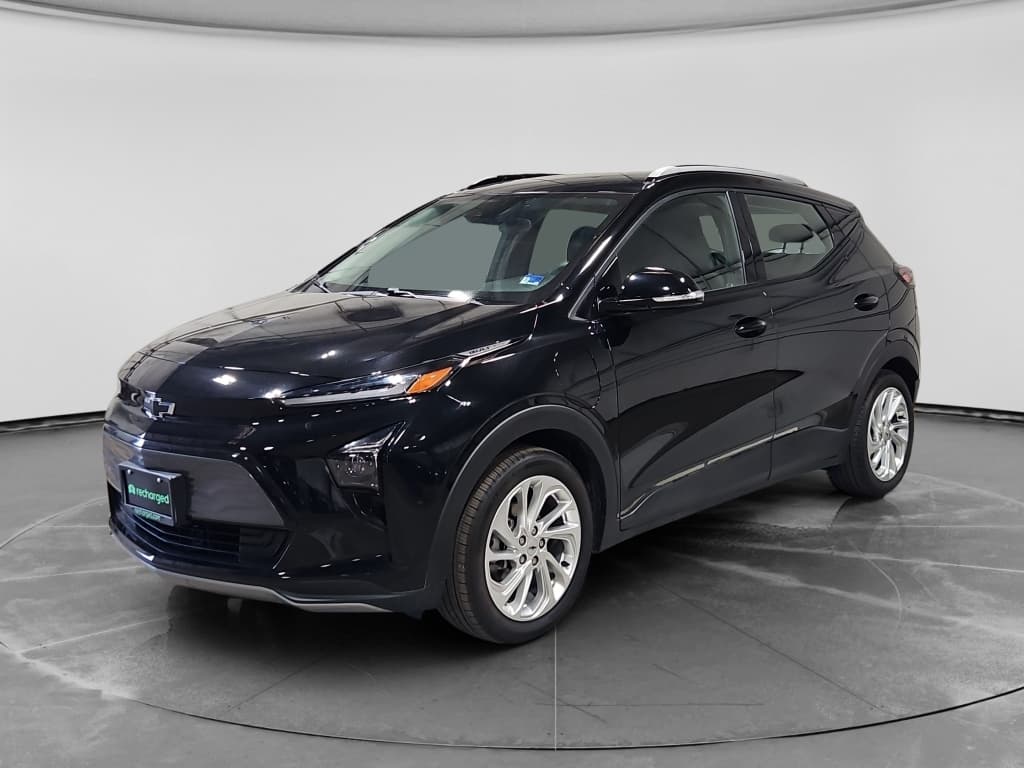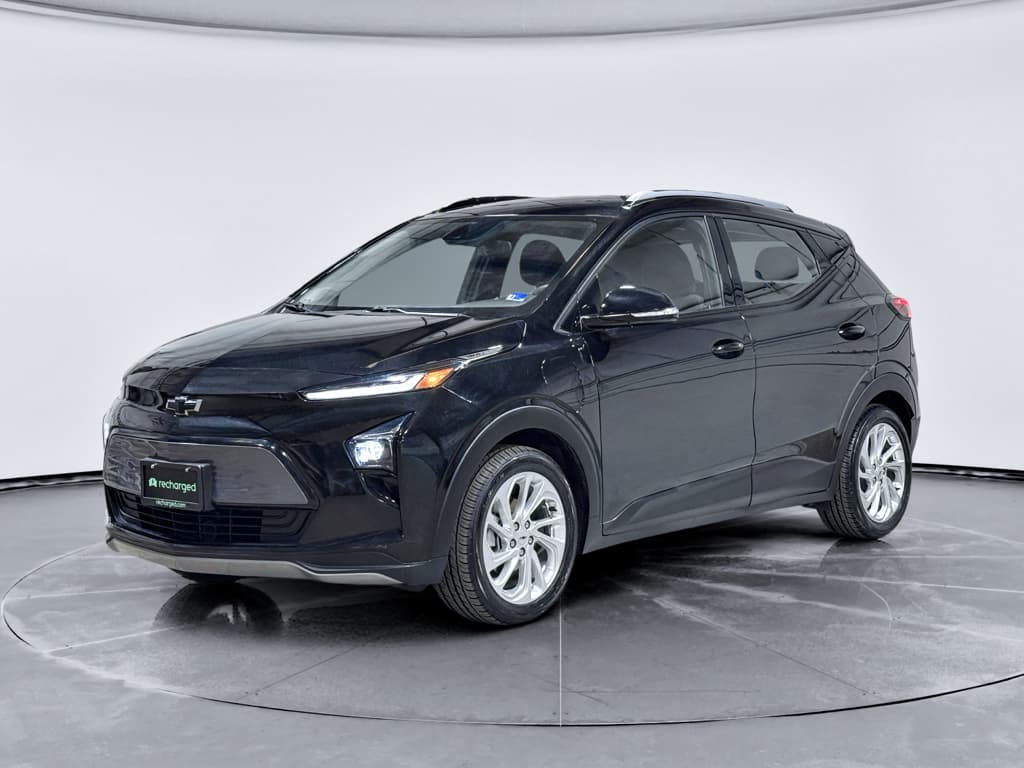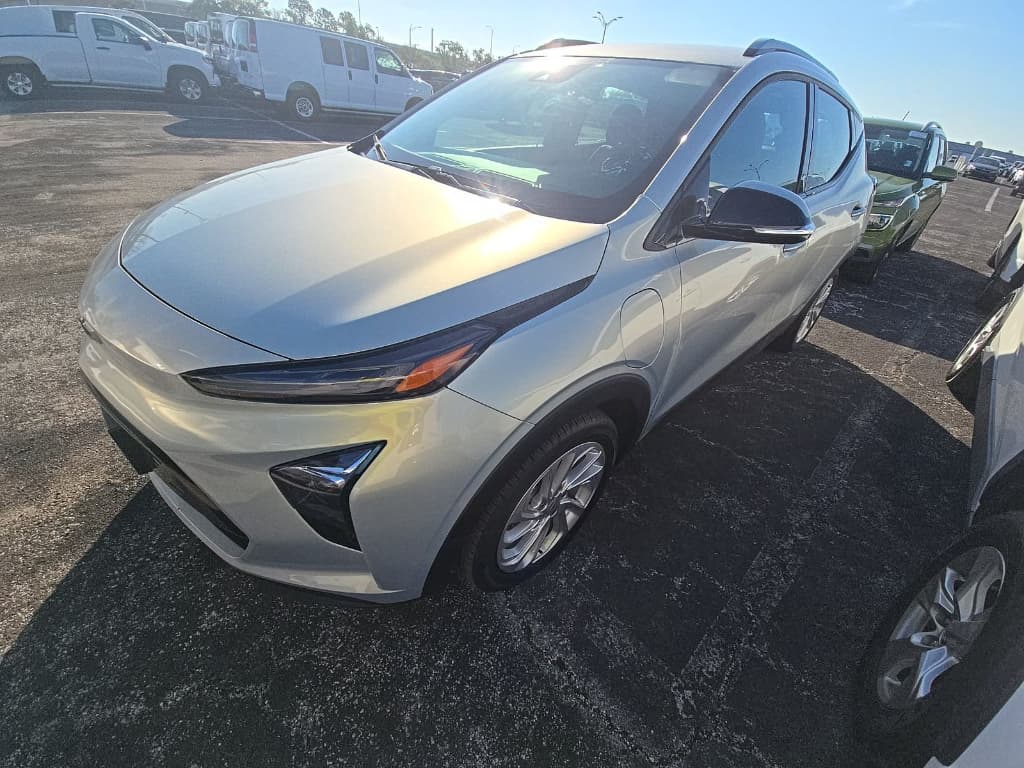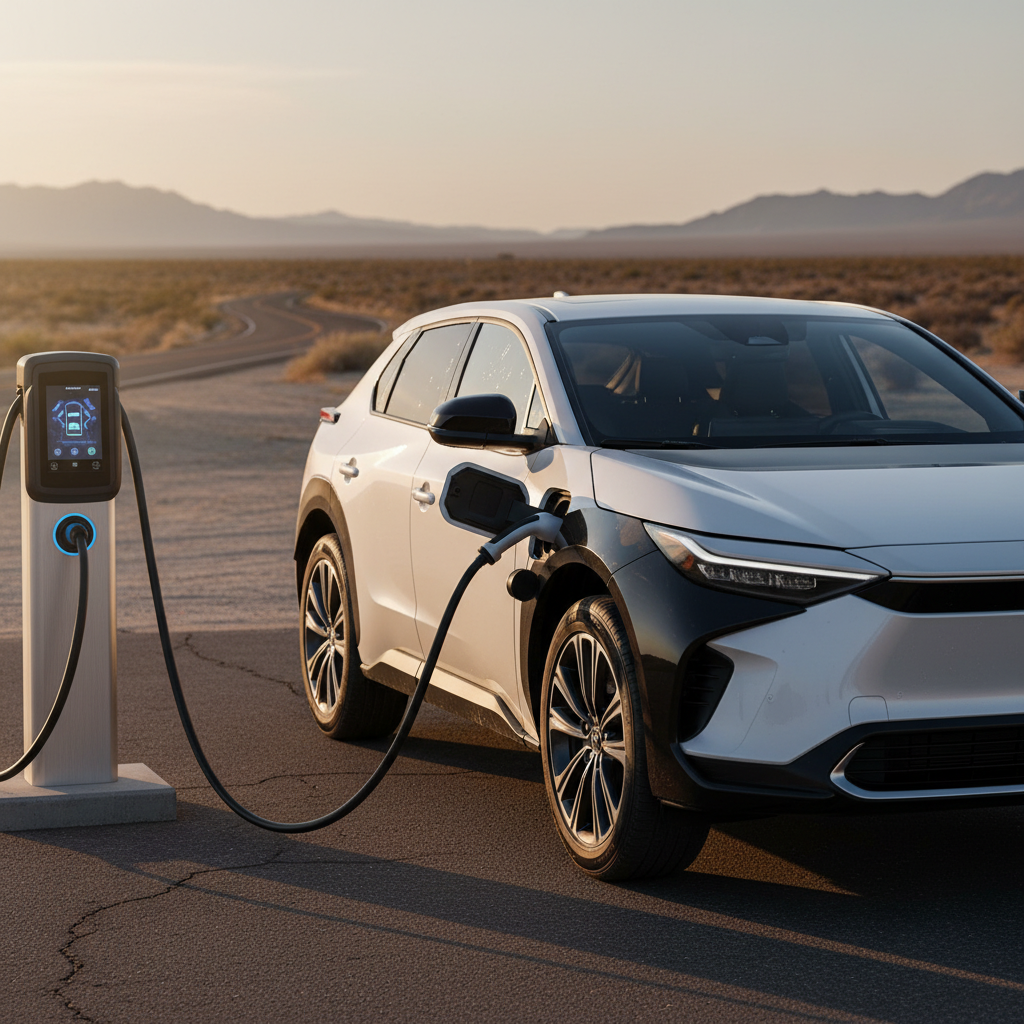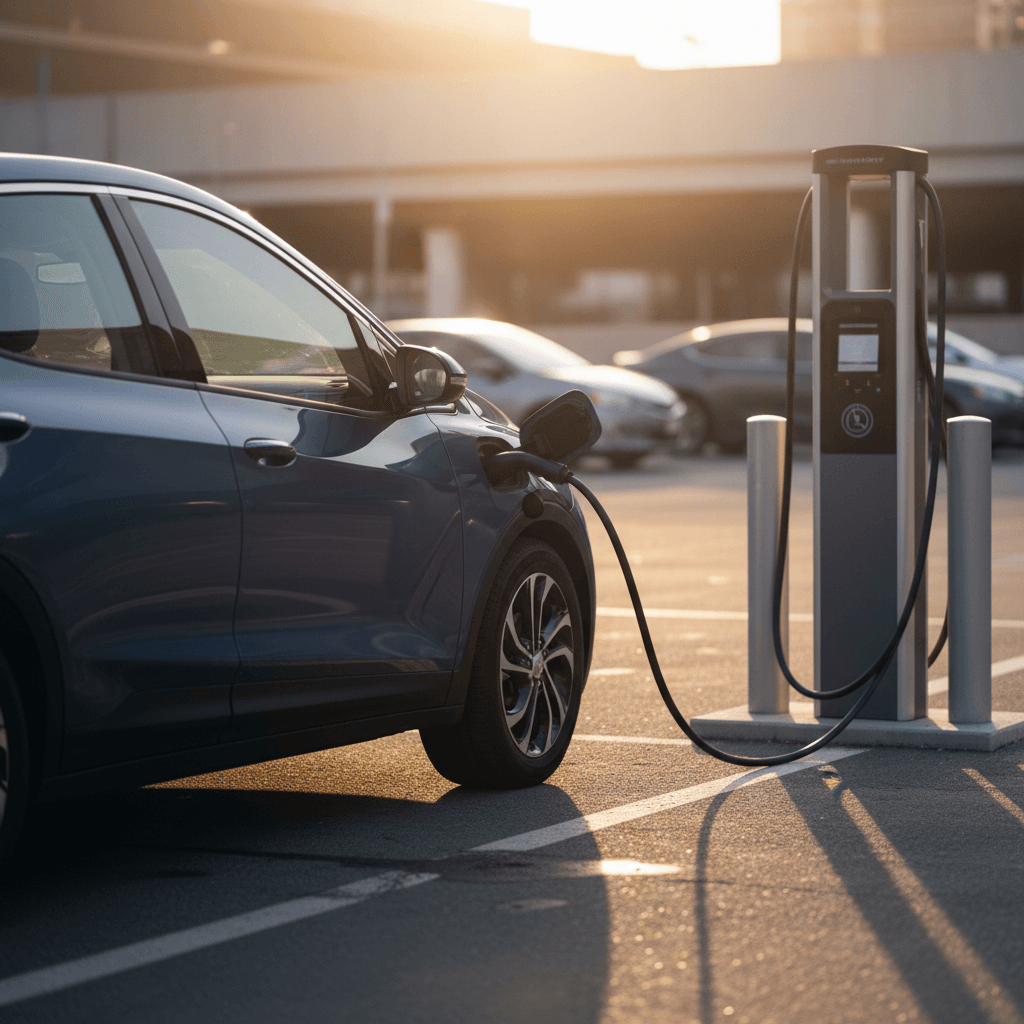
If you’re considering a Chevrolet Bolt EUV, or already drive one, understanding its charging speed is just as important as knowing its range. This Chevrolet Bolt EUV charging speed guide walks through how quickly it charges at home and on the road, what those kilowatt numbers actually mean in miles per hour, and how to charge in a way that keeps the battery healthy for years to come.
Quick Bolt EUV charging snapshot
Chevrolet Bolt EUV charging overview
Bolt EUV charging fast facts
Before we dive into Level 1 vs. Level 2 vs. DC fast charging, it helps to remember that the Bolt EUV is an efficient but conservative-charging EV. It doesn’t gulp power like some newer 800-volt models, but its modest battery size and strong efficiency mean that even moderate charging speeds translate into useful miles per hour.
Bolt EUV battery size & charging hardware basics
- Battery size: ~65 kWh gross pack, with roughly low-60s kWh usable in the real world.
- Onboard AC charger: Up to 11.5 kW for Level 2 (240V) charging.
- Charge ports: J1772 inlet for AC charging, CCS1 combo connector for DC fast charging.
- Official DC fast peak: Around 55 kW maximum on compatible CCS stations.
Think in miles per hour, not just kW
Level 1 charging: What to expect from a wall outlet
Level 1 charging uses a standard 120-volt household outlet, usually at 12 amps. It’s slow, but it works anywhere there’s a regular plug and a dedicated circuit.
- Power: ~1.4 kW (120V × 12A).
- Range added: roughly 3–4 miles of range per hour in mild weather.
- Overnight gain: 10–12 hours on the plug can add around 30–50 miles of range.
- Full charge time (near empty to ~100%): well over 40 hours, more than a full weekend.
Be careful with extension cords
Level 2 home charging: The real sweet spot
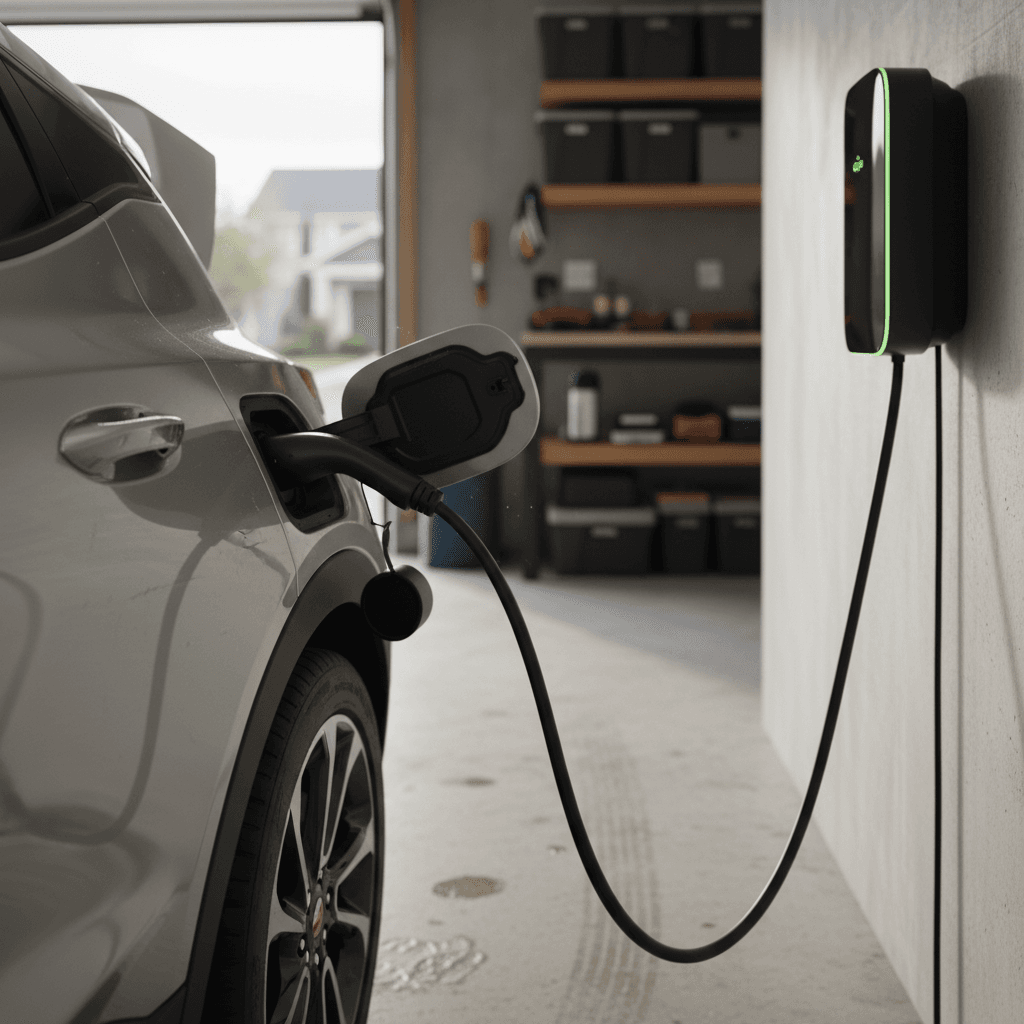
Level 2 charging uses a 240-volt circuit, similar to what an electric dryer or oven uses, and taps into the Bolt EUV’s 11.5 kW onboard charger. This is where the car really comes alive for daily use.
Common Level 2 setups for a Bolt EUV
How different home charger and circuit choices affect speed
32A (NEMA 14-50 or 30A hardwired)
Power: ~7.2 kW
Range added: about 22–28 miles per hour.
Best for: Most households driving 30–60 miles per day.
40A (50A circuit, derated)
Power: ~9.6 kW
Range added: roughly 30–35 miles per hour.
Best for: Heavier commuters or drivers who may arrive home near empty and want a quick evening top-up.
48A (60A circuit, "max" home setup)
Power: up to 11.5 kW (onboard charger limit)
Range added: around 35–40 miles per hour in ideal conditions.
Best for: Occasional large daily mileage or multi-EV households sharing one high-powered station.
Remember, the slowest piece in the chain wins. If you install a powerful wallbox but feed it with a small breaker or undersized wiring, or set a low current limit in the car, your actual charging speed will reflect those lower numbers.
A good rule of thumb
Public Level 2 & workplace charging speeds
Public Level 2 stations, at workplaces, shopping centers, hotels, and parking garages, work just like a home Level 2 charger: 240V AC into the Bolt EUV’s onboard charger.
- Typical power: 6.6–7.2 kW on many public stations; some offer up to 11 kW or more, which the Bolt EUV can use.
- Range added: often 20–30 miles of range per hour in real-world conditions.
- Good use cases: topping up while you’re at work, parked for a meal, or staying overnight at a hotel.
- Less ideal for: very long road trips on tight schedules, DC fast charging is better there.
Watch posted time limits
DC fast charging: How fast is the Bolt EUV really?
DC fast charging is where expectations often clash with reality. Newer EVs boast 150–350 kW peak speeds, but the first-generation Bolt EUV was tuned more conservatively. It still works for road trips, you just have to plan around its personality.
Chevrolet Bolt EUV DC fast charging basics
Approximate behavior for 2022–2023 Bolt EUV models on CCS1 fast chargers in good conditions.
| State of charge (SoC) | Typical power | What it feels like |
|---|---|---|
| 0–20% | 35–50 kW | You’ll see respectable power as the car ramps up; still not blazing, but effective for quick emergency energy. |
| 20–55% | 45–55 kW (peak zone) | Sweet spot for road trips. Power is highest here, so you add miles fastest. |
| 55–70% | 30–45 kW | The taper begins, still worthwhile, but each extra percent takes longer. |
| 70–80% | 20–30 kW | Many owners unplug here on road trips to avoid paying for slow kilowatts. |
| 80–100% | Often under 20 kW | Very slow; usually better to leave early and charge again later if needed. |
Exact speeds vary by station, temperature, and battery state of charge, but this table captures the pattern most owners see.
Battery temperature matters
How long charging takes in common real-world scenarios
Let’s translate those kilowatt numbers into trips and daily life. We’ll assume a roughly 65 kWh battery and about 3.5–4.0 miles per kWh in moderate conditions.
Typical Bolt EUV charging situations
1. Overnight at home from 20% to 80% on 32A Level 2
You’re adding about 60% of a ~65 kWh battery, or roughly 39 kWh. At ~7.2 kW, that’s roughly 5.5–6 hours. Plug in after dinner, wake up ready to go.
2. Workplace top-up on public Level 2
Arrive at 50%, leave at 90% after a 4-hour shift on a ~6.6 kW station. You’ll add roughly 25–30 kWh, or around 90–110 miles of range, enough to cover most commutes and errands.
3. Road-trip DC fast charge, 10% to 60%
That’s about 50% of the battery, or around 32–34 kWh. At an average of ~45–50 kW over the session (including ramp and taper), you’re looking at 40–50 minutes in good conditions.
4. Short DC fast splash-and-dash, 10% to 40%
About 30% of the pack, or 19–20 kWh. In the Bolt EUV’s sweet spot, many drivers see this happen in 25–30 minutes, useful when you just need to comfortably reach your next stop.
5. Emergency Level 1 charge from a cabin or friend’s house
Plugging into a 120V outlet overnight might net 30–40 miles of range. It’s not glamorous, but it can be a trip saver if other options are limited.
Plan around 10–60% on road trips
7 key factors that slow your Bolt EUV charging speed
If your Bolt EUV isn’t charging as fast as you expect, it’s rarely just one thing. Here are the most common culprits, whether you’re at home or on the highway.
Why your Bolt EUV might be charging slowly
Understanding these variables makes troubleshooting much easier
1. Cold or very hot battery
The Bolt EUV protects itself when the pack is outside its comfort zone. In winter, you might see dramatically reduced DC fast speeds until the battery warms up from driving or preconditioning.
2. High state of charge
As the battery fills, the car tapers charging power to avoid stress. Above ~60–70%, both fast charging and Level 2 may slow down.
3. Weak or shared public station
Some older 50 kW fast chargers never hit their advertised output, or share power between plugs. If another car is charging, your Bolt EUV might be limited.
4. Undersized home circuit
A 20A circuit safely supports only 16A continuous current. If your charger or car is set to a lower current, you’ll see slower Level 2 charging even if your wallbox is capable of more.
5. Incorrect settings in the car or EVSE
The Bolt EUV lets you limit charge current; many wallboxes do too. Double-check that neither is set to a reduced-amp “guest” or “low power” mode.
6. Wind, rain, and climate control loads
On AC charging, a portion of the power goes to running cabin heat or A/C and battery conditioning. That can make net charging speed look lower, especially on Level 1.
Don’t ignore persistent problems
Battery health: Smart charging habits for long life
The Bolt EUV’s battery pack is engineered to last many years, but your charging habits still matter. The good news is that the same strategies that protect the pack often make day-to-day ownership more convenient, not less.
- Live between roughly 20–80% for daily use. You don’t need to obsess, but avoiding frequent 0% or 100% extremes is kinder to the battery.
- Use Level 2 at home as your default. It’s gentler than back-to-back DC fast sessions and still plenty fast for overnight refills.
- Save DC fast charging for trips. Occasional fast charging is fine; try not to chain multiple long sessions in one day if you don’t need to.
- Precondition in extreme weather. If your schedule allows, warm or cool the cabin while plugged in, especially on cold mornings, so more energy goes to driving once you unplug.
- Don’t stress over small capacity changes. A few kilowatt-hours of apparent variation over seasons is normal as the car’s battery management system recalibrates.
How Recharged helps you see the full picture
Buying a used Bolt EUV? Charging and battery checks
If you’re shopping used, the Bolt EUV’s charging hardware and battery make it a compelling value, as long as you verify a few key details. Here’s what to pay attention to before you sign anything.
Used Bolt EUV charging & battery checklist
1. Confirm charge ports and cables
Make sure the car has its J1772 Level 2 cable (if included from the factory) and that the CCS1 fast-charge port door opens and closes smoothly. Replacements aren’t cheap.
2. Test Level 2 charging at least once
If possible, plug into a known-good Level 2 station and verify you’re seeing roughly 6–7+ kW. That tells you the onboard charger and port are behaving as expected.
3. Try a DC fast charger
On a preconditioned car at low state of charge, you should see the charger ramp toward the mid-40s–50 kW range. If it stubbornly stays in the teens or 20s, ask more questions.
4. Review battery health, not just range estimate
Dash estimates can be misleading. A proper health report, like the <strong>Recharged Score</strong>, looks at usable capacity and charging behavior, not just the guess-o-meter.
5. Ask about typical charging habits
An owner who mostly used home Level 2 and only fast-charged on trips may have a slightly kinder battery history than one who quick-charged daily, though modern packs are robust either way.
6. Check for open recalls or software updates
GM has issued battery-related campaigns in the past. Confirm that any relevant recalls, updates, or capacity-related campaigns have been completed.
If you’d rather skip the detective work, Recharged specializes in used electric vehicles like the Bolt EUV. Our team verifies battery health, fair pricing, and charging hardware, then backs it with transparent diagnostics so you know exactly what you’re getting.
Chevrolet Bolt EUV charging FAQ
Frequently asked questions about Bolt EUV charging
Bottom line: Making Bolt EUV charging work for you
The Chevrolet Bolt EUV may not chase headline-grabbing charging speeds, but it doesn’t need to. Its combination of a modestly sized, efficient battery and an 11.5 kW onboard charger means that a simple 240V Level 2 setup at home easily covers most daily driving, while 50-ish kW DC fast charging is perfectly workable when you plan your road trip stops around the car’s sweet spot.
If you’re shopping used, understanding these charging behaviors turns test drives and listing photos into meaningful data. At Recharged, every Bolt EUV comes with a Recharged Score battery-health report, fair-market pricing, and EV-specialist support so you can focus on how the car fits your life, not whether the charger will keep up. Set up solid home charging, learn your favorite public stations, and the Bolt EUV becomes an easygoing, efficient partner for daily commutes and weekend miles alike.