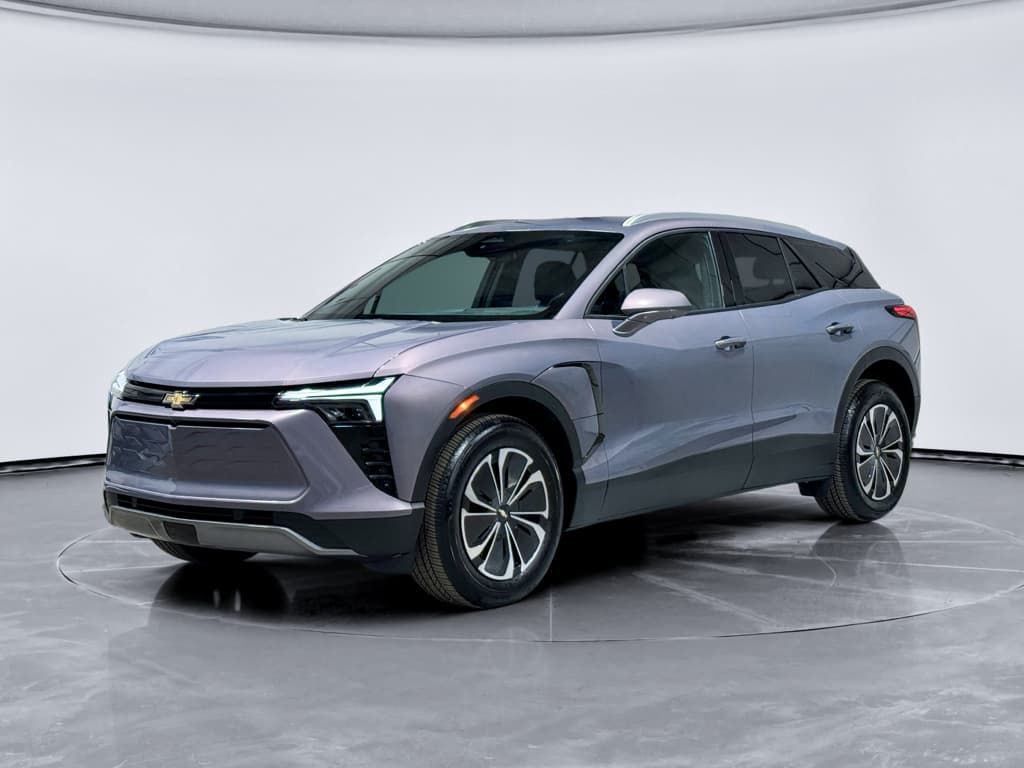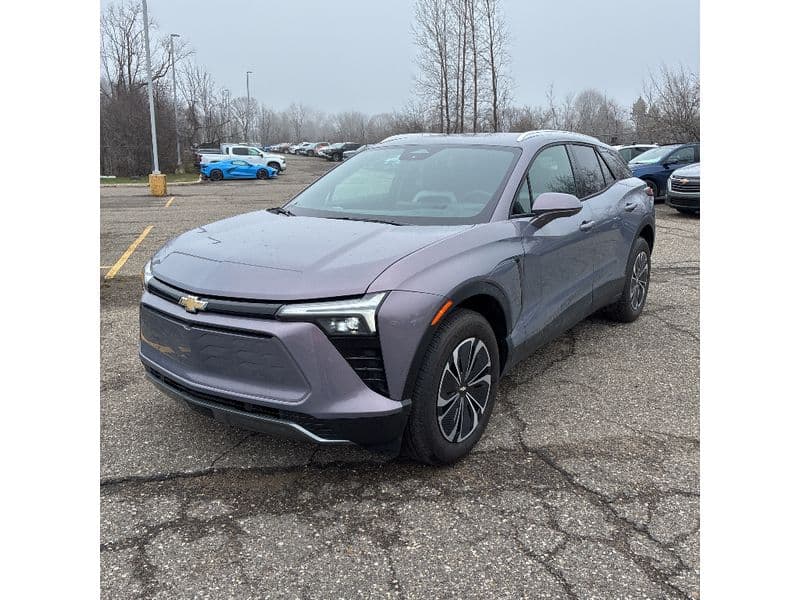
If you’re shopping for a Chevrolet Blazer EV, or already living with one, the big question is simple: what does the Blazer EV battery warranty actually cover, and where are the trapdoors? The high‑voltage Ultium pack is the single most expensive component in the vehicle, so understanding the fine print on Chevrolet’s 8‑year/100,000‑mile battery warranty is the difference between sleeping well and staring at the ceiling at 2 a.m.
Quick takeaway
Chevrolet Blazer EV battery warranty at a glance
Blazer EV warranty cheat sheet (U.S. models)
The Blazer EV rides on GM’s Ultium platform, so it inherits the same basic EV warranty structure you’ll see on other new Chevrolet and GMC electric SUVs. The headline is the 8‑year/100,000‑mile Electric Vehicle Propulsion Battery Limited Warranty, but that’s only part of the story. To really understand your protection, you have to look at the list of covered components, how GM thinks about capacity loss, and the long list of exclusions buried in the owner’s warranty booklet.
U.S. vs. Canada and fleet models
What the 8‑year/100,000‑mile Blazer EV battery warranty actually covers
Chevrolet doesn’t just warranty “the battery” in a vague sense. For Blazer EV owners in the U.S., GM’s Electric Vehicle Propulsion Battery Limited Warranty is written to cover specific high‑voltage and propulsion components against defects in materials or workmanship for 8 years or 100,000 miles, whichever comes first.
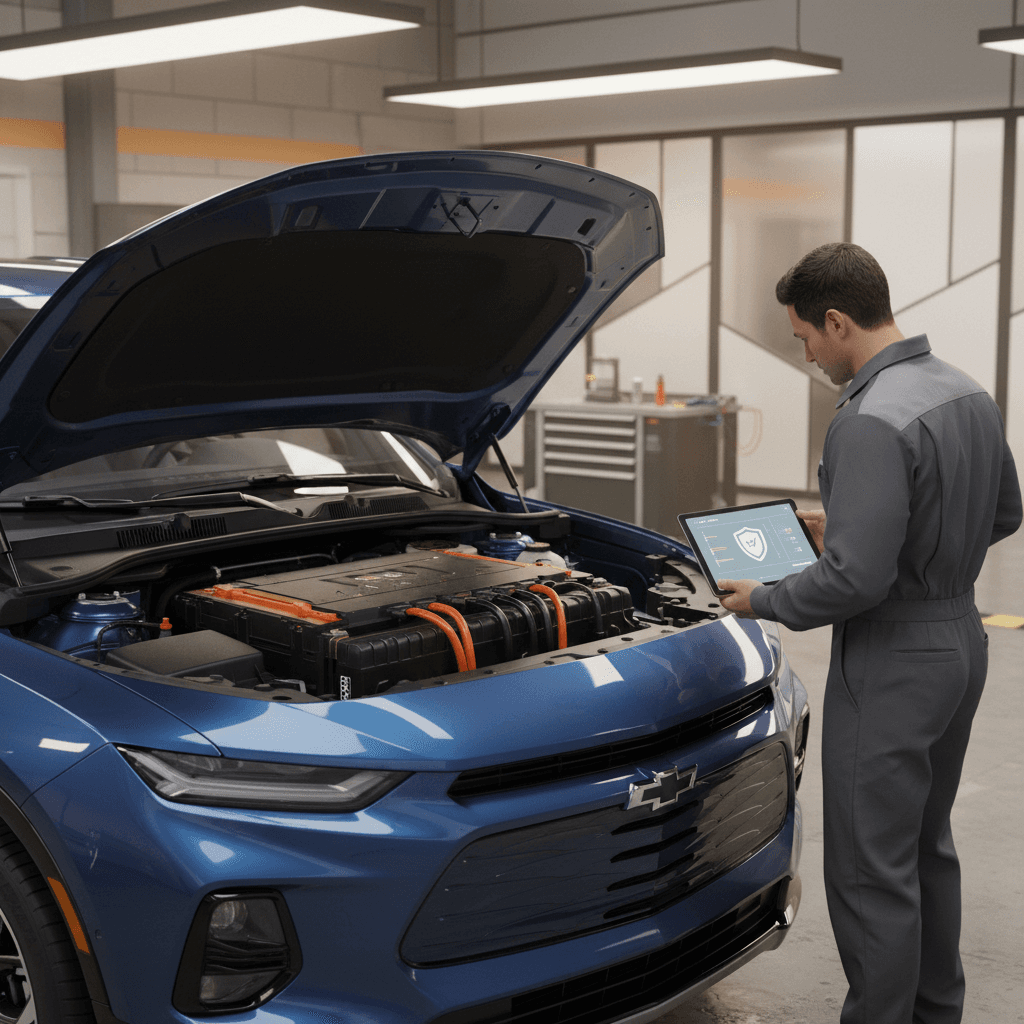
- High‑voltage Ultium battery pack (modules, pack enclosure, internal wiring, battery management electronics)
- High‑voltage contactors, relays, and pack‑mounted fuses or current sensors
- On‑board high‑voltage charging equipment (onboard charger, DC fast‑charge interface hardware) when it’s part of the propulsion system
- High‑voltage cabling between the pack and drive units, within the scope defined in the warranty booklet
- Electric drive units / motors and integrated power electronics that are specifically listed as EV propulsion components
- Battery thermal management components that are integrated into the pack assembly (sensors, manifolds, internal cooling circuits) when a defect can be traced to a warrantable failure
Think of it as the whole propulsion system
Repair vs. full battery replacement
When there’s a legitimate battery‑related defect, GM does not automatically bolt in a brand‑new pack like a set of new tires. Ultium was designed for module‑level replacement, so dealers and GM field engineers have a few options:
- Replace one or more faulty modules within the pack to restore performance or eliminate a defect
- Repair or replace associated high‑voltage components (sensors, contactors, cooling hardware) that caused a diagnostic trouble code
- In more severe cases, replace the entire pack with a new or GM‑remanufactured pack meeting current specifications
New pack vs. refurbished pack
What the Blazer EV battery warranty does NOT cover
This is the part brand advertising tends to whisper. The Blazer EV battery warranty is generous on defects, but narrow on everything else. If you assume it covers any loss of range or any strange behavior, you’re going to be disappointed.
Common exclusions in the Blazer EV battery warranty
Or, why “8 years / 100,000 miles” doesn’t mean anything and everything
Normal wear and tear
The Ultium pack is expected to lose some capacity over time. Ordinary degradation from age, use, and charging habits is not automatically a warranty issue. GM only steps in if capacity falls below an internal threshold that it considers abnormal.
Abuse and improper use
Using the vehicle beyond its design intent, frequent high‑speed impacts, off‑roading that damages the pack, ignoring warning messages, repeatedly overheating the battery, can put you outside warranty coverage.
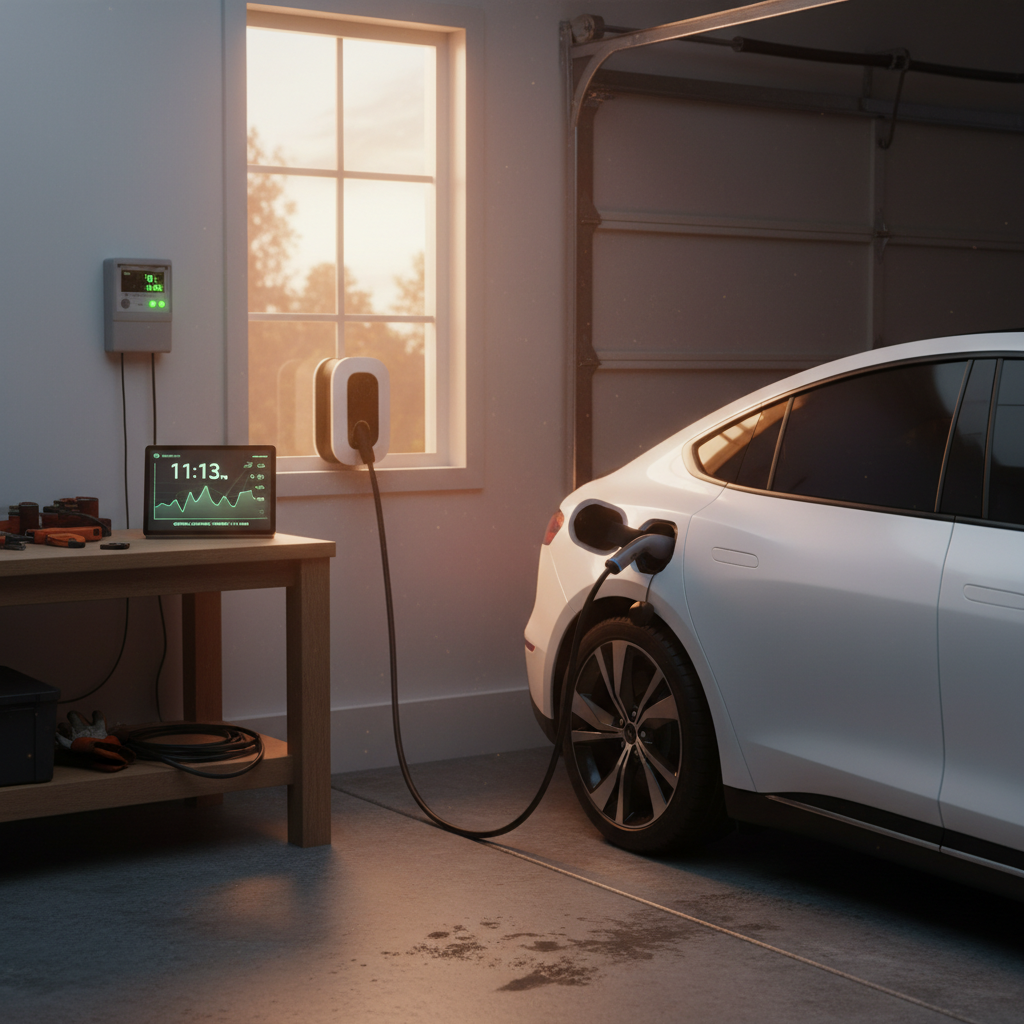
Non‑approved charging equipment
Damage traced to improper wiring, homebrew charging setups, or third‑party hardware that doesn’t meet standard specs can give Chevrolet a reason to deny a battery claim.
Unauthorized modifications
Tuning the power electronics, altering cooling systems, physically modifying the pack enclosure, or other non‑OEM alterations can void coverage for affected components.
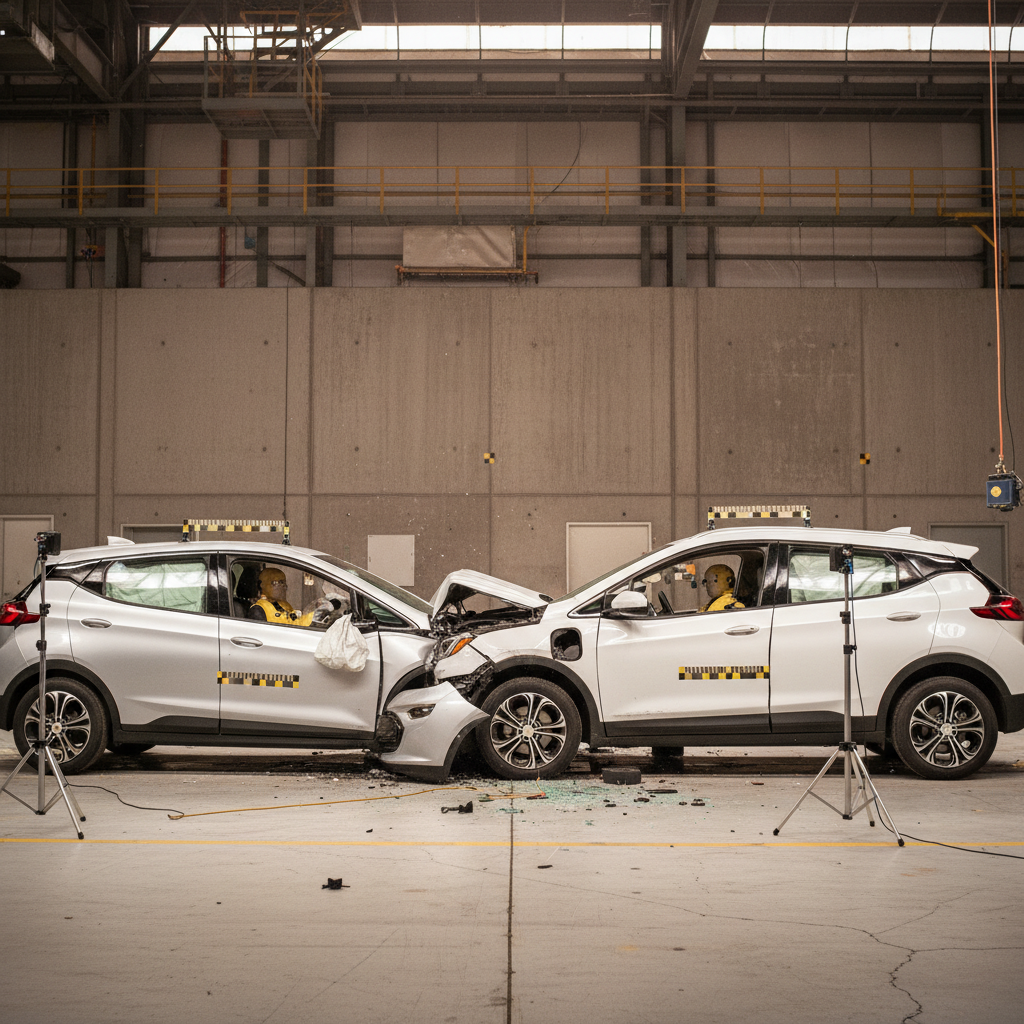
What about collision damage?
Battery degradation: how much loss is “normal” under warranty?
Every EV battery loses usable capacity over time. The uncomfortable part is that GM doesn’t publish a neat public chart that says, “Lose X percent by Y years and we’ll give you a new pack.” Still, we can read between the lines from GM documentation and how Ultium warranties are being handled in the real world.
How GM tends to think about capacity loss
- Internally, GM typically treats capacity below about 70–75% of original usable energy during the 8‑year/100,000‑mile period as a red flag for a possible defect, not ordinary aging.
- That doesn’t mean you automatically get a new pack at 74.9%. It means GM engineers may be pulled in to review telemetry and test results.
- Gradual, linear loss over many years is more likely to be labeled “normal” than sudden, step‑function drops in range.
What that means for your Blazer EV
- If your highway range slowly shrinks from 290 miles to 250 miles over eight years, GM will almost certainly call that normal wear.
- If your range plummets from 290 to 180 miles in a year or two, and diagnostics show a weak module, that’s more likely to be treated as a warrantable defect.
- Documented data, photos of range at specific state of charge, dealer observations, and service records, will matter if you end up in a gray area.
Track your range early
How the battery warranty fits with the rest of the Blazer EV warranty
Think of your Blazer EV’s coverage as layers with different expiration dates. The battery warranty is the long game, but plenty of problems will be handled under shorter‑term coverage first.
Blazer EV warranty layers: who pays, and when
Approximate U.S. coverage structure for retail Blazer EV buyers. Always confirm with your own warranty booklet and dealer.
| Coverage | Typical Term (U.S.) | What It Focuses On | How It Relates to the Battery |
|---|---|---|---|
| Bumper‑to‑Bumper Limited Warranty | 3 years / 36,000 miles | Most components except wear items | If a battery‑related problem looks like a software bug or minor hardware fault in year 1–3, it may be handled here first. |
| Electric Vehicle Propulsion Battery Limited Warranty | 8 years / 100,000 miles | High‑voltage Ultium pack and EV propulsion hardware | Kicks in for genuine battery defects or severe abnormal degradation. |
| Powertrain‑style EV coverage (where applicable) | Overlaps 5 years / 60,000 miles on many Chevrolets | Drive units, some high‑voltage components | Sometimes used for motor or gearbox failures that aren’t strictly “battery” problems. |
| Corrosion / Rust‑through | Up to 6 years / 100,000 miles | Body and underbody | Protects the shell, not the pack, unless corrosion can be traced to a defect in assembly. |
Battery warranty is just one piece of the protection puzzle.
Roadside assistance isn’t the battery warranty, but it matters
Real‑world warranty scenarios Blazer EV owners are seeing
Because the Blazer EV is still a relatively new model, the case law of real‑world ownership is being written in real time. Early owners have seen a mix of nuisance issues and a few serious high‑voltage faults, most of which are being handled under warranty, but not always under the line item owners expect.
How Blazer EV battery‑related issues tend to be handled
Examples based on early owner reports and GM service practices
Cold‑weather HV warnings
Owners have reported “Service high voltage system” messages during cold snaps. When diagnostics trace the problem to a faulty sensor, coolant valve, or software bug, repairs are generally covered, sometimes under bumper‑to‑bumper, sometimes as an EV propulsion component.
Early pack or module failures
A few early‑production Blazer EVs have needed full pack replacements or major high‑voltage repairs within the first year. In these cases, GM has been authorizing warranty repairs and covering towing; rental coverage varies by dealer and program.
Dealer “check‑in” visits
Some dealers encourage a “within the first year” visit to keep your warranty “valid.” In reality, your coverage depends on following GM’s official maintenance schedule, not on paying for extra dealer add‑ons. Read the maintenance section of your owner’s manual carefully.
Documentation is your friend
Buying a used Blazer EV: what battery warranty do you still have?
Here’s the good news if you’re shopping used: for U.S. buyers, Chevrolet’s battery and EV propulsion warranty is generally transferable to subsequent owners for the remainder of the 8‑year/100,000‑mile term, as long as the vehicle hasn’t been branded salvage or re‑titled under conditions that void coverage.
Checklist: reading a used Blazer EV’s remaining battery warranty
1. Check in‑service date
The 8‑year clock starts when the first owner took delivery, not the model year on the tailgate. Your dealer or a Chevrolet service advisor can pull the original in‑service date by VIN.
2. Confirm current mileage
Subtract the odometer reading from 100,000 miles to see how much of the mileage cap is left. Warranty expires at <strong>whichever comes first</strong>: 8 years or 100,000 miles.
3. Ask for warranty history
Request a printout of warranty repairs and open campaigns on that VIN. A prior battery replacement or major EV propulsion repair doesn’t automatically make a Blazer EV a bad buy, but you want to know the story.
4. Look for title brands
Salvage, flood, or manufacturer buyback branding can limit or void coverage. Pull a title history report before you sign anything.
5. Inspect battery health data
If you’re buying through a specialist like <strong>Recharged</strong>, review the <strong>Recharged Score battery health report</strong>, which independently verifies pack condition instead of just repeating the GM warranty line.
How Recharged helps used Blazer EV buyers
Ready to find your next EV?
Browse Vehicles
How to protect your Blazer EV battery, and your warranty claim
The cleanest warranty experience is the one you never need. A few habits dramatically reduce your odds of ever needing to test the edges of GM’s battery coverage, and they strengthen your case if you do.
Habits that keep your Blazer EV, and its warranty, happy
Simple behaviors, big long‑term payoff
Use proper charging equipment
Stick with properly installed Level 2 charging and reputable public networks. If you install a home charger, use a licensed electrician and keep the paperwork. If a charging‑related issue ever comes up, that documentation helps your case.
Avoid living at 0% or 100%
Charging to 100% for a long road trip is fine. Parking at 100% for days in midsummer heat is not. Likewise, routinely running the pack down to a very low state of charge and leaving it there is tough on any lithium‑ion battery.
Keep software up to date
GM regularly ships software updates to refine charging behavior, thermal management, and diagnostic thresholds. Declining updates can undercut your argument that you’ve been a responsible owner.
Respect temperature extremes
Fast‑charging repeatedly on a blazing‑hot day or parking for weeks in sub‑zero cold with a low state of charge are both hard on the pack. Use pre‑conditioning when available and don’t ignore temperature warnings.
Save every service record
Whether you service at a Chevy dealer or an independent shop (where appropriate), keep a file or digital folder with invoices and repair orders. A complete maintenance story makes warranty conversations calmer.
Document abnormal behavior early
If you see sudden range drops, charging errors, or recurring high‑voltage warnings, photograph dashboards and messages and schedule service promptly. Waiting months to bring in an issue makes it easier for anyone to wave it away as “normal aging.”
When the battery warranty runs out: replacement costs and options
So what happens in year nine, when that 8‑year/100,000‑mile battery warranty has quietly timed out? You’re not automatically looking at a five‑figure repair, but you are carrying the risk yourself.
Based on current Ultium pack pricing and early repair data, an out‑of‑warranty Blazer EV battery replacement performed at a Chevrolet dealer is likely to land in the high‑four‑ to low‑five‑figure range, depending on whether GM releases lower‑cost remanufactured packs and how much labor is involved. That’s before we talk about ancillary parts like cooling hardware or high‑voltage cabling that might be replaced at the same time.
- If the pack is still healthy but you’re unhappy with range, there’s no program today to “upgrade” to a larger pack through GM; you’d be paying retail for hardware and labor.
- Third‑party EV battery rebuilders may eventually offer module‑level repairs or refurbishments, but on a relatively new model like the Blazer EV, dealer‑level work will dominate for several years.
- Some extended service contracts or EV‑specific protection plans can add limited coverage for certain high‑voltage components beyond year eight, but they come with their own fine print.
Leasing vs. owning with battery risk in mind
If you’re shopping used and want a cleaner risk picture, platforms like Recharged can help by combining a verified battery‑health snapshot, remaining factory warranty, and realistic out‑of‑warranty cost estimates in one place, so you’re not guessing at a five‑figure line item in year nine or ten.
Chevrolet Blazer EV battery warranty: FAQs
Frequently asked questions about the Blazer EV battery warranty
The Chevrolet Blazer EV’s battery warranty is neither magical armor nor a ticking time bomb. It’s a long, fairly robust safety net around defects in the Ultium propulsion system, paired with a shorter bumper‑to‑bumper umbrella for everything else. If you understand where that coverage starts and stops, maintain the car thoughtfully, and keep your paperwork, you’re unlikely to be surprised. And if you’re looking at a used Blazer EV and want fewer question marks about the pack that powers it, working with an EV‑focused marketplace like Recharged, where battery health and warranty status are front and center, turns an anxious guess into a confident decision.