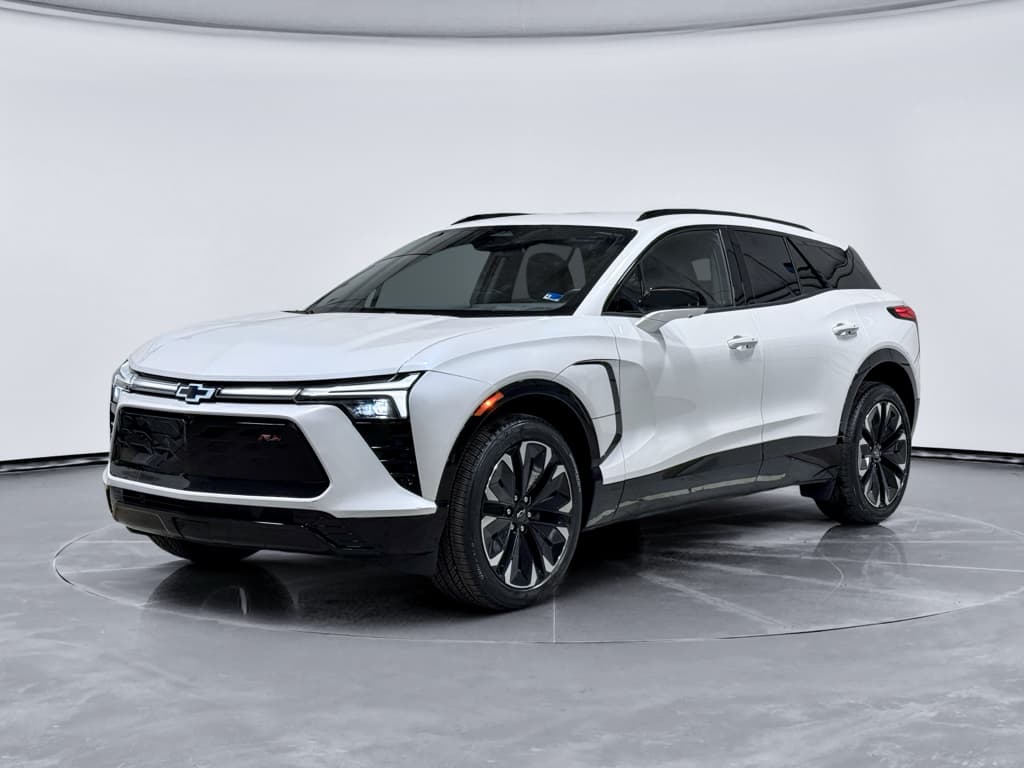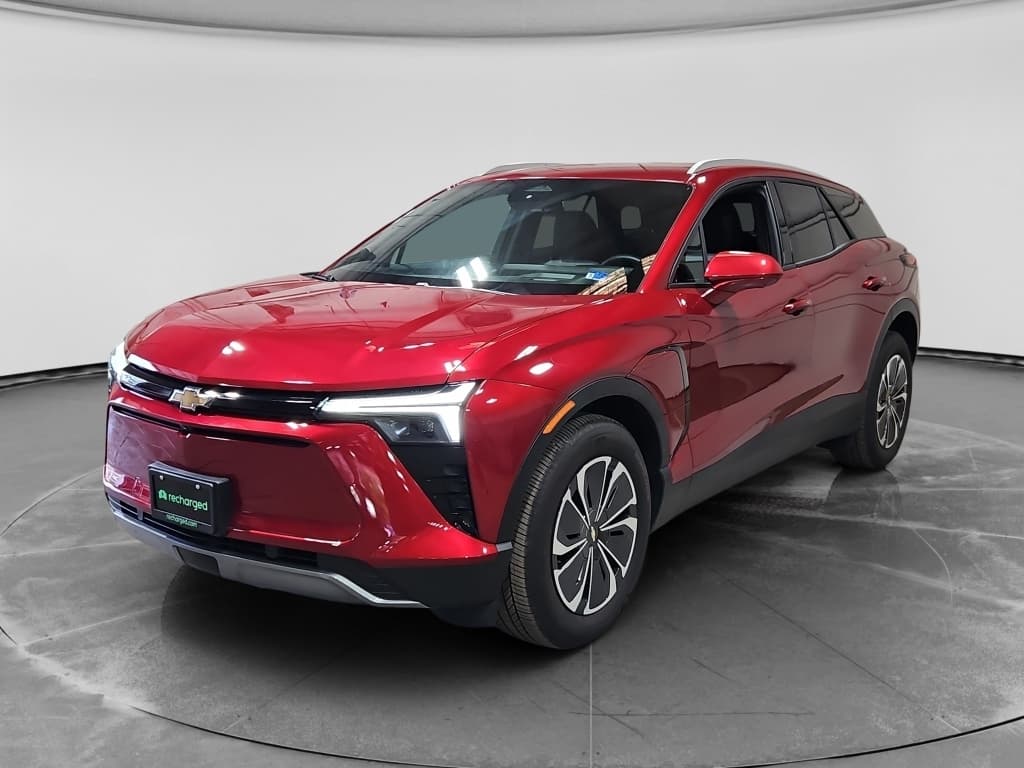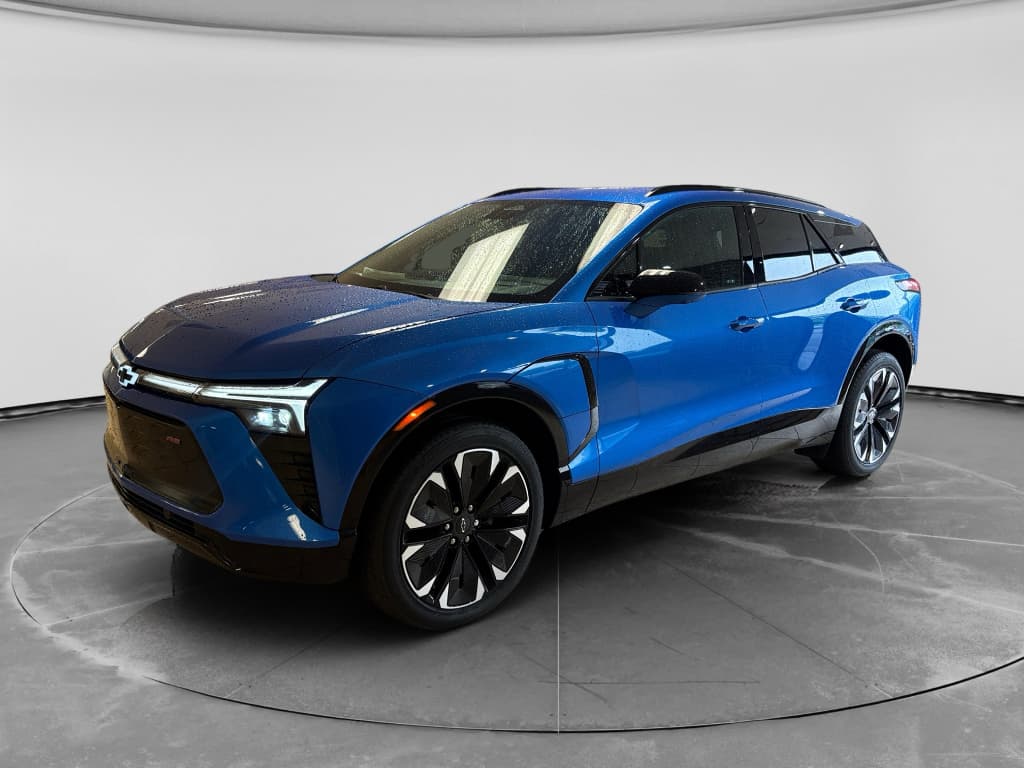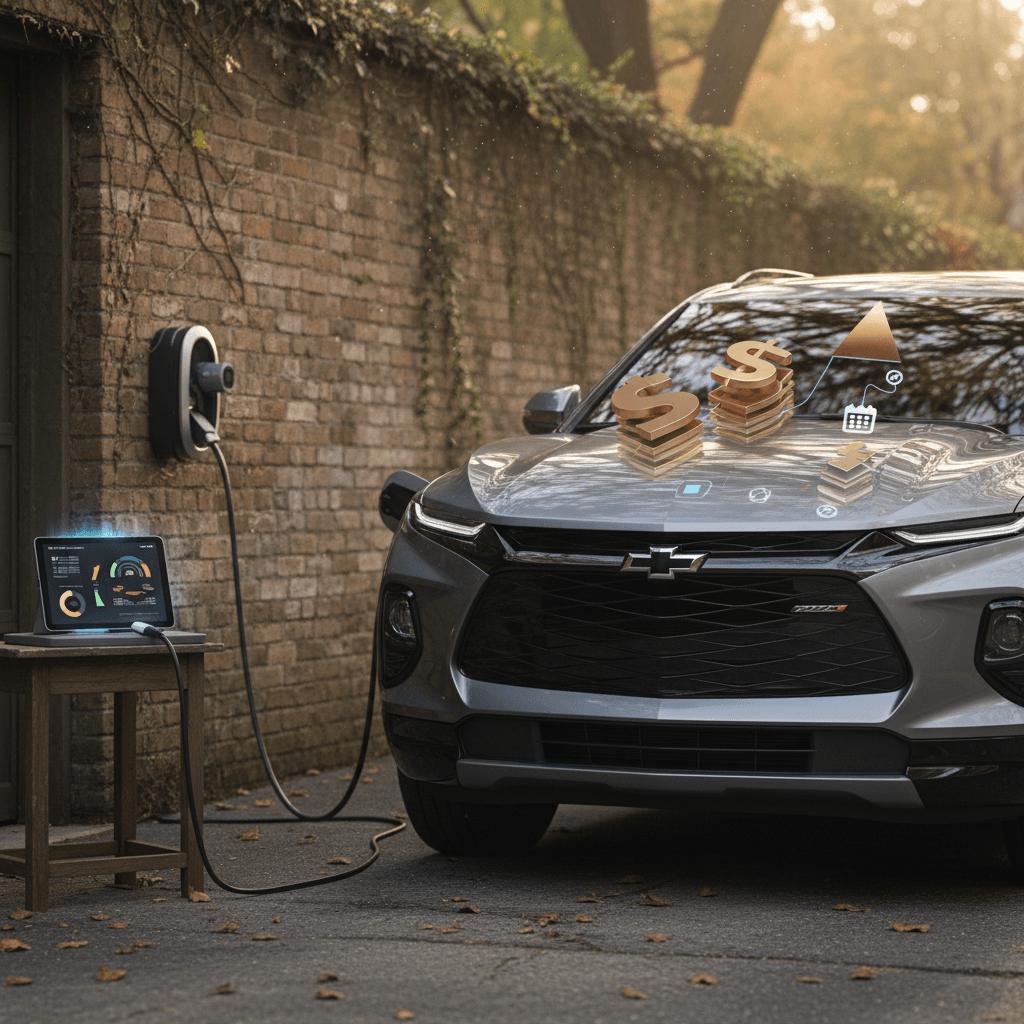
You don’t buy a Chevrolet Blazer EV because you’re shy. It’s a big, extroverted electric SUV with sports-car swagger, and a price tag to match. But once the honeymoon with the Ultium battery and the giant screen is over, a simple question remains: how much does it cost to own a Chevrolet Blazer EV per year in the real world?
Short answer
Chevy Blazer EV annual cost: quick overview
Typical yearly Blazer EV ownership snapshot (U.S.)
Add those pieces together and you land in the neighborhood of $7,000–$10,000 per year for a new Blazer EV during the first few years. A used Blazer EV that’s already taken its big depreciation hit can shave thousands per year off that total, which is exactly where a marketplace like Recharged comes in.
Baseline vs your reality
The math behind Blazer EV yearly costs
Let’s put some structure around the question so this doesn’t turn into an accounting seminar. We’ll use a few reasonable assumptions you can tweak for your own situation:
- Miles driven per year: 12,000 miles (close to the U.S. average).
- Electricity price: about $0.16 per kWh residential average in late 2024–2025 U.S. data.
- Blazer EV efficiency: roughly 3.0 miles per kWh in mixed driving, based on EPA ratings (around 35 kWh/100 miles for AWD trims) and early owner reports.
- Charging mix: 85–90% at home, 10–15% on DC fast chargers, unless you road-trip constantly.
- Ownership horizon: We’ll talk in yearly terms but keep a 5-year window in mind, since that’s when depreciation bites hardest.
A note on trims
Blazer EV charging cost per year
An EV’s signature party trick is cheap "fuel," and the Blazer EV is no exception. Using our assumptions:
Chevy Blazer EV yearly charging cost (example scenarios)
Home-heavy charging vs road-trip-heavy usage for a Blazer EV at 12,000 miles/year.
| Scenario | Miles per year | Efficiency (mi/kWh) | Electricity rate | Charging mix | Estimated yearly cost |
|---|---|---|---|---|---|
| Mostly home charging | 12,000 | 3.0 | $0.16/kWh | 90% home / 10% DCFC | ≈ $650 |
| High-cost electricity (e.g., CA, HI) | 12,000 | 3.0 | $0.26/kWh | 90% home / 10% DCFC | ≈ $1,050 |
| Frequent road-tripper | 18,000 | 2.8 (more highway) | $0.16/kWh | 70% home / 30% DCFC | ≈ $1,150 |
| Apartment dweller, little home charging | 12,000 | 3.0 | Public network blended | 10% home / 90% DCFC | ≈ $1,300–$1,600 |
You can adapt this table by swapping in your actual electricity rate or mileage.
For the baseline 12,000‑mile, home‑charging driver, you’re looking at $650–$900 per year in electricity, give or take. In plain English: about $55–$75 per month to "fuel" a 2½-ton electric SUV, assuming you’re not paying California‑level rates.
How that compares to gas
Ways to shrink your Blazer EV charging bill
- Use off-peak schedules: Many utilities offer cheaper overnight rates; set your Blazer’s charge timer to match.
- Home Level 2 charging: A dedicated Level 2 charger in the garage gives you reliable, cheap overnight charging instead of relying on DC fast chargers.
- Plan road-trip stops: Use route-planning apps to favor cheaper networks and avoid the worst-price fast chargers.
Realistic expectations
- Winter will cost more: Cold weather dents EV efficiency; your kWh per mile will go up, and so will your bill.
- Speed matters: The Blazer EV is happiest at 65–70 mph; at 80 mph it becomes an aerodynamic brick and your cost per mile jumps.
- Home solar changes the game: If you’re feeding your Blazer from rooftop solar, your marginal cost per kWh can drop dramatically over time.
Maintenance and repairs: what you actually spend
Under the skin, the Blazer EV is a rolling battery pack and a pair of electric motors. That means no oil changes, spark plugs, timing belts, or transmission services. Most third‑party analyses put EV maintenance at roughly 30–50% cheaper per mile than a similar gas SUV.
Typical yearly Blazer EV maintenance items
Most years will be pleasantly boring.
Tire rotations
On a heavy, torquey EV like the Blazer, you’ll want rotations every 6,000–7,500 miles.
Budget: $80–$150 per year, depending on shop prices and whether they’re bundled into a service plan.
Fluids & inspections
Brake fluid, coolant for the battery/drive units, and multi‑point inspections on the manufacturer’s schedule.
Budget: Averaged out, about $100–$200 per year over time.
Wear items over time
Cabin air filters, wiper blades, and the eventual alignment or suspension component as miles pile on.
Budget: Maybe $100–$200 per year at typical mileages.
Roll it all together, and a reasonable expectation for a Blazer EV that’s out of the free-maintenance honeymoon is around $300–$600 per year in routine maintenance if you drive about 12,000 miles per year. Some years you’ll spend almost nothing; other years a set of tires will blow the budget.
The big ticket nobody wants to talk about
Insurance, registration, and taxes
Insurance is where a lot of new EV owners get an unpleasant surprise. The Blazer EV is a new, relatively expensive, technology‑heavy SUV, and insurers price in the cost of repairing aluminum bodywork, sensors, and big battery packs.
Typical insurance costs
Exact numbers vary wildly by ZIP code, credit score, driving record, and trim, but for many drivers in the U.S. a Blazer EV will land roughly in the $150–$220 per month range for full coverage, that’s $1,800–$2,600 per year. Urban areas, younger drivers, or an SS performance trim can easily push that higher.
If your quote is north of $3,000 per year, it’s time to shop around; insurers are still figuring out how to price EV risk.
Registration and EV taxes
Most states charge standard registration fees, and some have added extra EV fees to make up for lost gas tax revenue, often around $100–$250 per year.
Your yearly number will depend on your state. Roll registration, title, and any EV surcharge together, and planning on $200–$400 per year is a safe, if conservative, estimate for a Blazer EV.
Depreciation and resale value
Depreciation is the silent majority of your annual cost. EVs in general have seen steeper early‑life depreciation than comparable gas SUVs, thanks to fast‑moving tech, changing incentives, and aggressive price cuts from manufacturers. The Blazer EV has also weathered some early recalls and price adjustments, which push resale values around.
Rough Blazer EV depreciation picture
Illustrative numbers for a well‑equipped Blazer EV bought new vs lightly used.
| Purchase type | Purchase price (example) | Estimated value after 5 years | Total depreciation | Average per year |
|---|---|---|---|---|
| New Blazer EV RS AWD | $60,000 | $30,000–$35,000 | $25,000–$30,000 | ≈ $5,000–$6,000/yr |
| Used Blazer EV (3 yrs old) | $38,000 | $24,000–$26,000 | $12,000–$14,000 | ≈ $3,000–$3,500/yr |
Actual resale will depend on incentives, trim, mileage, and the broader EV market when you sell.
Those aren’t official GM numbers; they’re reasonable estimates based on how similar EVs are behaving on the used market. The pattern is consistent, though: the first owner takes the biggest hit. If you buy new, depreciation will probably be your single largest annual cost. If you buy used, someone else already paid that tuition on your behalf.
How Recharged helps on depreciation
New vs. used Chevrolet Blazer EV annual costs
Let’s pull the big line items together for two realistic scenarios: a new Blazer EV vs. a 3‑year‑old used example bought from a specialist marketplace.
New vs. used Blazer EV: estimated yearly ownership cost
12,000 miles/year, average U.S. electricity price, insurance in a mid‑cost state.
| Category | New Blazer EV (year 1–5) | Used Blazer EV (3-year-old) |
|---|---|---|
| Charging (mostly home) | $650–$900 | $650–$900 |
| Maintenance | $300–$600 | $350–$700 (slightly more as vehicle ages) |
| Insurance | $1,800–$2,600 | $1,600–$2,300 |
| Registration/fees | $200–$400 | $200–$400 |
| Depreciation | $5,000–$6,000 | $3,000–$3,500 |
| Estimated total per year | ≈ $7,950–$10,500 | ≈ $5,800–$7,800 |
These aren’t quotes; they’re guideposts so you can sense the shape of the costs.
You’ll notice something important here: energy and maintenance are the small slices. Insurance is chunky, but depreciation is the whale in the room. That’s why a smartly priced used Blazer EV can feel dramatically cheaper to own each year, even though electricity and tires cost the same.
7 ways to lower your Blazer EV ownership costs
Practical ways to trim your Blazer EV’s yearly bill
1. Buy after the big depreciation hit
Target a Blazer EV that’s 2–4 years old with reasonable miles. You’re capturing a large chunk of the value while avoiding the steepest part of the depreciation curve. A curated used‑EV marketplace like Recharged makes it easier to compare pricing against battery health and equipment.
2. Charge at home as much as possible
Every kWh you take from a DC fast charger instead of your home outlet costs more. Install a Level 2 charger if you can, and set the Blazer’s charging schedule to off‑peak hours for even lower rates.
3. Shop insurance aggressively
Get quotes from multiple insurers and specifically mention that you’re cross‑shopping EV‑friendly companies. Adjust deductibles and coverage limits thoughtfully, and ask about discounts for telematics or bundled home/auto policies.
4. Protect your tires
The Blazer EV’s weight and instant torque are hard on rubber. Rotate on schedule, keep pressures where they should be, and consider an efficiency‑oriented tire when it’s time to replace. That can save hundreds over a few years.
5. Use software to your advantage
Leverage the Blazer’s built‑in route planning and third‑party apps to string together cheaper charging stops and avoid arriving at fast chargers with a nearly full battery (which slows charging and wastes your time).
6. Understand your warranty and recalls
Stay on top of software updates and any recall campaigns affecting the Blazer EV’s battery or charging systems. Getting issues handled under warranty can prevent expensive out‑of‑pocket repairs later.
7. Buy the car, not the hype spec
Do you genuinely need the hottest SS performance trim, or would a 2LT or RS with the right drivetrain suit your life just as well? Lower trims often mean cheaper insurance, smaller depreciation losses, and lower purchase price from day one.
So…is the Chevrolet Blazer EV worth it?
The Blazer EV is not the rationalist’s EV. It’s not a hyper‑aero egg chasing every last electron. It’s a bold, family‑size SUV with the manners of an electric grand tourer. That comes with some weight, in curb pounds and in annual costs.
If you buy new and drive average miles, your yearly cost to own a Chevrolet Blazer EV will probably land near $8,000–$10,000, with depreciation doing most of the damage. A well‑bought used example, on the other hand, can feel much more like a $6,000–$8,000 per year proposition, especially if you have sane insurance rates and home charging.
Where the Blazer EV redeems itself is in how it spends that money: ultrasmooth torque, quiet highway miles, low day‑to‑day running costs, and the smug satisfaction of passing gas stations like they’re museums. If you let someone else take the first‑owner depreciation hit, and verify the battery’s health with a report like the Recharged Score, it can be not just a stylish choice, but a financially defensible one.