If you’re chasing the cheapest way to own a luxury EV, the sticker price on a new Mercedes EQS or BMW iX is the worst place to start. Thanks to aggressive incentives, rapid tech cycles, and brutal depreciation, there are smarter ways to get into a comfortable, high-end electric vehicle without wrecking your monthly budget.
Luxury Feel, Non‑Luxury Payment
Why Luxury EVs Can Be Surprisingly Cheap to Own
On paper, luxury EVs are expensive: six‑figure MSRPs, complex tech, and high insurance. But if you zoom out to total cost of ownership, purchase price, finance charges, energy, maintenance, and resale, the right car, bought at the right time, can cost less per month than a new mainstream crossover.
What the Numbers Say About EV Costs
In plain English: someone else can eat the painful first years of depreciation, you step in later and enjoy luxury comfort, quiet, and performance at a compact‑SUV payment. The key is choosing the right ownership path.
Ownership Paths Ranked: From Cheapest to Most Expensive
Compare Ways to “Own” a Luxury EV
Not all ownership paths hit your wallet the same way.
1. Buy Used, 3–5 Years Old
Cheapest overall TCO for most buyers. You benefit from heavy depreciation and still get modern tech and comfort.
- Lower purchase price
- Often still under battery warranty
- Best for 4–7 years of ownership
2. Lease New (With Incentives)
Can be cheap per month when incentives are strong, but you’re renting the steepest depreciation years.
- Low upfront cost
- Always in‑warranty
- Little or no equity at the end
3. Buy New
Least cost‑efficient for luxury EVs. You pay full MSRP and eat the first 3 years of value loss.
- Best only if you must have latest tech
- Higher insurance and taxes
Quick Rule of Thumb
Used Luxury EVs: Where Depreciation Works in Your Favor
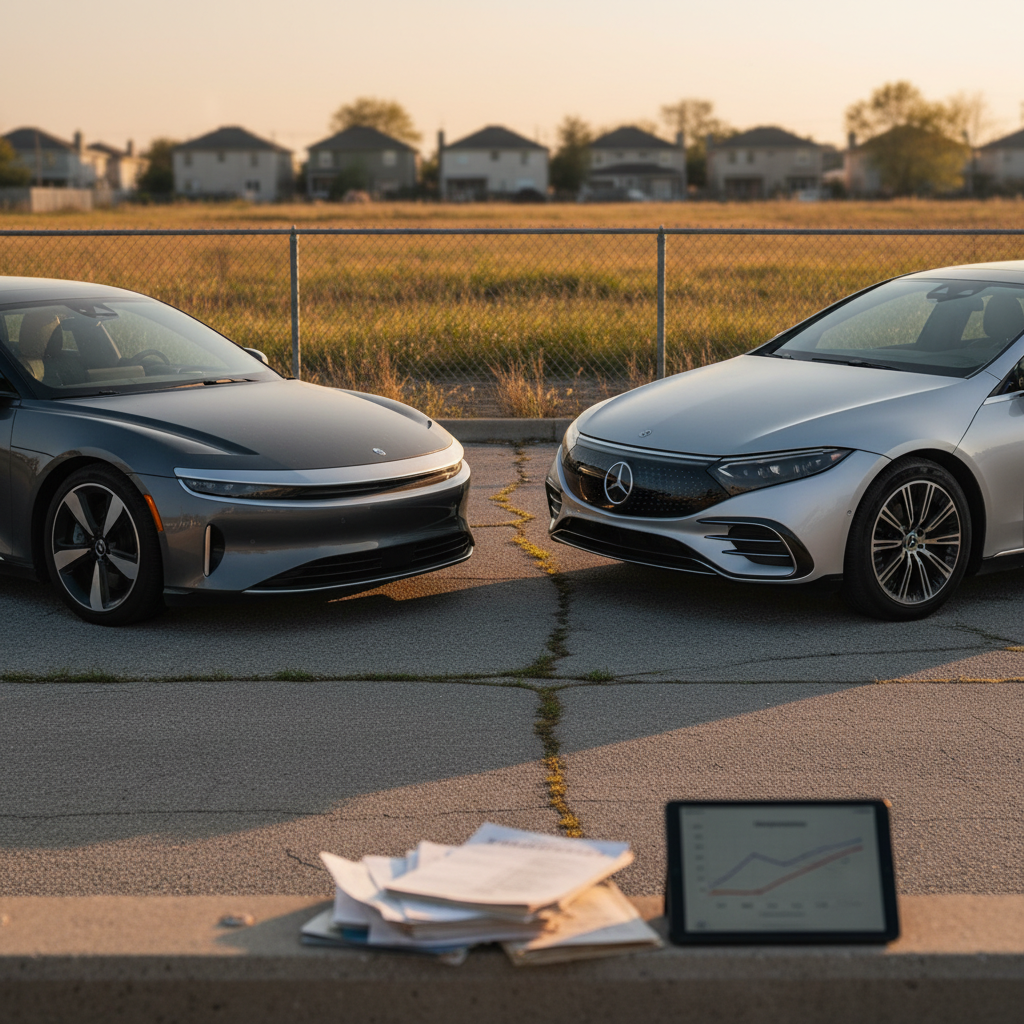
Luxury EVs have two big economic problems when new: high MSRPs and steep early depreciation. That’s bad news for first owners, and a gift for you if you buy at the right moment in the curve.
How Hard Do Luxury EVs Fall in Value?
Illustrative examples using publicly reported pricing trends. Exact numbers vary by mileage, condition, and market.
| Model (Example) | Original MSRP | Approx. 3‑Year Used Price | Total Depreciation | Who Should Buy |
|---|---|---|---|---|
| Mercedes EQS 450+ | ≈ $100,000+ | Low–mid $40,000s | ~55–60% | Buyers wanting S‑Class comfort at midsize‑SUV money, comfortable with faster future depreciation. |
| Audi Q4 e‑tron Prestige | ≈ $60,000+ | High $20,000s | ~50%+ | Shoppers wanting Audi cabin quality but compact‑SUV pricing. |
| Cadillac Lyriq | ≈ $60,000+ new | ≈ $29,000–$34,000 | ~40–50% (depending on year) | Value‑focused buyers okay with GM tech vs German badges. |
The pattern is consistent: luxury badges with big MSRPs take disproportionately large hits in years 1–3.
Depreciation Cuts Both Ways
Leasing a Luxury EV: When It Is, and Isn’t, the Cheapest
Leasing can look like the cheapest way to own a luxury EV because the monthly payment is low and the car is always new. But leases are structured so you’re paying for the car’s depreciation plus profit, which is exactly where luxury EVs are most punishing.
When a Lease Can Make Sense
- Massive incentives or tax credits get baked into the lease but not a cash deal.
- You write off lease payments for business use.
- You value having the latest tech and safety features every 2–3 years.
- You plan to walk away at lease end, not buy it out.
When a Lease Is Usually More Expensive
- You drive high miles and pay overages.
- You want to keep the car long‑term (buying the car after leasing often costs more than just buying used up front).
- You’re stretching for a payment on a car you couldn’t comfortably buy outright or used.
Leasing Trap to Avoid
Optimizing Financing & Total Cost of Ownership
Once you’ve picked the right point on the depreciation curve, the next biggest lever is how you pay for the car. Even the cheapest luxury EV can become expensive with the wrong financing or ownership habits.
Checklist: Make a Luxury EV Payment-Friendly
1. Target 3–5 Year-Old Cars
You want the original buyer to have already paid for the steepest 30–40% drop. A 3–5‑year‑old luxury EV balances a low price with plenty of useful life and remaining battery warranty.
2. Run a 5‑Year Cost Snapshot
Don’t just compare monthly payments. Estimate 5 years of payments, energy, insurance, maintenance, and expected resale. EVs often win on fuel and service, but lose more on depreciation, unless you buy after the big drop.
3. Keep Loan Terms Reasonable
Stretching to 84+ months can make numbers look attractive, but you risk being <strong>underwater</strong> if values fall faster than you pay down principal. Aim to match your loan term to how long you realistically plan to keep the car.
4. Skip Unnecessary Dealer Add‑Ons
Paint sealants, “lifetime nitrogen,” or redundant service plans quietly add thousands to a financed price. Most luxury EVs already include long battery and powertrain coverage from the factory.
5. Shop Financing, Not Just Cars
Pre‑qualification from an EV‑focused retailer like Recharged, your credit union, and your bank lets you compare real APRs and structure the deal that actually lowers your 5‑year cost.
Where Recharged Fits In
Model Examples: Affordable Paths Into Luxury EVs
Let’s ground this in specific examples. Prices move month to month, but the patterns are consistent: ex‑high‑MSRP luxury EVs that looked painful new can become the cheapest way to get into a comfortable, quiet, tech‑rich daily driver after a few years.
Luxury EVs That Turn into Used Bargains
Representative examples of models that often deliver luxury feel at non‑luxury prices when bought used.
Cadillac Lyriq
Average 2025 used prices: roughly $29,000–$34,000 in many U.S. markets for early model years.
- Premium interior and smooth ride
- Competitive range (up to ~326 miles when new)
- Cheaper than German rivals on the used market
Polestar 2
Typical used prices: mid‑$20,000s to around $30,000.
- Minimalist Scandinavian design
- Strong performance in dual‑motor trims
- Great value for buyers wanting Volvo‑adjacent safety and feel
BMW i4 eDrive35
The i4 eDrive35 shows up in efficiency rankings with a cost around $4.12 per 100 miles of driving, making it one of the cheapest luxury EVs to run.
- BMW driving dynamics
- Genuine luxury cabin
- Relatively low running costs when charged at home
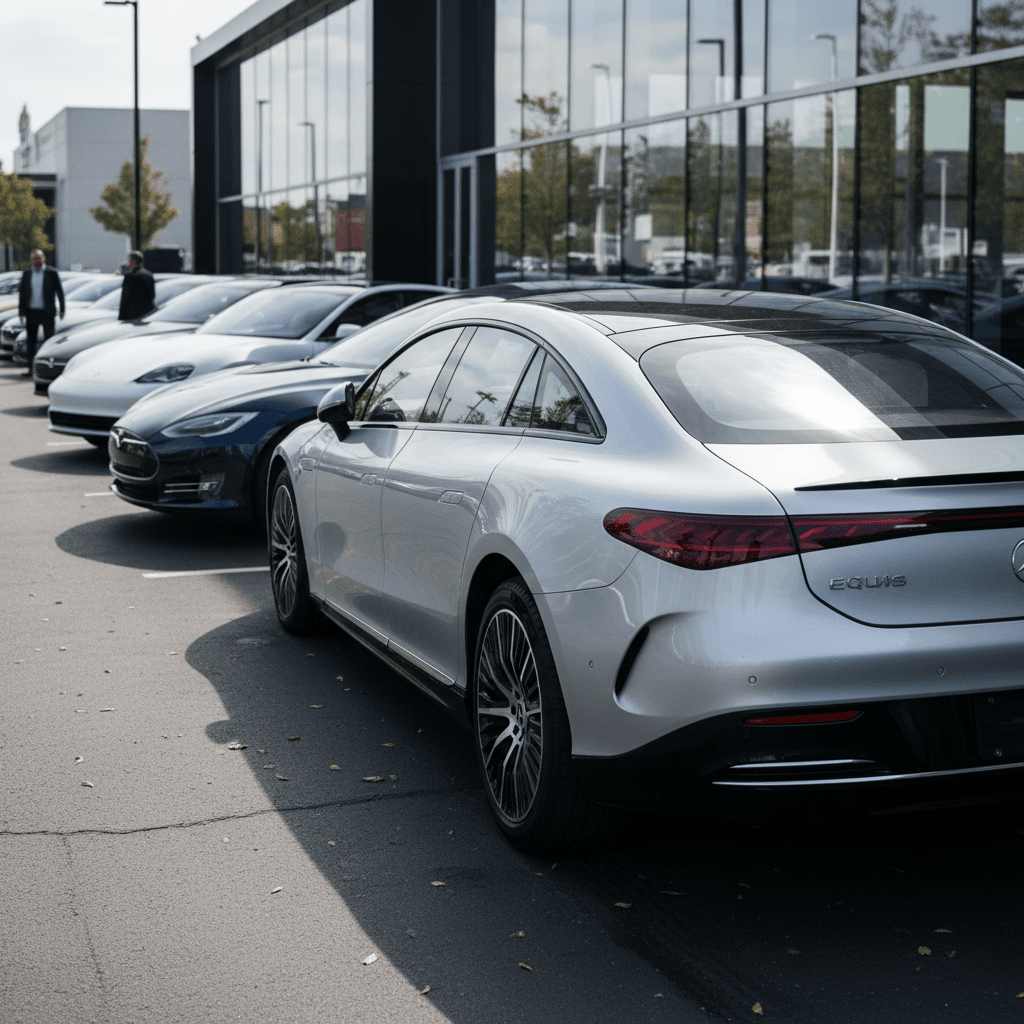
Tesla Model 3 and Model Y straddle the line between mass‑market and luxury, but on a used lot they can give you a genuinely premium driving experience at compact‑car money. The key is to separate hype from economics: don’t overpay just because the badge is hot this month.
How to Avoid Luxury EV Money Pits
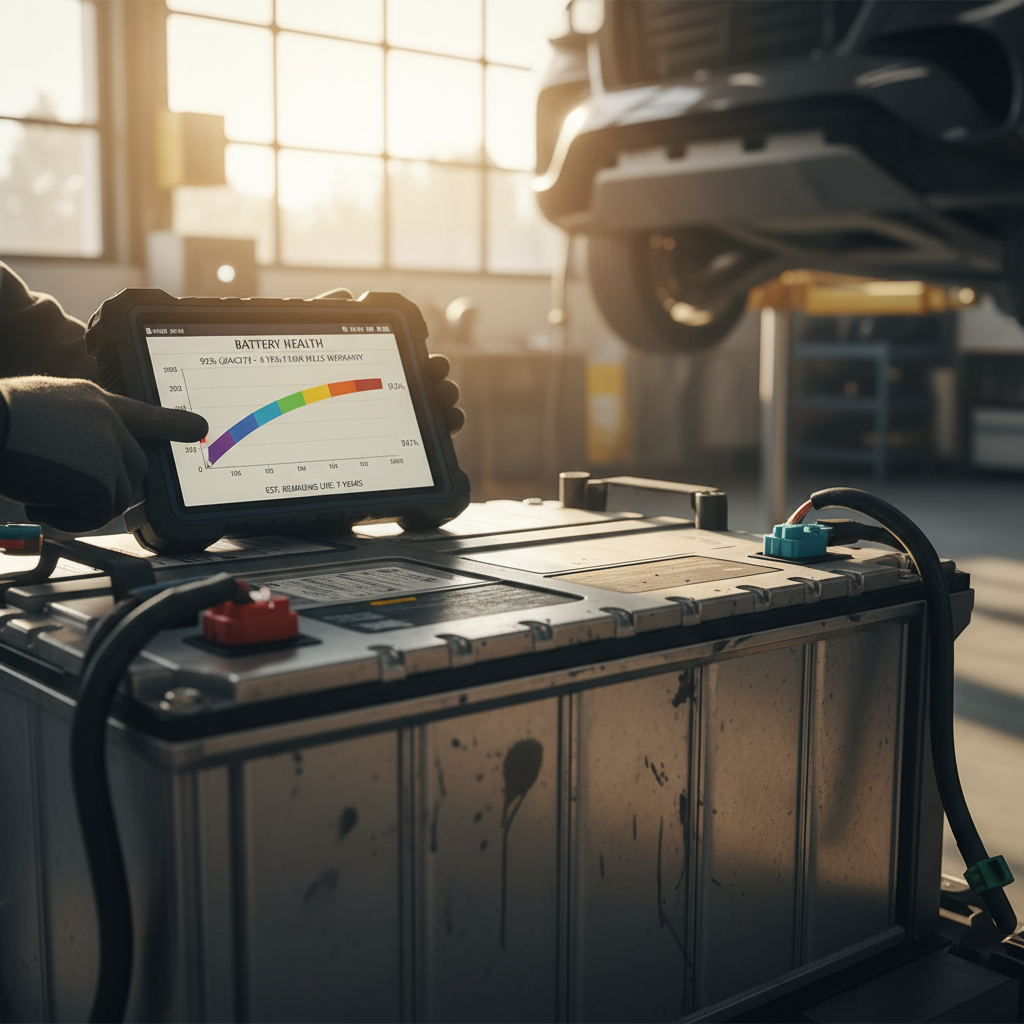
Luxury EVs can be cheap to own, if you avoid a few classic mistakes. Most of them boil down to ignoring battery health, paying for features you don’t use, or underestimating how fast tech marches on.
- Buying the most depreciated car instead of the healthiest one. A deeply discounted Mercedes EQS with a compromised battery or spotty service history can cost more in headaches than it saves in purchase price.
- Ignoring charging speed. An older luxury EV that charges slowly on DC fast chargers can turn road trips into marathons and hurt resale.
- Over‑equipping the car with high‑priced options (expensive wheels, subscription software) that don’t improve resale anywhere near what they cost.
- Treating a heavily optioned luxury EV like a short‑term flip. If values shift again, you’re the one left holding the bag.
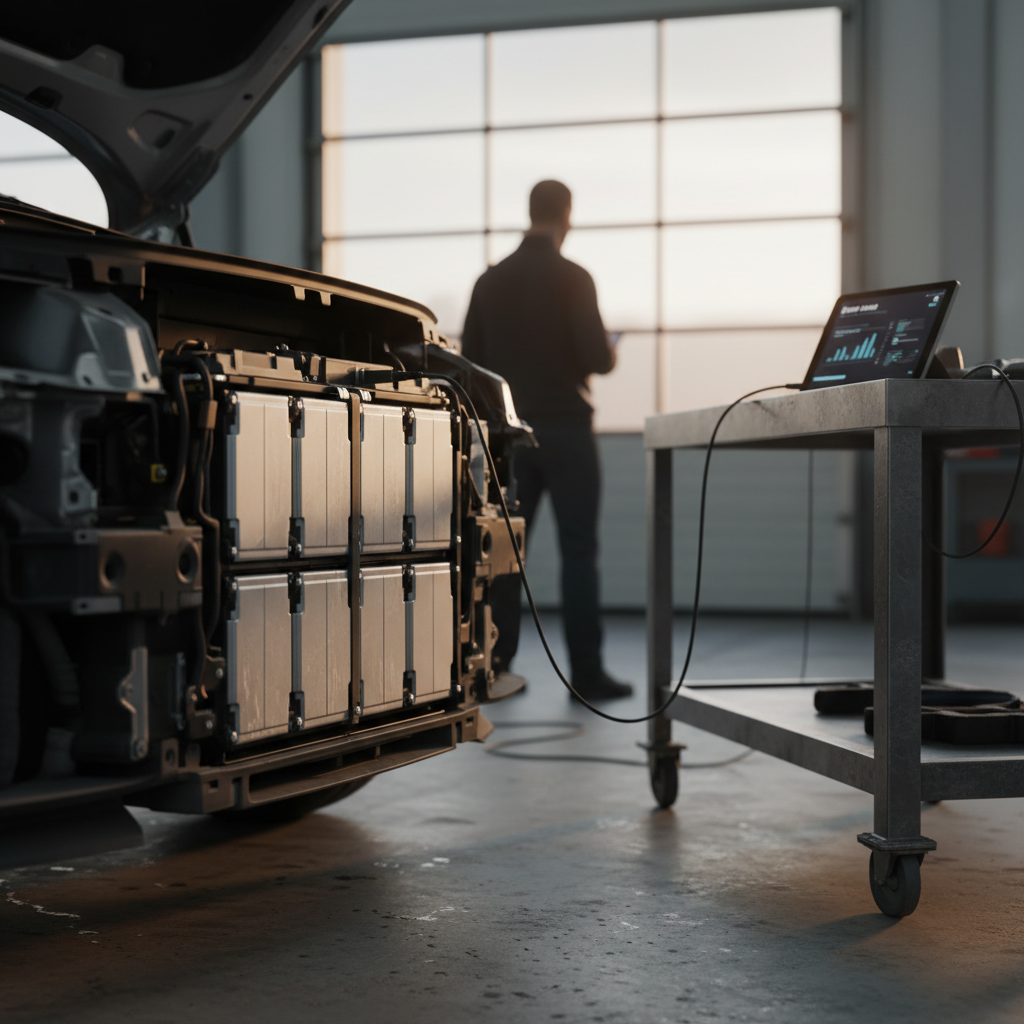
Battery Health Is the New Engine Condition
How Recharged Helps You Dodge Money Pits
Step-by-Step Plan to Get Into a Luxury EV Cheaply
Pick the Path That Matches Your Situation
If You Currently Own a Car
Get an <strong>instant offer or trade‑in value</strong> so you know your equity position up front. Recharged can appraise your current vehicle online.
Decide if you’ll <strong>roll equity into the deal</strong> or take cash and keep your loan smaller.
Shortlist 3–5 models that fit your budget: for example, a 3‑year‑old Cadillac Lyriq, Polestar 2, or Tesla Model 3 Long Range.
Compare 5‑year total cost on each (payments + energy + insurance – likely resale).
Use Recharged to line up <strong>financing and nationwide delivery</strong> so you’re not constrained to whatever is on a single local lot.
If You’re Coming From No Car or a Lease
Start by defining a <strong>realistic monthly total</strong> that includes payment, insurance, and charging, not just the car note.
Focus on <strong>3–5‑year‑old</strong> examples to dodge steep early depreciation while still getting a modern interior and good range.
Pre‑qualify for financing with no credit impact so you know what interest rate and term you’re working with.
Test‑drive something similar locally if your target car is being shipped; you’re checking seat comfort, ride quality, and visibility more than exact options.
Leverage Recharged’s <strong>EV‑specialist support</strong> to walk through Recharged Score reports, trade‑offs between range and price, and what ownership will look like in your specific driving pattern.
FAQ: Cheapest Way to Own a Luxury EV
Frequently Asked Questions
Bottom Line: Making a Luxury EV Truly Affordable
The cheapest way to own a luxury EV isn’t about discovering a magic lease or some secret rebate. It’s about timing the depreciation curve, buying after someone else has taken the big hit, verifying battery health, and structuring financing that you can comfortably carry through a 5‑year lens, not just a monthly payment.
If you approach the market that way, a 3–5‑year‑old Cadillac Lyriq, Polestar 2, Tesla Model 3, or similar can deliver the kind of quiet, smooth, tech‑rich driving experience that used to be reserved for six‑figure buyers, at midsize‑SUV pricing. Platforms like Recharged exist precisely to make that jump simpler: transparent battery reports, fair market pricing, EV‑savvy support, financing, trade‑ins, and even an Experience Center in Richmond, VA if you prefer to see a car in person before you click “buy.”
Do the homework once, structure the deal right, and you’ll discover that “luxury EV” and “budget‑conscious ownership” don’t have to be contradictions at all.