If you just want the **cheapest used plug‑in hybrid** that won’t turn into a money pit, the search can get confusing fast. Listings bounce from $8,000 older sedans to $35,000 nearly-new SUVs, all wearing the same "PHEV" label. Underneath those prices are big differences in battery health, remaining warranty, and long‑term running costs.
What this guide covers
Why used plug-in hybrids can be so cheap
Used plug‑in hybrids occupy a strange corner of the market. New, many of these cars and SUVs were niche experiments sold in low volumes and heavily subsidized by **federal and state incentives**. Once they hit the used market, those incentives are gone, demand is modest, and shoppers are often wary of battery replacements, so prices fall hard.
- Leasing and incentives pushed a lot of plug‑in hybrids into fleets and early adopters, creating steady used supply a few years later.
- Most buyers either want a full EV or a simple hybrid, so plug‑in hybrids sit in the middle with weaker demand.
- Battery technology has moved quickly; older PHEVs often have shorter electric range than today’s models, which further softens used values.
- Many mainstream shoppers simply don’t understand PHEVs, so dealers discount them to move metal.
Why this is good news for you
Quick list: cheapest used plug-in hybrids to target
Cheapest used PHEVs most shoppers should focus on
These models tend to offer the lowest prices relative to their capability and reliability.
Chevrolet Volt (2016–2019)
Best for: Commuters who want to drive mostly on electricity but keep a gas backup.
- All‑electric range up to ~50 miles depending on year.
- Many examples under typical commuter mileage now priced in the low‑ to mid‑teens.
- Compact hatchback practicality with decent highway comfort.
Toyota Prius Prime (2017–2022)
Best for: Shoppers who value reliability, efficiency, and low running costs over power.
- Electric range in the mid‑20‑mile ballpark for early years.
- Toyota’s strong hybrid reputation and long battery warranty.
- Plenty of cars in the $12,000–$20,000 range depending on age and mileage.
Hyundai Ioniq Plug-in Hybrid (2018–2022)
Best for: High‑mileage commuters chasing efficiency and value.
- Modest electric range but very strong gas‑hybrid mpg.
- Lower brand recognition keeps used prices attractive.
- Good warranty coverage on the hybrid system and battery.
Honda Clarity Plug-in Hybrid (2018–2020)
Best for: Comfort‑focused drivers who want lots of EV range.
- One of the longest electric ranges among older PHEVs, around 40–50 miles when new.
- Quirky styling, but roomy and relaxed to drive.
- Limited production keeps supply smaller, but prices can be compelling.
There are cheaper one‑off outliers, like very high‑mileage early Prius Plug‑In models advertised for a few thousand dollars, but the cars above are where value and day‑to‑day usability line up best for most buyers.
Typical used price ranges in 2025
Approximate U.S. used price ranges for popular plug‑in hybrids
Real‑world asking prices will vary by mileage, condition, and region, but this gives you a realistic 2025 snapshot for mainstream models.
| Model (U.S. spec) | Common model years to target | Typical used price band (USD) | Notes |
|---|---|---|---|
| Chevrolet Volt | 2016–2019 | $11,000–$20,000 | Earlier years and higher miles tend to sit close to $12k–$14k; late, low‑mile cars can still crest $20k. |
| Toyota Prius Prime | 2017–2022 | $12,000–$22,000 | Higher‑mileage first‑gen cars can dip under $15k; post‑2019 updates and low miles command more. |
| Hyundai Ioniq Plug‑In Hybrid | 2018–2022 | $12,000–$20,000 | Relatively low demand keeps prices soft; great value if you find a clean one. |
| Honda Clarity Plug‑In Hybrid | 2018–2020 | $14,000–$24,000 | Long EV range makes it desirable; pricing spreads widely with condition and region. |
| Ford Fusion Energi | 2017–2020 | $10,000–$18,000 | Midsize sedan with modest EV range but often very cheap due to age and sedan body style. |
| Mitsubishi Outlander PHEV | 2018–2021 | $15,000–$25,000 | One of the cheaper used plug‑in SUVs; early models feel dated but offer real utility. |
These are ballpark ranges, not hard limits. Ultra‑low‑mileage or pristine examples can sit above these bands; high‑mileage cars may dip below.
Watch out for “too cheap to be true” pricing
Key factors that make a used PHEV truly cheap to own
What actually drives the cost of a “cheap” used plug‑in hybrid
The **cheapest used plug‑in hybrid** isn’t just the one with the lowest asking price. It’s the one that minimizes your total outlay over the years you’ll own it. A $13,000 car that needs a $6,000 battery in two years is not cheap. A $16,000 car that avoids big failures and saves you $800 a year in fuel might be.
- Battery health and remaining warranty: The biggest swing factor. A healthy pack under warranty is ideal; a weak pack out of warranty can wipe out years of fuel savings.
- Charging behavior: If you can plug in at home or work, you’ll use the EV capability and save on gas. If you almost never plug in, a regular hybrid may be cheaper overall.
- Parts and servicing: Mainstream brands with large dealer networks (Toyota, Chevrolet, Hyundai, Honda) tend to be less painful for long‑term ownership.
- Insurance and registration: PHEVs are often similar to equivalent gas models, but high‑option trims can carry higher premiums.
- Resale value: A known model with a reputation for reliability (Prius Prime, for example) will be easier to sell later than an obscure or short‑lived nameplate.
Model spotlight: Chevy Volt – the electric‑first commuter
Why the Volt is a used bargain
The second‑generation Chevrolet Volt (2016–2019) is arguably the sweet spot for cheap used plug‑in hybrids. It offers one of the longest all‑electric ranges in the class for its era, roughly 50 miles when new, so many commuters can do their entire workday on electricity and burn gas only on longer trips.
Because production ended in 2019 and sedans/hatchbacks fell out of fashion in favor of SUVs, used prices have softened. That’s good news if you value efficiency over sitting up high.
What to watch for on a used Volt
- Battery condition: Look for range estimates that still land close to original EPA numbers on a full charge. A professional battery health report is even better.
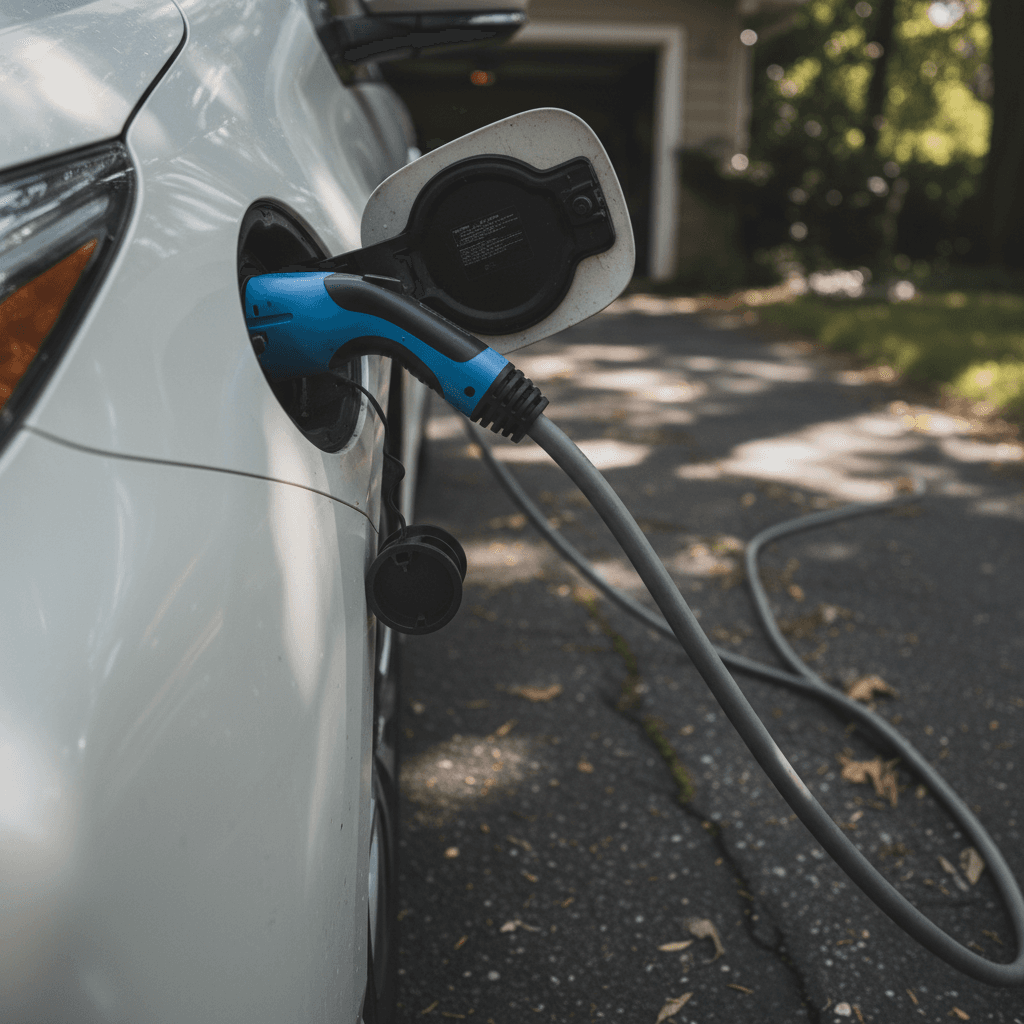
- Charging equipment: Make sure the car includes a working portable EVSE and that the charge port latches and unlocks smoothly.
- Maintenance history: Volt powertrains are generally robust if serviced on schedule; neglect can show up as engine or charging‑system issues.
- Ride height and underbody: The battery lives low in the car; curb strikes or underbody hits are worth checking carefully.
How Recharged can help with a used Volt
Model spotlight: Toyota Prius Prime – the safe bet
If your top priorities are **low running costs and durability**, the Toyota Prius Prime deserves a serious look. It doesn’t have the thrill factor of some competitors, but Toyota’s hybrid system is one of the most proven in the industry, and the plug‑in Prime builds on that foundation.
- Early U.S.‑spec Prius Prime models delivered roughly mid‑20‑mile electric range when new, which is still enough for many daily errands or short commutes.
- Toyota backs hybrid batteries with up to a 10‑year/150,000‑mile warranty in many states for recent model years, which helps de‑risk older examples still under coverage.
- Because the regular Prius hybrid is so common, servicing and parts availability are generally excellent, and many independent shops understand the platform.
Why the Prius Prime feels “boringly cheap” to own
Other budget-friendly used plug-in hybrids worth a look
Secondary picks: cheap used PHEVs for specific needs
These models aren’t always the absolute lowest price, but can be smart buys if they fit your life.
Ford Fusion Energi
A comfortable midsize sedan with modest electric range (around 20 miles when new) but often very low used prices. Great if you want a bigger car and mostly plug in at home.
Mitsubishi Outlander PHEV
One of the earlier plug‑in SUVs on the market. Not fast or flashy, but gives you real cargo space and available all‑wheel drive at some of the lowest prices in the PHEV‑SUV space.
Kia Niro Plug‑In Hybrid
A compact crossover with good efficiency and city maneuverability. Newer than most of the sedans on this list, so prices skew higher but still below many rival SUVs.
Why you don’t see luxury plug‑in hybrids on this list
Battery health and warranties on cheap used PHEVs
Battery condition is the single biggest wild card when you’re shopping for the **cheapest used plug‑in hybrid**. A pack that’s lost a big chunk of its usable capacity turns your PHEV into a heavy hybrid with a tiny EV buffer, and in the worst cases, can eventually require a multi‑thousand‑dollar replacement.
Battery questions to answer before you buy
1. How does the real‑world EV range look?
On a full charge, compare the car’s estimated electric range to its original EPA figure. Some loss over time is normal, but dramatic drops can be a red flag.
2. Is the high‑voltage battery still under warranty?
Many brands offered 8‑year/100,000‑mile or longer coverage on the plug‑in battery. Check the in‑service date and mileage; staying under that window greatly reduces your risk.
3. Has the car thrown any hybrid or battery warning lights?
Scan for diagnostic trouble codes, not just dashboard warnings. Intermittent faults can be stored even if the dash currently looks clean.
4. Does the seller have charging habits and history?
Ask how often the car was plugged in versus run on gas, and whether it lived in extreme heat. Long‑term storage at high state of charge in hot climates is hard on batteries.
5. Can you get an independent battery health report?
Not all tools are equal, but a professional assessment is far better than guessing. At Recharged, this shows up in the Recharged Score battery report.
Be cautious with out‑of‑warranty packs
How to shop for the cheapest used plug-in hybrid
The best way to find a genuinely cheap used plug‑in hybrid is to be systematic rather than chasing the lowest listing price. Here’s a framework that helps you compare options apples‑to‑apples.
Two practical shopping paths for budget PHEV buyers
Value‑maximizer (lowest total cost)
Target mainstream models with strong reliability data like Prius Prime, Ioniq Plug‑In, and second‑gen Volt.
Prioritize cars still under battery warranty, even if the purchase price is slightly higher.
Favor single‑owner or fleet‑maintained vehicles with complete service records.
Shop nationally if you can; a broader search often uncovers better‑priced, well‑documented cars.
Use marketplaces like Recharged that provide independent battery and pricing reports to avoid blind spots.
Sticker‑price hunter (lowest upfront price)
Look at older model years (2013–2016 era) and high‑mileage examples, but only after understanding replacement‑battery costs.
Focus on body styles that are out of fashion, sedans and hatchbacks instead of SUVs.
Inspect more aggressively for signs of neglect or prior collision damage; cheap cars are statistically more likely to have baggage.
Keep a firm repair reserve in your budget rather than stretching to zero‑down financing.
Be prepared to walk away quickly if a seller won’t let you inspect or scan the car properly.
Leverage transparent marketplaces
Financing and total-cost tips for budget buyers
Keep monthly payment and fuel in the same conversation
When you shop for the cheapest used plug‑in hybrid, it’s easy to focus only on the monthly payment. But if a slightly newer, more efficient PHEV costs $30 more per month and saves $40 in gas, you’re actually coming out ahead.
Estimate your annual mileage and your split between electric and gas driving. Then run rough fuel‑cost comparisons between your short list of vehicles.
Use financing that matches the car’s remaining life
A very cheap, older PHEV with limited remaining battery warranty is usually not a good fit for a long, 72‑month loan. You don’t want to still be paying it off if a major component fails.
Shorter‑term loans or putting more money down can give you margin for repairs if you’re deliberately buying at the bottom of the market. Some buyers prefer to finance slightly newer, warrantied cars where a longer term is less risky.
How Recharged can support your budget
Ready to find your next EV?
Browse VehiclesFAQ: cheapest used plug-in hybrids
Frequently asked questions about cheap used PHEVs
Bottom line: should you buy a cheap used PHEV or an EV?
If you need gasoline backup for long trips, street‑parking makes daily charging tricky, or you simply want to dip your toe into electrification without going all‑in, the **cheapest used plug‑in hybrid** can be an excellent compromise. Models like the Chevy Volt, Prius Prime, Ioniq Plug‑In, and Clarity Plug‑In Hybrid offer real electric range with the safety net of a gas tank, and used prices that are often far below comparable EVs or SUVs.
The key is to think beyond the asking price. Focus on battery health, remaining warranty, and realistic fuel savings, and lean on tools like the Recharged Score to turn unknowns into data. If your daily driving fits a PHEV’s strengths, a carefully chosen used plug‑in hybrid can deliver most of the EV experience at a fraction of the cost, and that’s where “cheap” starts to look genuinely smart.