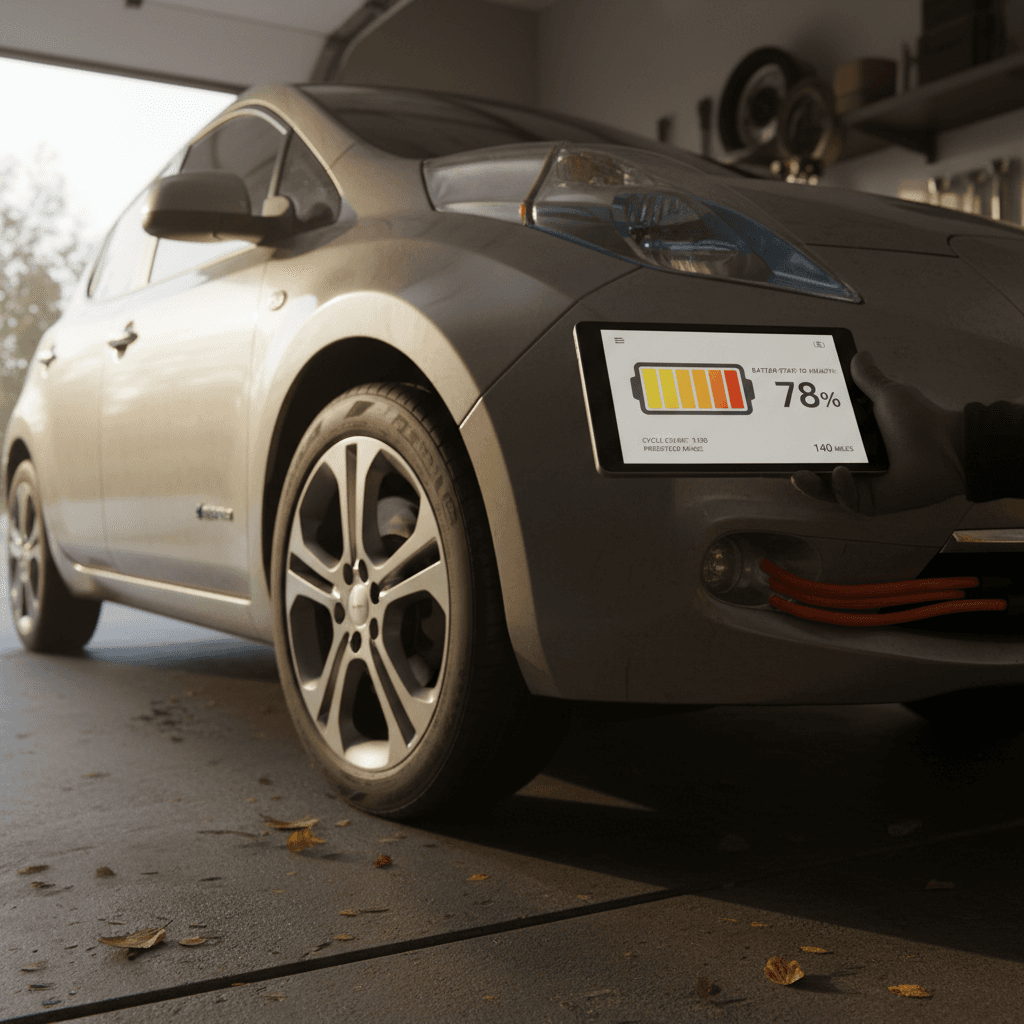
If you’re hunting for the cheapest used EV in 2025, you’re shopping at the right time. Used electric vehicle prices have fallen by as much as 40% since 2022, and many perfectly usable EVs now cost less than a five-year-old compact gas car. But “cheap” and “good value” aren’t always the same thing, especially once you factor in battery health, charging speeds, and repair costs.
Why this guide is different
Why used EVs are so cheap in 2025
Used EV prices at a tipping point
For the first time, a used EV no longer carries a big price premium over a similar gas car. Several forces pushed prices down: aggressive new‑EV discounts, a flood of off‑lease Teslas, and fast technology turnover that made early EVs feel dated sooner than gas cars.
The result is a strange moment where the market is still figuring out what older EVs are really worth. Some models, especially compact hatchbacks like the Nissan Leaf or Chevy Bolt EV, now look shockingly cheap. Others have fallen hard in price because of range, charging, or durability concerns. Your job as a shopper is to separate genuine bargains from cars that are inexpensive for a reason.
Don’t chase price alone
What “cheapest used EV” really means
Price vs. value
A truly cheap used EV isn’t just the lowest price on a listing site; it’s the car that costs you the least over the years you own it. That includes:
- Purchase price (plus taxes and fees)
- Charging costs vs. fuel
- Maintenance and repairs
- Battery life and replacement risk
- Resale value when you move on
Minimum viable EV
Think about your personal minimums:
- Realistic range you need on a cold, rainy highway day
- Charging speed for road trips, if you ever take them
- Space for your family, pets, or gear
- Safety tech you’re not willing to give up
The cheapest EV that meets your actual needs is a better deal than the absolute cheapest EV on the market.
Define your floor first
Cheapest used EV models to target
Let’s look at specific models that routinely show up at the bottom of the price charts but still make sense for many buyers. Exact numbers will vary by mileage and condition, but these ballpark ranges reflect typical asking prices in late 2025.
Core “cheap but solid” used EVs (late 2025)
Approximate U.S. asking prices for common budget-friendly EVs in average condition. Local markets can vary by several thousand dollars.
| Model | Typical Used Price | EPA Range (new) | Key Strength | Main Watch‑Out |
|---|---|---|---|---|
| Nissan Leaf (2018–2022, 40 kWh) | $4,000–$9,000 | ≈150 miles | Rock‑bottom prices, simple to drive | Air‑cooled battery; fast degradation in hot climates |
| Nissan Leaf Plus (62 kWh) | $8,000–$13,000 | ≈215–226 miles | More usable range for commuting | Same battery cooling concerns; check health carefully |
| Chevy Bolt EV (2017–2022) | $10,000–$16,000 | ≈238–259 miles | Excellent efficiency and range for the money | Past recall history; confirm recall work and battery report |
| Chevy Bolt EUV (2022–2023) | $14,000–$20,000 | ≈247 miles | More space, often with Super Cruise | Slightly higher prices; still modest DC fast‑charge speed |
| Hyundai Kona Electric (2019–2022) | $12,000–$18,000 | ≈258 miles | Strong range, efficient, well‑equipped | Smaller rear seat; road noise vs. newer EVs |
| Kia Niro EV (2019–2022) | $12,000–$18,000 | ≈239 miles | Great value; big price drop from new | Older infotainment, average DC fast charging |
| BMW i3 (2017–2021, BEV) | $6,000–$12,000 | ≈114–153 miles | Premium cabin, nimble city car | Limited range for highway use; some parts costs high |
These models mix low purchase price with acceptable range and modern safety/features for first‑time EV buyers.
Sweet‑spot picks for most buyers
Cheap but risky EVs to approach carefully
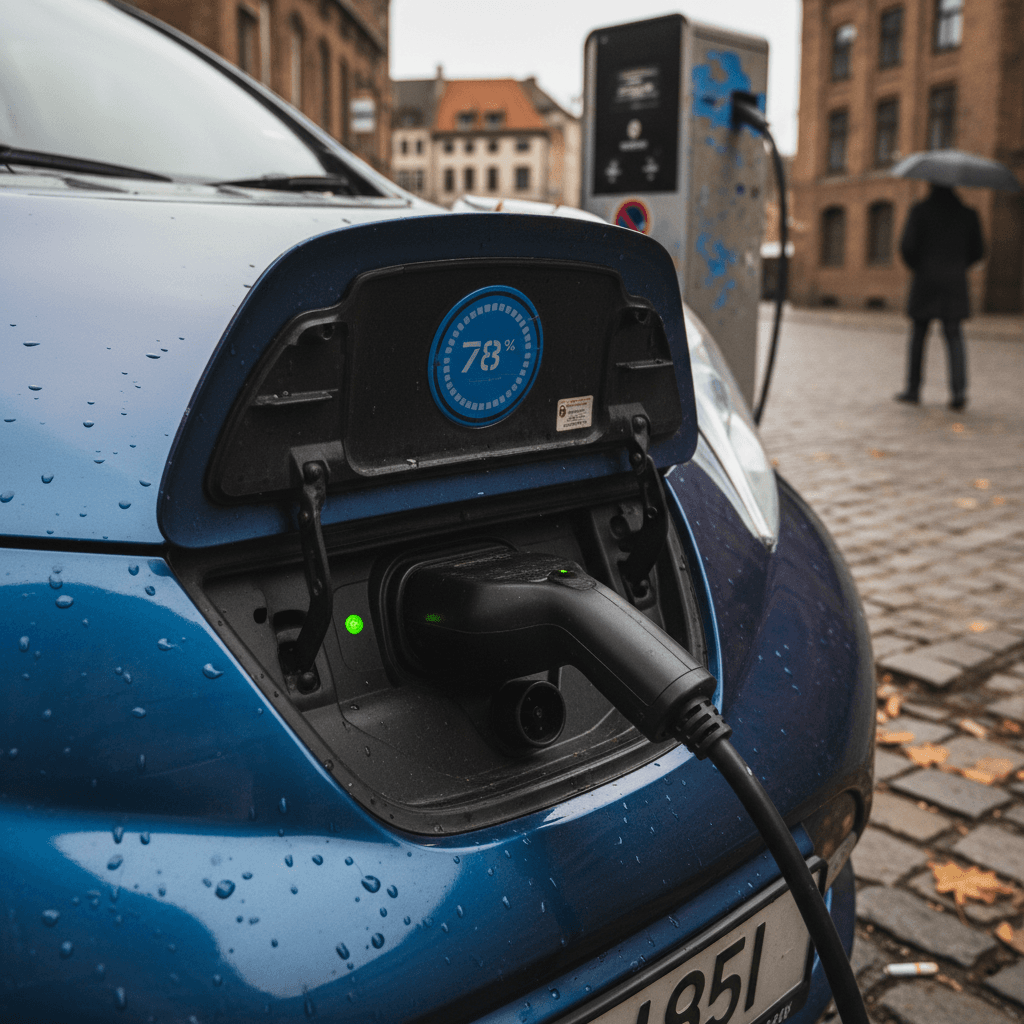
Some of the very cheapest used EVs owe their price tags to design decisions that haven’t aged well, especially around battery cooling and range. You don’t have to avoid these cars entirely, but you should understand why they’re so cheap and inspect them more carefully.
- Early Nissan Leaf (2011–2017) – Uses an air‑cooled battery with no active thermal management. In hot climates or high‑mileage use, degradation can be severe enough that a “100‑mile” Leaf feels like a 50‑mile car.
- Short‑range compliance cars (Fiat 500e, early VW e‑Golf, first‑gen Ford Focus Electric) – Fun city cars, but limited range and scarce parts in some regions. Great second cars, risky as your only vehicle.
- High‑end luxury EVs with steep depreciation (early Jaguar I‑Pace, Audi e‑tron, older Tesla Model S) – Temptingly cheap vs. original MSRP, but complex systems, big batteries, and expensive components can make a low purchase price misleading.
Battery replacement can erase any savings
Battery health: the make-or-break factor
With gas cars, the engine and transmission determine whether a cheap car is a good deal or a ticking time bomb. With EVs, the equivalent is the high‑voltage battery. It’s the most expensive component in the car and the main reason two identical EVs can have wildly different used values.
Four things that drive EV battery health
Use these to judge whether that cheap EV will still meet your needs in five years.
1. Climate & storage
Heat is the enemy of lithium‑ion batteries. EVs driven or parked long‑term in hot climates (think Phoenix, Vegas, Florida) tend to show more degradation, especially if they lack liquid cooling.
2. Battery chemistry & cooling
Liquid‑cooled packs (Bolt, Kona, Niro, Tesla) generally age better than air‑cooled packs (older Leaf). Within each, chemistry and cell suppliers also matter, but cooling is the big first filter.
3. Fast‑charging behavior
Occasional DC fast charging is fine. Living on fast charging can stress the pack. Usage history isn’t always visible, but severe abuse can show up in capacity tests.
4. Mileage & duty cycle
Total miles matter less than how the car was used. A 100k‑mile highway commuter might have a healthier pack than a lower‑mileage car that lived in extreme heat and sat at 100% charge.
Battery checks before you buy the cheapest used EV
1. Get a quantified battery health report
Ask for a recent battery health report, not just a verbal “range seems fine.” Tools like the <strong>Recharged Score</strong> use diagnostics to estimate remaining usable capacity.
2. Compare reported range to original EPA rating
If a car that was rated for 239 miles when new now shows only 150–160 miles at a full charge, you need to discount the price or walk away.
3. Ask about warranty status
Many EVs carry 8‑year/100k+‑mile battery warranties. A cheap EV that’s still under battery warranty is very different from one that aged out last year.
4. Check for open recalls and software updates
Battery‑related recalls (like the Bolt EV’s) usually require specific software or hardware work. Confirm it’s been done and documented before you sign anything.
5. Inspect charging behavior
During a test charge, watch whether the car reaches expected speeds and maintains them. Dramatic drops in charging rate can hint at thermal management or pack issues.
Total cost of ownership on a cheap used EV
The cheapest used EV on paper isn’t always the cheapest car to own. Electricity is usually cheaper than gasoline on a per‑mile basis, but you still need to factor in insurance, maintenance, depreciation, and any looming repairs.
Where you save with a cheap EV
- Fuel costs: Many EVs deliver the equivalent of 80–120 MPG. Even at average U.S. electric rates, that’s typically far cheaper than gasoline per mile.
- Routine maintenance: No oil changes, timing belts, or spark plugs. Brakes often last longer thanks to regenerative braking.
- Depreciation: If you buy after the big drop, values are less likely to fall off a cliff again, especially if the battery is healthy.
Where costs can surprise you
- Battery or high‑voltage repairs: Rare but expensive; a big failure can total an older EV.
- Out‑of‑network repairs: Some brands and older compliance cars have limited dealer support or parts availability.
- Insurance: In some regions, EVs carry slightly higher premiums, especially for luxury or performance models.
Run the numbers over 3–5 years
How to shop smart for the cheapest used EV
Once you’ve decided you want a budget EV rather than the latest tech showcase, the process is less about chasing a specific model and more about applying a disciplined filter: needs first, battery health second, price third.
7 steps to finding the right cheap used EV
1. Define your use case
Daily commute, city car, teen driver, rideshare, second car? A 120‑mile EV might be enough for a commuter but stressful as your only family vehicle.
2. Set a minimum range target
Pick a realistic minimum usable range for your life, often 120–150 miles for a city car, 180–200+ if you do regular highway trips.
3. Focus on a short list of models
Start with solid budget choices like the Chevy Bolt EV/EUV, Hyundai Kona Electric, Kia Niro EV, and newer Leaf Plus. Treat older Leafs and short‑range compliance cars as special‑case city cars only.
4. Screen listings by battery and charging info
Prioritize listings that mention recent battery health checks, recall completion, and clear Level 2/DC fast charging details. Thin descriptions are red flags on older EVs.
5. Use a structured inspection checklist
Beyond the usual used‑car checks, verify charge port condition, charging behavior, range estimates at high state of charge, and EV‑specific warning lights.
6. Get independent diagnostics when possible
Ask the seller if you can run a third‑party battery health test. With platforms like Recharged, a <strong>Recharged Score</strong> report is already part of the listing.
7. Compare deals on a cost‑per‑usable‑mile basis
When you’ve narrowed it down, don’t just compare purchase prices. Compare what you’re paying per remaining mile of realistic, usable range.
Beware EVs with missing charging equipment
How Recharged helps with budget used EVs
Buying the cheapest used EV should feel like a smart, transparent decision, not a gamble on a mystery battery. That’s the gap Recharged is built to close.
Why shop for a cheap used EV through Recharged?
Tools and expertise that matter even more when you’re on a tight budget.
Verified battery health
Every EV on Recharged comes with a Recharged Score Report that includes verified battery health diagnostics, so you’re not guessing how much usable range you’re actually buying.
Fair market pricing
Recharged benchmarks each car against current used‑EV pricing data, including the steep depreciation we’ve seen since 2022, so you can see whether you’re getting a genuinely good deal.
Financing & trade‑in made simple
Need to keep monthly payments low? Recharged offers financing, online trade‑ins, and options like instant offers or consignment, all wrapped into a fully digital buying process.
Nationwide delivery
Because the best cheap used EV for you might be sitting several states away, Recharged supports nationwide delivery so you can shop on value, not just geography.
EV‑specialist support
Recharged’s EV‑specialist team can help match your budget and range needs to specific models, explain tradeoffs, and decode battery reports, especially helpful for first‑time EV buyers.
Experience Center in Richmond, VA
If you’re near Virginia, you can visit the Recharged Experience Center in Richmond to see vehicles in person, ask questions, and get hands‑on with charging gear.
Ready to find your next EV?
Browse VehiclesCheapest used EV FAQ
Frequently asked questions about the cheapest used EVs
Is the cheapest used EV actually worth it?
The story of the cheapest used EV in 2025 isn’t just that prices have fallen, it’s that the gap between a smart bargain and an expensive mistake has never been wider. A few thousand dollars saved up front doesn’t mean much if you end up with an EV that can barely cover your commute or needs a five‑figure battery pack halfway through your ownership.
If you approach the market with clear range requirements, a short list of proven budget models, and hard data on battery health, you can buy an EV that’s both cheap and genuinely good. That’s exactly what Recharged was built to support, transparent battery diagnostics, fair pricing, and EV‑savvy guidance from the first search to delivery. When you’re ready to move from browsing to buying, use those tools to make sure the cheapest used EV you can find is also the smartest one for you.