If you’re hunting for the cheapest EV to own per mile, you’re already asking a better question than, “What’s the cheapest EV to buy?” Sticker price is theater; cost per mile is reality. It’s where battery efficiency, electricity prices, maintenance and brutal EV depreciation all collide.
Quick answer
How cheap is an EV per mile, really?
EV vs gas: cost-per-mile snapshot
On pure energy, a reasonably efficient EV in an average-cost electricity state can be two to three times cheaper per mile than a similar gas car. Where it gets interesting, and where many buyers get burned, is when you add in depreciation, insurance and repairs. Some EVs save you pennies on energy but evaporate thousands in value the moment the title hits your name.
How we define “cheapest EV to own per mile”
1. Energy cost per mile
Energy is the obvious one: electricity price ÷ miles per kWh. If you pay 15¢/kWh and your EV averages 4 mi/kWh, you’re at 3.75¢/mile. A thirsty 2.5 mi/kWh car on the same rate costs 6¢/mile, still cheap, but 60% worse.
2. Full ownership cost per mile
To find the cheapest EV to own per mile, you need the whole picture over a period, usually 5 years / 75,000 miles:
- Depreciation
- Financing and taxes/fees
- Insurance
- Maintenance & repairs
- Charging (home + public)
Add these up, divide by miles driven, and you have a realistic cost per mile.
TCO tools help
Pure energy cost: the EVs that sip electricity
If you only care about the power bill, the cheapest EVs per mile are simply the most efficient ones. Several compact EVs can run close to a cup of coffee for 100 miles at typical residential rates.
Examples of very low energy cost per mile
Approximate electricity cost at ~13–15¢/kWh and EPA-rated efficiency
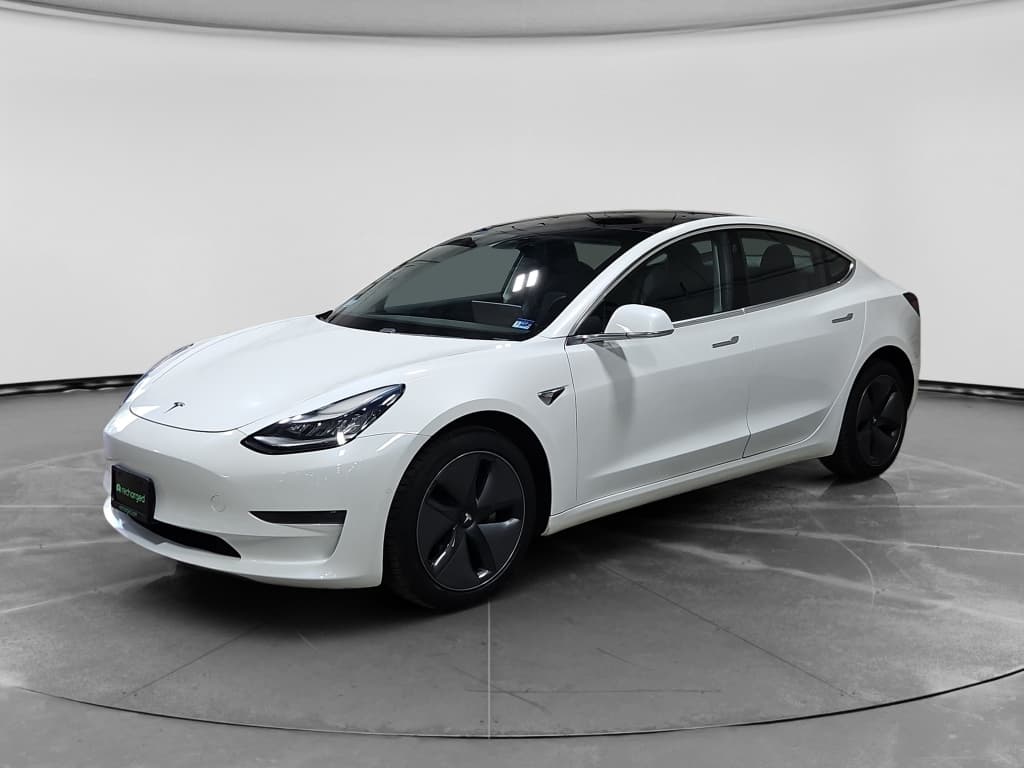
Tesla Model 3 (RWD, latest gen)
- Efficiency: ~4 mi/kWh
- Energy cost: ≈ $3.60 per 100 miles
- That’s about 3.6¢ per mile.
Hyundai Ioniq 6 / Kona Electric
- Efficiency: often 3.7–4.0 mi/kWh
- Energy cost: ≈ $3.80–$4.10 / 100 miles
- Among the thriftier non-Tesla choices.
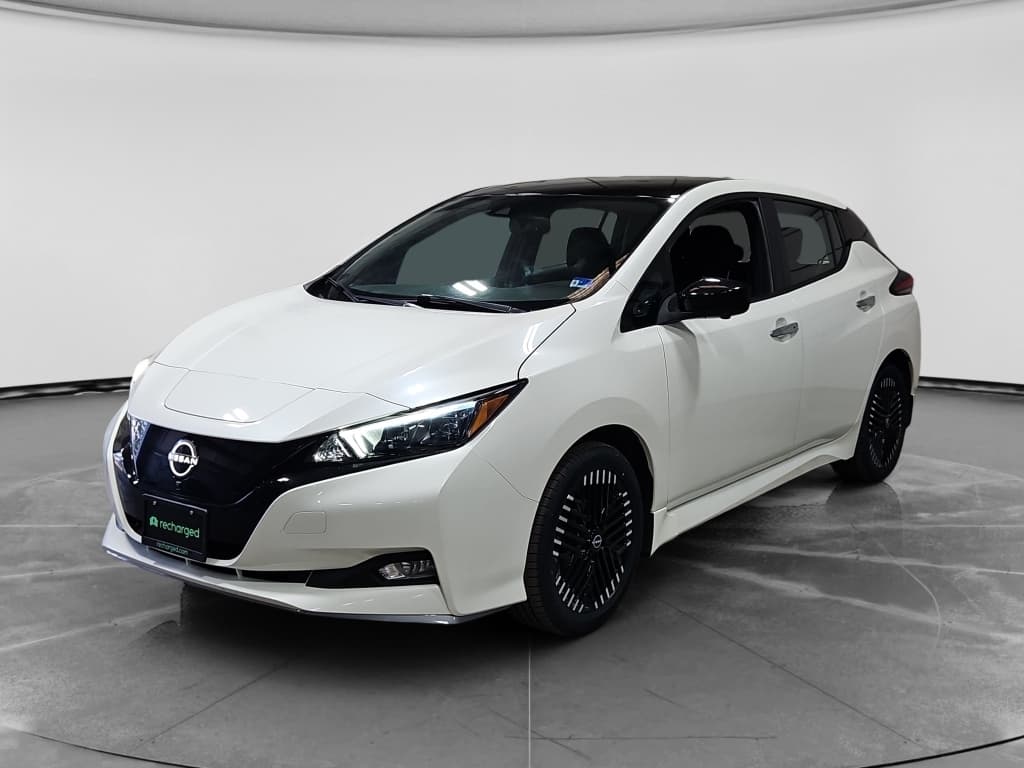
Nissan Leaf & similar compacts
- Efficiency: typically 3.0–3.5 mi/kWh
- Energy cost: ≈ $4.30–$5.00 / 100 miles
- Older designs, but still cheap to run.
But energy isn’t the whole story
Total cost of ownership: why sticker price lies
The cheapest EV to own per mile is usually not the cheapest EV to buy. Depreciation, the money your car quietly sets on fire every year, is almost always the single biggest line item.
What actually drives EV cost per mile
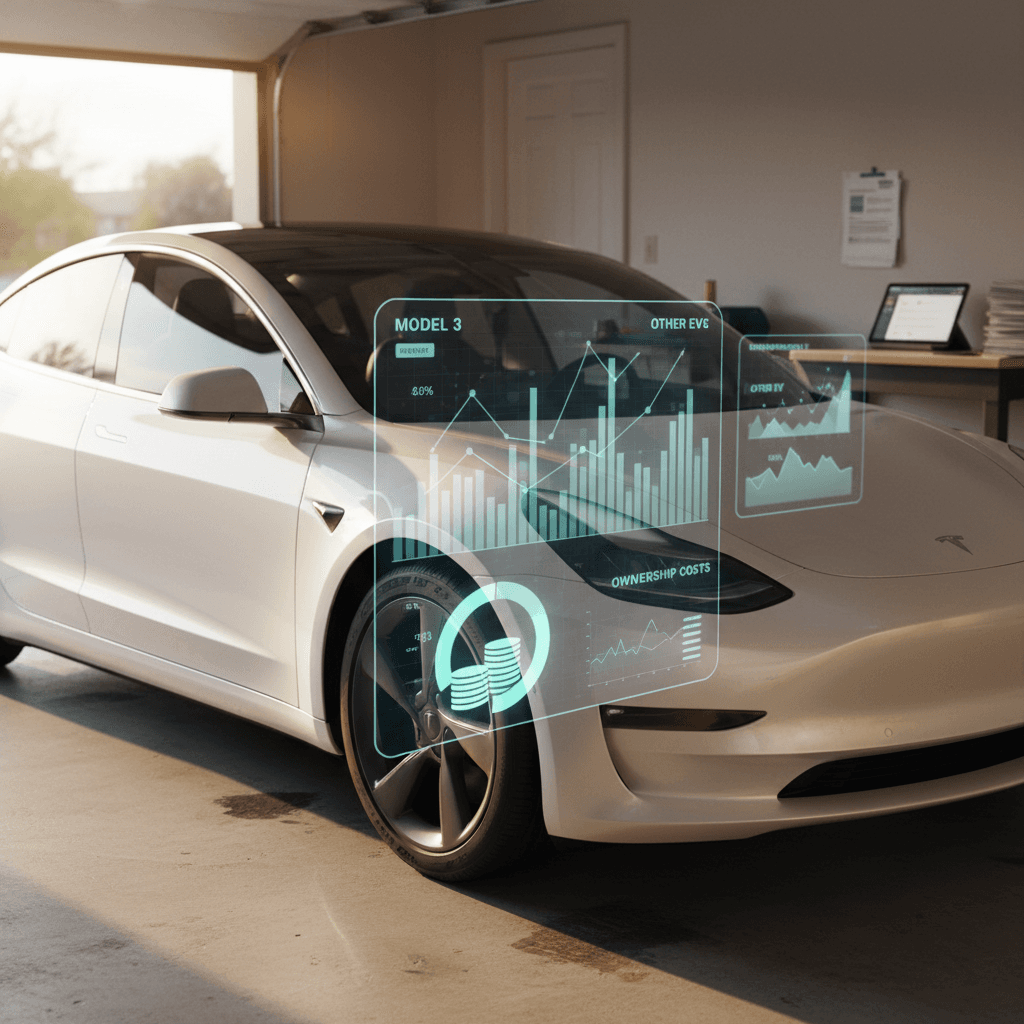
A simplified view of how ownership costs shake out over 5 years for a typical compact EV vs a gas compact, assuming 75,000 miles.
| Cost category | Typical EV share | Typical gas share | Notes |
|---|---|---|---|
| Depreciation | 35–45% | 35–40% | Biggest factor for both; some EVs depreciate faster today. |
| Fuel / energy | 10–15% | 20–30% | EVs claw back ground here; 2–3x cheaper per mile on energy. |
| Maintenance & repairs | 5–10% | 10–15% | EVs skip oil changes, spark plugs, many transmission services. |
| Insurance & fees | 15–20% | 15–20% | EVs can run slightly higher on insurance in some zip codes. |
| Financing, taxes, other | 15–25% | 10–20% | Heavier for pricier vehicles regardless of powertrain. |
Illustrative ranges; your exact numbers will vary by model and region.
Run the numbers and you’ll find many mainstream EVs land somewhere around 40–70 cents per mile all‑in over five years, depending on how much you drive, where you live and what you paid. Crucially, a lot of that cost is fixed, insurance, fees, depreciation, so the more miles you drive, the lower your effective per‑mile number sinks.
High‑milers win
Used EVs: the secret “cheapest EVs per mile”
If you’re serious about paying as little as possible per mile, you should be looking hard at used EVs. Early‑life depreciation on many electric cars has already happened; you get the benefit without the punch to the wallet.
Used EV archetypes that can be ultra‑cheap per mile
Not recommendations for every driver, but patterns worth knowing about.
1. Older Nissan Leaf
- Often very inexpensive to buy used.
- Simple, low‑maintenance powertrain.
- Best for short‑range, in‑town duty.
Weak resale + modest range can mean extremely low cost‑per‑mile if the remaining battery health suits your needs.
2. Mainstream compact crossovers
- Chevy Bolt EUV, Hyundai Kona Electric, Kia Niro EV, etc.
- Good efficiency, practical form factor.
- Used prices have softened in many markets.
These often hit a sweet spot of reasonable range, low energy cost per mile, and gentler depreciation than luxury EVs.
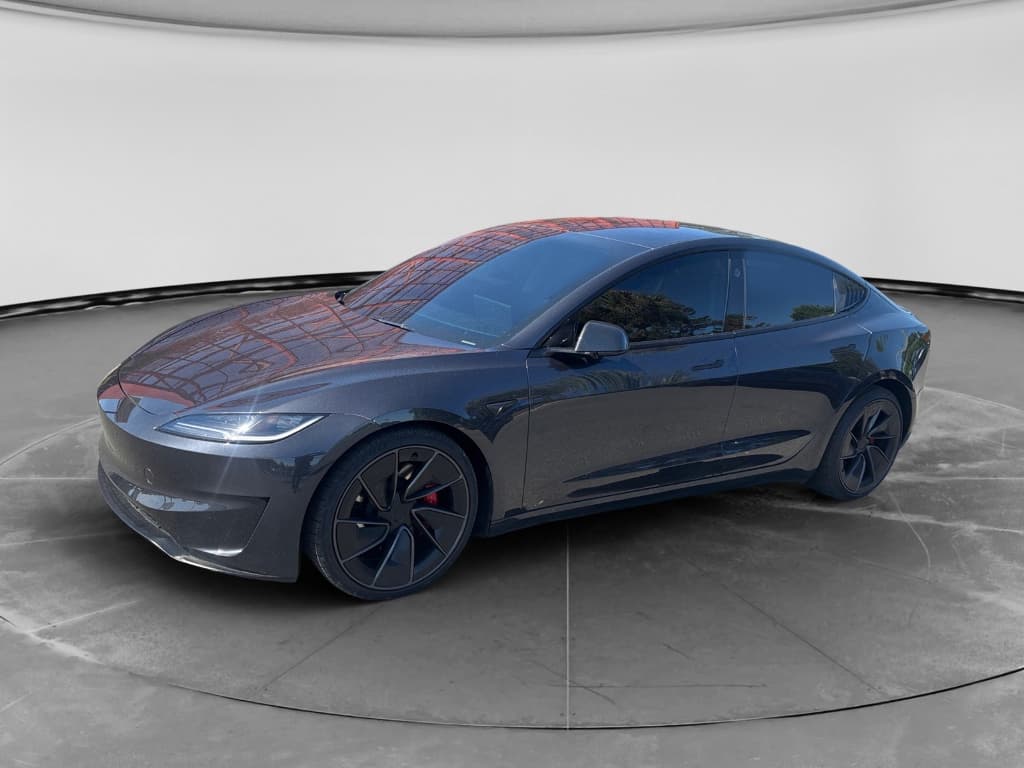
3. High‑volume Teslas (Model 3/Y)
- Excellent efficiency, strong charging network.
- Used values corrected sharply from early highs.
- Software support and parts availability are strong.
Buy at today’s more realistic prices, keep several years, and the cost‑per‑mile story can be very good.
Where Recharged fits in
How to calculate your own EV cost per mile
You don’t need a finance degree; you just need honest inputs. Here’s a simple framework you can run on any EV you’re considering, new or used.
5‑step checklist: from price tag to cost per mile
1. Estimate your annual miles
Be brutally honest. If you’ve averaged 17,000 miles per year over the last few years, don’t plug in 10,000. Multiply your annual estimate by the number of years you plan to keep the car.
2. Project depreciation
Subtract your best‑guess resale value in, say, 5 years from the price you’ll actually pay (after taxes/fees). Use listings for similar‑age EVs as a sanity check. Divide that depreciation total by your projected miles.
3. Add energy cost per mile
Take your average electricity rate (look at your bill) and divide by the car’s realistic mi/kWh (EPA number minus ~10–15% for real‑world). That gives you cents per mile for charging. Multiply by your total miles, then divide back to per‑mile when you add everything up.
4. Layer in maintenance, repairs and insurance
Online TCO tools and quotes from your insurance company can give you annual estimates. Be conservative on repairs for older, out‑of‑warranty EVs. Add these 5‑year totals, then divide by your miles.
5. Compare across candidates
Now you have a cost‑per‑mile figure for each EV on your shortlist. Compare them directly, and don’t be surprised if a slightly pricier, more efficient car wins once the math settles.

Ways to drive your EV cost per mile even lower
Once you own the car, the game shifts from picking the right EV to using it cleverly. Small habits and decisions can move your effective cost per mile more than you’d think.
Six levers that really move cost per mile
You control more of this than you might think.
Charge at home, mostly
Home electricity is usually much cheaper than DC fast charging, especially on road‑trip corridors. If you can do 80–90% of your charging at home, your energy cost per mile plummets.
Use off‑peak rates
Many utilities offer cheaper overnight pricing. Schedule charging during those windows and you’re effectively buying each kWh at a discount, lowering every mile you drive.
Drive efficiently
High speeds and jackrabbit starts kill mi/kWh. Smooth driving and reasonable highway speeds can be the difference between 3.0 and 4.0 mi/kWh, that’s a 33% drop in energy cost per mile.
Protect the battery
Living at 100% charge or chronic fast‑charging can accelerate battery wear, hurting resale. Aim for moderate charge levels day‑to‑day and save 100% / repeated fast‑charges for trips.
Stay ahead on simple maintenance
Tires, cabin filters, brake fluid and alignment still matter. A neglected EV can chew through tires and range, quietly raising your cost per mile.
Plan public charging smartly
On trips, compare per‑kWh vs per‑minute pricing, and avoid the most expensive networks when you can. A little route planning can shave real money off long‑distance miles.
Set it and forget it
When a “cheap” EV per mile is a bad idea
Some EVs look irresistibly cheap on a spreadsheet and utterly wrong in real life. A rock‑bottom price per mile doesn’t help if you hate owning the thing.
- An ultra‑cheap short‑range EV that leaves you anxious or stranded on your normal routes.
- A car with a compromised or poorly documented battery pack, savings up front, pain later.
- An orphaned model with scarce parts or service support, inflating repair costs and downtime.
- A vehicle whose crash‑test performance or safety tech lags far behind modern standards.
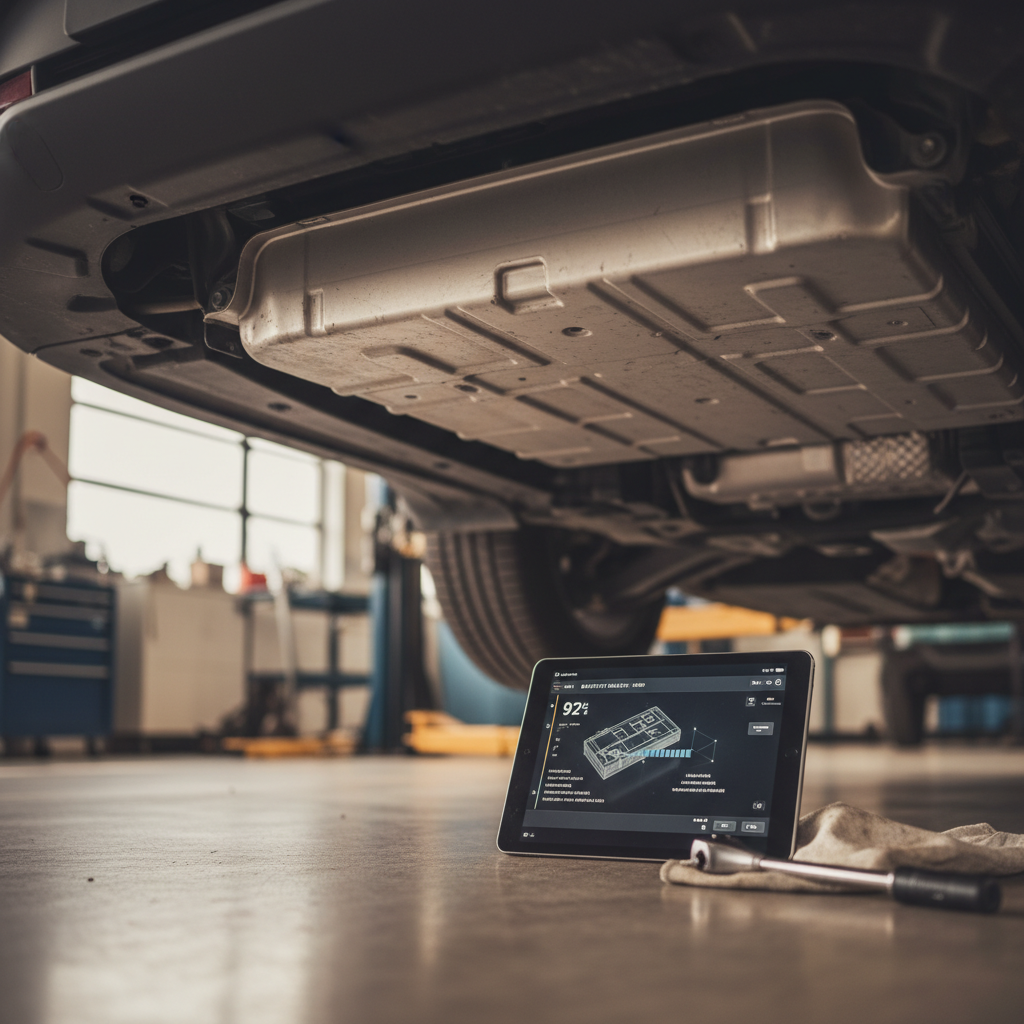
Battery health is non‑negotiable
FAQ: Cheapest EV to own per mile
Frequently asked questions
Bottom line: which EVs are truly cheapest per mile?
If you forced a verdict, the cheapest EVs to own per mile tend to be efficient, un‑flashy compacts and crossovers: think Tesla Model 3, Hyundai Ioniq 6 and Kona Electric, Kia Niro EV, Nissan Leaf and their used counterparts. They combine strong miles‑per‑kWh with sane pricing and, in the used market, softened depreciation.
But the real winner is the EV that matches your driving and charging reality. A supposedly cheap EV that doesn’t go far enough, charge where you live, or hold its value in your region isn’t cheap at all. Do the math, interrogate battery health, and make your decision on cost per mile, not online shouting.
If you’re ready to put numbers to specific cars, browsing used EVs on Recharged gives you the raw materials up front: verified Recharged Score battery diagnostics, transparent pricing and expert EV‑specialist support. From there, figuring out which EV is truly cheapest for you to own per mile becomes less of a guessing game, and more of a smart, informed choice.