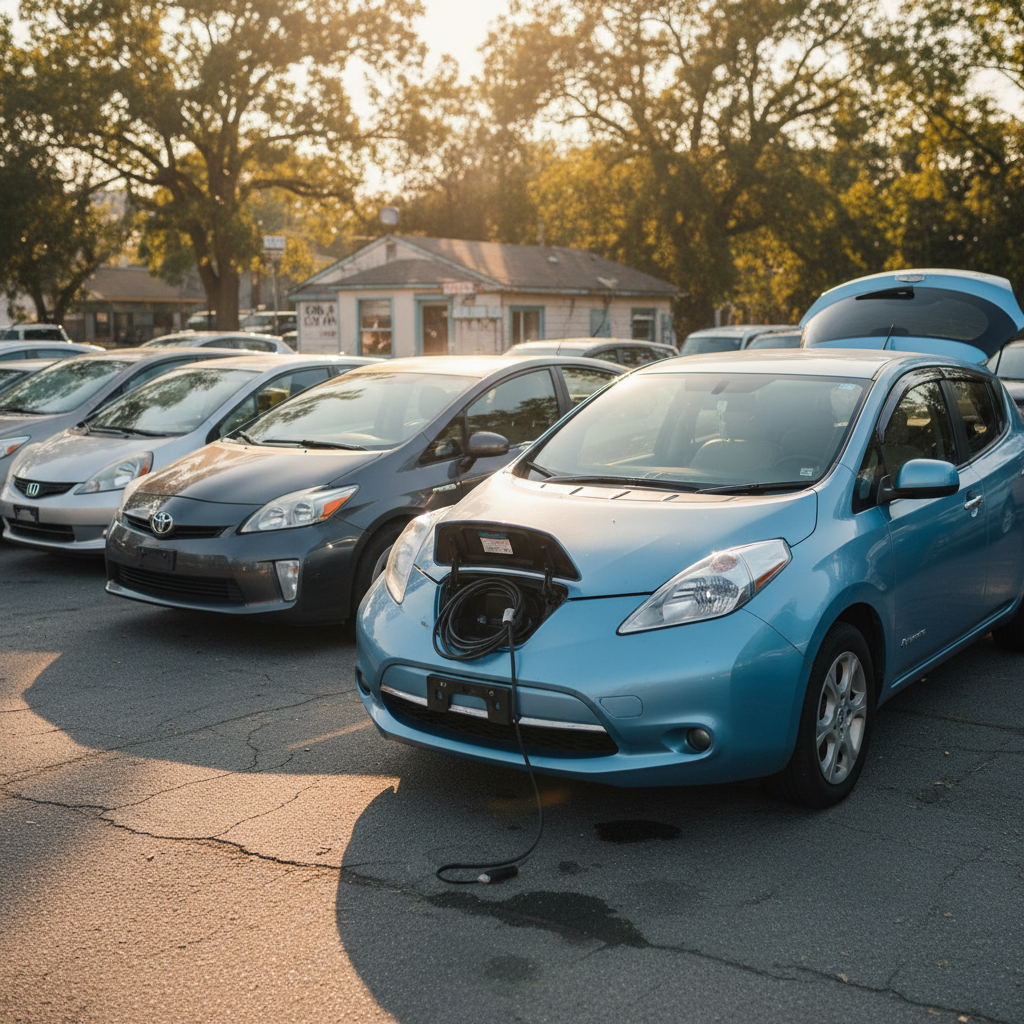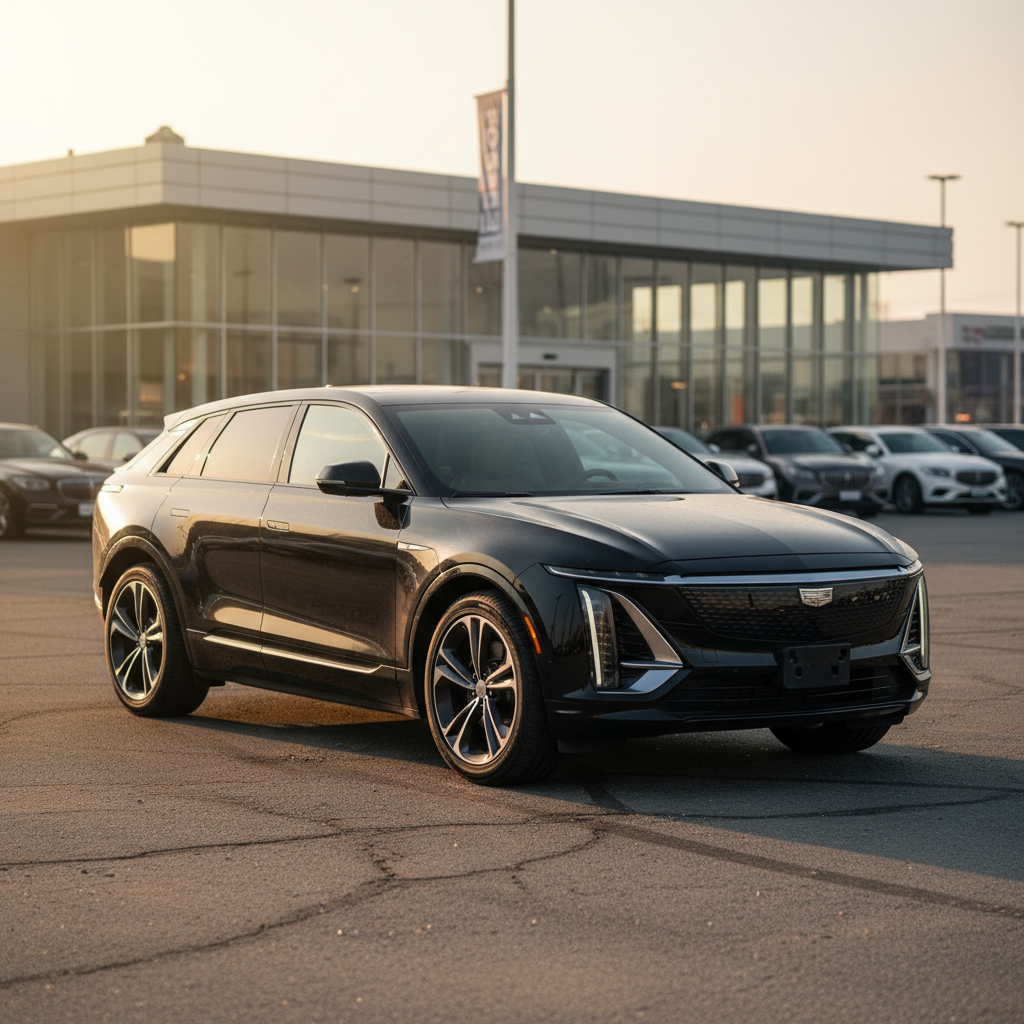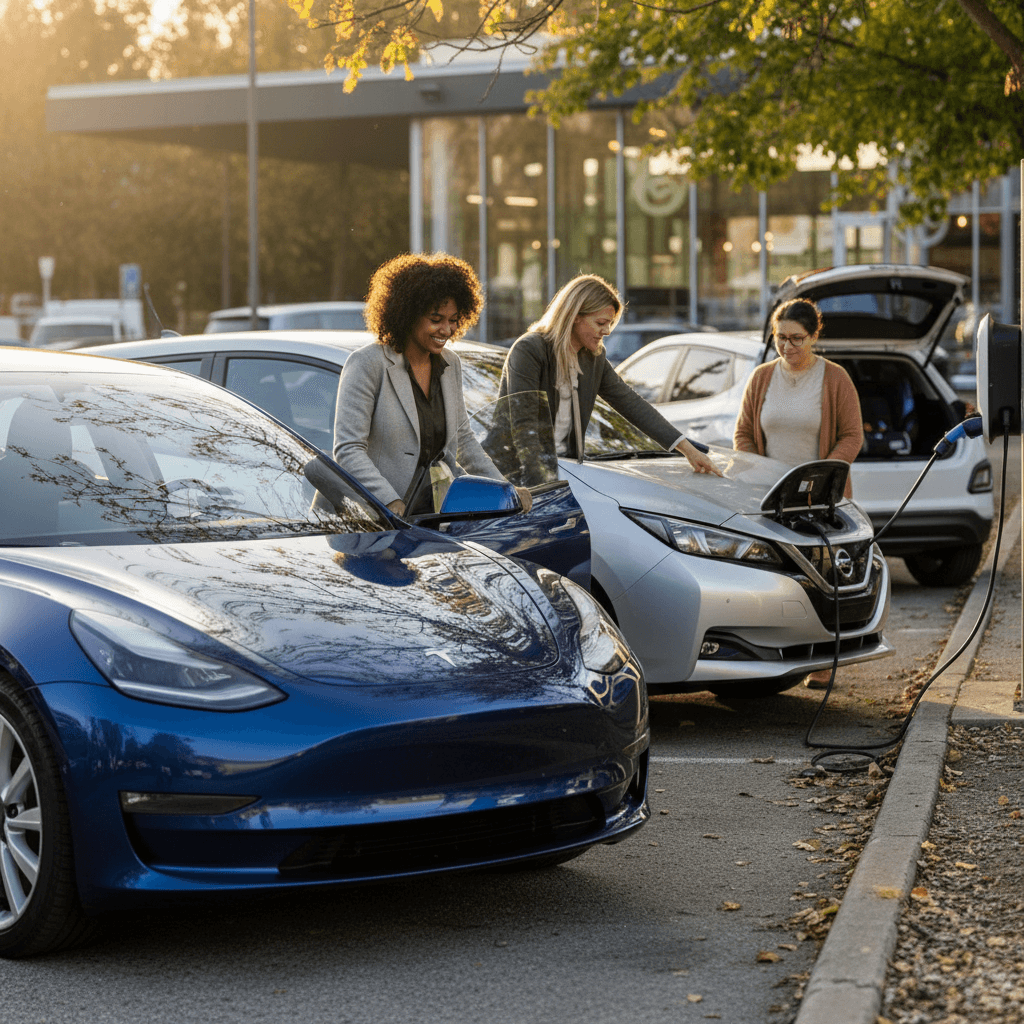
Search for the “best used electric car for women” and you’ll see a lot of pink marketing and not much substance. You deserve more than that. The right used EV should feel **safe**, **easy to see out of**, simple to park, and comfortable whether you’re five feet tall or well above average height. This guide looks past stereotypes and highlights used electric cars that genuinely work well for many women’s real lives.
Who this guide is for
Why “best used electric car for women” needs a different lens
When women talk about cars, the conversation rarely starts with horsepower. It starts with questions like: *Can I see over the hood? Will I feel safe at night? Can I get the kids and the stroller in without a wrestling match?* So when we talk about the **best used electric car for women**, we’re really talking about a different set of priorities than most spec sheets highlight.
What spec sheets obsess over
- 0–60 mph times and top speed
- Maximum DC fast‑charge rate in kW
- Largest possible wheel size
- Lap times and performance modes
What many women care about daily
- Crash-test ratings and active safety tech
- Seat and steering wheel adjustment for shorter or taller drivers
- Visibility over the dash and around thick roof pillars
- Stress-free parking and intuitive controls
Don’t buy just on looks
What actually matters most to women in a used EV
Key priorities many women mention when choosing an EV
These themes come up again and again in owner surveys and clinics.
Top-tier safety
Five-star crash scores, IIHS Top Safety Pick or better, and robust active safety features like automatic emergency braking, blind‑spot monitoring, and rear cross‑traffic alert.
Visibility & comfort
Adjustable seats and steering wheel, large windows, thoughtful mirror placement, and controls that are easy to reach for drivers of many heights.
Family & cargo usability
Easily reachable LATCH anchors, wide door openings, hands‑free hatch if possible, and cargo floors that won’t break your back loading strollers or groceries.
Range that fits your life
Enough real-world range for your routine with a comfortable buffer, not the largest number on paper, but what you can actually achieve.
Predictable costs
Reasonable purchase price, good reliability track record, and low routine running costs on tires, brakes, and insurance.
Simple, intuitive tech
Clear menus, physical buttons for key functions where possible, and smartphone-style logic that doesn’t require a degree to operate while driving.
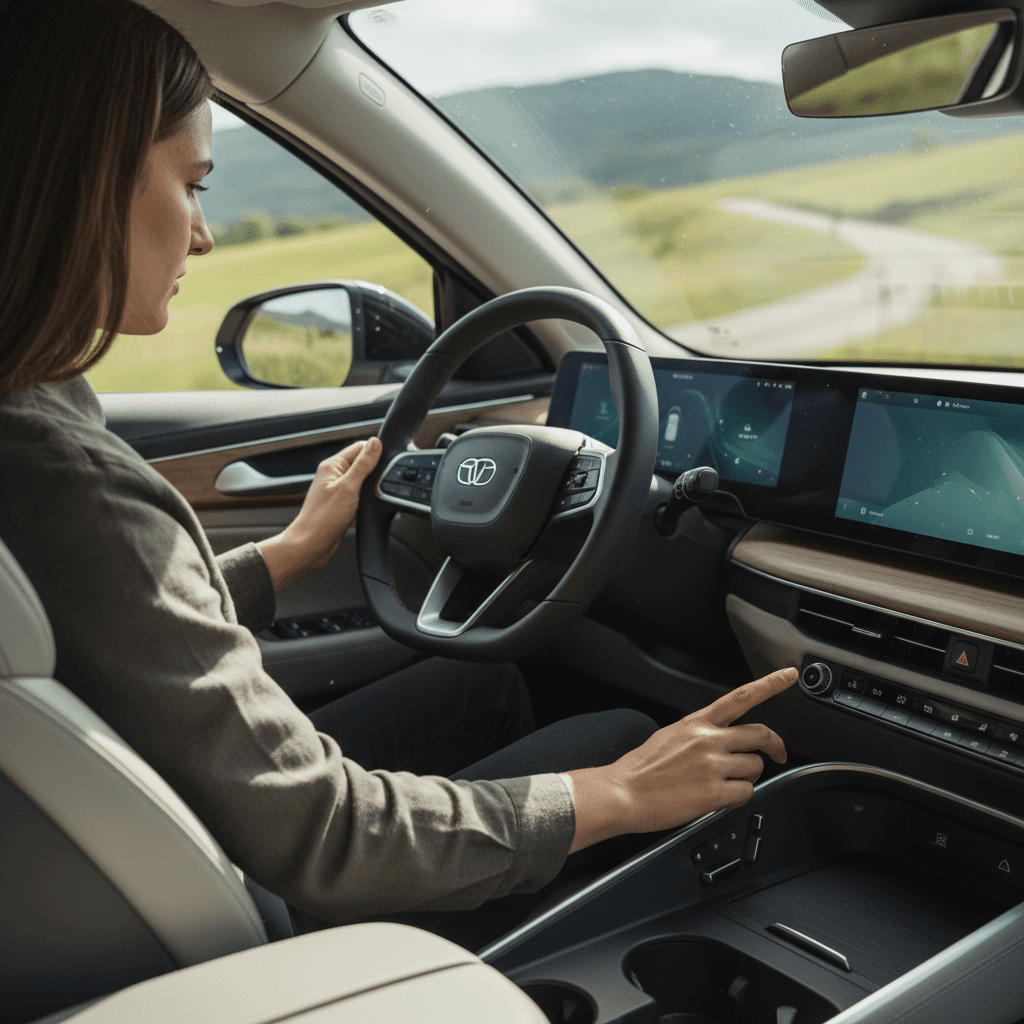
Quick picks: best used electric cars for women by lifestyle
Shortlist: stand-out used EVs for different needs
How to use these picks
Top used electric cars for women in 2025
Here are used EVs that consistently hit the sweet spot on safety, usability, and value. Model years and pricing will vary depending on where you live, but in most U.S. markets these are widely available on the used market by 2021–2024 build years.
1. Hyundai Kona Electric – Small outside, surprisingly roomy inside
The **Hyundai Kona Electric** has earned a reputation for excellent efficiency and tidy size. For many women, that translates into a car that’s easy to park in tight city lots but still offers enough space for friends, pets, or a weekend’s worth of gear. Recent tests have shown it to be one of the most efficient EVs on sale, which means more miles out of every kWh, and less time thinking about where to charge.
- High seating position and compact footprint make it feel confidence-inspiring in traffic.
- Available with a full active safety suite, including lane-keeping assist and blind‑spot monitoring on well-equipped trims.
- Good real-world efficiency helps compensate for a modest battery size, especially for commuters and urban drivers.
- Interior materials are simple but durable, which is what you want in a kid- and dog-friendly runabout.
Watch for this on used Konas
2. Volkswagen ID.4 – Calm, family-friendly electric SUV
If you’re hauling kids, dogs, and everyone’s stuff, the **Volkswagen ID.4** belongs on your shortlist. It’s a compact SUV on the outside, but the nearly flat floor and generous rear legroom make it feel a size up inside. It has earned strong safety scores and, when equipped with the right package, offers the active safety technology many women tell us is non‑negotiable.
- Smooth, relaxed driving feel that doesn’t egg you on to drive faster than you want.
- High seating position and large windows improve outward visibility, particularly compared with some style‑first crossovers.
- Rear doors open wide and the cargo floor is low, making it easier to install car seats and load heavier items.
- Later model years offer improved software and charging performance compared with early builds.
Car seat note
3. Tesla Model 3 – Range and charging convenience
The **Tesla Model 3** shows up on nearly every “best used EV” list, and for good reason. It offers long range, quick acceleration for highway merges, and access to the Supercharger network. For many women, the appeal is more practical: fewer stops on road trips, and a car that can get you home even when your day runs long.
- Excellent EPA-rated range compared with many similarly priced used EVs.
- Strong crash‑test performance in earlier model years, with robust active safety tech like automatic emergency braking and lane‑keeping.
- Low, sedan‑like seating position that some drivers love, especially if you’re coming from a sporty compact car.
- Massive used‑car supply, which helps keep prices competitive and gives you more choices on color, wheels, and options.
Who might not love a Model 3
4. Tesla Model Y – Compact SUV with road-trip chops
The **Tesla Model Y** takes most of what’s good about the Model 3 and puts it in a taller, roomier body with a hatchback. Many women who test both end up preferring the Y simply because it’s easier to step into, easier to load, and feels more natural to see out of in traffic.
- High driving position, large glass area, and generous mirrors help with confidence in busy traffic.
- Huge rear opening and fold‑flat seats make Costco runs and road‑trip luggage a non‑issue.
- Strong efficiency and range for its size, so you spend less time planning around charging stops.
- Active safety features come standard, and over‑the‑air updates can improve features over time.
5. Nissan Leaf (2nd generation) – One of the most affordable ways into EVs
If budget is front and center, the **second‑generation Nissan Leaf** (2018 and newer) remains a smart used buy, especially for shorter commutes and city driving. Its simple controls, gentle driving manners, and compact size make it an easy introduction to electric driving for many women who don’t want a tech circus in front of them.
- Often among the lowest‑priced used EVs on the market, especially early 40 kWh models.
- Soft, easygoing ride that’s friendly to new drivers and city streets alike.
- Straightforward interior layout with physical buttons for key functions.
- Later "Leaf Plus" versions offer more range if you routinely drive longer distances.
Battery and fast-charging caution on Leafs
Comfort & visibility: features that make every drive easier
You can’t fix a seat that never quite fits you or a windshield you can’t see out of. That’s why test‑driving for **fit** matters as much as spec‑sheet reading, especially for women who are shorter or taller than the so‑called “average” driver.
Comfort & visibility checks to do on your test drive
1. Dial in your driving position
Raise and lower the driver’s seat, adjust the backrest, move the steering wheel in and out, up and down. Your knees should be slightly bent, shoulders relaxed, and wrists should reach the top of the wheel without leaning forward.
2. Check over-hood visibility
From your comfortable driving position, can you see the edges of the hood, or at least confidently judge where the front ends? If you feel like you’re peering over a cliff, that car may never feel relaxing in tight parking lots.
3. Look for blind spots
Glance over each shoulder. Are roof pillars so thick that they hide pedestrians or cyclists? High‑waisted designs can look sleek but make lane‑changes nerve‑wracking.
4. Test the backup camera & sensors
Shift into reverse and watch how quickly the backup camera appears, how clear the image is at night, and whether the parking sensors give useful warnings without constant false alarms.
5. Try the doors and hatch
If you’re carrying kids, pets, or bulky gear, open every door and the hatch. Check the weight, opening height (watch your head), and how easy it is to strap in a child seat or lift a stroller.
6. Live with the tech for 10 minutes
Before you fall for a giant screen, spend time using it. Can you adjust climate, navigation, and music quickly without digging through three menus? Intuitive tech matters more than sheer size.
Battery health and range: avoid regret later
A used EV can still feel brand‑new to drive, but its **battery health** determines how useful it is for you. You don’t need the largest battery on the market; you need enough reliable range for your life, with room for surprises, winter, and detours.
A quick rule of thumb
How much real-world range do you really need?
Approximate minimum usable range targets for most drivers, adjust upward for very cold climates or frequent highway trips.
| Daily driving pattern | Typical daily miles | Comfortable real-world range target |
|---|---|---|
| Short city commutes + errands | 20–40 miles | 120–150 miles |
| Suburban commute + school runs | 40–70 miles | 170–200 miles |
| Regular long commutes or visiting family weekly | 70–100 miles | 220–250 miles |
| Frequent highway road trips | 100+ miles | 250+ miles |
These are starting points, not hard rules, but they’ll keep most drivers out of the “range anxiety” zone.
Where Recharged comes in
Ready to find your next EV?
Browse VehiclesRunning costs, reliability & value over time
Women are more likely to be the household CFO, so total cost of ownership matters. EVs already save you money on fuel and routine maintenance, but **not all models age the same way**. Tires, brakes, software support, and crash‑repair costs can vary a lot.
Cost questions to ask about any used EV
These help you see beyond the sticker price.
Tires & brakes
Heavy, powerful EVs can chew through tires faster. Ask what size tires the car uses and how much a set costs. Regenerative braking often means brake pads last a long time, which is a plus.
Service & repairs
Does your local area have a dealer or independent shop comfortable with this model? Some mainstream brands have wider service networks than niche newcomers.
Software & updates
Is the car still getting software updates that improve safety features and charging behavior? That can affect both your experience and long‑term value.
Insurance & depreciation
Get an insurance quote before you buy; some EVs cost more to insure. On the flip side, higher depreciation can make a car a fantastic **used** value if the battery is healthy.
How Recharged makes used EV shopping less stressful
If the idea of decoding safety ratings, battery reports, and market pricing sounds like homework, you’re not alone. That’s exactly the gap **Recharged** was built to close for used EV buyers who just want a safe, fair deal without becoming full‑time car nerds.
- Every vehicle comes with a **Recharged Score Report** that rolls up battery health diagnostics, pricing data, and condition into one clear picture.
- You can shop, finance, and complete paperwork in a **fully digital experience**, with EV-specialist support if you’d rather talk things through.
- Have a car to sell or trade? Recharged offers **instant offers or consignment** options and can arrange **nationwide delivery**, so the right car isn’t limited to your zip code.
- Prefer to touch and feel? Visit the Recharged **Experience Center in Richmond, VA** to sit in different EVs, check visibility, and get your questions answered in person.
Bring your real life to the test drive
Checklist: what to do before buying a used EV
10-step checklist before you say yes
1. Define your real-world range needs
Write down a typical week of driving, commute, school, errands, hobbies. Add 30–40% buffer and use that number as your minimum acceptable real‑world range.
2. Decide on body style and seating position
Are you more comfortable in a low sedan, or do you prefer a higher seating position? Narrow your search to sedans like the Model 3 or SUVs like the Model Y and ID.4 accordingly.
3. Check crash-test and safety ratings
Look up IIHS and NHTSA scores for the exact model year you’re considering. Prioritize vehicles that earn top ratings and include modern driver‑assistance tech.
4. Review battery health documentation
Ask for a **battery health report**. If you’re shopping with Recharged, this is already in the Recharged Score. Avoid cars with unexplained major capacity loss unless the price and your use case make sense.
5. Inspect for charging compatibility
Confirm which connector the car uses and what charging options you have at home and around town. If you rely on public fast charging, make sure the car’s DC capability is adequate.
6. Test comfort, visibility, and noise
On the test drive, pay attention to seat comfort, how easily you can see out, wind and road noise at highway speeds, and how confident you feel changing lanes and parking.
7. Pair your phone and test the tech
Connect your smartphone, run navigation, stream music, and try voice commands. You’ll use these every day, make sure they don’t drive you crazy.
8. Ask about warranty coverage
Find out what’s left of the original factory battery and drivetrain warranty, and whether any extended coverage is available or already included.
9. Compare total cost, not just price
Factor in financing, insurance, estimated electricity costs, tires, and likely maintenance. A slightly higher price on a more efficient, safer car can be the better deal long‑term.
10. Sleep on it
If anything feels off, pushy sales tactics, vague answers about battery health, or a car that just doesn’t feel right, walk away. The used EV market is broad; the right one is worth waiting for.
FAQ: Best used electric cars for women
Women & used EVs: your questions answered
The bottom line: there’s no “pink tax” EV
You don’t need a special car “for women.” You need a used EV that respects your time, your safety, and your budget, one that fits your body, your neighborhood, and your life. For some, that’ll be a nimble little Hyundai Kona Electric. For others, it’s a Tesla Model Y that swallows sports gear and road‑trips without complaint.
Start with your **real needs**, range, seating position, family and cargo space, and then filter by safety and battery health. If you’d rather skip the spreadsheets, shopping through **Recharged** means every vehicle already comes with a verified battery health report, fair pricing, and EV‑specialist guidance. However you choose to shop, the best used electric car for you is the one that makes you feel calm, capable, and in control every time you buckle in.