If you’re hunting for the cheapest EV car in 2025, you’ve probably noticed something: every list gives you a different “winner.” One calls out the Nissan Leaf, another talks up the coming Chevy Bolt reboot, and used EV prices seem to change every month. Let’s cut through the noise and talk about what’s actually cheapest to buy and own in the real world, especially if you’re open to buying used.
Quick answer
Why “cheapest EV car” isn’t just about sticker price
Most Google results will tell you the cheapest EV based purely on MSRP. That’s a start, but it misses three big pieces that matter to your wallet:
- What you actually pay after discounts, incentives, and dealer fees
- What the car costs to own over 5 years (charging, insurance, maintenance, depreciation)
- How long you plan to keep it and how many miles you drive
Right now, the purchase price story looks roughly like this:
EV price reality in 2025
So when we talk about the "cheapest EV car," we’re going to look at two things: 1. Cheapest new EVs you can actually buy today. 2. Cheapest used EVs that still make sense to own, no battery time bombs or dead‑end tech if you can avoid it.
Cheapest new EV cars in 2025
If you want a full factory warranty and that new‑car smell, these are the headline contenders for the cheapest EV car in the U.S. for the 2025 model year. MSRPs below include destination but not incentives or dealer markups/discounts.
Cheapest new electric cars in the U.S. (2025)
Approximate starting prices and key specs for budget‑friendly new EVs. Always verify current pricing in your ZIP.
| Model (2025 MY) | Approx. base price | Est. range (base) | Body style | Key notes |
|---|---|---|---|---|
| Nissan Leaf | $29,000 | 149 mi | Compact hatch | Usually the cheapest new EV on sale; uses older CHAdeMO fast‑charge standard. |
| Fiat 500e | $32,000–34,000 | 149 mi | Subcompact hatch | Tiny, city‑focused; fun but tight on space and range. |
| Hyundai Kona Electric | $34,000–35,000 | ~200 mi | Subcompact SUV | Good range for the money; more modern tech than Leaf. |
| Chevrolet Equinox EV | $35,000–35,500 | ~300+ mi | Compact SUV | Among the longest‑range budget EVs; mainstream family option. |
| Toyota bZ4X | $38,000–38,500 | ~250 mi | Compact SUV | Toyota reliability image; conservative but well‑equipped. |
| Hyundai Ioniq 6 | $38,900–39,000 | ~240 mi | Midsize sedan | Sleek, efficient sedan; surprisingly premium feel for the price. |
Prices are approximate and change frequently; use this as a directional guide, not a quote.
Don’t forget real‑world pricing
Who should buy the cheapest new EV?
Good fit
- You drive under 60 miles per day most days.
- You can charge at home overnight.
- You plan to keep the car at least 5–7 years.
- You value warranty coverage and predictable costs over rock‑bottom price.
Think twice
- You regularly drive long highway trips.
- You can’t reliably charge at home and depend on public fast charging.
- You’re very payment‑sensitive and are open to used.
- You want access to the growing NACS / Tesla Supercharger network without adapters and caveats.
Cheapest used EV cars right now
Thanks to heavy depreciation, used EVs are where many budget‑minded shoppers will find real value. Over the past couple of years, late‑model used EV prices have dropped sharply, putting several solid cars into reach for the price of a new compact gas car.
Most budget‑friendly used EVs to target
Actual asking prices vary by mileage, condition, and market, but these models routinely show up at aggressive prices.
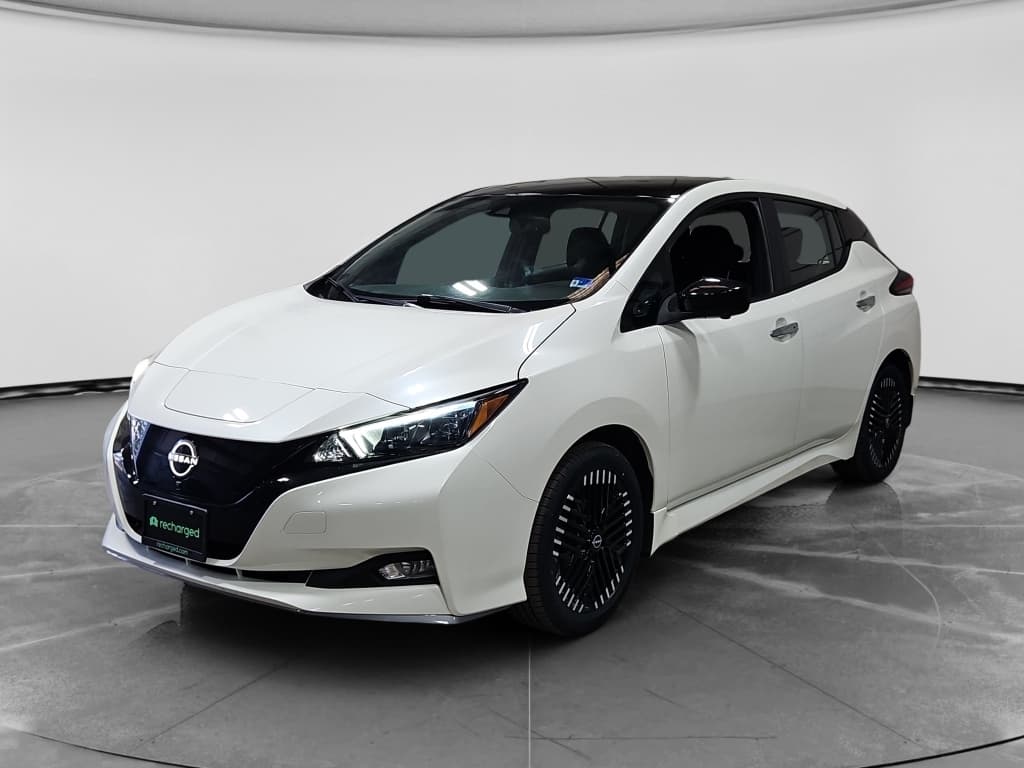
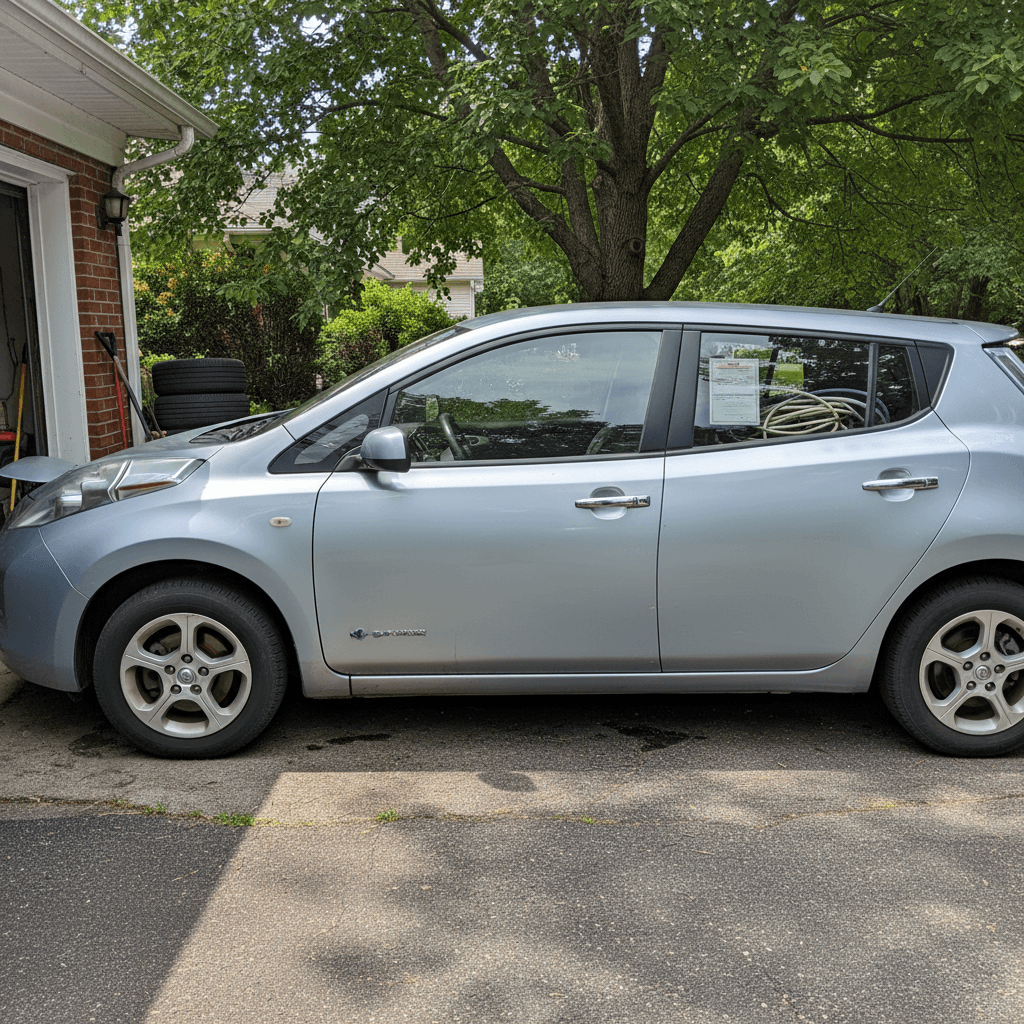
Nissan Leaf (2018–2023)
Often the cheapest used EV on the lot.
- Early cars can dip well into the teens.
- Later 62 kWh "Plus" models bring real‑world 200+ mile range.
- Watch battery health carefully; earlier Leafs can degrade faster.
Chevrolet Bolt EV / EUV
One of the best all‑around cheap EVs.
- Comfortable commuter with ~240–259 miles EPA range.
- Post‑battery‑recall cars can be a steal.
- Excellent choice if you don’t need an SUV.
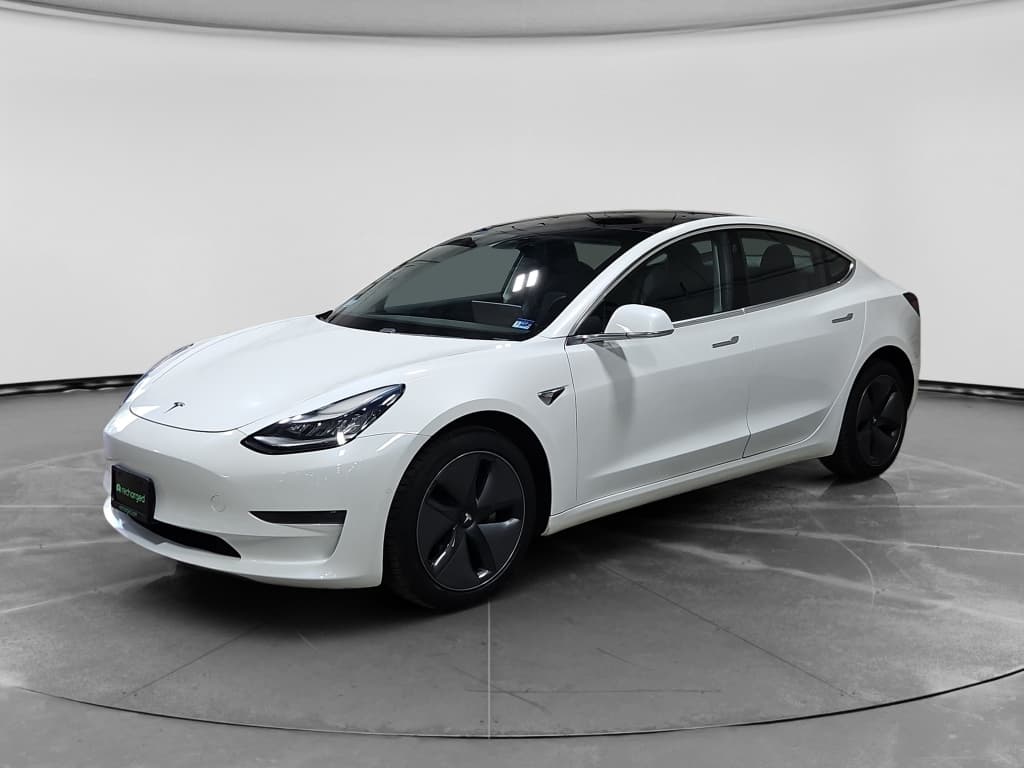
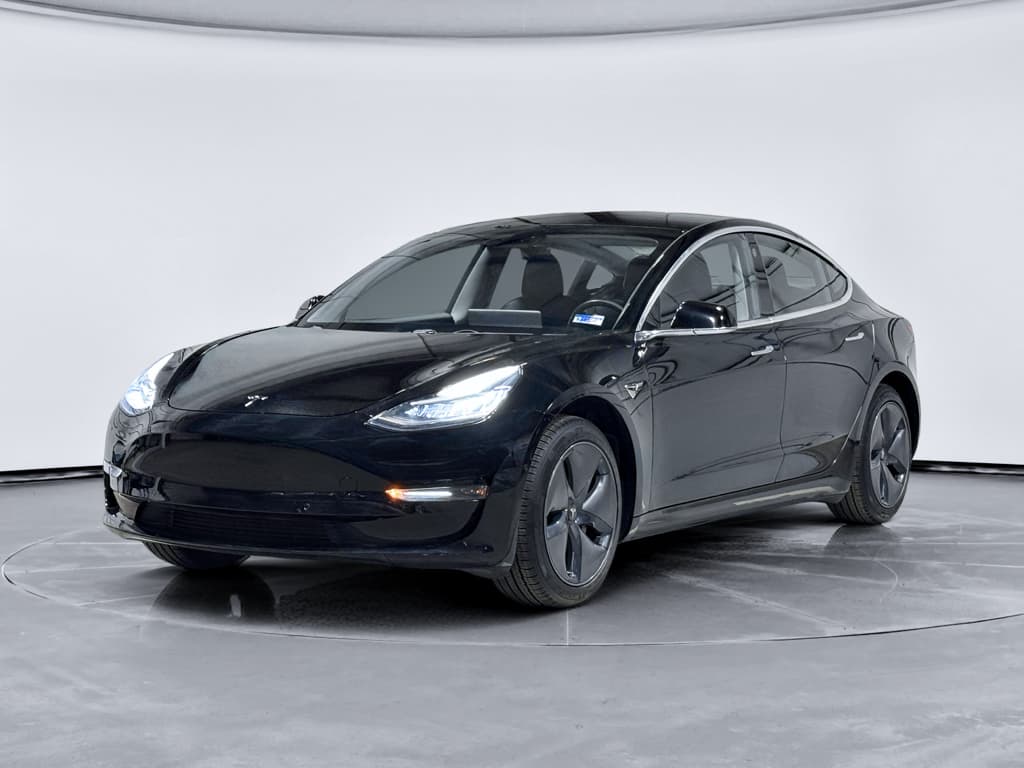
Tesla Model 3 (2018–2021)
Used prices have come down significantly.
- Gives you access to Tesla’s Supercharger network.
- Higher miles = lower price, but software support remains strong.
- Great if you value fast charging and tech.
At Recharged, we regularly see examples where a shopper expecting to buy a new bargain EV ends up with a newer, longer‑range used model for similar monthly money once financing and taxes are factored in. That’s exactly where a strong inspection and battery report matters.
How Recharged fits in
Ready to find your next EV?
Browse VehiclesNew vs used EV: which is cheaper for you?
There’s no one‑size answer. The cheapest EV car on paper might not be cheapest for you once you factor in interest rates, ownership time, and incentives. Here’s a side‑by‑side look.
Buying the cheapest new EV
- Higher price, lower risk.
- Full factory warranty on everything.
- Better access to current fast‑charging standards.
- Likely higher resale value versus an older used EV.
- May qualify for regional incentives, utility rebates, or attractive financing.
Best for: Drivers who want a simple, predictable ownership experience and plan to keep the car a long time.
Buying the cheapest used EV
- Lower purchase price, more homework.
- Battery warranty may still apply, but bumper‑to‑bumper may be expired.
- You can often step up a class (e.g., used Model 3 vs new Leaf).
- Depreciation curve has already hit, so value may stabilize.
Best for: Payment‑sensitive buyers who don’t mind an older interior or tech as long as the numbers work.
How incentives and timing change what is “cheapest”
For years, the federal EV tax credit blurred the line between “cheapest on paper” and “cheapest after credits.” With federal incentives winding down and changing over time, state and utility programs now play a bigger role in what you truly pay.
Why your ZIP code matters
- Check your utility’s EV or charger rebate page, many still offer credits for home chargers or off‑peak charging.
- Look for state‑level EV purchase or registration incentives that apply on top of any federal programs.
- Ask dealers or platforms like Recharged to show pricing with and without incentives so you understand the baseline.
If you’re financing, timing also matters. End‑of‑quarter or model‑year‑end periods often bring larger discounts on new EVs, while used EV prices move more gradually and respond to overall demand.
Ownership costs: charging, maintenance, and resale
Even if a particular model isn’t the absolute cheapest EV car to buy, it might be cheaper to own over five years. That’s where EVs often shine versus gas cars, but there are differences among EVs themselves.
3 big cost buckets that separate cheap from not‑so‑cheap
Focus here and you’ll avoid surprises later.
Charging costs
Smaller‑battery EVs like the Leaf and 500e cost less to fill, but you’ll do it more often.
- Home charging is almost always cheaper than public fast charging.
- Look for off‑peak electricity rates in your area.
Maintenance & repairs
EVs generally have fewer moving parts than gas cars.
- No oil changes, fewer filters, less brake wear.
- But out‑of‑warranty electronics and battery work can be pricey.
Depreciation & resale
Some models drop faster than others.
- Older tech (like CHAdeMO fast‑charging) can hurt resale.
- Popular models with modern charging ports tend to hold value better.
Watch fast‑charging standards
Checklist: how to shop for the cheapest EV car
Step‑by‑step: find the cheapest EV that actually works for you
1. Define your real range needs
Track your typical weekly driving for a couple of weeks. If you rarely exceed 120–150 miles in a day, even the cheapest EVs can work, especially with home charging.
2. Decide new vs used before you shop
Be honest about your budget and risk tolerance. New brings simplicity and warranty; used brings a lower payment but requires more due diligence, especially on battery health.
3. Lock in your charging plan
Figure out where you’ll charge 80–90% of the time. A Level 2 home charger can transform a modest‑range EV into a very livable daily driver. Apartment dwellers should confirm workplace or nearby public options.
4. Check battery health, not just mileage
On a used EV, treat battery reports like you would an engine compression test on a gas car. Platforms like Recharged include a battery‑health‑backed <strong>Recharged Score Report</strong> so you know what you’re getting.
5. Compare total monthly cost, not just price
Include payment, insurance, electricity, and expected maintenance. A slightly more expensive EV with better range and resale can be cheaper over five years than the rock‑bottom option.
6. Test‑drive at least two different models
Drive a small hatch (Leaf/500e/Bolt) and a compact SUV (Kona/Equinox EV/bZ4X). That 30 minutes behind the wheel will quickly reveal what you’re actually comfortable living with.
Common pitfalls to avoid with cheap EVs
The “too cheap” red flags
- Ignoring battery warranty start and end dates.
- Assuming every EV can use every public DC fast charger (plug standards matter).
- Underestimating winter range loss if you live in a cold‑weather state.
- Stretching for a payment that only works if everything goes perfectly.
A well‑bought cheap EV can be a terrific value. A poorly vetted one can saddle you with range anxiety, repair bills, or a car that’s hard to resell. This is where a platform built around EVs, not just generic used cars, earns its keep.
FAQ: cheapest EV car questions answered
Cheapest EV car: your questions answered
Bottom line on the cheapest EV car
If you just want a name, the cheapest new EV car in America is usually a base Nissan Leaf. But if you’re chasing the truly lowest‑cost way into EV ownership, a carefully chosen used EV, often a Leaf, Chevy Bolt, or early Tesla Model 3, can deliver more range, more comfort, and a lower monthly outlay than a brand‑new bargain model.
The trick is matching the car to your daily driving, being realistic about range needs, and taking battery health seriously. That’s the kind of homework Recharged is built to help you with, from transparent Recharged Score Reports to EV‑savvy specialists who can talk you through trade‑offs before you buy.
When you’re ready, you can browse used EVs online, get an instant offer on your trade‑in, arrange financing, and schedule delivery, all without leaving your couch. In a market where prices and incentives move fast, that kind of clarity is often the real secret to finding the cheapest EV car for your life, not just the lowest number on a web list.