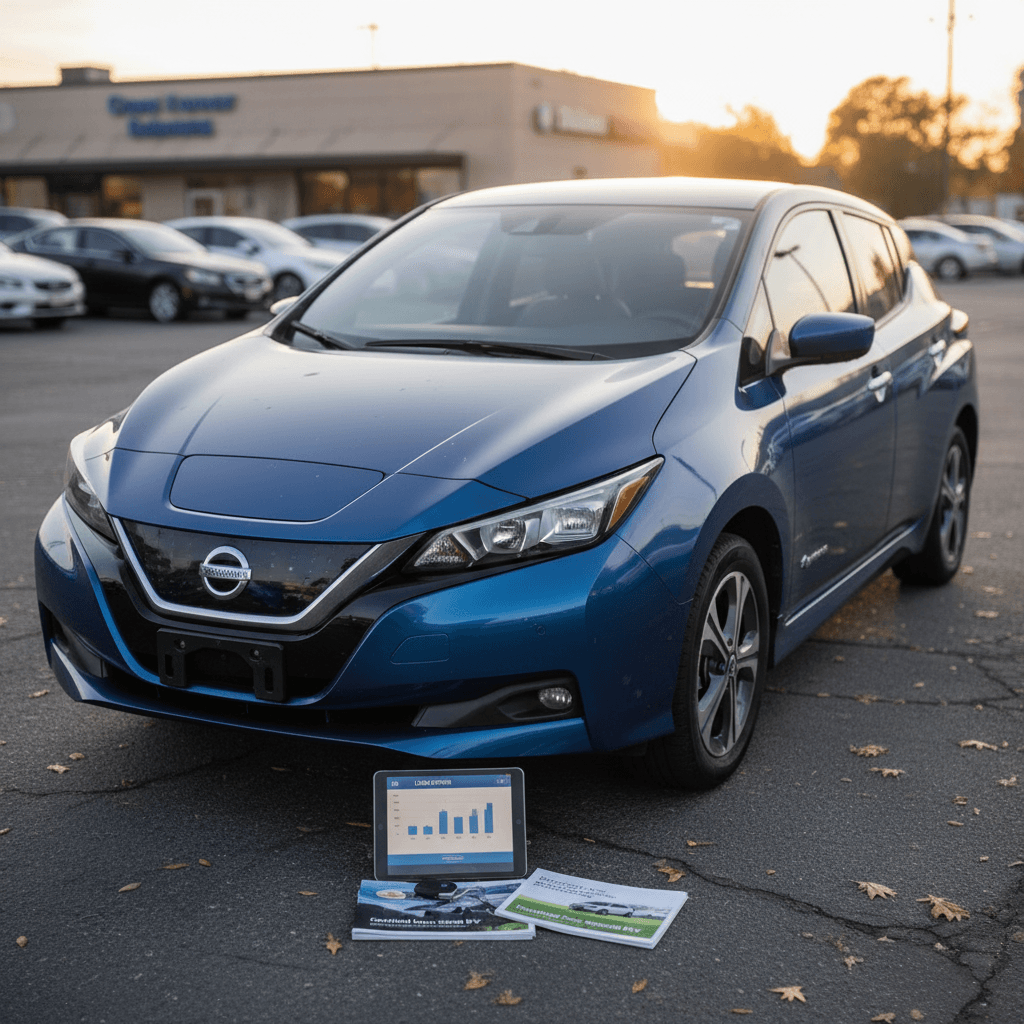
If you own an electric car long enough, the question eventually pops up: is it cheaper to replace the battery or move on to another EV? Understanding the cheapest electric car battery replacement cost in 2025 is key to making a smart money decision, especially if you’re driving an older Nissan Leaf, Chevy Bolt, or first‑generation Tesla.
Quick snapshot for 2025
Why EV battery replacement costs matter
An EV’s traction battery is its single most expensive component. When it’s healthy, you enjoy quiet, low‑maintenance driving and fuel savings. When it’s worn out or damaged, you’re suddenly staring at a line item that might equal 30–80% of the car’s value. That’s why understanding realistic replacement costs, and alternatives, is so important before you sign off on a big repair bill.
Big-picture EV battery cost trends
Think in dollars <em>per mile</em>, not just dollars
How much is the cheapest EV battery replacement in 2025?
In 2025, the cheapest electric car battery replacement cost you’re likely to see at a reputable shop in the U.S. is around $3,000–$4,000 for a small pack in a compact EV, assuming you’re using a refurbished or used battery and straightforward labor. Below that number, you’re usually looking at rare deals, DIY projects, or partial repairs at specialty shops.
Typical 2025 EV battery replacement cost ranges (U.S.)
Approximate parts + labor totals for full traction battery replacement at professional shops. These are broad ranges; actual quotes vary by region, warranty status, and whether the pack is new or refurbished.
| Vehicle category | Example models | Typical pack size | Typical replacement cost (USD) | Where the cheapest deals usually fall |
|---|---|---|---|---|
| Compact EVs | Nissan Leaf, Chevy Bolt, BMW i3 | 30–66 kWh | $3,000–$8,000 | $3,000–$5,000 with used/refurbished packs |
| Mid-size crossovers | Hyundai Kona EV, Kia Niro EV, Hyundai Ioniq 5 | 58–80 kWh | $8,000–$12,000 | $8,000–$10,000 in lower‑cost markets |
| Premium sedans & SUVs | Tesla Model S/Model X, BMW iX, Lucid Air | 90–120+ kWh | $12,000–$20,000+ | $12,000–$15,000 for smaller premium packs |
| Electric pickups & vans | Ford F‑150 Lightning, Rivian R1T/R1S | 100–130+ kWh | $15,000–$30,000+ | Rarely “cheap”; most quotes start in mid‑teens |
| Hybrid & PHEVs | Toyota Prius Prime, Chevy Volt | 8–20 kWh | $3,000–$6,000 | $3,000–$4,500 for popular PHEVs |
Smaller packs tend to offer the lowest replacement totals, but price per kWh often falls with newer, larger batteries.
Why online prices look cheaper than dealer quotes
Cheapest EV battery replacement by vehicle type
Let’s look at real‑world patterns by segment. Exact numbers change month to month, but these bands line up with recent 2024–2025 quotes U.S. owners are reporting and independent guides are publishing.
Where you’ll find the lowest battery replacement costs
Compact EVs and popular hybrids tend to offer the cheapest options.
1. Compact EVs (Leaf, Bolt, i3)
Cheapest sweet spot: If your goal is the lowest possible battery bill, compact EVs are where most owners land.
- Nissan Leaf: Third‑party research shows 24–30 kWh packs often quoted $5,000–$10,000 installed, with occasional refurbished or salvage deals dipping toward the low‑$4,000s.
- Chevy Bolt: Recent guides put 60–66 kWh pack replacements around $10,000–$16,000, though recall replacements have been handled under warranty.
- BMW i3: Older i3 packs typically sit in the mid‑four to low‑five figures installed.
Among these, an older Leaf using a refurbished pack is often the absolute cheapest fully electric replacement.
2. Mid-size crossovers
Crossovers like the Hyundai Kona Electric, Kia Niro EV, and Hyundai Ioniq 5 use 60–80 kWh packs and typically fall in the $8,000–$12,000 range installed.
These aren’t the cheapest absolute numbers, but they can offer solid value in dollars‑per‑mile because the cars are newer and the packs larger.
3. Premium EVs & trucks
Big‑battery EVs, think Tesla Model S/X, Lucid Air, or an F‑150 Lightning, are where replacement numbers get eye‑watering.
- Tesla Model S/X quotes often run $13,000–$21,000 for a full pack.
- Ford F‑150 Lightning packs have been estimated in the $30,000–$35,000 range in some reports.
If keeping replacement costs down is your top priority, these are not the segments to shop in.
What actually drives EV battery replacement cost?
1. Battery size (kWh)
The bigger the pack, the higher the bill. A 30 kWh pack in an early Leaf simply contains far less material than a 100+ kWh truck pack, so it’s cheaper even if the price per kWh is similar.
2. New vs. used vs. refurbished
New OEM packs carry the full factory markup and often a multi‑year warranty. Used or refurbished packs from salvage vehicles can slash the price by thousands, but you’re accepting more uncertainty about long‑term life.
3. Labor time and complexity
Dropping and reinstalling a high‑voltage pack is not like changing a 12‑volt battery. Shops need certified techs, special tooling, and time for programming. Labor alone can run $1,000–$3,500 depending on the vehicle.
4. Software, cooling, and integration
Modern EVs integrate the battery deeply into thermal management and vehicle software. Retrofitting a different‑size pack, or installing an updated design, may require extra components and programming time.
- Vehicle brand and parts pricing strategy
- Age and popularity of the model (which affects salvage battery supply)
- Regional labor rates and EV technician availability
- Whether your battery qualifies for warranty replacement
- Insurance coverage if the pack failed due to collision or other covered damage
High-voltage safety is non‑negotiable
7 ways to lower your EV battery replacement bill
Practical ways to keep EV battery replacement costs down
1. Confirm warranty coverage first
Most EVs in the U.S. carry <strong>8‑year / 100,000‑mile (or more)</strong> battery warranties against excessive degradation or failure. If you’re still inside that window, a failed pack may be replaced at little or no cost.
2. Get multiple quotes
Dealer quotes tend to be the highest. Check with at least one independent EV specialist in your region and ask if they work with salvage or refurbished packs as well as OEM parts.
3. Consider a used or refurbished pack
If you’re driving an older EV that isn’t worth a five‑figure repair, a <strong>used pack from a totaled vehicle</strong> can dramatically lower the cost while still restoring useful range.
4. Right-size your expectations
Maybe your car doesn’t need a brand‑new, maximum‑range pack. For city driving or a second car, a smaller or older‑generation pack with modest range could be a smart compromise if it’s priced right.
5. Use insurance when you can
If the pack failed because of a collision, flood, or other covered loss, your <strong>insurance company</strong> may foot most of the replacement bill. It’s worth a call before you sign anything.
6. Ask about partial repairs or module swaps
On some vehicles, technicians can replace individual modules instead of the entire pack, especially if only a few cells are out of spec. It’s not always an option, but when it is, it can cut costs dramatically.
7. Avoid abusing the battery
Long term, you keep replacement away by treating the pack well: limit frequent fast‑charging, avoid sitting at 100% or 0% for days, and keep the car out of extreme heat when you can.
Leverage the market, not just the dealership
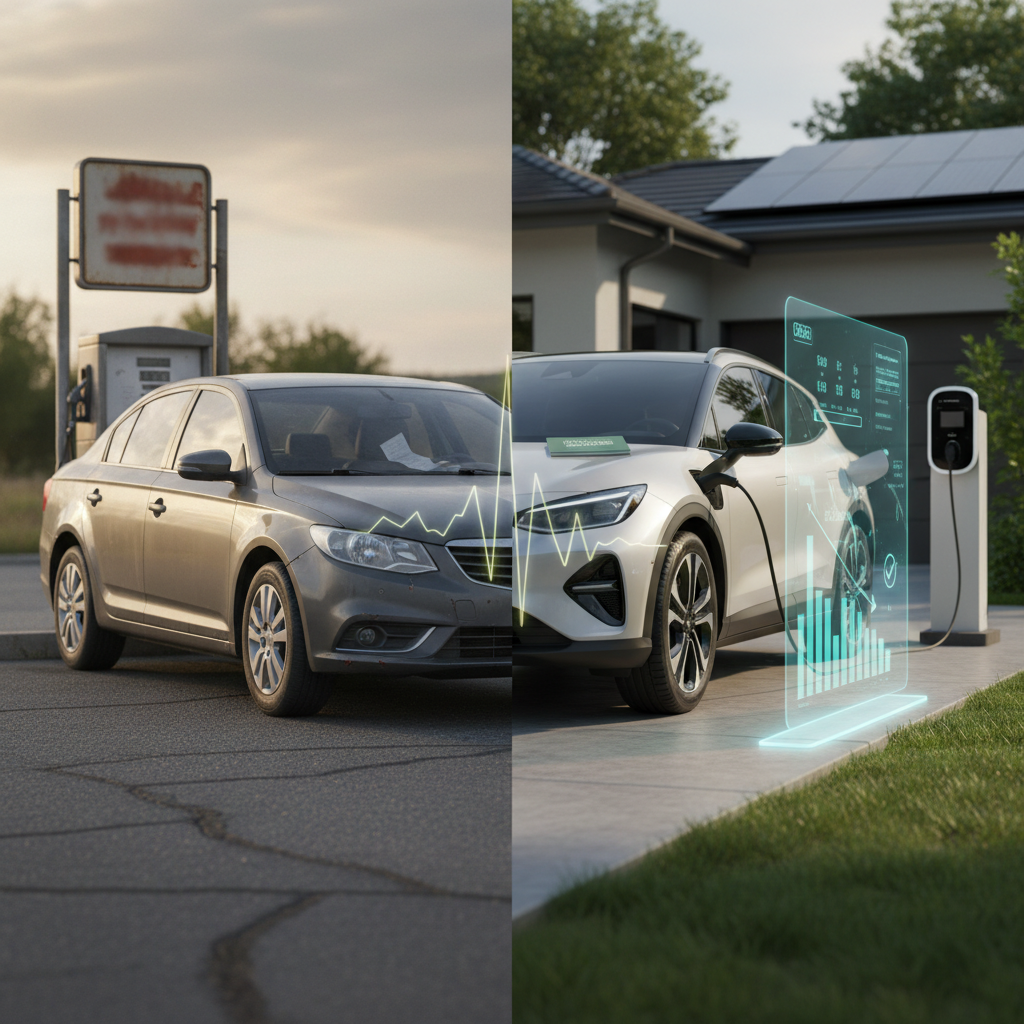
Replace your EV battery or buy a different used EV?
This is the real crossroads for many owners. When the battery estimate comes back at $7,000, $12,000, or more, the natural question is: does it make more sense to put that money into a newer used EV instead?
When replacing the battery makes sense
- Your EV is otherwise in excellent shape, no rust, major accident history, or chronic issues.
- A new or refurbished pack would restore the car to strong, usable range for your daily needs.
- Your quote is comfortably below the car’s post‑repair market value.
- You like the car and plan to keep it at least 3–5 more years.
When a different used EV is smarter
- The battery quote is more than 50–60% of what a comparable used EV would cost.
- Your current EV is older, lacks modern safety or charging features, or has other expensive issues looming.
- You’re looking to move into a vehicle with faster charging, more range, or more space anyway.
- You can sell or trade the vehicle and re‑deploy that money into a healthier used EV.
A simple rule-of-thumb
How Recharged helps you avoid a surprise battery bill
One way to keep the cheapest electric car battery replacement cost from ever becoming your problem is to start with the right used EV in the first place. That’s where a data‑driven inspection of battery health matters more than a shiny paint job.
Buying a used EV? Here’s how Recharged changes the math
Battery health transparency plus expert guidance can save you thousands over the life of the car.
Recharged Score battery report
Every EV sold through Recharged comes with a Recharged Score Report that includes verified battery health, so you can see how much capacity is left before you buy.
That helps you avoid cars that look cheap up front but could need a pack sooner than you think.
Fair market pricing & financing
Recharged benchmarks each vehicle against the market, factoring in battery health. If an EV is closer to the end of its pack life, that’s reflected in the price, not hidden.
You can also pre‑qualify for financing online with no impact on your credit, which makes it easier to compare replacing your current pack vs. moving into a healthier used EV.
Trade‑in, instant offer & delivery
If a battery quote doesn’t make sense, Recharged can help you trade in or sell your current EV and step into something with better battery health instead.
With nationwide delivery and an Experience Center in Richmond, VA, most of the process is digital and guided by EV specialists.
Ready to find your next EV?
Browse VehiclesEV battery replacement cost FAQ
Frequently asked questions about the cheapest EV battery replacement costs
Bottom line on the cheapest EV battery replacement cost
If you’re chasing the cheapest electric car battery replacement cost, you’ll usually find it in smaller, earlier EVs and refurbished packs, in the $3,000–$7,000 range. Larger and newer vehicles quickly climb into five‑figure territory, which is why so many owners ultimately compare replacement to simply moving into a different used EV with a healthier battery.
The smartest move is to think like an investor: look at the remaining life you’ll buy with a new pack, the vehicle’s market value after repair, and the alternatives you could drive for the same money. Whether you decide to replace your current battery or trade into a different used EV, tools like the Recharged Score Report, fair market pricing, and EV‑specialist guidance make it much easier to avoid expensive surprises and keep your cost per mile under control.