If you type “cheapest electric car 2026” into a search bar, you’ll see a lot of bold claims: one brand says it has the lowest MSRP, another calls itself the “best budget EV,” and headlines promise sub-$30,000 electric cars. The reality is more nuanced. In 2026, the cheapest electric car for you depends on where you live, how you drive, and whether you’re open to a used EV.
Quick snapshot for 2026 shoppers
Why “cheapest electric car 2026” is trickier than it sounds
When you ask what the cheapest electric car in 2026 is, there are at least three different answers: 1. The lowest MSRP on a new EV. 2. The lowest effective price once you factor in incentives and fees. 3. The lowest total cost of ownership when you include fuel, maintenance, and depreciation. Those three answers are not always the same car, and in 2026, policy changes and an aging first generation of EVs are pulling them even farther apart.
1. Sticker-price cheap
MSRP rankings tend to crown the lowest advertised base price, even if that trim is hard to find on a lot or missing important features like DC fast charging.
2. Ownership-cost cheap
Once you include insurance, charging costs, maintenance, and resale value, a slightly more expensive EV on paper can be cheaper over 5–8 years than the rock-bottom MSRP champ.
Watch out for unicorn base trims
Headline cheap EVs for 2026 at a glance
Fast facts: budget EV landscape in 2026
How to use this guide
Cheapest new electric cars for 2026
Automakers are finally rebuilding the low end of the EV market after a wave of premium crossovers. By early 2026, two names dominate the battle for cheapest new EV in the U.S.: the redesigned Nissan Leaf and the reborn Chevrolet Bolt. On paper, they’re remarkably close.
Key contenders for “cheapest new electric car 2026”
Approximate starting MSRPs and headline specs for major budget EVs either on sale or slated to arrive during 2026 in the U.S. market. Always confirm final pricing locally.
| Model (2026 MY) | Body style | Approx. starting MSRP* | Approx. range | Notable upside | Main trade-off |
|---|---|---|---|---|---|
| Nissan Leaf (next-gen) | Compact SUV | ~$29,990 (Leaf S+) | Up to ~300 mi (long-range trims) | Likely the lowest advertised MSRP among mainstream EVs; familiar nameplate | Base trims may have smaller battery and shorter range; incentives more limited after 2025 |
| Chevrolet Bolt (2027 MY arriving 2026) | Compact hatchback | ~$28,995 | Mid-200s mi (est.) | Historically one of the most efficient, practical cheap EVs; now with NACS fast charging | First-year relaunch timing; supply and dealer pricing will determine how many see the base price |
| Slate Truck (2026 launch) | Compact pickup | Under $28,000 | ~200+ mi (est.) | Extremely low advertised price for a practical work/trades EV | New brand risk, early-stage distribution, and limited track record vs. legacy OEMs |
| Other compact EVs (Kona Electric, Equinox EV, etc.) | Small crossovers | Typically mid–$30Ks+ | 240–300+ mi | More space, range, and tech for the money than earlier-gen EVs | Not truly “cheap” anymore once incentives fade; closer to mainstream compact-SUV pricing |
Prices exclude destination fees, dealer markups, and local taxes. Ranges are manufacturer or early EPA estimates as of early 2026.
Why you see different answers online
Cheapest electric SUVs in 2026
Most shoppers searching for the cheapest electric car 2026 actually want a small SUV, not a hatchback. The problem: even the least expensive electric SUVs tend to start several thousand dollars higher than compact EV cars, because you’re paying for size, ride height, and often more battery.
Budget-friendly electric SUVs to watch in 2026
These aren’t the absolute cheapest EVs, but they’re among the lowest-cost ways to get into an electric SUV.
Cheapest mainstream electric SUV
Recent buying guides point to a compact Chevy Equinox EV trim as the cheapest electric SUV in 2026, undercutting rivals like the Hyundai Kona Electric and Kia Niro EV.
If you need real rear-seat space and cargo room, this can be a better value than a slightly cheaper hatchback.
Value-focused Korean crossovers
Hyundai and Kia have been trimming prices on models like the 2026 Kona Electric and EV9 as U.S. production ramps up and competition intensifies.
They may not win the lowest-price trophy, but their fast charging and efficiency make them strong value plays.
Upcoming budget SUVs and crossovers
Several automakers have signaled sub-$35K small electric SUVs arriving between 2026 and 2028. If you can wait, you may see more choice and more downward price pressure.
The flip side: incentives are diminishing, so the net cost picture is still evolving.
SUVs vs. cars: don’t overbuy
Why used EVs are often the true “cheapest” option
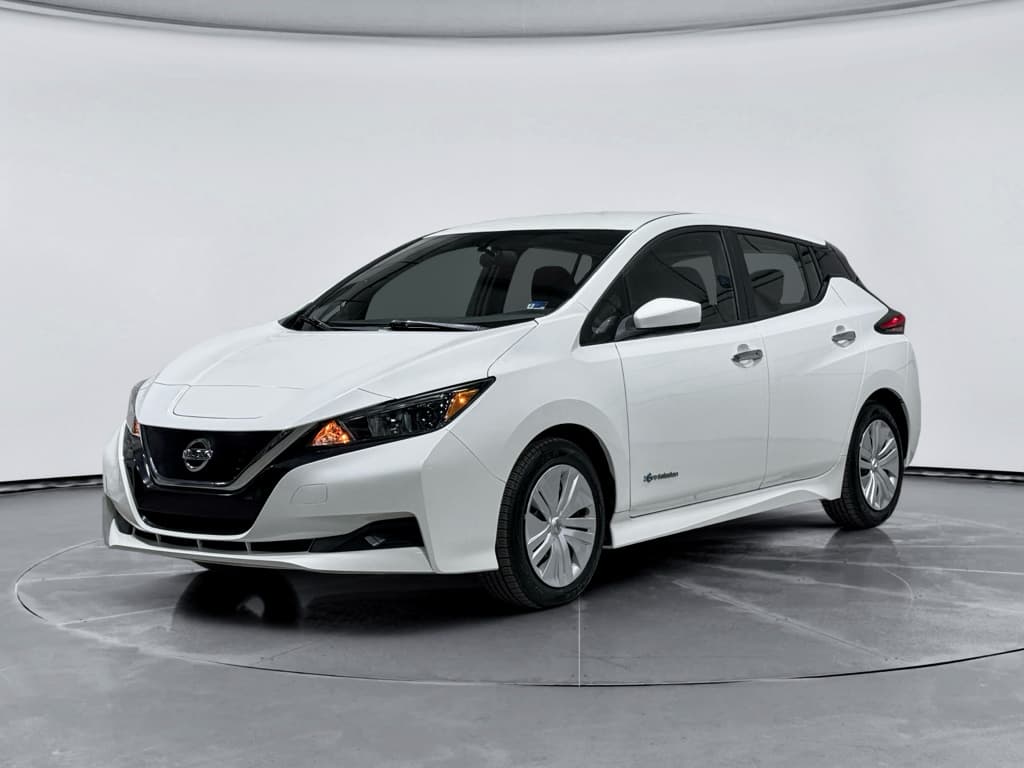
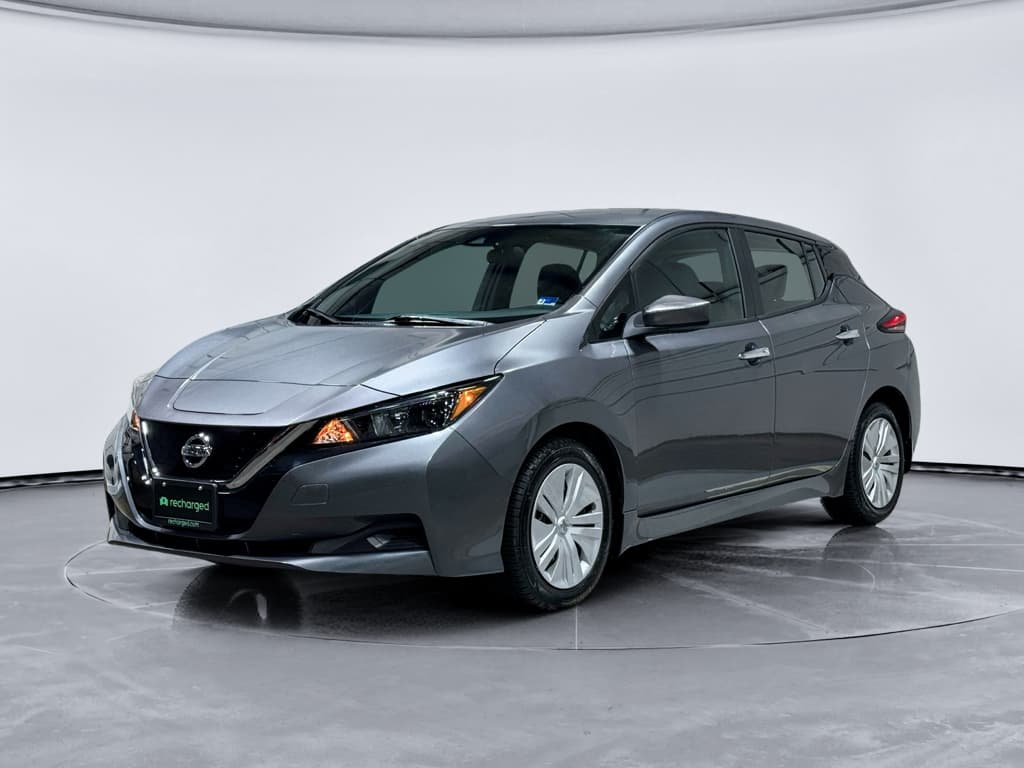
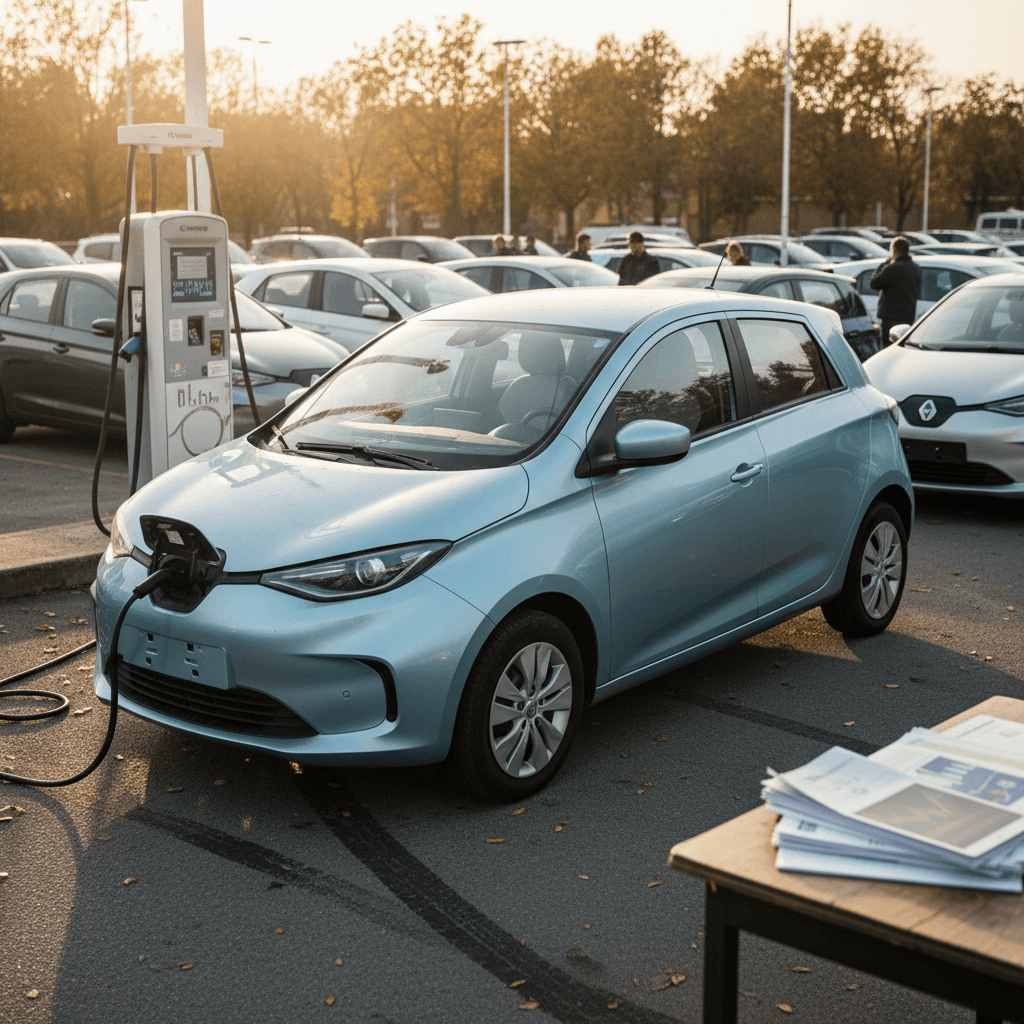
New EVs get all the attention, but if your goal is simply the lowest possible cost of entry into electric driving in 2026, the used market is where things get interesting. Early battery-electric models, especially compact hatchbacks and sedans, have been depreciating faster than comparable gas cars, largely because of rapid technology improvements and range anxiety headlines.
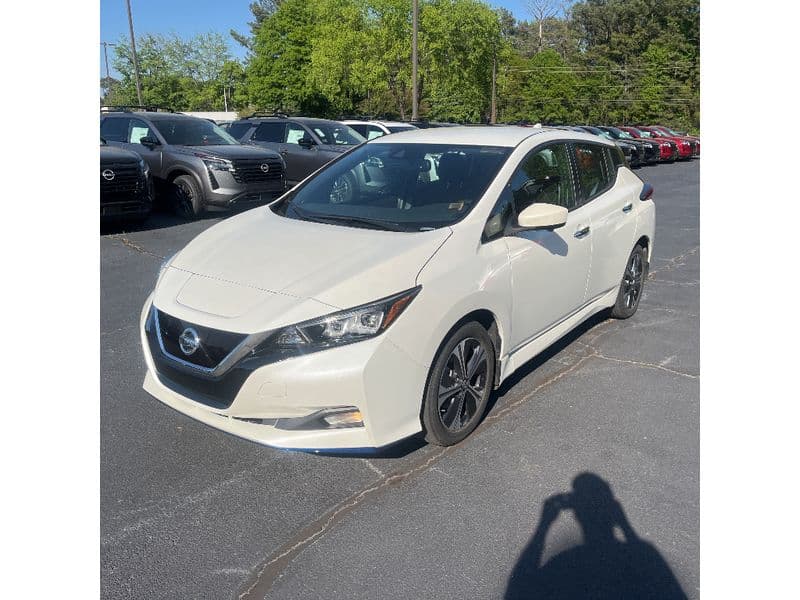
- Older Nissan Leafs, BMW i3s, Fiat 500e models, and first-generation Bolts regularly list under $20,000, and sometimes well below that depending on mileage and battery condition.
- Used Tesla Model 3 and Model Y prices have normalized after the pandemic-era spike, increasingly drifting into the low-to-mid $20,000s in many regions.
- With the federal used-EV tax credit ending for purchases after September 30, 2025, 2026 pricing is driven more by market forces than policy, which can create regional bargains if supply is high.
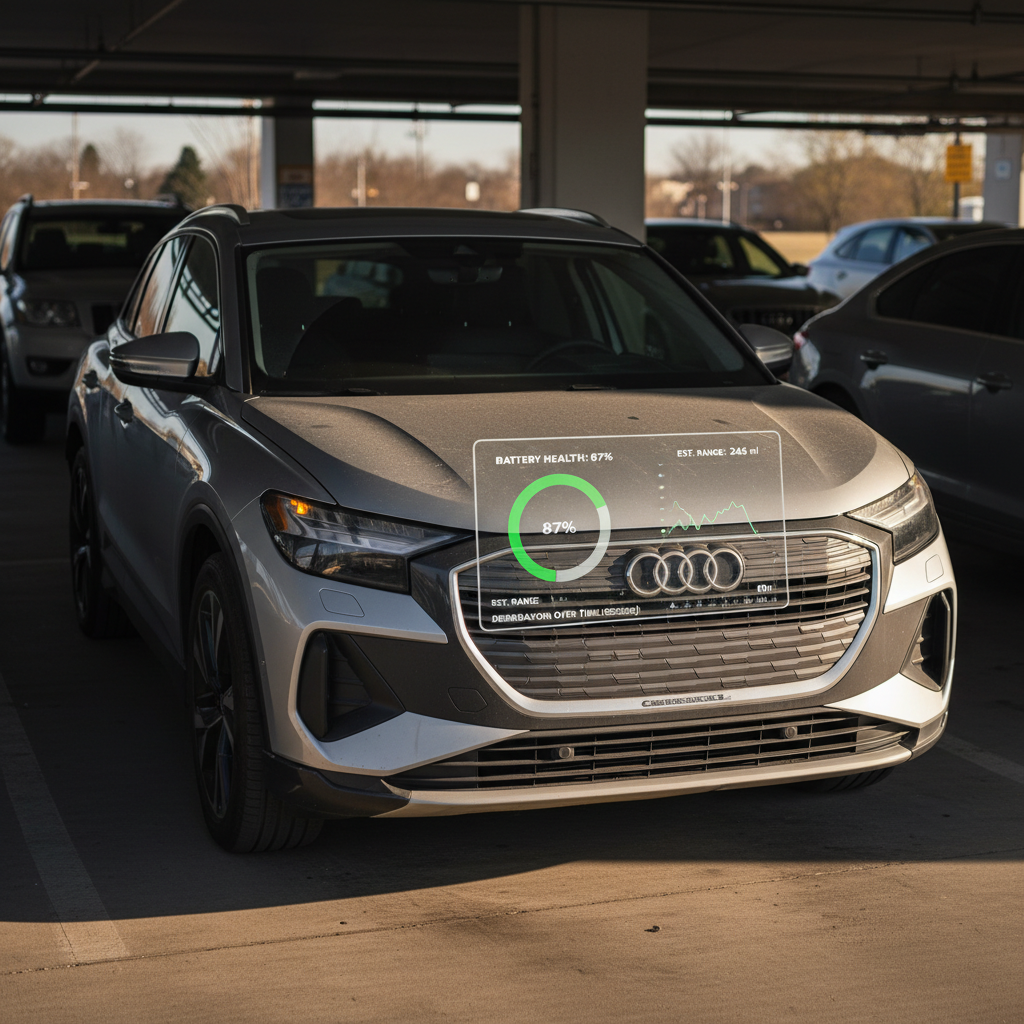
The catch: battery health matters more than ever
Beyond sticker price: how to compare total cost of ownership
Once you get past the marketing around MSRPs, the real question is: which 2026 EV is cheapest to own over 5–8 years? That requires looking beyond the window sticker and into monthly cash flow.
Key cost factors that decide what’s really cheapest
1. Purchase price & financing
Your negotiated price, interest rate, and loan term drive your monthly payment. A slightly more expensive car with a lower interest rate can cost less per month than a rock-bottom MSRP financed badly.
2. Insurance premiums
EVs with strong crash-test scores, common parts, and good theft records typically insure more cheaply. Ask your insurer for quotes on your top 2–3 candidates before you commit.
3. Home vs. public charging mix
If you can charge at home overnight on a simple Level 2 setup, your per-mile energy cost will be far lower than relying heavily on DC fast charging. High fast-charging use also stresses the battery more.
4. Maintenance and tire costs
EVs skip oil changes and many traditional maintenance items, but heavy, torquey EVs can be hard on tires. Budget for a set of quality tires every ~30,000–40,000 miles depending on how you drive.
5. Resale value and battery health
An EV that holds more of its value is effectively cheaper per year of ownership. Models with strong reliability records and healthy batteries (backed by diagnostics) are less likely to be financial landmines when it’s time to sell or trade in.
6. Charging access and time costs
If public fast chargers are scarce or unreliable in your area, the hidden cost is your time and stress. A cheaper EV that’s difficult to keep charged may not be a good value in the real world.
Rule of thumb: don’t chase the last $1,000
How 2025–2026 EV incentive changes affect what’s “cheap”
One big complication in answering “what’s the cheapest electric car in 2026?” is that the policy environment has shifted under our feet. The generous federal EV tax credits that dominated EV price conversations earlier in the decade are largely gone for purchases made after September 30, 2025.
What changed by late 2025
- Up to $7,500 in federal tax credits for new EVs and $4,000 for qualifying used EVs ended for purchases after Sept 30, 2025.
- A popular "lease loophole" that let lessors pass through credits also closed after that date.
- Many manufacturers responded with more traditional rebates or price cuts, but these vary widely.
What that means for 2026 shoppers
- In 2026, advertised prices are much closer to the actual prices you’ll pay, especially on new EVs.
- State and local incentives still exist in some areas, but they’re patchy and rules change often.
- Used EV pricing is now driven more by supply, demand, and perceived battery risk than by federal policy quirks.
Always check local incentives
How to shop smart for a cheap electric car in 2026
Given all this complexity, how do you actually go out and find the best cheap EV for your situation? Think less like a bargain hunter chasing the lowest single number and more like a portfolio manager balancing risk and reward.
Step-by-step: finding the right “cheap” EV for you
1. Start with your use case, not the headline car
List your actual needs: commute distance, kids or cargo to haul, road-trip frequency, driveway vs. street parking. A low-range hatchback might be perfect for a 20-mile round-trip commute but miserable for frequent 300-mile weekends.
2. Set a total monthly budget, not just a target price
Add up payment, insurance, charging, and a reasonable maintenance reserve. A car that’s $2,000 cheaper but saddles you with higher insurance or financing may not be a win.
3. Compare new vs. used side by side
Put at least one new and one used EV into your comparison. For many buyers in 2026, a <strong>3–5-year-old EV with documented battery health</strong> will be meaningfully cheaper over time than the absolute lowest-priced new model.
4. Prioritize battery health and charging speed
For used EVs, ask for a <strong>provable state-of-health report</strong>. For new EVs, look at DC fast-charging speeds and how well the car can use networks near you, especially with more 2026 models adopting Tesla’s NACS charge port.
5. Watch for dealer fees and markups
On hot new budget models, some dealers add “market adjustment” markups or mandatory add-ons. Those can erase the pricing advantage vs. a slightly more expensive model that’s sold closer to MSRP.
6. Get pre-qualified and compare financing
Knowing your approved rate and terms before you shop gives you leverage and makes it easier to compare offers. Services like Recharged’s EV-friendly financing can streamline this step when you shop used.
Where Recharged fits in if you’re shopping used
Recharged exists for shoppers who look at the 2026 new-EV landscape and decide the smartest move is to let someone else take the steepest depreciation. Instead of rolling the dice on a random used EV, you get data and support that make “cheap” feel a lot less risky.
How Recharged helps you find a truly cheap EV, without nasty surprises
Used EVs can be incredible values if you de-risk battery health, pricing, and the buying process.
Recharged Score battery health diagnostics
Every vehicle on Recharged comes with a Recharged Score Report that includes verified high-voltage battery health. You’re not guessing whether that attractively priced Leaf, Bolt, or Model 3 still has the range you need.
Fair market pricing, not mystery markups
Recharged benchmarks pricing against the broader used-EV market, so you can quickly see whether a listing is actually a good deal. No “market adjustment” games, just transparent numbers.
EV-specialist support and flexible selling options
From financing tailored to EV buyers to trade-in, instant offer, or consignment options for your current car, Recharged is built to make going electric simpler and less stressful.
Ready to find your next EV?
Browse VehiclesIf you’re in or near Virginia, you can also visit Recharged’s Experience Center in Richmond for in-person test drives and EV guidance. And if you’re elsewhere in the U.S., the fully digital experience and nationwide delivery make it possible to shop for a budget-friendly EV from your couch.
Cheapest electric car 2026: FAQ
Frequently asked questions about the cheapest electric cars in 2026
Bottom line: what’s really the cheapest electric car in 2026?
In headline terms, the cheapest electric car of 2026 will likely be a compact model like the next-generation Nissan Leaf or the resurgent Chevy Bolt, with a few niche entrants undercutting them on price. But for most real-world drivers, the true lowest-cost path into EV ownership will be a well-vetted used electric car with strong battery health, reasonable range, and transparent pricing.
If you’re shopping in 2026, start by defining what you actually need from an EV, then compare new and used options on total cost of ownership, not just sticker price. Look closely at battery health, charging speed, and how the car fits your daily life. And if you decide a used EV is the smarter play, a marketplace like Recharged, with diagnostics-backed Recharged Scores, EV-specialist support, and nationwide delivery, can help you find a cheap electric car that stays cheap long after you drive it home.