If you’re eyeing a Porsche Taycan, especially on the used market, it’s natural to ask what it actually **costs per mile to charge**. EVs are cheaper to “fuel” than gas cars, but the Taycan is a powerful, heavy performance sedan, so its electricity use isn’t Prius-level. The good news: with typical U.S. electricity prices, most Taycan drivers see **charging costs in the 4–6¢ per‑mile range at home**, and roughly **10–20¢ per mile on public DC fast chargers**.
Key takeaway
Why Porsche Taycan charging cost per mile matters
The Taycan is often cross‑shopped with high‑end gas sedans and SUVs, Panamera, 911 daily drivers, AMG and M models, even electric rivals like the Tesla Model S or Mercedes EQE. Understanding **charging cost per mile** helps you compare a Taycan’s true running cost against a gas car payment or another EV. It also matters more on the **used market**, where your upfront purchase price is lower but you still live with electricity bills every month.
- Helps you compare Taycan vs gas Porsche ownership costs
- Shows whether a Taycan makes sense for a high‑mileage commute
- Reveals how much public fast charging will add on road trips
- Highlights why home charging access is such a big advantage
Don’t forget your driving mix
Taycan efficiency basics: kWh per 100 miles
To get from “electricity price” to **cost per mile**, you first need a handle on how much energy the Taycan typically uses. Instead of MPG, EVs use **kWh per 100 miles**. The higher the number, the more energy the car needs to travel a given distance.
Approximate Porsche Taycan energy use by variant
Real‑world ballpark energy use in mixed driving; your results will vary based on speed, temperature, wheel size, and driving style.
| Model / setup | Typical kWh per 100 miles (mixed) | Miles per kWh (inverse) |
|---|---|---|
| Taycan (RWD sedan, smaller wheels) | 28–30 | 3.3–3.6 |
| Taycan 4S / 4 | 30–33 | 3.0–3.3 |
| Taycan Turbo / Turbo S | 33–36 | 2.8–3.0 |
| Taycan Cross Turismo / Sport Turismo | 32–36 | 2.8–3.1 |
These figures are rounded estimates intended for cost‑of‑ownership planning, not lab‑grade efficiency claims.
Translation: what this means
Home charging: Taycan cost per mile at typical U.S. rates
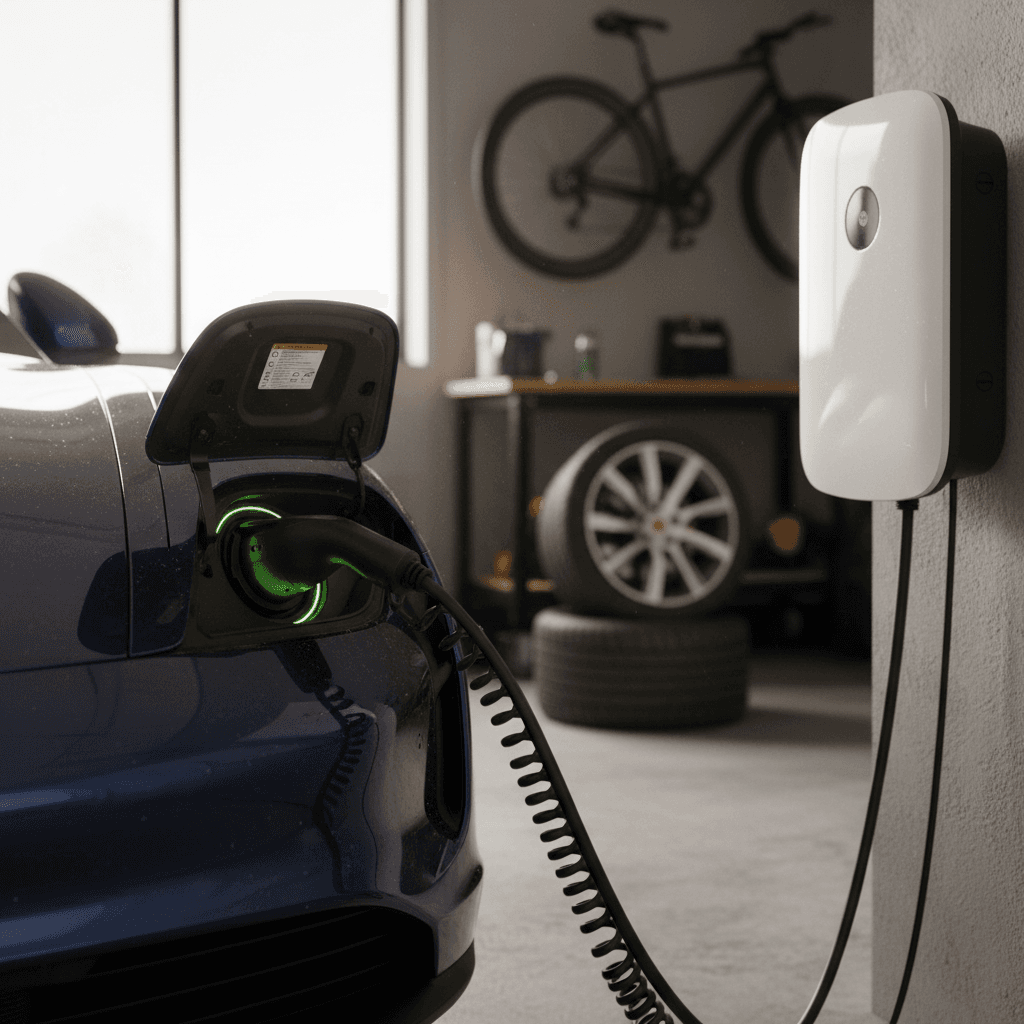
Home charging is where the **Porsche Taycan charging cost per mile** looks best. You’re buying power at residential rates instead of paying a markup at public DC fast chargers.
Home charging: quick cost ranges for a Taycan
Let’s walk through a simple example using a **Taycan RWD** that averages about **30 kWh/100 mi** in mixed driving.
- Assume your home electricity rate is **$0.17 per kWh** (close to recent U.S. averages).
- Energy needed for 100 miles ≈ **30 kWh**.
- Cost for that energy: 30 kWh × $0.17 = **$5.10 per 100 miles**.
- Cost per mile: $5.10 ÷ 100 = **5.1¢ per mile**.
Lower‑cost electricity
If you live in an area with cheaper power, say **$0.12 per kWh** or you charge on a discounted overnight EV rate, your math looks even better:
- 30 kWh × $0.12 = $3.60 per 100 miles
- Cost per mile ≈ 3.6¢
Higher‑cost electricity
In high‑cost regions (think **$0.25 per kWh** or more):
- 30 kWh × $0.25 = $7.50 per 100 miles
- Cost per mile ≈ 7.5¢
Even then, many Taycans still undercut comparable gas Porsches on fuel cost.
Use your own numbers
Public DC fast charging cost per mile
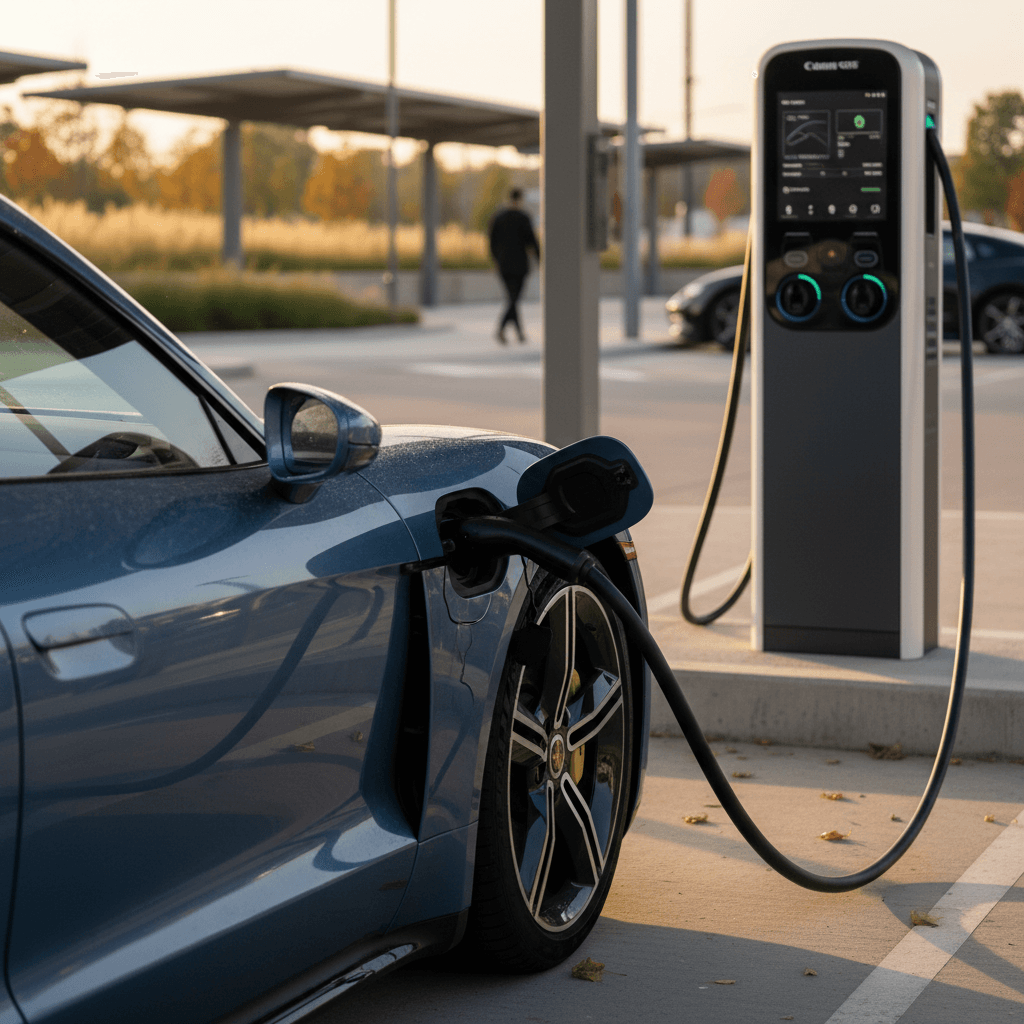
DC fast charging is convenient, and essential on road trips, but you pay for the speed. Networks aimed at premium EV drivers often price power more like fuel than a basic utility, with **per‑kWh rates that can be 2–4× higher than your home electricity price.**
Taycan cost per mile on public fast chargers
Ballpark numbers assuming 30 kWh/100 mi efficiency; your rates will vary by network and location.
Budget / membership rate
Example: **$0.30 per kWh** with a membership or discounted plan.
- 30 kWh × $0.30 = $9 per 100 miles
- ≈ 9¢ per mile
Typical public rate
Example: **$0.40–$0.45 per kWh** at many DC fast chargers.
- 30 kWh × $0.45 = $13.50 per 100 miles
- ≈ 13.5¢ per mile
High‑cost urban / peak
Example: **$0.55–$0.65 per kWh** in some dense or high‑demand areas.
- 30 kWh × $0.60 = $18 per 100 miles
- ≈ 18¢ per mile
Why it feels expensive at fast chargers
Porsche Taycan vs gas Porsche: cost per mile
To understand the value of the **Porsche Taycan charging cost per mile**, it helps to stack it up against a comparable gas Porsche. Many Taycan buyers are stepping out of a Panamera, 911 daily driver, Macan, or similar premium performance car.
Fuel cost per mile: Taycan vs comparable gas Porsche
Assumes $4.00 per gallon premium gas and typical combined MPG for each gas model.
| Vehicle | Assumed efficiency | Fuel/electric cost | Cost per 100 miles | Cost per mile |
|---|---|---|---|---|
| Taycan RWD, home charging | 30 kWh/100 mi | $0.17 per kWh | ≈ $5.10 | ≈ 5.1¢ |
| Taycan RWD, DC fast charging | 30 kWh/100 mi | $0.45 per kWh | ≈ $13.50 | ≈ 13.5¢ |
| Panamera (gas) | 20 MPG combined | $4.00/gal | $20.00 | 20.0¢ |
| Macan (gas) | 22 MPG combined | $4.00/gal | $18.18 | 18.2¢ |
| 911 Carrera (gas) daily use | 21 MPG combined | $4.00/gal | $19.05 | 19.1¢ |
These are fuel‑only comparisons. They don’t include maintenance or other ownership costs, where EVs often have an additional advantage.
What this comparison shows
5 factors that change your Taycan cost per mile
Your real‑world **Porsche Taycan charging cost per mile** isn’t fixed. It moves with the way you drive and the conditions you live in. Here are the biggest swing factors to watch.
Key drivers of Taycan charging cost per mile
1. Local electricity rate
Your $/kWh is the biggest single input. The same Taycan using 30 kWh/100 mi costs **$3.60 per 100 mi at $0.12/kWh** vs **$7.50 per 100 mi at $0.25/kWh**.
2. Home vs public charging mix
A Taycan that’s **90% home‑charged** will have a dramatically lower cost per mile than one that does **most of its energy at DC fast chargers**.
3. Driving style and speed
Aggressive acceleration, high sustained highway speeds, and heavy use of Sport or Sport Plus modes push your kWh/100 mi upward, raising cost per mile.
4. Climate and temperature
Very cold or very hot weather increases HVAC and battery conditioning loads, especially on short trips, which can pull your effective miles per kWh down.
5. Wheel and tire setup
Larger wheels, stickier performance tires, and aggressive alignment (common on Taycans) add rolling resistance. They’re great for grip, but they do shave efficiency.
Leaning into Taycan strengths
How Taycan battery health affects cost and range
Battery health doesn’t usually change your **electricity price**, but it does affect **how far you can go on a charge**, and how often you’ll plug in. For a used Porsche Taycan, that’s a core part of the ownership‑cost picture.
Degradation and range
Over time, a Taycan’s battery loses some usable capacity. Instead of, say, 240 miles when new, you might see 215–220 miles on a high‑mileage example. That means slightly more charging sessions to cover the same annual mileage, but your **cost per kWh** doesn’t change.
Where costs sneak in
Where battery health can affect your cost per mile is **convenience**. If reduced range forces you to rely more on **DC fast charging** instead of cheaper home charging, your cost per mile can creep upward, especially on long commutes or frequent road trips.
How Recharged helps on used Taycans
7 ways to lower your Taycan charging cost per mile
You can’t change that the Taycan is a quick, heavy performance EV, but you have more control over its **cost per mile** than you might think. Here are practical levers you can pull.
Practical ways to cut Taycan charging costs
Small tweaks in charging habits can make a big long‑term impact.
1. Maximize home charging
Do as much of your charging as possible at **home Level 2 rates**, not on the road. Even if you pay a bit more for a quality wallbox, you’ll usually earn it back quickly vs DC fast‑charging prices.
2. Use off‑peak or EV‑specific rates
Many utilities offer cheaper **overnight or EV plans**. Schedule your Taycan to charge during those windows and you can shave several cents per kWh off your bill.
3. Moderate highway speeds
Above ~70 mph, aerodynamic drag climbs sharply. Backing off just 5–10 mph on long highway drives can improve your **miles per kWh** noticeably.
4. Precondition while plugged in
Use **preconditioning** while the car is plugged in, so cabin heating or cooling uses grid power instead of draining the battery as soon as you start driving.
5. Pick the right drive mode
Use **Normal or Range mode** for daily driving when you don’t need full performance. Save Sport Plus for when it really matters; your range and cost per mile will thank you.
6. Check tires and alignment
Under‑inflated or aggressively aligned tires sap efficiency. Keeping them at spec, and only running track‑oriented setups when you need them, helps keep energy use in check.
Advanced moves for cost‑conscious Taycan owners
7. Combine errands into fewer trips
EVs are most efficient when fully warmed up. Combining errands into **longer single drives** reduces the number of cold starts where the pack and cabin need extra energy to come up to temperature.
What charging costs mean if you’re shopping used Taycan
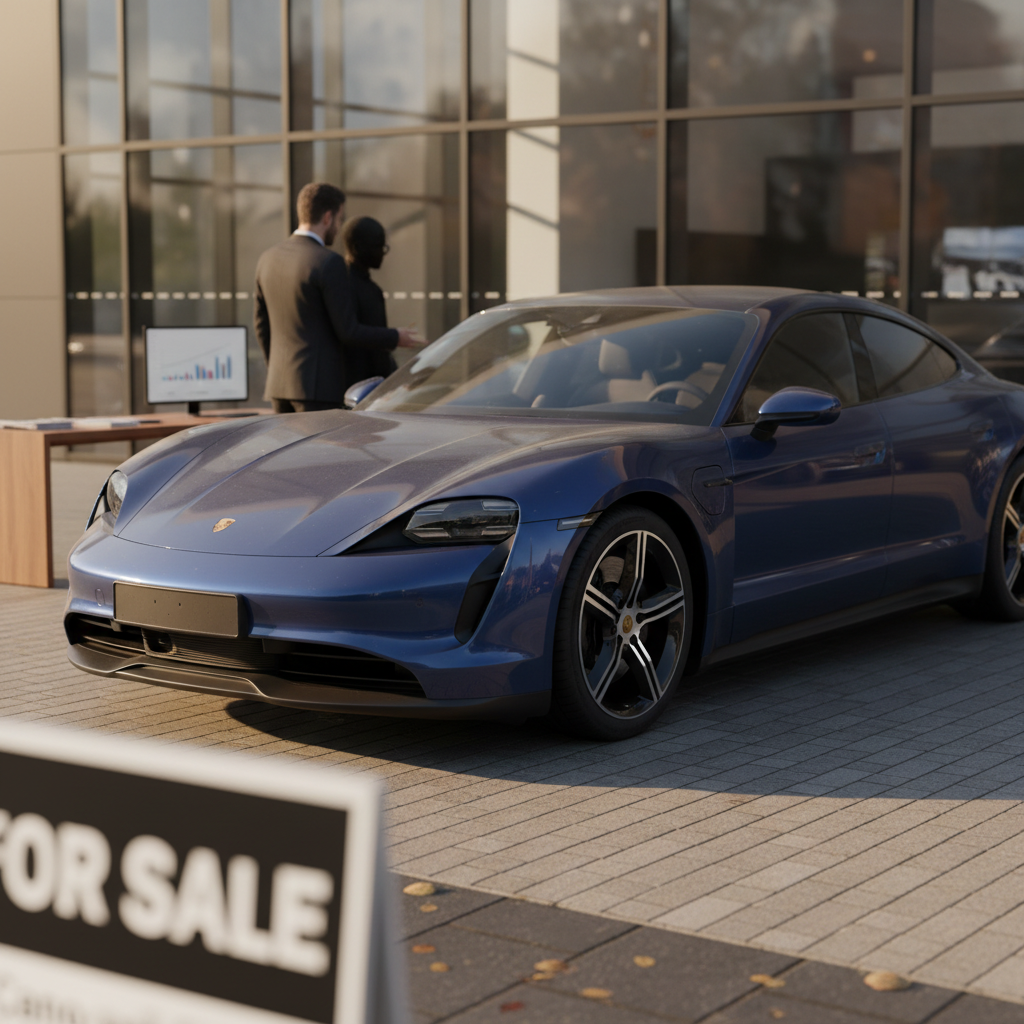
On the used market, Taycans have become far more affordable than their original MSRPs suggest. That makes understanding **charging cost per mile** even more important: your monthly out‑of‑pocket looks like **payment + insurance + electricity**, not payment + gas.
Budgeting monthly Taycan energy costs
If you drive **1,000 miles per month** and do almost all charging at home at around **5¢ per mile**, you’re looking at roughly **$50 per month** in electricity, far less than a comparable gas Porsche on premium fuel.
Even if you mix in some DC fast charging and your blended cost per mile climbs to **8–10¢**, that’s **$80–100/month** for 1,000 miles.
Where Recharged fits in
When you shop a used Porsche Taycan through Recharged, you get more than a listing. You’ll see a **Recharged Score Report** with:
- Verified battery health and capacity
- Transparent, fair market pricing
- Access to EV‑specialist support that can walk you through realistic **energy‑cost expectations** for your daily driving pattern
Add optional financing, trade‑in support, and **nationwide delivery**, and you can make the Taycan’s numbers work before it ever hits your driveway.
Use charging cost as a negotiation tool
FAQ: Porsche Taycan charging cost per mile
Common Taycan charging cost questions
Bottom line: what you’ll really pay per mile
When you boil it all down, a **Porsche Taycan charging cost per mile** of **4–6¢ at home and 10–20¢ on fast chargers** is a realistic working range for most owners. That makes it far cheaper to fuel than a comparable gas Porsche, especially if you do the bulk of your miles on a home Level 2 charger at reasonable electricity rates.
If you’re exploring a **used Taycan**, pairing these cost‑per‑mile numbers with a **transparent view of battery health and pricing** is crucial. That’s exactly what Recharged is built to deliver: verified battery diagnostics via the **Recharged Score Report**, fair market pricing, EV‑savvy guidance, financing and trade‑in options, plus **nationwide delivery** from our digital showroom and Experience Center in Richmond, VA. Put together, it gives you a clear picture of what your Taycan will really cost to own, on day one and thousands of miles down the road.