If you’ve been watching gas prices climb and scrolling used-car listings in frustration, you’re not alone. The good news is that cheap used electric cars are finally real, and in 2025, there are bargains out there that simply didn’t exist a few years ago. The trick is knowing which models are actually good value and how to avoid getting surprised by a tired battery or hidden fees.
Snapshot: used EV deals right now
Why used electric cars are getting cheaper
Not long ago, used EVs were rare and pricey. Today, a wave of off-lease cars, aggressive new-EV discounts, and more competition mean used prices have dropped hard, especially for early models and high-mileage cars.
Three reasons cheap used EVs are everywhere now
Understanding the price drops helps you buy with confidence
1. Off-lease flood
Many EVs sold in 2021–2023 are now coming off 3-year leases. Lease returns hit dealer lots in waves, and prices soften when inventory stacks up.
2. New EV price cuts
Automakers and dealers have been discounting new EVs to move inventory. When new prices fall, used values adjust down too, often faster than with gas cars.
3. Better tech every year
Newer EVs offer more range and faster charging. That makes older models "yesterday’s tech" and pushes their resale values down, even if they’re still perfectly good daily drivers.
Falling prices are great, if you shop carefully
How cheap is “cheap”? Real used EV prices in 2025
Typical 2025 used EV price ranges (U.S.)
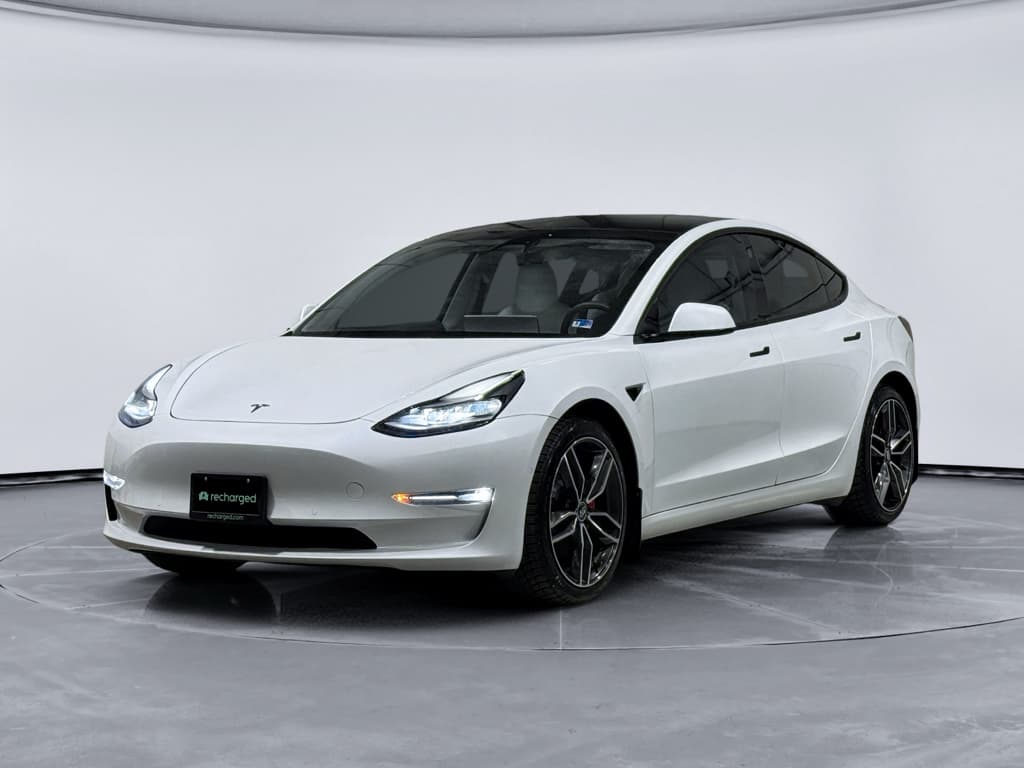
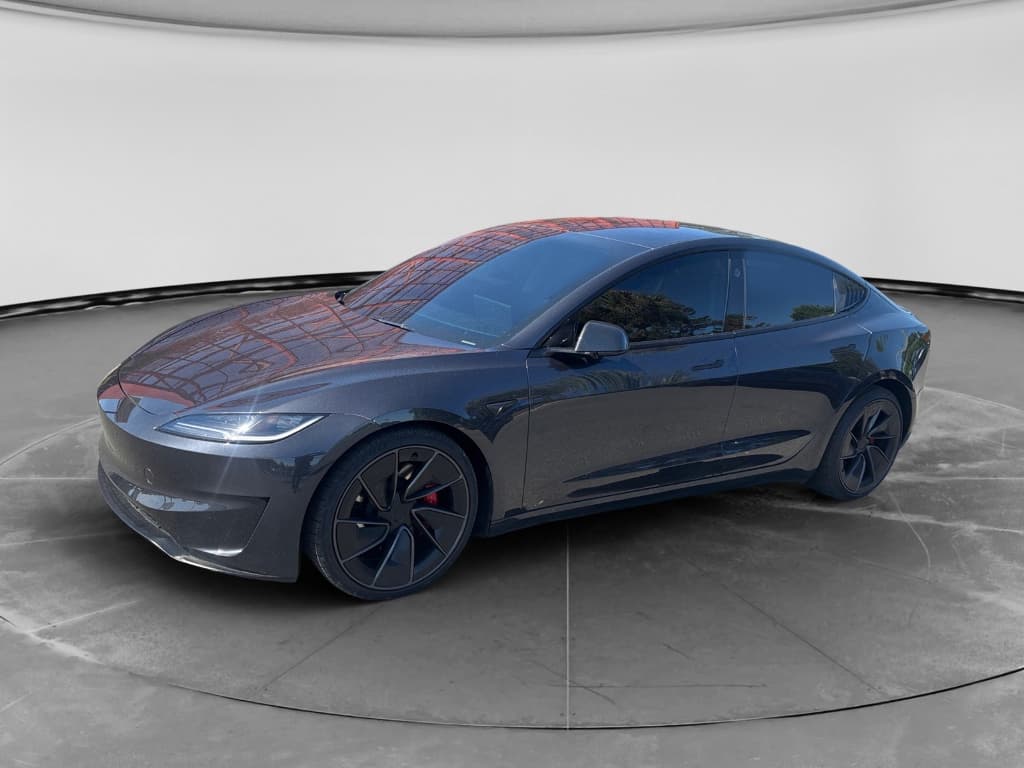
Recent analyses of the 2025 used EV market consistently put the Kia Niro EV and Tesla Model 3 near the top for value, with deal scores in the high 90s and average used prices around $12,000 for the Niro and roughly $20,000 for the Model 3. The Chevrolet Bolt EV, Hyundai Ioniq 5, Volkswagen ID.4, and Hyundai Kona Electric also show up again and again as strong buys for the money.
Pro tip: don’t chase the absolute lowest price
Best cheap used electric cars to target
There’s no single “best” cheap used electric car, because your driving pattern, climate, and budget matter. But a few models consistently deliver strong value for everyday drivers in the U.S. right now.
Popular cheap used EVs and why they’re good value
Approximate U.S. used price ranges in 2025; actual listings will vary by mileage, trim, and region.
| Model | Typical Used Price | Approx. Range (EPA when new) | Best For | Watch Out For |
|---|---|---|---|---|
| Nissan Leaf (2013–2018) | $5,000–$9,000 | 84–151 mi | Short city commutes, second cars | Limited range, earlier cars lack battery cooling and can show more degradation. |
| Chevrolet Bolt EV (2017–2022) | $12,000–$17,000 | ~238–259 mi | Budget road-trip-capable hatchback | Battery recall history, make sure recall work is done and check actual battery health. |
| Hyundai Kona Electric | $13,000–$18,000 | ~258 mi | Efficient small crossover | Tight rear seat; verify DC fast-charging works as expected. |
| Kia Niro EV | $12,000–$20,000 | ~239–253 mi | Practical family runabout | Asking prices vary a lot; compare trims and equipment carefully. |
| BMW i3 (with or without REx) | $6,000–$14,000 | ~80–153 mi (battery-only) | Style and city agility | Shorter range; check carbon-fiber body repairs if there’s accident history. |
| Tesla Model 3 (2017–2021) | $18,000–$25,000 | ~220–310+ mi | Longer trips and fast charging | High-mileage cars can have more cosmetic wear; confirm Autopilot/options you care about. |
| Volkswagen ID.4 | $20,000–$26,000 | ~250–275 mi | Roomy crossover | Software updates matter; verify latest updates and charging performance. |
Use this as a starting point, then check real local listings and detailed reports like the Recharged Score.
Value standouts
Cheap used EVs by budget bracket
Under $10,000
- Early Nissan Leaf (ideal if you drive mostly under 50–60 miles a day).
- Fiat 500e, Chevy Spark EV, and other compliance-era city EVs in some markets.
These cars can be fantastic urban runabouts, but range and battery condition matter more than anything. Treat them like specialized city tools, not cross-country machines.
$10,000–$18,000
- Chevy Bolt EV and Hyundai Kona Electric, excellent all-rounders.
- Some Kia Niro EV and well-equipped BMW i3 examples.
This is the sweet spot for many shoppers: enough range for road trips, modern safety tech, and monthly payments that often beat a new compact gas car.
$18,000–$25,000
- Early Tesla Model 3 and some Model Y in higher-mileage trims.
- VW ID.4, Hyundai Ioniq 5, and similar crossovers.
Here you start to see longer range, more space, and newer driver-assist tech, great if you’re replacing a primary family vehicle.
Be wary of ultra-cheap luxury EVs
Understanding battery health on cheap EVs
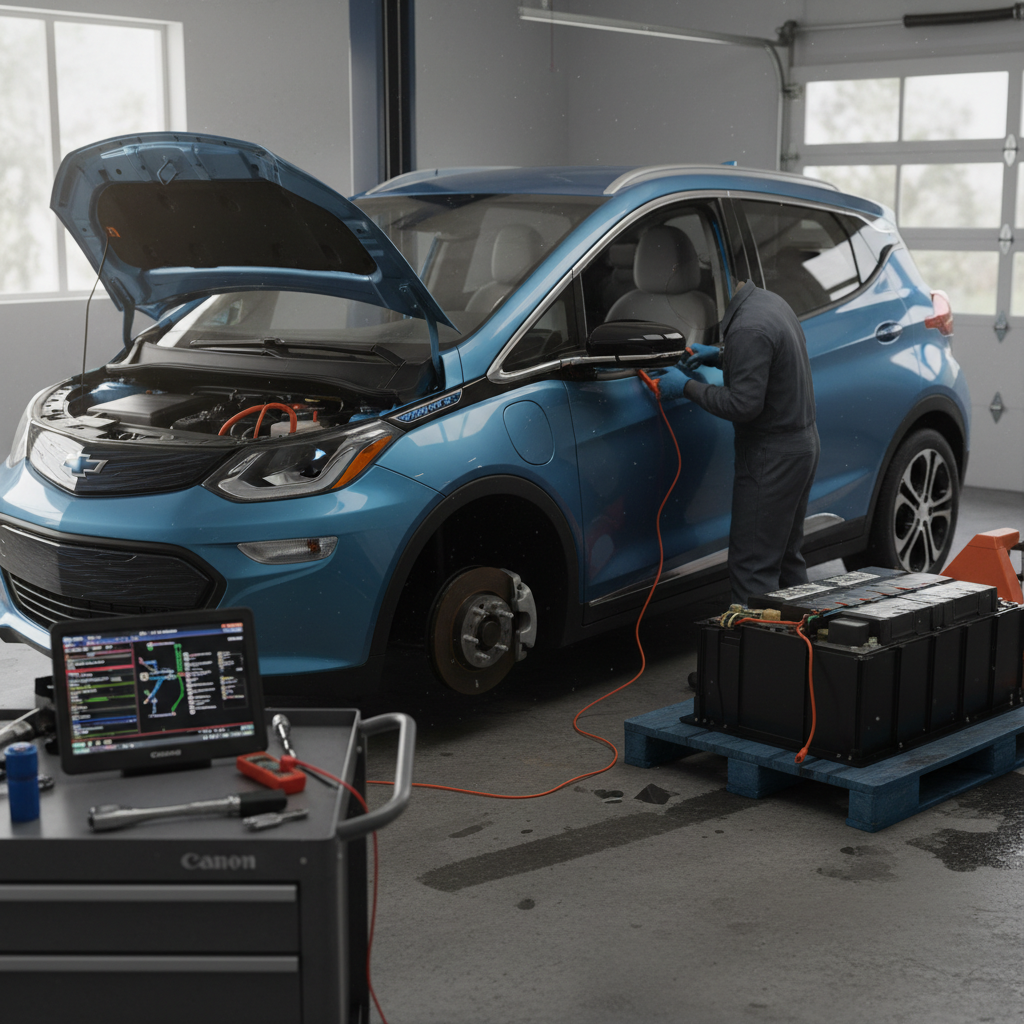
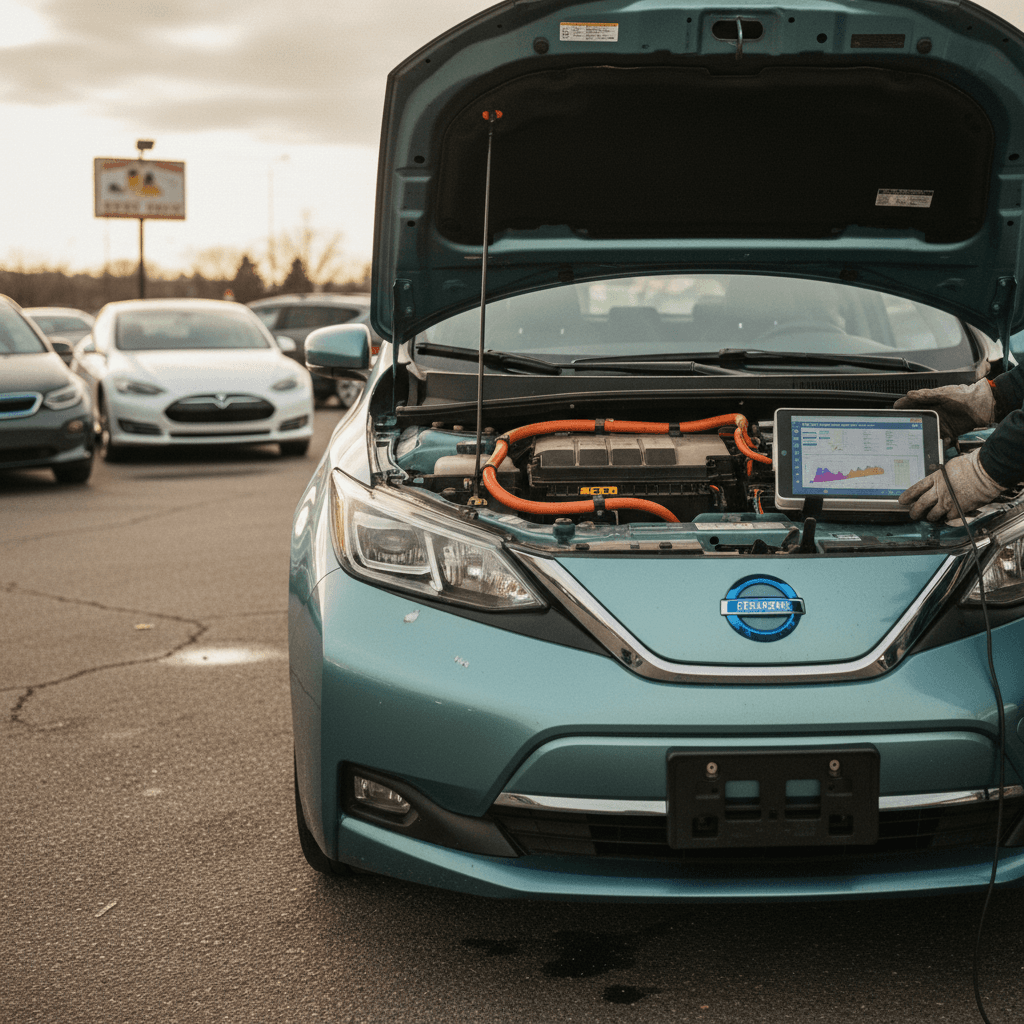
Battery health is the heart of the used-EV question. A cheap electric car with a tired pack can feel like a bargain on day one and a mistake by year two. You don’t need to be an engineer, but you do need to understand a few basics.
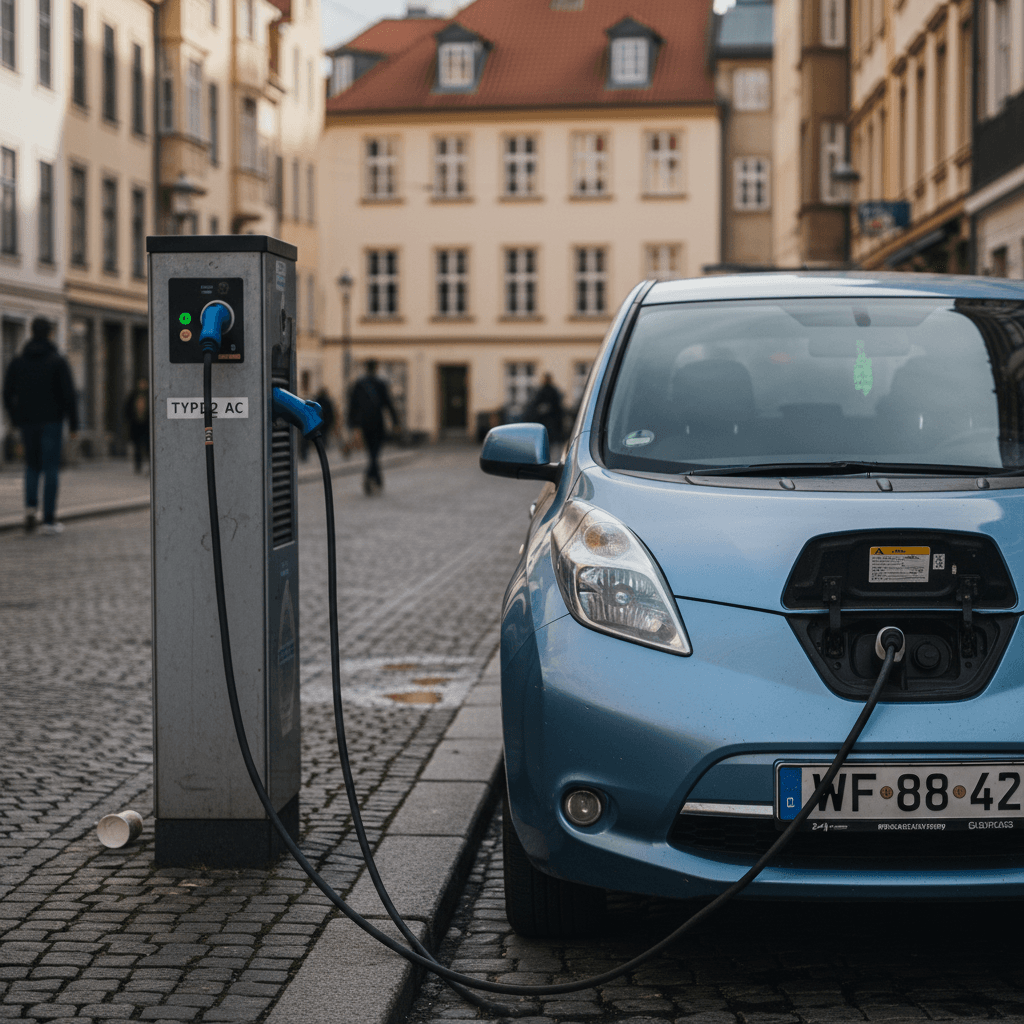
- State of health (SoH) is usually expressed as a percentage of the battery’s original usable capacity. A car at 90% SoH has lost about 10% of its range versus new.
- Degradation is normal. Seeing 5–15% loss on a several-year-old EV isn’t alarming, especially on liquid-cooled packs like the Bolt EV or many crossovers.
- Thermal management matters. Cars with liquid-cooled batteries (Bolt EV, Niro EV, many newer EVs) generally age more gracefully than early air-cooled packs like older Leafs, especially in hot climates.
- Fast charging habits and frequent 100% charges can influence degradation, but modern packs are designed to handle reasonable fast-charging use. Look for consistent, not extreme, usage patterns.
How battery health shows up in real life
The challenge for buyers is that listings rarely show SoH clearly. That’s exactly why tools like Recharged’s battery health diagnostics and Recharged Score Report exist: they translate technical readings into an easy-to-understand score with estimated real-world range and remaining life so you’re not guessing.
Total cost of ownership: why a cheap EV can be a bargain
Sticker price is only part of the story. Cheap used electric cars often win on total cost of ownership because you’re saving quietly every month on fuel and maintenance.
Where cheap used EVs save you money
The savings often hide in your monthly budget, not just the purchase price
Fuel vs. electricity
Electricity typically costs less per mile than gas, especially if you charge at home on off-peak rates. Many drivers cut their "fuel" bill by half or more compared with similar gas cars.
Less maintenance
No oil changes, fewer moving parts, and reduced brake wear (thanks to regen) mean routine maintenance is cheaper and less frequent.
Incentives & credits
Depending on the year and vehicle, you may qualify for used-EV incentives or state-level perks like reduced registration fees or HOV access. Check your state’s latest programs.
Depreciation already baked in
The toughest years of depreciation are usually behind older EVs. If you buy carefully, your car may lose value more slowly than a new gas compact.
Run the numbers on your own commute
Where to find cheap used electric cars
Finding cheap used electric cars is part detective work, part patience. The key is casting a wide enough net and using tools that help you compare real value, not just prices.
Common places to shop for cheap used EVs
Each option has trade-offs in price, selection, and transparency
Traditional dealers
Pros:
- Local inventory you can see in person
- Possible CPO warranties
Cons: Pricing can be opaque; limited EV expertise at some stores.
Online marketplaces
Pros:
- Huge selection, easy filtering
- Can cross-shop nationwide
Cons: Quality and transparency vary; you’re on your own to interpret battery health.
EV-focused platforms like Recharged
Pros:
- Every car is an EV, so staff actually understands them
- Battery-focused reports like the Recharged Score
- Digital buying, delivery, and financing in one place
Cons: Nationwide inventory can mean more temptation than your budget planned for.
Watch for missing hardware and chargers
How Recharged helps you buy a cheap used EV confidently
If you’re new to EVs, it can feel like you’re learning a new language just to buy a car. Recharged was built to make used EV ownership simple, transparent, and less stressful, especially when you’re hunting for a budget-friendly deal.
- Recharged Score Report: Every vehicle on Recharged comes with a detailed report covering verified battery health, fair market pricing, and expected real-world range so you can compare cars apples-to-apples.
- EV-specialist guidance: You can talk to people who live and breathe EVs, not just someone who usually sells trucks and "also has a Leaf out back."
- Flexible ways to sell or trade: Trade in your gas car, get an instant offer, or consign your EV to unlock more budget for your next car.
- Financing built for used EVs: Recharged offers financing options and a digital, paperwork-light experience, plus nationwide delivery from its online showroom and Experience Center in Richmond, VA.
Let the car pay for itself
Ready to find your next EV?
Browse VehiclesChecklist: before you buy a cheap used EV
10-step checklist for buying a cheap used electric car
1. Define your real-world range needs
List your typical daily mileage, plus occasional trips. If you rarely exceed 40–60 miles a day, older, shorter-range EVs can work great and save you money.
2. Confirm home charging options
Make sure you have access to at least a regular 120V outlet, and ideally a 240V outlet for faster Level 2 charging. If you rent, check with your landlord first.
3. Prioritize battery health data
Look for listings with a clear battery health report, ideally a professional diagnostic like the Recharged Score, rather than vague phrases like "battery seems fine."
4. Check fast-charging capability
If you’ll road-trip, confirm the car supports DC fast charging and that the port type works with networks you’ll use. Some trims of the same model lack fast-charging hardware.
5. Verify recall and warranty status
Search for open recalls, especially on models like the Bolt EV, and confirm whether the battery or powertrain is still under warranty based on time and mileage.
6. Inspect tires and brakes
EVs are heavier than similar gas cars and can wear tires faster. A set of new tires can easily eat into the “deal” you think you’re getting.
7. Review charging accessories
Confirm which charging cables, adapters, and wall chargers are included. Replacing a missing portable charger can add several hundred dollars to your real cost.
8. Test the car at low and highway speeds
On a test drive, listen for wind and motor noise, check for smooth acceleration, and confirm that regen braking behaves consistently without warning lights.
9. Cross-check market pricing
Compare your candidate car with similar mileage and trim across multiple platforms. Recharged’s fair market pricing data helps you see if a car is truly underpriced or just average.
10. Plan your exit strategy
Think about how long you’ll keep the car and how it might depreciate from here. Well-chosen used EVs can be easier to resell later as more buyers get comfortable with EVs.
FAQ: cheap used electric cars
Frequently asked questions about cheap used EVs
The bottom line on cheap used EVs
Cheap used electric cars are no longer unicorns, they’re sitting on lots and websites all over the country. The smartest buys balance price, range, and battery health, not just the lowest number on the windshield. If you match the car’s capabilities to your routine and insist on real battery data, a used EV can deliver quiet, low-maintenance miles for years at a fraction of the running cost of a gas car.
Whether you end up in a $7,500 Leaf for city hops or a $20,000 Niro EV for family duty, take your time, compare more than just price, and lean on tools designed for EVs. Platforms like Recharged, with diagnostics-backed Recharged Scores, expert guidance, financing, and nationwide delivery, exist so you can enjoy the savings of a cheap used EV without feeling like you’re taking a gamble.