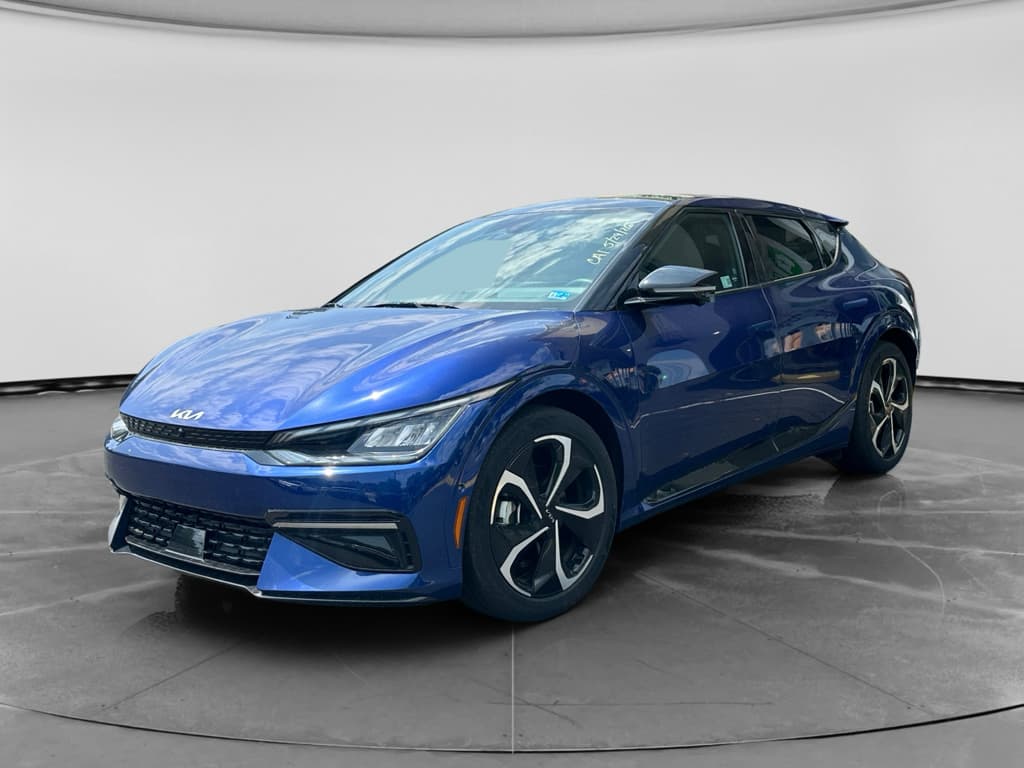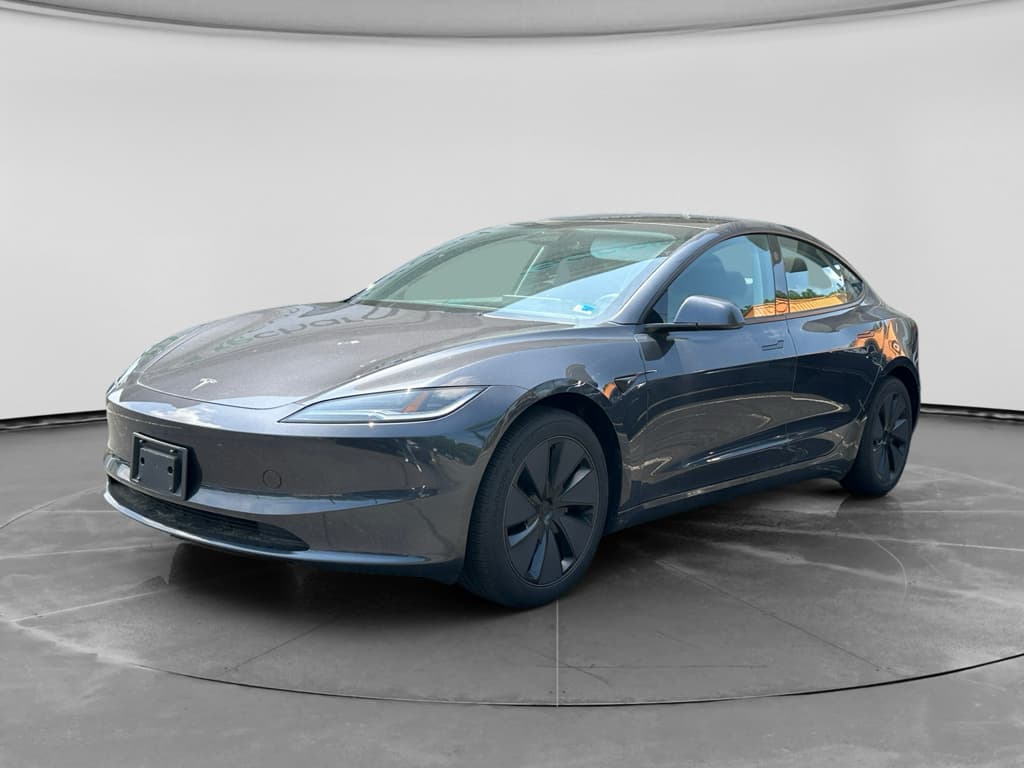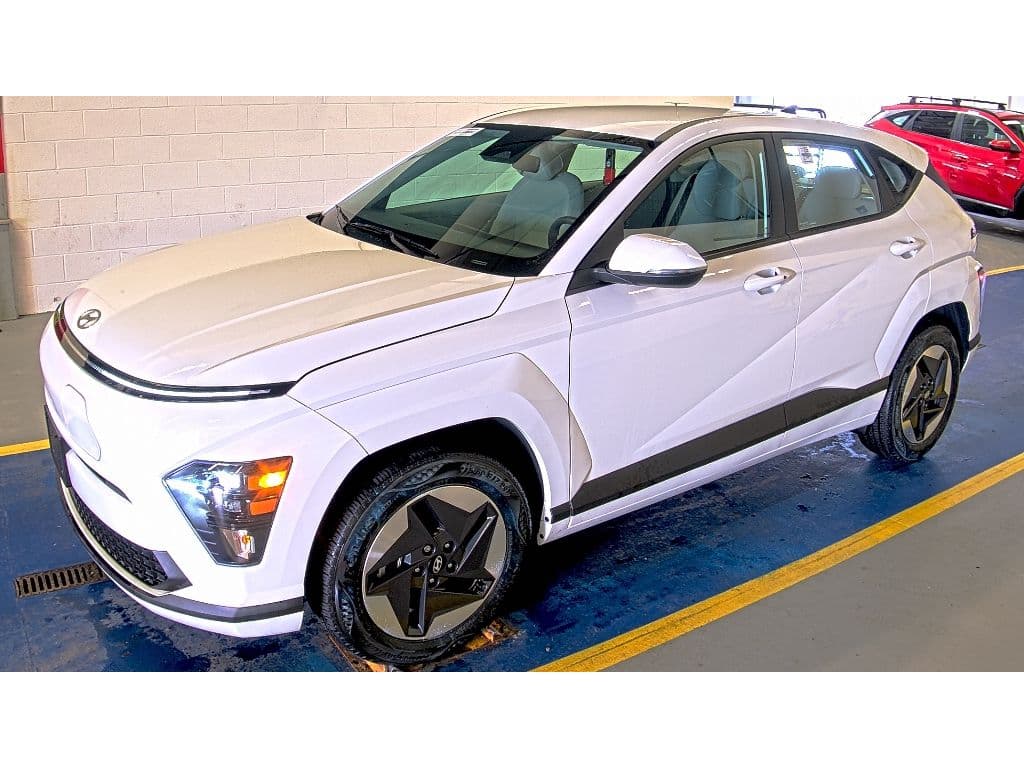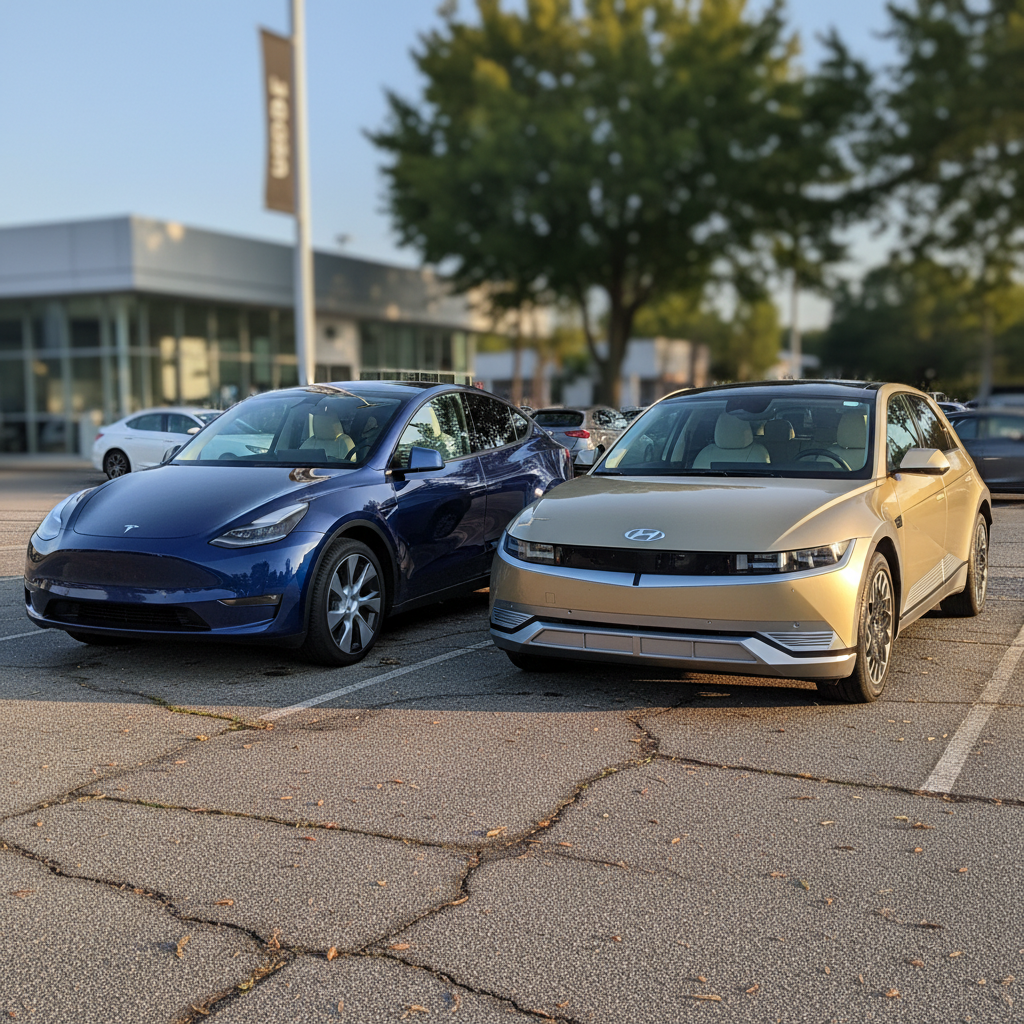
If you type “cheap car electric” into a search bar in 2025, you’ll see two very different worlds. On one side are brand‑new budget EVs with prices just under $30,000. On the other is a fast‑growing used market where you can get a solid electric car for the price of a basic compact gas sedan, sometimes less. The trick is telling a genuine deal from a money pit with a tired battery.
Quick Take
Why Cheap Electric Cars Are Getting More Interesting
For years, the complaint about EVs was simple: too expensive. But the market has shifted. Automakers like Nissan and Chevrolet are doubling down on entry‑level EVs, and the used market is finally deep enough that prices are coming down fast, especially on earlier Tesla models and compact hatchbacks.
Cheap EVs by the Numbers (2024–2025 Snapshot)
Why this matters to you
How Cheap Is “Cheap” for Electric Cars in 2025?
When shoppers say they want a cheap electric car, they usually mean one of three things: rock‑bottom purchase price, lowest possible monthly payment, or lowest total cost to own over a few years. Those aren’t always the same car.
Three Ways to Think About “Cheap”
Price tag, payment, or total cost? Decide what matters most before you shop.
1. Cheapest sticker price
These are the EVs with the lowest MSRP or used asking price.
- New sub‑$30K compacts
- Older used EVs from 2017–2021
- Often less range, more compromises
2. Cheapest monthly payment
Here, financing and interest rate matter as much as price.
- Longer terms = lower payment
- Certified used often has better rates
- Trade‑in value plays a big role
3. Lowest total cost to own
Factor in fuel, maintenance, insurance, and resale value.
- EVs usually win on fuel and service
- Battery health affects resale
- Buying slightly used can hit the sweet spot
Important 2025 change
Cheapest New Electric Cars You Can Buy Today
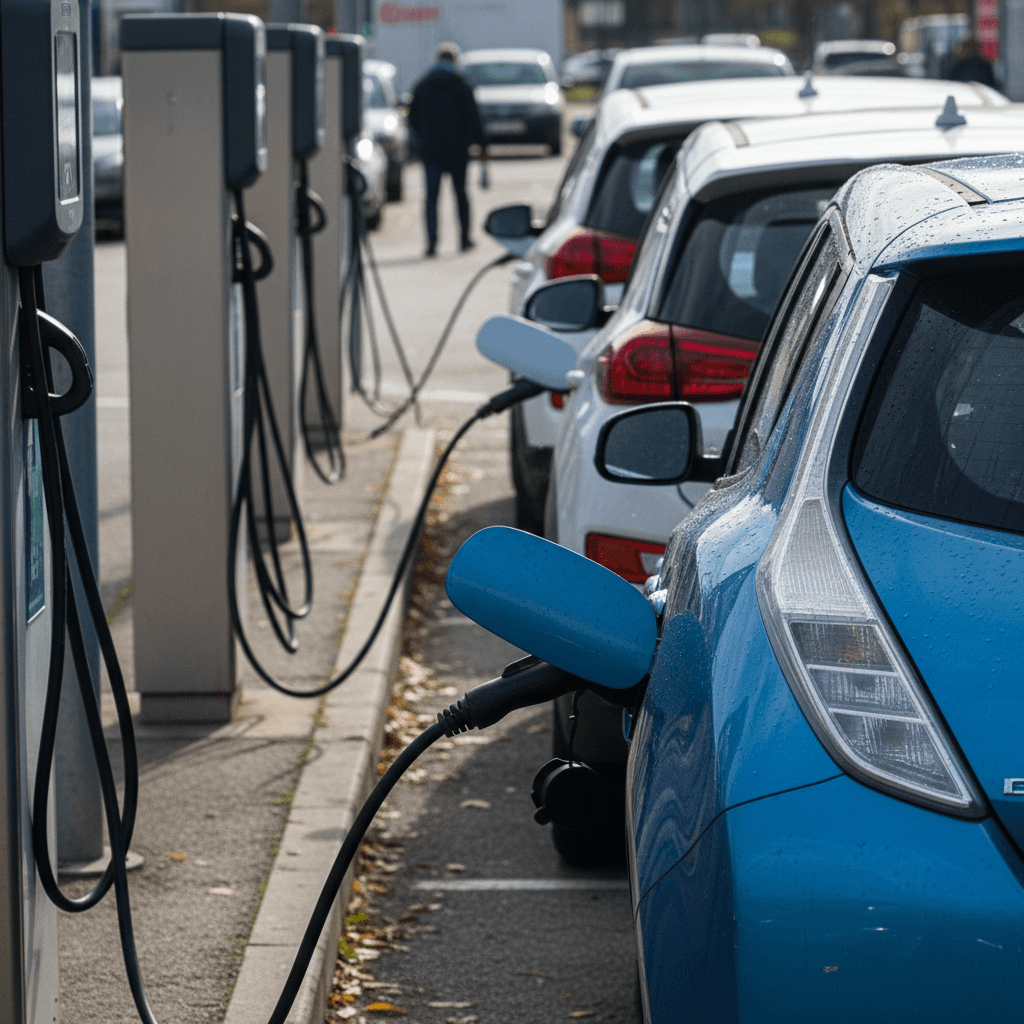
If you want the security of a full factory warranty and the latest safety tech, a cheap new electric car might still make sense, especially if you plan to keep it a long time. Here are some of the most affordable new EV nameplates in the U.S. for the 2024–2025 model years.
Representative Cheap New Electric Cars (2024–2025)
Approximate starting prices before destination; actual pricing and incentives vary by region and dealer.
| Model | Type | Approx. Starting Price | Est. Range | What Makes It “Cheap” |
|---|---|---|---|---|
| Nissan LEAF (2025–2026) | Compact hatchback | Around $29,000 | ~150–300 mi (trim dependent) | One of the lowest MSRPs of any new EV; basic but practical. |
| Mini Cooper Electric | Subcompact hatchback | Low $30Ks | ~114–200 mi | Fun to drive; great city car if you don’t need big range. |
| Hyundai Kona Electric | Compact SUV | Mid $30Ks | ~200–260 mi | Affordable crossover with decent range and a long warranty. |
| Chevrolet Equinox EV | Compact SUV | Mid $30Ks | ~300+ mi | Strong range per dollar; mainstream family shape. |
| Volvo EX30 | Subcompact SUV | Mid $30Ks | ~275 mi | Premium feel with relatively low starting price for a luxury badge. |
These aren’t the only affordable EVs, but they represent the core of today’s budget‑friendly new electric market.
When a new EV makes sense
Why Used Electric Cars Are the Real Bargain
Ask people in the business where the best value is, and they’ll usually point you to the used‑EV lot. That’s where depreciation and rapid tech changes work in your favor instead of against you.
1. Depreciation is your friend
Early EVs and first‑generation crossovers took a bigger hit in value than comparable gas cars. That’s bad news for the first owner, great news for you. A car that sold new for over $50,000 can now live in the low‑ or mid‑$20Ks, sometimes less, especially for earlier Tesla Model 3 and Model Y examples.
2. Battery tech aged better than you think
Most modern EV batteries hold up surprisingly well when they’re cared for. You’ll often see 70–90% of original capacity even after several years. The key is verifying that instead of guessing, which is where proper battery health diagnostics come in.
Where Recharged fits in
Battery Health: The Make-or-Break Factor for Cheap EVs
With gas cars, you worry about oil changes and timing belts. With a cheap electric car, battery health is the whole ballgame. A tired battery means less range, more charging stops, and a lower resale value down the road.
Battery Health Basics for Budget EV Buyers
Three concepts to get clear on before you sign anything.
State of Health (SoH)
This is the percentage of original battery capacity your EV still has.
- 100% = like new
- 80% = noticeable range loss
- Below 70% can feel limiting
Real‑world range
Forget the window sticker for a moment.
- Ask: “How far will this car go at 70 mph?”
- Factor in weather and hills
- Daily commute comfort matters more than max number
Independent diagnostics
Don’t rely on a dashboard bar graph.
- Look for a professional battery test
- Ask for a written report
- Use results to negotiate price
How Recharged de‑risks used EVs
Ready to find your next EV?
Browse VehiclesBattery Checklist Before You Buy a Cheap EV
1. Ask for a recent battery health report
Request documentation showing state of health (SoH) and any diagnostic scans. If the seller can’t provide them, budget for an independent test, or walk away.
2. Compare range to when the car was new
Look up the original EPA range and compare it to today’s estimated real‑world range. A modest drop is normal; a huge gap deserves questions.
3. Look for charging history clues
Frequent DC fast‑charging and lots of high‑mileage road‑trip use can accelerate degradation. Service records and owner notes can help you piece together the story.
4. Confirm warranty status
Many EVs still have battery coverage for 8 years or more from original sale. Knowing what’s left on the clock adds peace of mind.
Total Cost of Ownership: Cheap EVs vs. Cheap Gas Cars
The right way to compare a cheap electric car with a cheap gas car is to zoom out. Don’t just look at the purchase price, look at what it costs to own, fuel, and maintain over several years.
Where EVs save you money
- Fuel: Electricity usually beats gas on a per‑mile basis, especially if you can charge at home overnight.
- Maintenance: No oil changes, fewer moving parts, and less brake wear thanks to regenerative braking.
- Urban driving: Stop‑and‑go traffic barely hurts efficiency compared with gas cars.
Where costs can sneak up
- Insurance: EVs can cost more to insure, especially newer models with pricey bodywork.
- Home charging setup: A Level 2 charger or upgraded electrical panel can add $500–$2,000.
- Battery replacement someday: Rare, but something to understand for very old or very high‑mileage EVs.
A practical rule of thumb
How to Shop Smart for a Cheap Electric Car
Shopping for a budget EV isn’t about chasing the absolute lowest number; it’s about finding the best value for how you actually drive. Here’s how to stack the odds in your favor.
Step‑by‑Step: Finding a Good Cheap Electric Car
1. Define your real‑world range needs
Write down how many miles you drive on a typical busy day, then add 30–40%. That’s your minimum comfortable range target. Many cheap used EVs will still clear this easily.
2. Decide new vs. used up front
If warranty coverage and the latest tech matter most, focus on the cheapest new EVs. If value is king, concentrate on used EVs with strong battery reports and good service history.
3. Shortlist 3–5 models that fit your life
Maybe that’s a used Tesla Model 3, a Nissan LEAF, a Hyundai Kona Electric, or a Chevy Bolt when it returns. Cross‑shop body style, cargo space, charging speed, and comfort, not just price.
4. Compare total monthly cost, not just sticker
Look at payment, insurance, estimated charging cost, and any subscription features. A slightly higher purchase price can still be cheaper to live with month‑to‑month.
5. Use expert tools and reports
On platforms like Recharged, use the <strong>Recharged Score</strong> to compare battery health, pricing, and condition side by side instead of guessing based on mileage alone.
How Recharged simplifies the hunt
Financing and Trade-In Tips on a Budget
A cheap electric car isn’t really cheap if the loan is ugly. The right financing and a smart trade‑in strategy can be worth several thousand dollars over the life of your ownership.
Money Moves for Budget EV Shoppers
Small choices here can make your electric car genuinely affordable.
Shop the rate, not just the car
Get pre‑qualified with at least one outside lender before you talk to a dealer.
- Know your ballpark rate
- Compare dealer offers against it
- Use pre‑qualification to negotiate, not just accept
Use your current car wisely
A trade‑in or instant offer can shrink the gap to a better EV.
- Get multiple appraisals
- Consider selling outright if offers are low
- Factor in sales‑tax savings where applicable
Keep the term reasonable
Long loans lower the payment but raise total interest.
- Try to stay at 60 months or less
- Consider a slightly cheaper used EV instead of stretching
- Look for no‑prepayment‑penalty loans so you can pay faster later
What Recharged offers
Cheap EV Mistakes to Avoid
A bargain electric car that doesn’t fit your life stops feeling like a bargain very quickly. Here are the missteps that trip people up most often.
- Chasing the absolute lowest price and ending up with an EV whose range doesn’t cover your real‑world driving.
- Ignoring battery health and relying only on mileage and model year.
- Skipping a home‑charging plan and assuming public fast chargers will always be cheap and convenient.
- Assuming all cheap EVs can use every fast‑charging network, connector types and charging speeds still vary.
- Over‑stretching on a long‑term loan instead of looking for a slightly older but better‑valued used EV.
Red flags on a “too cheap” EV
Cheap Electric Car FAQ
Frequently Asked Questions About Cheap Electric Cars
The Bottom Line on Buying a Cheap Electric Car
A cheap electric car in 2025 doesn’t have to feel like a compromise special. With new EVs coming in under $30,000 and a used market full of discounted Teslas, Leafs, Konas, and more, you have real choices. The key is to focus less on the lowest possible price and more on the best fit: the right range, the right body style, verified battery health, and a monthly cost that leaves room in your budget for the rest of your life.
If you’d like help sorting through those choices, Recharged was built for this moment in EV ownership. Our battery‑health‑driven Recharged Score, EV‑savvy guidance, financing options, and nationwide delivery make it easier to find an electric car that’s not just cheap, but genuinely smart to own.