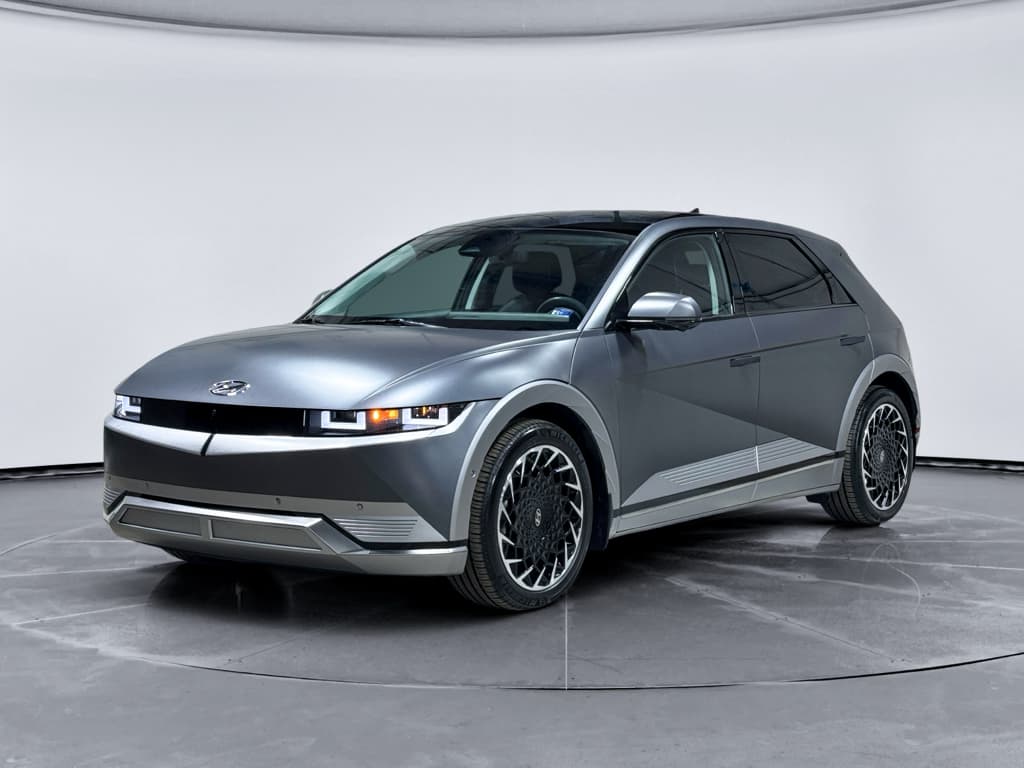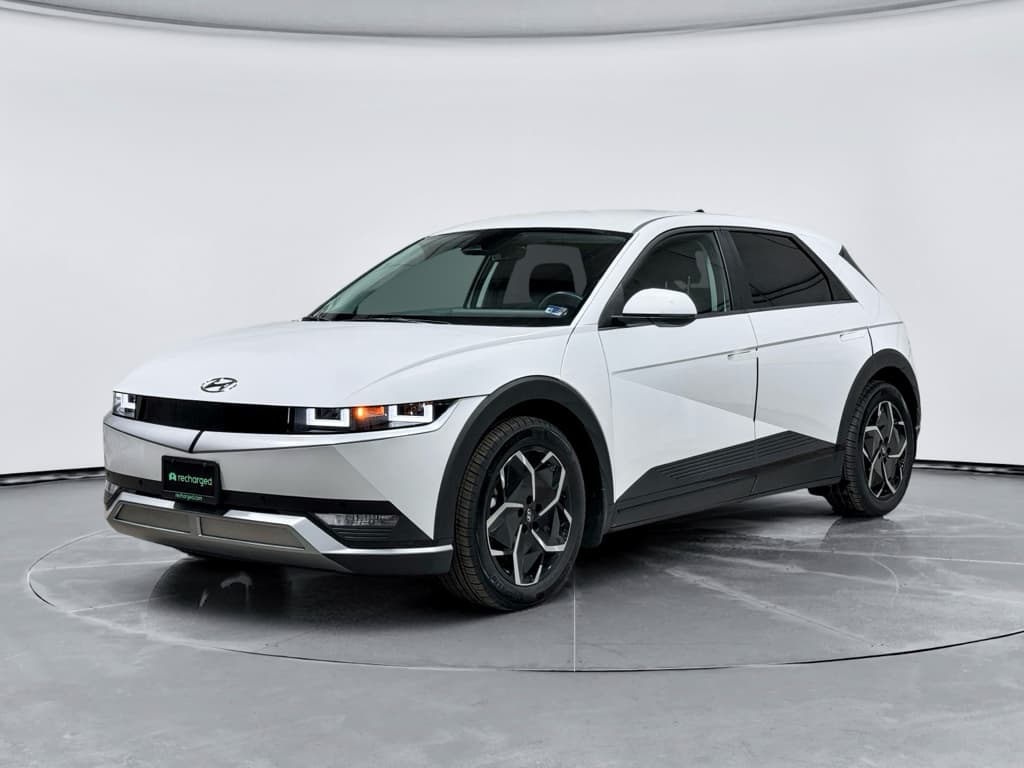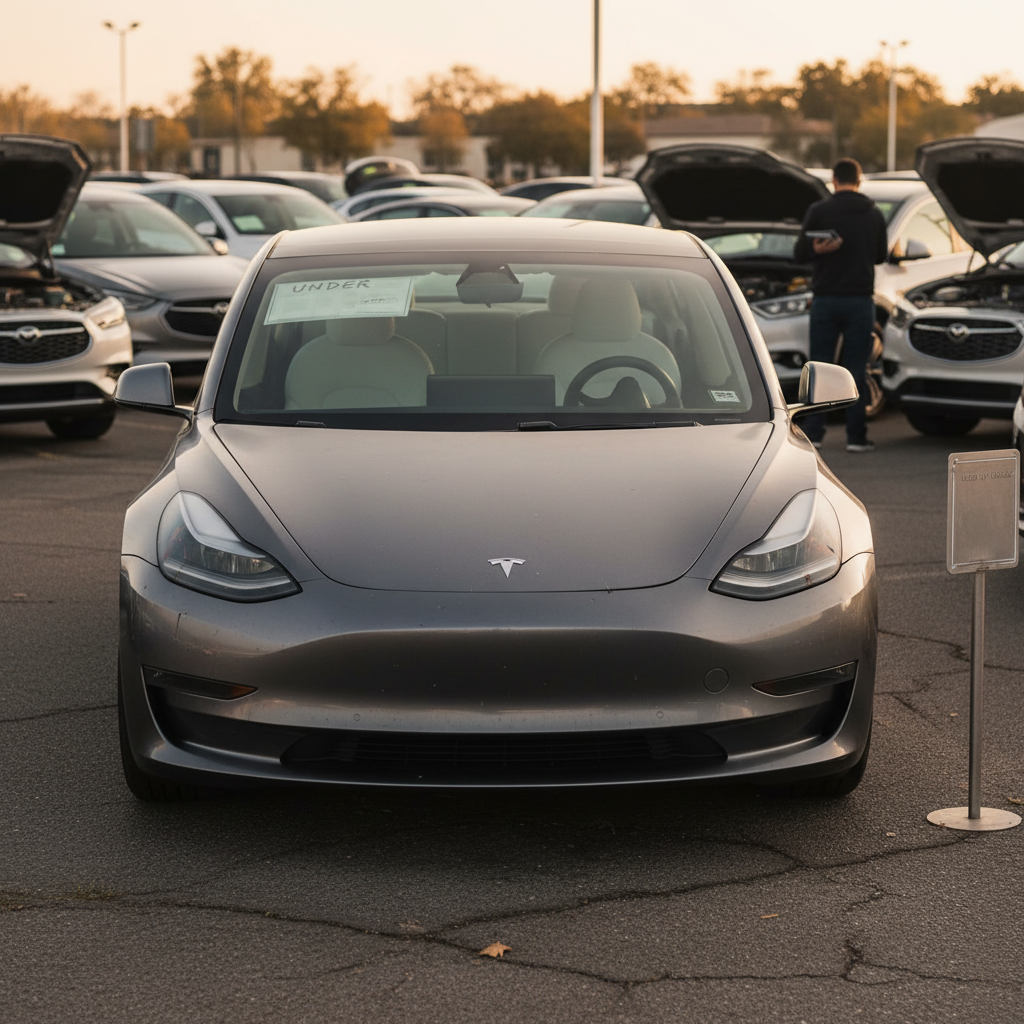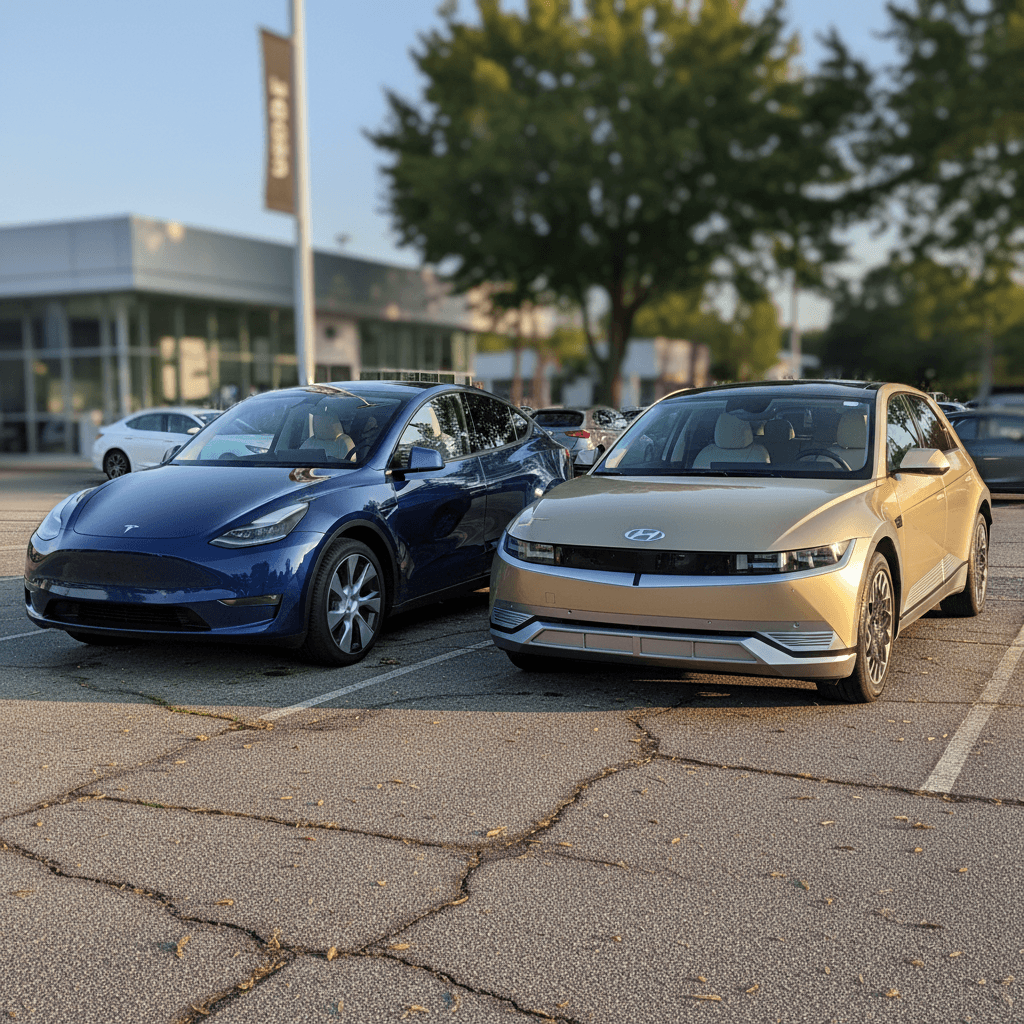
You’re staring at two browser tabs: a used Tesla Model Y and a used Hyundai Ioniq 5. Same general price, same compact‑SUV footprint, same promise of gasoline-free commuting. And yet these two EVs might as well come from different planets when you live with them every day. This guide looks at the Tesla Model Y vs Hyundai Ioniq 5 used, specifically for U.S. shoppers trying to make a smart, confident choice.
New vs. used context
Why this comparison matters on the used market
The Model Y is the best‑selling EV in the world, which means there’s a deep pool of used inventory and plenty of real‑world data on reliability and degradation. The Hyundai Ioniq 5, on the other hand, is the design‑forward darling that grabbed early awards and has aged into one of the most compelling used EV values, especially after recent price cuts on new models indirectly pulled used prices down.
- Battery health and remaining range in real weather, not laboratory fantasy.
- Warranty coverage that still applies to a second or third owner.
- Charging access near your home and along your real routes.
- Resale value if you decide to bail out in three to five years.
Used compact EV SUV snapshot (U.S. market, 2023–2025)
Quick specs: used Model Y vs used Ioniq 5
Core specs (typical U.S. trims you’ll see used)
Numbers below are representative of mainstream trims from roughly 2022–2024 model years that dominate the used market.
| Used Tesla Model Y (Long Range / dual‑motor) | Used Hyundai Ioniq 5 (77–77.4 kWh RWD/AWD) | |
|---|---|---|
| EPA range (new) | ~303–330 miles | ~266–303 miles |
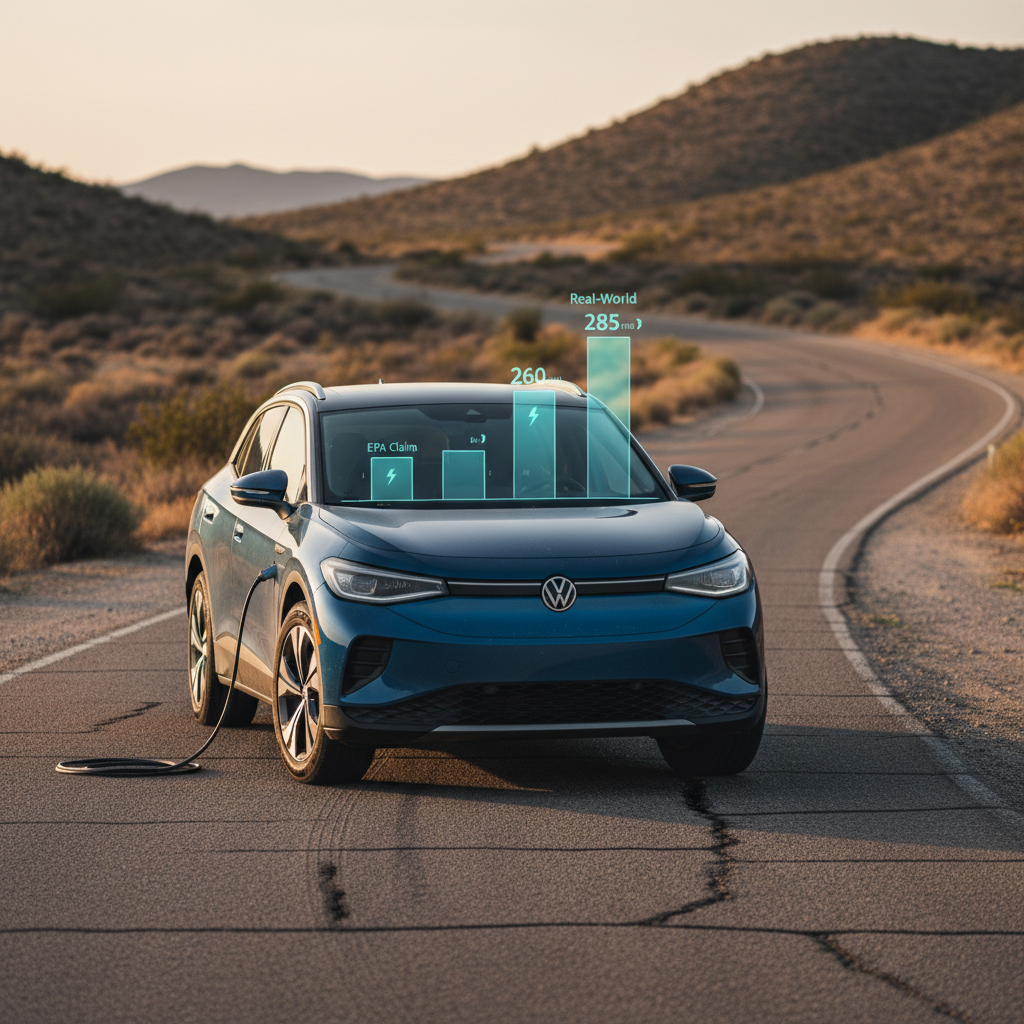
| Real‑world highway range (used, healthy pack) | ~250–280 miles | ~230–260 miles |
| DC fast‑charge peak | Up to 250 kW on Supercharger | Up to 235–350 kW (station‑dependent) |
| 0–60 mph | ~4.6 s (dual‑motor) | ~4.5–5.1 s (dual‑motor) |
| Cargo volume (seats up / max) | ≈30 / 68–71 cu ft incl. frunk | ≈27 / 59–60 cu ft, no frunk |
| Seats | 5 (occasional 7‑seat earlier builds) | 5 |
| Onboard AC charging | Up to 11.5 kW | Up to 10.9–11 kW |
| Typical used price (3–4 yrs, mid‑trim, avg miles) | Often mid‑$30Ks to mid‑$40Ks | Often high‑$20Ks to high‑$30Ks |
Always confirm exact specs for the specific VIN you’re considering; trims and options vary by year.
How to read these numbers
Range and charging: used-buyer reality check
Tesla Model Y: still the highway king
The Model Y carved out its reputation on efficiency. Even with a few years and miles, a healthy Long Range or dual‑motor Y will usually go farther on the same kWh than the Ioniq 5. For commuters or road‑trippers who treat the interstate like a second home, that matters more than the size of the on‑paper battery.
Tesla’s tightly integrated drivetrain, low drag shape, and smart heat pump mean a used Model Y typically loses less range in cold weather than many rivals. If your life involves winter, mountain passes, or both, that’s not academic, it’s survival.
Hyundai Ioniq 5: charges like it’s late for a flight
The Ioniq 5 fights back with blistering fast DC charging thanks to its 800‑volt architecture. Find a 350 kW‑capable station, and you can go from low state of charge to ~80% in around 18–20 minutes when conditions are right. That’s sports‑sedan‑to‑track‑day quick in EV charging terms.
On the used market, the catch is infrastructure: you’re at the mercy of how strong your local non‑Tesla DC networks are. In some metro areas they’re excellent; in others, they’re a patchwork of out‑of‑service plugs and “coming soon” signs.
Don’t assume every fast charger is equal
- If you road‑trip often in rural areas today, the used Model Y’s Supercharger access is still the least‑stress option.
- If you mostly charge at home and just want quick top‑ups on the occasional trip, a used Ioniq 5’s rapid DC speeds are a genuine advantage when fast stations are available.
- For short‑range urban life (under 40–50 miles a day), either vehicle’s real‑world range is overkill; focus more on price, comfort, and warranty.
Space, comfort and practicality: family duty vs design candy
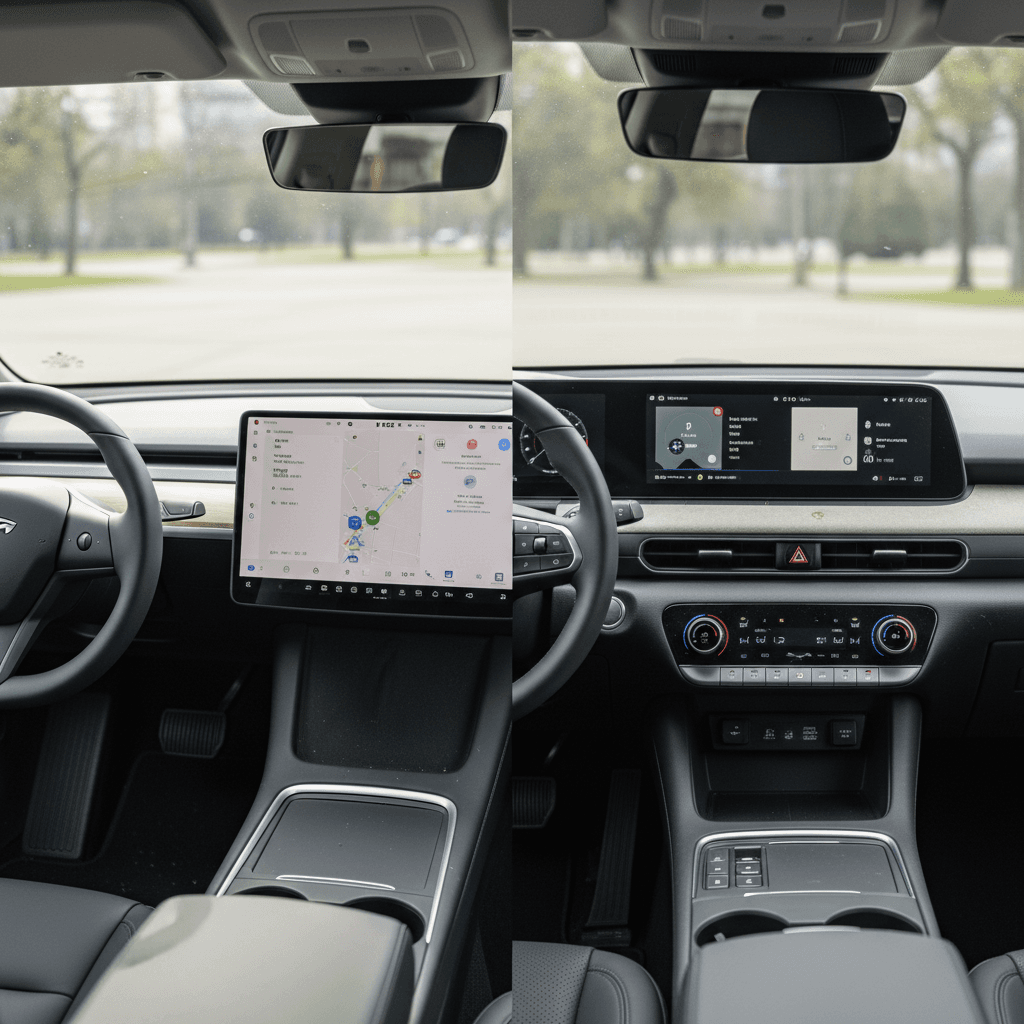
Interior character: two very different takes on the electric family SUV
Both seat five; they just have different ideas of what ‘family‑friendly’ looks like.
Tesla Model Y: the pragmatic hauler
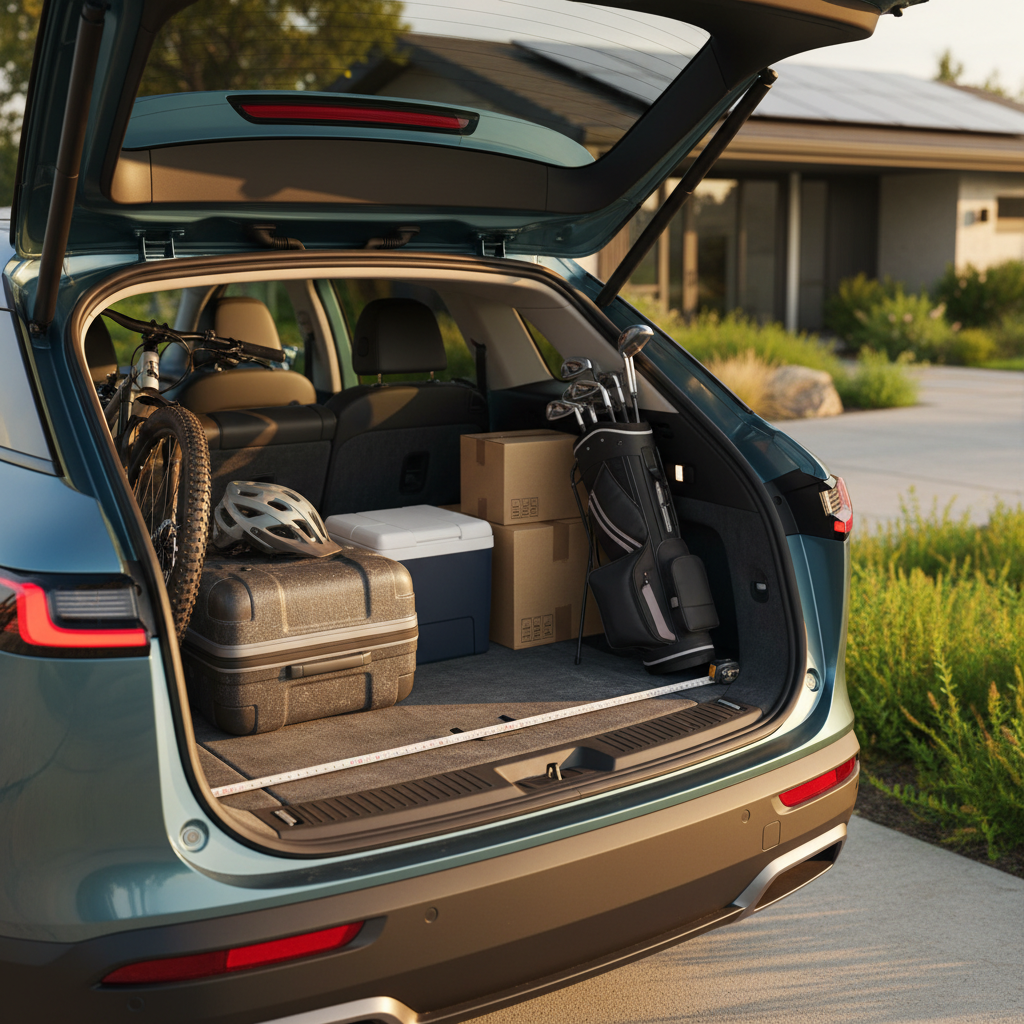
- Cargo king: More usable cargo space, a decent frunk, and a traditional SUV tailgate. If you’re hauling strollers, dogs, or camping gear, you notice.
- High roof, low drama: A glassy greenhouse and upright seating make it easy to see out and easy to load kids into car seats.
- Ride quality: Early Model Ys were firm to the point of punishment over bad pavement; newer ones and those on smaller wheels ride better but still skew sporty‑firm.
Hyundai Ioniq 5: rolling living room
- Cabin as lounge: Flat floor, generous legroom, and available reclining rear seats give the Ioniq 5 a living‑room vibe. It feels more like a modernist loft than an SUV.
- Less max cargo: Rear cargo volume is good but not stellar, and there’s essentially no meaningful frunk. If you routinely max out space, you’ll feel it.
- Softer, calmer ride: The suspension tuning targets comfort more than sport. Great for kids napping in the back; less exciting on a canyon road.
Car‑seat reality check
Tech, interface and driver assistance
Tesla: software powerhouse, one big screen
The Model Y’s party trick is software. You get one large central screen that runs nearly everything: climate, driving settings, navigation, even the glovebox. Updates arrive over‑the‑air, often adding features years into ownership.
On the used market, this cuts both ways. If you love clean, minimal design and can live without Apple CarPlay or Android Auto, it’s a win. If you hate digging through menus for every small adjustment, the novelty wears off quickly.
Tesla’s Autopilot and optional enhanced systems offer smooth lane‑keeping and traffic‑aware cruise, but what you get depends heavily on which software package the original owner bought. On a used car, that can mean big differences in capability, and price, for vehicles that look identical in photos.
Hyundai: conventional interface, rich features
The Ioniq 5 answers Tesla’s single‑screen minimalism with twin 12.3‑inch displays, physical buttons for key functions, and standard Apple CarPlay and Android Auto in most U.S. trims. For many buyers, that alone is enough to tip the scales.
Hyundai’s Highway Driving Assist suite is one of the more polished semi‑autonomous systems outside Tesla’s orbit, with lane‑centering and adaptive cruise that feel less twitchy than many rivals. Higher trims add surround‑view cameras that make parking far less stressful than in the Model Y.
In daily life, the Ioniq 5 feels intuitive: radio is a button, climate is a knob, and your phone integrates the way you expect. If you share the car with less tech‑obsessed drivers, that matters.
Beware option confusion on used Teslas
Warranty and long‑term battery confidence
Battery peace of mind is where the used‑EV story is either reassuring or terrifying. The good news: both Tesla and Hyundai have strong high‑voltage battery warranties by modern standards. The nuance is in how those warranties transfer, and what else is covered, for second owners.
Typical U.S. warranty picture for used buyers
Always confirm coverage with the manufacturer and by VIN; policy details and transfer rules change over time.
| Used Tesla Model Y (2nd owner) | Used Hyundai Ioniq 5 (2nd owner, U.S.) | |
|---|---|---|
| Basic bumper‑to‑bumper | 4 yrs / 50,000 mi from original in‑service date (not extended for 2nd owner) | 5 yrs / 60,000 mi from original in‑service date; transfers but clock keeps running |
| Battery & drive unit | 8 yrs / 120,000–150,000 mi (model‑dependent), usually with 70% capacity guarantee; transferable | EV components (battery, drive motor, major electronics) commonly covered up to 10 yrs / 100,000 mi; portions remain for subsequent owners |
| Corrosion / body | Typically 5–12 yrs limited, depending on area and component | Similar multi‑year corrosion coverage, details vary by year |
| CPO extras | Tesla’s CPO coverage is more limited than in the past; read the fine print carefully. | Hyundai CPO can add bumper‑to‑bumper coverage, but the EV component warranty is the real prize. |
This table is a guideline, not a legal document. Warranty terms vary by year and whether the car was first sold new, CPO, or across state lines.
Where Recharged comes in on batteries
Battery and warranty checklist for any used Model Y or Ioniq 5
1. Verify in‑service date and original warranty
Ask for documentation showing when the car was first registered. That start date determines how much basic and battery warranty is left.
2. Get a battery health report, not just range screenshots
A proper report should estimate remaining usable capacity, not just display guessy range numbers on a cold morning. Recharged’s diagnostics are designed specifically for this.
3. Confirm warranty transfer rules in writing
Some OEM perks shrink for second owners. Check official Tesla and Hyundai documentation for the specific model year you’re buying.
4. Ask about fast‑charging history
A car that has been DC fast‑charged daily from 0–100% will age differently than one mostly charged at home to 70–80%. The difference isn’t always catastrophic, but it’s worth knowing.
Depreciation and used pricing: what your money buys
Depreciation is where these two SUVs reveal their personalities. The Model Y is the crowd favorite that holds value like a limited‑run vinyl. The Ioniq 5 is the cult record you can still snag for cheap because not everyone’s listening, yet.
Used pricing dynamics: Model Y vs Ioniq 5
Exact numbers vary by trim, mileage, and region, but the patterns are clear.
Model Y: slower fall, higher floor
Because the Model Y is in high demand and has a massive owner base, it tends to retain value better. A three‑year‑old dual‑motor Y can still command a surprising price, especially with lower miles.
You’re often paying extra for the Tesla badge, Supercharger access, and resale confidence.
Ioniq 5: bargain at 3–4 years old
Hyundai doesn’t have the same brand pull in EVs yet, which means used Ioniq 5s often list several thousand dollars less than an equivalently equipped Model Y.
Factor in remaining EV‑component warranty and you’re looking at one of the best value plays in the segment.
Total cost: look past sticker
Insurance, registration, and possible local incentives for used EVs can narrow the real‑world gap. In many cases, a cheaper Ioniq 5 with a strong battery report will have a lower cost per mile than a pricier Model Y.
Value sweet spot
Ownership experience: charging network, service and quirks
Model Y: live inside the Tesla walled garden
With a used Model Y, you’re buying into the full Tesla ecosystem: Supercharger network, in‑car navigation that knows which chargers are working, app‑based service, and a huge online owner community.
The flip side is that service can be a mixed bag, some owners praise the convenience, others complain about parts delays and communication. You’re also living without CarPlay/Android Auto and accepting that nearly everything is mediated by that central screen.
Ioniq 5: the pleasant, occasionally quirky all‑rounder
Hyundai’s dealer network is wide, but not every dealer is equally fluent in EVs yet. For most routine service, however, you’re closer to a traditional experience: appointments, service advisors, printed paperwork.
Charging means learning the non‑Tesla landscape: Electrify America, ChargePoint, and others. It’s better than it used to be and improving, but still inconsistent from region to region.
Reality check on public charging
Which used EV SUV fits you? Buyer profiles
Choose your lane: who should buy which?
High‑mileage commuters & road‑trippers
You routinely drive 60+ miles a day or take frequent highway trips.
You want the most efficient used EV you can get, with predictable charging stops.
You value the maturity and density of the Tesla Supercharger network.
You’re okay living without CarPlay/Android Auto.
<strong>Leans toward:</strong> Used Tesla Model Y (Long Range / dual‑motor).
Design lovers & comfort‑first families
You care as much about interior vibe as you do about 0–60 times.
You prioritize rear‑seat comfort and kid‑friendly space over maximum cargo volume.
You love the idea of CarPlay/Android Auto and a more conventional interface.
You mostly charge at home and only occasionally fast‑charge.
<strong>Leans toward:</strong> Used Hyundai Ioniq 5 (mid or upper trims).
Value hunters & first‑time EV owners
You want the most EV for the least money without buying something obscure.
You’re willing to learn a bit about charging networks but don’t road‑trip every month.
A strong remaining EV‑component warranty is more important than badge prestige.
You like the idea of a unique, award‑winning design that hasn’t saturated every parking lot yet.
<strong>Leans toward:</strong> Used Hyundai Ioniq 5.
Tech enthusiasts & resale‑worried buyers
You’re curious about software‑defined vehicles and like frequent OTA changes.
You want the largest pool of future buyers when you resell.
You’re willing to pay a bit more now for stronger brand pull later.
You’re comfortable with a more digital‑first, app‑driven ownership experience.
<strong>Leans toward:</strong> Used Tesla Model Y.
How Recharged helps with used Model Y and Ioniq 5
Shopping used EVs shouldn’t feel like detective work. At Recharged, every used Tesla Model Y and Hyundai Ioniq 5 comes with a Recharged Score Report that pulls together battery diagnostics, fair market pricing, and a clear view of how that specific car has aged. You’re not guessing whether a three‑year‑old pack still has the stamina you need, you’re looking at real data.
What you get when you shop used with Recharged
Beyond the car itself, the process matters.
Verified battery health
Transparent pricing & history
Financing, trade‑in & delivery
Ready to find your next EV?
Browse VehiclesFAQ: Tesla Model Y vs Hyundai Ioniq 5 used
Common questions about buying these EVs used
Bottom line: should you buy a used Model Y or Ioniq 5?
Boiled down, the used Tesla Model Y is the rational choice for people who live on the highway and inside the Tesla ecosystem. It’s efficient, quick, practical, and backed by a charging network that reduces road‑trip anxiety better than any brochure could. You pay for that privilege in higher used prices and a more polarizing interface.
The used Hyundai Ioniq 5 is the stealth pick: a design icon with a relaxing cabin, extremely fast DC charging when the infrastructure cooperates, and some of the best value in the segment once early depreciation is baked in. For many shoppers who charge at home and drive normal distances, it’s the one that quietly makes more sense.
The right answer isn’t which spec sheet wins, it’s which EV fits your daily life, your roads, and your budget. If you want help turning this comparison into a specific car in your driveway, Recharged can pair you with used Model Ys and Ioniq 5s that have transparent battery health, fair pricing, and support from EV specialists who do this all day so you don’t have to.