When you type “charger EV for sale” into a search bar, you’re usually not looking for theory, you want to know what to buy, how much to spend, and whether it’s worth it. The good news: in 2025, most EV drivers in the U.S. can get a solid home or portable charger without overspending, and the right choice can also protect the long‑term value of your EV.
Quick context
Why buying an EV charger now actually makes sense
EV charging is catching up to EVs
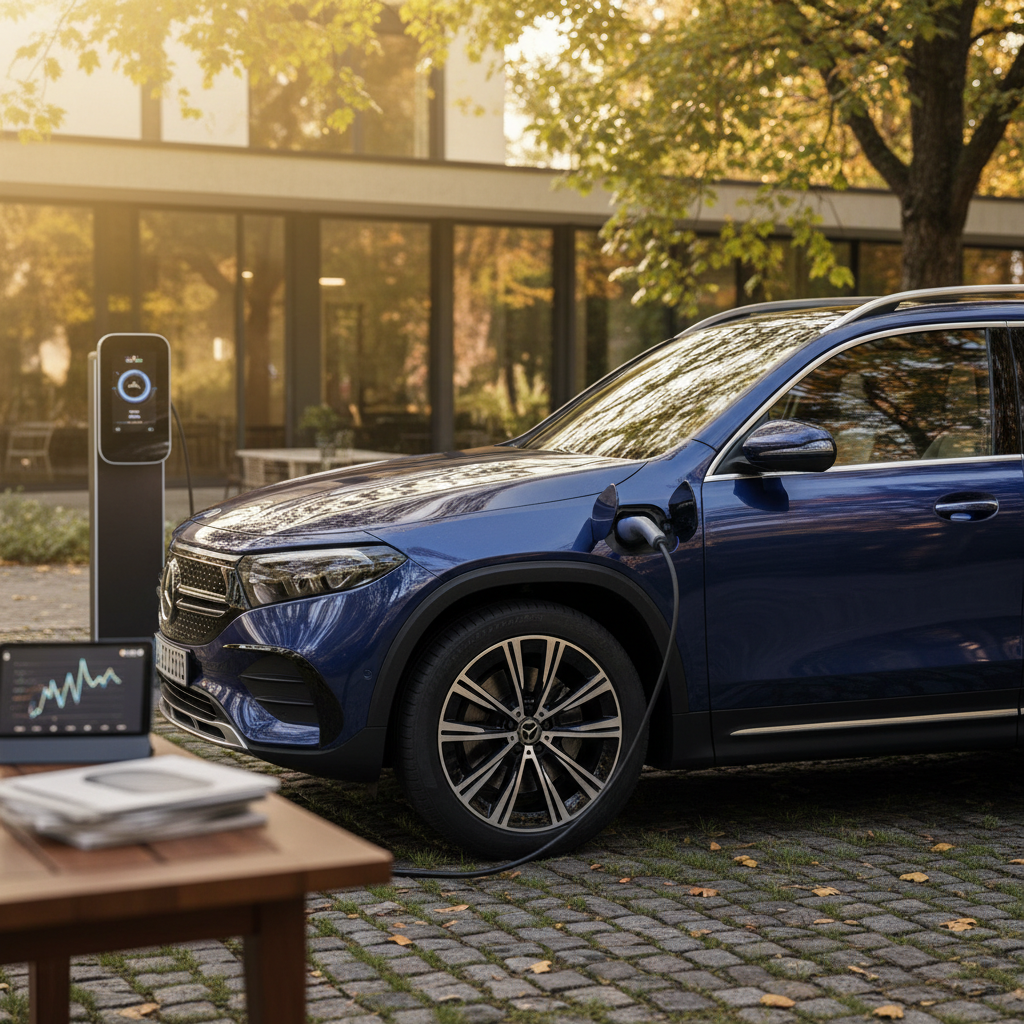
Public fast charging is expanding quickly, especially along major interstates, but reliability and congestion are still uneven. For most drivers, a home Level 2 charger (240V) is what turns an EV from “interesting” into “effortless.” You plug in when you get home, wake up to a full battery, and mostly stop thinking about charging altogether.
Think in years, not weeks
“Charger EV for sale”: key terms decoded
Essential charger terms to know before you buy
If you only remember four things, make it these.
Level 1
Level 2
DC fast charging
On‑board charger
When you see a charger EV for sale listing, you’re almost always looking at a Level 1 or Level 2 AC unit. DC fast chargers are industrial equipment, expensive, power‑hungry, and rarely practical for a single‑family home. Focus your shopping on Level 2 if you can install a 240V circuit, or on a flexible portable unit if you rent or move often.
Level 1 vs. Level 2 vs. DC fast: what you really need at home
Level 1: good enough for some drivers
Level 1 uses a standard 120V outlet. Many EVs ship with a basic Level 1 cord. You’ll add roughly 2–5 miles of range per hour, which can be fine if you:
- Drive under ~30 miles per day
- Have 8–12 hours to charge overnight
- Live where adding a 240V circuit is difficult or expensive
For most multi‑driver households or longer commutes, Level 1 quickly becomes limiting.
Level 2: the home sweet spot
Level 2 uses 240V and typically runs at 16–48 amps. That’s roughly 15–45 miles of range per hour for most modern EVs. Level 2 is ideal if you:
- Regularly arrive home with a low battery
- Share the charger between multiple EVs
- Want to make full use of cheaper overnight power rates
DC fast is fantastic on road trips, but trying to replicate that at home is overkill for almost everyone, and hugely expensive.
Don’t oversize for no reason
What EV chargers cost in 2025
The market has matured: you can get a safe, UL‑listed Level 2 charger without spending luxury money. Most buyers are choosing between roughly $300 and $800 for the hardware, plus any installation costs.
Typical 2025 price ranges for chargers EV for sale
Approximate U.S. retail pricing for common home and portable EV chargers (hardware only).
| Charger type | Typical power | Typical price (USD) | Best for |
|---|---|---|---|
| Basic Level 1 (OEM cord) | 1–1.4 kW | Often included with car | Very low‑mileage drivers, plug‑in hybrids |
| Portable Level 2 (NEMA plug) | 3.8–9.6 kW | $250–$500 | Renters, people who move often or charge at multiple locations |
| Wall‑mounted Level 2 (hardwired) | 7.7–11.5 kW | $400–$800 | Most single‑family homes, daily commuters |
| Smart Level 2 with app, load management | 7.7–11.5 kW | $500–$900 | Homes with time‑of‑use rates, solar, or multiple EVs |
| Dual‑port residential Level 2 | Up to 19 kW shared | $900–$1,500 | Households with two EVs on one circuit |
Actual prices vary by brand, features, and local promotions.
Watch for bundled deals
Home wallbox vs. portable EV chargers
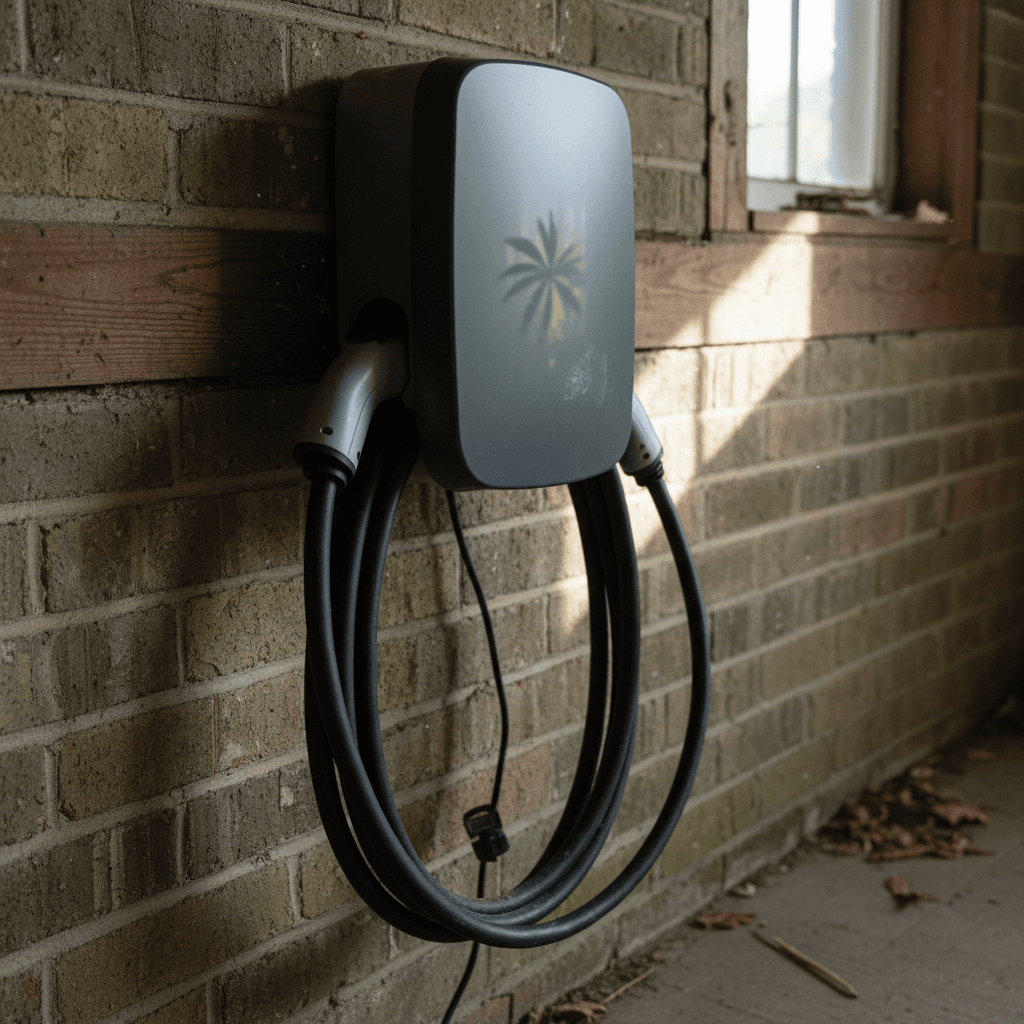
Two main ways to charge at home
Fixed wallboxes feel OEM‑grade; portable units give you flexibility.
Wall‑mounted ("wallbox")
- Clean, permanent installation
- Usually hardwired to a dedicated breaker
- Great cable management and weather protection
- Often supports higher amperage (40–48A)
- Best if you own your home and plan to stay put
Portable Level 2
- Plugs into a NEMA 14‑50 or similar outlet
- Easy to pack in the trunk for road trips
- Perfect for renters or multi‑location charging
- May top out at slightly lower amperage
- Cable storage can be messier; consider a wall hook
Think about future moves
How to choose the right EV charger for your situation
Step‑by‑step: choose the right charger EV for sale
1. Confirm your connector
Most new U.S. EVs are moving toward the Tesla‑designed NACS connector, but many 2020–2024 models still use J1772 (for AC) and CCS for fast charging. Make sure the charger you’re buying has the right plug or comes with the correct adapter.
2. Check your car’s max AC charging rate
Look up your EV’s maximum AC charging speed (in kW or amps). If your car only accepts 32 amps on AC, there’s no benefit to paying extra for a 48‑amp home charger.
3. Look at your daily miles, not your battery size
If you typically drive 40 miles a day, a 32‑amp Level 2 charger is more than enough to recover that overnight. Resist overspending on capacity you’ll rarely use.
4. Inspect your electrical panel
Open your panel (or ask an electrician) and see what spare capacity you have. A 40‑amp charger usually needs a 50‑amp breaker. If your panel is already maxed out, factor in the cost of an upgrade.
5. Decide if you need "smart" features
App control, scheduling, utility integration, and load sharing matter if you have time‑of‑use rates, solar, or multiple EVs. If you just want to plug in and forget it, a simpler UL‑listed charger can be the better value.
6. Consider weather and mounting location
If your charger will live outdoors, make sure it’s rated for outdoor use, has a robust enclosure, and comes with a holster that keeps the connector off the ground.
Safety is not optional
Installation, permits, and safety basics
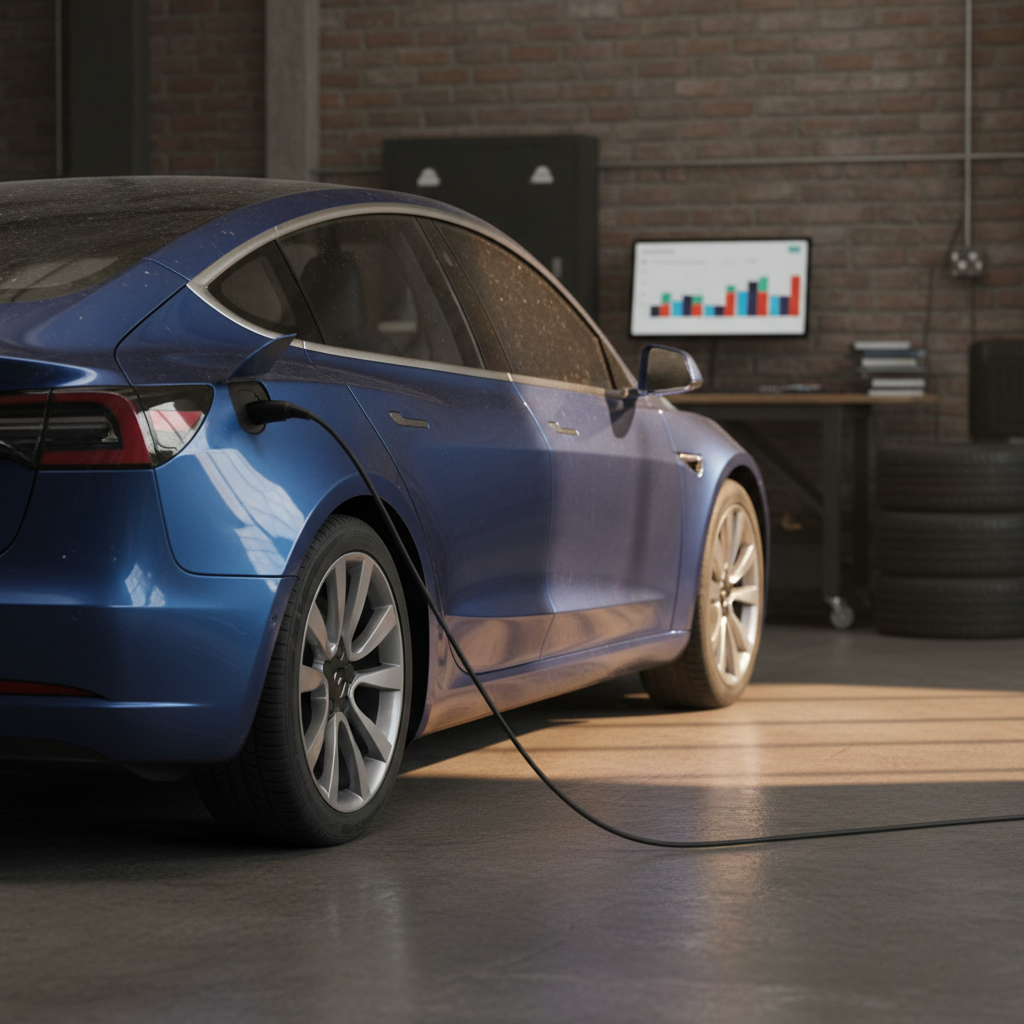
Hardware is only half the story. Before you click “buy” on any charger EV for sale, you should have at least a rough sense of what installation will entail. For many homes, adding a 240V circuit is straightforward. In others, especially older houses with crowded panels, the electrical work can easily exceed the price of the charger itself.
What a typical install looks like
- Site visit and load calculation by a licensed electrician
- Permit application if required by your city or county
- Running conduit or cable from your panel to the mounting location
- Installing a NEMA outlet or hardwiring the charger
- Final inspection and commissioning
In many areas, this can be done in half a day when the panel has enough capacity and is located near the garage.
Red flags and corner‑cutting
- Using existing dryer or range outlets without proper evaluation
- Daisy‑chaining multiple high‑load devices on one circuit
- Outdoor installs without weather‑rated enclosures
- Skipping permits and inspections where they’re required
It’s tempting to save a few hundred dollars on labor, but EV charging is a continuous, high‑load application. Do it right once.
How Recharged can help
Ready to find your next EV?
Browse VehiclesSmart chargers, time-of-use rates, and savings
A growing share of chargers EV for sale now come with Wi‑Fi, apps, and utility integrations. These features aren’t just gimmicks; in many states, they’re the key to unlocking cheaper electricity and avoiding panel upgrades.
What “smart” chargers actually do for you
Four ways connected chargers can pay for themselves.
Scheduled charging
App monitoring
Load management
Solar integration
Ask your utility before you buy
How a home charger impacts used EV value
When you’re shopping the used market, or selling your own car later, a documented charging setup and healthy battery can be the difference between a confident buyer and a skeptical one. That’s exactly why every vehicle on Recharged comes with a Recharged Score Report, including verified battery health and charging behavior insights.
Signals buyers like to see
- Evidence the car was usually charged at home on Level 1 or Level 2 rather than hammered on fast chargers
- A properly installed, branded charger included in the sale
- Photos of a tidy charging setup, no tripping hazards or sketchy extension cords
- Battery health reports showing modest degradation for the mileage
Where Recharged fits in
Because Recharged specializes in used EVs, we see every flavor of charging history. Vehicles with consistent, moderate‑rate home charging and verified battery health simply perform better over time and inspire more confidence in buyers.
When you buy through Recharged, you get a Recharged Score battery health report, transparent pricing based on real‑world data, and guidance on charging practices that preserve range and value.
FAQ: buying a charger EV for sale
Frequently asked questions about EV chargers for sale
Bottom line: a charger is infrastructure, not an accessory
Browsing charger EV for sale listings can feel like choosing a phone charger on hard mode, amps, volts, connectors, smart features, rebates. Step back and remember what you actually need: reliable overnight charging that fits your panel, your driving, and your budget. For most U.S. drivers in 2025, that means a 32–40 amp Level 2 charger, properly installed, with just enough “smarts” to take advantage of off‑peak rates.
If you’re also shopping for a used EV, it’s worth thinking about charging and vehicle choice together. At Recharged, every car comes with a Recharged Score Report so you can see how previous charging behavior has affected battery health, and our EV specialists can help you map out a realistic home‑charging plan before you buy. That way, the charger you choose today supports not just this EV, but the next one too.