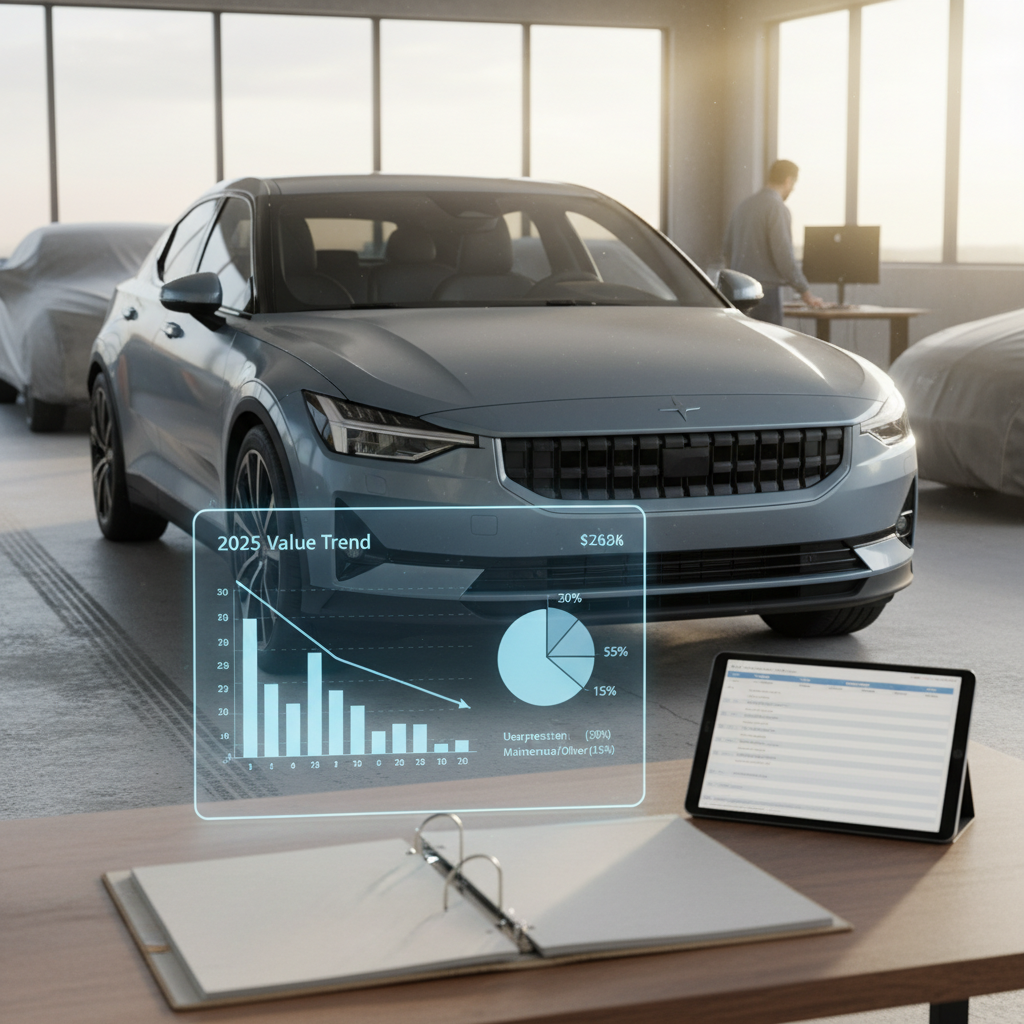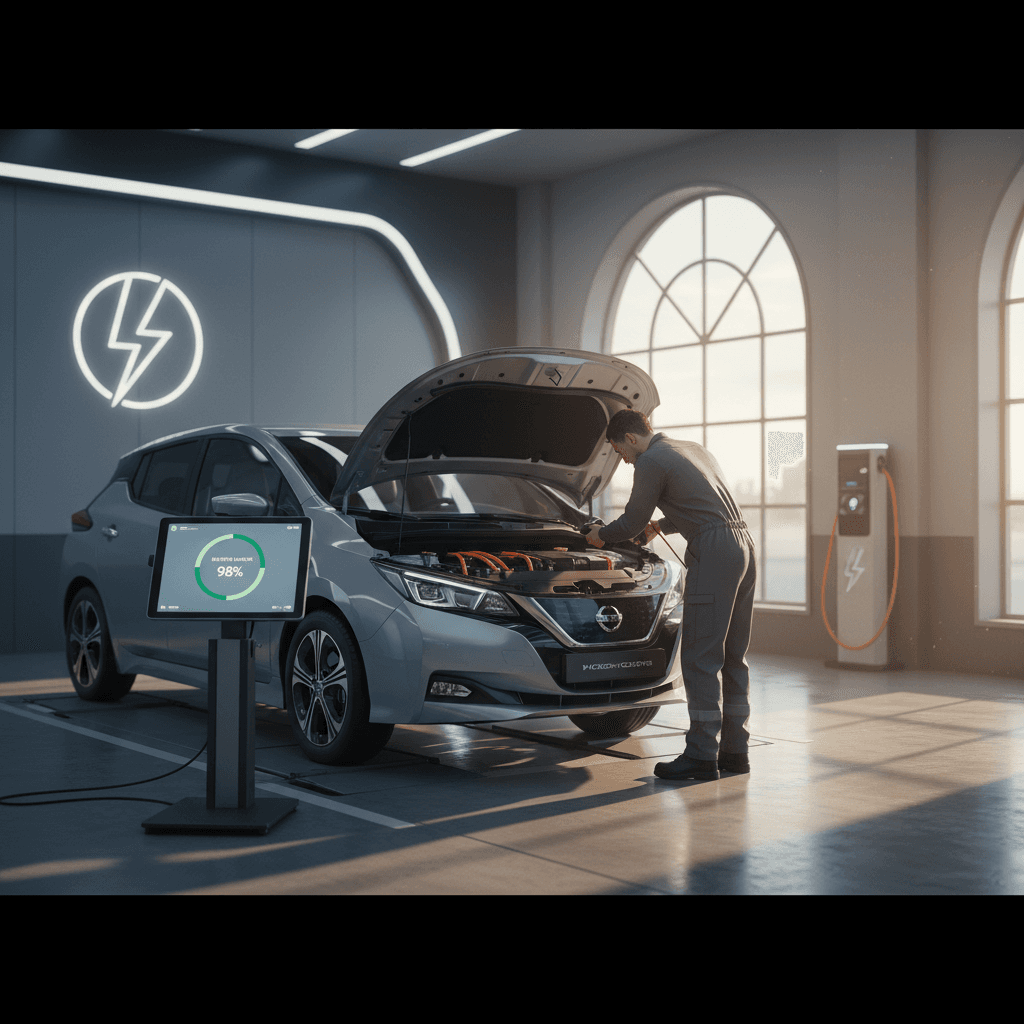
You type “certified used electric car near me” into your browser because you want the EV experience without getting burned by early‑adopter headaches. The good news: in 2026, the best EV deals in America are almost all on the used side of the market. Steep depreciation has pulled many 2‑ to 4‑year‑old electric cars down into mainstream budgets, and smart buyers are pairing those discounts with certification, battery health reports, and solid warranties.
Used EVs Have Finally Hit Their Stride
Why Certified Used EVs Are Hot Right Now
Used EV Market Snapshot, 2024–2026
In other words, the market has finally caught up with your instincts. New EVs are still relatively expensive, and incentives keep shifting. Used EVs, on the other hand, have gone through their early depreciation cliff, and the survivors are the ones with solid tech, usable range, and predictable running costs. The trick is separating those winners from the cheap‑for‑a‑reason misfits piled at the back of the lot.
Think Like a Second Owner
What “Certified Pre-Owned” Really Means for an EV
Every brand loves the phrase Certified Pre‑Owned (CPO), but it doesn’t mean the same thing everywhere, especially with electric cars. With gas cars, certification typically means a multi‑point inspection, a clean title, and a modest warranty extension. With EVs, the stakes are higher because the single most expensive component, the battery pack, lives in a grey area between drivetrain warranty, EV‑specific coverage, and dealer promises.
Automaker CPO Programs
- Inspection checklist, reconditioning, and roadside assistance.
- Often include extended bumper‑to‑bumper coverage for 1–2 years.
- Battery and electric drive components usually sit under a separate 8‑year/100k‑mile warranty from new.
- Limited selection; mostly late‑model cars with lower miles and higher prices.
Independent “Certified” Programs
- Dealer, marketplace, or third‑party defines its own certification standards.
- May focus on diagnostics and transparency rather than OEM warranty.
- Can include detailed battery health testing, pricing validation, and flexible return policies.
- Broader selection across brands and price points, sometimes with better value.
Watch the Fine Print
Where to Find a Certified Used Electric Car Near You
Four Places to Shop for Certified Used EVs
Each option has its own balance of price, protection, and convenience.
1. Automaker Dealerships (Brand CPO)
Think BMW, Mercedes‑Benz, Hyundai, Kia, Ford, Volkswagen. Their CPO EVs sit on the same lots as new cars, often off‑lease or gently used service loaners.
- Best for shoppers who want a factory‑backed experience.
- Strong on paperwork and branding; sometimes weaker on price.
- Selection can be thin outside EV‑heavy metro areas.
2. Big‑Box Used Car Chains
National chains and regional groups increasingly advertise “certified” or “inspected” EVs.
- Huge inventory, easy online browsing, and no‑haggle prices.
- Battery knowledge can vary wildly by store.
- Good option if you pair their car with an independent battery health report.
3. Online‑First EV Retailers
Digital‑first platforms list used EVs nationwide with photos, specs, and home delivery.
- Shopping is fully online, with clear pricing and return windows.
- Quality depends on how deeply they test and disclose battery health.
- Great if you’re comfortable buying sight‑unseen backed by strong documentation.
4. EV‑Specialist Marketplaces Like Recharged
EV‑only platforms such as Recharged focus on used electric vehicles from the ground up.
- Every vehicle on Recharged comes with a Recharged Score Report that includes verified battery health, pricing analysis, and inspection details.
- Financing, trade‑in, and nationwide delivery are baked in, plus EV‑savvy support.
- Ideal if you want the simplicity of online shopping with documentation tailored specifically to EV ownership.
How Recharged Fits In
Ready to find your next EV?
Browse Vehicles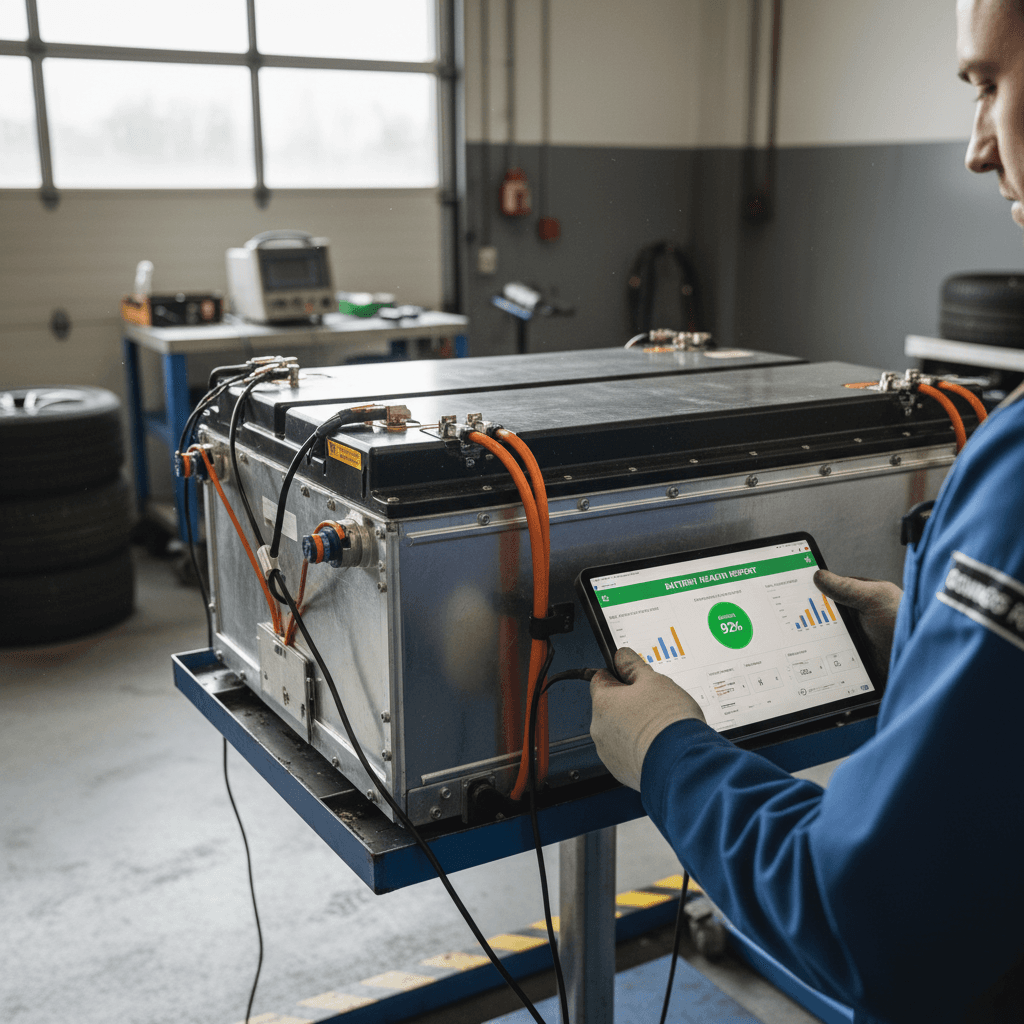
Battery Health: The Make‑or‑Break Factor
On a gas car, a bad engine is a disaster; on an EV, a weak battery turns your sleek electric ride into an overpriced golf cart. Capacity loss shows up as lost range and slower fast‑charging, two things you’ll feel every day. That’s why a battery health report is arguably more important than the word “certified” on the windshield.
- Ask for a documented state of health (SOH) reading, ideally from a professional diagnostic tool rather than a generic OBD app.
- Look for remaining capacity in plain language: “Battery at ~93% of original capacity,” not just “OK.”
- Check whether the seller explains how the battery was tested, pack‑level, module‑level, or just an onboard guess.
- Compare the reported range at 100% charge to the vehicle’s original EPA rating; big gaps deserve hard questions.
Range Reality Check
Specialized services and tools now exist solely to produce independent EV battery reports. Recharged bakes this thinking directly into the Recharged Score, combining diagnostic data with model‑specific insights. Instead of asking you to trust a dash gauge, the report interprets what the numbers actually mean for your day‑to‑day driving and long‑term resale value.
Warranties You Actually Care About
EV warranties are a three‑layer cake: basic coverage, battery/drive unit coverage, and whatever the CPO or retailer adds on top. Most major automakers sell new EVs with around 8 years or 100,000 miles of battery and electric‑drive warranty from the original in‑service date. That coverage usually follows the car, so a 3‑year‑old used EV still has years of battery protection left.
Typical EV Warranty Structure on a Used Car
Exact terms vary, but this table shows what you’ll often see on mainstream EVs bought used in the U.S.
| Coverage Type | What It Covers | Typical Term from New | What Matters for You |
|---|---|---|---|
| Basic / Bumper‑to‑Bumper | Electronics, interior, many mechanical parts | 3–4 years / 36k–50k miles | Often expired on used EVs; CPO programs sometimes add 1–2 years. |
| Battery & Drive Unit | High‑voltage battery, motors, inverters | 8 years / 100k miles (varies by brand) | Key safeguard against catastrophic pack failures; may guarantee minimum capacity. |
| CPO Extension | Extra bumper‑to‑bumper and roadside assistance | 1–2 additional years | Adds peace of mind for tech glitches and smaller issues. |
| Third‑Party or Retailer Plan | Service contracts from non‑OEM providers | Highly variable | Read carefully: many exclude high‑voltage components or cap payouts. |
Always confirm the original in‑service date and mileage so you know how much warranty is left on your specific car.
Don’t Assume “Certified” Equals “Fully Covered”
Pricing: How Much Should a Certified Used EV Cost?
Used EV pricing has been on a rollercoaster. After peaking in 2022, average used EV prices slid sharply through 2024 as new‑car discounts, overproduction, and expiring tax credits flooded the second‑hand market. By late 2024 and into 2025, average used EV prices were down close to 20% year‑over‑year in some reports, and by 2026 they’ve largely stabilized with EVs now much closer in price to comparable gas cars.
5 Rules of Thumb for Certified Used EV Pricing
1. Pay Attention to Model‑Specific Depreciation
Some EVs, short‑range early models, quirky niche cars, continue to sink, while popular crossovers and Teslas hold value better. Don’t compare a used Chevy Bolt EUV directly to a used Model Y and expect identical discount patterns.
2. Expect to Pay a CPO Premium
A true automaker‑backed CPO EV often costs $1,000–$2,500 more than a similar non‑CPO car. That markup should buy you better reconditioning, extra warranty coverage, and clearer history, not just a nicer listing page.
3. Look at Price vs. Remaining Warranty
A cheap EV that’s only six months from losing its battery warranty is a different animal than a slightly more expensive one with four or five years of coverage left. Price it as if you might have to fix big things yourself after the warranty runs out.
4. Use Total Cost, Not Just Sticker Price
Factor in home charging installation, local electricity rates, insurance, and expected maintenance. A slightly pricier certified car with fewer surprises can be cheaper over five years than a bargain‑bin EV that needs a surprise pack or electronics repair.
5. Lean on Data‑Driven Pricing Tools
Platforms like Recharged benchmark each listing against real‑world used EV transactions and current depreciation trends, flagging when a car is fairly priced, or quietly optimistic. Use that intel whether you’re buying from us or negotiating at a local dealer.
EVs vs. Gas Cars: The Gap Has Narrowed
Step‑by‑Step: How to Shop for a Certified Used EV
Let’s get practical. Here’s how to turn “certified used electric car near me” from a vague search into a garage reality without hating the process.
Your Certified Used EV Shopping Game Plan
1. Define Your Real‑World Range Needs
List your longest regular drives, how often you road‑trip, and what public charging looks like in your area. If 180 miles of real‑world range covers 95% of your life, you don’t need to pay a premium for 320 miles “just in case.”
2. Shortlist Models with Solid Track Records
Focus on EVs with known battery reliability and strong charging support. Cross‑reference owner forums and reliability data; avoid first‑year science experiments unless the discount is truly massive and the warranty is robust.
3. Decide Where You’ll Shop
If factory‑backed CPO appeals, start with brand dealers. If you want more choice and transparent diagnostics, look at EV‑specialist platforms like Recharged that ship nationwide and include battery health reports by default.
4. Demand Documentation Up Front
Before you waste a Saturday test‑driving, ask for the full vehicle history report, a recent battery health reading, service records, and a clear breakdown of remaining warranty. Any seller who can’t provide this for an EV is waving a red flag.
5. Test‑Drive Like You Already Own It
Drive your exact commute route if possible. Try highway speeds, stop‑and‑go, and maybe a quick DC fast‑charge session. Pay attention to range drop, charging behavior, cabin noise, and driver‑assistance quirks; you’ll be living with them.
6. Run the Numbers Before You Sign
Compare financing terms, insurance quotes, estimated fuel savings, and projected depreciation. Recharged’s financing tools and Recharged Score reports are built to make this math easier, but you can also run it yourself with a basic spreadsheet.
When a Certified Used EV Isn’t Worth It
Certification is supposed to put a halo over a used car. Sometimes it’s just expensive cologne on a tired commute pod. There are situations where you should walk away from the “certified” label and either negotiate harder, or find a different car entirely.
Red Flags That Outweigh the “Certified” Badge
If you spot two or more of these in the wild, keep scrolling.
Aggressive Battery Degradation
The seller dodges concrete SOH numbers, or you see big range loss vs. the original EPA rating. Certification doesn’t magically grow cells back.
Vague or Missing Service History
Lots of “recently serviced!” language, no invoices. EVs are simpler than gas cars, but they still need software updates, recalls, and basic care.
Warranty Close to Expiring
The main battery warranty is almost up, but the price doesn’t reflect that risk. You’re effectively self‑insuring a five‑figure component.
CPO Premium Without Real Benefits
Compared with non‑CPO listings, the car costs thousands more but offers little extra warranty and no deeper EV‑specific inspection.
Sales Staff That Can’t Answer EV Basics
If they can’t explain charging speeds, connector types, or how preconditioning works, you’re unlikely to get honest guidance on battery health.
Rush, Pressure, or “Today Only” Deals
Desperation tactics are a sign the car is hard to move. A truly great certified used EV will sell itself on the merits.
Don’t Fall in Love with the Payment
FAQ: Finding a Certified Used Electric Car Near You
Frequently Asked Questions
Bottom Line: Why Certified Used EVs Are a Smart Move
If the first decade of modern EVs was about early adopters paying top dollar to beta‑test the future, the current moment belongs to you. Shopping for a certified used electric car near you in 2026 means you can let someone else take the steepest depreciation hit while you collect the efficiency, quiet, and instant torque that made EVs desirable in the first place.
The key is to treat certification as a starting point, not a magic word. Prioritize battery health data, meaningful warranty coverage, realistic pricing, and sellers who actually understand electric cars. If that sounds like a lot to juggle, remember you don’t have to do it alone. Recharged was built specifically to take the guesswork out of used EVs, with Recharged Score battery diagnostics, fair‑market pricing, financing, trade‑in options, and EV‑specialist support from your first click to the day your car shows up at your door.