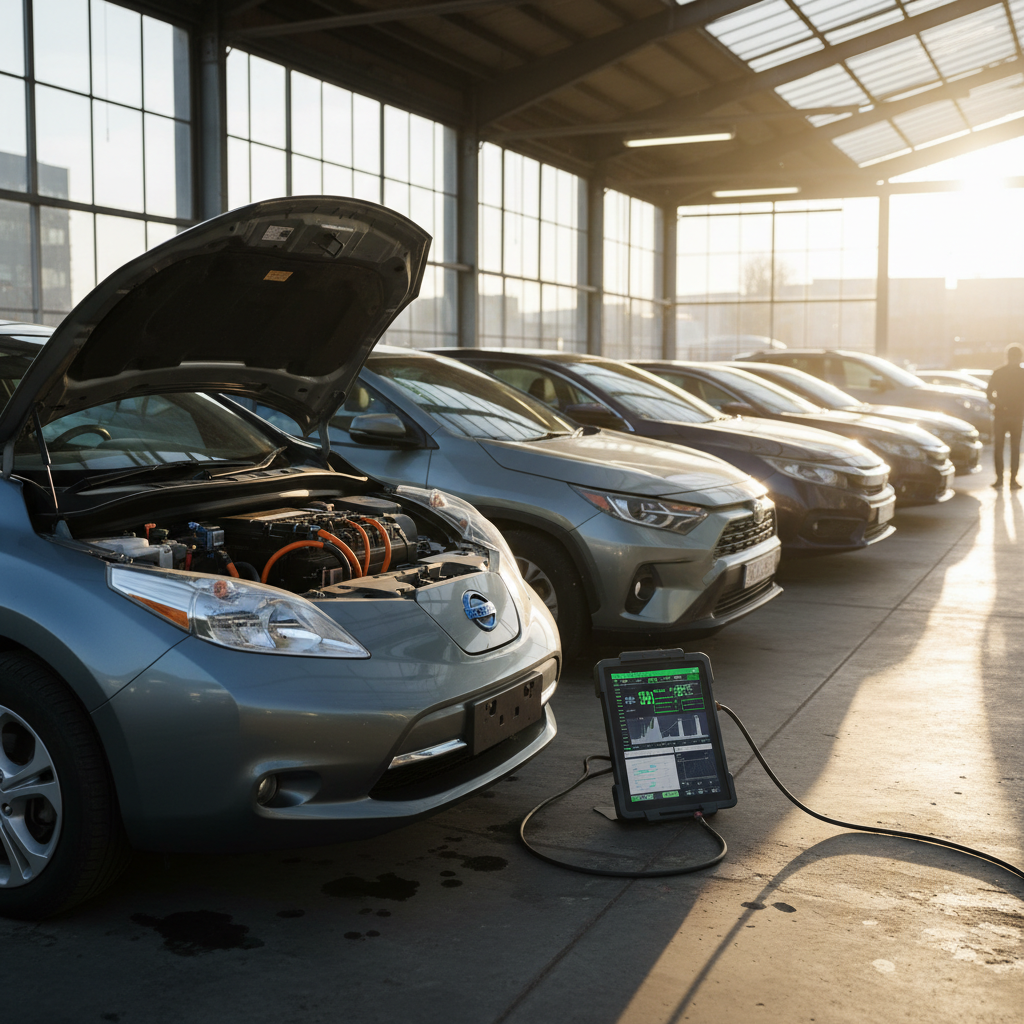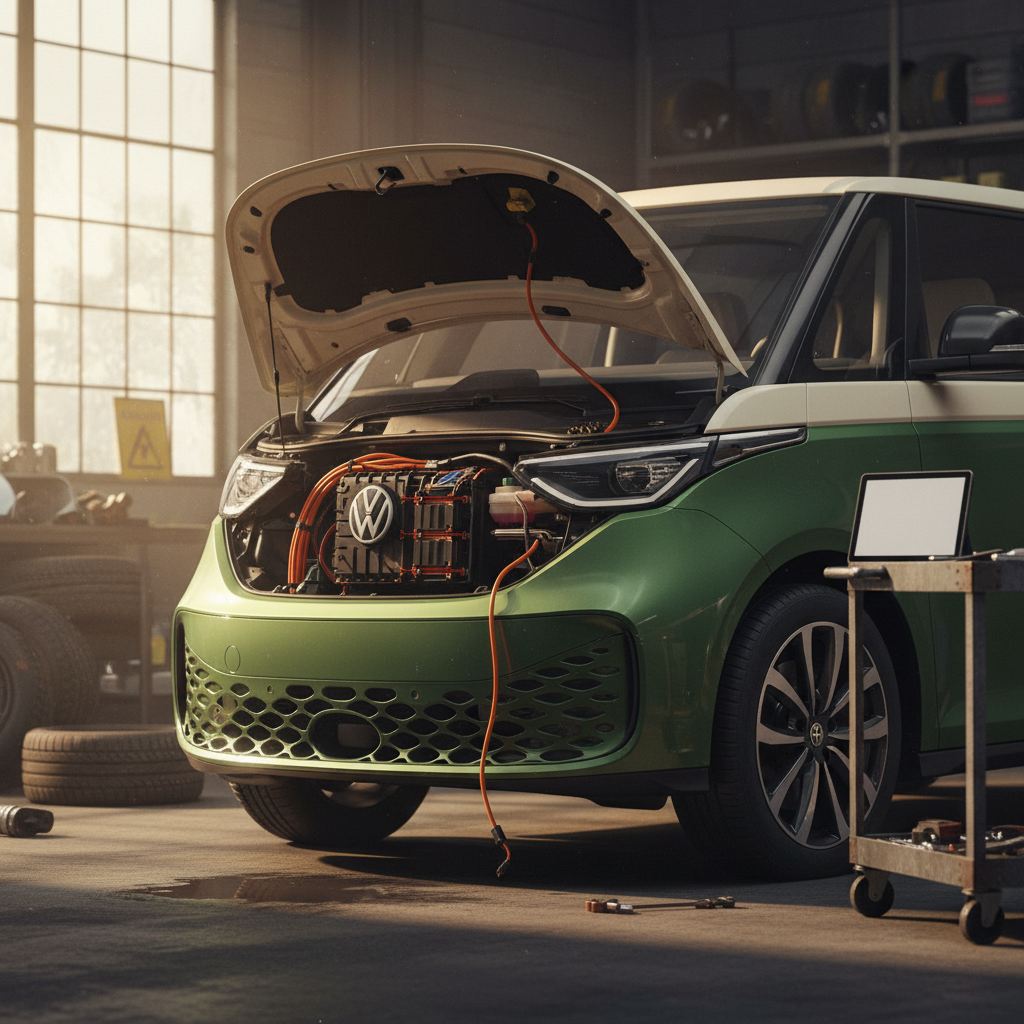
If you just typed “car service near me” and you drive an electric vehicle, you’re already noticing something: a lot of traditional shops still speak the language of oil changes and timing belts. EVs don’t need any of that, but they absolutely still need service. This guide walks you through what to service, how often, what it costs, and how to find an EV‑ready car service near you that you can actually trust.
Good news for EV owners
Why “car service near me” looks different when you drive an EV
When drivers search for car service near me, most results are still built around internal‑combustion cars. For EV owners, the mix of work is different: fewer routine repairs, more inspections, diagnostics and software updates. The tools and training in the bay matter more than the size of the sign out front.
How EV service differs from gas‑car service
Same idea, keep the car safe and reliable, but a different playbook.
No oil changes
High‑voltage safety
Software & diagnostics
EV maintenance by the numbers
Don’t assume “any mechanic” can service an EV
What actually needs servicing on an electric car
Even though your EV skips oil changes, it still has wear‑and‑tear items and safety systems that need regular checks. When you look for electric car service near me, these are the jobs a good shop should be comfortable handling.
- Tires & alignments: Extra weight and instant torque can chew through tires quickly. Plan on regular rotations (every 5,000–7,500 miles) and annual alignments, especially if you hit potholes or curbs.
- Brakes: Regenerative braking helps pads last longer, but calipers still need lubrication and inspection so they don’t seize from lack of use.
- Suspension & steering: Control arms, bushings, shocks and struts still wear out, especially on heavier EVs and in rough‑road climates.
- Cabin air filter: Most manufacturers recommend replacing this every 1–2 years to keep HVAC performance and air quality high.
- Battery cooling system: Many modern EVs use liquid coolant around the battery pack and inverter. Coolant changes are less frequent than in gas cars but are critical and must follow the factory schedule.
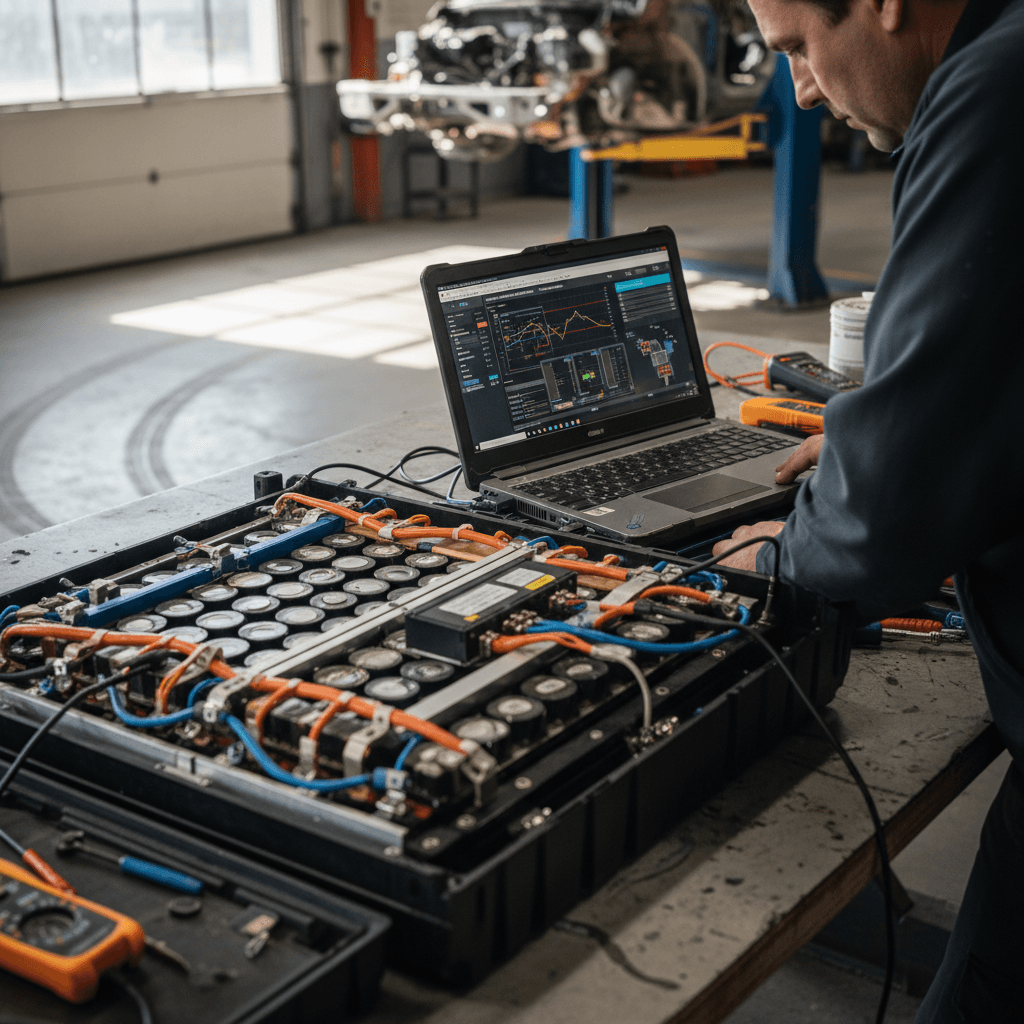
- Battery health checks: Advanced diagnostics can measure usable capacity, cell balance, and charging behavior, valuable data for both current owners and used‑EV shoppers.
- Software & recalls: Firmware updates can improve range, charging performance, driver‑assist systems and more. Some are over‑the‑air; others require a trip to a dealer or specialist.
Follow the maintenance schedule in miles and years
EV vs gas car service costs
If you’re coming out of a gas car, it’s fair to ask whether searching for EV service near me will be cheaper or more expensive than your old shop. The short version: routine maintenance is generally cheaper, but some specialized work can be pricier if it involves high‑voltage components.
Typical service cost patterns: EV vs gas car
These ranges are directional examples in U.S. dollars and will vary by brand, region and shop type.
| Service item | Typical EV pattern | Typical gas‑car pattern | Notes |
|---|---|---|---|
| Oil changes | Not required | $60–$120, 3–4x per year | One of the biggest recurring costs that disappears with an EV. |
| Brake pads & rotors | Less frequent | Regular replacements, especially fronts | Regenerative braking can double or triple pad life. |
| Tires | Sometimes more frequent | Standard wear patterns | Heavier weight and torque can wear tires faster without rotation. |
| Cooling system | Infrequent but critical | Coolant changes on schedule | EV battery coolant changes are specialized but not annual. |
| Diagnostics & software | More frequent need for scans | Less software‑driven | EV drivetrains are highly software‑dependent; expect more diagnostic time. |
| Total maintenance over life | Generally lower | Generally higher | Most analyses show thousands of dollars saved on maintenance with EVs. |
Routine EV maintenance tends to cost less overall, but set aside budget for tires and potential out‑of‑warranty electronics.
Used EVs can be a sweet spot
How to search for EV‑friendly car service near me
Typing “car service near me” into a search bar is just the start. The key is filtering those results down to shops that understand electric vehicles. Here’s how to separate EV‑ready shops from everyone else.
Three ways to find the right EV service shop
Use more than one method, the overlap is where you’ll find your best options.
1. Use map and review apps
2. Check brand‑authorized networks
3. Ask other EV owners
Dealership or OEM service center
- Best for: Warranty work, recalls, complex high‑voltage issues, major software updates.
- Pros: Factory tools, training, direct access to technical bulletins, ability to process warranty claims.
- Cons: Higher hourly rates, longer wait times, and sometimes limited flexibility on parts.
Independent EV‑savvy shop
- Best for: Tires, brakes, suspension, alignments, basic diagnostics, out‑of‑warranty repairs.
- Pros: Often lower labor rates, more personal service, flexible scheduling.
- Cons: Capabilities vary; you must verify EV training and equipment up front.
Search with your model in the query
Key questions to ask any EV service shop
Before you hand over the keys, treat your first visit like an interview. A credible provider of electric car service near you should be able to answer these questions clearly and confidently.
Questions to ask before booking EV service
1. How many EVs do you service each month?
You’re looking for a shop that sees EVs regularly, not once a year. Volume isn’t everything, but it’s a strong signal they’ve seen your kinds of issues before.
2. Are your technicians trained for high‑voltage systems?
Ask specifically about high‑voltage certification or brand‑specific training. Anyone touching the battery, inverter, or DC fast‑charge hardware needs this.
3. What scan tools and software do you use?
For late‑model EVs, generic code readers won’t cut it. Look for factory‑level or brand‑approved diagnostic tools that can talk to all the EV‑specific modules.
4. Can you provide a written estimate and parts breakdown?
Transparency on labor hours, parts (OEM vs aftermarket), fees and taxes lets you compare one <strong>car service near me</strong> to another on more than just the headline price.
5. How do you document battery health or degradation?
If they can provide a printout or digital report on state of health, usable capacity, and fault codes, that’s a big plus, especially for used‑EV owners.
6. What’s your warranty on EV repairs?
Many good shops back their work with 12–24 month warranties on parts and labor. That matters when dealing with high‑value components.
Where to go for specific EV service needs
Different problems call for different types of car service near you. Here’s how to route common EV concerns.
Best place to start by problem type
Use this as a routing map, not a hard rule, local options will vary.
Tires, alignments, noises
They handle rotations, balancing, road‑force diagnostics and wheel‑bearing noise.
Warning lights, charging issues
Charging faults, DC fast‑charge problems and multiple warning lights often require factory‑level tools.
Range drop or battery concerns
Ask for a detailed battery health report and charging‑pattern review, not just a quick scan.
Think twice before DIY on high‑voltage systems
How service ties into the used EV market
If you’re shopping the used market, the phrase car service near me intersects with another big question: how healthy is this particular EV, especially the battery? That’s where service records and independent diagnostics become as important as a test drive.
Well‑documented service history and clear battery‑health data are quickly becoming the Carfax and compression test of the EV era.
Why service history matters more with EVs
- Regular tire, brake and suspension service hints at how carefully the car was driven.
- Documented battery coolant changes and software updates show the owner followed the factory playbook.
- Fewer surprise issues for the next owner, and better resale value when it’s your turn to sell.
How Recharged fits into the picture
- Recharged Score battery diagnostics give buyers and sellers an objective read on pack health, usable capacity and charging behavior.
- Every vehicle on Recharged includes a Score Report with battery health, pricing insights and key condition notes.
- That makes it easier to pair your eventual used‑EV purchase with the right local service plan from day one.
Checklist before you book EV service
To avoid surprises, run through this quick checklist before you hit “schedule” with any car service near me result.
Pre‑service checklist for EV owners
Confirm EV and high‑voltage training
Look for explicit language on the shop’s site or in your call: high‑voltage certification, EV‑trained technicians, or brand‑approved status.
Ask for a basic price range up front
For common jobs like tire rotations, brake service or coolant changes, the shop should be able to give a realistic range so you’re not flying blind.
Clarify what’s covered under warranty
If your EV is still under factory or extended warranty, ask which items must be done at the dealer versus a certified independent shop.
Request digital inspection notes
Many shops now send photos and videos with green/yellow/red statuses. That transparency makes it easier to approve or decline work confidently.
Plan around charging and parking
Ask whether the shop can plug in your car while it’s there, and whether they’ve worked with your connector type or brand before.
Save documentation for resale
Keep every invoice and battery‑health report. They become valuable proof of care when you eventually sell or trade your EV, especially through a platform like Recharged.
FAQ: Car service near me for EV owners
Frequently asked questions about EV service
The bottom line: Build an EV‑savvy service bench
When you search for car service near me as an EV owner, you’re not just looking for the closest shop, you’re picking a long‑term partner in keeping a high‑tech vehicle safe, efficient and valuable. Focus on EV training, high‑voltage experience, transparent pricing and clear communication. And if you’re browsing the used market, lean on tools like the Recharged Score battery‑health report so you know exactly what you’re starting with before you ever book that first service appointment.
Do that, and your service experience becomes one more advantage of owning an electric vehicle instead of a source of anxiety. The right shop, the right data, and the right car can turn that simple search for “car service near me” into years of confident, low‑stress EV ownership.