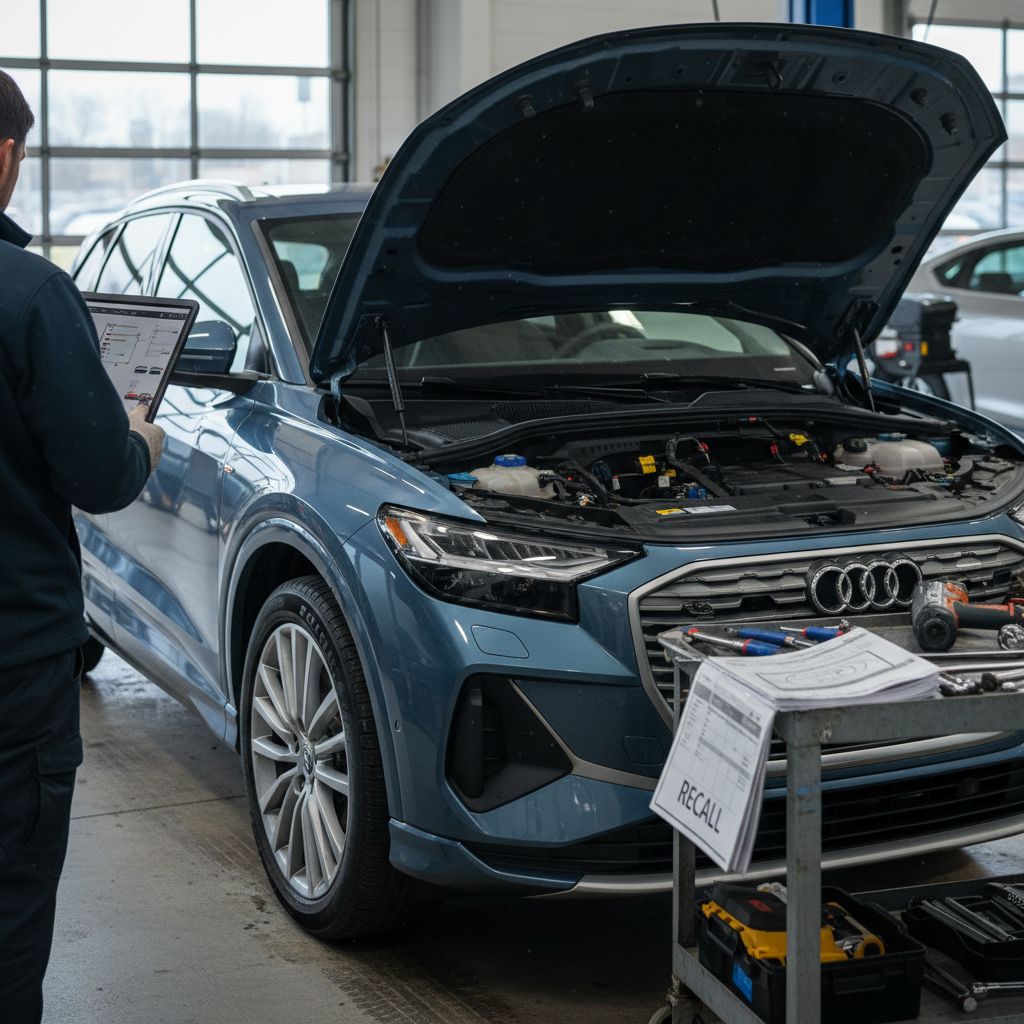
If it feels like car repair has become more complicated and expensive, you’re not imagining it. The average vehicle on U.S. roads is now pushing 13 years old, and with cars lasting longer, more of your money is going into keeping an aging ride safe, reliable, and on the road, just as repair costs climb and electric vehicles quietly change what “maintenance” even means.
Why this matters now
Why car repair feels different in 2025
Car repair has always been part of ownership, but a few trends are reshaping the experience. New vehicles are more expensive than ever, used cars are holding their value, and repair shops are dealing with both aging vehicles and increasingly complex technology. That double squeeze shows up on your invoice.
The aging car fleet and what it means for repairs
Put simply, you’re likely driving an older vehicle, paying more for repairs, and facing bigger decisions about whether to keep fixing it, or pivot into something newer, possibly electric. The goal of this guide is to help you make those calls with your eyes open.
Common car repairs and what they cost
You can’t predict exactly what will fail, but you can understand the most common car repairs and their typical price ranges. These are ballpark numbers from independent shops in many U.S. markets in 2024–2025; dealership pricing is often higher.
Typical car repair costs (gas vehicles)
Approximate ranges for common repairs on gasoline vehicles in 2025. Actual costs depend on vehicle, location, and shop.
| Repair | What It Fixes | Typical Cost (Parts + Labor) | Urgency |
|---|---|---|---|
| Brake pads & rotors (axle) | Stops vehicle safely | $350–$650 | High – safety critical |
| Tires (set of 4) | Traction, stopping, ride | $600–$1,200 | High – especially in bad weather |
| 12V battery | Starting, electronics | $180–$350 | Medium – car may fail suddenly |
| Alternator | Keeps battery charged | $600–$1,000 | High once failing – car may die on road |
| Starter motor | Engine starting | $450–$900 | High – car won’t start |
| Suspension components | Ride, handling, tire wear | $400–$1,500+ | Medium – safety and comfort |
| Exhaust/muffler | Noise, emissions | $300–$1,200 | Medium – depends on severity |
| AC system repair | Cabin cooling | $300–$1,500+ | Low–medium – comfort vs necessity |
| Check Engine diagnosis | Sensor, emissions issues | $120–$250 (diagnosis) | Varies – depends on root cause |
Use these ranges as guidance, not guarantees. Always get a written estimate for your specific vehicle.
Don’t ignore safety-critical repairs
Repairs you can plan for vs. true emergencies
Some failures give hints first; others strand you with no warning.
Repairs you can see coming
- Tires: Visible tread wear, vibration, or age over 6–8 years.
- Brakes: Squealing, grinding, or longer stopping distances.
- Suspension: Clunks, wandering steering, uneven tire wear.
- Battery (12V): Slow cranking, dim lights, age over 4–5 years.
Repairs that blindsided you
- Starter/alternator: Often fail suddenly once weak.
- Overheating: Burst hoses, failed water pump or thermostat.
- Transmission issues: Slipping or refusal to shift can escalate quickly.
- Accident damage: Collision-related repairs, sometimes involving ADAS sensors.
Repair vs replace: how to run the numbers
At some point, every owner faces the same question: “Is this car worth another $2,000 repair?” The answer isn’t just about the estimate in front of you; it’s about what you’ll spend over the next 12–24 months and what other options you have.
Quick framework for repair vs replace
1. Compare repair cost to car value
As a simple rule of thumb, if a single repair exceeds 50% of your car’s current market value, it’s time to seriously consider replacement. Look up your vehicle’s value on a pricing guide and be honest about condition and miles.
2. Look at the 12–24 month horizon
Ask the shop what else looks worn: tires, brakes, rust, leaks, timing belt. If you’re staring at a likely <strong>$3,000–$5,000</strong> in upcoming repairs on a car worth $5,000, you’re effectively making car payments, without the reliability of a newer vehicle.
3. Factor in financing and insurance
A newer car means a monthly payment and often higher insurance, but fewer surprise repairs. Older paid-off cars often cost more to maintain but less to insure. Put all three numbers, payment, repair fund, and insurance, on paper.
4. Consider safety and tech gaps
Older vehicles may lack modern safety features like automatic emergency braking or blind-spot monitoring. If you’re driving long distances or carrying kids around every day, the safety upgrade alone can justify moving on from an aging car.
5. Don’t forget your emotional bandwidth
Being stranded at night or constantly juggling shop visits has a real cost. If your car has become a source of stress, that’s part of the equation. Peace of mind matters just as much as dollars and cents.
When repairing still makes sense
- Car is paid off, under ~10 years old, and otherwise reliable.
- Repair is less than 25–30% of the car’s value.
- You drive modest miles and don’t need cutting-edge safety tech.
- You can pay cash for the repair without draining emergency savings.
When replacement is worth a hard look
- Repair is >50% of car’s value, or big repairs keep stacking up.
- The car has structural rust, major transmission issues, or repeated engine troubles.
- Your family’s needs changed: longer commute, new driver, growing kids.
- You’re eyeing lower fuel and maintenance costs from a more efficient car or EV.
Think in monthly cost, not just big bills
How EVs change car repair and maintenance
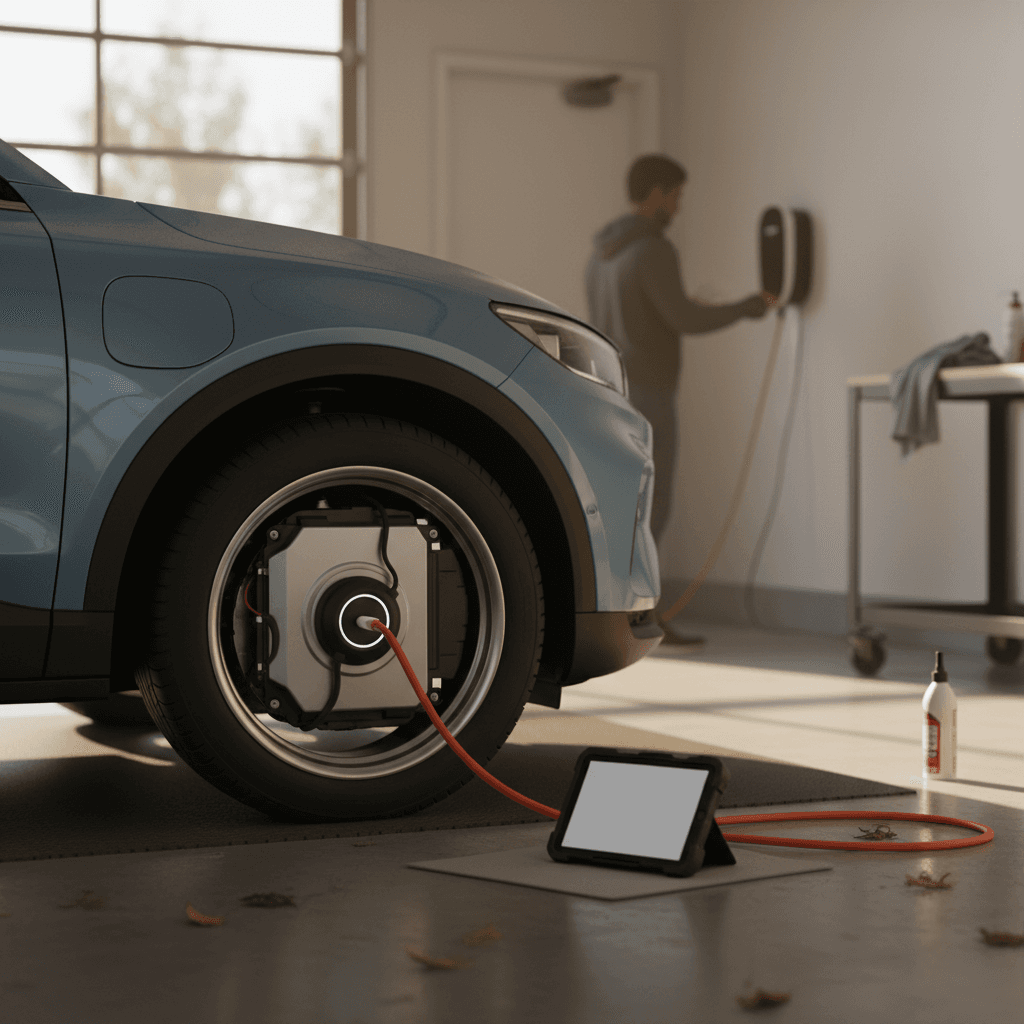
Electric vehicles still need care, but their repair patterns are very different from gas cars. No oil changes, fewer moving parts in the drivetrain, and regenerative braking all cut routine maintenance. On the flip side, you add high-voltage systems, battery health, and software to the mix.
EV vs gas car: where repairs differ
Same roads, very different wear patterns.
Oil & fluids
Gas cars: Oil changes every 5k–7k miles, transmission fluid, coolant flushes.
EVs: No engine oil, fewer fluid services. Still need brake fluid and coolant for battery/drive unit on manufacturer schedule.
Wear items
Gas cars: Timing belts/chains, exhaust systems, spark plugs, fuel system issues.
EVs: No exhaust or spark plugs, far simpler drivetrain. Still have suspension, steering, HVAC, and body repairs.
Battery & electronics
Gas cars: 12V battery, alternator, starter, growing number of sensors.
EVs: High-voltage battery pack, onboard charger, inverters, and more software. Diagnostics matter more than wrenching.
EV reliability is improving, but different
Common EV service items and costs
Typical out-of-warranty EV service items, excluding collision and major battery replacement.
| EV Service Item | What It Involves | Typical Cost Range | Notes |
|---|---|---|---|
| Cabin air filter & basic inspection | Filters, fluids, visual checks | $150–$300 | Often on a 1–2 year schedule |
| Brake service (pads/rotors) | Less frequent thanks to regen | $250–$600 | Many EVs go 60k+ miles before first brake job |
| Tire replacement (set of 4) | EVs are heavier & torquey | $700–$1,300 | Budget for premium all-season or EV-specific tires |
| HVAC heat pump or AC repair | Comfort & battery conditioning | $400–$1,800+ | Important in extreme hot/cold climates |
| High-voltage battery coolant service | Coolant change per schedule | $300–$800 | Interval varies by brand |
| High-voltage component diagnosis | Inverter/charger/software issues | $200–$400 (diagnosis) | Software updates may be over-the-air or require a visit |
Costs vary widely by model and region. Always verify with an EV-capable shop.
Why battery health is the big variable
When a used EV can be smarter than another big repair
If you’re staring at a $3,000 transmission repair or a long list of upcoming work on a 12-year-old SUV, it’s worth asking whether that money might be better spent moving into a newer, more efficient car, especially a used EV that’s already taken its initial depreciation hit.
What you gain with a solid used EV
- Lower routine maintenance: No oil changes, fewer wear items, less time at the shop.
- Energy savings: Electricity usually costs less per mile than gas, especially if you can charge at home.
- Quieter, smoother drive: Instant torque and no gear shifts make commuting less of a chore.
- Modern safety tech: Many used EVs include advanced driver-assistance systems as standard.
What you need to check carefully
- Battery health: State-of-charge and capacity compared to new.
- Charging fit: Home outlet options and public charging near your routes.
- Warranty coverage: Remaining battery and powertrain warranty.
- Vehicle history: Accident damage, flood exposure, fast-charging-heavy usage.
How Recharged helps de‑risk a used EV
Ready to find your next EV?
Browse VehiclesYou can browse used EVs entirely online, get EV-specific support, and even trade in your current car or get an instant offer, making the jump away from chronic repair bills much smoother than it used to be.
Protecting yourself at the repair shop
Whether you drive gas or electric, the repair shop can feel like enemy territory if you don’t speak the language. A little structure goes a long way toward keeping the experience fair, transparent, and less stressful.
Your repair shop playbook
1. Describe symptoms, not diagnoses
Tell the advisor exactly what you experience, noises, smells, warning lights, when it happens. Let them figure out the cause. Saying “I think it’s the alternator” can send them down the wrong path.
2. Ask for a written estimate and authorization limit
Always get a detailed estimate in writing and set a dollar limit they can’t exceed without your approval (for example, “Call me if it will be more than $400”). This gives you control over scope creep.
3. Separate "must-fix" from "nice-to-have"
Ask the shop to mark items as <strong>urgent, soon, or optional</strong>. Safety-critical issues and anything that risks more damage belong at the top; cosmetic or comfort items can wait.
4. Ask to see old parts
If you’re uneasy, request that the shop save the replaced parts for you to inspect. Honest shops are used to this request and won’t be offended.
5. Get a second opinion on big jobs
For repairs over $1,000, especially engine, transmission, or major EV components, getting another estimate is smart. You may confirm that the first quote is fair, or discover better options.
Warranty, recalls, and insurance, don’t leave money on the table
Planning ahead for fewer surprise repairs
The cheapest repair is often the one you prevent, or at least see coming early. A predictable maintenance plan beats emergency tow trucks and after-hours Uber rides every time.
- Follow the maintenance schedule in your owner’s manual rather than guessing or relying only on dashboard reminders.
- Do a quick walk-around once a month: tire tread and pressure, lights, wipers, visible leaks under the car.
- Keep an emergency repair fund, even if it’s just $40–$75 a month in a separate account.
- Build a relationship with one trusted shop instead of bouncing around for the cheapest coupon every time.
- If you’re EV-curious, start planning your home charging setup now so you’re ready when you do switch.
Turn your old car into your EV down payment
Car repair FAQs
Frequently asked questions about car repair and EVs
Bottom line on car repair in 2025
Car repair isn’t going away, if anything, it’s becoming more central to how long you keep a vehicle and how much it costs you over its life. With cars staying on the road longer and technology getting more complex, the choices you make around which repairs to approve, which to postpone, and when to walk away matter more than ever.
Think in total monthly cost, not just today’s invoice. Prioritize safety, keep up with maintenance, and get picky about where you spend your repair dollars. And if you’re ready to step off the hamster wheel of big surprise bills, comparing that next major repair to a vetted used EV, with a clear battery health report and expert guidance from Recharged, might be the most valuable “car repair” decision you ever make.