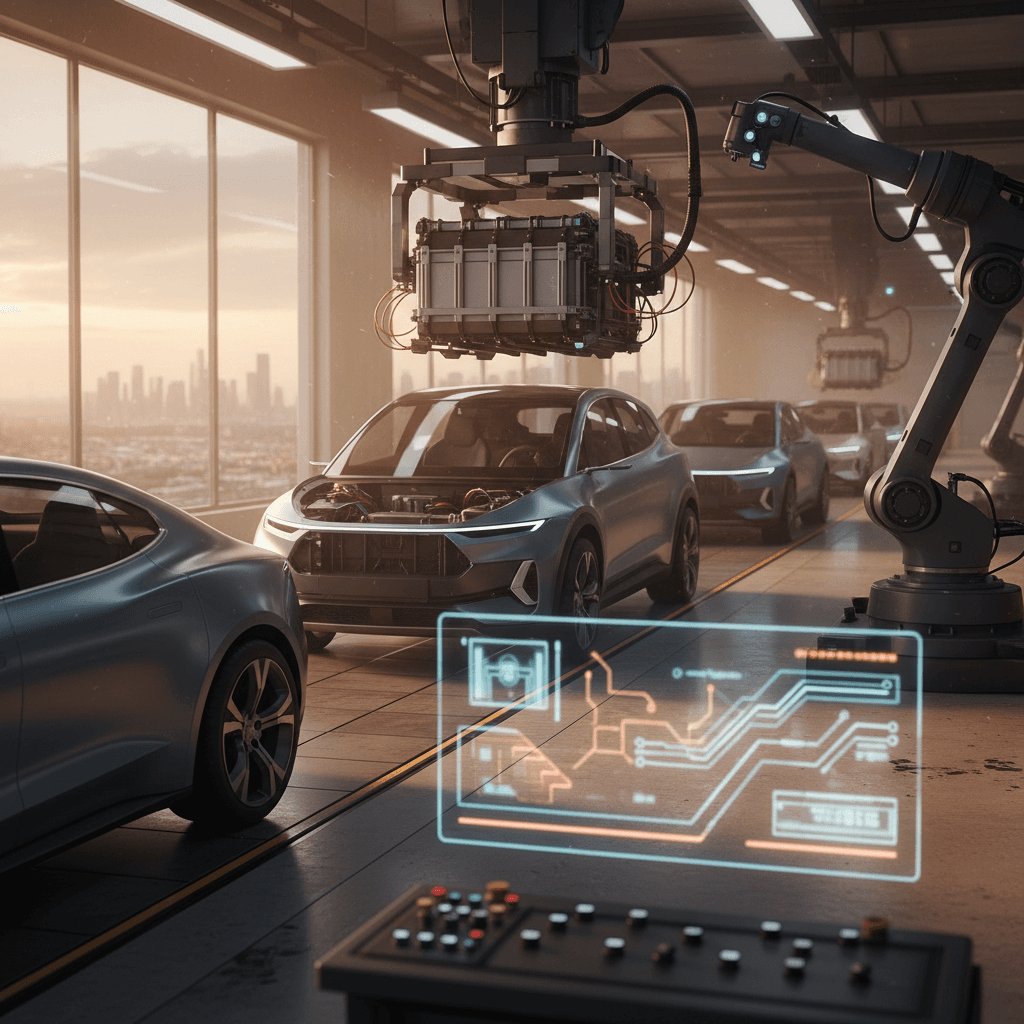
Search for “car companies electric vehicles” today and you’ll see two things at once: headlines about slowing EV growth, and data showing more electric vehicles on the road than ever. Both are true. EV adoption is maturing, not collapsing, and nearly every major automaker now has skin in the electric game.
EVs are now a mainstream choice
Why car companies are all in on electric vehicles
Automakers aren’t going electric just for fun. Three forces are pushing every car company toward electric vehicles (EVs): regulation, competition, and money.
- Regulation: Governments in the U.S., Europe, and China are tightening emissions rules and setting targets for zero‑emission sales. Even when deadlines shift, the direction is clear: fewer tailpipes, more plugs.
- Competition: Tesla showed that you can build desirable, high‑performance EVs and sell them at scale. Chinese brands like BYD proved you can also do it at aggressive price points. Legacy automakers can’t sit that out.
- Money and risk: Batteries are getting cheaper over the long run, and EV powertrains are simpler than gasoline drivetrains. Once production scales, EVs can be cheaper to build and maintain, if companies survive the transition.
Transition, not a light switch
EV market scoreboard: who’s selling the most?
Electric vehicle market at a glance (U.S. & global)
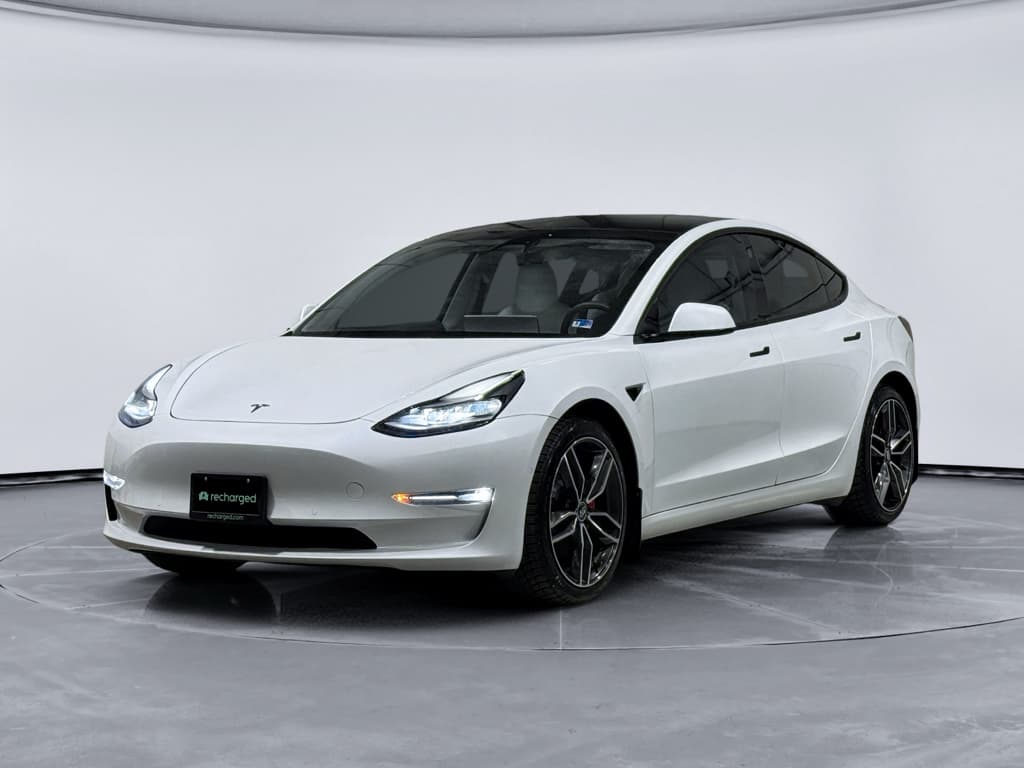
In the U.S., Tesla is still the EV king, but the crown is sitting a little looser. Its share of the U.S. EV market has dropped from well over 60% a few years ago to the mid‑40s, as Ford, General Motors, Hyundai‑Kia, BMW, Mercedes‑Benz and others ramp up their electric lineups.
Major car companies by U.S. EV market share (approximate, 2024–2025)
These figures focus on battery‑electric vehicles and combine multiple brands when they’re under the same corporate umbrella.
| Automaker group / brand | Approx. U.S. EV share | What they’re known for in EVs |
|---|---|---|
| Tesla | ≈ 44–50% | Market leader; Model Y and Model 3 dominate, plus Model X, Model S and Cybertruck. |
| Ford | ≈ 7–9% | Mustang Mach‑E, F‑150 Lightning, E‑Transit; strong in trucks and crossovers. |
| General Motors (Chevrolet, Cadillac, GMC) | ≈ 8–12% | Cadillac Lyriq, Chevrolet Equinox EV, Blazer EV, Silverado EV, GMC Hummer EV. |
| Hyundai–Kia | ≈ 7–8% | Hyundai Ioniq 5/6, Kia EV6 and EV9; standout design and fast‑charging tech. |
| BMW | ≈ 5–6% | i4, i5, i7, iX; luxury EVs that feel familiar to BMW owners. |
| Mercedes‑Benz | ≈ 4–5% | EQE/EQS sedan and SUV; tech‑heavy comfort with three‑pointed‑star status. |
| Volkswagen Group (VW, Audi, Porsche) | ≈ 3–4% | VW ID.4, Audi Q4 e‑tron, Porsche Taycan; stronger in Europe than in the U.S. |
| Rivian | ≈ 3–4% | Adventure‑oriented R1T pickup and R1S SUV, plus delivery vans; lifestyle brand. |
| Stellantis (Jeep, Ram, others) | ≈ 3–4% | Just ramping EVs in the U.S.; more plug‑in hybrids so far, Ram and Jeep EVs on the way. |
Tesla still leads, but legacy car companies are catching up fast.
Don’t obsess over the exact percentage
Tesla vs everyone else
Where Tesla still leads
- Charging network: The Supercharger network remains the gold standard for reliability and ease of use, and more non‑Tesla EVs are gaining access.
- Efficiency: Tesla models typically squeeze more miles of range out of each kWh than most rivals.
- Software: Over‑the‑air updates, simple interfaces, and strong app integration are still benchmarks for the industry.
- Brand familiarity: For many people, "electric car" still equals "Tesla," which supports resale value.
Where rivals are catching up
- Model variety: Legacy automakers now offer electric trucks, luxury SUVs, minivans, and fleet vehicles Tesla doesn’t build.
- Interior quality: BMW, Mercedes, Audi, Genesis, and others deliver more traditional luxury interiors many drivers prefer.
- Price and incentives: Automakers are discounting EVs, bundling charging credits, and leveraging federal tax incentives where eligible.
- Dealer networks: For better or worse, many buyers still want a local dealer for service and test drives, something Tesla handles differently.
Watch for abrupt price changes
How legacy car companies are handling EVs
Traditional car companies spent a century perfecting gasoline powertrains. Going electric means re‑learning everything from batteries to software to how they sell cars. Some are further along than others.
How major legacy car companies approach electric vehicles
Same destination, very different routes and speeds.
Ford
Ford has leaned into EVs that look and feel familiar: a Mustang‑badged crossover, an electric F‑150, an E‑Transit van.
- Strong focus on trucks and work vehicles.
- Mix of hybrids, plug‑in hybrids, and full EVs to manage risk.
- Using Tesla’s NACS charging connector on new models.
General Motors
GM is rebuilding its EV strategy around its Ultium battery platform.
- Cadillac Lyriq and Escalade IQ for luxury.
- Chevrolet Equinox EV, Blazer EV, Silverado EV for mainstream buyers.
- Partnership with Honda on shared EVs and platforms.
Hyundai–Kia
Hyundai and Kia are overachievers: their EVs often punch above their price.
- Ultra‑fast 800‑volt charging on Ioniq 5/6 and EV6.
- Bold design that stands out in a parking lot.
- Strong warranties and growing EV volumes.
Toyota & Lexus
Toyota dominated hybrids with the Prius, but has been cautious on full EVs.
- More plug‑in hybrids and a slowly growing EV lineup (bZ4X, Lexus RZ).
- Public commitment to a broader battery‑EV portfolio by the early 2030s.
- Still ramping up DC fast‑charging performance and variety.
BMW & Mercedes‑Benz
German luxury brands are reshaping their lineups around electric flagships.
- BMW i4, i5, i7, and iX; Mercedes EQE/EQS sedans and SUVs.
- Focus on smooth driving, quiet cabins, and tech‑heavy interiors.
- Some models prioritize comfort over maximum range.
Volkswagen Group & Stellantis
These big European groups are further ahead in Europe than in the U.S.
- VW ID.4 and Audi Q4 e‑tron here; many more EVs abroad.
- Stellantis is leveraging plug‑in Jeeps and Ram trucks while full EVs ramp.
- Good long‑term potential, but look carefully at U.S. charging and dealer support.
The good news for you
EV‑only and newcomer brands
Not every player in the EV world has a history of V8s and chrome. A wave of new or EV‑only brands has helped push the established car companies faster, and given shoppers more personality and performance to choose from.
Key EV‑focused and newcomer brands
These companies are forcing the old guard to move faster.
Rivian
Rivian’s R1T pickup and R1S SUV target outdoor‑oriented, high‑income buyers.
- Adventure branding, clever storage, strong off‑road capability.
- Building its own fast‑charging network along key routes.
- Still a young company, service networks are growing but limited vs. legacy brands.
Lucid
Lucid competes with high‑end German luxury brands and Tesla’s upper tier.
- Extremely long range and strong efficiency.
- High prices, low volumes, and a small footprint of showrooms.
- Best suited to buyers who prioritize range and luxury over ubiquity.
Chinese and global newcomers
Brands like BYD, VinFast, and others are strong globally, with limited but growing U.S. presence.
- Highly competitive prices overseas.
- Facing U.S. trade and tariff headwinds.
- Worth watching if policy or trade rules shift in coming years.
What this means if you’re shopping for a used EV
The shift in how car companies build electric vehicles shows up directly in the used market. Early adopters are trading out of first‑generation EVs, prices have come down from their 2022 peak, and there’s a much wider spread of brands and body styles than even a few years ago.
Why used EVs are especially interesting now
This is where a platform like Recharged can tilt the odds in your favor. Every EV listed comes with a Recharged Score Report that verifies battery health, shows fair market pricing, and gives you a clear view of how that particular vehicle has aged. Instead of guessing whether Brand A or Brand B built the “better” battery, you can compare real diagnostic data between specific cars.
Comparing car companies and their EV approaches
When you look past the marketing, most car companies fall into a few buckets in how they approach electric vehicles. Understanding those buckets is more useful than memorizing every model name.
How different kinds of car companies approach electric vehicles
Use this to decode brand promises when you’re cross‑shopping EVs from multiple automakers.
| Type of company | Examples | EV strategy snapshot | What that feels like as an owner |
|---|---|---|---|
| EV‑first pioneers | Tesla, BYD, NIO, Polestar | Started with electric and built everything (factories, software, charging) around it. | Cutting‑edge tech, rapid updates, but sometimes more abrupt changes and occasional growing pains. |
| Legacy giants going big on EVs | GM, Ford, Hyundai–Kia, BMW, Mercedes‑Benz | Heavy investment in dedicated EV platforms and North American battery plants. | Familiar brands and dealer networks with increasingly serious EV options. |
| Cautious transitioners | Toyota, some Stellantis brands, parts of VW Group | Big hybrid and plug‑in hybrid portfolios, slower rollout of full EVs in some regions. | More options if you’re not ready to go fully electric, but fewer EV choices today. |
| EV boutique/luxury specialists | Lucid, high‑end trims from Porsche, Audi, BMW, Mercedes | High price tags, bleeding‑edge performance and features, lower volume. | Fantastic if you can afford it, but pay attention to long‑term service and parts support. |
| Newcomer challengers | Rivian, VinFast, others | Trying to own specific niches: adventure vehicles, value EVs, or specific regions. | Unique designs and experiences; check warranty, service footprint, and financial stability. |
Different car companies are solving the same EV puzzle with different playbooks.
Look at the platform, not just the badge
Checklist: questions to ask about any EV brand
Key questions to vet car companies and their EVs
1. How long has this brand been selling EVs?
A brand that’s been building EVs for several years will usually have more refined software, better charging behavior, and more real‑world data on battery durability.
2. What’s their battery warranty, and what does it actually cover?
Most brands offer 8 years / 100,000 miles or more on the battery, but the fine print matters. Ask what level of capacity loss is considered normal and what triggers a repair or replacement.
3. Which fast‑charging networks can I realistically use?
Check whether the car uses CCS or NACS connectors, and whether it has seamless access to networks like Tesla Supercharger, Electrify America, and others. Charging convenience is a brand‑level decision as much as a car‑level one.
4. How big and experienced is the EV service network?
Ask how many technicians are certified on that brand’s EVs in your region, and whether major repairs are handled locally or at a distant hub. For newer brands, this is crucial.
5. What’s happening to resale values for this brand’s EVs?
Look at used prices for 3–5‑year‑old EVs from the same company. Falling prices can be good news if you’re buying used, but you want to understand why they’re dropping.
6. Can I see independent battery health data for a used EV?
If you’re buying used, ask for a third‑party or platform‑provided battery health report. On Recharged, that’s built in via the Recharged Score, so you’re not guessing.
FAQ: car companies and electric vehicles
Frequently asked questions about car companies and EVs
Bottom line: choosing the right EV brand for you
The story of car companies and electric vehicles in 2025 isn’t about one brand winning and everyone else losing. It’s about a market that finally gives you real choices: different body styles, different price points, different philosophies about software, charging, and design.
Tesla still sets important benchmarks, but Ford, GM, Hyundai–Kia, BMW, Mercedes‑Benz and others have turned EVs into core products, not side projects. Newer players like Rivian and Lucid add personality and innovation, while cautious giants like Toyota are gradually bringing more full EVs to the table.
If you’re looking at the used market, you’re in a particularly good spot. Prices have softened, selection has exploded, and tools like the Recharged Score let you compare battery health, value, and ownership costs across brands instead of guessing. You can finance, get an instant offer for your trade‑in, or arrange nationwide delivery, all online, without having to become an EV engineer in the process.
Start by deciding what matters most: range, price, space, performance, or charging convenience. Then compare a few car companies whose EVs match that wish list. With the right information, and a transparent marketplace behind you, you can let the best electric vehicle win on your driveway, not just in the headlines.