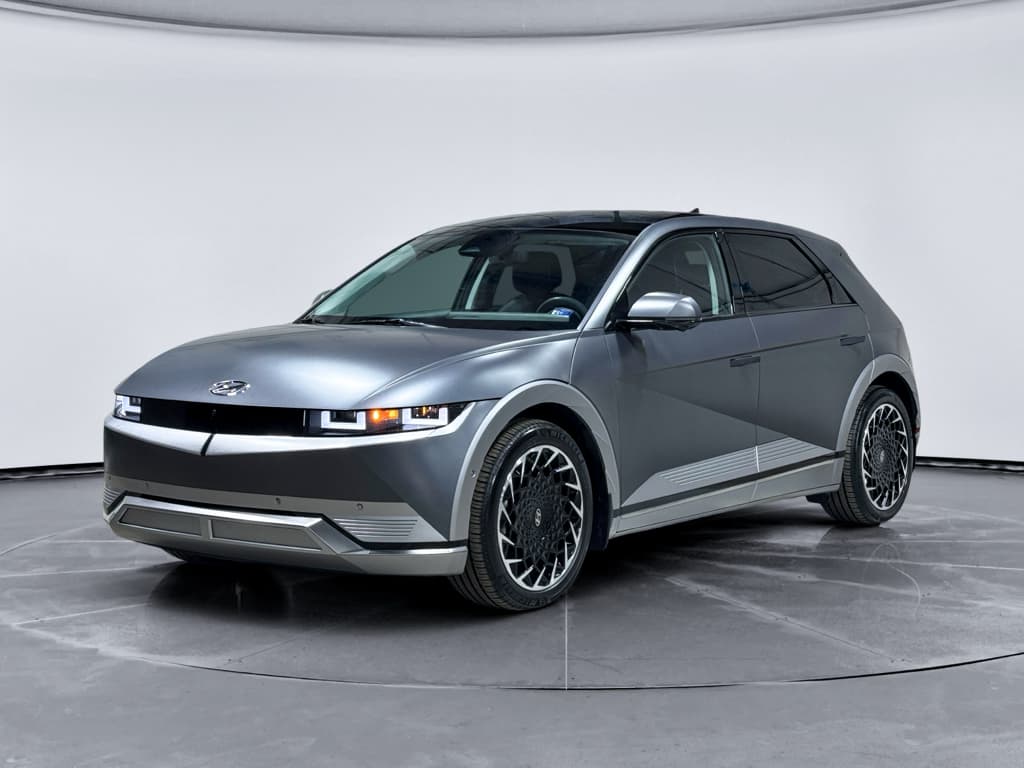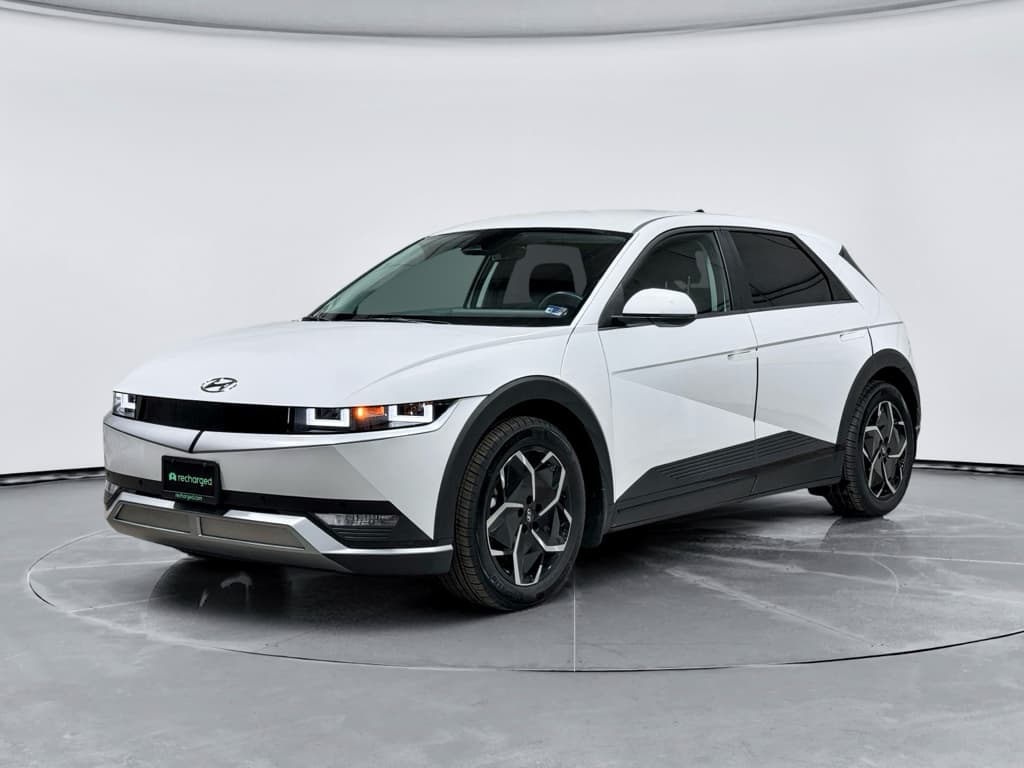
If you’re shopping for a Hyundai Kona Electric or already own one, the big question isn’t just the EPA number. You want to know the Hyundai Kona Electric real world range on the highway, doing 70–75 mph, maybe with luggage, kids, and bad weather, because that’s what makes or breaks a road trip.
Trim and battery basics
Kona Electric range basics: brochure vs reality
Hyundai’s official EPA range rating for the long‑range Kona Electric hovers around 258 miles on a full charge. That’s a blended number, city and highway mixed together under controlled test conditions. Real life is messier. Sustained interstate speeds, headwinds, temperature, elevation changes, roof racks, and passengers can all carve chunks out of that number.
- EPA rating (~258 miles): mix of city and highway, moderate speeds, mild temperatures.
- City driving: often beats the rating thanks to regenerative braking and lower speeds.
- Highway driving: often falls short of the rating, especially above 65 mph.
- Cold or very hot weather: hurts range in both city and highway use.
So when you see a 258‑mile rating, it’s smart to translate that into a more realistic band for your own use. For many drivers, the Kona Electric’s highway range at 70–75 mph works out closer to 180–220 miles on a full charge in typical conditions, and less in winter. We’ll break down why, and how to stay on the high side of that range.
Hyundai Kona Electric highway range at a glance
Why your first highway trip may surprise you
What actually impacts Hyundai Kona Electric highway range
Key factors that shape your Kona’s highway range
Same battery, very different results depending on how and where you drive
Speed
Temperature & HVAC
Terrain & wind
Load & accessories
State of charge window
Battery health
Put simply, highway range is where physics cashes its checks. The Kona Electric is an efficient little crossover, but it can’t dodge air resistance or winter. That’s why two owners can report dramatically different highway ranges with the same car: one is cruising at 65 mph in spring, the other is charging into a headwind at 78 mph in February.
Real‑world Hyundai Kona Electric highway range numbers
Let’s translate all of that into usable numbers. These are realistic Hyundai Kona Electric real world range highway scenarios for the 64 kWh battery, assuming a healthy pack and starting from 100% charge. Think of them as planning tools, not guarantees.
Kona Electric real‑world highway range scenarios (64 kWh pack)
Approximate one‑charge highway ranges under common conditions. Your results will vary, but this gives you a grounded starting point for trip planning.
| Scenario | Speed & conditions | Estimated consumption | Approx. usable range (0–100%) |
|---|---|---|---|
| Hyper‑miler highway | 60 mph, mild weather, light load | ~3.9 mi/kWh | ~230–245 miles |
| Typical U.S. interstate | 70 mph, mild weather, light load | ~3.1–3.4 mi/kWh | ~200–220 miles |
| Fast‑lane driver | 75–80 mph, mild weather, light load | ~2.7–3.0 mi/kWh | ~175–195 miles |
| Cold weather trip | 70 mph, around freezing, heat on | ~2.4–2.8 mi/kWh | ~150–180 miles |
| Hot weather trip | 70 mph, 90°F+, A/C on | ~2.7–3.1 mi/kWh | ~165–200 miles |
Estimates assume a healthy battery, mostly flat terrain, and steady cruising. For trip planning, always leave a buffer and think in terms of 10–80% charge windows.
How to turn 0–100% into real trip legs
Example: Mild‑weather interstate at 70 mph
Using the table above, assume 210 miles of 0–100% highway range in good conditions.
- 0–100%: ~210 miles
- 10–80%: 70% of 210 ≈ 147 miles
Planning legs of 130–150 miles between DC fast chargers is comfortable here, with a buffer.
Example: Cold‑weather at freeway speeds
Let’s say you’re seeing closer to 165 miles of 0–100% range in winter at 70 mph.
- 0–100%: ~165 miles
- 10–80%: 70% of 165 ≈ 115 miles
On a frigid day, planning for 90–120‑mile legs will feel much less stressful.
City vs highway: how the Kona Electric really behaves
One of the Kona Electric’s party tricks is how efficient it is around town. Stop‑and‑go traffic, which is murder on gas cars, can actually be a sweet spot for an EV thanks to strong regenerative braking and lower speeds.
Kona Electric in the city vs on the highway
Same battery, very different personalities
City & suburban driving
- Speeds mostly under 50 mph
- Frequent stops allow regen to recapture energy
- Easy to see 4.0+ mi/kWh in temperate weather
- Real‑world range can exceed EPA numbers
Highway & interstate driving
- Steady 65–80 mph speeds
- Aerodynamic drag dominates
- Efficiency can drop into mid‑2s to low‑3s mi/kWh
- Real‑world range often trails EPA rating
Why your city range can fool you
Cold weather, heat, and using climate control
Temperature is the silent partner in every EV range story. The Kona Electric’s battery, just like any lithium‑ion pack, has a comfort zone. When it’s far outside that zone, efficiency suffers, and your cabin comfort systems step in to help, using energy that could otherwise move the car.
How weather and HVAC affect Kona Electric highway range
1. Cold batteries are less efficient
On winter mornings, the pack itself is cold and can’t accept or deliver energy as efficiently. Expect higher energy use during the first 20–30 minutes of a drive, especially at freeway speeds.
2. Cabin heat uses a lot of power
Unlike gas cars, EVs don’t have waste engine heat to warm the cabin. The Kona’s heater can noticeably dent range at highway speeds, particularly below freezing.
3. Pre‑conditioning helps
Pre‑heating or pre‑cooling the cabin while plugged in can save a meaningful amount of battery on the road, because you’re doing the energy‑intensive part before you leave.
4. A/C also costs miles, but less than heat
In hot weather, air conditioning and battery cooling will trim range, though usually not as dramatically as winter heat. Expect a noticeable but manageable hit at 70+ mph on scorching days.
5. Crosswinds and storms matter
Rain‑slick roads and strong crosswinds can push consumption up, even if the temperature looks friendly on the dash.
Don’t ignore winter range if you buy used
Battery health and used Kona Electric highway range
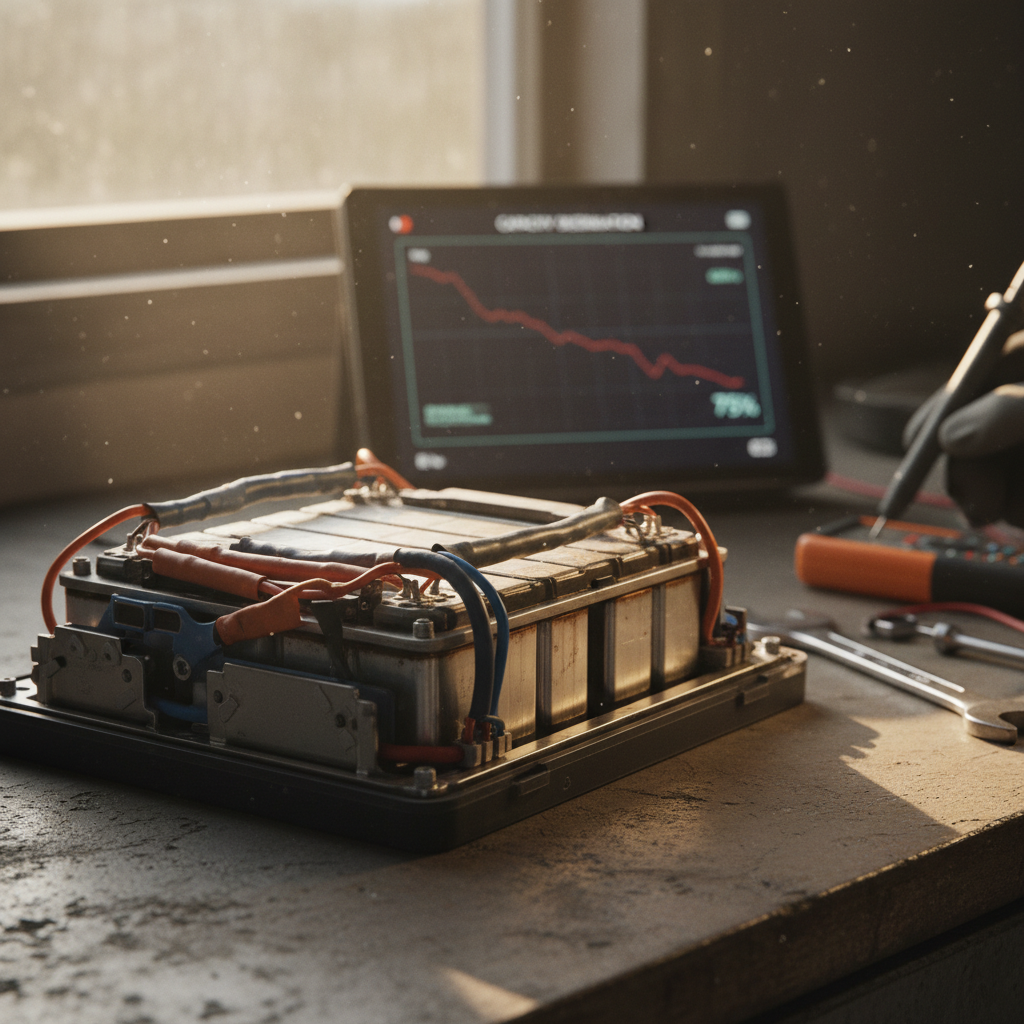
Every EV’s battery slowly loses capacity over time. The Kona Electric has generally held up well in the real world, but even a well‑treated pack that’s a few years old might have lost 5–10% of its original usable capacity. Because highway range is directly tied to capacity, that loss shows up plainly on road trips.
- A Kona that was 258 miles EPA‑rated new might feel more like a ~230–245‑mile car after several years, even in ideal conditions.
- That same percentage drop applies to your highway numbers, your 200‑mile mild‑weather highway car might now be a 180‑mile car.
- Rapid‑charging‑heavy histories and constant 100% parking can accelerate degradation, while gentle charging and climate‑controlled parking help preserve capacity.
How Recharged makes Kona battery health transparent
Ready to find your next EV?
Browse VehiclesHow to maximize highway range in your Kona Electric
You can’t control the weather, but you have a lot of say in how far your Kona Electric will run down the interstate on a charge. Small choices add up, especially over long trips.
Practical ways to stretch Kona Electric highway range
1. Ease back on speed
Dropping from 75 to 68 mph doesn’t feel dramatic, but it can claw back a surprising chunk of range. On a long leg, that might mean making your next charger comfortably instead of arriving on fumes, metaphorically.
2. Use Eco mode and smart cruise
Hyundai’s Eco drive mode softens throttle response and encourages efficient use of power. Combine it with adaptive cruise control to avoid constant speed fluctuations that waste energy.
3. Pre‑condition while plugged in
Warm or cool the cabin before you leave, especially in extreme temperatures. That front‑loads the energy cost to your wall outlet instead of your battery.
4. Travel light and clean up the aero
Remove unused roof racks or cargo boxes when you don’t need them; they’re range killers at 70–80 mph. If you’re just commuting, leave the heavy stuff out of the cargo area.
5. Learn your efficiency sweet spot
Over a few trips, watch your mi/kWh at different speeds and temperatures. You’ll quickly find the pace where your Kona feels relaxed but still delivers decent highway range.
6. Plan chargers with a buffer
Use route planners and charging apps to aim for 10–20% state‑of‑charge arrival, not 2–3%. That margin protects you from headwinds, detours, or closed chargers without sweating the last few miles.
Is the Hyundai Kona Electric good for road trips?
The honest answer: yes, with the right expectations and route. The Kona Electric isn’t a giant‑battery luxury cruiser, but its efficiency means you can cover serious ground if you’re willing to stop every 90–150 miles for a quick top‑up, depending on season and speed.
Where the Kona Electric shines
- Excellent efficiency turns a modest battery into respectable highway legs.
- Compact size makes it easy to maneuver in cities and crowded chargers.
- Comfortable, quiet cabin makes a 130‑mile stint feel relaxed instead of punishing.
- Strong regen means you get some energy back on rolling terrain and descents.
Where you’ll need to plan ahead
- In sparse charging regions, you may need to route more carefully than in a gas car.
- Winter road trips at 70+ mph can feel like a game of Tetris without good planning.
- If you insist on 80 mph cruising, expect more frequent, shorter charging stops.
Use tools that understand your car
FAQ: Hyundai Kona Electric real‑world range
Frequently asked questions about Kona Electric highway range
Bottom line on Kona Electric highway range
On paper, the Hyundai Kona Electric’s 64 kWh battery and 258‑mile EPA rating look tidy and simple. In the real world, your Hyundai Kona Electric real world range highway will live in a band: roughly 180–220 miles at typical interstate speeds in good weather for a healthy pack, and notably less when winter or triple‑digit heat shows up. Drive a bit slower, travel a little lighter, and plan legs around 10–80% fast‑charging windows, and the Kona Electric turns into a capable, efficient road‑trip partner rather than a range‑anxiety machine.
If you’re considering a used Kona Electric, pairing this guide with hard data on battery health is the winning move. That’s exactly what the Recharged Score and our EV‑specialist support team are built for, helping you see through the brochure numbers, understand how a specific car will behave on your highways, and drive away in a Kona that fits your real life, not just the spec sheet.