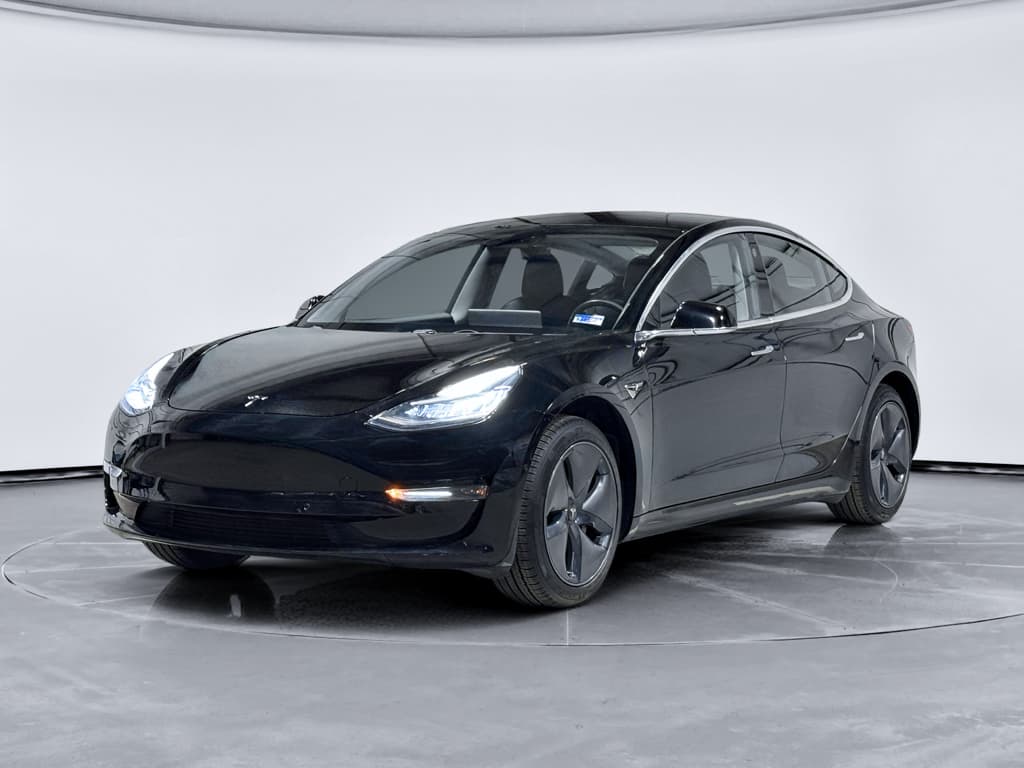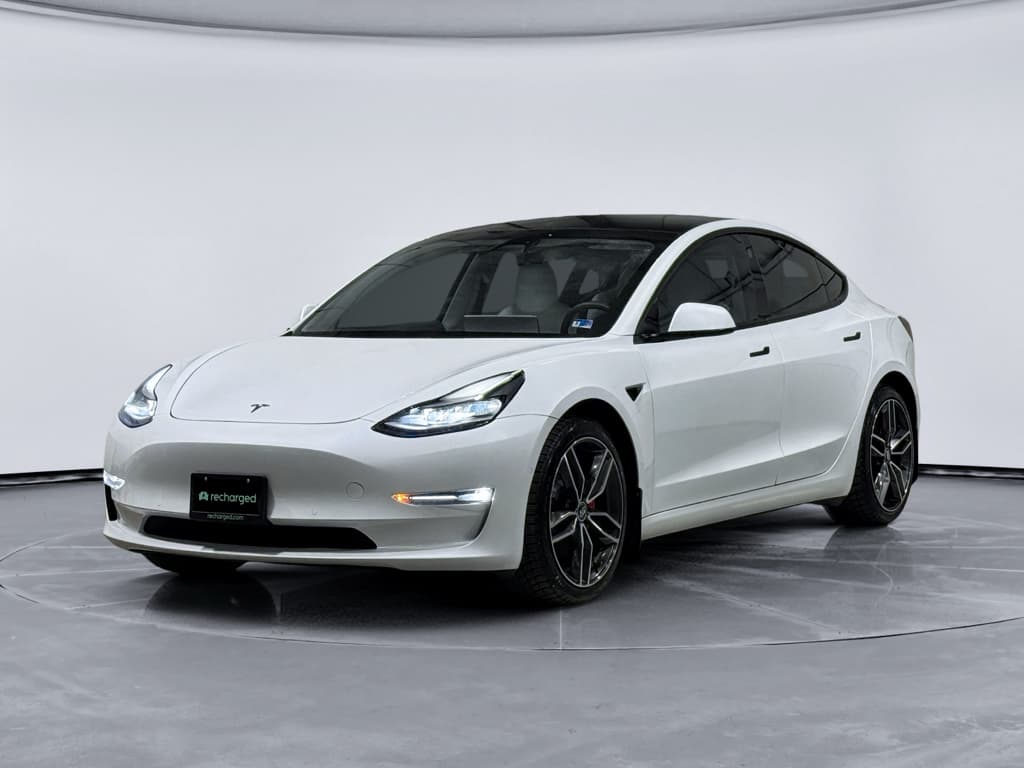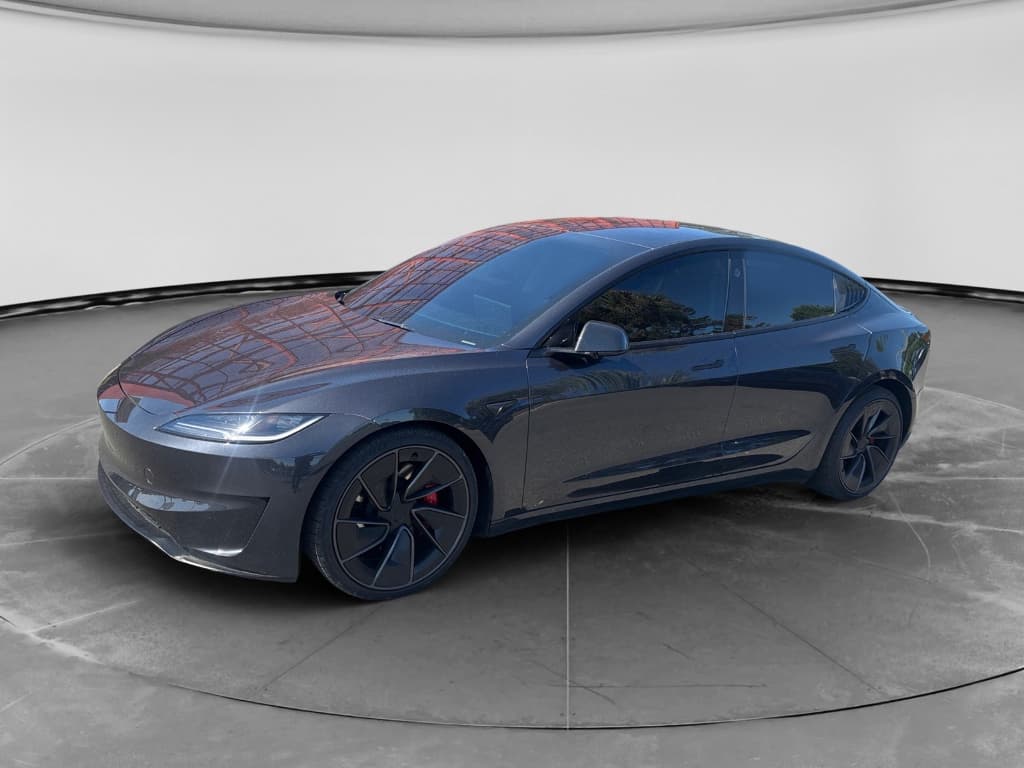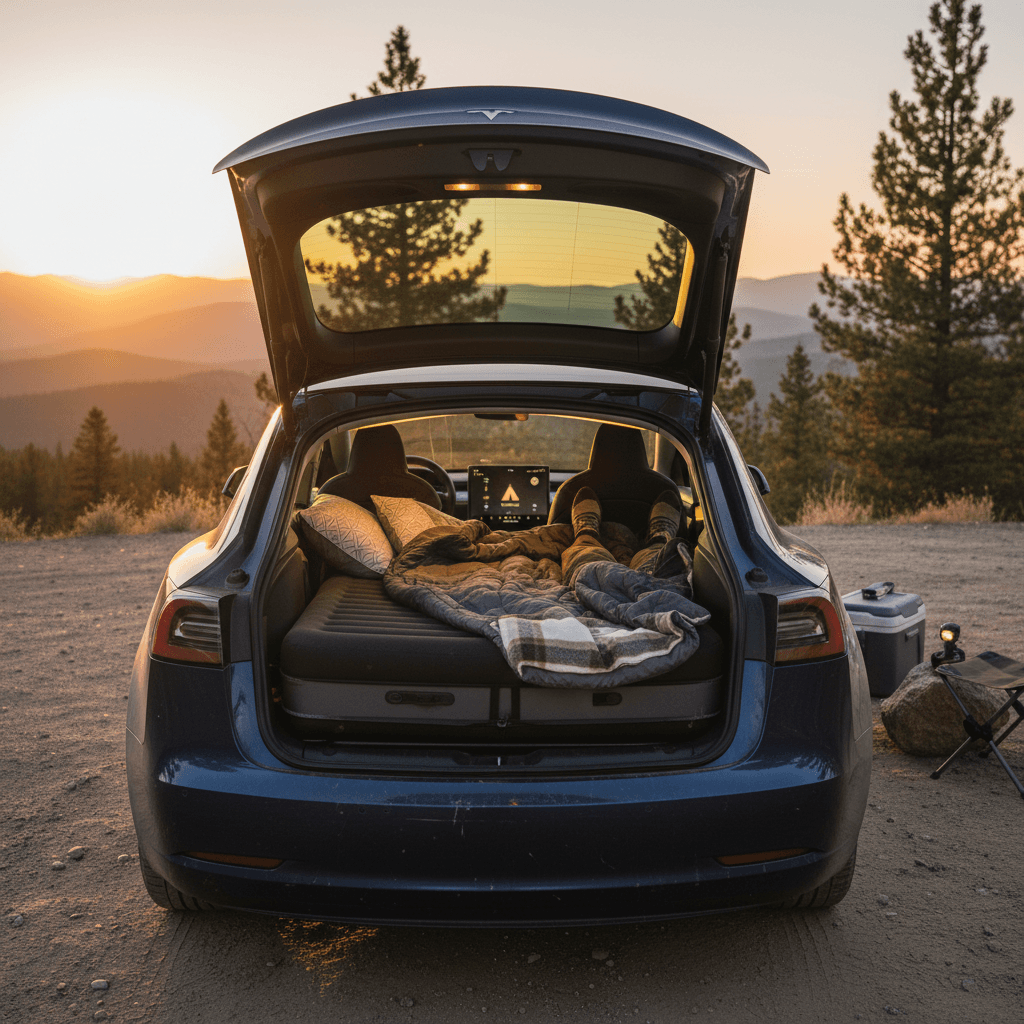
Yes, you can sleep in a Tesla Model 3, and plenty of owners do, from festival weekends to long cross-country road trips. Thanks to Tesla’s built‑in Camp Mode, flat‑folding rear seats, and efficient climate control, the Model 3 can double as a tiny hotel room on wheels if you understand its limits and pack smart.
Short answer
Can you actually sleep in a Tesla Model 3?
From a practical standpoint, the question isn’t just “can you sleep in a Tesla Model 3,” it’s “how comfortable will you be?” The rear seats fold down to create a continuous cargo floor, and drivers around the world routinely camp in their Model 3s using Camp Mode. If you’re under about 6 feet tall, you can usually stretch out diagonally without modification. Taller owners often remove the rear seat bottoms to gain a little extra flat length.
- One adult: surprisingly comfortable with a decent mattress or pad
- Two adults: workable if you like each other and pack light
- Kids: easy, many families let kids sleep in back while adults use a tent
- Pets: Camp Mode keeps the cabin conditioned for dogs and cats overnight
Real‑world proof
Is it safe to sleep in a Tesla Model 3 overnight?
From a safety perspective, a Tesla is one of the better vehicles to sleep in. There’s no gasoline engine idling, so you avoid carbon monoxide risk, and Camp Mode is designed to maintain climate control while the car is in Park with the doors locked. The high‑voltage battery runs the heat pump or A/C, fans, and 12V systems; you don’t need to crack a window for safety the way you would with an idling gas car.
Key safety advantages of sleeping in a Model 3
Why it’s safer than napping in most gas cars
No exhaust fumes
The Model 3 doesn’t burn fuel while parked, so there’s no carbon monoxide risk from an idling engine. Climate control runs off the battery instead.
Locked and monitored
You can lock the doors and still run Camp Mode. With mobile app access, you can check cabin temperature and battery level while you’re lying down.
Stable cabin climate
Camp Mode keeps the temperature near your setting much more consistently than cracking windows or relying on blankets alone.
Safety caveats
How Camp Mode works in the Model 3
Camp Mode is a dedicated setting in the Model 3’s climate control. With the car in Park, you tap the fan icon, choose Camp, set your preferred temperature, and the car does the rest. Newer software versions also let you activate Camp Mode from the Tesla app if the vehicle is already in Park.
How to enable Camp Mode before you fall asleep
1. Park on level, legal ground
Choose a safe, reasonably flat spot. Avoid soft sand, deep snow, or places where you might be asked to move in the middle of the night.
2. Set your seat and bed layout
Fold the rear seat backs flat, position your mattress or pads, and slide the front seats forward until you have the length you need.
3. Plug in devices
Connect phones, tablets or a small 12V accessory now. All USB and 12V ports stay active in Camp Mode, which is great for overnight charging.
4. Set climate and fan speed
Tap the climate icon, pick a temperature that’s comfortable with your bedding (often 66–72°F), and set a low or medium fan speed to reduce noise and energy use.
5. Tap Camp
On the same screen, choose <strong>Camp</strong>. The display will dim after a short time, the car stays locked, and climate control will run through the night.
6. Double‑check battery level
Make sure you have enough state of charge for climate control plus your drive to the next charger, more on that in the battery section below.
Camp Mode vs. Dog Mode vs. Keep Climate On
How much space you really have to sleep
On paper, the Model 3 is a compact sedan, but its hatch‑like trunk opening and fold‑flat rear seats make the back half more useful than you’d expect. Official specs list rear legroom at about 34.5 inches and a generous cargo area with the seats folded, and owners routinely manage to sleep fully stretched out by using the space that runs into the trunk.
Tesla Model 3 space basics (recent years)
Fitting taller sleepers
Bed setup ideas that actually work in a Model 3
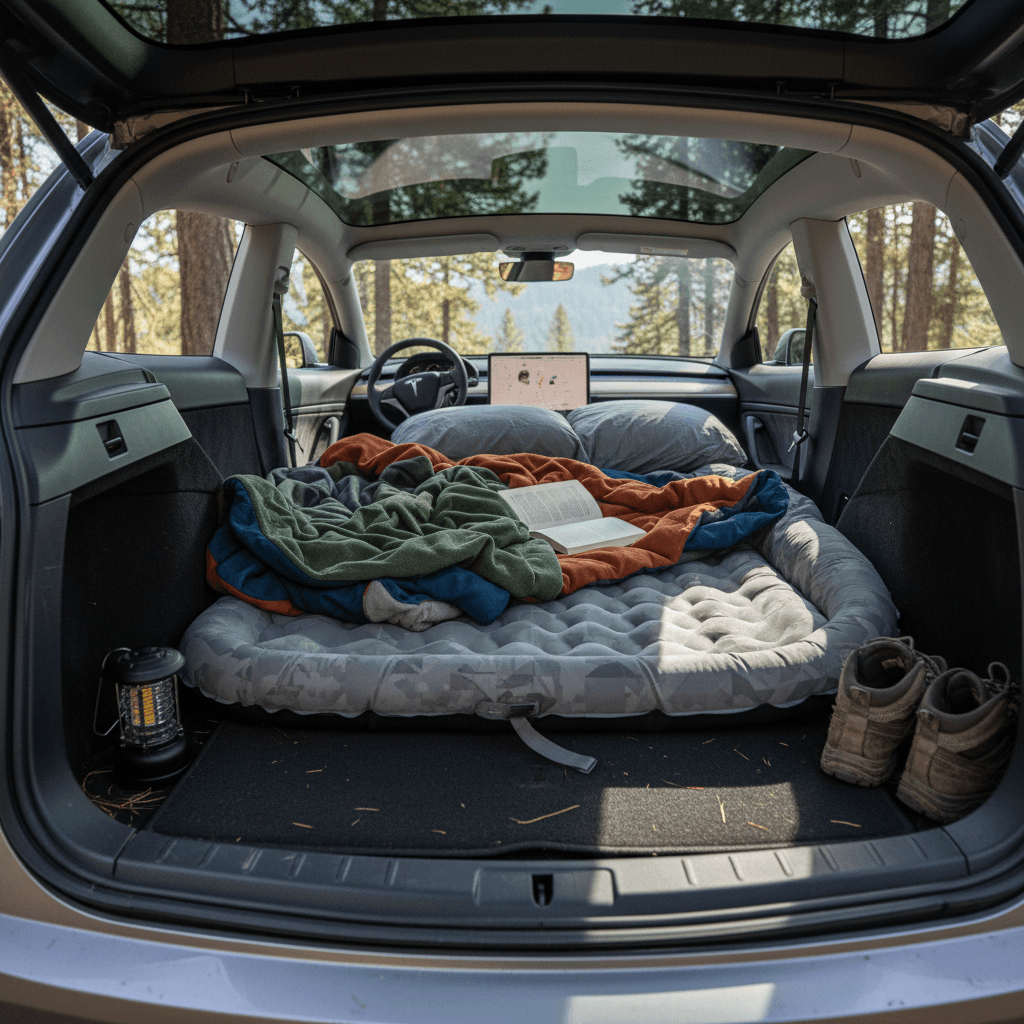
The floor in a Model 3 isn’t perfectly flat when you fold the seats; there’s a “step” where the seat backs meet the trunk floor. A good sleep setup is really about smoothing that transition and adding enough padding that you don’t feel hinges or gaps all night.
Four popular Model 3 sleep setups
From no‑frills to “mobile studio apartment”
1. Inflatable or foam camping mattress
By far the most common solution. A tri‑fold memory foam pad or Tesla‑specific inflatable mattress spans the rear seats and trunk, flattening out most of the bumps.
- Pros: Comfortable, packs away easily, good for one or two people.
- Cons: Takes some cargo space when stored; cheap air mattresses can leak overnight.
2. Custom Tesla Model 3 mattress
Several companies sell mattresses cut to follow the Model 3’s contours and compensate for the step in the floor.
- Pros: Easiest, most “drop‑in” solution.
- Cons: Costs more; not as versatile outside the car.
3. DIY plywood platform
Handy owners build a low platform that bridges the seat/trunk gap with storage underneath.
- Pros: Very flat, great for long trips, tons of under‑bed storage.
- Cons: Requires tools, adds weight, not as easy to remove.
4. Minimalist single‑side setup
If you’re solo, you can sleep on one side only and keep the other side for gear stacked to mattress height.
- Pros: Fast to set up, easy if you travel light.
- Cons: Narrow; best for people who don’t toss and turn.
What most owners end up with
Battery drain: how much Camp Mode uses per night
How much battery you’ll use sleeping in your Tesla Model 3 depends on three things: outside temperature, your climate settings, and how long you’re parked. In mild weather, owners commonly report losing somewhere in the ballpark of 5–10% of battery over an 8‑hour night. In extreme cold or heat, that can climb into the mid‑teens or even around 20% if the car is working hard to keep you comfortable.
Typical overnight Camp Mode battery usage in a Model 3
Real‑world ballpark estimates for an 8‑hour night, assuming a healthy battery and recent software.
| Conditions | Example temps | Approx. % used in 8 hrs | What it feels like inside |
|---|---|---|---|
| Mild weather | 55–70°F (13–21°C) | 5–10% | Quiet, steady fan; feels like a normal bedroom. |
| Cool night | 35–55°F (2–13°C) | 8–15% | Heat pump cycles more often; you’ll hear some compressor noise. |
| Cold snap | Below 20°F (-6°C) | 12–20%+ | Battery and cabin heating work harder; expect higher usage. |
| Hot, sunny | Above 85°F (29°C) | 10–18% | A/C may run continuously at higher fan speeds to keep you cool. |
These are rough planning numbers, not guarantees, always leave extra margin for weather swings and the drive to your next charger.
A simple planning rule
Best practices for a comfortable night’s sleep
Sleeping in a Model 3 is a little like camping in a well‑insulated hard‑shelled tent, with cupholders and Netflix. A few smart choices will make the difference between a groggy morning and waking up actually rested.
Comfort tips from frequent Tesla campers
Dial in temperature, then add layers
Set Camp Mode a bit cooler than you would at home and add a warm blanket or sleeping bag. The HVAC won’t work as hard, and many people sleep better slightly cool.
Use window shades or curtains
Reflective shades or simple fabric panels help keep light out and temperature steadier. They also give you a lot more privacy in parking lots or campgrounds.
Level out your pillow area
Because the floor slopes, your head can feel low if you sleep with your head toward the trunk. Use extra padding or flip so your head is toward the front seats if that’s more comfortable.
Manage moisture and airflow
Even with climate control, two people breathing in a small space will create condensation. Running a low fan speed and occasionally cracking a window slightly can help in humid weather.
Pack soft duffel bags, not hard bins
Soft bags squish into gaps and can double as armrests or improvised bolsters. Plastic totes are harder to work around in such a tight cabin.
Have a “midnight essentials” bag
Keep toothbrush, water, headlamp, and chargers in one small bag within easy reach so you’re not rummaging through the trunk at 2 a.m.
Weather considerations: hot, cold and condensation
Cold‑weather camping
In freezing temps, the Model 3’s heat pump (on newer cars) is far more efficient than a resistive heater, but maintaining 70°F in sub‑freezing weather still takes energy. Set your cabin temp a little lower, use a proper winter‑rated sleeping bag, and pre‑heat the car while it’s still plugged in if you can.
- Keep a hat and warm socks handy, your head and feet will feel the cold first.
- Knock slush and snow off the door seals before bed so they don’t freeze shut.
- Don’t block interior vents with bedding or gear.
Hot‑weather camping
In high heat, parking in shade is the single biggest comfort upgrade you can give yourself. The A/C can absolutely keep up, but it will run harder, and use more battery, if the car’s baking in full sun.
- Use reflective windshield and roof shades to keep solar gain down.
- Set the fan speed low‑medium to balance noise and cooling.
- Consider airing the cabin out for a few minutes before bed if it’s been closed up all day.
Expect window fog
When sleeping in your Tesla isn’t a good idea
There are nights when the smart move is to find a motel or pitch a tent instead of curling up in the back of your Model 3. The car can do a lot, but it can’t fix local laws, bad neighbors, or a dangerously low battery.
- You’re below a safe state of charge and don’t have access to charging before morning.
- Overnight parking is clearly prohibited, or you’re in a spot likely to be patrolled or towed.
- Weather is extreme enough that you’d be pushing the limits of battery, traction, or your own comfort (blizzards, tropical storms, wildfire smoke).
- You’re not comfortable with the surroundings, if your gut says no, trust it.
- You’re relying on Autopilot or Full Self‑Driving to deliver you somewhere while you sleep. Today’s Teslas still require an attentive driver when in motion.
One hard line
How sleeping in a Model 3 relates to battery health
Occasional nights in Camp Mode won’t harm a healthy Model 3 battery. You’re simply using energy that you’d otherwise spend on driving. What matters for long‑term battery health is how high you charge daily, how often you fast‑charge, and how long the pack sits at very high or very low states of charge.
Good habits if you camp in your Model 3 regularly
Protecting your range over years of road trips
Avoid ending the night near 0%
Try not to run Camp Mode down into the single digits. Deep discharges are harder on lithium‑ion packs, especially if the car sits empty and cold before you recharge.
Charge soon after waking
If you’ve had a big overnight drain, plan to hit a charger in the morning rather than driving all day at a very low state of charge.
Watch long‑term trends
If you’re shopping used, a tool like the Recharged Score battery report will show you how the pack is aging and how much real‑world range you can count on for future camping trips.
Used Model 3 tip
FAQ about sleeping in a Tesla Model 3
Frequently asked questions
Thinking about a used Model 3 for road trips and camping?
If you’re wondering whether you can sleep in a Tesla Model 3, the answer is yes, with the right setup, it can be a remarkably capable little camper. The key is planning: know your battery margin, bring a decent mattress, and respect your own comfort limits. If you’re shopping for a Model 3 with road trips and weekend camping in mind, buying through Recharged adds a layer of confidence. Every car comes with a Recharged Score battery health report, fair‑market pricing, and EV‑specialist support, so you can choose the Model 3 that fits both your budget and your adventure plans. And if you’d rather try before you commit, our Richmond, VA Experience Center team can walk you through real‑world cargo space and camping setups so you know exactly what it’ll be like to sleep under the glass roof.