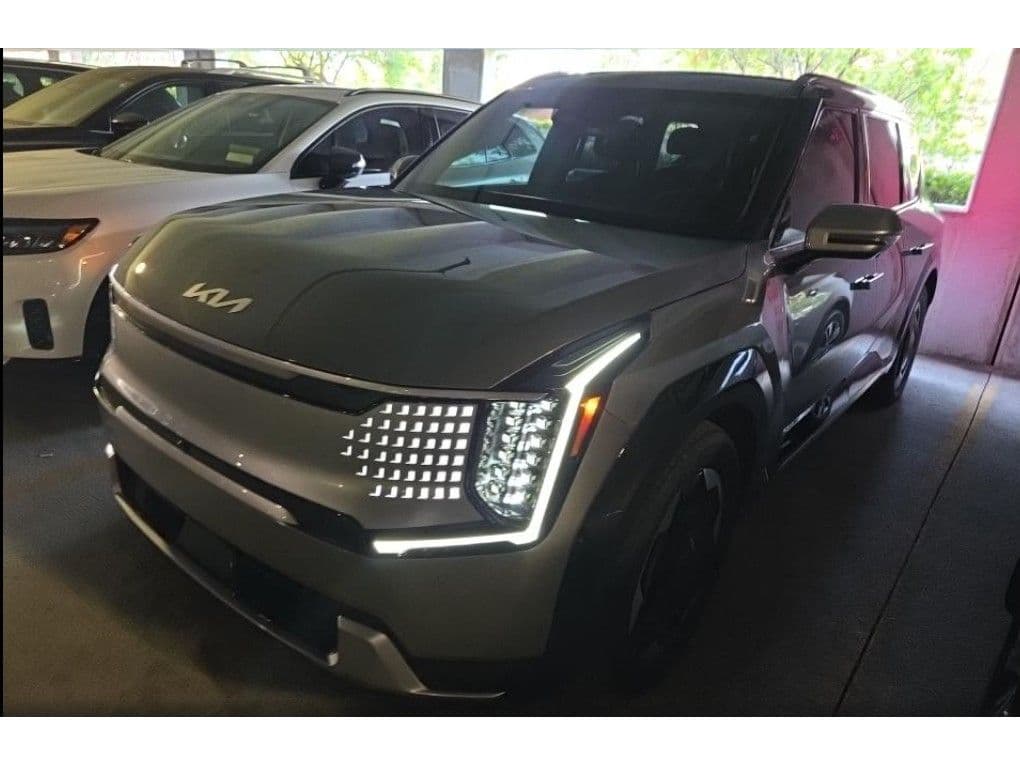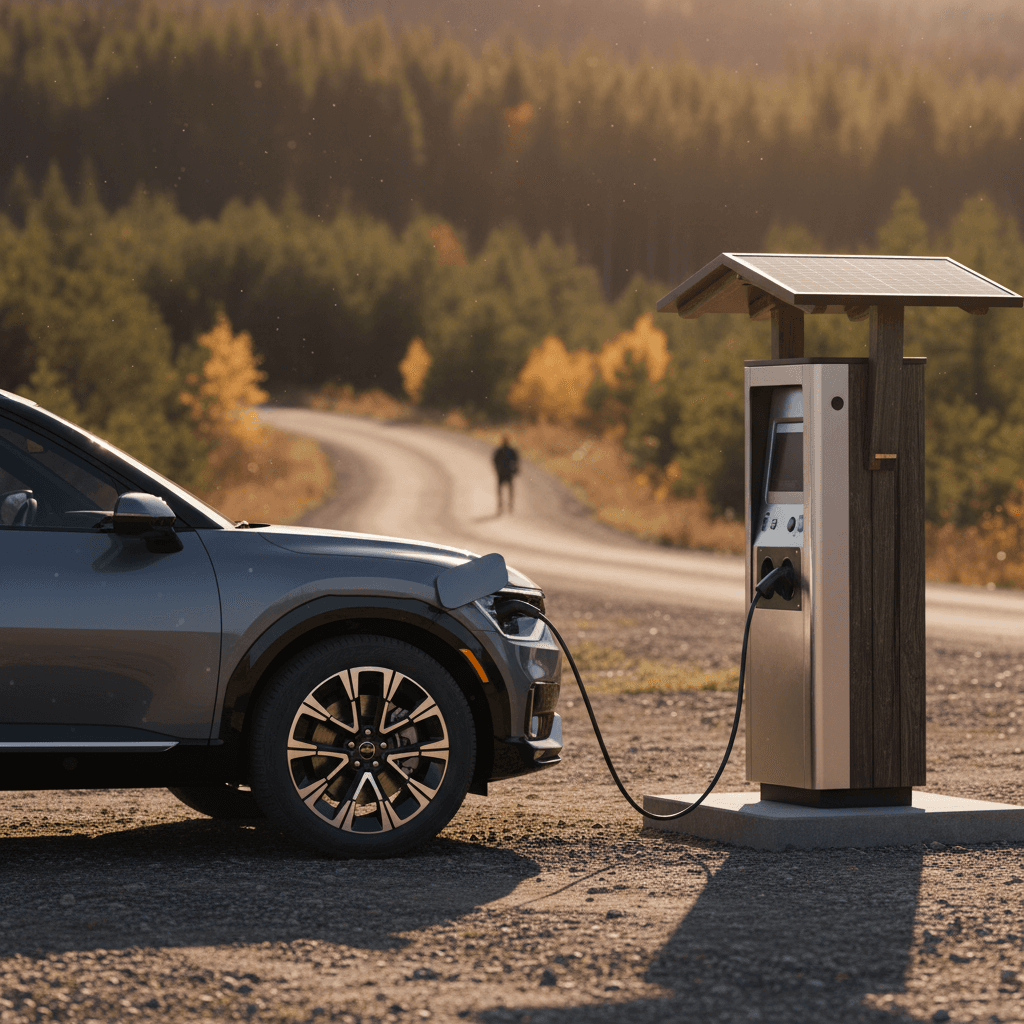
You don’t buy a three-row electric SUV like the Kia EV9 on a whim. It’s a big vehicle with a big price tag, and that means you should be thinking hard about its depreciation rate, especially if you’re planning to keep it for 5–10 years or are already eyeing a used EV9.
Quick Take
Overview: How Fast Does a Kia EV9 Depreciate?
Because the Kia EV9 is still a new model (first U.S. model year 2024), we don’t yet have a decade of auction data the way we do for, say, a Honda Pilot. But we do have solid clues from early pricing, 5‑year cost‑to‑own forecasts, and how similar EVs have behaved in the real world.
Early Kia EV9 Depreciation Snapshot
Kelley Blue Book’s 5‑year cost‑to‑own forecast for the EV9 pegs depreciation at about $36,936 over five years for a 2025 model, or roughly $7,400 per year on average. That translates to around a 50% value loss in five years, very close to the broader EV market’s trend.
EV Reality Check
What We Know So Far About EV9 Pricing and Values
To understand depreciation, you have to start with what the EV9 actually costs. Kia has kept pricing surprisingly steady, even cutting it in some trims, while the used market has already started to establish real-world values.
Kia EV9 MSRP by Model Year (Selected Trims)
Sticker prices give you the baseline from which depreciation is measured.
| Model Year | Trim | Approx. MSRP New | Notes |
|---|---|---|---|
| 2024 | Light | ~$54,900 | Launch year, short‑range battery |
| 2025 | Light | $56,395 | Small bump vs. 2024; well-equipped "base" trim |
| 2025 | GT‑Line | $75,395 | Loaded range‑topper, AWD |
| 2026 | Light Long Range | $59,395 | Kia cut price by about $2,000 vs. 2025 |
| 2026 | Land | $70,395 | Price reduced slightly vs. prior year |
MSRP figures exclude destination charges and incentives.
On the used side, appraisal tools are already showing trade‑in values in the low‑to‑mid $40Ks for lightly used 2025 EV9s, depending on trim, mileage, and condition. In other words, some early buyers have already eaten a five‑figure loss just driving the EV9 off the lot and putting a year or two on the odometer.
Tip for Shoppers
5‑Year Kia EV9 Depreciation Rate Estimates
Forecasts are just that, forecasts. But they’re still useful if you treat them as a range, not a guarantee. Think of your EV9’s future value as a sliding scale, and your choices push it up or down that scale.
3 Depreciation Scenarios for a Kia EV9 (5 Years)
These aren’t promises, they’re realistic ballparks based on today’s data.
Optimistic Scenario
Loss: ~40–45% of MSRP
- Buy at a discount below sticker.
- Battery remains 85–90%+ SOH.
- Moderate miles, clean history.
- EV incentives tighten, used demand rises.
Base Case Scenario
Loss: ~45–55% of MSRP
- Pay close to typical transaction price.
- Normal miles, typical cosmetic wear.
- Battery around 80–85% SOH at 5 years.
Pessimistic Scenario
Loss: 55–65%+ of MSRP
- High miles or accident history.
- Battery degradation or DC fast‑charge abuse.
- Newer EVs leapfrog range/charging tech.
Don’t Anchor on a Single Number
How EVs and 3‑Row SUVs Typically Depreciate
EVs: Front‑Loaded Depreciation
- Steepest drop in years 1–3. Tech moves quickly and incentives change, which can push used values down.
- Software and charging improvements make older EVs feel outdated faster than their gasoline counterparts.
- Battery anxiety among used buyers still softens demand, even as tech improves.
3‑Row SUVs: Strong Demand
- Family haulers tend to hold value better than small cars because demand is steady.
- Shoppers pay for space, safety, and comfort, boxes the EV9 checks in a big way.
- Gas SUVs like the Kia Telluride have been resale darlings; that reputation rubs off on Kia’s big EV.
The EV9 sits at the crossroads of these two forces: it’s an EV (which usually depreciates faster) but also a roomy three‑row SUV (which usually holds value better). That’s why most analysts expect it to land in the middle of the EV pack rather than at the very high or very low ends of the depreciation spectrum.
Good News for Long‑Term Owners
Key Factors That Affect Your EV9’s Resale Value
- Mileage: A three‑row SUV with 90,000 miles looks very different to a buyer than one with 45,000, even if both are well maintained.
- Battery health: State of health (SOH) drives range. An EV9 that still delivers close to its original EPA range will command a premium over one that’s lost 15–20%.
- Charging history: Heavy DC fast‑charging and repeated 0–100% cycles can accelerate degradation versus a car mostly charged at home between 20–80%.
- Accident and service history: Clean Carfax, documented maintenance, and recall work done on time all support a stronger resale number.
- Trim and options: High‑content versions depreciate more in dollars but can be easier to sell; oddly configured base models may be harder to move.
- Market shifts & incentives: New federal or state incentives, price cuts on new EV9s, or cheaper rivals can all drag used values down.
Keep Your Paper Trail
Trim, Battery, and Options: Which EV9s Hold Value Best?
The Kia EV9 lineup isn’t just “an EV9.” It’s a family: standard‑range, long‑range, rear‑ and all‑wheel drive, with price tags that swing from the mid‑$50Ks to the mid‑$70Ks. Depreciation behaves differently across that spread.
How Different EV9 Trims Tend to Age
Think about your future buyer when you pick your trim today.
Light & Light Long Range
Pros: Lower entry price, solid range, easier to resell in the mid‑priced family bracket.
Risk: If future buyers expect AWD in a big SUV, RWD versions may need sharper pricing to move.
Wind & Land (AWD)
Pros: All‑weather confidence and stronger towing numbers. These are easy to position against gas SUVs.
Risk: Higher MSRP means a larger dollar‑amount loss even if the percentage is similar.
GT‑Line
Pros: Fully loaded, eye‑catching, and likely to attract enthusiasts even as it ages.
Risk: Top‑trim toys date quickest; new tech can make old tech feel old overnight.
Value Sweet Spot
New vs. Used Kia EV9: Which Offers Better Value?
The EV9 is exactly the kind of vehicle where buying used can save you from the ugliest part of the depreciation curve, if you’re smart about which one you choose.
New vs. Used Kia EV9: Depreciation Trade‑Offs
How depreciation and risk shift depending on when you buy into the EV9’s life cycle.
| Purchase Timing | What You Gain | What You Risk |
|---|---|---|
| New (0–1 year old) | Full warranty, latest tech, your choice of color/options. | Absorbing the steepest 1–3 year depreciation; future price cuts on new EV9s undercut your resale. |
| Lightly Used (2–3 years old) | Let the first owner eat the big initial drop; price becomes more closely tied to battery health & condition. | Shorter remaining warranty; bigger spread between well‑cared‑for and neglected examples. |
| Older Used (5+ years old) | Lowest entry price; depreciation curve flattens. | Out‑of‑warranty repairs, more battery degradation, and larger differences in range and reliability. |
Illustrative ranges based on typical EV and SUV behavior, not guarantees.
Used EV9 Rule of Thumb
How to Protect Your Kia EV9’s Resale Value
7 Ways to Slow Your EV9’s Depreciation
1. Charge Smart, Not Hard
Use Level 2 home charging as your default and avoid fast‑charging to 100% unless you need it for a trip. Living between 20–80% state of charge is kinder to the battery.
2. Stay Ahead on Software
Keep the EV9’s software and navigation up to date. Over‑the‑air updates can improve efficiency and features, which help your SUV feel newer, longer.
3. Document Everything
Save every service invoice, tire rotation, brake inspection, and recall notice. A thick, tidy folder (or digital log) reassures the next buyer that your EV9’s been cared for.
4. Protect the Interior
Three‑row SUVs live hard lives. Seat covers, regular detailing, and avoiding food and drink free‑for‑alls go a long way in preserving that “nearly new” feel.
5. Mind the Miles
If you have multiple vehicles, put the commuter miles on something else when you can. Keeping the EV9’s odometer closer to the average improves its resale appeal.
6. Avoid Aftermarket Experiments
Wild wraps, big off‑road wheels, and dubious accessories can narrow your future buyer pool. Subtle, reversible changes are safer for long‑term value.
7. Time Your Sale
Selling right before a major refresh, or right after a big price cut on new EV9s, is a recipe for disappointment. Keep an eye on model‑year changes and competitor launches.
Timing Matters
Why Battery Health Matters More Than Sticker Price
With a gas SUV, shoppers obsess over mileage and maintenance. With an EV like the Kia EV9, savvy buyers ask one more question: What shape is the battery in? That battery pack is the single most expensive component in the vehicle and the biggest driver of long‑term value.
Battery Health Benchmarks
The trouble is, many private sellers can’t (or won’t) show you a credible battery health report. That leaves buyers guessing, and guessing always pushes offers down. This is where a verified report is worth real money.
How Recharged Evaluates Used Kia EV9s
When you’re staring at a $60,000‑plus electric SUV, guesswork is expensive. That’s why every EV Recharged lists, including the Kia EV9 when available, comes with a Recharged Score Report that goes beyond a simple Carfax and a quick test drive.
What the Recharged Score Tells You About an EV9
Depreciation is easier to stomach when you know exactly what you’re getting.
Battery State of Health
Wear, Tear & Usage Profile
Fair Market Pricing
Ready to find your next EV?
Browse VehiclesIf you’re selling, this kind of transparency helps justify your asking price. If you’re buying, it helps you avoid the “cheap” EV9s that are only cheap because the battery’s already burned through too much of its life.
How Recharged Helps
Kia EV9 Depreciation FAQ
Frequently Asked Questions About Kia EV9 Depreciation
Bottom Line: Is the Kia EV9 a Good Value Long‑Term?
The Kia EV9 isn’t a depreciation unicorn, and it isn’t a disaster. It’s a modern, three‑row electric SUV in a fast‑moving segment, likely to shed about half its value in the first five years, just like many of its EV peers. The difference between a smart purchase and an expensive mistake comes down to how you buy, how you care for the battery, and when you sell.
If you want to dodge the nastiest part of the curve, focus on a well‑cared‑for used EV9 with strong battery health and a clean paper trail. That’s exactly the kind of vehicle Recharged was built to surface, backed by a Recharged Score Report, expert guidance, available financing and trade‑in options, and even nationwide delivery. Protect your wallet the same way you protect your family: by making sure the numbers behind your next electric SUV are as solid as the way it feels on the road.