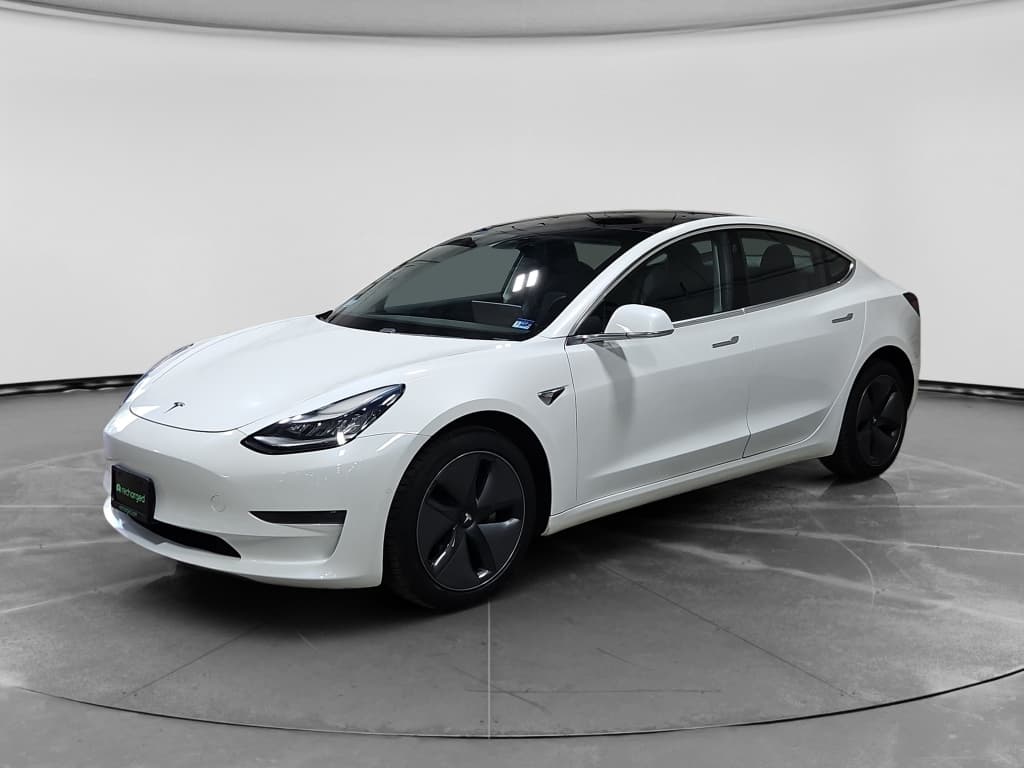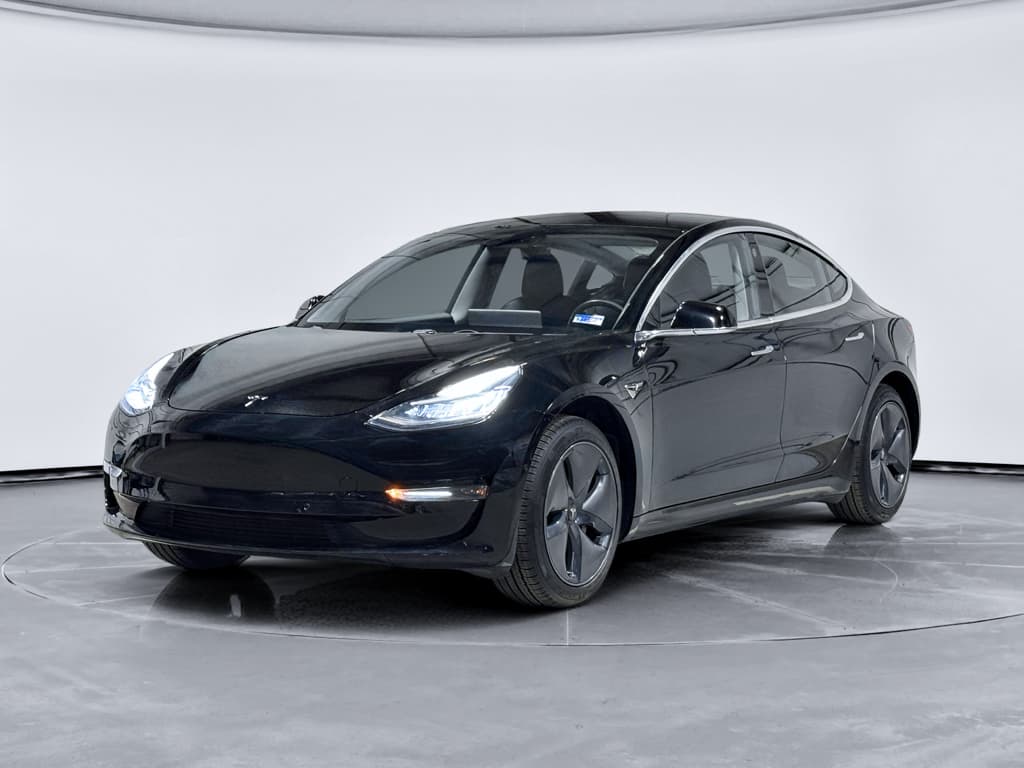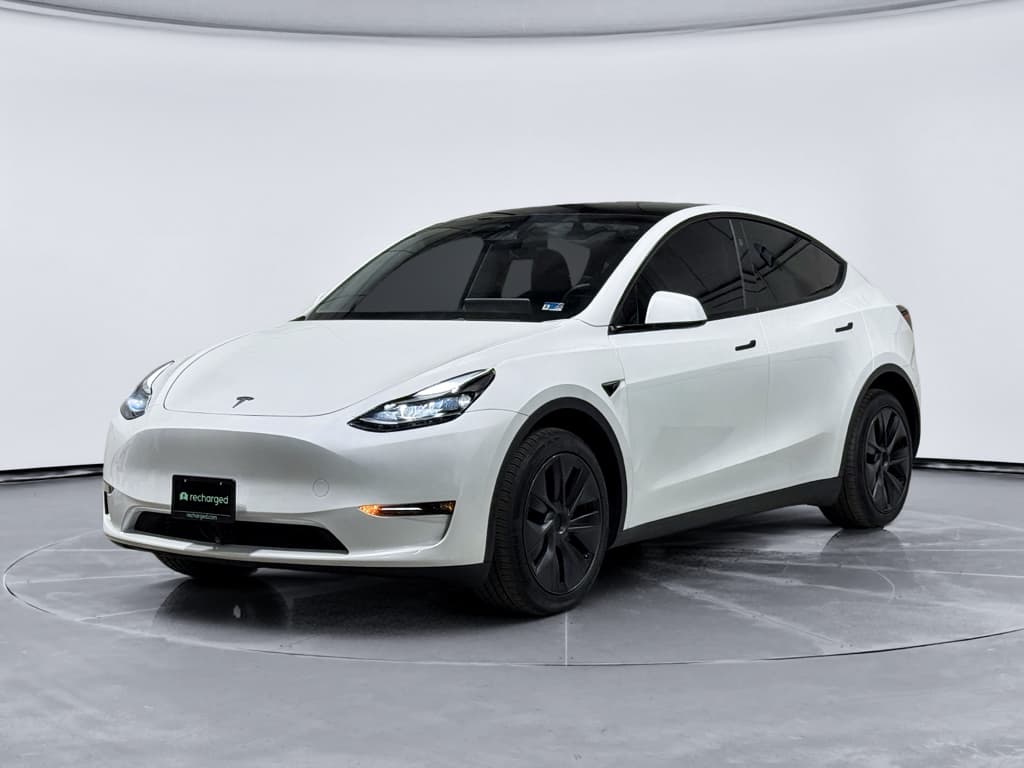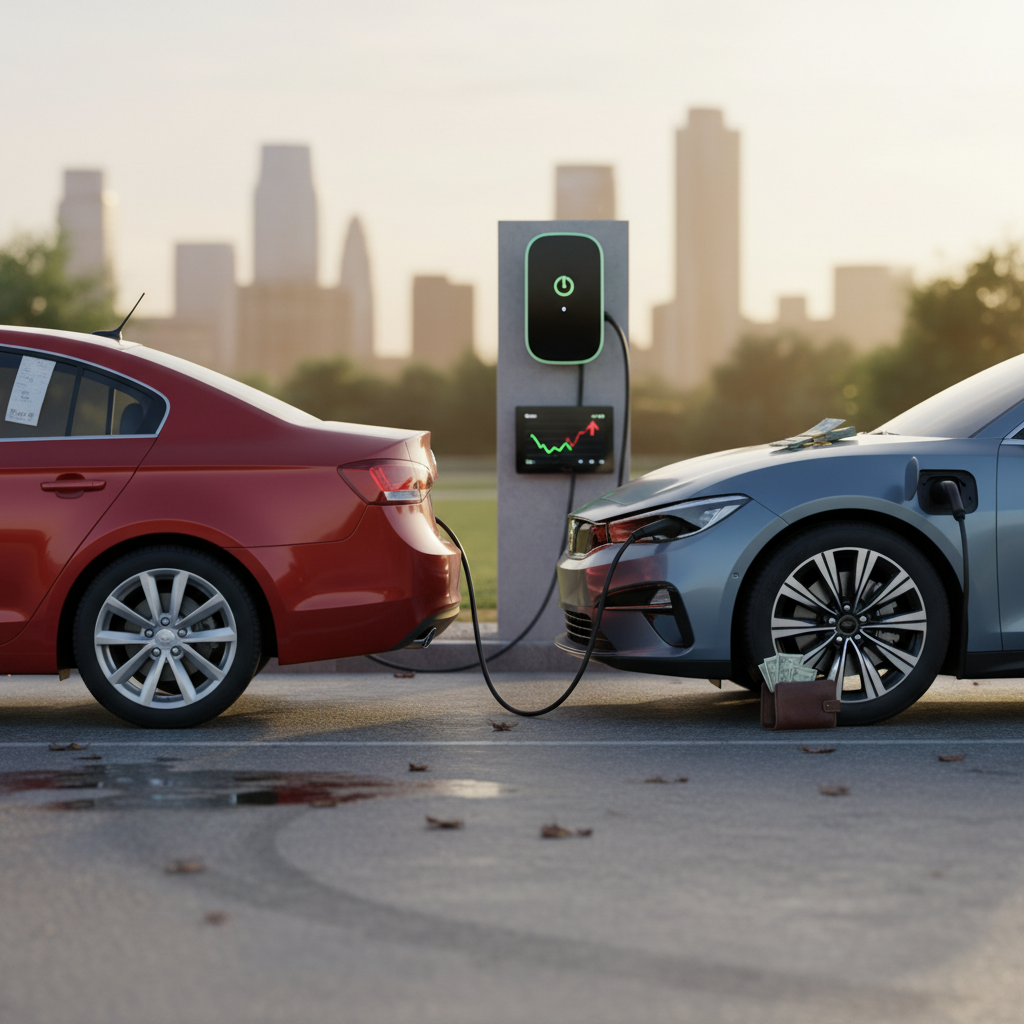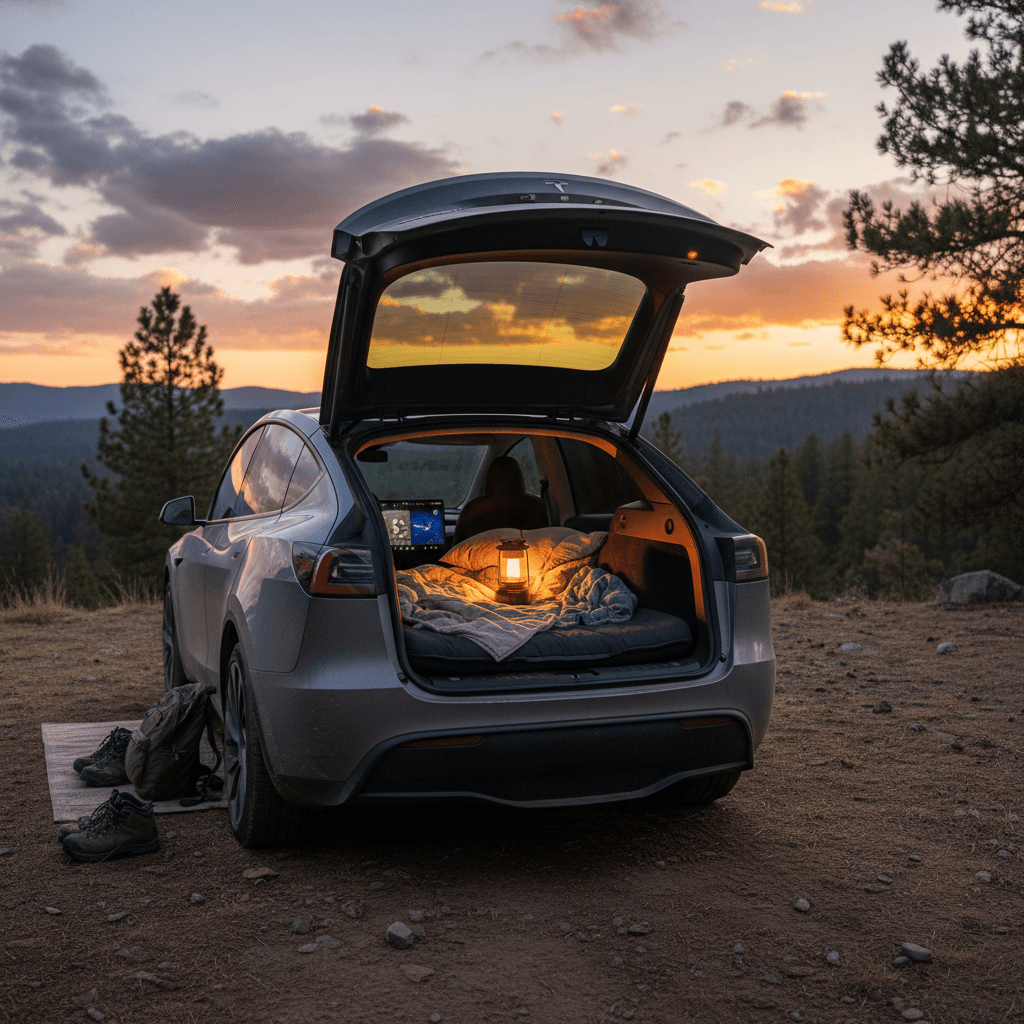
Yes, you *can* sleep in a Tesla during a road trip, and many owners do it on purpose. Tesla’s Camp Mode is built exactly for this: it keeps the cabin comfortable, powers outlets and USB ports, and prevents the car from shutting off in the middle of the night. But to do it safely and comfortably, you need to understand battery use, local laws, and a few practical details the marketing materials gloss over.
Quick answer
Can You Sleep in a Tesla on a Road Trip?
From a technical standpoint, modern Teslas are unusually well-suited to road-trip overnights. Unlike a gas car, a Tesla can keep heating or air conditioning running all night without idling an engine, and without risking carbon monoxide buildup. The battery runs the climate system quietly while the doors stay locked and the alarm is disabled so it doesn’t wake you up.
That doesn’t mean you can just pull over anywhere, tap Camp Mode, and call it a night. You still need to think about where you’re parked (legality and safety), how much battery you’ll have in the morning, and simple creature comforts like how flat the sleeping area is. The rest of this guide walks through those details so you can decide whether sleeping in your Tesla makes sense for your next road trip.
How Tesla Camp Mode Works
Camp Mode is a dedicated setting that keeps the car “awake” while you’re parked so you can use it like a tiny hotel room. In most recent models you’ll find it under the climate control screen, alongside options like Dog Mode and Keep Climate On.
- When you enable Camp Mode, Tesla keeps HVAC (heating and air conditioning) running at the temperature you set.
- The touchscreen, USB ports, 12V outlet(s), and interior lights remain available so you can watch Netflix, charge devices, or read.
- Doors stay locked from the outside, but you can still open them from inside without disabling the mode.
- The car automatically stops Camp Mode around 20% state of charge to reserve energy so you’re not stranded in the morning.
Tip: Pre-condition before you sleep
How Much Battery Does Camp Mode Use Overnight?
Battery use is the number-one concern for anyone thinking about sleeping in a Tesla on a road trip. The good news is that in real-world use, Camp Mode is usually quite efficient. The less-good news is that conditions matter, a cold snap in the Rockies will eat more battery than a mild night in Georgia.
Typical Camp Mode Battery Use (8 Hours)
Put simply, you should plan on roughly 1–2% of battery per hour in typical camping conditions. Over an 8-hour night, that’s usually 8–16% state of charge. If you arrive at your overnight spot with 40% remaining, sleep, and lose 12%, you’ll wake up at about 28%, often enough to drive to a nearby Supercharger.
Watch your starting charge
Where It’s Legal (and Not) to Sleep in Your Tesla
A Tesla doesn’t magically exempt you from local laws. In the United States there’s no single nationwide rule that says whether you can or can’t sleep in your car, but almost every state and many cities have their own rules about overnight parking, vehicle “camping,” and DUI.
Places that are often OK
- Highway rest areas where overnight parking is specifically allowed.
- Private campgrounds that accept vehicles or offer EV charging.
- Commercial lots (some Walmarts, Cracker Barrel, truck stops) where management explicitly permits overnight stays.
- Safe parking programs in some cities that designate lots for people sleeping in vehicles.
Places that are often risky or illegal
- Residential streets in major cities with anti-vehicle-dwelling ordinances.
- Posted areas that ban overnight parking or camping.
- Private property without the owner’s permission.
- Public parks or beaches that close overnight.
Rules can change city by city. Always check posted signs and, when in doubt, call ahead.
The other wrinkle is impaired driving laws. In some states, you can be arrested for DUI even if you’re “sleeping it off” in a parked car if officers decide you’re in “actual physical control” of the vehicle. That risk is higher if you’re in the driver’s seat with the keys (or key card/phone) within reach.
If alcohol is involved, be extra careful
Safety Tips for Sleeping in a Tesla
One advantage of sleeping in a Tesla instead of a tent is that you’re inside a lockable steel shell with airbags and modern crash protection. Still, there are smart habits that make overnight stops safer and less stressful.
Overnight Tesla Safety Checklist
Choose a well-lit, legitimate spot
Favor <strong>rest areas, campgrounds, or commercial lots</strong> that explicitly allow overnight parking. Avoid isolated pull-offs where you’re exposed to traffic and unclear rules.
Park out of the way
Don’t block pumps, chargers, or travel lanes. Park near other vehicles but not so close that doors can’t open or people must squeeze past your car.
Set up before dark when possible
Arriving in daylight makes it easier to see signage, scout for security cameras, and gauge how safe an area feels.
Lock doors and turn off Sentry Mode
Camp Mode keeps doors locked, but it’s worth double-checking. Many campers disable <strong>Sentry Mode</strong> overnight so motion outside doesn’t repeatedly wake the car (and you).
Crack windows slightly only if needed
Your Tesla is designed to manage air quality with the HVAC system. If you do crack a window for fresh air, keep the opening small and use window shades for privacy.
Keep valuables out of sight
Just like in a hotel parking lot, hide laptops, cameras, and bags. You’re less likely to attract unwanted attention if the cabin looks empty and tidy.
Setting Up Your Tesla for Comfortable Sleep
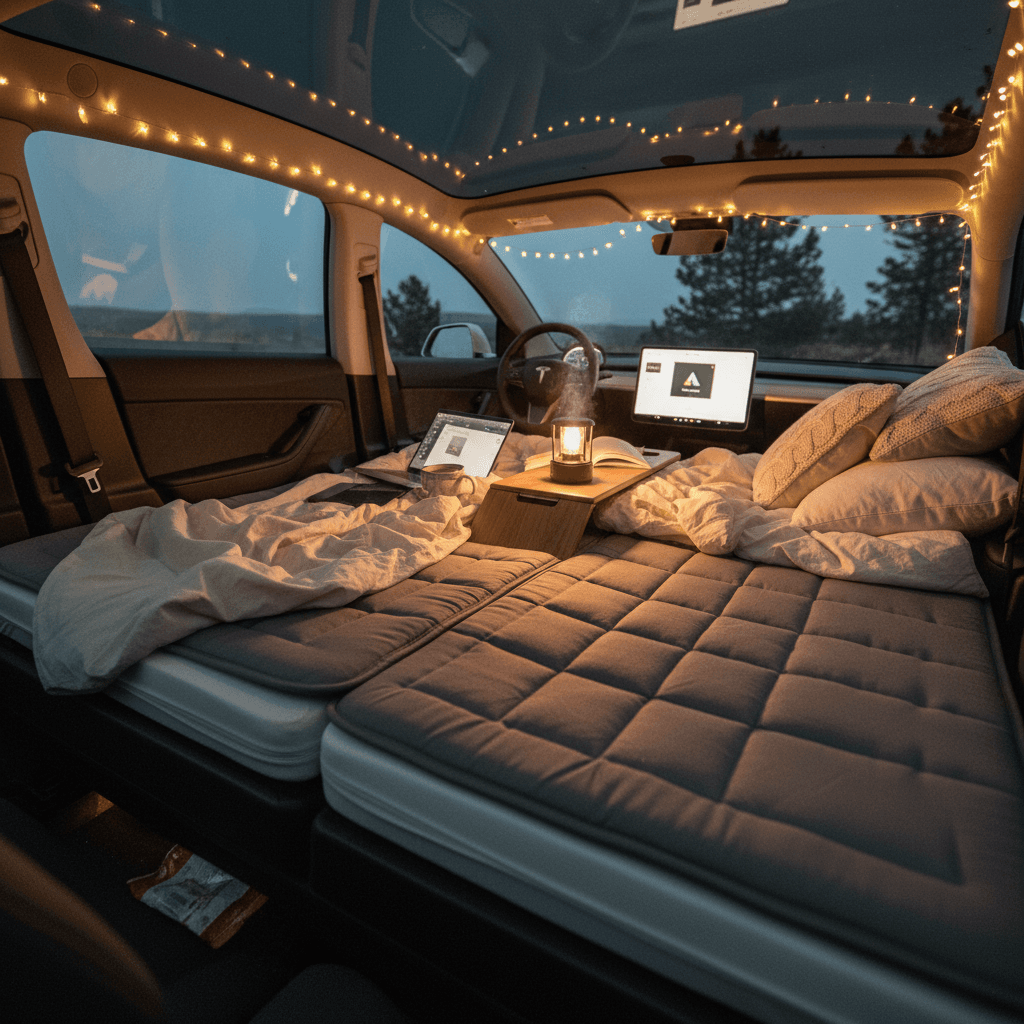
The first night you sleep in a Tesla can feel a little improvisational. With a bit of planning, though, you can turn it into a surprisingly comfortable micro-camper that works well for solo drivers and even couples on a long-haul trip.
Comfort Upgrades That Make a Big Difference
You don’t need all of these, but a few smart choices turn "it'll do" into "I'd do that again."
Mattress or pad
A Tesla’s rear seats fold down to create a mostly flat area, but not perfectly. A tri-fold foam mattress or inflatable specifically sized for your model will smooth out the bumps.
Window shades
Reflective or fabric shades provide privacy and insulation. They also keep the cabin cooler in summer and warmer in winter, reducing battery drain.
Power & gadgets
Use the USB ports and 12V outlet for phones, tablets, and small fans. For higher-draw items like electric blankets, check the power rating carefully before plugging in.
- Pack a compact pillow and blanket or sleeping bag suited to the season.
- Use soft bags or cubes instead of hard suitcases so you can rearrange the rear cargo area more easily.
- If you’re tall, slide the front seats forward as far as is comfortable and sleep diagonally to pick up a few extra inches.
- Dial the cabin temperature a couple of degrees closer to the outdoor temp than you would at home; your body adapts, and your battery will thank you.
Optimize climate for comfort *and* range
Planning an Overnight Tesla Road-Trip Stop
Sleeping in your Tesla works best when it’s part of a plan, not a last-ditch decision at midnight on the side of the interstate. The planning isn’t complicated, but a little forethought pays off in comfort and peace of mind.
Overnight Strategy for Different Tesla Road-Trippers
Solo Driver on a Tight Schedule
Use the in-car trip planner and apps like A Better Routeplanner or PlugShare to mark <strong>chargers near campgrounds or 24/7 services</strong>.
Aim to reach your overnight stop by early evening with <strong>30–50% battery</strong> left.
Pick a spot with restrooms and food nearby, truck stops or big service plazas can work well.
Sleep 6–8 hours in Camp Mode, then <strong>fast charge right after you wake up</strong> while you grab coffee.
Couple or Family Road-Tripping
Mix hotel nights and Tesla nights so everyone gets a full shower and a real bed now and then.
Reserve <strong>campgrounds with EV-friendly power</strong> where possible so you can plug in while you sleep.
Carry a slightly larger mattress and better bedding; comfort matters more night after night.
Build in at least one slow day every few days so you’re not constantly packing and unpacking the car.
Budget Traveler or Digital Nomad
Research <strong>safe-parking programs</strong> and overnight-friendly lots along your corridor.
Invest in a good mattress, window covers, and a compact cooler for food.
Keep a close eye on local ordinances; what’s fine in one town can be frowned upon 20 miles away.
Consider scheduling charging at quieter off-peak times so you can work in the car while you charge and sleep later.
Think about the *next* morning, not just tonight
Sleeping at Superchargers vs. Campgrounds & Hotels
A common question is whether you can just sleep at a Supercharger between legs of a long road trip. Technically, many Tesla owners nap in their cars while they charge, but turning that into a full overnight strategy takes some nuance.
Where to Sleep in Your Tesla on a Road Trip
Each option has trade-offs in cost, comfort, and how welcome you’ll be.
| Option | Pros | Cons | Best For |
|---|---|---|---|
| Tesla Supercharger (short stay) | Fast charging, bright lighting, usually near services | Not designed for all-night parking; can be noisy and busy | Naps or a few hours between long driving stints |
| Campground or RV park | Legal overnight stay, bathrooms/showers, some offer EV charging | May require reservation or fees; not all are EV-aware | Planned overnight stops, families, multi-night stays |
| Commercial lot (where allowed) | Often free, easy in/out, 24/7 restrooms at truck stops | Rules vary, can be noisy, safety depends on location | Budget travelers, last-minute overnights |
| Hotel with EV charging | Real bed, private room, Level 2 charging overnight | Higher cost; charging spots can be limited | When you want to arrive rested and fully charged |
Think of these as tools in a toolkit. On a multi-day trip, you may use more than one.
Superchargers aren’t long-term parking
Is Sleeping in a Tesla Bad for the Battery?
An occasional night in Camp Mode is well within what Tesla’s battery and thermal systems are designed to handle. From the car’s perspective, you’re simply running the HVAC and low-voltage accessories for several hours instead of driving. That draws power, but it’s nowhere near the strain of repeated fast charging or constant high-speed driving.
- In moderate temperatures, an 8-hour night might use around 10% of a long-range pack, which is a small fraction of its total cycle life.
- The car manages its own temperature and will shut down Camp Mode around 20% state of charge to preserve enough energy to drive.
- Frequent deep discharges (close to 0%) and always charging to 100% are harder on the pack than occasional overnight HVAC use.
Good battery habits matter more than occasional camping
How Used-Tesla Buyers Should Think About Road Trips
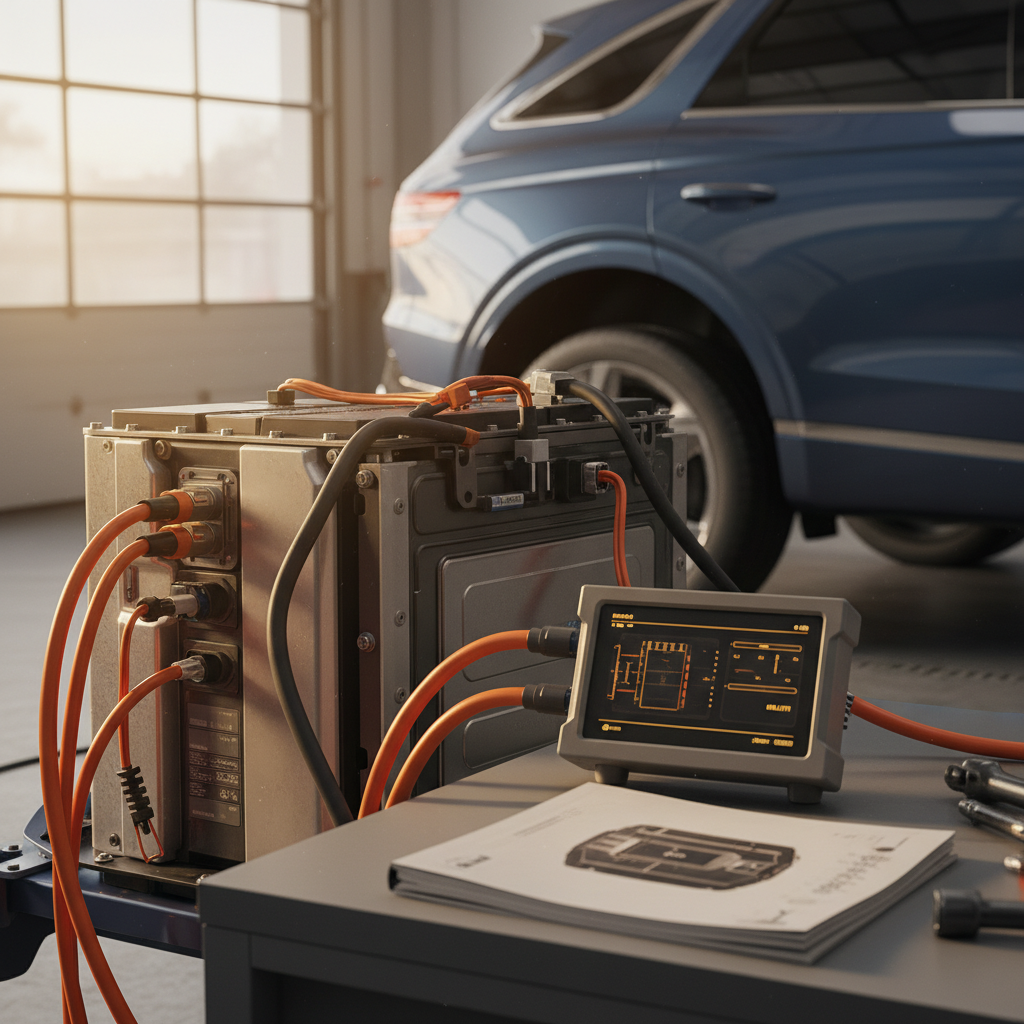
If you’re shopping for a used Tesla specifically because you like the idea of flexible road trips, including the occasional night spent in the car, battery health and real-world range matter more than ever. A car that started its life with 330 miles of rated range won’t have that same number years later, and that affects how much margin you have for things like Camp Mode.
That’s where objective information helps. Every vehicle listed on Recharged comes with a Recharged Score Report that includes verified battery health, range estimates, and fair market pricing. That makes it much easier to answer questions like, “If I arrive at a campsite with 40% left, how far can I comfortably plan to drive the next morning?”
Shopping for a Tesla you can camp in?
FAQ: Sleeping in a Tesla on Road Trips
Frequently Asked Questions
Bottom Line: Can You Safely Sleep in a Tesla?
If you plan ahead, choose a safe and legal place to park, and start the night with enough charge, sleeping in a Tesla during a road trip is not only possible, it can be a genuinely practical option. Camp Mode keeps the climate comfortable without the risks of idling a gas engine, the car locks itself, and you wake up ready to drive instead of breaking down a tent in the rain.
For some travelers, a Tesla becomes an occasional backup bedroom; for others, it’s the centerpiece of a budget-friendly or minimalist travel style. Either way, the key is understanding how your specific car uses energy, what the rules are where you’re parking, and how much morning range you’ll need. If you’re still in the shopping phase and want a used Tesla that can handle both long highway days and the occasional night under the stars, Recharged can help you find a car with verified battery health, fair pricing, and the support you need to enjoy EV road trips with confidence.