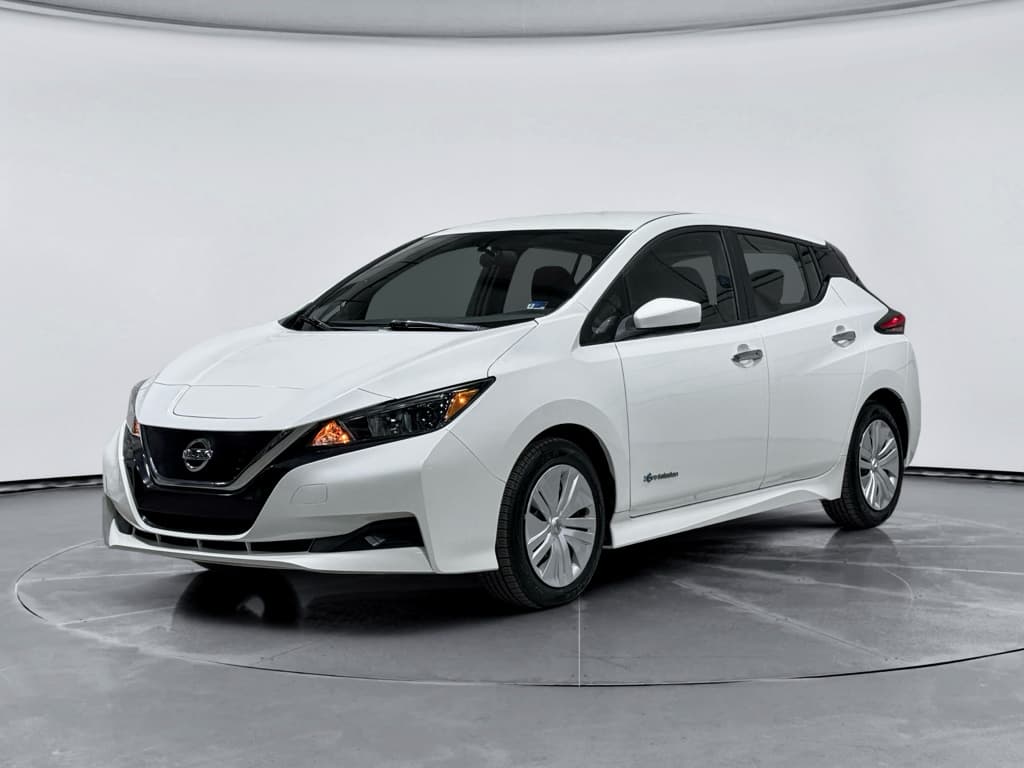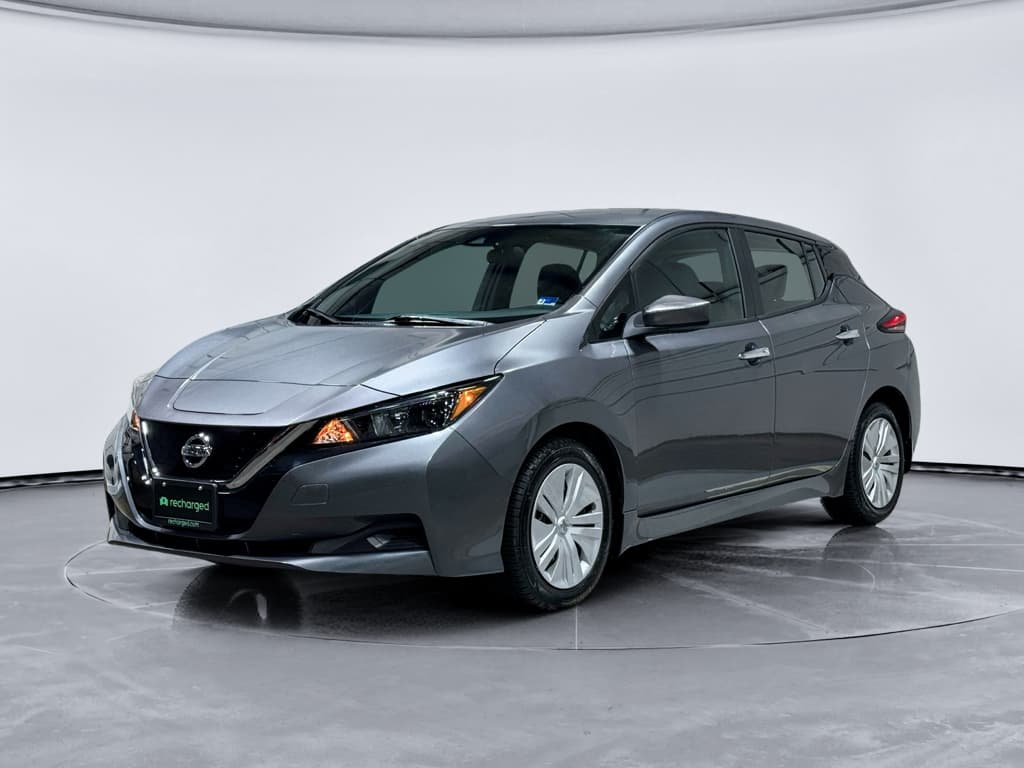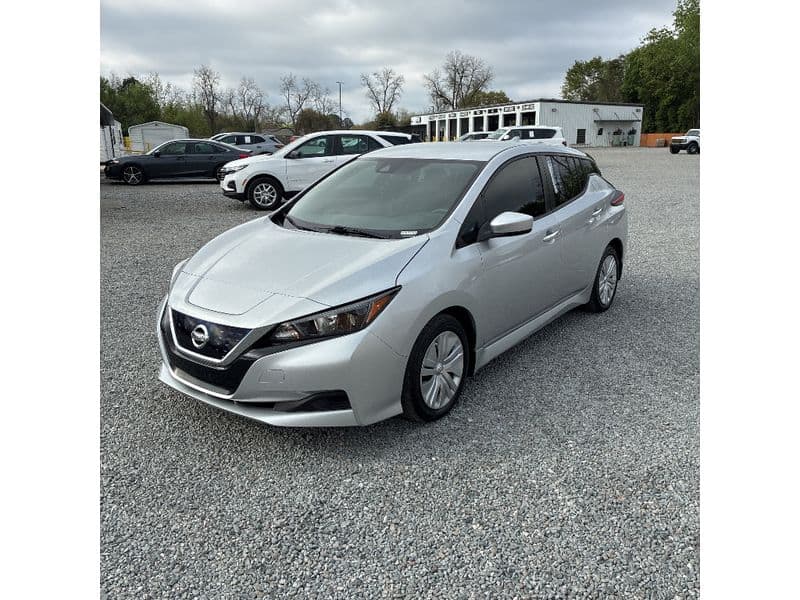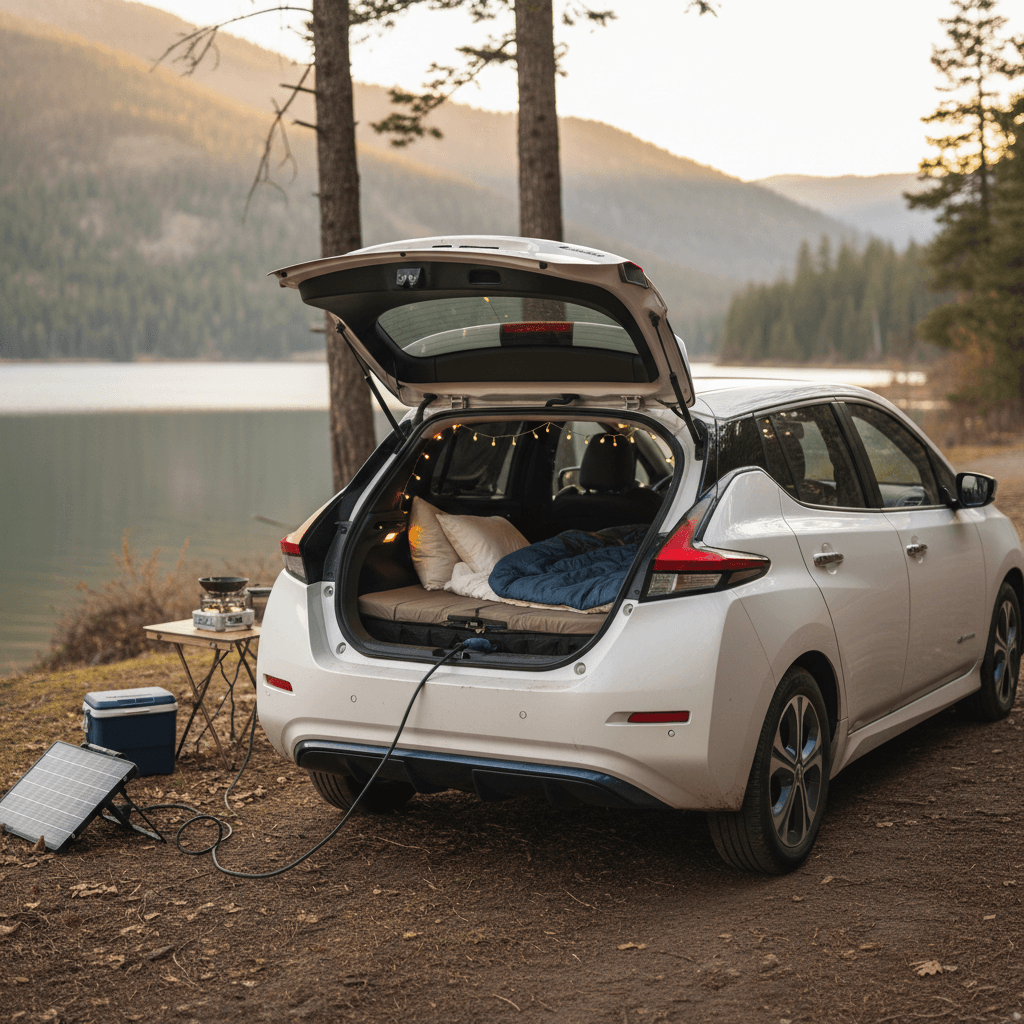
Yes, you can sleep in a Nissan Leaf – plenty of owners use their Leaf for quick overnights, road-trip power naps, and even light car camping. But doing it safely and comfortably takes some planning, and the Leaf’s relatively small battery (especially on earlier models) adds a few EV-specific twists you need to understand.
Short answer
Can You Actually Sleep in a Nissan Leaf?
From a purely physical standpoint, the answer is yes: most adults up to about 6 feet tall can stretch out diagonally in the back of a Nissan Leaf with the rear seats folded down. The Leaf’s hatchback design and relatively boxy roofline give you more usable sleeping volume than many compact sedans.
- Generations covered: This guide focuses on U.S. Nissan Leaf models from 2011–2024, which share a broadly similar interior layout.
- Use case: We’re talking about occasional overnights, not living in the car full-time.
- Key constraints: Limited cargo length, battery size (24–62 kWh depending on year/trim), and extreme weather performance.
Know your local laws
Space and Comfort: How Much Room Is in a Nissan Leaf?
Before you worry about batteries and climate control, you need to know if the Leaf is big enough for you to lie down. The exact numbers vary slightly by model year, but the general interior story is consistent.
Nissan Leaf Interior Space at a Glance
Approximate usable dimensions with rear seats folded
Cargo Length
~60–62 inches from rear hatch to the back of the front seats with rear seats folded. Taller adults usually sleep slightly diagonal or with front seat pushed forward.
Width
~53 inches at the widest point near the rear wheel wells. Plenty of space for a single camper; tight but possible for two with slim pads.
Height
~33–35 inches from floor to headliner over the cargo area. You can’t sit bolt upright on a thick mattress, but you can roll and move around.
You don’t get a perfectly flat cargo floor in most Leafs, there’s a small step where the rear seatbacks fold down, and some trims have cargo organizers or BOSE subwoofers that slightly change the floor height. A simple platform or foam layering usually fixes the worst of the unevenness.
Best fit
Best Sleeping Layouts for a Nissan Leaf
There’s no single “right” way to sleep in a Leaf. Your build, gear, and model year all matter. But most practical setups fall into three patterns.
Three Common Nissan Leaf Sleeping Setups
From zero-build to mini-camper
1. Simple Fold-Flat + Pad
What it is: Just fold the rear seats, slide front seats slightly forward, and lay a camping pad or inflatable mattress in back.
- Fastest, no tools required
- Good for power naps and emergencies
- Works best for one adult
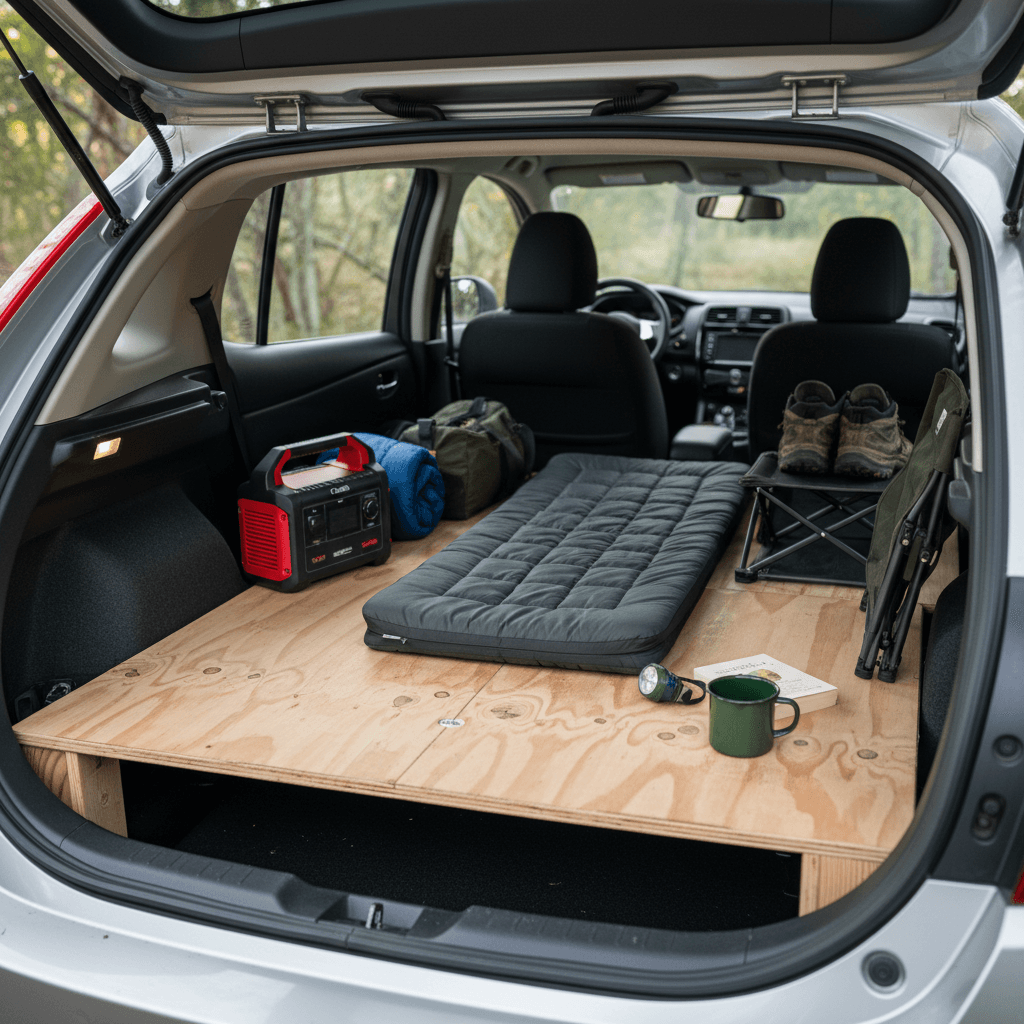
2. Low Sleeping Platform
What it is: A basic plywood or aluminum frame that spans the cargo area and bridges the seatback step, with storage bins underneath.
- Creates a flat sleeping surface
- Lets you stash bags and shoes below
- Still removable for daily use
3. Passenger-Seat Recline
What it is: Front passenger seat reclined nearly flat, sometimes with a pad bridging to the rear bench.
- Better for very tall campers
- Less stealthy; looks like you’re sleeping
- One person only, more cramped overall
Test-fit before you commit
Battery Drain and Climate Control Overnight
Sleeping in an EV has one big upside over a gas car: you don’t have an idling engine, exhaust fumes, or engine noise. The Leaf can run electric climate control with the motor off, but that comfort comes straight out of your battery.
How Climate Control Affects a Nissan Leaf Overnight
Rough, real-world style estimates for one 8-hour night in Park with climate control on. Actual numbers vary with outside temperature, battery size, and Leaf generation.
| Leaf Battery Size | Scenario | Estimated Energy Used | Approx. % Battery Used |
|---|---|---|---|
| 24 kWh (early models) | Mild night, fan only, windows cracked | 1–2 kWh | 5–10% |
| 24 kWh | Cool night, moderate heat set ~68°F | 3–5 kWh | 15–25% |
| 40 kWh (2018+) | Mild night, light A/C or heat | 2–4 kWh | 5–10% |
| 62 kWh (Leaf Plus) | Cold night, steady heat | 4–7 kWh | 7–11% |
Use these numbers conservatively. Older or degraded batteries may lose more percentage for the same kWh use.
Beware extreme heat and cold
Smart State-of-Charge Targets
- Before sleep: Aim to park with at least 60–70% battery if you plan to use climate control through the night.
- After sleep: Know your morning plan. Do you have a Level 2 charger at your campsite or hotel? Or is the nearest DC fast charger 30–50 miles away?
- Older Leafs: Degradation means that a “60%” display might represent far fewer usable kWh than when the car was new.
Climate Control Settings That Help
- Use Eco mode to soften climate draw where possible.
- Precondition the cabin while plugged in before you go to sleep.
- Choose moderate setpoints (65–70°F), not extremes.
- Use an extra blanket or light sleeping bag so you can run climate lighter.
Best case: sleep while plugged in
Safety Risks of Sleeping in a Nissan Leaf
EVs avoid the carbon monoxide risk that comes with sleeping in an idling gas vehicle, but that doesn’t mean there are no safety concerns. When you’re sleeping in a Leaf, you need to think about three main risk buckets: location, ventilation and condensation, and electrical/battery safety.
Key Safety Considerations When Sleeping in a Leaf
1. Where You Park
- Choose well‑lit, legal locations (campgrounds, highway rest areas where allowed, dedicated overnight lots).
- Avoid sketchy or isolated locations if you’re alone.
- Angle your car so you could easily drive away if needed.
2. Ventilation & Condensation
- Crack windows slightly or use window vents; the Leaf seals tightly, which can lead to heavy condensation.
- Never fully block all ventilation with DIY window covers.
- Bring a small microfiber towel to wipe down glass in the morning.
3. Electrical & Battery Safety
- Don’t overload 120V extension cords or sketchy outlets.
- Use weather‑rated cords and outlets if parked outside.
- Monitor battery level before bed and in the morning, don’t cut it close in remote areas.
Privacy vs. awareness
Practical Comfort Tips for Leaf Car Camping
The Leaf’s compact footprint means small tweaks can make a big difference in how well you actually sleep. Here are practical upgrades that help the most per dollar and per pound of gear.
Comfort Essentials for Sleeping in a Nissan Leaf
Choose the right sleeping pad
A 2–3 inch self‑inflating camping pad or low‑profile air mattress that fits the cargo area is usually more comfortable, and easier to pack, than a thick home mattress topper.
Level out the cargo floor
Use foam tiles, folded blankets, or a thin plywood platform to smooth over any steps or gaps between the folded seatbacks and cargo floor.
Manage light and privacy
DIY Reflectix window panels, magnetic curtains, or even strategically hung T‑shirts can block light and nosey glances. Just leave small gaps for airflow.
Organize your gear
Use two or three soft duffel bags instead of hard suitcases. They tuck into footwells and under a platform more easily, giving you more sleeping room.
Prep for morning moisture
Keep a small towel handy to wipe condensation off windows, and store electronics and paper items in dry bags or sealed totes overnight.
Pack a battery lantern or headlamp
Relying on the car’s dome lights all night is annoying and can add minor drain. A USB‑rechargeable lantern or headlamp gives you flexible, low‑draw lighting.
Leaf as a basecamp, not a cabin
Realistic Use Cases: When Sleeping in a Leaf Makes Sense
A Nissan Leaf will never be a Sprinter van, but it can be a smart backup bedroom in a handful of situations. Understanding the Leaf’s strengths and limits will keep your expectations grounded.
Great Use Cases
- Road‑trip power naps: You’re fast‑charging at night and want a 1–2 hour nap while plugged in.
- Quick overnights: A single night at a trailhead, campground, or friend’s house when you don’t want to set up a tent.
- Weather backup: Storm rolls in, your tent feels risky, and the Leaf becomes your dry fallback.
- Urban stealth stays: In cities that allow it, low‑profile overnight parking can beat an expensive last‑minute hotel.
Not‑So‑Great Use Cases
- Extended vanlife: With limited cargo volume and battery capacity, a Leaf is not suited for multi‑month full‑time living.
- Large families: One or two people sleeping inside is realistic; a family of four is not.
- Harsh climates: Long stretches of sub‑freezing or triple‑digit weather push the Leaf’s battery and climate system hard.
Think of the Leaf as a rolling motel room
Used Nissan Leaf Shopping Tips for Road Trips and Camping
If occasional car camping or long days on the road are part of why you’re considering a used Leaf, a little homework upfront will pay off in much better real‑world usability, and better sleep.
What to Look For in a Leaf You Might Sleep In
Healthy Battery
Battery health isn’t just about range, it affects how comfortable you can be overnight while still having enough charge to leave in the morning.
On Recharged, every car comes with a Recharged Score and detailed battery health report, so you know exactly what you’re getting.
Larger Packs & Newer Years
Later Leafs (40 kWh and especially 62 kWh Leaf Plus models) are far better for trips than early 24 kWh cars. More kWh = more sleep margin for climate control.
Charging Options & Networks
Leafs use the CHAdeMO fast‑charging standard. In 2026, CHAdeMO coverage is stable in some regions and sparse in others. Check your typical routes for reliable fast chargers, especially if you’ll wake up needing to drive far.
Because Nissan Leafs are among the most affordable used EVs on the market, they’re attractive to budget‑minded campers and road‑trippers. Just remember that the cheapest Leaf isn’t always the best Leaf if your plans include overnight climate control, mountain grades, or frequent highway miles.
How Recharged can help
Checklist: What to Do Before You Sleep in a Nissan Leaf
Pre‑Sleep Safety & Comfort Checklist
1. Confirm parking is legal and safe
Check posted signs, local ordinances, and campground rules. Choose a well‑lit spot where overnight parking is clearly allowed.
2. Note your starting battery percentage
Aim for at least 60–70% before an overnight with climate control. Mentally budget how much range you’ll need in the morning.
3. Set up your sleeping area
Fold seats, lay out your pad or platform, arrange pillows and blankets, and stash loose gear so nothing can shift onto you at night.
4. Dial in climate and ventilation
Pick a moderate temperature, use Eco mode where possible, crack windows slightly or use vent shades, and consider a light blanket to reduce heater or A/C load.
5. Secure valuables and lock doors
Keep essentials (phone, keys, water, headlamp) within reach. Lock all doors once you’re inside, and know where the key is if you need to exit quickly.
6. Set an alarm for a quick battery check
On your first few nights, set an alarm halfway through to glance at battery level. You’ll quickly learn how your specific Leaf behaves in your typical conditions.
FAQ: Sleeping in a Nissan Leaf
Frequently Asked Questions About Sleeping in a Nissan Leaf
Bottom Line: Should You Sleep in a Nissan Leaf?
If your question is simply, “Can you sleep in a Nissan Leaf?” the answer is yes, many owners do, and with a bit of planning it can be reasonably comfortable and safe for occasional nights. The Leaf’s quiet electric drivetrain, hatchback practicality, and relatively low operating costs make it a solid backup bedroom for road trips, quick overnights, or weather‑related tent upgrades.
Where the Leaf is less ideal is full‑time vanlife, harsh‑climate camping, or long, remote routes where CHAdeMO fast‑charging is thin. In those cases, battery size, charging standards, and interior volume all start to work against you.
If you’re shopping for a used Leaf, or any used EV, with camping or road‑trip flexibility in mind, starting with verified battery health, realistic range expectations, and a clear plan for where you’ll charge is more important than any DIY platform build. That’s exactly what Recharged’s Recharged Score, transparent pricing, and EV‑savvy support team are designed to help with, so you can decide whether a Nissan Leaf (or a roomier alternative) really fits the way you want to travel.