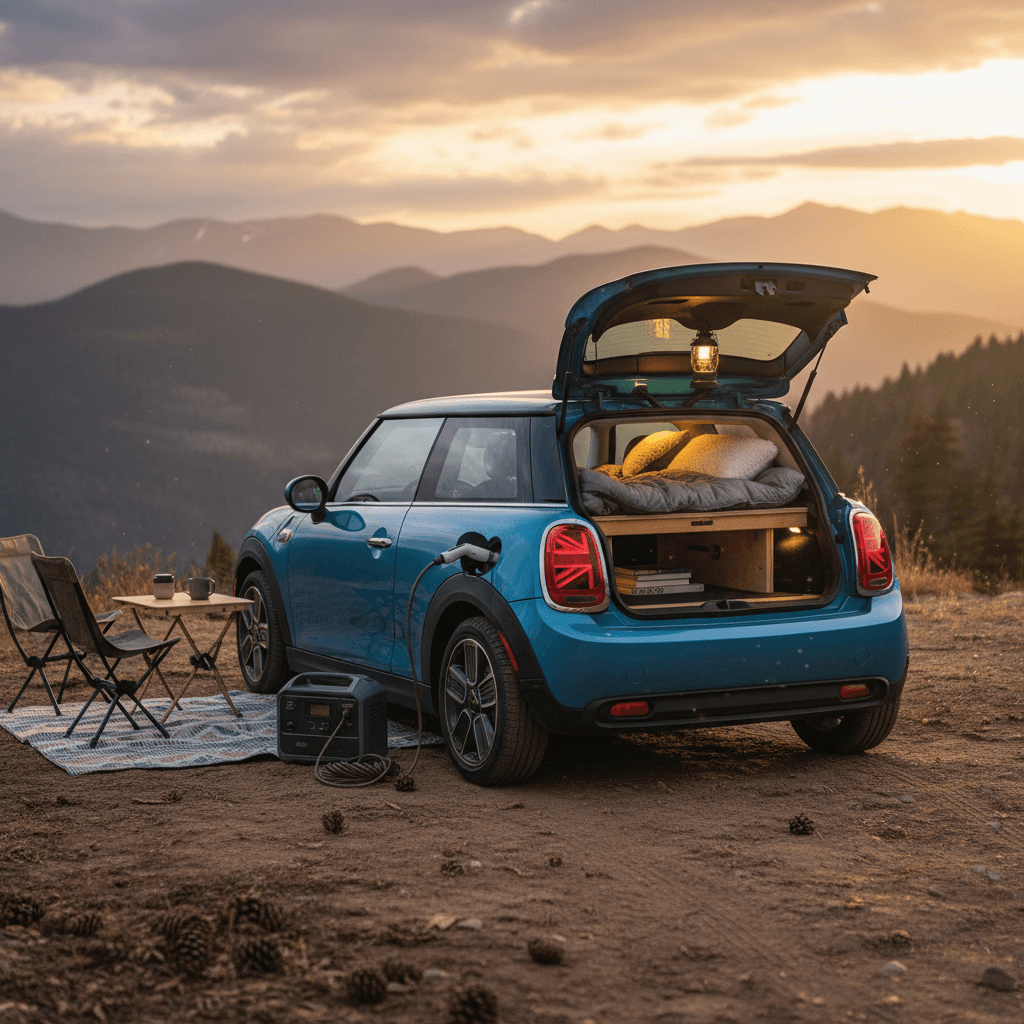
If you love the idea of minimalist road trips, you’ve probably wondered: can you actually sleep in a Mini Cooper SE without hating your life (or your back) the next morning? The answer is yes, many drivers do it, but only if you’re realistic about space, gear and how you use the battery overnight.
Quick answer
Can you actually sleep in a Mini Cooper SE?
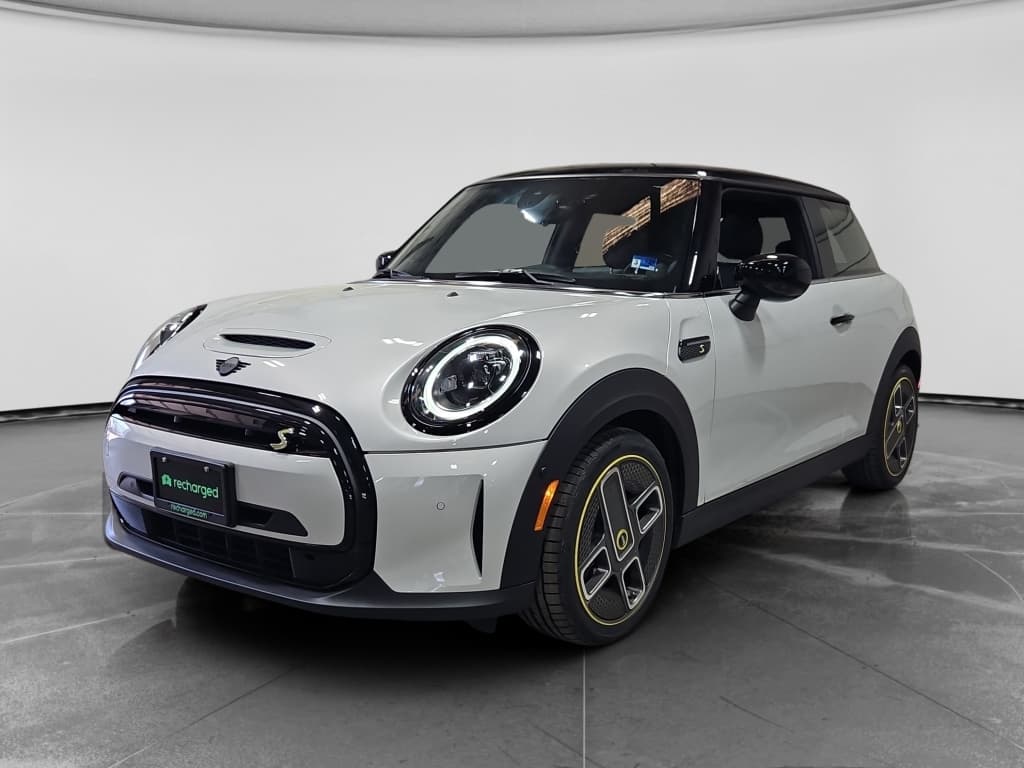
Mini has leaned into the idea of camping in the Cooper SE, down to marketing a rooftop tent for the electric hatch. That’s a signal that short‑term camping and sleeping in or on the car is absolutely on the table, especially for solo travelers.
The all‑electric Mini Cooper SE is a compact 2‑door hatchback with rear seats that fold down, giving you roughly 200 liters of cargo space seats‑up and around 700–800 liters seats‑down depending on generation and trim. That’s enough volume for a compact mattress and weekend bags, but you’ll be playing Tetris with your gear.
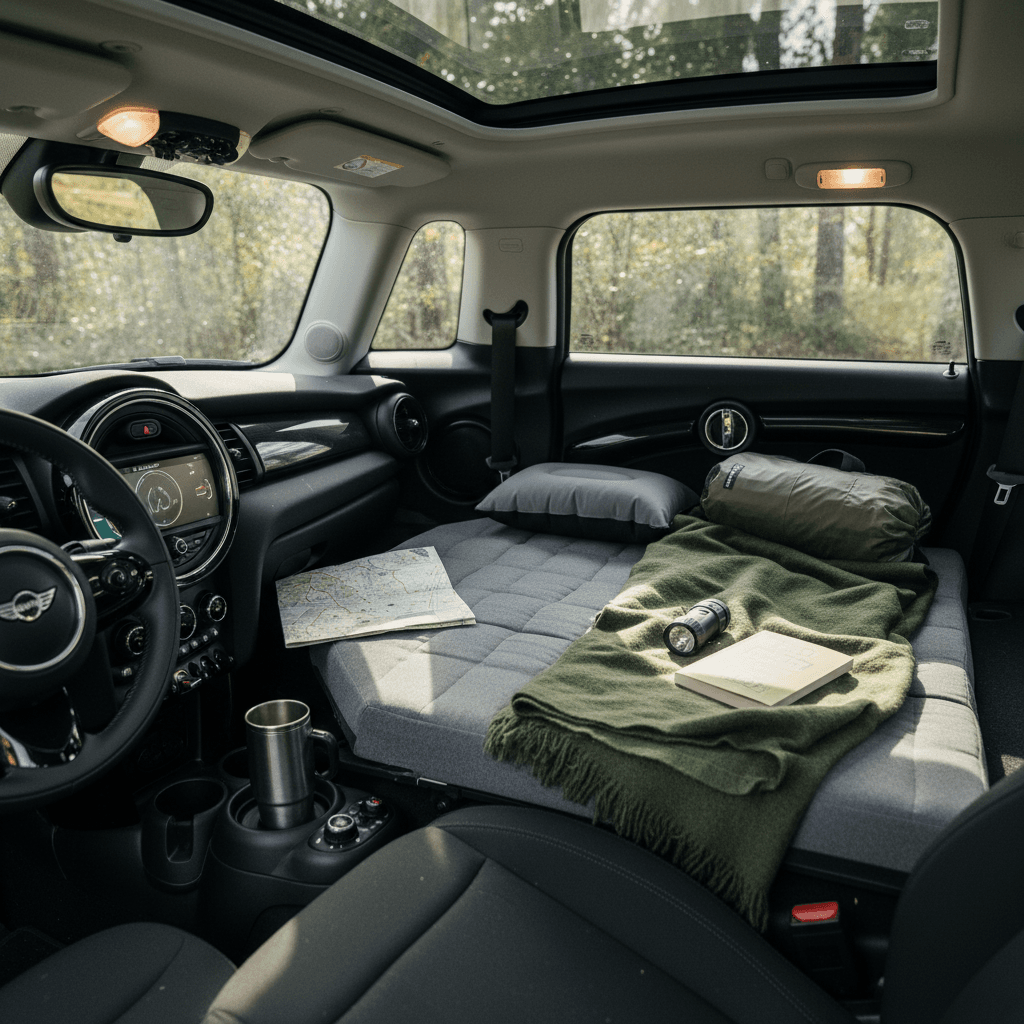
Manage expectations
Mini Cooper SE space: what actually fits
To understand whether you can sleep in a Mini Cooper SE, start with the basic interior realities. The 2‑door Cooper SE shares its body shell with the regular Mini hatch, which has:
- Two front seats with good headroom for most adults
- A tight second row better suited to kids or short adult rides
- 60/40 split‑folding rear seat backs that fold mostly flat
- A cargo floor that can often be raised to create a flatter load area and hide a bit of storage underneath
When you fold the rear seats, you get a flat(ish) load area from the tailgate to the back of the front seats. Length from the hatch to the front seat backs is enough for an adult up to around 5'10"–6'0" to stretch out straight if the front seats are moved forward. Taller sleepers usually lie slightly diagonally or sleep with knees bent.
Measure your own car
Mini Cooper SE space at a glance (approximate)
Three realistic sleeping layouts for a Mini Cooper SE
Once you accept that the Mini SE is more “hard‑shell bivy sack” than camper van, there are three main ways owners make sleeping inside work.
Popular Mini Cooper SE sleeping setups
All three assume you’re not bringing half your apartment with you.
1. Full rear‑area bed
Best for: Solo travelers who want to lie flat.
- Fold both rear seats flat.
- Push front seats forward and tilt slightly.
- Lay a 2–3 inch folding foam mattress or thick camping pad from hatch to seat backs.
- Store soft bags in footwells or front seats.
2. Passenger‑side recline
Best for: Quick naps, tall drivers.
- Recline the passenger seat as far as it comfortably goes.
- Use an inflatable car mattress designed for front seats or a thick blanket + pillow.
- Keep rear area for luggage and gear.
3. Rooftop tent or hybrid
Best for: Trips with two people.
- Mini and third‑party brands sell rooftop tents that mount to the Cooper SE’s roof rails.
- Sleep up top, use interior strictly for storage and changing.
- Heavier on budget, much better on comfort.
Flat vs. level
Rear cargo bed: pros
- Flattest sleeping surface in the car.
- Good use of space if you travel solo.
- Easy to insulate with foam and blankets.
Rear cargo bed: cons
- Gear storage becomes a puzzle at night.
- Changing clothes in a 2‑door hatch is an acrobatic event.
- Not realistic for two adults unless one is very small or very patient.
Comfort and privacy: making a Mini SE feel like a tiny camper
Sleeping in a Mini Cooper SE can be surprisingly cozy if you invest in a few smart comfort and privacy upgrades. These don’t have to cost much, and many of them double as everyday accessories.
Comfort & privacy upgrades that actually matter
1. A mattress that matches your car, not Instagram
Skip thick air mattresses that waste vertical space. A <strong>2–3 inch tri‑fold foam pad</strong> or high‑quality backpacking pad fits the Mini’s narrow footprint and still lets you sit up a bit.
2. DIY window covers or shades
Cut Reflectix or foam panels to the shape of each window and cover one side in dark fabric. They add privacy, block campground lights, and help with temperature control.
3. Simple bug protection
For warm nights, magnetic mesh screens for the front windows or a tailgate bug‑screen let you crack windows without becoming a mosquito buffet.
4. Compact, soft luggage
Use <strong>soft duffel bags and packing cubes</strong> instead of hard suitcases. You can squish them around your mattress at night instead of leaving them outside.
5. Small, dimmable lighting
Battery‑powered LED puck lights, string lights or a small lantern give you light inside without draining the traction battery or attracting too much attention.
Good news for tall sleepers
Battery use, climate control and safety while you sleep
In a gas car, idling the engine all night for heat or A/C is loud, smelly and expensive. In an EV like the Mini Cooper SE, climate control is more efficient, but your range is your lifeline, and the battery is smaller than in many electric crossovers.
- The Mini Cooper SE’s usable battery capacity is under 30 kWh, with a typical real‑world range near 100–110 miles in mixed driving.
- Running the HVAC at full blast for hours can easily chew through a noticeable chunk of that overnight, especially in very hot or cold weather.
- Unlike some larger EVs, the Mini doesn’t have an official "camp mode" designed to keep the cabin at a set temperature all night with extra battery management features. You’ll be improvising.
Never sleep with the car in a closed space
Practical HVAC strategies for a Mini SE overnight
- Pre‑condition before you park for the night. While you’re still at a charger or driving into camp, pre‑cool or pre‑heat the cabin so you start comfortable.
- Use short climate bursts, not constant HVAC. Run A/C or heat for 10–20 minutes at a time, then switch off and rely on insulation and bedding as long as you can.
- Crack windows strategically. Use window visors or bug screens so you can open windows slightly without losing all your privacy and bug protection.
- Dress and pack for the weather. A compact down quilt or sleeping bag plus a hat and base layers are far more efficient than running the heater for hours.
- Watch your state of charge. Before you go to sleep, set a minimum “must‑leave” SOC based on how far you need to drive to the next fast charger. Don’t dip below that overnight.
Think in energy, not mileage
Where the Mini Cooper SE shines, and where it struggles, for camping
Where the Mini SE works well
- Weekend solo trips where you’re mostly sleeping in the car and hanging out outdoors.
- Urban stealth camping, a Mini blends in better than a lifted van, as long as you’re following local laws.
- Short regional adventures where DC fast chargers and public Level 2 stations are common.
- Campgrounds with power so you can top off while you sleep.
Where the Mini SE struggles
- Multi‑week road trips in remote areas with sparse charging coverage.
- Two‑person trips if both people want to sleep inside the car.
- Bulky hobbies like bikes, paddleboards or big dogs without adding racks or a trailer.
- Extreme temps if you rely heavily on overnight A/C or heat.
Realistic travel radius
When a bigger Mini EV (or other used EV) makes more sense
If you love the Mini’s character but want more space and range for camping, the logical next step is a Mini Countryman SE ALL4 or a similarly sized electric crossover. The plug‑in Countryman SE offers a bigger cabin and hatch, and the latest all‑electric Countryman SE doubles down on battery size and practicality compared with the Cooper SE hatch.
From a shopper’s standpoint, this is where a used EV marketplace like Recharged earns its keep. You can compare Mini Cooper electric range and towing capacity against other compact EVs, see verified battery health via the Recharged Score, and balance the trade‑offs between driving fun, space and long‑trip comfort.
Mini SE vs. bigger used EV for camping
How the Mini stacks up when sleeping space matters most.
Mini Cooper SE hatch
- Pros: Fun to drive, easy to park, great for solo micro‑trips, lower purchase price on the used market.
- Cons: Tight sleeping quarters, limited cargo flexibility, modest range for big loops.
Larger EV (Mini Countryman SE, etc.)
- Pros: More flat sleep length, easier two‑person setups, more room for bikes and gear, bigger battery options.
- Cons: Higher upfront cost, bigger footprint in cities and trailhead lots.
How Recharged can help
Mini Cooper SE car‑camping checklist
Before you turn your Mini Cooper SE into a one‑person micro‑camper, run through this quick checklist. It’s built around the realities of short‑range EVs and very small cabins.
Pre‑trip checklist for sleeping in a Mini SE
Confirm your sleep layout works at home
Fold the rear seats, set up your mattress, and try lying down for 10–15 minutes. Make sure you can straighten your legs (or at least get comfortable) and that your bags have somewhere to go.
Plan charging stops around your sleep
Look for campgrounds or overnight parking near Level 2 or DC fast chargers. In a short‑range EV, a 30–40 minute DC session before bed can make the next morning much smoother.
Pack compact bedding and soft bags
A tri‑fold mattress or backpacking pad, compressible quilt or sleeping bag, and soft duffels are your friends. Big, hard suitcases are not.
Prepare window covers and ventilation
Bring window shades or DIY covers plus a way to crack windows without inviting bugs or rain inside, especially in humid climates.
Know your minimum state of charge
Decide how low you’re willing to let the battery go overnight and still comfortably reach the next charger. Set an alarm or check SOC before you fully settle in.
Check local rules and safety
Overnighting in your car isn’t legal everywhere. Research local ordinances, choose safe, well‑lit areas, and avoid sleeping where you’d feel uncomfortable stepping out at night.
Mini Cooper SE sleeping & camping FAQ
Common questions about sleeping in a Mini Cooper SE
Bottom line: is a Mini Cooper SE a good “micro‑camper”?
If your question is strictly “can you sleep in a Mini Cooper SE?”, the answer is yes, as long as you’re thinking in backpacking, not RV, terms. With a decent mattress, smart storage, and realistic expectations around battery use, the Mini SE can pull double duty as a playful commuter and a minimalist weekender for one.
If you’re hoping to live out of the car for weeks, stretch out like you would in a small SUV, or bring a lot of bulky gear, the Cooper SE will feel more like a proof‑of‑concept than a home on wheels. In that case, it’s worth looking at larger used EVs with more cargo volume and longer range, the kind of vehicles that show up with detailed battery health reports on platforms like Recharged.
Either way, the exercise of test‑fitting a mattress and gear in your current Mini, taking a low‑stakes overnight near home, and tracking how much battery you use will tell you more than any spec sheet. If the Mini SE fits your style, it can be a delightfully small, all‑electric ticket to “nowhere to go, but everywhere” weekends.