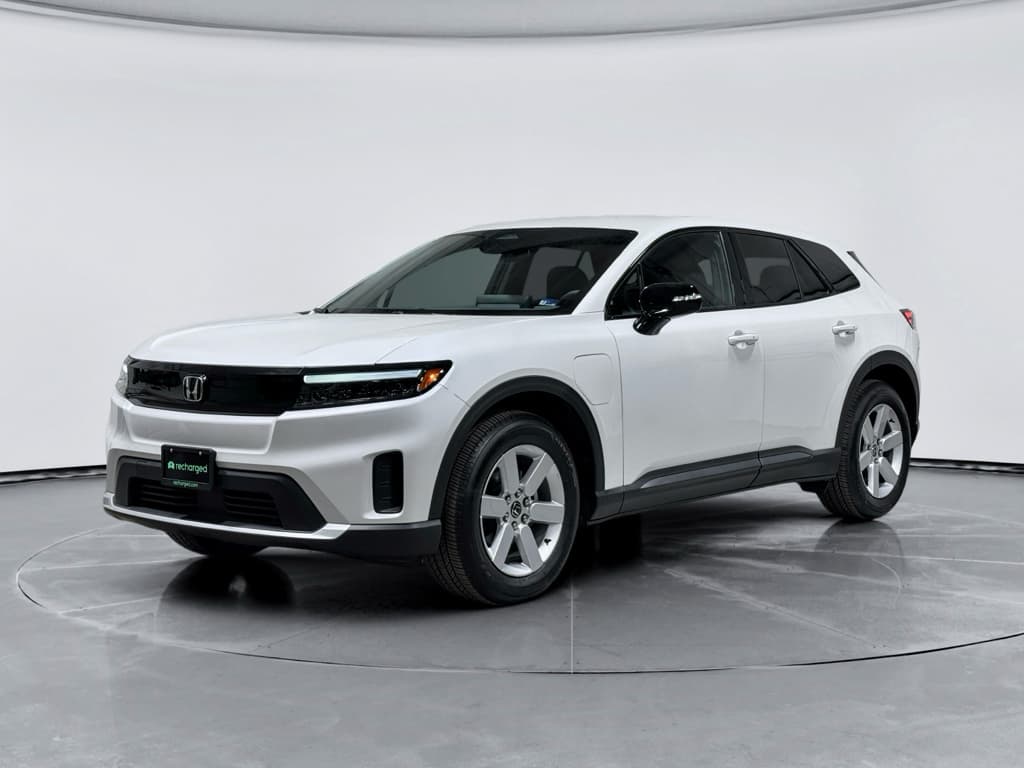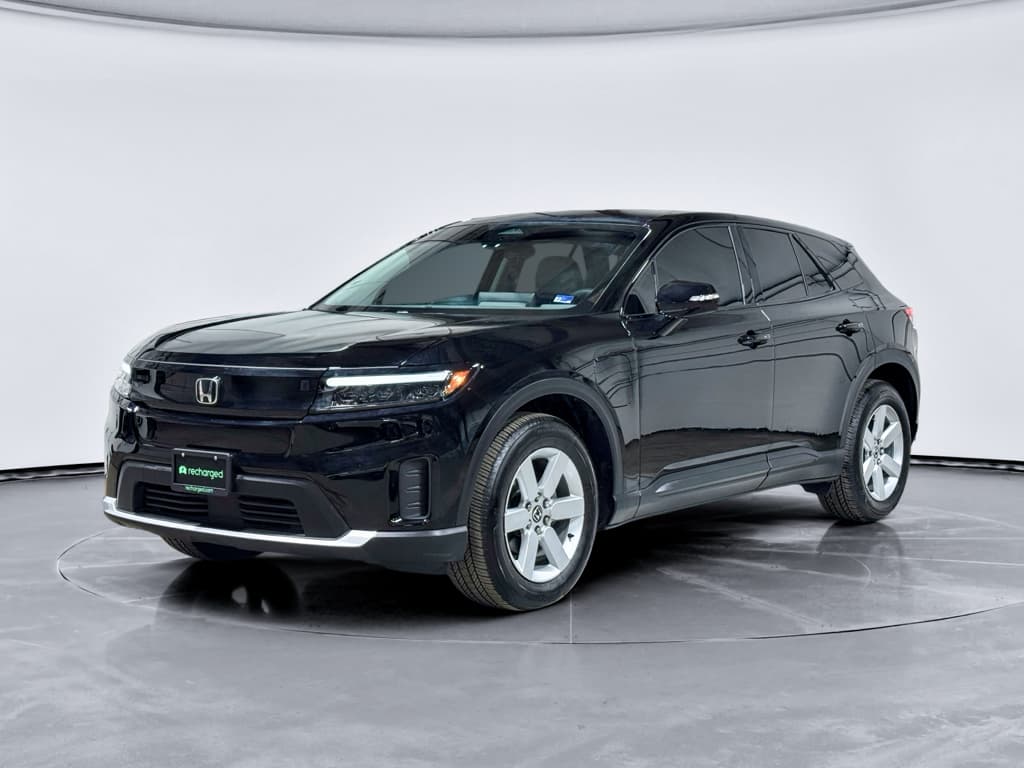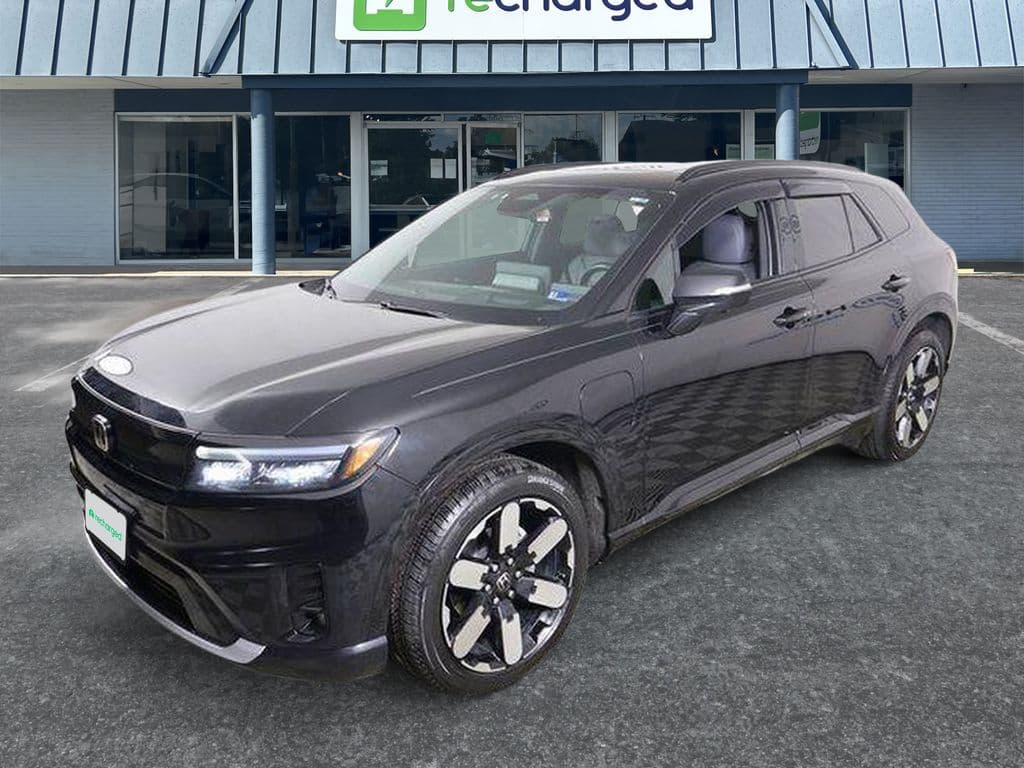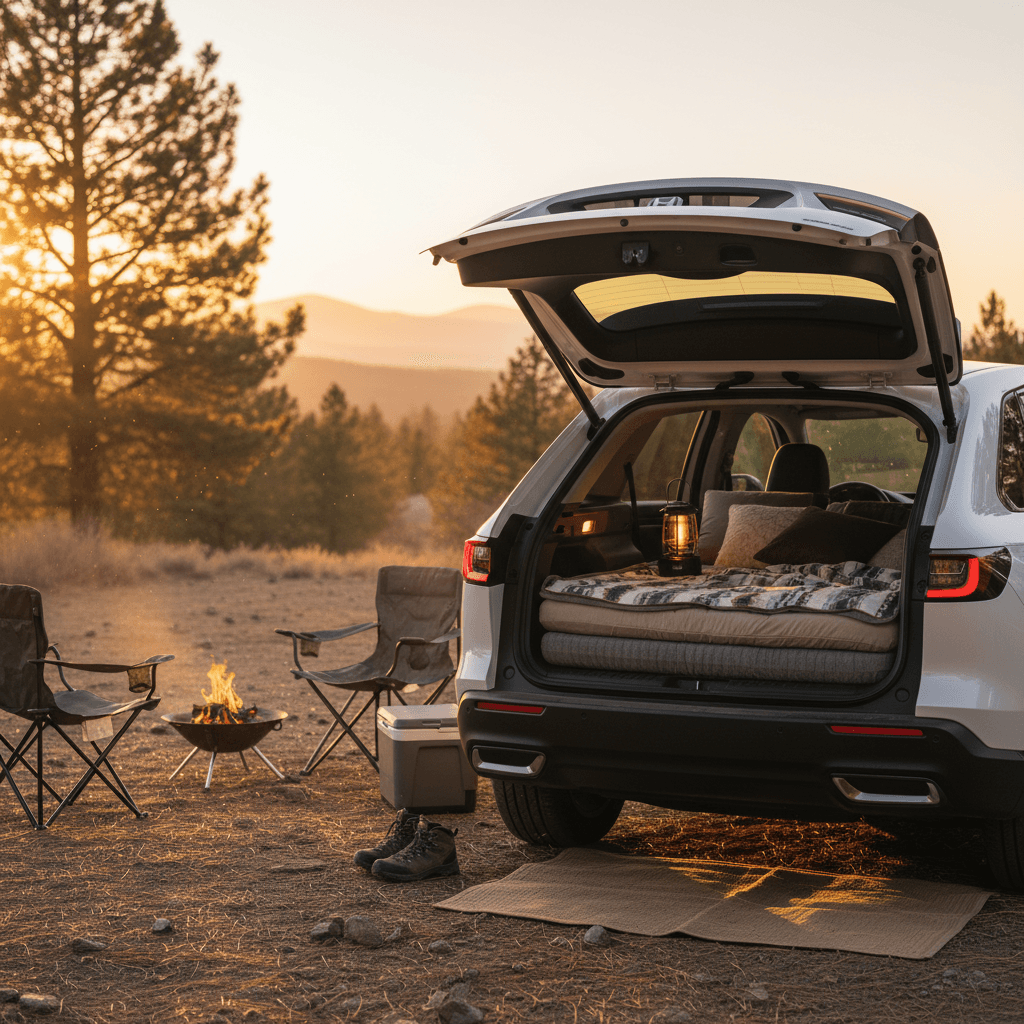
You can sleep in a Honda Prologue, and a lot of owners are already doing it, but it’s not a purpose‑built camper. The Prologue’s roomy electric‑SUV cabin, fold‑down rear seats, and decent cargo length make it workable for car‑camping, especially for one person or two people who pack light and plan ahead.
Quick takeaway
Can You Sleep in a Honda Prologue? (Short Answer)
- Yes, you can sleep in a Honda Prologue by folding the 60/40 rear seats and using the cargo area as a bed platform.
- It’s best for solo campers or two people who don’t mind close quarters.
- The floor isn’t perfectly flat, so you’ll want a foam pad or inflatable mattress to level things out.
- The Prologue doesn’t (yet) have a dedicated "Camp Mode," so you need to be deliberate about climate control and battery use.
- For frequent camping, a small SUV tent or hatch tent and a thought‑out packing plan make a big difference.
From an ownership standpoint, the Prologue can absolutely double as a simple sleeper on road trips or at trailheads, just don’t expect the seamless camp‑mode experience you might see in a Tesla. Think of it as a mid‑size SUV you can adapt for camping rather than an out‑of‑the‑box RV substitute.
Honda Prologue Space and Dimensions for Sleeping
Honda Prologue Interior & Cargo Basics
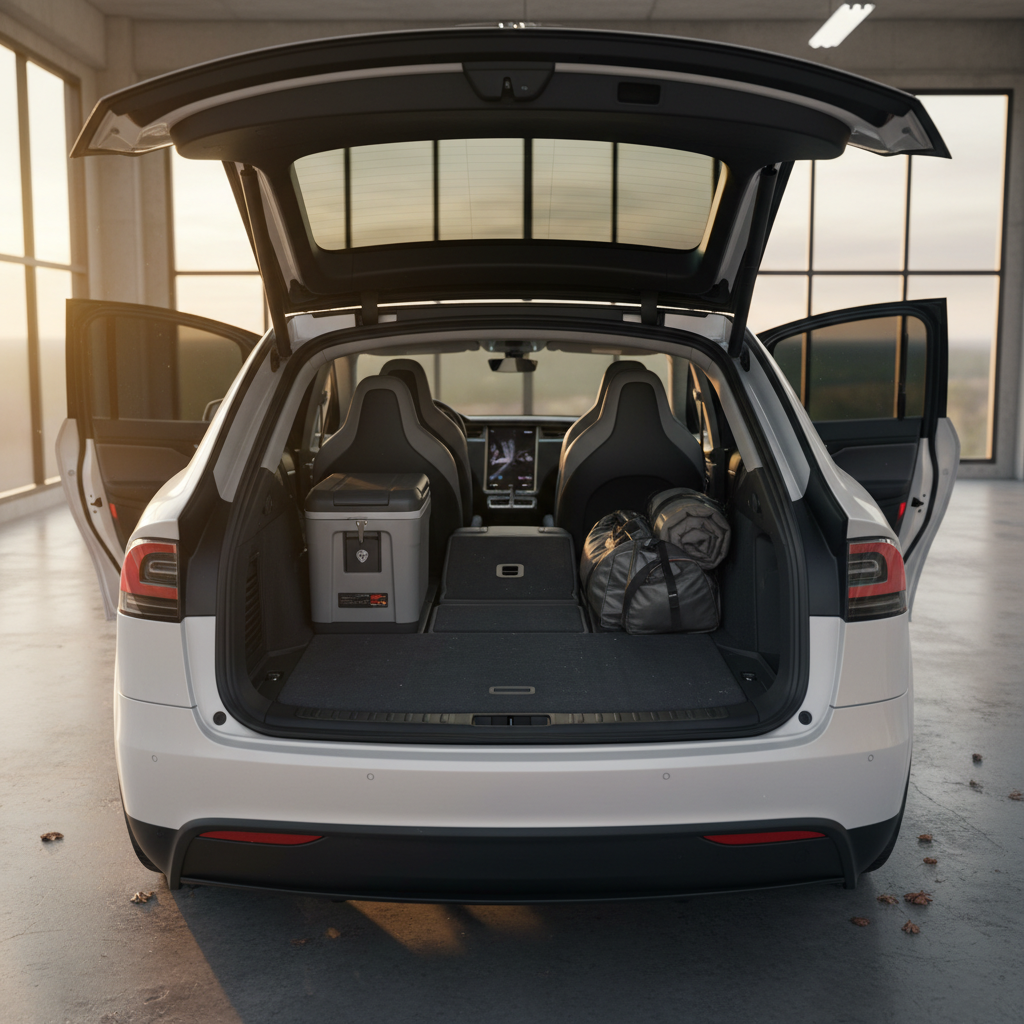
Official Honda specs list 25.2 cubic feet of cargo space with the rear seats up and up to about 57.7 cubic feet with them folded in EX‑style trims. That puts the Prologue in familiar mid‑size SUV territory, very similar in footprint to something like a Passport, just with an EV skateboard platform underneath.
Honda doesn’t publish an exact "sleeping length" measurement, but based on the wheelbase, interior legroom, and what early owners report, you can expect roughly 5.5 to 6 feet of usable length from the back of the front seats to the tailgate when the rear cushions are folded. Taller campers may need to sleep slightly diagonally or recline a front seat and extend feet into the rear footwell.
Simple way to check fit
Does the Honda Prologue Have a Flat Folding Floor?
The Prologue’s second row uses a 60/40 split folding backrest. With the backs down, you get a long, continuous cargo area, but it’s not a perfectly flat, van‑like platform. Like most crossovers, the folded seatbacks sit slightly higher than the cargo floor, creating a subtle step or angle where your hips and lower back might land if you lie flat.
What owners and early tests report
- The rear seatbacks fold nearly flat but with a slight incline.
- There’s a small height transition between cargo floor and folded seatbacks.
- The under‑floor storage well in the cargo area can help you stash lumpy gear out of the way.
What that means for sleeping
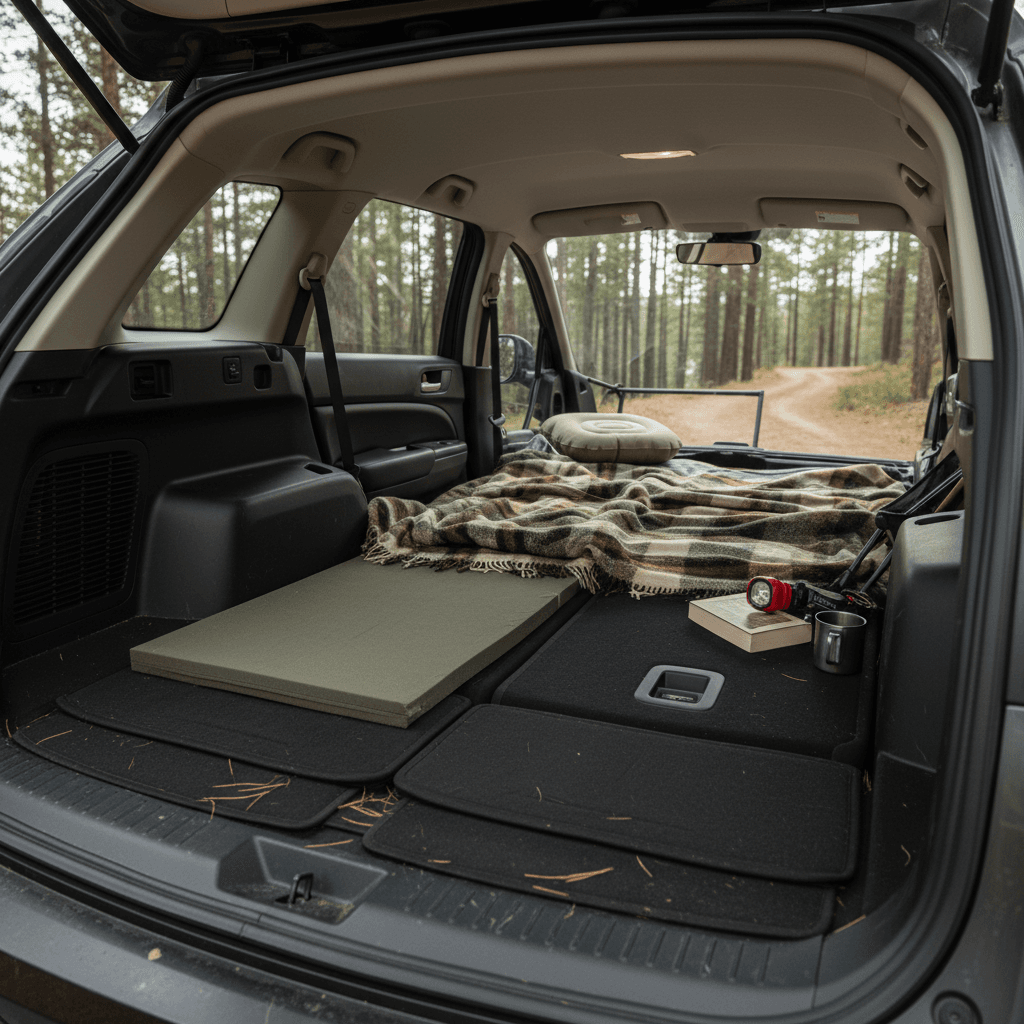
- A 2–3 inch foam topper or quality air mattress usually smooths out the step.
- Side‑sleepers often find it more comfortable than back‑sleepers on bare seatbacks.
- If you’re picky about a flat surface, plan a simple leveling solution (wood slats, cargo boxes under the pad, etc.).
Don’t rely on bare upholstery
Best Sleeping Setups in a Honda Prologue
Three Common Honda Prologue Sleeping Layouts
Pick the layout that matches your height, gear, and comfort needs.
Solo Sleeper, Full Length
Best for: One person up to ~6 feet tall.
- Fold both rear seatbacks flat.
- Slide front passenger seat moderately forward.
- Use a 72–75" backpacking pad or small twin air mattress.
- Store most gear in front footwells and under the cargo floor.
Two‑Person Compact Setup
Best for: Couples who pack light.
- Fold both rear seats down and slide both front seats forward.
- Use a full‑size short mattress (around 48" x 72") or two backpacking pads side‑by‑side.
- Keep shoes and soft bags by the tailgate for quick exits.
Tall Camper Diagonal
Best for: Campers over 6 feet.
- Fold rear seats and recline the front passenger seat slightly.
- Sleep diagonally with head toward a rear corner.
- Use a flexible foam pad that can bend over the seatback break.
Pre‑Trip Setup Checklist for Sleeping in a Prologue
Measure your sleeping gear
Before you buy anything, confirm the length and width of your pad or mattress against the Prologue’s cargo area. Remember that corners are rounded and the tailgate slopes inward slightly.
Pick a pad that levels the floor
A 2–3" self‑inflating camping pad or a low‑profile air mattress is usually thick enough to smooth out the seatback step without eating too much headroom.
Plan where your gear will live at night
Decide which bags go in the front seats, which stay under the bed platform, and what you’ll keep handy by the hatch. The cargo well under the floor is perfect for heavy or rarely used items.
Bring window covers or simple curtains
Reflective sunshades, cut‑to‑fit foam panels, or magnetic/fabric curtains add privacy, help with temperature control, and keep interior lights from bothering neighbors at campgrounds.
Pack a dedicated "night bag"
Keep toiletries, headlamp, phone cable, a layer for warmth, and any meds in one small bag you can reach from your sleeping position, no midnight unpacking session required.
Prologue camping plus‑side
Climate Control and Power While You Sleep
Unlike some dedicated EV "camp modes," the Honda Prologue currently doesn’t advertise a one‑button setting that keeps climate and accessories running all night with all the usual safety interlocks. Owners who camp in their Prologue typically use a mix of pre‑conditioning, conservative climate use, and traditional camping gear (sleeping bags, blankets, vents) to stay comfortable.
Keeping comfortable without draining the battery
- Use the Prologue’s app or in‑car settings to pre‑condition the cabin while plugged in so you’re starting the night at a good temperature.
- Rely on a proper sleeping bag and layers if temperatures will drop, especially below 45–50°F.
- Crack opposite windows slightly or use a small vent fan to reduce condensation.
- In hot weather, aim to camp at altitude or in shade and avoid sealing the car up tight overnight.
Can you run climate while you sleep?
- You can run the Prologue "on" and use AC or heat, but expect meaningful battery usage over several hours.
- For most owners, climate on low fan and moderate temperature for 1–2 hours at bedtime is a reasonable compromise.
- Always keep an eye on your remaining range, especially if you’re far from a DC fast charger.
Protect your morning range
Comfort, Privacy, and Storage Tips
Make Your Honda Prologue Feel Like a Tiny Hotel Room
Small tweaks go a long way when you’re living in 57.7 cubic feet.
Control light & temperature
- Use reflective window covers on the windshield and large side glass.
- Blackout curtains (or even a dark sheet and magnets) over rear windows add privacy.
- In cold weather, put insulating layers under your pad, not just on top of you.
Organize vertical space
- Soft duffel bags pack more flexibly than hard bins.
- Slim organizers fit well in rear footwells and under the bed platform.
- Reserve the under‑floor cargo well for dense items you won’t need overnight.
Create a sleep‑friendly routine
- Switch screen brightness to low before bed.
- Use a red‑light headlamp to avoid waking your partner.
- Stage morning clothes in a small bag near your pillow for quick, warm changes.
Use the hatch as an awning
Charging Strategy and Range Planning for Camping Trips
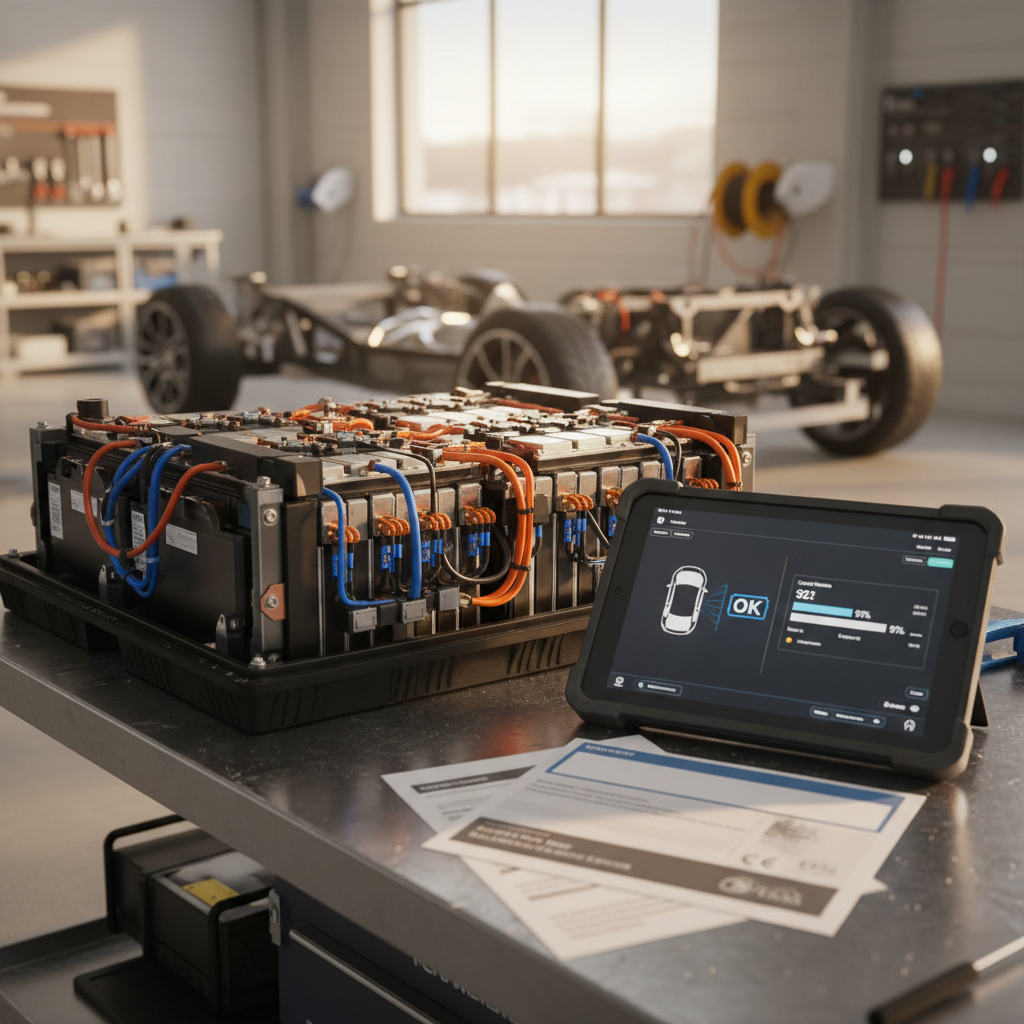
Car‑camping in any EV is less about whether you can sleep in the car, that part’s pretty straightforward, and more about whether you can comfortably get to and from your campsite with enough range in hand. The Prologue’s estimated range in many trims is competitive for its class, but camping often means highway speeds, elevation gain, and loaded gear, all of which take a bite out of your real‑world numbers.
Charging Considerations for Prologue Camping Trips
Think about where you’ll charge before, during, and after your stay.
| Scenario | Best Charging Plan | What to Watch For |
|---|---|---|
| Campground with 240V hookups | Arrive nearly full, plug into Level 2 if available, top up overnight. | Check the rules, some campgrounds don’t allow EV charging, or they may charge extra. |
| State/National park without power | DC fast charge at the last town before the park; arrive with a generous buffer (30–50% or more). | Colder temps and low speeds can change consumption. Factor in side trips and detours. |
| Highway road‑trip car‑camping | Plan DC fast‑charge stops along the route and sleep near a charger the first night. | Don’t arrive at a charger nearly empty after a night of heavy heater use. |
| Backcountry boondocking | Start with a full battery and keep climate use modest to preserve range. | Know your nearest fast‑charging options, not just your campsite coordinates. |
A little planning keeps "range anxiety" from joining your packing list.
Where used EVs come in
Safety and Legal Considerations
Key Safety Checks Before Sleeping in Your Prologue
Know local overnight parking rules
Some cities and trailheads prohibit overnight parking or sleeping in vehicles. Check campground regulations and posted signs; where rules are unclear, assume you should move on.
Ventilate, but don’t compromise security
Crack opposite windows a half‑inch or use vent shades so you can circulate air without making it easy for someone to reach in or see clearly inside.
Manage interior moisture
Breathing in a sealed space creates condensation. Use microfiber towels to wipe windows in the morning and hang damp gear outside whenever possible.
Be battery‑aware in remote areas
Decide on a minimum state of charge (for example, 25–30%) that you won’t dip below while parked for the night. That way, you always have enough range to reach a fast charger if plans change.
Keep essentials within reach
Flashlight or headlamp, charged phone, keys, a small first‑aid kit, and shoes should all be accessible from your sleeping position in case you need to get out quickly.
Steep or uneven campsites
When a Honda Prologue Is, and Isn’t, the Right Sleeping Solution
When the Prologue works well as a sleeper
- You’re a solo traveler or couple comfortable with close quarters.
- You take occasional weekend trips, not months‑long van‑life adventures.
- You value a quiet, fume‑free EV cabin and don’t mind doing a little DIY to level the bed.
- Your trips include some public charging access within a comfortable radius.
When you might want more space
- You’re regularly traveling with kids or pets plus full camping gear.
- You want to stand up inside the vehicle or carry bulky outdoor toys (bikes, kayaks, climbing racks) inside overnight.
- You expect to camp for weeks at a time and need more storage and living area.
- You’re very tall and can’t get comfortable even diagonally.
Try before you commit
Ready to find your next EV?
Browse VehiclesFAQ: Sleeping in a Honda Prologue
Frequently Asked Questions About Sleeping in a Honda Prologue
Bottom Line: Is the Honda Prologue Good to Sleep In?
If you’re looking for a modern electric SUV that can pinch‑hit as a simple camper, the Honda Prologue is a solid option, especially for solo travelers or couples who don’t mind getting creative with a mattress and some organization. The floor isn’t perfectly flat and there’s no dedicated camp mode yet, but the combination of interior space, quiet EV operation, and reasonable ground clearance makes it perfectly capable for weekend road‑trips or trailhead overnights.
The real key is planning: measure your sleep setup, pack smart, think about your charging strategy, and stay realistic about how far you’ll drive after a chilly night that used some battery for heat. And if you’re still in the shopping phase, remember that the Prologue is just one of several EVs that can double as a camper. A used‑EV specialist like Recharged can help you compare models, battery health, and real‑world range so the electric SUV you buy is comfortable to sleep in today and still holds its value tomorrow.