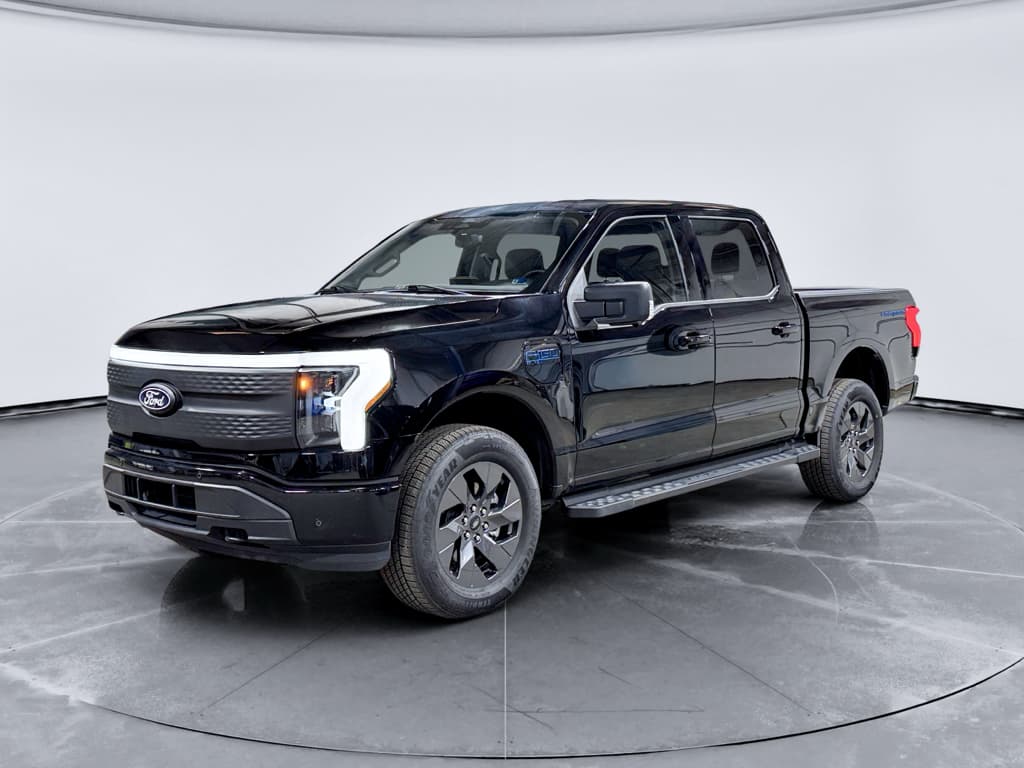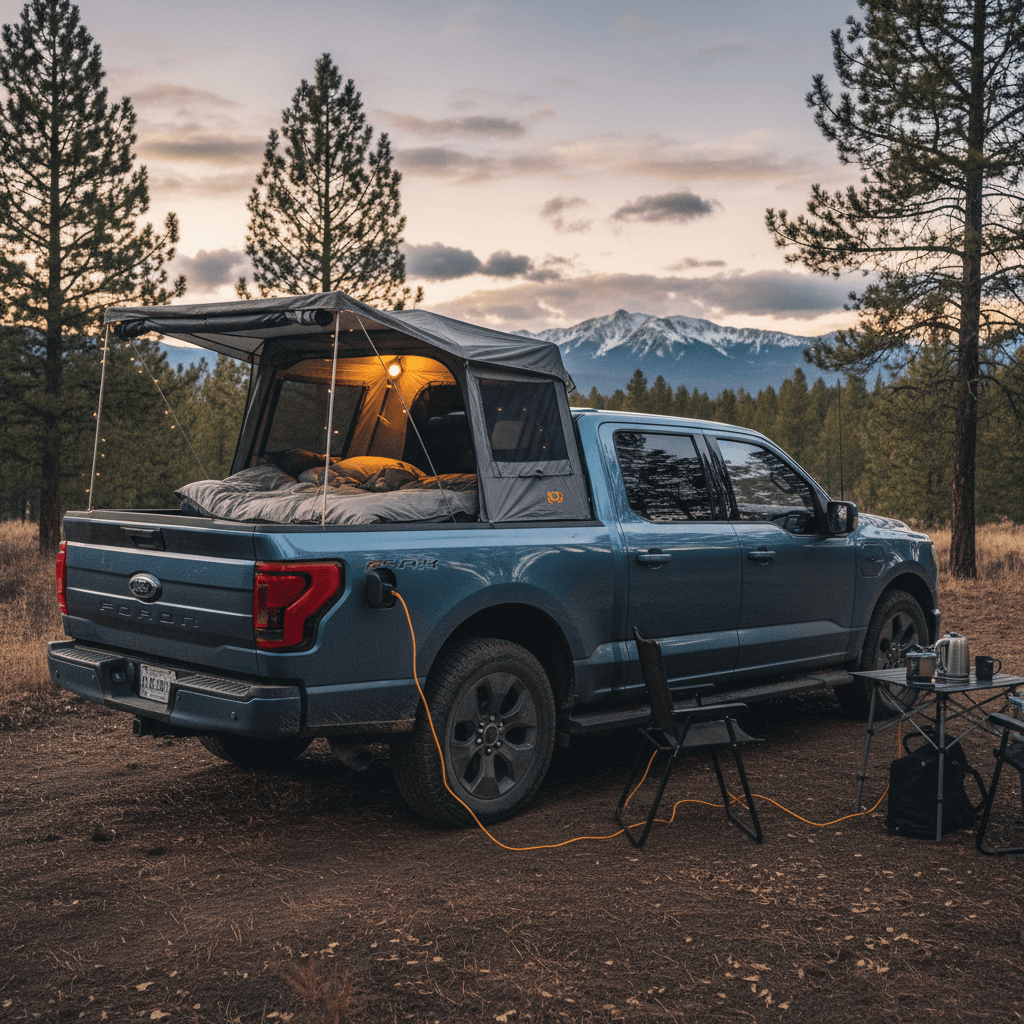
Yes, you can absolutely sleep in a Ford F-150 Lightning, and many owners already do. The question isn’t “can you?” so much as “how comfortable, safe, and battery‑efficient is it to camp in a Lightning, and what setup makes sense for you?”
Short answer
Can you actually sleep in a Ford F-150 Lightning?
If your main question is “Can you sleep in a Ford F-150 Lightning?” the practical answer is yes, in several different ways: - Stretching out in the truck bed under a topper or tent - Folding or reclining the rear seats and sleeping inside the cab - Using the Lightning as a silent power and climate hub while you sleep in a ground tent or rooftop tent nearby What makes the Lightning different from a gas F-150 is the giant battery and Pro Power Onboard. Instead of idling a noisy engine all night, you can run lights, a heated blanket, a fan, or even modest climate control directly from the battery, with no exhaust and very low energy use compared to driving.
Why the Lightning is especially good for camping
Where can you sleep: truck bed vs. cabin vs. tent
Three main ways to sleep with a Lightning
Each has different comfort, privacy, and weather trade‑offs.
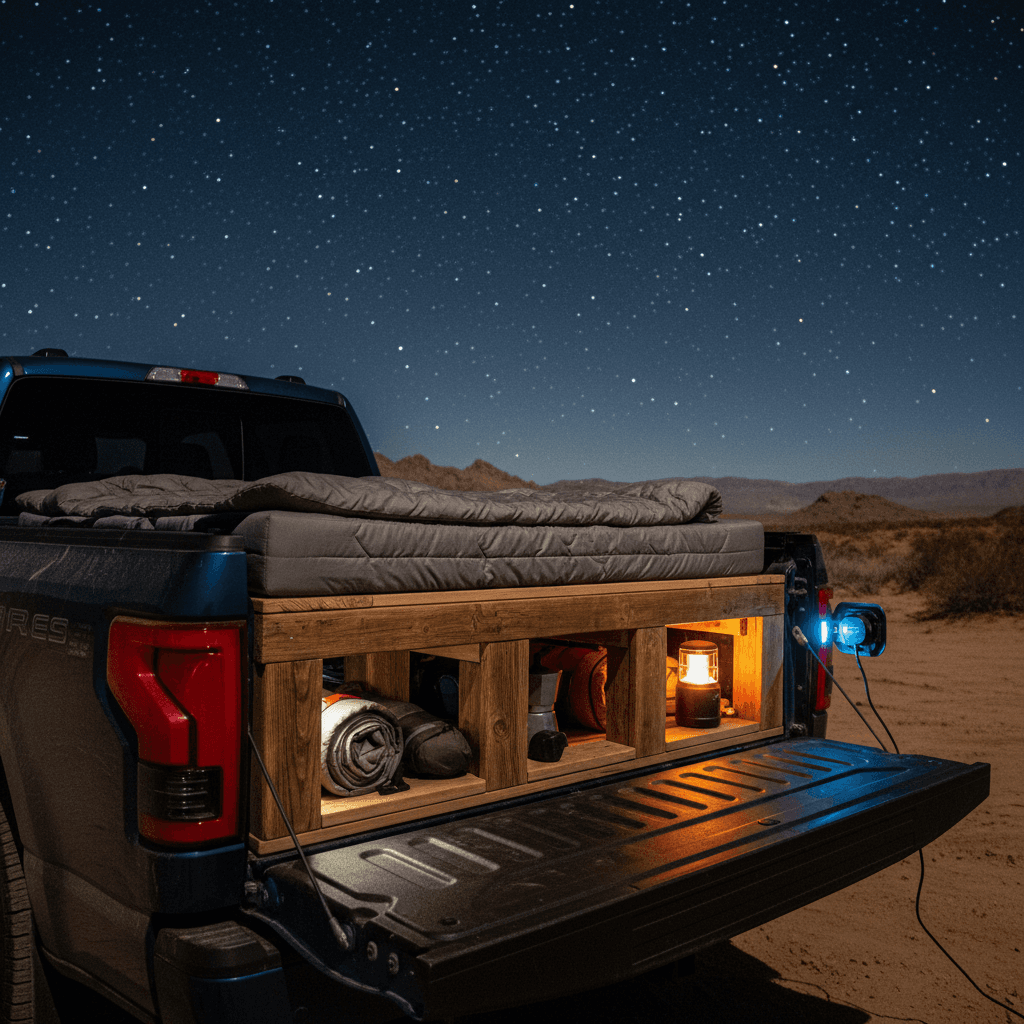
1. In the truck bed
The SuperCrew Lightning has a standard 5.5‑foot bed. With the tailgate down or a diagonal layout, many people up to about 6 feet can lie flat.
- Best with a topper, cap, or bed tent
- Easy to build a raised platform with storage underneath
- Great airflow and views with the tailgate or windows partially open
2. Inside the cabin
The Lightning seats up to five, and the back seats fold up to create a large flat floor. You can:
- Recline front seats for quick naps
- Sleep at an angle across the back row (kids fit best)
- Lay a thin pad across the rear floor and partially reclined seats
3. In a tent, powered by the truck
You don’t have to sleep in the truck to benefit from it.
- Use Pro Power Onboard to run lights, fridge, or heated blanket
- Keep the truck nearby as a silent generator
- Ideal if you want full bed/cabin for cargo instead of a mattress
Using Pro Power Onboard for camping comfort
Every F-150 Lightning comes with Pro Power Onboard, which essentially turns the truck into a giant, silent power bank on wheels. Depending on trim and options, you’ll see either a 2.4 kW system or an available 9.6 kW system with more outlets in the frunk, cab, and bed. That’s more than enough for most camping setups, from fridges to induction cooktops.
What you can realistically power while sleeping
The key advantage is that you can run 120 V household outlets in the frunk, cab, and bed without a separate generator. That means: - Heated or electric blankets - Low‑wattage space heaters (with care) - Fans or small evaporative coolers - String lights, laptops, camera gear, CPAP machines For most owners, the limiting factor isn’t power output, it’s how much battery percentage you’re comfortable spending overnight when you still need to drive the next day.
Watch your breakers and limits
How much battery does sleeping in a Lightning use?
This is usually the next question after “can you sleep in a Ford F-150 Lightning?”. The good news is that camping loads are tiny compared to driving. Owners who camp with modest power use, fridge, lights, device charging, and a fan or heated blanket, typically report 1–3 kWh per night of use. On an extended‑range Lightning with a usable capacity around the mid‑120 kWh range, that’s only about 1–2% of the pack. Where it can add up is when you run full climate control (heating or air conditioning) for many hours, especially in very hot or cold weather.
Very rough overnight battery use estimates
These are directional examples assuming the truck is parked, not charging, and in moderate conditions. Real‑world results vary by temperature, wind, bedding, and how well you insulate the sleeping space.
| Setup | What’s Running All Night | Approx. kWh Used | Approx. % of Large Pack |
|---|---|---|---|
| Minimalist | Fridge + phone + small light | 1 kWh | ~1% |
| Comfortable | Fridge + lights + fan or heated blanket | 2–3 kWh | ~2% |
| Full Climate – Mild | Cab A/C or heat set for comfort, mild weather | 4–8 kWh | ~3–6% |
| Full Climate – Extreme | Cab A/C or heat in very hot/cold conditions | 8–15+ kWh | ~6–12% |
Use this as a sanity check, not as a guarantee. Always leave extra buffer if you need to drive the next morning.
Cold weather is the real battery killer
Climate control and the lack of a true “Camp Mode”
Unlike a Tesla, the Lightning doesn’t have a dedicated, official “Camp Mode” as of early 2026. Owners get creative using existing settings to keep power and climate going without constantly waking the truck up or blasting the campsite with lights.
- Use Pro Power Onboard for low‑draw comfort items instead of trying to heat the entire cabin.
- If you do run HVAC, set the temperature a bit cooler or warmer than you would at home and use proper camping bedding to reduce how hard the system has to work.
- Dim or disable interior lighting where possible before bed, many owners complain about the truck “lighting up like a Christmas tree” when doors open at night.
- Check any auto‑shutoff timers for outlets and climate in your settings so fans or fridges don’t unexpectedly shut down halfway through the night.
Real‑world owner pattern
Sleeping comfort: layout ideas for the Lightning
Sleeping in a Lightning can be anything from “I’m grabbing 3 hours at a rest stop” to “this is my dedicated overlanding rig.” The platform you choose will determine comfort more than the truck itself. Here are a few proven setups owners gravitate toward.
Popular F-150 Lightning sleeping setups
From quick naps to full‑time truck camping.
Quick‑and‑dirty: seat‑recline sleep
- Recline the front passenger seat fully and slide it back.
- Add a compressible pillow and thick blanket or small pad.
- Best for: single‑night highway stops, solo trips.
Pros: No build, no tools, no lost cargo space.
Cons: Only really comfortable for one adult.
Bed platform micro‑camper
- Build a simple plywood platform over the 5.5‑ft bed.
- Store gear, batteries, and water under the platform.
- Add a 3–4 inch foam mattress cut to size.
Pros: Flattest, most bed‑like sleep; tons of storage.
Cons: Requires a topper or tent, some DIY skills.
Rear‑cabin lounge mode
- Fold the rear bench up to create floor space.
- Lay a narrow pad across the rear floor and partly reclined front seat.
- Diagonal sleeping works better for taller campers.
Pros: Weather‑proof, stealthy, easy access to cab outlets.
Cons: Best for one adult or one adult + child.
Tent + Lightning power station
- Pitch a tent near the truck.
- Run an extension cord from a bed or frunk outlet.
- Power fridge, lighting, heated pads, and devices.
Pros: Full tent comfort, truck stays organized.
Cons: Less stealth, more setup time.
Don’t overcomplicate the first trip
Safety and legality of overnighting in a Lightning
EVs avoid some classic camping hazards, no tailpipe means no risk of carbon monoxide poisoning when running climate control, and there’s no engine idling to attract attention. But there are still safety and legal factors to pay attention to.
Overnight safety checks before you fall asleep
1. Know the rules where you’re parked
Rest areas, store lots, and trailheads all have different overnight policies. Even with a silent EV, tickets and knocks on the window are still possible.
2. Ventilation and condensation
If you’re sleeping in the cab or under a topper, crack windows slightly and use a small fan if needed. EVs run cool, but your breath will still fog windows and dampen bedding.
3. Secure valuables and power cords
Don’t leave laptops or camera bags visible. If you’re running an extension cord from the bed, route it where it can’t become a trip hazard in the dark.
4. Set a battery floor
Use the truck’s settings and your own discipline to keep a minimum state of charge you won’t dip below, especially if you’re far from fast charging.
5. Be thoughtful with lighting
Zone lighting and interior lights can be bright. Dim or disable what you can so you’re not lighting up the whole campground every time you open a door at 2 a.m.
Remember: huge battery ≠ unlimited power
Pros and cons of using a Lightning as a camper
Advantages
- Silent, fume‑free overnight power, no generator noise or fuel.
- Tons of outlets in the frunk, cab and bed with Pro Power Onboard.
- Excellent for basecamping: leave the truck parked, explore during the day.
- Great for stealth camping in urban or suburban settings thanks to low noise and no idling.
- Built‑in home backup potential if you later add a bidirectional home setup.
Trade‑offs
- Range anxiety shifts to campsite anxiety if you’re far from DC fast charging.
- No official Camp Mode yet, so some climate and light behavior takes fiddling.
- 5.5‑ft bed is short for taller adults without creative layouts.
- Battery degradation is minimal from camping but still worth respecting, deep discharges should be the exception, not the rule.
Tips to protect your battery and range
- Arrive at camp with more charge than you think you need, especially if the next morning’s drive starts with a long grade, cold temperatures, or sparse charging options.
- Use bedding first, climate second. A good sleeping bag or quilt saves far more energy than cranking the heater.
- Favor low‑draw devices like heated blankets and small fans over constantly running a space heater.
- If you’re at a campground with hookups, consider charging slowly overnight while you sleep, using Pro Power for comfort and shore power to refill the pack.
- Avoid repeatedly running the truck from very high to very low state of charge just for camping. Occasional big swings are fine; daily deep cycles accelerate wear over many years.
Think in kWh, not just percent
Is a used F-150 Lightning a good choice for camping?
If camping, road‑tripping, or using your truck as a mobile power source is a priority, a used F-150 Lightning can be a very smart buy, as long as you understand the battery and Pro Power configuration you’re getting.
What to look for in a camping‑focused used Lightning
Questions to ask before you sign anything.
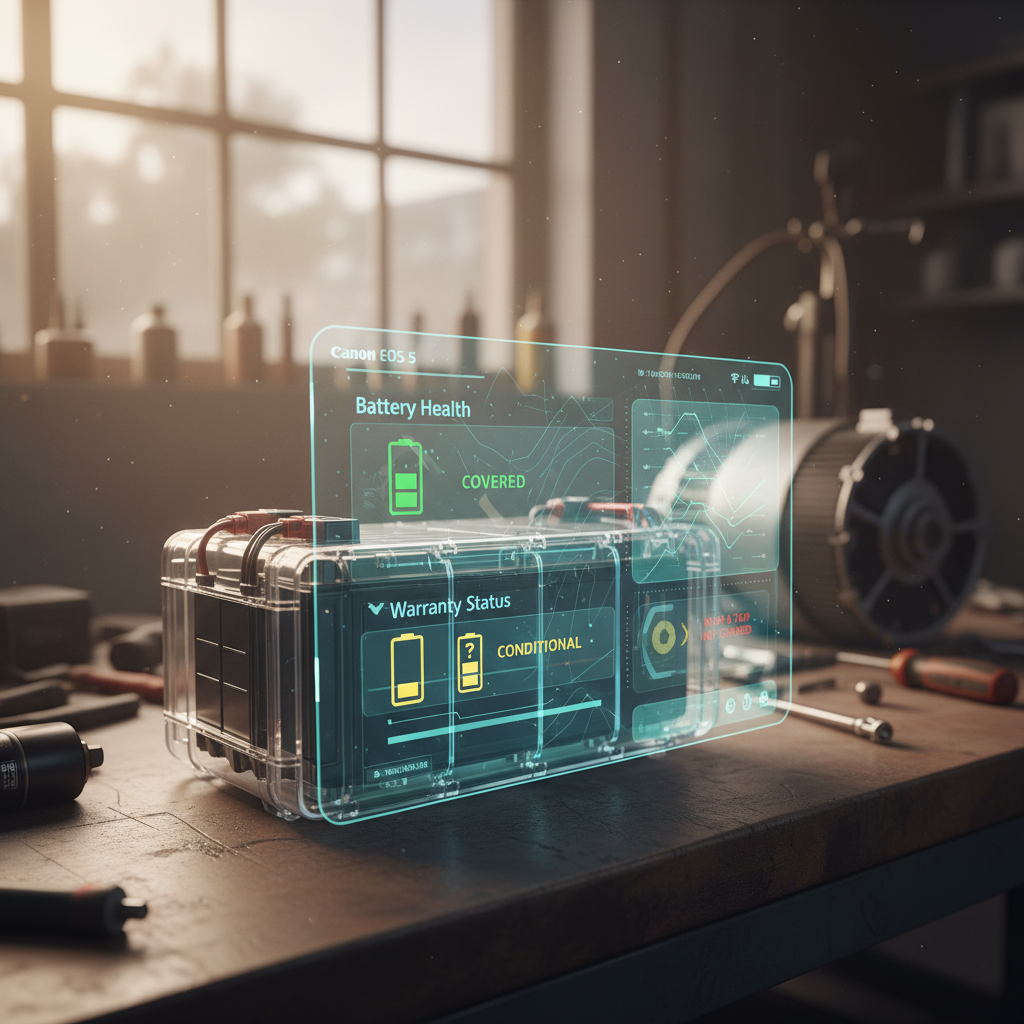
Battery health & size
Battery capacity is your campsite comfort buffer.
- Ask about estimated range at 100%.
- Compare to original EPA rating to gauge degradation.
- Extended‑range packs give you more flexibility in bad weather.
Pro Power configuration
Not all Lightnings have the same export power.
- Confirm whether it has 2.4 kW or 9.6 kW.
- Check for the 240 V outlet in the bed if you plan to power RVs.
- Make sure all outlets work as expected.
Your real use case
Where and how you camp matters more than any spec sheet.
- Frequent cold‑weather trips? Prioritize battery size.
- Remote boondocking? Map out charging before you buy.
- Mostly weekend state‑park trips? A standard pack may be plenty.
This is exactly where a platform like Recharged is designed to help. Every used EV on Recharged comes with a Recharged Score Report that includes verified battery health, pricing analysis, and expert guidance. If you know you’ll be sleeping in your truck or relying on it as a power source, that kind of transparent data makes it much easier to pick the right Lightning rather than just the shiniest one on the lot.
How Recharged can help camping‑focused buyers
Ready to find your next EV?
Browse VehiclesFAQ: Sleeping in a Ford F-150 Lightning
Common questions about camping in a Lightning
Bottom line: Is it worth sleeping in a Lightning?
If you’re wondering whether you can sleep in a Ford F-150 Lightning, the real takeaway is that it’s not just possible, it’s one of the most capable camping platforms on the market if you value quiet comfort and built‑in power. The trade‑offs are manageable: you need to think a bit differently about energy, plan your charging around your trips, and accept that the 5.5‑foot bed asks for some creativity if you’re tall.
For weekend warriors and road‑trippers, the Lightning turns campsites, trailheads, and rest areas into comfortable micro‑cabins with power on tap. If you’re shopping used, paying close attention to battery health, pack size, and Pro Power configuration will matter more than paint color or wheels. That’s where a transparent marketplace like Recharged earns its keep, surfacing real battery data and expert guidance so you can pick a Lightning that fits both your driving and your camping life.