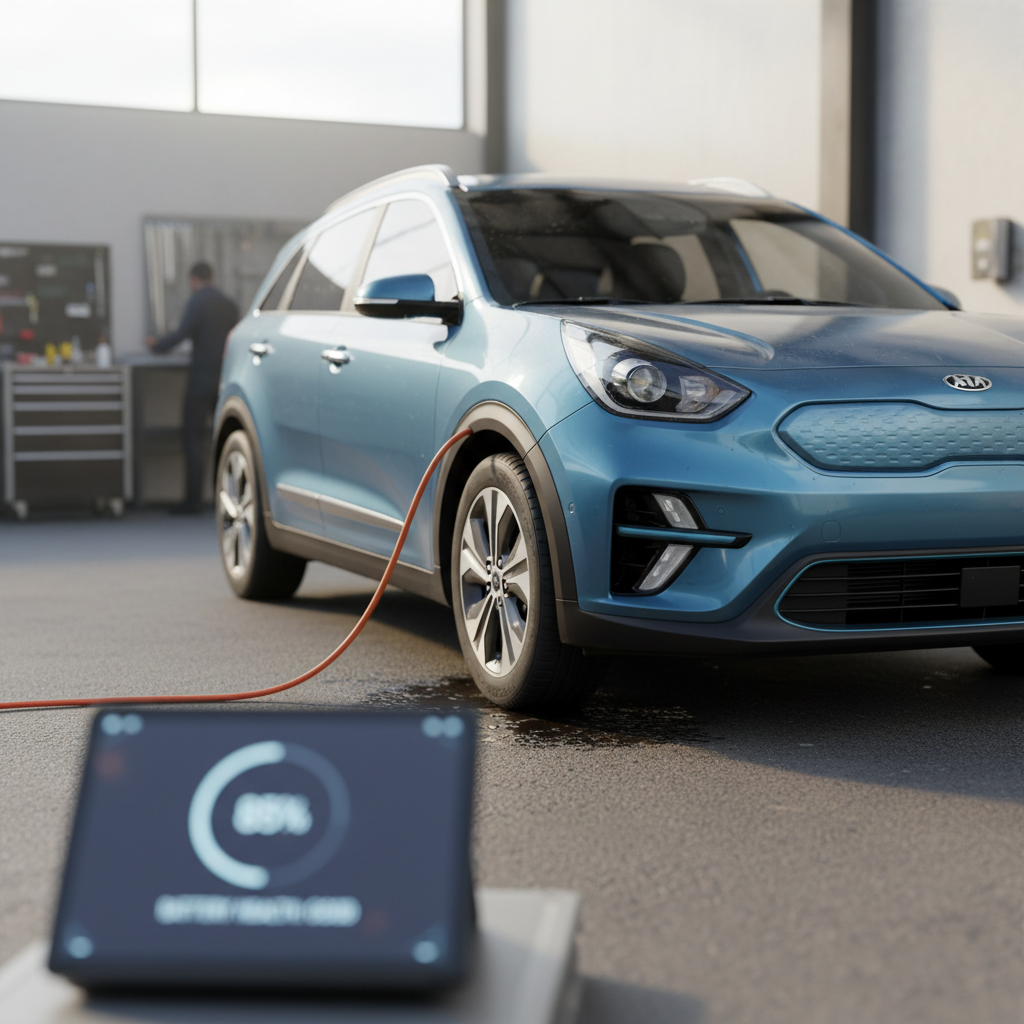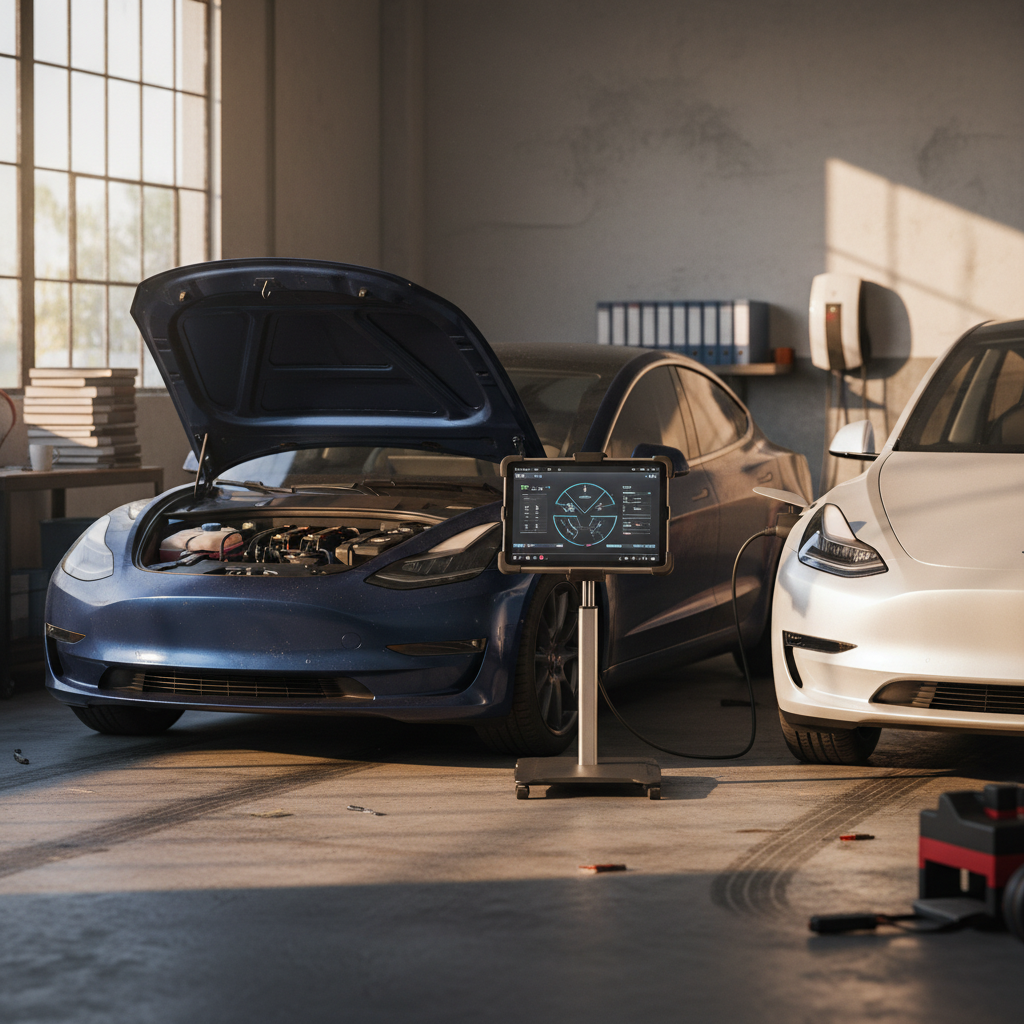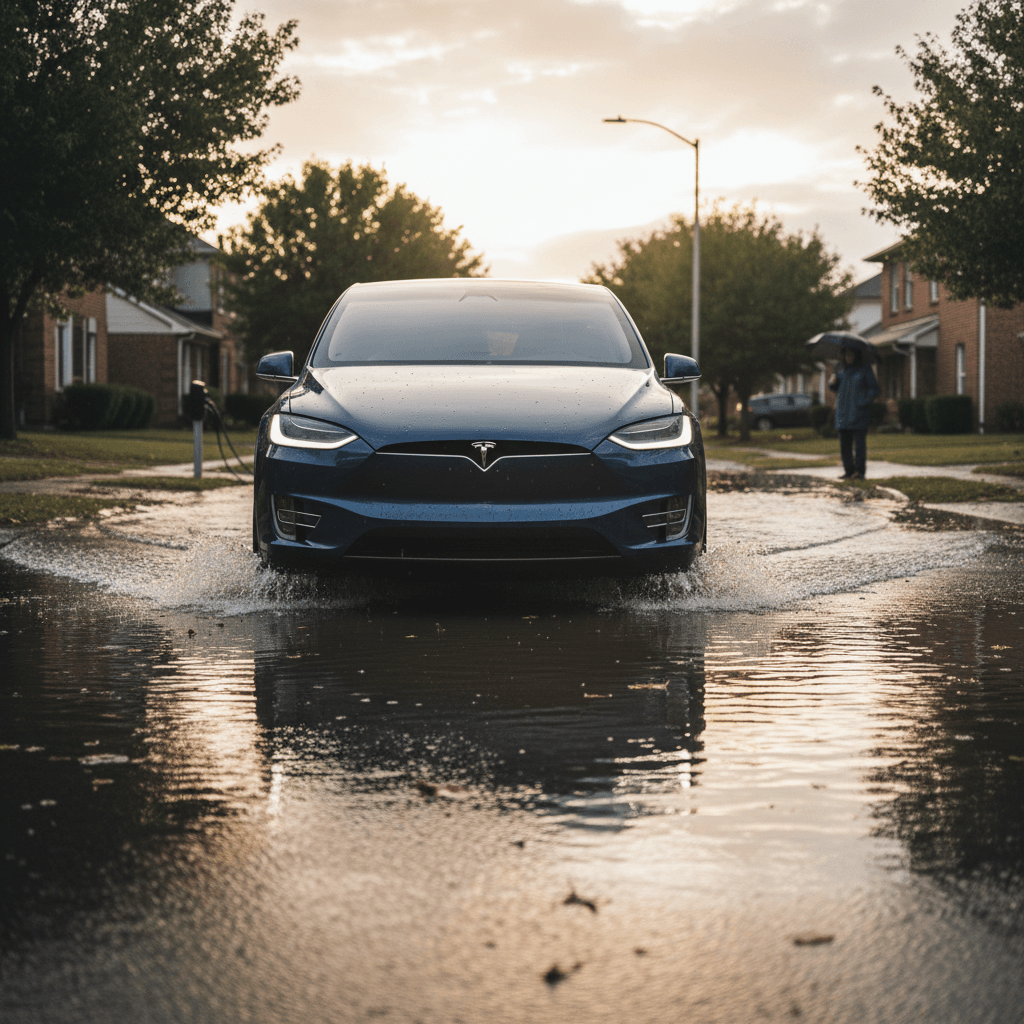
You absolutely can drive an electric car in the rain, on wet roads, and through shallow puddles. Modern EVs are designed with sealed high‑voltage systems and strict safety standards. But that doesn’t mean you should treat your EV like a boat. When people ask, “can you drive an electric car through water?” they usually mean flood water, and that’s where the risk really starts.
Key takeaway
EVs and water: the short answer
- Driving in rain and on wet roads: Safe. EVs are engineered to handle heavy rain, car washes, and splashes from other vehicles.
- Shallow puddles: Generally safe, as long as the water is well below the bottom of the doors and you’re moving slowly.
- Flooded roads / standing water: Unsafe for any vehicle. EVs included. Risk of loss of control, hidden hazards, and severe battery damage.
- Saltwater flooding: Especially dangerous for EV battery packs, which can corrode internally and later catch fire, sometimes days or weeks after exposure.
- Submersion: If water reaches floor level or higher, treat the vehicle as potentially damaged and don’t drive or charge it until it’s inspected by a qualified EV technician.
Never do this
How waterproof are electric cars, really?
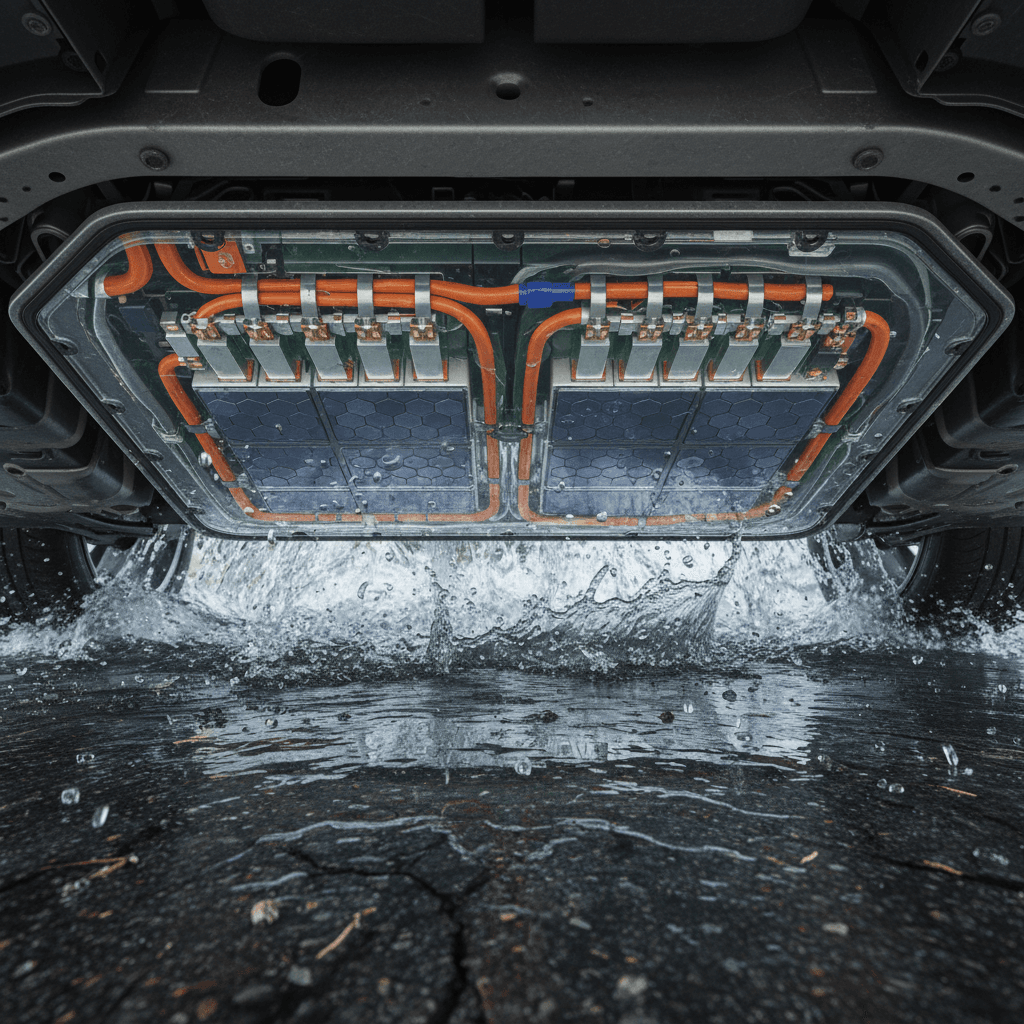
The high‑voltage parts of an EV, battery pack, cabling, motor, inverters, are sealed and tested for water intrusion. Many components meet IP67‑style standards, which means they can be submerged in about 1 meter (roughly 3 feet) of water for up to 30 minutes without water entering the housing. That’s impressive, but it doesn’t mean the whole car is meant to be driven underwater like a submarine.
Why EVs tolerate rain and splashes
On top of waterproof housings, EVs use multiple safety layers. If the car’s computers detect water intrusion or a short circuit, contactors will usually open and disconnect the high‑voltage battery from the rest of the system in milliseconds. That’s designed to protect you from shock, and sometimes it will deliberately shut the car down rather than let you keep driving.
Check your EV’s wading depth
When driving an electric car through water is unsafe
From a driver’s perspective, the line between “no big deal” and “very bad idea” usually isn’t about the electronics. It’s about how deep the water is, how fast it’s moving, and what’s in it (especially salt and debris). Here’s where you should draw a hard line.
Water situations where you should NOT drive an EV
These apply to gas cars too, but EVs add unique battery risks.
Standing water you can’t see through
If you can’t see the road markings or the curb, the water may be deep enough to reach the cabin or battery tray.
- Hidden potholes, open manholes, debris
- Risk of stalling or sudden shutdown
- Recovery costs can rival total loss
Flowing or fast‑moving water
Just 6–12 inches of moving water can float a passenger car and sweep it off the road.
- Loss of traction and steering
- Vehicle can be pinned against obstacles
- Escape may be difficult, especially at night
Saltwater, storm surge, tidal flooding
Salt water rapidly corrodes battery connections and can trigger internal shorts.
- High risk of delayed battery fires
- Vehicle often treated as a hazardous waste issue
- Insurers may total the car even if it still drives
Water above the bottom of the doors
If water is at or above the rocker panels, you’re flirting with cabin intrusion and low‑mounted electronics.
- Airbags, wiring, and seat modules at risk
- Wet insulation and corrosion down the road
- Used‑car value can drop dramatically
Flood + EV = long‑term risk
What to do if you drove your EV through deep water
Sometimes you only realize how deep the water was once you’re in it. If you’ve already driven your EV through more than just a shallow puddle, treat it seriously, especially if water reached the doors, the cabin, or covered the underbody for any length of time.
Post‑flood checklist for EV owners
1. Get to high, dry ground and park away from buildings
If you suspect significant water exposure, park the car outdoors, at least 50 feet away from buildings, other vehicles, and combustibles. This reduces risk if the battery later overheats or catches fire.
2. Do not plug in or fast‑charge
Avoid charging an EV that may have taken on water. Charging stresses the battery and can turn hidden damage into a critical failure. Wait for a professional inspection first.
3. Watch and listen for warning signs
Stay alert for smoke‑like vapor from under the car, unusual popping or hissing sounds, or a strong chemical or “sweet” smell. If you see flames or heavy smoke, move away and call 911.
4. Call your insurer and document everything
Take photos of the water level, surroundings, and any warning messages on the dash. File a claim as soon as possible, flood exposure is usually handled as comprehensive damage.
5. Have a qualified EV technician inspect the car
Ask specifically for a <strong>high‑voltage system and battery health check</strong>. They may run diagnostics, inspect the pack enclosure, and look for corrosion or water in connectors.
6. Treat a submerged EV like a crash victim
Automakers and safety agencies often recommend treating a flood‑exposed EV as if it’s been in a serious collision. It may be repairable, but it should not return to the road without a clean bill of health.
How Recharged helps with hidden water damage
Ready to find your next EV?
Browse VehiclesEVs vs gas cars in rain and floods
There’s a persistent myth that EVs are especially dangerous in wet conditions because of high voltage. In reality, the everyday risks in rain are similar for electric and gas cars. The differences really show up when you get into deeper water or long‑term damage.
Where EVs are as safe, or safer
- Rain and wet roads: No tailpipe means no exhaust blockage risk. Slip control systems react very quickly.
- Car washes: High‑pressure sprays are fine; connectors and ports are designed for it.
- No fuel leaks: There’s no gasoline tank or fuel lines to rupture in flood debris.
Where EVs can be more complicated
- Flood exposure: A damaged high‑voltage pack can be expensive to repair or replace.
- Delayed fires: Corroded battery cells, especially after saltwater, may fail later.
- Salvage handling: Towing, storing, and shipping flood‑damaged EVs require special procedures.
The real comparison
Used EVs, water damage & battery health
If you’re shopping for a used electric car in a region that’s had hurricanes, river flooding, or coastal storms, water exposure should be on your checklist. The trouble is that mild to moderate flood damage isn’t always obvious on a test drive, and some cars are cleaned up and shipped across the country.
Water‑damage red flags when buying a used EV
Signs a car may have been in deeper water than the seller admits.
| Area | What to look for | Why it matters |
|---|---|---|
| Interior & trunk | Musty or moldy smell, water lines on carpet or trim, rust under seats | Suggests water reached cabin level, affecting wiring and safety modules. |
| Underbody & suspension | Heavy, fresh undercoating, mud or silt packed into crevices, rust on fasteners | May hide prior immersion; look closely at seams around the battery tray. |
| Charging port & connectors | Corrosion or discoloration around pins, damaged seals or gaskets | Can signal repeated wet charging or water intrusion into high‑voltage connectors. |
| Dashboard & electronics | Random warning lights, intermittent errors that clear on restart | Electronics damaged by moisture can behave unpredictably before failing outright. |
| Title history | “Flood,” “salvage,” or sudden moves across states after a major storm | A title brand or odd movement pattern may hint at prior insurance loss. |
You may not see every one of these, but even a couple should prompt more questions, or a third‑party inspection.
Use diagnostics, not just a visual check
Practical tips for staying safe in wet weather
You don’t need to baby your EV every time it sprinkles. Treat it like a modern car, with a few extra rules when water starts pooling. Here’s a practical playbook you can follow.
EV wet‑weather best practices
Simple habits that protect you, your battery, and your resale value.
1. Rain is fine
Drive your EV normally in rain and on wet pavement. Regenerative braking and traction control work well in slippery conditions, just avoid abrupt inputs.
2. Read the road, not the ads
Ignore viral videos of EVs floating or rock‑crawling through rivers. Instead, watch for:
- Disappearing lane lines
- Water above curb height
- Cars already stuck ahead
3. Know your limits
Look up your vehicle’s published wading depth (if it has one) and treat it as a hard limit, not a goal. Many compact EVs publish no wading spec at all, that’s a hint.
4. Slow down in standing water
If you must cross shallow water, go slowly. A big bow wave can push water into doors and underbody seals that might have been fine at low speed.
5. Avoid low spots and shortcuts
Underpasses, dips, and shortcuts through parking lots flood first. Stick to higher routes and main roads whenever heavy rain is in the forecast.
6. Plan for storms
In hurricane‑ or storm‑prone areas, charge early, move the car to higher ground, and don’t leave it parked where storm surge or river flooding is likely.
One rule that never changes
EV water safety FAQ
Frequently asked questions about EVs and water
Bottom line: can you drive an electric car through water?
Electric vehicles are engineered to be safe in the wet. You can confidently drive your EV through rainstorms, wet roads, and shallow puddles, that’s part of normal use, and the high‑voltage system is built for it. Where you need to draw the line is the same place you should with any vehicle: don’t drive through flood water you can’t clearly judge, and treat any deep or saltwater exposure as serious damage until proven otherwise.
If you’re already an EV owner, knowing your car’s wading limits and having a plan for storms will protect both your safety and your investment. If you’re shopping for a used EV, especially from a flood‑prone region, insist on clear history and strong diagnostics. With tools like the Recharged Score battery health report, you can enjoy the benefits of electric driving without wondering what’s lurking beneath the floorpan.