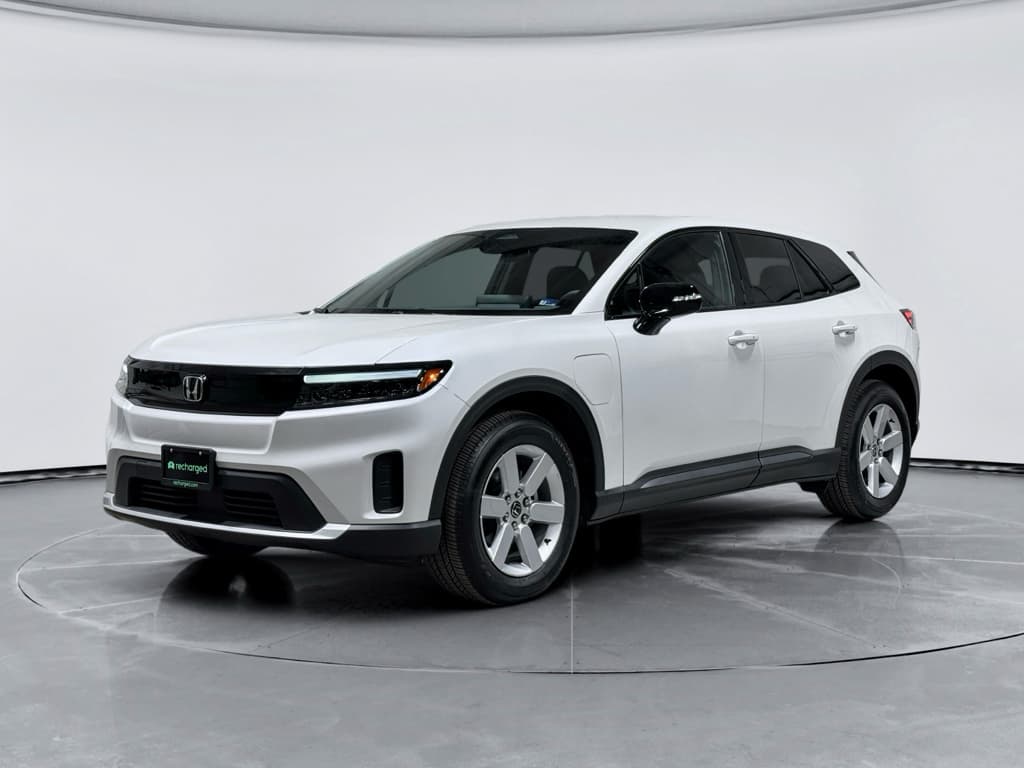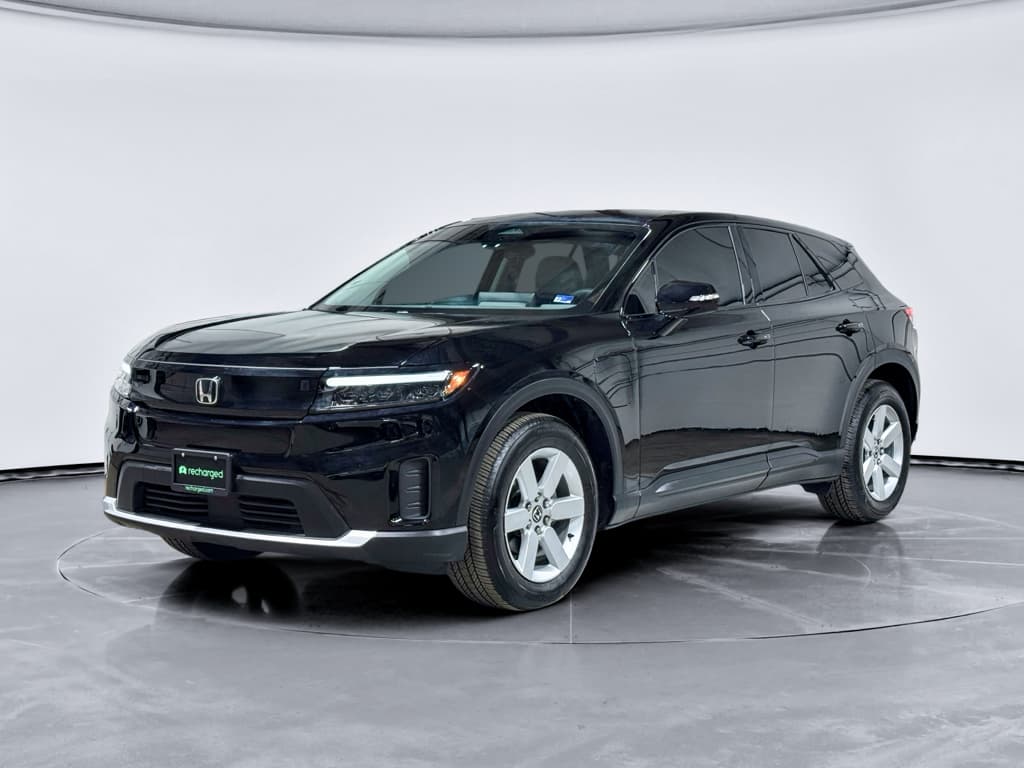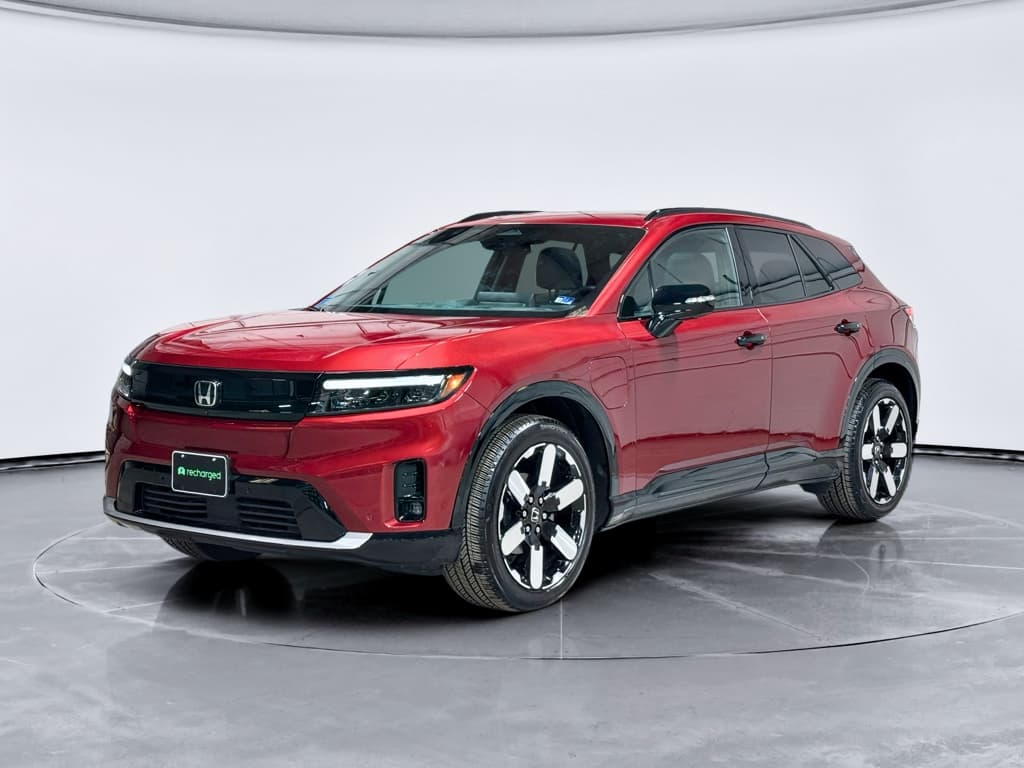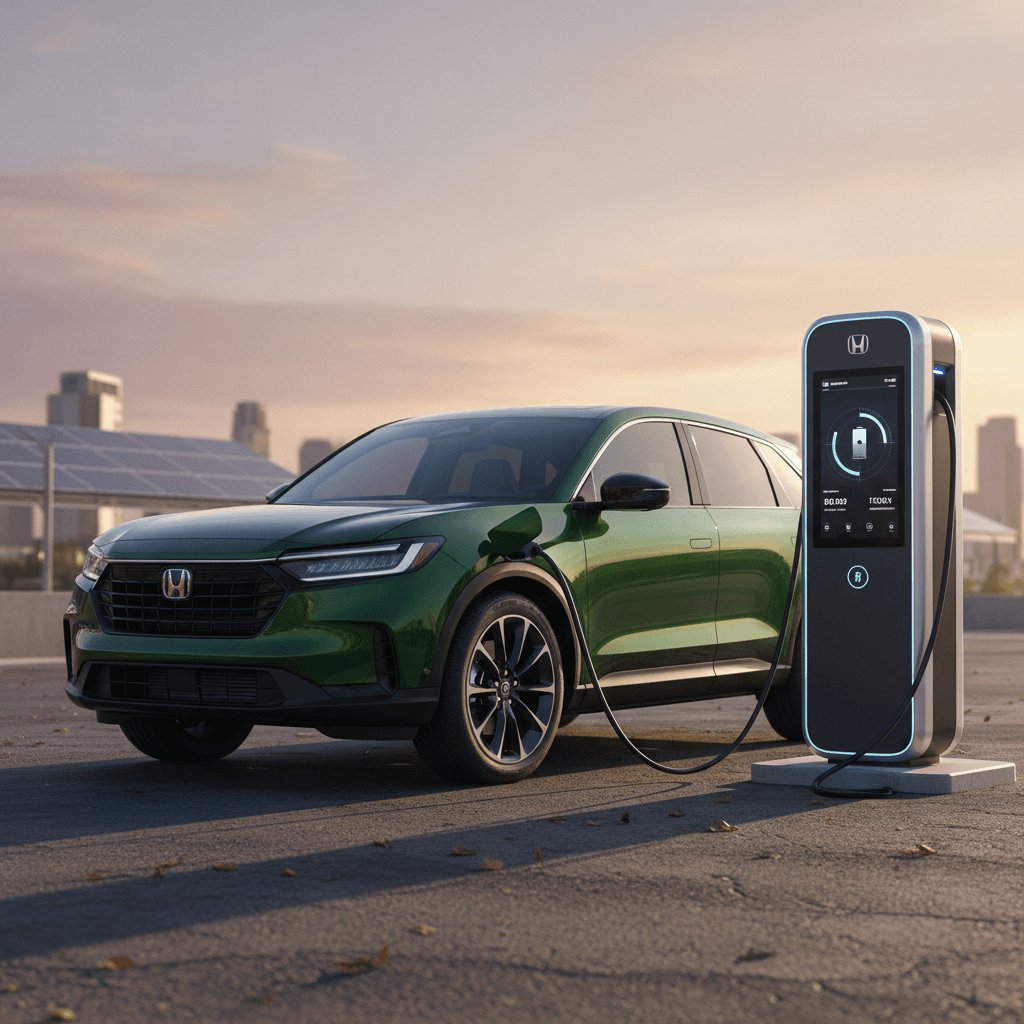
If you’ve been eyeballing a **2024 Honda Prologue** as your first (or next) electric SUV, you’re not alone. Honda’s first mainstream EV in the U.S. finally gives loyal CR‑V and Pilot owners a real electric option, but it also drops into a crowded field of excellent rivals. This 2024 Honda Prologue buying guide walks you through trims, pricing, range, charging, incentives, and what to look for if you’re considering a used one.
Big picture
Overview: Should you buy a 2024 Honda Prologue?
The 2024 Prologue is a **5‑passenger midsize electric SUV** positioned between a CR‑V and a Pilot in size. It rides on GM’s Ultium EV platform with an **85 kWh battery**, offers up to **around 300 miles of EPA range** depending on trim, and fast‑charges at up to roughly **150–155 kW**. It’s aimed squarely at shoppers also looking at a Hyundai Ioniq 5, Kia EV6, Volkswagen ID.4, or Tesla Model Y.
Early in its life, the Prologue faced tough competition on price. But by 2025–2026, Honda began **cutting MSRPs by roughly $7,500 on some trims and bundling charging perks**, which makes leftover 2024s, and early used examples, much more compelling. If you like Honda’s driving feel and prefer a straightforward, spacious cabin over a sci‑fi lounge, the Prologue belongs on your shortlist.
Tip for value hunters
Key specs: 2024 Honda Prologue at a glance
2024 Honda Prologue key numbers
2024 Honda Prologue core specs
High‑level specs you’ll want to keep in mind as you compare the Prologue to other EV SUVs.
| Item | Spec |
|---|---|
| Body style | 2‑row midsize SUV (5 seats) |
| Battery | ~85 kWh gross Ultium pack |
| Drive | Single‑motor FWD or dual‑motor AWD |
| Horsepower | Approx. 212 hp (FWD), up to 288 hp (AWD) |
| EPA range (approx.) | 250–310 miles depending on trim/drivetrain |
| Max AC charging | 11.5 kW (Level 2, 48A) |
| Max DC fast charging | Up to ~150–155 kW peak |
| Onboard plug standard | CCS1 (NACS accessible via adapter on some chargers) |
All 2024 Prologue trims share the same 85 kWh battery and 11.5 kW onboard AC charger.
Trims and pricing: Which Prologue fits you?
Honda keeps the 2024 Prologue lineup simple: **EX, Touring, and Elite**, each available in front‑wheel drive (single motor) or all‑wheel drive (dual motor), except the Elite, which is AWD only. Exact pricing has moved since launch, with **factory price reductions** and dealer discounts common on remaining 2024s, so think in terms of relative positioning rather than chasing a single MSRP number.
2024 Honda Prologue trims at a glance
How the main trims stack up for features, comfort, and value.
| Trim | Drivetrain | Approx. starting price when new | Highlights | Best for |
|---|---|---|---|---|
| EX | FWD or AWD | Low‑to‑mid $40Ks after later price cuts | Cloth seats, Google built‑in, Honda Sensing, solid range | Value shoppers, commuters, first EVs |
| Touring | FWD or AWD | Mid‑$40Ks to low‑$50Ks | Leather‑trimmed interior, Bose audio, parking assist, more comfort tech | Families who road‑trip and want nicer cabin materials |
| Elite | AWD only | Low‑to‑mid $50Ks | 21" wheels, HUD, heated/ventilated front seats, most luxury features | Drivers who want a near‑premium feel and standard AWD |
Pricing shown is approximate and will vary by dealer, incentives, and timing.
Wheel size vs. range
When the EX makes sense
If you mainly commute, run errands, and take the occasional road trip, the **EX FWD** gives you plenty of range and standard tech for the lowest price. You’ll still get Google built‑in navigation with EV routing, a big touchscreen, and the same battery and charging hardware as pricier trims.
Who should step up to Touring or Elite
If you routinely drive in snow or want more punch for highway passing, the **AWD versions** are worth it. Touring adds the creature comforts, Bose audio, nicer interior, more driver aids, while Elite is for buyers who want nearly everything, including heated and ventilated seats and a head‑up display.
Range and battery: What to expect in real life
On paper, the **2024 Honda Prologue spans roughly the mid‑250s to just over 300 miles of EPA range**, depending on trim and drivetrain. Front‑wheel‑drive trims on smaller wheels tend to **hit or slightly exceed 300 miles in ideal conditions**, while AWD and big‑wheel models land lower. All trims share the same **85 kWh battery**, so range differences mainly come from weight, tires, and aerodynamics.
How far will a 2024 Prologue really go?
EPA numbers are helpful, but your driving patterns matter more.
City & suburb driving
At lower speeds with gentle acceleration, many owners see **better than EPA** efficiency. Think comfortable **3.0–3.4 mi/kWh** in mild weather, which translates to very usable real‑world range.
Highway road‑trips
At 70–80 mph, expect range to **drop into the 250–280 mile** window depending on wind, temperature, and load. Plan DC fast‑charge stops about every **2–2.5 hours**.
Winter and heavy loads
Sub‑freezing temps, ski racks, or a fully loaded cabin can claw back **15–30% of range**. Pre‑conditioning and using seat/wheel heaters instead of blasting the HVAC help preserve miles.
Battery health over time
Charging: Home, public, and Tesla Superchargers
Charging is where many first‑time EV buyers get nervous, but the Prologue keeps things straightforward. Every 2024 model has an **11.5 kW onboard AC charger** for home or workplace Level 2, and can **DC fast‑charge at up to roughly 150–155 kW** on a capable station. That’s mid‑pack for today’s EVs, fast enough for relaxed road trips if you plan your stops well.
Charging the 2024 Honda Prologue: ballpark times
Approximate charge times in good conditions; real‑world results vary.
| Charging type | Power (approx.) | Time estimate | Best use case |
|---|---|---|---|
| Level 1 (120V wall outlet) | 1–1.5 kW | 60–70 hours 0–100% | Emergency top‑ups only |
| Level 2 (240V, 40–48A) | 7–11.5 kW | 8–10 hours 0–100% | Overnight home or workplace charging |
| DC fast (public) | Up to ~150 kW | 10–80% in ~30–40 minutes | Road‑trip stops every 2–3 hours of driving |
Think of Level 2 as your fuel pump at home and DC fast as your road‑trip splash‑and‑dash.
Home charging questions to answer before you buy
1. Do you have access to a 240V circuit?
A dedicated 240V outlet (like a dryer plug) or hard‑wired Level 2 charger lets the Prologue refill overnight. Talk to a licensed electrician before adding a new circuit.
2. What’s your daily mileage?
If you typically drive **under 60–80 miles a day**, even a modest Level 2 setup will easily cover your needs while you sleep.
3. Apartment or condo?
If you can’t install home charging, look for **reliable public Level 2 or DC fast** near work or home. Factor that time and cost into your buying decision.
4. Plan for future EVs
If you’re installing a home charger, size wiring and breaker to **at least 40–48 amps** so it can support a second EV or a future upgrade.
Using Tesla Superchargers
If you’re new to EVs, remember: most charging happens at home. Public fast‑charging is mainly for road trips or unusual weeks. A 2024 Prologue that lives on overnight Level 2 will generally be cheaper to run, more convenient, and easier on the battery than one that relies heavily on DC fast chargers.
Ownership costs, tax credits, and incentives
Because the 2024 Prologue rides on GM’s Ultium platform and is built in North America, it launched into a fast‑shifting world of **Inflation Reduction Act (IRA) tax‑credit rules**. Federal eligibility has seesawed as sourcing rules tightened, so you’ll want to check **current IRS and Honda guidance** when you’re actually ready to sign paperwork.
3 big cost questions to answer
Think beyond the sticker price when you compare EVs.
1. Federal & state incentives
The Prologue has, at various times, qualified for **federal clean vehicle credits or point‑of‑sale incentives**, depending on battery sourcing rules. Many states also layer on rebates, HOV lane access, or reduced registration fees for EVs.
2. Charging costs vs. gas
In much of the U.S., home electricity still makes **per‑mile costs lower than gasoline**, especially if you can charge overnight on off‑peak rates. Public DC fast‑charging can be closer to gas prices, or more, depending on the provider.
3. Maintenance & tires
No oil changes, fewer moving parts, but **EV tires and brakes still matter**. The Prologue’s weight and, on Elite, large wheels can mean pricier tire replacements. Budget accordingly.
Where Recharged can help
Ready to find your next EV?
Browse Vehicles2024 Honda Prologue vs key competitors
On the lot, you’re not just deciding whether to buy a Prologue, you’re deciding whether to buy it **instead of** a Hyundai Ioniq 5, Kia EV6, Volkswagen ID.4, or Tesla Model Y. Here’s how the 2024 Prologue generally stacks up.
How the 2024 Prologue compares to rival EV SUVs
High‑level comparison; exact specs vary by trim and model year.
| Model | Strengths vs. Prologue | Potential drawbacks |
|---|---|---|
| Hyundai Ioniq 5 | Faster DC fast‑charging, bold design, strong efficiency | Less conventional interior; rear visibility and wiper‑delete bother some buyers |
| Kia EV6 | Sportier driving feel, sharp styling, quick charging | Tighter rear headroom; ride can feel firmer than Prologue |
| Volkswagen ID.4 | Often aggressively priced, decent space, improving software | Interior controls and infotainment still frustrate some owners |
| Tesla Model Y | Huge Supercharger network, strong efficiency, powerful performance | Spartan cabin, firmer ride, and build‑quality complaints; no traditional dealer network |
| 2024 Honda Prologue | Spacious, familiar Honda feel, simple controls, solid range | Charging speed is only mid‑pack; relies on third‑party DC networks |
Use this as a directional guide, then drill into exact trims and options you’re cross‑shopping.
How to choose between them
New vs used 2024 Prologue: What’s the smarter buy?
Because the Prologue launched in 2024 and saw **price cuts and aggressive lease offers** soon after, the market is already a little noisy. That’s great news for thoughtful shoppers, it creates opportunities in both new and used lanes.
Reasons to buy new (or nearly new)
- Full factory warranty and battery coverage.
- Access to current purchase or lease incentives.
- Ability to spec the exact trim and color you want.
- Peace of mind if you’re nervous about being an early adopter.
Reasons to go used with a 2024
- Early depreciation plus later MSRP cuts mean **strong used values** for buyers.
- You can often step up a trim, Touring instead of EX, for the same payment.
- A good inspection and battery‑health check dramatically reduce risk.
- Buying through a specialist like Recharged adds transparent history and EV‑savvy support.
Where to start your search
Quick inspection checklist for a used Prologue
EVs don’t have engine oil or transmissions to worry about, but they do have batteries, software, and high‑voltage components that matter just as much. Use this checklist when you’re evaluating a 2024 Prologue on the used market.
Used 2024 Prologue buyer’s checklist
1. Verify battery health
Ask for a recent battery‑health report or range test at a known state of charge. On Recharged vehicles, the **Recharged Score Report** quantifies remaining capacity so you’re not guessing.
2. Review fast‑charging history
Heavy DC fast‑charging isn’t an automatic deal‑breaker, but look for patterns. A Prologue used mostly on Level 2 with occasional road‑trip fast‑charging is ideal for long‑term health.
3. Inspect tires and wheels
Large 21‑inch wheels and sticky tires look good but wear faster. Uneven tire wear can hint at alignment issues or curb impacts; check for rim damage on low‑profile tires.
4. Check software and recalls
Confirm that **infotainment and EV control software** are up to date and that any open recalls or service campaigns have been completed at a Honda dealer.
5. Test public charging
If possible, do a short DC fast‑charge session during your test drive. You’re not checking for brochure‑perfect speeds, just that the car connects reliably, ramps up, and doesn’t throw warning lights.
6. Look for water intrusion
Inspect the charge port area, under‑floor storage bins, and rear hatch seals for signs of water, corrosion, or musty odors, especially in wet and snowy regions.
Who the 2024 Prologue is best for (and who should skip it)
Is the 2024 Honda Prologue a good fit for you?
Match the Prologue’s strengths to your real life, not a spec sheet.
Great choice if…
- You have or can install **reliable home Level 2 charging**.
- You like Hondas and want your EV to feel familiar, not futuristic.
- Most of your driving is commuting, errands, and family trips within a few hundred miles.
- You value interior space, comfort, and an easy learning curve more than 0–60 bragging rights.
Consider other options if…
- You road‑trip constantly and want **class‑leading fast‑charge speeds**.
- You can’t install home charging and would rely almost entirely on public DC stations.
- You want a smaller, sportier EV hatchback or a three‑row SUV.
- You’re deeply tied into the Tesla ecosystem and prioritize seamless Supercharger access above everything else.
Don’t buy on range alone
FAQ: 2024 Honda Prologue buying guide
Common questions about buying a 2024 Honda Prologue
Bottom line: How to shop smarter for a Prologue
The **2024 Honda Prologue** isn’t trying to reinvent what an SUV feels like, it’s trying to make going electric feel as normal as possible. If you have reliable home charging, want a roomy two‑row crossover, and prefer Honda’s calm, straightforward approach to design, the Prologue is absolutely worth a close look alongside a Model Y, Ioniq 5, EV6, and ID.4.
To shop smart, start by **nailing down your charging situation**, then decide how much range you really need and which trim’s features justify the price for you. If you’re exploring the used market, lean on tools like a **Recharged Score Report** to verify battery health and fair pricing. That way, whether you drive home in a new or used 2024 Prologue, you’ll know you bought the right electric SUV for the way you actually live.